
Common Severum Diseases: Proactive Prevention & Effective Treatments

Welcome to Aquarium Mastery!
Ever wondered how to keep your Severums thriving and vibrant, avoiding those common yet frustrating diseases? Unlocking the secrets to proactive Severum disease prevention and effective treatments is easier than you think. Dive in to discover our comprehensive guide and learn how to create a healthy, happy environment for your beloved fish. Let's explore the key steps to ensure your Severums flourish!
- Understanding Severum Diseases: A Comprehensive Guide
- Proactive Severum Disease Prevention Strategies
- Common Severum Diseases: Identification and Treatment
- Treating Severum Diseases: A Step-by-Step Approach
- Post-Treatment Care and Recovery for Severums
- Advanced Severum Care: Minimizing Disease Risk
- Conclusion: Ensuring a Long and Healthy Life for Your Severums
-
Frequently Asked Questions
- What are some of the most common diseases affecting Severums in aquariums?
- How can I proactively prevent diseases in my Severum aquarium?
- What are the key water parameters to monitor for Severum health and disease prevention?
- What are some effective treatment options for Ich (white spot disease) in Severums?
- How do I recognize and treat Hexamita (hole-in-the-head disease) in Severums?
- Final Reflection: Cultivating Severum Health
- Unlock a Healthier Severum Life!
Understanding Severum Diseases: A Comprehensive Guide
Introduction to Severum Health and Disease Management
Severums (Heros severus), often cherished for their striking coloration and gentle demeanor among cichlids, are generally hardy fish. However, like all aquarium inhabitants, they are susceptible to various diseases if their environmental needs are not met. Understanding the common ailments that affect Severums and, more importantly, mastering Severum disease prevention treatments are crucial for maintaining a thriving and vibrant aquarium. Proactive health management minimizes stress, bolsters their immune system, and significantly reduces the likelihood of costly and often difficult treatments.
The key to successful Severum health lies in a holistic approach that integrates optimal water quality, a balanced diet, and a stress-free environment. When these foundational elements are consistently provided, a Severum's natural defenses are robust, allowing them to ward off pathogens that might otherwise cause severe illness. Conversely, lapses in husbandry can quickly compromise their health, making them vulnerable to common afflictions, highlighting the necessity of effective Severum disease prevention treatments.
Identifying Early Signs of Illness in Severums
Vigilant daily observation is the first line of defense in identifying potential health issues in Severums. Healthy Severums typically exhibit vibrant coloration, active swimming, and a keen interest in food. Any deviation from these normal behaviors or appearances should immediately raise a red flag. Early detection significantly increases the success rate of any Severum disease prevention treatments.
Subtle changes to look for include lethargy, where the fish becomes unusually still or rests at the bottom; clamped fins, where fins are held close to the body; or a sudden loss of appetite, indicated by food being ignored. Physical signs might include discoloration, such as fading colors or darkened patches, the appearance of white spots or fuzzy growths, or rapid breathing.
A healthy adult Severum typically reaches 8-12 inches in length and should exhibit smooth, unblemished scales. Noticing these signs promptly allows for immediate intervention, preventing the spread of disease and often negating the need for more aggressive treatments.
Proactive Severum Disease Prevention Strategies
Maintaining Optimal Water Quality for Severums: A Key to Disease Prevention
Optimal water quality stands as the cornerstone of Severum disease prevention treatments. Poor water conditions are the single most significant stressor for aquarium fish, directly compromising their immune systems and making them highly susceptible to bacterial, fungal, and parasitic infections. Severums thrive in clean, stable water parameters, typically with a pH range of 6.0 to 7.0, a water hardness between 5-12 dGH (89-214 ppm), and a consistent temperature of 75-82°F (24-28°C).
Consistent monitoring of these parameters using reliable test kits is indispensable. Deviations from the ideal range, particularly sudden fluctuations, can induce severe stress. High levels of metabolic waste products, such as ammonia and nitrite, are acutely toxic, while elevated nitrates can cause chronic stress and weaken fish over time. Maintaining a robust biological filter and adhering to a strict water change schedule are critical steps in ensuring the water remains pristine and supportive of Severum health.
Regular Water Changes and Their Impact on Severum Health
Regular water changes are arguably the most effective tool in any Severum disease prevention treatments regimen. They serve to remove accumulated nitrates, phosphates, and other dissolved organic compounds that filtration alone cannot fully eliminate. For a well-stocked Severum tank, a weekly water change of 25-30% of the tank volume is generally recommended. In heavily stocked or larger tanks, some aquarists opt for 50% bi-weekly changes to maintain peak water quality.
When performing water changes, it is vital to use a dechlorinator to neutralize chlorine and chloramines present in tap water, which are highly toxic to fish and beneficial bacteria. The replacement water should also be temperature-matched to the aquarium water to prevent thermal shock, which can severely stress Severums. Concurrently, gravel vacuuming should be performed to remove uneaten food and waste trapped in the substrate, further reducing the organic load and contributing significantly to long-term water stability.
Understanding Ammonia, Nitrite, and Nitrate Levels in Severum Tanks
Understanding the nitrogen cycle is fundamental to maintaining healthy Severums. Ammonia (NH3/NH4+) is produced from fish waste and uneaten food and is highly toxic, even in minute concentrations. Nitrite (NO2-) is the next stage in the cycle, also highly toxic. Both ammonia and nitrite should always register 0 ppm in a healthy, cycled aquarium. Readings above zero indicate an insufficient biological filter or overstocking, immediately signaling a need for large water changes and investigation.
Nitrate (NO3-) is the end product of the nitrogen cycle and is less toxic than ammonia or nitrite, but still harmful in high concentrations. For Severums, nitrate levels should ideally be kept below 20 ppm. Regular water changes are the primary method for controlling nitrates, as most biological filters do not remove them efficiently. Consistent monitoring and proactive reduction of these compounds are essential Severum disease prevention treatments that directly impact the fish's long-term well-being.
Proper Severum Nutrition and Its Role in Disease Resistance
A balanced and varied diet is a cornerstone of robust health and a crucial element of Severum disease prevention treatments. Just as in humans, proper nutrition directly impacts a Severum's immune system, equipping them with the necessary energy and nutrients to fight off potential pathogens and recover from stress. A diet lacking essential vitamins, minerals, or proteins can lead to deficiencies that manifest as weakened immunity, dull coloration, and increased susceptibility to disease.
Severums are omnivores with a preference for plant matter, but they also require a good amount of protein. Providing a diverse diet that mimics their natural feeding habits in the wild ensures they receive a full spectrum of nutrients. This nutritional completeness helps maintain their vibrant colors, promotes healthy growth, and significantly enhances their natural disease resistance.
Choosing the Right Food for Your Severums
Selecting the appropriate food is key to ensuring your Severums receive optimal nutrition. High-quality cichlid pellets or flakes, formulated specifically for larger omnivorous cichlids, should form the staple of their diet. Look for brands that list fish meal, spirulina, and various plant matter as primary ingredients. These staples should be supplemented regularly with a variety of other foods.
Excellent supplements include frozen foods like bloodworms, brine shrimp, and mysis shrimp, which provide essential proteins and fats. Additionally, blanched vegetables such as peas (shelled), spinach, or zucchini slices are readily accepted and provide vital fiber and plant-based nutrients. Offering this variety two to three times a week ensures a comprehensive nutritional intake, supporting overall health and bolstering Severum disease prevention treatments.
Avoiding Overfeeding and Its Consequences
While proper nutrition is vital, overfeeding poses significant risks to Severum health and water quality. Excess food quickly breaks down, leading to a rapid increase in ammonia and nitrite levels, thus polluting the water and stressing the fish. This can directly lead to compromised immune systems and an increased likelihood of bacterial infections, undermining all efforts at Severum disease prevention treatments.
Beyond water quality issues, overfeeding can cause internal health problems for the fish themselves. Severums can suffer from digestive issues, swim bladder problems, and fatty liver disease if consistently overfed. It is recommended to feed Severums small amounts 1-2 times per day, only what they can consume entirely within 2-3 minutes. Any uneaten food should be promptly removed from the tank to prevent decay and maintain pristine water conditions.
Maintaining a Stress-Free Environment for Severums
Stress is a silent killer in the aquarium. A consistently stressful environment weakens a Severum's immune system, making them highly vulnerable to diseases they might otherwise easily resist. Factors such as inappropriate tank size, incompatible tank mates, lack of hiding places, or unstable water parameters all contribute to chronic stress. Minimizing these stressors is a fundamental aspect of effective Severum disease prevention treatments.
A calm, stable environment allows Severums to exhibit their natural behaviors, grow to their full potential, and maintain robust health. This involves not only providing the right physical setup but also ensuring consistent maintenance routines to prevent sudden changes that can startle or upset them. A fish at ease is a fish better equipped to fight off potential infections.
Tank Size and Suitable Tank Mates for Severums
The size of the aquarium is paramount for Severums, as they are large cichlids that can reach 10-12 inches (25-30 cm) in length. A single adult Severum requires a minimum of 55-75 gallons (208-284 liters) to thrive, allowing ample swimming space and reducing territorial aggression. For a pair or a community setup with other fish, a tank of 125 gallons (473 liters) or more is highly recommended. Insufficient tank size leads to stunted growth, increased aggression, and chronic stress, all of which compromise Severum disease prevention treatments.
Choosing suitable tank mates is equally critical. Severums are generally peaceful for cichlids, but they can be territorial, especially during breeding. Compatible tank mates should be similarly sized, peaceful, and able to tolerate similar water parameters. Good choices include large peaceful tetras (e.g., Congo Tetras), larger Corydoras catfish, plecos (e.g., Bristlenose), and other peaceful cichlids like Angelfish (in very large tanks). Avoid overly aggressive species that might bully them or very small fish that could be seen as food.
Providing Adequate Hiding Places and Decorations
Severums, like many cichlids, benefit greatly from a well-structured environment that includes ample hiding places and visual barriers. This helps them establish territories, reduces perceived threats from tank mates, and provides a sense of security, significantly contributing to a stress-free environment. Incorporating driftwood, rocks, and hardy live plants (such as Anubias or Java Fern) into the tank aquascape is essential for effective Severum disease prevention treatments.
Driftwood and rock formations create natural caves and crevices where Severums can retreat when feeling threatened or simply needing a break from activity. Live plants, in addition to contributing to water quality by absorbing nitrates, offer natural cover and break up lines of sight, further reducing aggression among tank inhabitants. Ensure all decorations are smooth and stable, preventing any sharp edges or instability that could cause injury, which might then lead to secondary infections.
Common Severum Diseases: Identification and Treatment
Hole-in-the-Head Disease (Hexamita): Causes, Symptoms, and Treatment
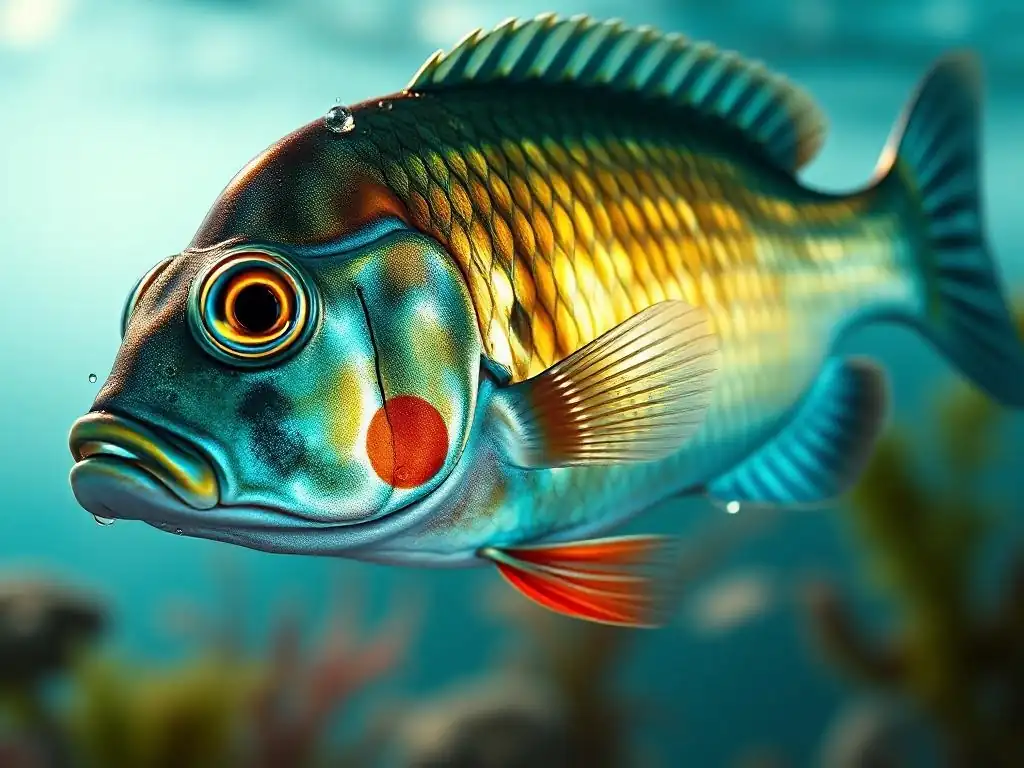
Hole-in-the-Head Disease (HITH), often attributed to the flagellate parasite Hexamita (or Spironucleus), is a common and serious ailment in cichlids like Severums. While the parasite may be present in healthy fish, outbreaks are typically triggered by poor water quality, nutritional deficiencies (especially lack of vitamins C and D), chronic stress, and overcrowding. HITH manifests as pitting and erosion, primarily on the head, face, and along the lateral line.
The disease can be insidious, progressing slowly over weeks or months. It's often associated with a weakened immune system, making it a prime example of how crucial Severum disease prevention treatments are. If left untreated, secondary bacterial infections can set in, leading to severe tissue damage and ultimately, fatality. Early intervention is key to successful recovery and preventing permanent disfigurement.
Recognizing the Signs of Hole-in-the-Head in Severums
The initial signs of Hole-in-the-Head Disease in Severums can be subtle but become progressively more obvious. Look for small, pinhole-sized lesions or erosions, often white or greyish, appearing on the forehead, around the eyes, and along the lateral line canals. These lesions may resemble small pimples or pits. As the disease advances, these pits can deepen and enlarge, sometimes becoming open sores.
Accompanying symptoms often include a general malaise, loss of appetite, and stringy, white feces, indicative of internal parasitic activity. The fish may also become lethargic, hide more frequently, or display dull coloration. Distinguishing HITH from minor abrasions requires careful observation, as the characteristic pitting is unique to this condition, making prompt identification vital for effective Severum disease prevention treatments.
Effective Medications for Hexamita Treatment
The primary and most effective medication for treating Hexamita is Metronidazole. This antibiotic and antiprotozoal agent can be administered in several ways, with medicated food often being the most successful method as it directly targets internal parasites. If the Severum is still eating, mix Metronidazole powder with their regular food (e.g., 250mg per tablespoon of food, fed daily for 5-7 days). Alternatively, it can be dosed directly into the water, typically at a rate of 250mg per 10 gallons of water, with daily water changes and re-dosing for 3-5 days.
Alongside medication, it is absolutely crucial to address the underlying causes. This means performing large water changes (50% or more), ensuring pristine water parameters, and enriching the diet with high-quality foods and vitamin supplements (especially Vitamin C). Removing activated carbon from the filter during treatment is necessary as it will absorb the medication. Consistent and comprehensive care significantly improves the chances of recovery and prevents recurrence, forming a vital part of Severum disease prevention treatments.
Ich (White Spot Disease): Identifying and Eradicating This Parasite
Ichthyophthirius multifiliis, commonly known as Ich or White Spot Disease, is one of the most prevalent and recognizable ectoparasites in freshwater aquariums. It appears as tiny, white, salt-like spots scattered across the body, fins, and gills of affected fish. Highly contagious, Ich can rapidly spread throughout an entire tank, especially in environments where fish are stressed due to poor water quality, sudden temperature changes, or new, unquarantined additions.
While Ich is treatable, its rapid life cycle and ability to infect multiple fish make it a significant threat if not addressed promptly. Understanding its life cycle is key to effective eradication and is a critical component of Severum disease prevention treatments. The parasite burrows into the fish's skin, feeding before detaching and reproducing, releasing hundreds of new infective stages into the water.
Understanding the Life Cycle of Ich in Aquariums
The life cycle of Ich has three main stages, only one of which is vulnerable to medication. The first stage is the trophont, where the parasite is embedded in the fish's skin, feeding and causing the characteristic white spots. After maturing, the trophont detaches from the fish and falls to the substrate, becoming a tomont. This tomont then encapsulates itself, undergoing rapid cell division to produce hundreds of new, free-swimming infective theronts.
These theronts are the final stage; they actively seek out a host fish to complete the cycle. It is only during this free-swimming theront stage that the parasite is exposed and susceptible to most medications. The entire cycle can take anywhere from 4 to 28 days, depending primarily on water temperature. Higher temperatures (e.g., 82-86°F or 28-30°C) accelerate the cycle, making treatment faster but also requiring increased aeration due to reduced oxygen solubility.
Treatment Options for Ich in Severums: Medication and Temperature Adjustments
Effective treatment for Ich in Severums typically involves a combination of medication and environmental adjustments. Over-the-counter Ich medications containing malachite green, formalin, or a combination of both (e.g., Kordon Rid-Ich, API Super Ick Cure) are highly effective. Always follow the manufacturer's dosage instructions precisely, as incorrect dosing can harm your fish or be ineffective. These treatments usually require daily dosing for 3-7 days to ensure all free-swimming theronts are eliminated. Remove activated carbon during treatment as it will absorb the medication.
Concurrently with medication, gradually increasing the water temperature to 82-86°F (28-30°C) over 24 hours can significantly speed up the Ich life cycle, causing the trophonts to detach and release theronts more quickly, thus making them vulnerable to medication sooner. Ensure increased aeration with an air stone, as warmer water holds less oxygen. Daily 25-30% water changes before re-dosing medication are also beneficial, as they remove some of the free-swimming parasites from the water column. This multi-pronged approach is a highly effective Severum disease prevention treatments strategy for Ich.
Fin Rot: Causes, Prevention, and Treatment in Severums
Fin Rot is a common bacterial infection that affects the fins of aquarium fish, including Severums. It is rarely a primary infection but rather a secondary one, typically caused by opportunistic bacteria (such as Aeromonas or Pseudomonas species) that take advantage of weakened fish. The primary triggers for Fin Rot are poor water quality, chronic stress, fin nipping from aggressive tank mates, or physical injuries that break the skin barrier of the fins.
The disease causes the fins to fray, disintegrate, or develop a milky, opaque appearance. If left untreated, the infection can progress to the body, leading to systemic infections that are much harder to cure and can be fatal. Effective Severum disease prevention treatments for fin rot focus on addressing the underlying stressors and maintaining pristine water conditions.
Identifying Fin Rot in Severums
Identifying Fin Rot in Severums involves observing changes in the appearance of their fins. The earliest signs often include a slight discoloration, where the edges of the fins appear opaque, milky, or reddish. As the infection progresses, the fin rays begin to fray and disintegrate, giving the fins a ragged or tattered appearance. The rot can advance quickly, sometimes consuming large portions of the fins within days.
In severe cases, the infection can spread from the fin tissue to the body, causing open sores or lesions on the body itself. Severums with Fin Rot may also exhibit clamped fins, lethargy, loss of appetite, or general signs of discomfort. Prompt identification and intervention are crucial, as early treatment can often reverse the damage and prevent the infection from becoming systemic.
Antibiotic Treatments for Fin Rot
The initial and most crucial step in treating Fin Rot is to address the underlying water quality issues. Perform a large water change (50% or more) and thoroughly gravel vacuum the substrate to remove any decaying organic matter. For very mild cases, pristine water conditions alone, combined with a healthy diet, can sometimes be sufficient for recovery.
For more moderate to severe cases, broad-spectrum antibiotics are necessary. Medications containing Furan-2, Maracyn (Erythromycin), or Kanaplex (Kanamycin) are often effective. Always follow the manufacturer's instructions for dosage and duration. During treatment, remove activated carbon from the filter, and ensure increased aeration. Continue daily water changes (25%) before re-dosing to maintain water quality. Consistent treatment and improved husbandry are vital for successful recovery and preventing recurrence, making this a key component of Severum disease prevention treatments.
Gill Flukes: Diagnosis and Treatment in Severums
Gill flukes are monogenean trematodes, which are external parasites that attach themselves to the gill filaments of fish, causing irritation and respiratory distress. These microscopic flatworms can be highly problematic, especially in crowded or poorly maintained tanks, as they are highly contagious and can multiply rapidly. They feed on the gill tissue and blood, leading to significant damage and secondary infections.
Severums infected with gill flukes will often show clear signs of respiratory distress, as the parasites impede oxygen uptake. If left untreated, a heavy infestation can lead to severe gill damage, secondary bacterial infections, and ultimately, suffocation. Effective Severum disease prevention treatments against gill flukes involve both environmental management and targeted medication.
Recognizing the Symptoms of Gill Flukes
Recognizing the symptoms of gill flukes in Severums primarily involves observing their breathing patterns and gill appearance. The most common sign is rapid gill movement, where the fish appears to be breathing heavily or panting, even when at rest. Severums may also rub or "flash" their gills against tank decorations or the substrate in an attempt to dislodge the parasites.
Other symptoms include gasping at the surface of the water, a dull or pale appearance of the gills, or the fish keeping one gill partially or completely closed. In severe infestations, the gills may appear swollen or inflamed. Severums may also exhibit general lethargy, loss of appetite, and a darkening of their coloration due to stress. These signs warrant immediate investigation and treatment.
Medications for Treating Gill Flukes in Severums
The most effective medication for treating gill flukes in Severums is Praziquantel. This anthelmintic (anti-worm) medication is highly efficient at eradicating these parasites with minimal stress to the fish. Products like PraziPro are readily available and typically administered directly into the aquarium water. Always follow the product's specific instructions for dosage and duration, as multiple doses over a period (e.g., 48 hours apart, or weekly for 2-3 weeks) may be required to target all life stages of the parasite.
Alongside Praziquantel, maintaining pristine water quality is crucial to support the Severum's recovery. Large water changes before treatment can help reduce the parasite load. Some aquarists also use non-iodized aquarium salt (e.g., 1 tablespoon per 5 gallons) as a supportive measure during treatment, as it can help reduce osmotic stress and aid gill function, but use with caution and ensure the fish tolerates it. This combined approach forms a robust Severum disease prevention treatments strategy for gill flukes.
Dropsy: Understanding the Causes and Managing the Symptoms
Dropsy is not a disease itself but rather a symptom of an underlying internal bacterial infection, often related to kidney failure or severe internal organ dysfunction. It manifests as extreme fluid retention within the fish's body cavity, causing the scales to protrude outwards, giving the fish a distinctive "pinecone" appearance. This condition is frequently triggered by prolonged exposure to poor water quality, chronic stress, or a severely compromised immune system.
Dropsy is often a late-stage symptom of a severe internal issue, and unfortunately, it carries a very poor prognosis. While treatment can be attempted, complete recovery is rare, and it often indicates a systemic failure within the fish's body. Effective Severum disease prevention treatments are paramount, as preventing the underlying causes is far more successful than treating Dropsy itself.
Identifying Dropsy in Severums
The most distinctive and unmistakable symptom of Dropsy in Severums is the severe bloating of the body combined with the "pinecone" effect, where the scales lift away from the body, standing out at an angle. This is due to the accumulation of fluid beneath the scales. This symptom is typically observed along the entire body or concentrated in the abdominal region.
Other accompanying symptoms often include lethargy, loss of appetite, pale gills, labored breathing, and clamped fins. The fish may also appear to be struggling to swim or maintain buoyancy. Once the pinecone appearance is evident, the disease is usually in its advanced stages, indicating a critical internal problem that has overwhelmed the fish's system.
Treatment Options and Supportive Care for Dropsy
Treating Dropsy is challenging, and success rates are low, but attempts can be made. The affected Severum should immediately be isolated in a hospital tank to prevent potential spread and allow for focused treatment. Broad-spectrum antibiotics, such as those containing Furan-2, Kanaplex (Kanamycin), or Seachem SulfaPlex, can be administered according to manufacturer instructions, as an internal bacterial infection is often the cause.
Additionally, Epsom salt (magnesium sulfate, not aquarium salt) can be added to the hospital tank at a rate of 1 teaspoon per 5-10 gallons. Epsom salt helps to draw out excess fluid from the fish's body and can provide some osmotic relief. Maintaining pristine water quality in the hospital tank, providing gentle aeration, and ensuring stable temperature are crucial supportive measures. While recovery is often elusive, early and aggressive treatment, combined with excellent supportive care, offers the best possible chance.
Treating Severum Diseases: A Step-by-Step Approach
Quarantine Procedures for Sick Severums
When a Severum exhibits signs of illness, the first crucial step in effective Severum disease prevention treatments is to immediately isolate the affected fish in a separate hospital or quarantine tank. This prevents the potential spread of disease to other tank inhabitants and allows for concentrated treatment without affecting the main display tank's biological filter or healthy fish. A 10-20 gallon tank is often sufficient for a single adult Severum in isolation.
The hospital tank should be equipped with a heater to maintain stable temperatures and an air stone for adequate oxygenation. It's best to avoid substrate or elaborate decorations, as this makes cleaning and medication removal much easier. Use water from the main tank or dechlorinated fresh water, ensuring the temperature and pH match the main tank to minimize stress during transfer. All equipment used for the hospital tank should be kept separate and sterilized before reuse with the main tank.
Administering Medication Effectively
Once the sick Severum is in the hospital tank, administering medication effectively is paramount for successful treatment. Always read and meticulously follow the manufacturer's instructions on the medication packaging for dosage, duration, and method of administration. Overdosing can be fatal, while underdosing can lead to resistant pathogens.
Most aquarium medications are administered directly into the water, but some, like Metronidazole for Hexamita, are more effective when mixed into food if the fish is still eating. During water-based treatments, it is crucial to remove activated carbon from the filter, as it will absorb the medication, rendering it ineffective. Maintain consistent aeration, as some medications can reduce oxygen levels. Document the start date, dosage, and any observed changes in the fish's condition to track progress and adjust as needed, which is a vital part of Severum disease prevention treatments.
Monitoring and Adjusting Treatment Plans
After initiating treatment, continuous and diligent monitoring of the sick Severum is essential. Observe the fish daily, multiple times if possible, noting any improvements or worsening of symptoms. Pay attention to changes in appetite, activity level, breathing rate, and the appearance of the affected areas. A positive response might include improved coloration, increased activity, or a reduction in visible lesions.
If no improvement is observed after the initial recommended treatment period (e.g., 3-5 days), or if symptoms worsen, it may be necessary to reassess the diagnosis or consider a different medication. However, never combine incompatible medications or exceed recommended dosages without professional veterinary advice, as this can be more harmful than the disease itself. Sometimes, extending the treatment duration or trying a different class of medication, based on a revised assessment, can be part of an adaptive Severum disease prevention treatments plan.
Post-Treatment Care and Recovery for Severums
Restoring the Tank Environment After Medication
Once the Severum has recovered and the treatment period is complete, restoring the main tank environment is crucial. The first step is to perform a large water change, typically 50-70% of the tank volume, to remove any residual medication from the water. This is especially important for medications that can harm the beneficial bacteria in the biological filter.
After the water change, reinstall any activated carbon or other chemical filtration media that were removed during treatment. The carbon will help absorb any remaining medication traces and improve water clarity. Over the next week or two, closely monitor water parameters (ammonia, nitrite, nitrate) to ensure the biological filter has not been compromised. If any spikes occur, perform small, frequent water changes until stability is restored. This careful restoration is key to long-term Severum disease prevention treatments.
Gradually Reintroducing Severums to the Main Tank
Reintroducing a recovered Severum to the main tank requires patience and a gradual approach to minimize stress and prevent relapse. Do not reintroduce the fish until it has shown no signs of illness for at least one full week, and ideally, two weeks. This ensures the fish is fully recovered and not a carrier of the disease.
The reintroduction process should be similar to acclimating a new fish. Float the Severum in a bag or container in the main tank for 20-30 minutes to allow temperature equalization. Then, gradually introduce small amounts of main tank water into the container over another 30-60 minutes, allowing the fish to slowly adjust to the main tank's water parameters. Observe the Severum and its tank mates closely for the next few days to ensure peaceful integration and no signs of recurring illness. This careful reintroduction is vital for successful Severum disease prevention treatments.
Long-Term Monitoring and Preventative Measures
The period following recovery is just as critical as the treatment itself. Long-term monitoring and a renewed commitment to preventative measures are essential to ensure the Severum's continued health and prevent future disease outbreaks. Daily observation of all Severums in the tank should become a non-negotiable routine, allowing for early detection of any new subtle behavioral or physical changes.
Reinforce excellent water quality management with regular water changes and consistent parameter testing. Maintain a high-quality, varied diet to keep their immune systems robust. Consider implementing a strict quarantine procedure for all new fish, plants, or decorations before introducing them to the main tank. A quarantine period of 4-6 weeks for new fish, during which they are observed for any signs of illness and potentially treated preventatively, is one of the most effective Severum disease prevention treatments to safeguard your established aquarium.
Advanced Severum Care: Minimizing Disease Risk
Understanding Severum Genetics and Selective Breeding
While often overlooked by the casual hobbyist, understanding the genetic background of Severums can play a subtle yet significant role in minimizing disease risk. Severums from reputable breeders or suppliers, who prioritize healthy breeding stock and proper husbandry, are generally more robust and genetically predisposed to better health. These fish are less likely to carry latent diseases or genetic weaknesses that make them more susceptible to common ailments.
Conversely, Severums obtained from sources with questionable practices, such as mass breeding operations with poor conditions, may carry inherent genetic predispositions to certain health issues or have compromised immune systems from their early life. While hobbyists rarely engage in selective breeding for disease resistance, being aware of the source and choosing healthy, well-formed specimens is an advanced Severum disease prevention treatments strategy that starts even before purchase.
The Role of Live Plants in a Healthy Severum Tank
Live plants offer numerous benefits that contribute to a healthier, more stable Severum tank environment, thereby minimizing disease risk. Firstly, live plants absorb nitrates, which are the end product of the nitrogen cycle and can accumulate to harmful levels in an aquarium. By utilizing nitrates as a nutrient source, plants help maintain lower nitrate concentrations, reducing chronic stress on fish and supporting Severum disease prevention treatments.
Secondly, plants provide natural oxygenation through photosynthesis during the day, contributing to better water circulation and gas exchange. They also offer natural hiding places and visual barriers, which reduce stress and aggression among Severums and their tank mates. Hardy plants like Anubias species, Java Fern, and various Swords are good choices for Severum tanks, as they can withstand the fish's activity and contribute to a more natural and balanced ecosystem.
Recognizing and Addressing Behavioral Changes
Beyond obvious physical symptoms, recognizing and promptly addressing subtle behavioral changes in Severums is an advanced skill in Severum disease prevention treatments. A healthy Severum is typically active, curious, and responsive to its environment. Any deviation from this baseline behavior should be investigated immediately, as it often precedes visible physical symptoms of illness.
Behavioral cues to watch for include a sudden increase in hiding, unusual lethargy or listlessness, rubbing against tank objects (flashing), rapid gill movements without obvious cause, loss of appetite lasting more than 24 hours, or unusual swimming patterns (e.g., erratic movements, difficulty maintaining buoyancy). Learning to interpret these subtle signals and responding with immediate water parameter checks, observation, and potentially quarantine, can allow for intervention at the earliest possible stage, significantly improving the chances of successful recovery before the disease progresses.
Conclusion: Ensuring a Long and Healthy Life for Your Severums
Prioritizing Prevention and Early Intervention
Ensuring a long and healthy life for your Severums hinges on two critical pillars: prioritizing prevention and mastering early intervention. The vast majority of Severum diseases can be avoided by consistently providing optimal water quality, a balanced and varied diet, and a stress-free environment tailored to their specific needs. These foundational Severum disease prevention treatments are far more effective and less taxing than attempting to cure an established illness.
However, even with the best preventative care, diseases can occasionally arise. This is where vigilant daily observation, prompt identification of subtle signs of illness, and swift, accurate intervention become paramount. By understanding common Severum ailments, having a well-stocked "fish first-aid kit," and being prepared to isolate and treat affected individuals, aquarists can significantly improve the prognosis for their beloved Severums. Ultimately, a proactive and attentive approach is the true secret to maintaining vibrant, healthy Severums for many years.
Frequently Asked Questions
What are some of the most common diseases affecting Severums in aquariums?
Severums are susceptible to diseases like Ich (white spot disease), Hexamita (hole-in-the-head disease), and various bacterial infections. Early detection is crucial for successful treatment.
How can I proactively prevent diseases in my Severum aquarium?
Prevention focuses on maintaining pristine water quality, providing a balanced diet, and ensuring a stress-free environment. Regular water changes and proper filtration are essential.
What are the key water parameters to monitor for Severum health and disease prevention?
Monitor ammonia, nitrite, and nitrate levels, keeping them as close to zero as possible for ammonia and nitrite. Also, maintain a stable pH level appropriate for Severums.
What are some effective treatment options for Ich (white spot disease) in Severums?
Treatment options include raising the water temperature, using aquarium salt, and applying medications containing malachite green or copper sulfate. Follow instructions carefully.
How do I recognize and treat Hexamita (hole-in-the-head disease) in Severums?
Look for small pits or lesions on the head. Treatment often involves metronidazole-based medications and improving water quality and diet.
Final Reflection: Cultivating Severum Health
The insights shared throughout this article underscore a crucial truth: proactive care is paramount when it comes to maintaining the health and vitality of our Severum companions. Understanding the common diseases that plague these magnificent fish, and implementing preventative measures, is not merely a matter of responsible fishkeeping, but a commitment to their well-being and longevity.
This journey into Severum disease prevention and treatment has highlighted the delicate balance within the aquarium ecosystem. It reminds us that our actions, from water quality management to dietary choices, directly impact the health and happiness of these creatures. As responsible aquarists, we must strive to create environments where Severums can thrive, free from the threat of preventable illness. An ounce of prevention is worth a pound of cure,
a sentiment that resonates deeply within the context of aquarium keeping.
Now, armed with this knowledge, I encourage you to reflect on your own practices. Are you providing the optimal environment for your Severums? Are you vigilant in observing their behavior and appearance for early signs of disease? Let this article serve as a catalyst for continuous learning and improvement, ensuring that your Severums enjoy a long, healthy, and vibrant life. Embrace proactive prevention, and witness the rewards of a thriving aquatic community.
Unlock a Healthier Severum Life!
Thank you for diving into the world of Severum health! We hope this article has equipped you with the knowledge to keep your Severums thriving. Now, let’s put that knowledge into action:
- Implement a weekly water change schedule in your aquarium and monitor the water parameters closely, as we discussed is critical for preventing most diseases.
- Share this article with fellow Severum enthusiasts on your favorite online aquarium forum – helping others is a great way to reinforce your own learning!
- Why not experiment with a new, all-natural food supplement this week to further boost your Severums' immune systems?
What specific preventative measure will you prioritize this week to ensure your Severums remain healthy and vibrant?