
The Complete Gourami Diet: Nutrition for Health, Color, and Vitality

Welcome to Aquarium Mastery!
Dive in and discover the secrets to a thriving aquarium! Ever wondered if you're feeding your Gourami the right diet for vibrant colors and peak health? Our comprehensive " Gourami Diet: Nutrition Guide" unlocks the key to their well-being, offering expert advice you won't find anywhere else. Eager to learn how to keep your Gourami happy and healthy? Let's get started!
- Understanding Gourami Nutritional Needs: A Dietary Guide
- Gourami Feeding Fundamentals: What and How to Feed
- The Cornerstone of a Gourami Diet: High-Quality Flake Food
- The Importance of Live and Frozen Foods in Gourami Nutrition
- Vegetarian Options for Gouramis: Plant-Based Dietary Components
- Gourami Color Enhancement Through Diet: Enhancing Natural Beauty
- Specialized Diets for Gourami Breeding and Fry Care
- Avoiding Common Gourami Feeding Mistakes: A Practical Guide
- Diagnosing and Addressing Gourami Nutritional Deficiencies
- Creating a Sample Gourami Feeding Schedule: A Practical Example
- Conclusion: Mastering Gourami Diet and Nutrition for a Healthy Aquarium
- Frequently Asked Questions
- Final Reflection: Nurturing Life Through Understanding
- Nourish Your Gourami: Unlock Vibrant Health & Stunning Colors!
Understanding Gourami Nutritional Needs: A Dietary Guide
Why Proper Nutrition is Crucial for Gourami Health and Longevity
Proper nutrition forms the bedrock of a Gourami's overall health, significantly influencing its vitality, disease resistance, and lifespan. A well-balanced Gourami diet provides essential nutrients that bolster the immune system, enabling these fish to ward off common ailments like fin rot, Ich, and bacterial infections more effectively. Without adequate nutrition, Gouramis can suffer from stunted growth, faded coloration, lethargy, and increased susceptibility to stress, all of which compromise their well-being and shorten their existence in the aquarium.
Furthermore, optimal nutrition directly impacts a Gourami's longevity. For instance, a Dwarf Gourami (Trichogaster lalius), when provided with a consistent and high-quality Gourami diet nutrition guide, can live for 3 to 5 years, sometimes even longer, in a properly maintained tank. Similarly, Pearl Gouramis (Trichopodus leerii) can thrive for 5 to 8 years under ideal conditions, a lifespan heavily dependent on their dietary intake. Deficiencies in vitamins, minerals, or macronutrients can lead to irreversible health issues, such as skeletal deformities or organ failure, drastically reducing their potential lifespan and quality of life.
Key Dietary Components for Thriving Gouramis
To ensure Gouramis thrive, their diet must encompass a comprehensive range of macronutrients and micronutrients. Proteins are paramount, especially for growth and tissue repair, typically constituting 35-45% of a quality omnivorous fish food. Sources like fish meal, krill, and spirulina are highly beneficial.
Fats provide concentrated energy and aid in the absorption of fat-soluble vitamins; a healthy Gourami diet should include good sources of omega-3 and omega-6 fatty acids, often derived from fish oils. Carbohydrates, while less critical than proteins and fats for carnivorous fish, provide readily available energy and fiber for digestive health, and should be present in moderate amounts.
Beyond macronutrients, a robust Gourami diet nutrition guide emphasizes the importance of vitamins and minerals. Vitamin C (ascorbic acid) is vital for immune function and stress reduction, with many high-quality fish foods containing around 100-200 mg/kg. Vitamin A supports vision and skin health, while Vitamin D is crucial for calcium absorption and bone development. Essential minerals like calcium, phosphorus, and iron also play critical roles in skeletal structure, blood oxygenation, and overall metabolic processes. Ensuring these components are present in their daily food intake is key to preventing common nutritional deficiencies.
Gourami Feeding Fundamentals: What and How to Feed
Different Types of Gourami and Their Specific Dietary Requirements
While Gouramis are broadly classified as omnivores, their specific dietary preferences can vary significantly between species, necessitating a tailored Gourami diet. Dwarf Gouramis (Trichogaster lalius) tend to be more micro-predatory, favoring small invertebrates like mosquito larvae and Daphnia, supplemented with some plant matter. Their diet should lean towards higher protein content from sources like bloodworms and brine shrimp, alongside quality flakes. Pearl Gouramis (Trichopodus leerii) are also omnivores but are known to graze more on algae and detritus in their natural habitats, benefiting from a diet that incorporates more spirulina-based foods and blanched vegetables.
Kissing Gouramis (Helostoma temminckii) present a notable dietary distinction due to their specialized "kissing" mouthparts, which are adapted for scraping algae and biofilm from surfaces. Their diet should feature a significantly higher proportion of plant-based foods, such as spirulina flakes, algae wafers, and blanched greens, alongside standard omnivore fare.
Larger Gourami species, such as the Giant Gourami (Osphronemus goramy), are also highly omnivorous and can consume a wider range of larger food items, including substantial amounts of vegetable matter like lettuce, peas, and even fruits, in addition to protein-rich pellets. Understanding these nuances is crucial for developing an effective Gourami diet nutrition guide.
Determining the Right Amount of Food for Your Gourami
Determining the correct quantity of food is vital to prevent both overfeeding and underfeeding, two common pitfalls in aquarium husbandry. A general guideline for feeding Gouramis is to offer an amount they can entirely consume within 2 to 3 minutes.
For a small Dwarf Gourami, this might translate to just 3-5 high-quality flakes per feeding, while a larger Pearl Gourami might require 5-8 flakes or an equivalent amount of small pellets. It is far better to underfeed slightly than to overfeed, as excess food quickly decomposes, leading to dangerous ammonia and nitrite spikes in the aquarium water, which are detrimental to fish health.
Observing your Gourami's behavior and physical condition is also key to fine-tuning feeding amounts. A healthy Gourami should have a slightly rounded belly after eating, but not appear bloated. If food remains after the 3-minute window, reduce the next feeding portion. Conversely, if your Gourami eagerly devours all food instantly and continues to search for more, a slight increase might be warranted. Regularly monitoring water parameters also helps confirm that the feeding regimen is not negatively impacting water quality, which is an integral part of any comprehensive Gourami diet nutrition guide.
Optimal Feeding Frequency and Schedule for Gouramis
For adult Gouramis, an optimal feeding frequency typically ranges from one to two times per day. Feeding once daily is often sufficient for maintaining good health and preventing overfeeding, especially in tanks with established biofilters. However, providing two smaller feedings spaced throughout the day can sometimes mimic natural foraging behaviors and ensure more consistent nutrient intake, particularly for active species or those in community tanks where competition for food might occur.
Young, growing Gouramis, or breeding pairs, often benefit from more frequent feedings—two to three smaller meals per day. This increased frequency supports their higher metabolic rates and the energy demands of growth or reproduction. Consistency in the feeding schedule is also beneficial, as fish learn to anticipate meal times, which can reduce stress. For example, feeding every morning around the same time and then again in the late afternoon provides a stable routine that complements a robust Gourami diet nutrition guide.
The Cornerstone of a Gourami Diet: High-Quality Flake Food
Selecting the Best Flake Food for Gouramis: Ingredients to Look For
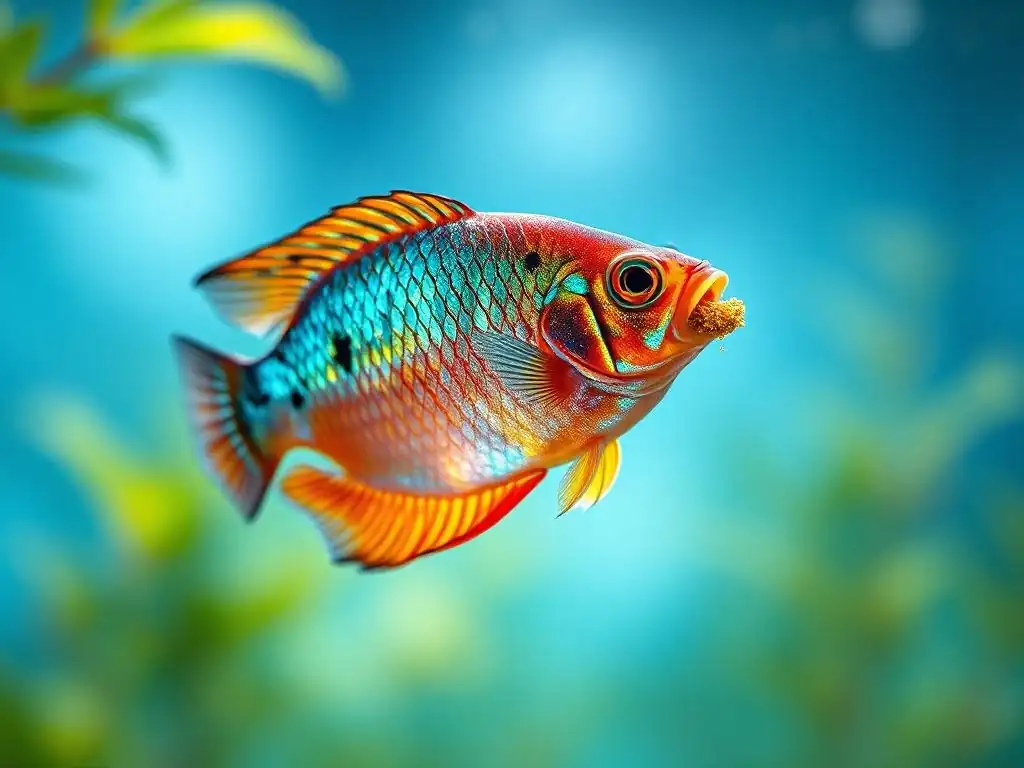
When selecting flake food as the cornerstone of your Gourami diet, prioritizing quality ingredients is paramount. The best flake foods for Gouramis will list a high-quality protein source, such as whole fish meal (e.g., salmon, herring), krill meal, or spirulina, as the first ingredient. Look for protein content typically ranging from 38% to 48%, which supports growth and muscle development. Avoid flake foods that list excessive fillers like cornstarch, wheat flour, or soy meal as primary ingredients, as these offer limited nutritional value and can contribute to digestive issues.
Furthermore, a superior flake food will be fortified with essential vitamins and minerals. Specific attention should be paid to the inclusion of Vitamin C, known for its immune-boosting properties, and carotenoids like astaxanthin, which naturally enhance Gourami coloration. Ingredients such as garlic extract can also be beneficial, acting as an appetite stimulant and potentially offering some anti-parasitic properties. Checking the expiration date is also crucial, as nutrient degradation can occur over time, diminishing the effectiveness of your chosen Gourami diet nutrition guide.
Supplementing Flake Food for a Balanced Gourami Diet
While high-quality flake food provides a solid nutritional foundation, it should not be the sole component of a Gourami's diet. Supplementing flake food with a variety of other food types is essential to ensure a complete and balanced Gourami diet nutrition guide. This diversity provides a broader spectrum of nutrients, including those that might be less abundant in processed flakes, and caters to the Gourami's natural foraging instincts.
Introducing live, frozen, and vegetable-based foods alongside flakes offers both nutritional enrichment and mental stimulation. For example, offering frozen bloodworms or brine shrimp a few times a week can provide higher protein and fat content, while blanched spinach or spirulina wafers contribute essential fiber and plant-based vitamins. This varied approach not only prevents nutritional deficiencies but also keeps your Gouramis engaged and prevents feeding boredom, leading to more active and vibrant fish.
The Importance of Live and Frozen Foods in Gourami Nutrition
Live Foods for Gouramis: A Natural and Stimulating Diet
Live foods play a significant role in providing a natural and stimulating Gourami diet, closely mimicking what they would consume in their native habitats. Offering live food stimulates their natural hunting instincts, providing valuable enrichment and exercise. Beyond behavioral benefits, live foods often boast superior nutritional profiles, retaining more vitamins and enzymes that can be lost in processed foods. Excellent choices include newly hatched brine shrimp, Daphnia, bloodworms, and blackworms. However, it's crucial to source live foods from reputable suppliers or culture them yourself to minimize the risk of introducing parasites or diseases into your aquarium.
For instance, live bloodworms are a particular favorite for many Gourami species, offering a high protein content that aids in growth and conditioning, especially for breeding. Daphnia, small crustaceans, are not only nutritious but also act as natural laxatives due to their chitinous exoskeletons, aiding in digestion. While the risk of pathogens exists with wild-caught live foods, commercially prepared live foods or those cultured at home under controlled conditions offer a safer alternative for enhancing your Gourami diet nutrition guide.
Culturing Live Foods for Gouramis at Home [e.g., Brine Shrimp, Daphnia, Microworms]
Culturing live foods at home offers a safe, convenient, and cost-effective way to provide fresh, highly nutritious options for your Gouramis. Newly hatched brine shrimp (Artemia nauplii) are incredibly popular, especially for Gourami fry and smaller adult species, due to their small size and high protein content, often exceeding 60% on a dry weight basis. Brine shrimp eggs can be hatched in a simple setup involving a bottle, air pump, and saltwater, yielding a fresh batch in 24-48 hours.
Daphnia, commonly known as water fleas, are another excellent live food source. They are relatively easy to culture in a container of aged water with a green water culture (algae) or yeast as food. Daphnia are rich in protein and beneficial for digestive health due to their fiber content. Microworms are tiny nematodes, ideal for very young Gourami fry who are too small for newly hatched brine shrimp. They are cultured on a simple oatmeal-based medium and reproduce rapidly, providing a continuous supply of highly nutritious, fatty food that is perfect for initial Gourami fry development.
Frozen Foods for Gouramis: A Convenient and Nutritious Option
Frozen foods offer an excellent balance of convenience and nutritional value, making them a staple in a well-rounded Gourami diet. They retain much of the nutritional integrity of live foods but eliminate the risks associated with introducing parasites or diseases that can sometimes accompany wild-caught live options. A wide variety of frozen foods are available, including bloodworms, Mysis shrimp, brine shrimp, and Daphnia, catering to the diverse preferences of different Gourami species.
These foods are typically flash-frozen, preserving their nutrient content effectively. For example, frozen Mysis shrimp are rich in protein and fatty acids, making them an excellent choice for promoting vibrant colors and robust health. Frozen bloodworms are a favored treat for their palatability and high iron content. Integrating these into your Gourami's weekly feeding schedule, perhaps 2-3 times, provides essential variety and complements the nutritional foundation laid by high-quality flakes, contributing significantly to a comprehensive Gourami diet nutrition guide.
Preparing and Feeding Frozen Foods to Your Gouramis
Proper preparation of frozen foods is crucial to ensure their safety and palatability for your Gouramis. Always thaw frozen foods before feeding them to your fish. This can be done by placing a small portion of the frozen cube in a cup of tank water for a few minutes until it completely thaws. Never feed large, unthawed chunks, as they can cause digestive issues or even internal injuries if swallowed by smaller fish.
After thawing, it's often beneficial to rinse the food with a fine-mesh net under cool tap water to remove any residual freezer water or preservatives that could impact water quality. Only feed a small amount at a time, ensuring that your Gouramis can consume it within 2-3 minutes to prevent uneaten food from decaying and fouling the tank water. For instance, a small quarter-inch cube of thawed bloodworms might be suitable for a pair of adult Dwarf Gouramis, while a larger Pearl Gourami might handle a slightly larger portion.
Vegetarian Options for Gouramis: Plant-Based Dietary Components
The Role of Algae and Vegetables in a Gourami's Diet
While Gouramis are primarily omnivores with a carnivorous leaning, the inclusion of plant-based foods, such as algae and fresh vegetables, plays an important role in their overall Gourami diet. This is particularly true for species like the Kissing Gourami, which naturally graze on algal films, but even other Gourami types benefit from the fiber and specific nutrients found in plant matter. Plant material aids in digestion, helping to prevent constipation and promoting a healthy gut flora.
Furthermore, plant-based foods provide essential vitamins and minerals that might be less abundant in animal-derived proteins. For example, many leafy greens are rich in Vitamin K, important for blood clotting, and various B vitamins. Incorporating these elements into the Gourami diet mimics their natural foraging behavior in the wild, where they would consume incidental plant matter alongside insects and small crustaceans, contributing to a more holistic Gourami diet nutrition guide.
Suitable Plant-Based Foods for Gouramis [e.g., Spirulina, Blanched Spinach, Algae Wafers]
Several plant-based options are highly suitable for supplementing a Gourami's diet. Spirulina, a blue-green algae, is an excellent choice, available in flake or pellet form. It is remarkably rich in protein (often over 50%), vitamins, and carotenoids, which are beneficial for color enhancement. Offering spirulina flakes a few times a week can significantly boost their nutritional intake.
Blanched vegetables are another valuable addition. Small pieces of blanched spinach, zucchini, or shelled peas (blanched and mashed) can be offered once or twice a week. Blanching softens the vegetables, making them easier for Gouramis to consume and digest. For example, a piece of blanched spinach, roughly the size of a thumbnail, can be clipped to the side of the tank. Algae wafers, primarily designed for bottom feeders, can also be offered as Gouramis will often pick at them, especially species prone to grazing.
Gourami Color Enhancement Through Diet: Enhancing Natural Beauty
Foods that Promote Vibrant Gourami Colors
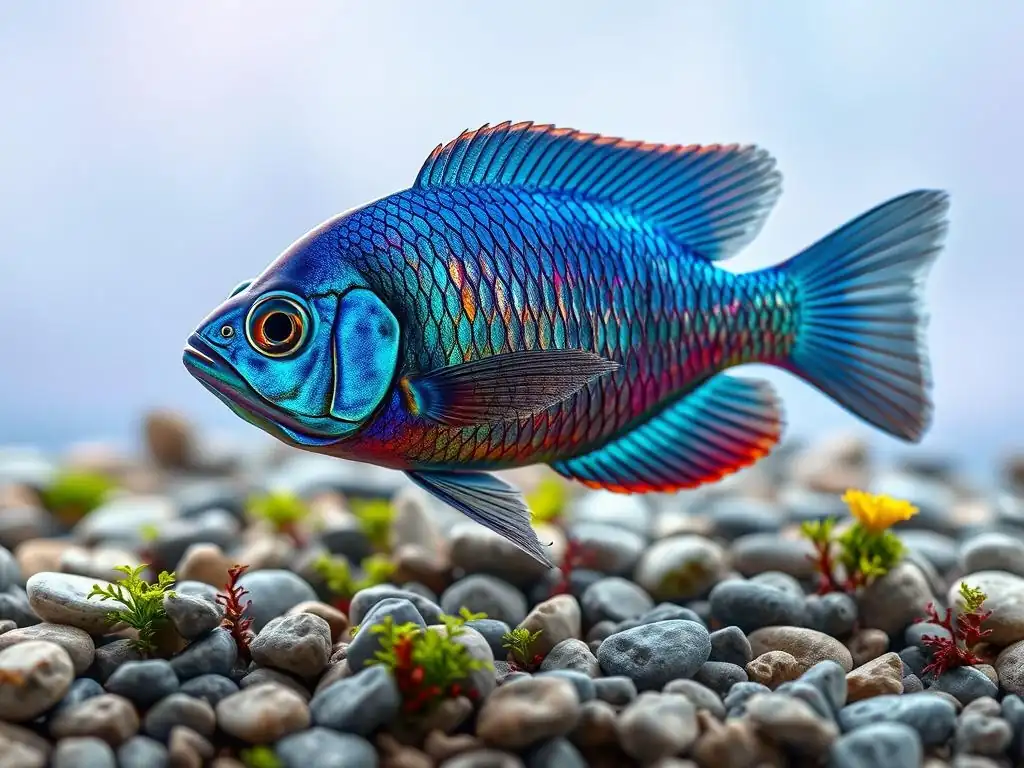
The vibrant coloration of Gouramis is one of their most attractive features, and diet plays a critical role in enhancing these hues. Foods rich in natural pigments are essential for bringing out the best in their reds, oranges, blues, and iridescent sheens. High-quality flake foods specifically formulated for color enhancement often contain higher levels of ingredients like krill, shrimp meal, and spirulina, which are naturally abundant in color-boosting compounds.
Beyond commercial color-enhancing foods, supplementing the Gourami diet with specific natural ingredients can yield impressive results. For instance, feeding frozen or live Mysis shrimp, known for their high concentration of carotenoids, a few times a week can significantly deepen red and orange tones. Similarly, including spirulina-based foods regularly contributes to overall vibrancy and sheen, making these fish truly stand out in the aquarium.
The Impact of Astaxanthin and Carotenoids on Gourami Pigmentation
The key to vibrant Gourami coloration lies in specific dietary pigments, primarily astaxanthin and other carotenoids. These organic compounds are not produced by the fish themselves but must be obtained through their diet. Once ingested, carotenoids are absorbed and deposited in the dermal layers and fins, where they contribute to the expression of red, orange, and yellow pigments. Astaxanthin, a potent keto-carotenoid, is particularly effective at enhancing red and orange hues and is also a powerful antioxidant, offering additional health benefits.
Many premium fish foods designed for color enhancement will list astaxanthin as an ingredient, often at concentrations ranging from 50 to 150 mg/kg. Foods naturally rich in these pigments include krill, shrimp, and spirulina. Regular inclusion of these ingredients in the Gourami diet nutrition guide ensures a continuous supply of these vital pigments, leading to more intense and brilliant colors, making your Gouramis truly shine.
Specialized Diets for Gourami Breeding and Fry Care
Nutritional Needs of Breeding Gouramis
The nutritional demands of Gouramis preparing to breed, and during the breeding process, are significantly elevated compared to their regular maintenance diet. Successful spawning and healthy egg development require a substantial increase in high-quality protein and fats. A diet with a protein content of 50-60% is often recommended during this conditioning phase. This provides the necessary building blocks for egg production in females and sperm development in males, while also supplying the energy required for the rigorous breeding ritual.
Live and frozen foods are exceptionally beneficial for conditioning breeding Gouramis. Offering a variety of bloodworms, blackworms, and enriched brine shrimp several times a week can stimulate spawning behavior and ensure the parents are in peak physical condition. For example, a female Dwarf Gourami may require daily feedings of live bloodworms for 1-2 weeks before she becomes gravid and ready to lay eggs. This heightened nutritional intake not only boosts fertility but also ensures the resulting fry receive a strong start.
Feeding Gourami Fry: A Step-by-Step Guide
Feeding Gourami fry is one of the most challenging aspects of breeding, as their initial size dictates microscopic food requirements. Proper nutrition during these early stages is critical for survival and rapid growth.
Infusoria and Liquid Fry Food: Initial Stages of Gourami Fry Diet
For the first few days after hatching, Gourami fry are incredibly tiny, often less than 2mm long, and require microscopic food sources. Infusoria, a collective term for various microscopic organisms like paramecium, are the ideal first food. They can be cultured at home by decaying vegetable matter (e.g., lettuce leaves) in a jar of aged tank water. Alternatively, commercial liquid fry foods offer a convenient, albeit often less nutritious, option. These are typically suspensions of finely ground particles or cultured microorganisms. Feeding should be done sparingly, 3-4 times a day, to avoid fouling the water.
Moving to Larger Foods: Brine Shrimp and Microworms for Gourami Fry
After approximately 3 to 7 days, depending on their growth rate and the Gourami species, the fry will be large enough to consume slightly larger food items. Newly hatched brine shrimp nauplii are an excellent next step. They are highly nutritious, rich in protein, and their jerky swimming motion stimulates the fry's feeding response.
Microworms are another superb choice; these small nematodes are packed with fat and protein, promoting rapid growth. These foods should be offered 2-3 times daily, in amounts that can be consumed within a few minutes. As the fry continue to grow (e.g., reaching 5-7mm), they can gradually transition to finely crushed high-quality flakes or micro-pellets.
Avoiding Common Gourami Feeding Mistakes: A Practical Guide
Overfeeding Gouramis: Risks and Prevention
Overfeeding is arguably the most common and detrimental mistake made by aquarists when it comes to a Gourami diet. The risks are substantial: excess food decays rapidly, leading to dangerous spikes in ammonia and nitrite levels, which are highly toxic to fish and can stress their immune systems, making them susceptible to diseases like fin rot and bacterial infections. Chronic overfeeding can also lead to obesity in Gouramis, causing issues such as fatty liver disease and swim bladder problems, which impair their ability to swim properly.
Prevention is straightforward: adhere strictly to the "2-3 minute rule," feeding only what your Gouramis can consume entirely within that timeframe. Remove any uneaten food promptly with a net or siphon. Establishing a consistent feeding schedule and resisting the urge to offer extra treats throughout the day also helps. For example, if you notice leftover food after 3 minutes, reduce the portion by 10-15% at the next feeding.
Underfeeding Gouramis: Recognizing the Signs and Adjusting the Diet
While less common than overfeeding, underfeeding can also severely impact a Gourami's health and vitality. Signs of underfeeding include a noticeably sunken or pinched belly, particularly evident behind the pectoral fins, indicating a lack of fat reserves. Other symptoms may include lethargy, faded coloration, stunted growth compared to healthy tank mates, and increased aggression or territoriality due to hunger and competition. In severe cases, Gouramis may exhibit skeletal deformities or a weakened immune system, leading to recurrent illnesses.
If you observe these signs, it's crucial to adjust your Gourami diet immediately. Gradually increase the feeding frequency or the amount offered, ensuring that all fish in the tank receive adequate portions without overfeeding. For instance, if a Gourami consistently has a sunken belly, try adding a third small feeding daily or slightly increasing the portion size of their main meals by 5-10% until their condition improves. Incorporating more nutrient-dense live or frozen foods can also help them regain lost weight and vitality.
Choosing the Right Food Size for Different Gourami Species
Selecting the appropriate food size is a critical, yet often overlooked, aspect of a successful Gourami diet. Gouramis have varying mouth sizes depending on their species and age, and offering food that is too large can lead to difficulty eating, wasted food, and even choking hazards. For smaller species like Dwarf Gouramis (Trichogaster lalius), small flakes or micro-pellets are ideal, as their mouths are relatively small. Live or frozen foods like newly hatched brine shrimp or finely chopped bloodworms are also suitable.
Conversely, larger species such as Pearl Gouramis (Trichopodus leerii) or Giant Gouramis (Osphronemus goramy) can handle larger flakes, pellets, and whole frozen bloodworms or Mysis shrimp. Always observe your Gouramis as they eat to ensure they can comfortably consume the food without struggling. If food is consistently being spit out, it's likely too large. Adjusting food size ensures efficient nutrient uptake and minimizes stress during feeding, completing your Gourami diet nutrition guide.
Diagnosing and Addressing Gourami Nutritional Deficiencies
Identifying Signs of Malnutrition in Gouramis
Identifying signs of malnutrition in Gouramis is crucial for early intervention and preventing long-term health issues. One of the most apparent indicators is stunted growth, where a Gourami remains significantly smaller than its healthy counterparts of the same age. Faded or dull coloration, where the fish's natural vibrant hues appear muted, often points to a lack of essential pigments like carotenoids. Skeletal deformities, such as a curved spine or bent fins, can indicate severe deficiencies in calcium, phosphorus, or Vitamin D.
Other signs include a sunken or emaciated appearance, particularly a hollow belly, indicating insufficient caloric intake. Lethargy, poor appetite, and a weakened immune system leading to frequent illnesses like fin rot, fungal infections, or susceptibility to parasites (e.g., Ich) are also common. For example, a Gourami consistently suffering from recurring fin rot despite good water quality might be experiencing a chronic Vitamin C deficiency, which impairs immune function. Recognizing these symptoms is the first step in correcting a deficient Gourami diet.
Correcting Nutritional Deficiencies Through Dietary Adjustments
Once a nutritional deficiency is suspected or identified, correcting the Gourami diet through targeted adjustments is paramount. The primary approach involves introducing a wider variety of high-quality foods that address the specific nutrient gaps. If stunted growth or emaciation is observed, increase the proportion of high-protein live or frozen foods like bloodworms, Mysis shrimp, or blackworms. For faded colors, focus on foods rich in astaxanthin and other carotenoids, such as krill-based flakes or spirulina.
For more severe or specific deficiencies, vitamin supplements designed for aquarium fish can be added to the food or directly to the water, though food supplementation is generally more effective. For instance, if skeletal deformities are present, ensuring adequate calcium and phosphorus, possibly through a higher-quality pellet or a calcium-enriched food, is vital. It's also important to ensure the overall water quality is pristine, as poor water conditions can exacerbate the effects of malnutrition. A well-rounded Gourami diet nutrition guide should always emphasize variety and quality to prevent such issues.
Creating a Sample Gourami Feeding Schedule: A Practical Example
Sample Feeding Schedule: Morning, Afternoon, Evening Feedings
Developing a consistent and varied Gourami feeding schedule is key to their long-term health and vitality. This sample schedule provides a practical example for an adult Gourami, ensuring a balanced intake of nutrients throughout the day. Adjustments may be necessary based on the specific Gourami species, age, and individual activity levels.
- Morning Feeding (e.g., 8:00 AM - 9:00 AM):
- Offer a high-quality, color-enhancing flake food. Provide an amount that can be consumed within 2-3 minutes. For a Dwarf Gourami, this might be 3-5 flakes. This initial feeding provides essential macronutrients and energy for the day.
- Afternoon Feeding (e.g., 2:00 PM - 3:00 PM - Optional for active species or growing fish):
- Provide a small, plant-based supplement. This could be a tiny piece of blanched spinach or zucchini (thumbnail size), or a small spirulina wafer. This adds fiber and plant-based vitamins, beneficial for digestion and overall health, particularly for species like Kissing Gouramis. If not using plant matter, a few micro-pellets can be given.
- Evening Feeding (e.g., 7:00 PM - 8:00 PM):
- Offer a protein-rich frozen or live food. Thawed frozen bloodworms, Mysis shrimp, or live brine shrimp are excellent choices. Provide a portion that can be eaten within 2-3 minutes. For example, a quarter of a frozen bloodworm cube for a single Pearl Gourami. This feeding provides concentrated protein and fats, crucial for muscle development and energy reserves.
This Gourami diet nutrition guide emphasizes variety, ensuring all dietary needs are met while preventing overfeeding. Remember to skip one day of feeding per week to allow the Gourami's digestive system to clear and to minimize excess waste in the tank.
Conclusion: Mastering Gourami Diet and Nutrition for a Healthy Aquarium
Frequently Asked Questions
What are the essential components of a healthy Gourami diet?
A healthy Gourami diet should consist of a balanced mix of high-quality flake food, supplemented with live and frozen foods to provide essential nutrients and encourage natural foraging behaviors. A varied diet is key.
How often should I feed my Gourami?
Gouramis should be fed small amounts 1-2 times a day. Only feed them what they can consume within 2-3 minutes to prevent overfeeding and maintain water quality.
What are some good live and frozen food options for Gouramis?
Excellent live and frozen food choices include bloodworms, daphnia, brine shrimp, and mosquito larvae. These provide essential proteins and vitamins that enhance color and vitality.
Can I feed my Gourami vegetable matter?
Yes, Gouramis will benefit from consuming vegetable matter. Offering blanched vegetables like zucchini or spinach can provide essential vitamins and fiber.
What are some signs that my Gourami is not getting proper nutrition?
Signs of malnutrition in Gouramis include faded colors, lethargy, loss of appetite, and susceptibility to disease. Ensure a varied and balanced diet to prevent these issues.
Final Reflection: Nurturing Life Through Understanding
The journey through understanding the complete gourami diet reveals more than just nutritional requirements; it unveils the intricate connection between sustenance and vitality. In a world increasingly disconnected from the natural rhythms of life, recognizing the importance of a balanced and species-appropriate diet, as we've explored, resonates deeply with our own pursuit of well-being and the responsibility we bear towards the creatures in our care.
This exploration of the gourami's dietary needs has profoundly influenced my perspective on responsible pet ownership and the interconnectedness of life within an aquarium ecosystem. It's a reminder that providing optimal nutrition isn't merely about survival, but about fostering vibrant health, brilliant colors, and a thriving environment. We are what we eat, but what we feed our animals defines our commitment to their well-being.
This sentiment underscores the ethical dimension of aquarium keeping and the profound impact our choices have on the lives of these fascinating creatures.
Now, consider how you can apply these principles of mindful nutrition to your own gourami, and indeed, to all aspects of your life. Take a moment to reflect on the choices you make, the foods you provide, and the environment you create. By embracing a holistic approach to care, you can unlock the full potential of your gourami's health and beauty, and cultivate a deeper appreciation for the delicate balance of life within your aquarium.
Nourish Your Gourami: Unlock Vibrant Health & Stunning Colors!
Thank you for diving deep into the world of Gourami nutrition! We hope you've gained valuable insights to keep your finned friends thriving. Now, let's put that knowledge into action!
Here are some steps you can take right away:
- Craft a customized feeding plan tailored to your Gourami's specific species and life stage for optimal health and color.
- Share this guide with fellow aquarium enthusiasts on your favorite forums or social media groups to spread the knowledge.
- Experiment with offering your Gourami a novel, live food treat this week, like mosquito larvae or daphnia, and observe their reaction.
What new feeding strategy will you implement first to enhance your Gourami's vibrancy?