
*Cyprichromis*: The Dazzling Sardine Cichlids of Lake Tanganyika

Welcome to Aquarium Mastery!
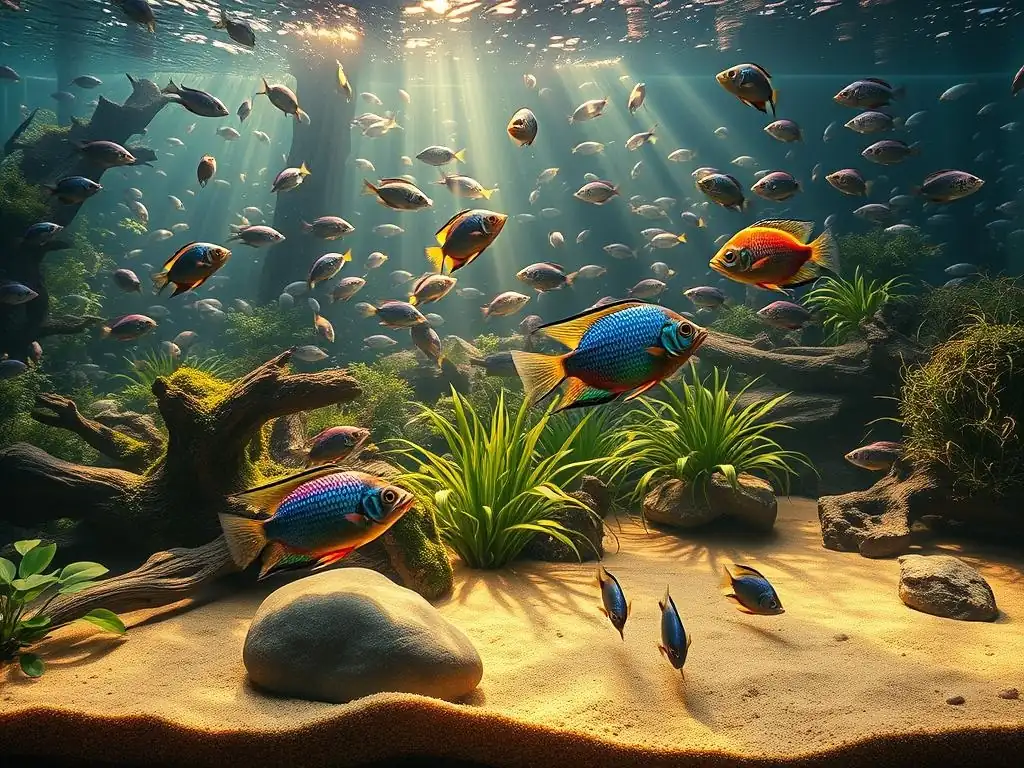
Ever been captivated by the shimmering scales of a fish that looks like it belongs in the ocean, yet thrives in freshwater? Get ready to dive deep into the world of Cyprichromis, the dazzling sardine cichlids of Lake Tanganyika. Discover essential Cyprichromis tank care tips and unlock the secrets to keeping these beauties happy and healthy in your own aquarium. Intrigued? Let's explore the specific needs and captivating behaviors of these unique fish!
- Understanding Cyprichromis: An Introduction to These Unique Cichlids
- Setting Up the Ideal Cyprichromis Tank Environment
- Cyprichromis Tank Care Tips: Essential Maintenance for Healthy Fish
- Cyprichromis Tank Mates: Choosing Compatible Species
- Breeding Cyprichromis: A Guide to Successful Reproduction
- Advanced Cyprichromis Care: Maximizing Color and Health
- Troubleshooting Common Cyprichromis Tank Problems
- The Appeal of Cyprichromis: Why Keep These Fish?
- Frequently Asked Questions
- Final Reflection: Embracing the Cyprichromis Spark
- Unleash the Vibrant World of *Cyprichromis*!
Understanding Cyprichromis: An Introduction to These Unique Cichlids
What are Cyprichromis Cichlids? Origins and Habitat
Cyprichromis cichlids are a fascinating genus of fish endemic to Lake Tanganyika in East Africa, one of the oldest and deepest freshwater lakes in the world. Unlike many other Tanganyikan cichlids that inhabit rocky crevices or shell beds, Cyprichromis are pelagic, meaning they spend most of their lives in the open water column. They are typically found in large schools, often numbering in the thousands, cruising near vertical rock faces or along the open shores where they feed primarily on zooplankton.
Their natural habitat in Lake Tanganyika features highly stable water parameters, typically with a pH ranging from 7.8 to 9.0, a high mineral content (GH 10-20 dGH, KH 10-18 dKH), and a consistent temperature between 75-80°F (24-27°C). This stability is crucial for their well-being in captivity, making pristine water conditions a cornerstone of effective Cyprichromis tank care tips. Their preference for open water and schooling behavior dictates specific aquarium setup requirements to mimic their natural environment.
Why are Cyprichromis Called Sardine Cichlids?
The moniker "Sardine Cichlids" is aptly given to Cyprichromis due to several striking resemblances to marine sardines. Firstly, their slender, elongated body shape and often iridescent, silvery scales give them a superficial likeness to their marine counterparts. This streamlined physique is perfectly adapted for swift movement in the open water.
Secondly, and perhaps most notably, is their strong schooling behavior. In their natural habitat, Cyprichromis form dense, coordinated schools that move in unison, much like schools of sardines or anchovies. This schooling instinct is a vital defensive mechanism against predators in the vast expanse of Lake Tanganyika. In the home aquarium, observing a tight-knit school of Cyprichromis darting and turning together is one of the most captivating aspects of keeping these unique cichlids.
Cyprichromis Species Profiles: A Look at Popular Varieties
While several species of Cyprichromis exist, a few are particularly popular among aquarists for their vibrant colors and distinct characteristics. The most commonly encountered species is Cyprichromis leptosoma, known for its relatively smaller size and numerous geographical color morphs, such as the 'Utinta' (blue and yellow), 'Mpulungu' (deep blue), and 'Kigoma' (yellow dorsal fin) varieties. These variations offer a stunning array of choices for the dedicated hobbyist.
Another notable species is Cyprichromis microlepidotus, which tends to be larger and more robust than C. leptosoma, often reaching lengths of up to 6 inches (15 cm). This species typically exhibits more subdued coloration but compensates with an impressive presence. Additionally, the 'Jumbo' variants, often listed as Cyprichromis sp. 'leptosoma jumbo', are naturally larger strains of C. leptosoma, showcasing the same vibrant colors but with increased size, making them a grander display in a well-maintained Cyprichromis tank.
Setting Up the Ideal Cyprichromis Tank Environment
Choosing the Right Size Aquarium for Cyprichromis
Selecting the appropriate aquarium size is paramount for the health and well-being of Cyprichromis. Given their pelagic nature and schooling behavior, these fish require ample open swimming space, particularly horizontal length. A minimum tank size of 55 gallons (approximately 208 liters) is recommended for a small group of 6-8 Cyprichromis leptosoma. However, for larger schools or the more robust C. microlepidotus or 'Jumbo' varieties, a 75-gallon (280 liters) or even 125-gallon (470 liters) aquarium is significantly better.
The emphasis should always be on tank length rather than height or depth, as Cyprichromis prefer to swim back and forth across the tank rather than up and down. For instance, a standard 75-gallon tank (48 inches long) offers considerably more suitable swimming room than a 75-gallon tall tank. Providing generous space helps to mitigate aggression, promotes natural schooling behavior, and reduces stress, which are crucial aspects of effective Cyprichromis tank care tips.
Cyprichromis Water Parameters: Maintaining Optimal Water Chemistry
Maintaining stable and optimal water parameters is perhaps the most critical aspect of Cyprichromis tank care tips, given their origin in the highly consistent waters of Lake Tanganyika. The ideal pH range for Cyprichromis is alkaline, typically between 7.8 and 9.0. Deviations outside this range can cause significant stress and health issues.
Equally important are water hardness levels: General Hardness (GH) should be maintained between 10-20 dGH, and Carbonate Hardness (KH) between 10-18 dKH. These levels provide essential minerals and buffer the pH, preventing dangerous fluctuations. The water temperature should be kept stable between 75-80°F (24-27°C). Regular testing with reliable aquarium test kits is indispensable to monitor these parameters and ensure they remain within the optimal ranges, preventing stress-related diseases and promoting vibrant health in your Cyprichromis aquarium.
Substrate and Decor: Creating a Natural Habitat for Cyprichromis
When setting up a Cyprichromis tank, the choice of substrate and decor should reflect their natural environment while prioritizing their need for open swimming space. A fine-grained sand substrate is ideal, mimicking the sandy lakebed areas they may encounter and allowing for easy cleaning. Avoid coarse gravel which can trap detritus and potentially injure delicate barbels if bottom-dwelling tank mates are present.
While Cyprichromis are primarily open-water swimmers, they appreciate vertical rock structures that extend towards the water surface, mimicking the rocky cliffs of Lake Tanganyika. These structures, often created with slate, lava rock, or limestone, provide visual breaks, potential spawning sites for males, and security for the fish. However, it's crucial to ensure these decorations do not impede the extensive open swimming areas necessary for their schooling behavior. Strategically placed rock piles at the ends of the tank, leaving the central area clear, is an excellent approach to balance their needs for security and movement.
Essential Equipment for a Cyprichromis Tank: Filtration, Heating, and Lighting
Effective filtration is non-negotiable for a Cyprichromis tank, as these fish thrive in pristine water conditions. Robust external canister filters are highly recommended due to their superior mechanical, biological, and chemical filtration capabilities, handling the bioload efficiently and maintaining crystal-clear water. Over-filtration is generally beneficial, with a filter rated for at least 2-3 times the tank volume being a good starting point. Good water flow is also important, but avoid overly strong currents that might stress the fish.
A reliable heater is essential to maintain the stable temperature of 75-80°F (24-27°C) that Cyprichromis require. It's often advisable to use two smaller heaters rather than one large one to ensure temperature stability, even if one unit fails. Lighting for a Cyprichromis tank can be relatively subdued, as they naturally inhabit deeper, dimmer waters. Standard LED aquarium lights are sufficient, and excessive brightness can sometimes stress them. Aim for a natural day-night cycle, typically 8-10 hours of light per day.
Cyprichromis Tank Care Tips: Essential Maintenance for Healthy Fish
Water Changes: Frequency and Volume for Cyprichromis Tanks
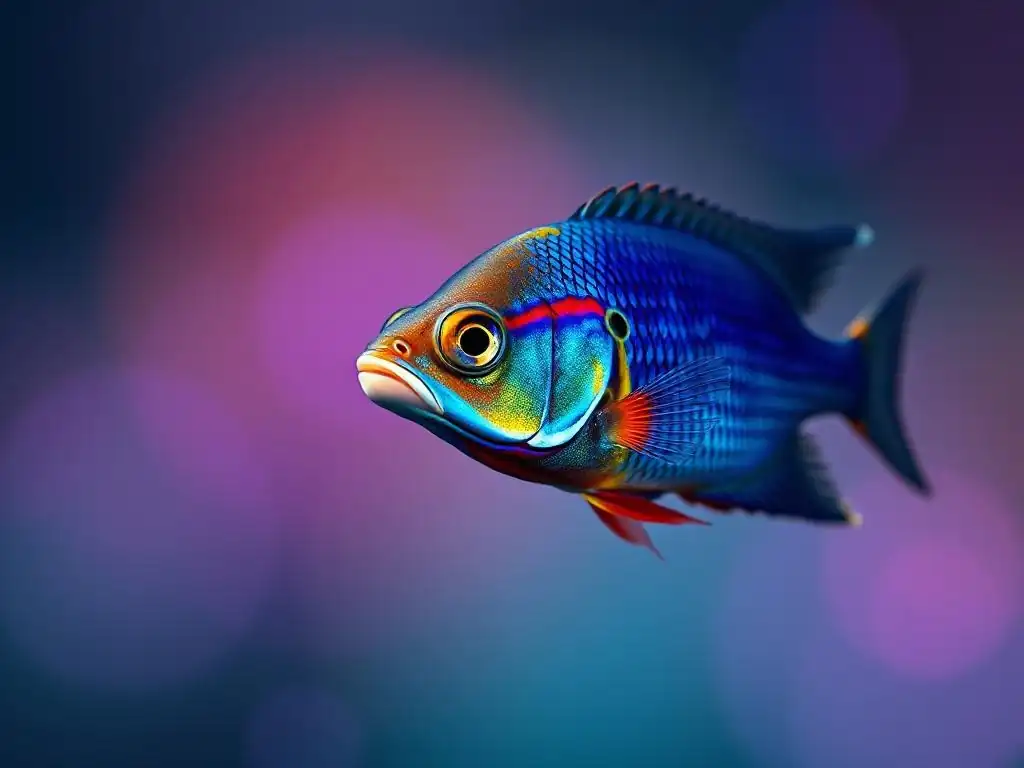
Regular and consistent water changes are among the most critical Cyprichromis tank care tips for maintaining a healthy environment. Given their sensitivity to water quality fluctuations and their natural habitat's pristine conditions, weekly water changes are highly recommended. A typical regimen involves replacing 25-30% of the tank's total water volume each week.
When performing water changes, it is vital to use a high-quality dechlorinator to neutralize chlorine and chloramines present in tap water. Additionally, ensure the new water's temperature and pH are as close as possible to the tank's existing parameters to minimize stress on the fish. While it might seem like a chore, consistent water changes dilute nitrates, replenish essential minerals, and significantly contribute to the overall health and longevity of your Cyprichromis.
Feeding Your Cyprichromis: Diet and Nutrition
Proper diet and nutrition are fundamental Cyprichromis tank care tips for ensuring the vibrant health and coloration of these fish. In their natural environment, Cyprichromis are primarily planktivores, feeding on small crustaceans and other zooplankton in the water column. Therefore, their captive diet should reflect this, focusing on small, high-quality, protein-rich foods.
High-quality flake foods or small pellets designed for cichlids or planktivorous fish should form the staple of their diet. Supplement this with frozen or live foods such as cyclops, daphnia, and enriched brine shrimp. These small, nutrient-dense foods are readily accepted and provide essential vitamins and amino acids. Feed small amounts two to three times a day, only what they can consume within a minute or two, to prevent overfeeding and maintain water quality. Overfeeding can lead to digestive issues and foul the tank, undermining your Cyprichromis tank care efforts.
Monitoring Water Quality: Testing and Adjusting Parameters
Consistent monitoring of water quality is an indispensable component of successful Cyprichromis tank care tips. Regular testing for ammonia, nitrite, and nitrate levels is crucial, as even small amounts of ammonia or nitrite can be highly toxic to these sensitive fish. Ammonia and nitrite should always read zero, while nitrates should be kept below 20 ppm through diligent water changes.
Beyond the nitrogen cycle parameters, regularly testing pH, GH, and KH is equally important to ensure they remain within the ideal Tanganyikan ranges (pH 7.8-9.0, GH 10-20 dGH, KH 10-18 dKH). If parameters deviate, adjustments may be necessary. For instance, a sudden drop in pH might indicate a lack of buffering capacity, requiring the addition of a cichlid buffer or crushed coral. Conversely, consistently high nitrates indicate insufficient water changes. Proactive monitoring allows for timely adjustments, preventing stress and disease outbreaks and ensuring the long-term well-being of your Cyprichromis.
Preventing and Treating Common Cyprichromis Diseases
Preventing diseases in Cyprichromis tanks hinges primarily on maintaining impeccable water quality and providing a stress-free environment. Common issues like Ich (white spot disease) often manifest when fish are stressed due to poor water conditions or sudden parameter changes. Another concern is Malawi bloat, though less common than in Mbuna, it can occur if Cyprichromis are fed an improper diet that is too high in vegetable matter or poor quality protein, or if they are overfed.
To prevent disease, always quarantine new fish for at least 2-4 weeks before introducing them to the main tank. During this period, observe them for any signs of illness and treat as necessary. Should disease appear, promptly identify the symptoms and treat with appropriate medications. For Ich, increasing the water temperature gradually to 82-84°F (28-29°C) and adding aquarium salt (if tank mates tolerate it) can be effective. For suspected bloat, discontinuing food and administering medication like Metronidazole may be required. Always address the underlying cause, such as poor water quality or diet, to prevent recurrence.
Cyprichromis Tank Mates: Choosing Compatible Species
Best Tank Mates for Cyprichromis in a Community Tank
Choosing appropriate tank mates is a vital aspect of Cyprichromis tank care tips, as their peaceful, open-water nature requires similarly calm and non-aggressive companions. Ideal tank mates are other Tanganyikan cichlids that occupy different niches within the aquarium, thus minimizing competition and aggression. Good choices include various species of Julidochromis (e.g., J. regani, J. marlieri), which are rock-dwelling and occupy the lower parts of the tank.
Other excellent options include some shell-dwelling Neolamprologus species (e.g., N. multifasciatus, N. similis) provided the tank is large enough to accommodate their territories and the Cyprichromis' open swimming space. Peaceful Altolamprologus species like A. calvus or A. compressiceps also make suitable companions, as they are slow-moving and primarily inhabit rocky crevices. Additionally, Tanganyikan catfish such as Synodontis multipunctatus (cuckoo catfish) can coexist peacefully, occupying the bottom of the tank and adding an interesting dynamic.
Species to Avoid: Incompatible Tank Mates for Cyprichromis
To ensure the harmony and well-being of your Cyprichromis, it is crucial to avoid certain types of fish that are incompatible with their temperament and environmental needs. Highly aggressive or boisterous cichlids, such as most Mbuna from Lake Malawi, are entirely unsuitable. Their territorial and often pugnacious nature will stress and injure the more delicate Cyprichromis, leading to fin nipping, constant hiding, and eventually, poor health.
Similarly, large, predatory cichlids or fish that are significantly larger than Cyprichromis should be avoided, as they may view the slender "sardine cichlids" as a food source. Conversely, extremely timid or small fish that cannot compete for food or are easily intimidated by the active swimming of Cyprichromis are also not ideal, as they may become overly stressed. Sticking to peaceful Tanganyikan species that complement, rather than conflict with, the Cyprichromis' behavior is key to successful Cyprichromis tank care.
Maintaining Balance: Preventing Aggression in a Cyprichromis Tank
While generally peaceful, Cyprichromis males can exhibit aggression, especially towards other males, particularly during breeding. Effective Cyprichromis tank care tips for preventing excessive aggression revolve around proper stocking and tank design. It is highly recommended to keep Cyprichromis in a group with a higher ratio of females to males, such as one male for every 3-4 females. This diffuses male aggression, as the male's attention is spread across multiple females rather than concentrated on a single rival.
Overstocking slightly, particularly with more females, can also help to diffuse aggression by spreading it out among more individuals, though this must be balanced with adequate filtration. Providing ample vertical rockwork with multiple visual breaks and potential spawning sites can also reduce direct confrontations by allowing subdominant males or stressed females to retreat. Regular observation of fish behavior is crucial; if persistent aggression is noted, adjustments to tank layout or stocking may be necessary to maintain a harmonious environment.
Breeding Cyprichromis: A Guide to Successful Reproduction
Creating Breeding Conditions for Cyprichromis
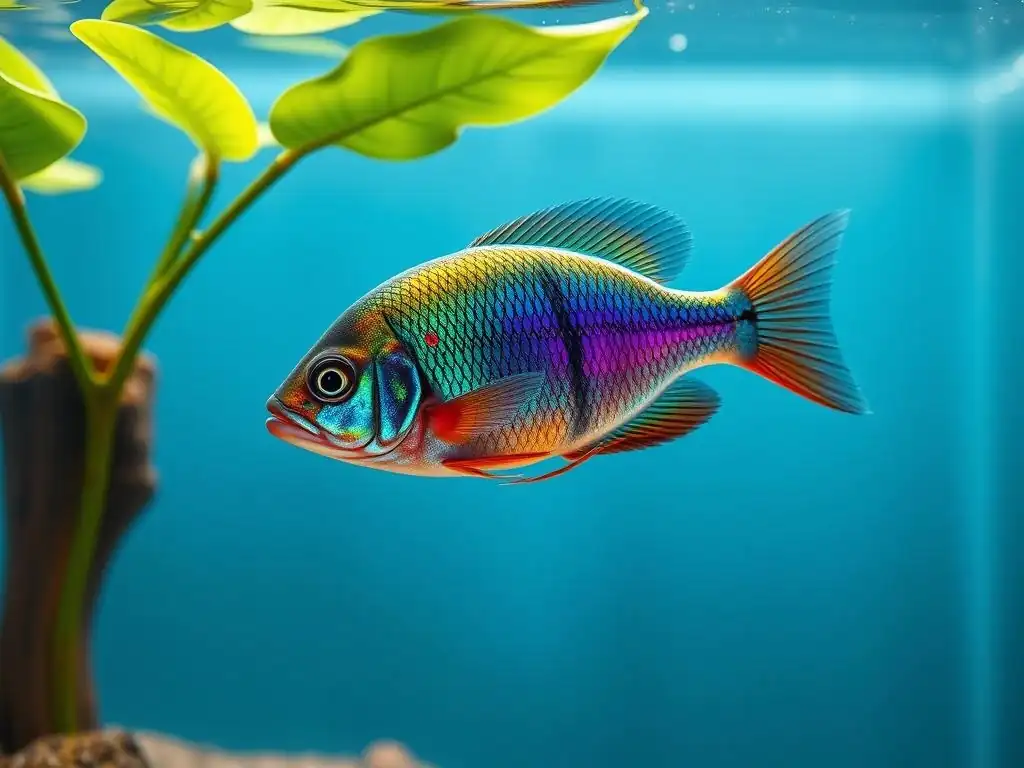
Successfully breeding Cyprichromis in the home aquarium requires stable, pristine water conditions and an environment that mimics their natural spawning grounds. The water parameters should be consistently within their optimal ranges: pH 7.8-9.0, GH 10-20 dGH, KH 10-18 dKH, and a temperature of 75-80°F (24-27°C). Regular, small water changes are more beneficial than large, infrequent ones to maintain this stability.
Providing ample vertical structures is crucial for breeding. Males will often establish territories around rock faces or even artificial spawning mops or conduits that simulate vertical surfaces. A proper male-to-female ratio, typically 1 male to 3-4 females, is essential to encourage spawning and distribute the male's attention, reducing stress on individual females. A well-fed, healthy group in a spacious, mature tank with stable parameters will naturally be more inclined to breed, making these foundational Cyprichromis tank care tips also essential for successful reproduction.
Spawning Behavior of Cyprichromis Cichlids
The spawning behavior of Cyprichromis is a captivating display. The male will select a vertical spawning site, often a rock face or a specific area on a tall piece of decor, and begin to display elaborate courtship rituals. He will flare his fins, darken his colors, and perform a "shimmy" dance to attract a receptive female. Once a female is enticed, she will approach the spawning site.
The actual spawning process involves the female laying a few eggs directly onto the chosen surface, which she then immediately takes into her mouth. The male will then display his anal fin, which often has egg spots, mimicking the eggs. The female attempts to pick up these "eggs," and in doing so, receives sperm from the male, fertilizing the eggs already in her mouth. This process is repeated until all eggs (typically 5-20, depending on the female's size and species) are laid and fertilized. The female then becomes a mouthbrooder, carrying the eggs for approximately 21-28 days.
Raising Cyprichromis Fry: Care and Feeding
Once the Cyprichromis female has successfully brooded her eggs, she will release free-swimming fry. At this point, you have a few options for raising the fry. Some hobbyists prefer to let the female release the fry in the main tank, where they may find shelter among the rockwork, though survival rates can be lower due to predation from other tank inhabitants. For higher survival rates, the mouthbrooding female can be carefully transferred to a separate, smaller "grow-out" tank (e.g., 10-20 gallons) a few days before she is expected to release the fry.
Once released, Cyprichromis fry are relatively large and can immediately consume newly hatched brine shrimp (Artemia nauplii), which is an ideal first food due to its high nutritional value. They should be fed small amounts several times a day. As they grow, their diet can be supplemented with finely crushed high-quality flake food. Maintaining pristine water conditions in the fry tank through daily small water changes is paramount for their rapid growth and health, making consistent Cyprichromis tank care tips vital from egg to adult.
Advanced Cyprichromis Care: Maximizing Color and Health
Optimizing Diet for Vibrant Cyprichromis Colors
To truly bring out the spectacular colors of your Cyprichromis, optimizing their diet beyond basic nutrition is a key advanced Cyprichromis tank care tip. While a high-quality, protein-rich flake or small pellet food should be the staple, incorporating color-enhancing ingredients can make a significant difference. Foods rich in natural carotenoids, such as spirulina flakes (for blues and greens) or foods with astaxanthin (for reds and oranges), can intensify their natural pigmentation.
Live and frozen foods like cyclops, daphnia, and enriched brine shrimp are not only excellent protein sources but also contribute to overall vitality and color. Consider offering these supplements several times a week. The goal is a varied diet that mimics their natural planktivorous feeding, ensuring they receive a full spectrum of nutrients. Remember, a healthy fish is a colorful fish, so consistency in feeding and quality of food directly correlates with their dazzling appearance.
Enhancing Water Quality for Cyprichromis Well-being
While basic water changes are essential, advanced Cyprichromis tank care tips emphasize going beyond the minimum to truly enhance water quality and promote long-term well-being. This involves not just regular water changes (25-30% weekly) but also ensuring the new water matches the tank's parameters as closely as possible, minimizing temperature and pH shock. Implementing a robust filtration system, perhaps with an oversized canister filter or even a sump, can significantly improve water clarity and biological stability.
Consider using specific buffering agents designed for Tanganyikan cichlids if your tap water naturally has a low pH or insufficient hardness. Products containing bicarbonate salts and trace minerals can help maintain the stable, high pH and hardness levels that Cyprichromis thrive in. Regular testing with accurate kits (e.g., liquid test kits over strips) allows for precise adjustments. Furthermore, ensuring good water circulation without creating excessively strong currents helps distribute oxygen and prevent dead spots, contributing to a consistently healthy aquatic environment.
Addressing Specific Health Issues in Cyprichromis
Beyond general prevention, advanced Cyprichromis tank care tips include being prepared to address specific health issues that might arise. While robust, Cyprichromis can be susceptible to issues often linked to environmental stress or improper diet. "Hole-in-the-head" disease, though less common, can sometimes affect cichlids in tanks with poor water quality or nutrient deficiencies; ensuring a varied diet and pristine conditions is the best prevention.
Bloat, while more prevalent in herbivorous cichlids, can still affect Cyprichromis if overfed or given an inappropriate diet. Symptoms include a swollen abdomen, refusal to eat, and white stringy feces. Immediate action, such as withholding food and treating with Metronidazole, is crucial. For any disease, early detection is key. Observe your fish daily for changes in behavior, appetite, coloration, or physical abnormalities. A well-stocked aquarium first-aid kit with broad-spectrum medications and a quarantine tank can be invaluable for prompt and effective treatment, safeguarding your Cyprichromis colony.
Troubleshooting Common Cyprichromis Tank Problems
Dealing with Aggression Among Cyprichromis
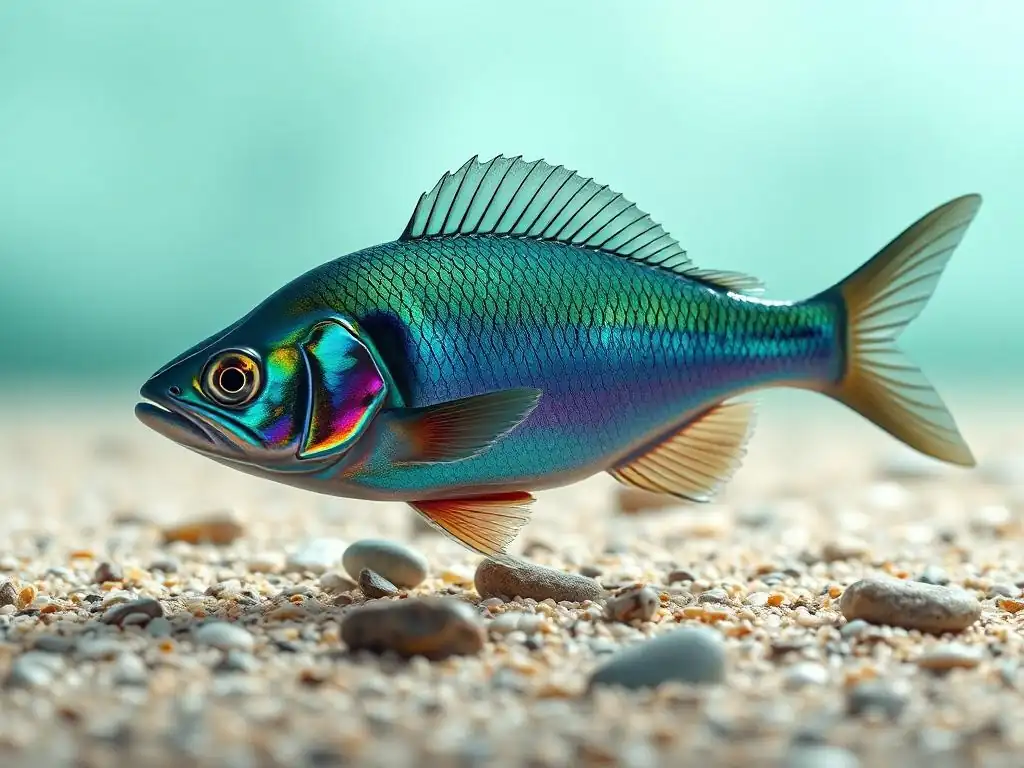
Despite their generally peaceful schooling nature, aggression can occasionally flare up among Cyprichromis, particularly between males vying for dominance or breeding rights. If you observe excessive chasing, fin nipping, or a male constantly harassing a specific female or another male, it's time to troubleshoot. One of the primary Cyprichromis tank care tips for aggression is to ensure the male-to-female ratio is appropriate, typically at least 1 male to 3-4 females; a skewed ratio can intensify male-on-male aggression.
Another effective strategy is to increase the tank size if possible, or at least rearrange the decor significantly. Adding more vertical rockwork or tall plants can create additional visual barriers and hiding spots, breaking up lines of sight and reducing direct confrontations. Slightly overstocking (within filtration limits) can sometimes diffuse aggression by spreading it among more individuals. If aggression persists, removing the most aggressive individual or adding more females may be necessary to restore peace to the Cyprichromis tank.
Identifying and Treating Diseases in Cyprichromis
Prompt identification and treatment are crucial when diseases strike a Cyprichromis tank. The first step is to observe your fish closely for any deviations from normal behavior:
- Lethargy or hiding: Could indicate stress, poor water quality, or internal illness.
- Clamped fins or rapid breathing: Often signs of stress or poor water.
- White spots (Ich): Common parasitic infection, often due to temperature fluctuations or stress.
- Swollen abdomen, loss of appetite, stringy white feces (Bloat): Serious internal bacterial infection, often diet-related.
- Frayed fins or body lesions: Could be bacterial infections, fungal infections, or injury.
Once symptoms are identified, confirm water parameters are optimal, as poor water quality is a leading cause of stress and disease. If an infection is suspected, isolate the affected fish in a quarantine tank if possible to prevent spread and facilitate treatment. Treat with appropriate aquarium-safe medications according to package directions, such as copper-based treatments for Ich, or broad-spectrum antibiotics for bacterial infections. Always follow up with diligent Cyprichromis tank care tips like water changes and stress reduction to support recovery.
Resolving Water Quality Issues in Your Cyprichromis Tank
Water quality issues are the most common problems encountered in any aquarium, and Cyprichromis are particularly sensitive to them. Troubleshooting these issues is a cornerstone of effective Cyprichromis tank care tips.
- High Ammonia/Nitrite: This indicates an uncycled tank or filter crash. Immediate action is required: perform a 50% water change, add a detoxifying agent (e.g., Prime), and increase aeration. Reduce feeding or stop feeding until levels return to zero. Check filter media for clogs or damage.
- High Nitrates: Typically due to insufficient water changes or overfeeding. Increase weekly water change volume (e.g., 30-50%) and/or frequency. Ensure you're not overstocking or overfeeding. Adding live plants (if compatible) can also help absorb nitrates.
- pH Swings/Instability: Often caused by low KH (carbonate hardness) which acts as a buffer. Test KH and if low, consider adding a cichlid buffer or crushed coral to the substrate/filter to stabilize pH within the target range of 7.8-9.0. Avoid sudden drastic pH adjustments, as stability is more important than a specific number.
- Cloudy Water: Can be bacterial bloom (new tank or overfeeding), algae bloom, or particulate matter. Address the root cause: reduce feeding, increase filtration, perform water changes, or ensure proper cycling.
Regular and diligent testing is the best defense against these issues, allowing for proactive adjustments before problems escalate.
The Appeal of Cyprichromis: Why Keep These Fish?
The Beauty and Behavior of Cyprichromis
The allure of Cyprichromis lies in their extraordinary beauty and captivating behavior, making them a highly desirable addition to any dedicated cichlid enthusiast's collection. Their slender, torpedo-shaped bodies shimmer with iridescent blues, yellows, and oranges, especially under proper lighting, creating a dazzling display reminiscent of jewels dancing in the water column. Unlike many bottom-dwelling or rock-hugging cichlids, Cyprichromis are active swimmers, constantly moving in synchronized schools, which provides a dynamic and engaging visual spectacle.
Furthermore, their unique spawning behavior, where males perform elaborate dances and females mouthbrood their fry, offers a fascinating glimpse into the complex social lives of cichlids. Observing a male Cyprichromis display his vibrant colors to attract a female, or a female carefully guarding her brood, adds an incredible layer of intrigue and satisfaction to the hobby. These aspects elevate Cyprichromis beyond mere aquarium inhabitants into true aquatic masterpieces.
The Challenges and Rewards of Keeping Cyprichromis
While keeping Cyprichromis presents certain challenges, the rewards far outweigh them for the dedicated aquarist. The primary challenge lies in consistently maintaining the pristine, stable water parameters that mimic their native Lake Tanganyika habitat. This requires diligent water changes, robust filtration, and regular testing of pH, hardness, and nitrogenous waste. Providing adequate tank size for their schooling behavior and managing potential male aggression also requires careful planning and observation.
However, the rewards of successful Cyprichromis tank care are immense. A thriving school of these "sardine cichlids" transforms an aquarium into a living, breathing piece of art. Their vibrant colors, elegant movements, and intriguing social dynamics provide endless hours of enjoyment and education. Successfully breeding them adds another layer of accomplishment, showcasing the pinnacle of dedicated aquarium husbandry. The satisfaction of maintaining a healthy, vibrant Cyprichromis colony is a testament to the aquarist's skill and passion.
Resources for Cyprichromis Keepers: Further Learning
For those looking to deepen their knowledge and refine their Cyprichromis tank care tips, a wealth of resources is available. Online forums and communities dedicated to African cichlids, such as those found on prominent aquarium websites, offer invaluable platforms for asking questions, sharing experiences, and learning from seasoned hobbyists. These communities often feature discussions on specific species, breeding techniques, and troubleshooting common issues.
Specialized books focusing on Lake Tanganyika cichlids provide in-depth information on species identification, natural habitats, and detailed care requirements. Many reputable authors have dedicated entire volumes to these fascinating fish. Additionally, local aquarium clubs and societies can be excellent resources, offering opportunities to connect with fellow enthusiasts, attend informative presentations, and even source healthy fish from local breeders. Engaging with these resources can significantly enhance your understanding and success in keeping Cyprichromis.
Frequently Asked Questions
How large of a tank is recommended for a group of Cyprichromis?
A tank of at least 75 gallons is recommended for a group of Cyprichromis. This provides enough swimming space and helps maintain stable water parameters crucial for their well-being.
What are the ideal water parameters for Cyprichromis in an aquarium?
Cyprichromis thrive in alkaline water with a pH between 8.0 and 9.0. Maintain a temperature between 76°F and 82°F, and ensure excellent water quality through regular water changes.
What is the best type of food to feed Cyprichromis?
These fish are primarily plankton feeders, so offer small, high-quality flake food, daphnia, and cyclops. Supplement their diet with small amounts of frozen or live foods for optimal health and coloration.
What are some suitable tank mates for Cyprichromis?
Good tank mates include other peaceful Tanganyikan cichlids that occupy different levels of the tank. Avoid aggressive or predatory species that may stress or harm the Cyprichromis.
What are common signs of stress or illness in Cyprichromis?
Signs of stress include loss of color, hiding, and decreased appetite. Look out for physical symptoms like clamped fins, white spots (ich), or labored breathing.
Final Reflection: Embracing the Cyprichromis Spark
The vibrant world of Cyprichromis, once a niche interest for dedicated aquarists, is now experiencing a surge in popularity, fueled by a growing appreciation for their unique beauty and relatively peaceful nature. Understanding Cyprichromis tank care is no longer just about keeping fish alive; it's about recreating a slice of Lake Tanganyika in our homes and appreciating the delicate balance of this fascinating ecosystem. This article has hopefully provided the essential knowledge to embark on that journey successfully.
The allure of Cyprichromis extends beyond their dazzling colors; it’s about connecting with the natural world and understanding the intricate relationships within a closed environment. My own fascination with these fish stems from the realization that even in a small tank, we can witness the beauty of evolution and the importance of responsible stewardship. In the end, we will conserve only what we love; we will love only what we understand; and we will understand only what we are taught.
- Baba Dioum. This quote perfectly encapsulates the responsibility we bear as aquarists to learn and share our knowledge, ensuring the well-being of these incredible creatures.
Now, I invite you to reflect on the information shared and consider how you can apply these Cyprichromis tank care tips to create a thriving aquatic environment. Whether you're a seasoned aquarist or just beginning your journey, remember that every effort to understand and replicate their natural habitat contributes to the preservation of these dazzling sardine cichlids. Embrace the challenge, observe the beauty, and become a steward of this small but significant piece of Lake Tanganyika.
Unleash the Vibrant World of *Cyprichromis*!
Thank you for diving into the captivating world of Cyprichromis! We hope you’ve discovered the beauty and unique challenges these dazzling fish bring to the aquarium hobby. Now, let's put that knowledge into action:
- Transform your tank into a shimmering Cyprichromis paradise by carefully selecting tankmates that mirror their peaceful temperament and preferred water parameters. This is the key to unlocking their full potential!
- Share your newfound appreciation for these sardine cichlids by posting photos or videos of Cyprichromis in your (or your dream) aquarium on social media. Let’s spread the love for these incredible fish!
- Explore the less common color variations of Cyprichromis, such as Jumbo variants or those from specific locales, to discover truly unique specimens.
What are your favorite Cyprichromis morphs, and what fascinating behaviors have you observed in your own aquarium?