
Danios, Rasboras & White Clouds: An Aquarium Mastery Intro to Small Schooling Cyprinids

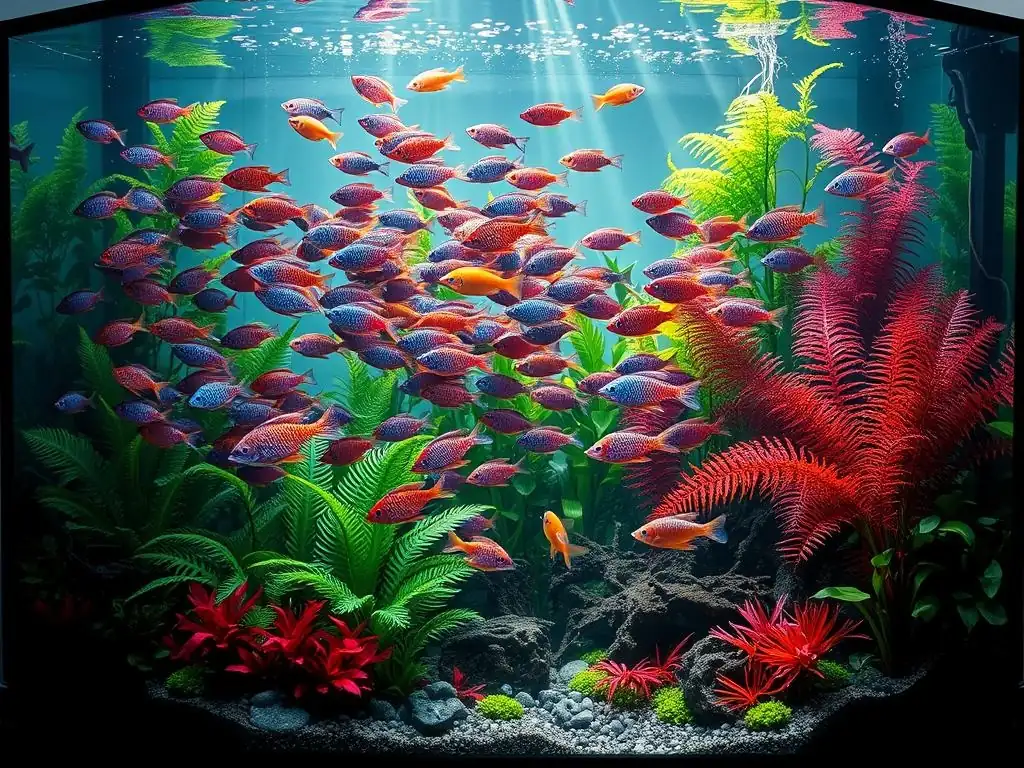
Welcome to Aquarium Mastery, where your aquatic ambitions take flight!
Ever wondered how to create a thriving, vibrant community of shimmering, active fish in a smaller freshwater aquarium? Dive into our expert guide to Small Schooling Cyprinid Aquarium Care and discover the secrets to keeping Danios, Rasboras, and White Clouds happy and healthy. Get ready to unlock the potential of these captivating little fish and transform your aquarium into a mesmerizing underwater world. What awaits you within these pages? Let's find out!
- Introduction to Small Schooling Cyprinids for Beginner Aquarists
- Essential Guide to Danio Aquarium Care
- Rasbora Aquarium Care: A Comprehensive Overview
- White Cloud Mountain Minnow Aquarium Care: A Hardy and Versatile Option
- Maintaining a Healthy Small Schooling Cyprinid Aquarium
- Choosing the Right Tank Mates for Your Cyprinids
- Troubleshooting Common Issues in Small Schooling Cyprinid Aquariums
- Advanced Tips for Small Schooling Cyprinid Enthusiasts
- Conclusion: Enjoying the Beauty of Small Schooling Cyprinids
-
Frequently Asked Questions
- What are the key characteristics that make danios, rasboras, and white clouds suitable for a "Small schooling cyprinid aquarium"?
- What size aquarium is generally recommended for keeping a school of danios, rasboras, or white clouds?
- What are the ideal water parameters for a "Small schooling cyprinid aquarium" featuring danios, rasboras, or white clouds?
- What types of food should I feed my danios, rasboras, and white clouds in my "Small schooling cyprinid aquarium"?
- What are some common health issues to watch out for in danios, rasboras, and white clouds, and how can I prevent them in my "Small schooling cyprinid aquarium"?
- Final Reflection: The Enduring Allure of Tiny Schools
- Ignite Your Aquarium Passion: Create a Thriving Cyprinid School!
Introduction to Small Schooling Cyprinids for Beginner Aquarists
Understanding the Allure of Small Schooling Fish
The mesmerizing sight of a tightly coordinated school of fish gliding through an aquarium is arguably one of the most captivating aspects of the hobby. Small schooling fish, with their synchronous movements and vibrant flashes of color, transform a static tank into a dynamic, living ecosystem. This natural behavior, often driven by a sense of security in numbers, provides a constant visual spectacle, mimicking the serene yet active flow of natural waterways. It adds a profound sense of depth and realism to any aquatic setup.
Beyond their aesthetic appeal, small schooling fish contribute significantly to the overall health and balance of a community aquarium. Their active swimming helps to circulate water, and their collective presence often encourages shyer tank mates to be more visible. Observing their intricate social dynamics and natural foraging behaviors can be incredibly therapeutic, making them a cornerstone for many aquarists seeking a lively and engaging display.
Why Choose Danios, Rasboras, and White Clouds?
Danios, Rasboras, and White Cloud Mountain Minnows stand out as exceptional choices for both novice and experienced aquarists due to their remarkable hardiness, peaceful temperaments, and relatively straightforward small schooling cyprinid aquarium care requirements. These species are widely available, typically affordable, and can adapt to a range of water parameters, making them forgiving for those still learning the nuances of aquarium maintenance. Their robust nature means they are less susceptible to common beginner pitfalls compared to more delicate species.
Their modest adult sizes, generally ranging from 1 to 2 inches (2.5 to 5 cm), allow for the creation of substantial schools even in moderately sized aquariums, such as a 20-gallon (76-liter) tank. This enables aquarists to fully appreciate their schooling behavior without overcrowding. Unlike larger, more demanding fish, these small cyprinids are less likely to produce excessive bioload, simplifying water quality management and making them a practical and visually rewarding focus for any small schooling cyprinid aquarium care plan.
Essential Guide to Danio Aquarium Care
Popular Danio Species for Community Tanks
Zebra Danio Care: A Beginner-Friendly Option
Zebra Danios (Danio rerio) are perhaps the quintessential beginner fish, renowned for their striking horizontal blue and silver stripes and ceaseless activity. Growing to an average size of 2 inches (5 cm), they are incredibly robust and forgiving, tolerating a broad range of temperatures from 64-74°F (18-23°C) and water parameters including a pH of 6.5-7.5 and hardness (GH) between 5-15 dGH. Their adaptability makes them an excellent choice for a first community tank.
These active swimmers are best kept in schools of at least 6-8 individuals to truly observe their natural schooling behavior and reduce individual stress. A well-maintained school of Zebra Danios can bring a tremendous amount of life and movement to the upper and middle levels of an aquarium. With diligent small schooling cyprinid aquarium care, including consistent water changes and a balanced diet, Zebra Danios can enjoy a healthy lifespan of 3-5 years.
Leopard Danio: Adding Variety to Your School
The Leopard Danio is a captivating color morph of the Zebra Danio, distinguished by its unique spotted pattern that replaces the traditional stripes. Sharing virtually identical care requirements with its striped counterpart, including an adult size of about 2 inches (5 cm), the Leopard Danio offers a delightful variation for aquarists looking to add visual diversity to their small schooling cyprinid collection without altering their established small schooling cyprinid aquarium care routine.
Like Zebra Danios, Leopard Danios are highly active and thrive in community setups. To encourage their best behavior and ensure their well-being, it is crucial to keep them in groups of at least six individuals. They will often school together with Zebra Danios, creating a dynamic and visually appealing mix of patterns within the same shoaling unit, enhancing the overall aesthetic of the aquarium.
GloFish Danios: Considerations for Color-Enhanced Varieties
GloFish Danios are genetically engineered variants of the Zebra Danio, modified to express brilliant fluorescent proteins that cause them to glow under blue or actinic lighting. Available in a spectrum of vibrant colors such as red, green, orange, blue, and purple, they offer a unique visual appeal. Despite their modified genetics, their fundamental small schooling cyprinid aquarium care requirements, including tank size, water parameters, and schooling needs, remain identical to those of their natural Zebra Danio ancestors.
While GloFish Danios are popular for their striking appearance, aquarists should consider their origin as genetically modified organisms based on personal preference and ethical viewpoints. From a husbandry perspective, they are just as hardy and easy to care for as standard Zebra Danios. Providing them with ample swimming space, stable water conditions, and a school of their own kind is essential for their health and to allow them to display their natural behaviors, regardless of their enhanced coloration.
Setting Up a Danio-Friendly Aquarium
Tank Size Recommendations for Danio Schools
For a thriving school of 6-8 Danios, a minimum tank size of 10 gallons (approximately 38 liters) is acceptable, though a 20-gallon (76-liter) long tank is highly recommended as an ideal starting point. Larger tanks provide more stable water parameters, reduce the impact of bioload, and offer ample horizontal swimming space, which is crucial for these active, fast-moving fish. A 20-gallon long tank, typically measuring around 30x12x12 inches (76x30x30 cm), is far superior to a 20-gallon high for Danios due to its extended length.
As Danios are energetic swimmers that spend most of their time in the upper and middle water columns, the length of the aquarium is more important than its height. A larger footprint allows them to fully express their natural schooling and darting behaviors, minimizing stress and promoting overall vitality. For larger schools, or if planning a diverse community, a 30-gallon (114-liter) or 40-gallon (151-liter) breeder tank would be even more beneficial, providing generous space for active small schooling cyprinids.
Ideal Water Parameters for Danio Health
Maintaining stable and appropriate water parameters is paramount for the long-term health of Danios. They thrive in temperatures ranging from 64-74°F (18-23°C), with a pH between 6.5 and 7.5, and a general hardness (GH) of 5-15 dGH. While they are relatively adaptable, sudden fluctuations in these parameters can cause significant stress and compromise their immune system. Regular monitoring of these levels is a non-negotiable aspect of effective small schooling cyprinid aquarium care.
Weekly or bi-weekly water testing for ammonia, nitrite, and nitrate levels using a reliable liquid test kit is essential. Ammonia and nitrite should consistently register at zero, indicating a fully cycled and healthy aquarium. Nitrate levels should be kept below 20 ppm through consistent partial water changes, typically 25% weekly. This diligent approach to water quality ensures a pristine environment that supports robust Danio health and vibrant coloration.
Choosing the Right Substrate and Decorations for Danios
When setting up a Danio aquarium, the choice of substrate is flexible, with fine gravel or sand being suitable options. Since Danios primarily inhabit the middle and upper water columns, they do not have specific substrate requirements beyond it being clean and non-abrasive. The key is to provide ample open swimming space, particularly in the central and upper regions of the tank, where they will spend most of their time darting about.
To mimic their natural habitat and provide security, incorporate various decorations such as live plants, driftwood, and smooth rocks. Hardy plants like Java Fern (Microsorum pteropus), Anubias species, and Vallisneria provide excellent cover and visual interest without impeding swimming lanes. Ensure all decorations are free of sharp edges that could potentially injure the active Danios. A balance between open areas and planted zones contributes to optimal small schooling cyprinid aquarium care and enhances the tank's aesthetic appeal.
Danio Feeding and Nutrition for Optimal Health
What to Feed Your Danios: A Balanced Diet
For optimal health and vibrant coloration, Danios require a varied and balanced diet. A high-quality flake food should serve as the staple, providing essential vitamins and minerals. However, relying solely on flakes can lead to nutritional deficiencies. Therefore, it is crucial to supplement their diet with small live or frozen foods.
Excellent supplementary options include daphnia, brine shrimp, and finely chopped bloodworms. These protein-rich foods not only provide diverse nutrients but also stimulate their natural hunting instincts, promoting active behavior. Occasionally offering spirulina-based flakes or pellets can ensure they receive adequate plant matter, contributing to a holistic and comprehensive small schooling cyprinid aquarium care feeding regimen that boosts their immune system and overall vitality.
Feeding Frequency and Portion Control for Danios
Danios are active fish with relatively high metabolisms, but overfeeding can quickly lead to poor water quality. It is recommended to feed them 1-2 times per day, offering only an amount they can consume entirely within 2-3 minutes. This ensures that no uneaten food remains to decompose, which can rapidly elevate ammonia and nitrite levels in the aquarium.
Strict portion control is a critical aspect of maintaining pristine water conditions, which directly impacts the health of your Danios. Any uneaten food should be promptly removed from the tank to prevent its decay. Adhering to this feeding schedule and portion control is a cornerstone of responsible small schooling cyprinid aquarium care, preventing common issues like cloudy water, algae blooms, and fish stress.
Rasbora Aquarium Care: A Comprehensive Overview
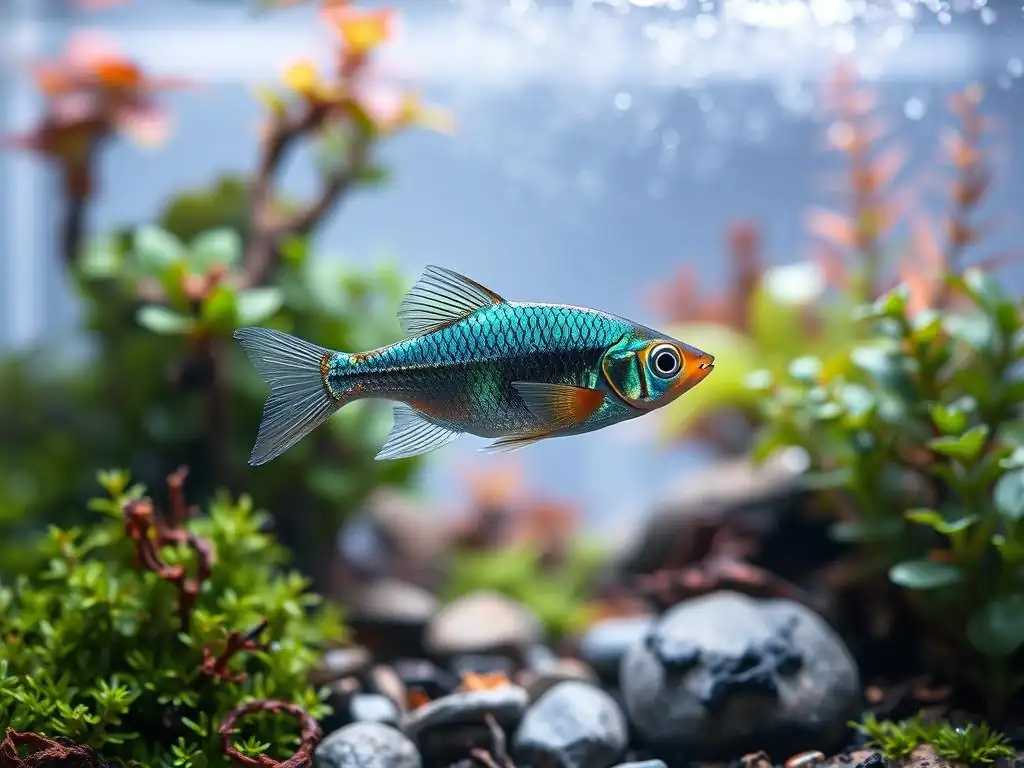
Exploring Different Rasbora Species for Your Aquarium
Harlequin Rasbora: A Classic Choice
Harlequin Rasboras (Trigonostigma heteromorpha) are a cornerstone of the freshwater aquarium hobby, beloved for their peaceful nature and distinctive black triangular patch on their copper-orange bodies. These elegant small schooling cyprinids typically reach an adult size of 1.5-2 inches (4-5 cm) and are native to the soft, acidic blackwater streams of Southeast Asia. They thrive in water with a pH of 6.0-7.0 and a general hardness (GH) of 2-8 dGH, with temperatures between 72-80°F (22-27°C).
Their strong schooling instinct and calm demeanor make them ideal inhabitants for community aquariums. To fully appreciate their natural behavior and ensure their comfort, it is recommended to keep Harlequin Rasboras in groups of at least 8-10 individuals. A larger school provides security, reduces stress, and enhances the visual impact of their synchronized movements, contributing significantly to optimal small schooling cyprinid aquarium care.
Chili Rasbora (Boraras brigittae): Care for Tiny Tanks
The Chili Rasbora (Boraras brigittae) is one of the smallest and most strikingly beautiful fish available to aquarists, reaching a maximum length of only about 0.7 inches (1.8 cm). Despite their minuscule size, they boast a vibrant red body accented by a distinctive black spot or stripe, making them a jewel-like addition to nano aquariums. Their tiny stature makes them perfectly suited for tanks as small as 5-10 gallons (19-38 liters).
Chili Rasboras require very specific water parameters, preferring highly soft and acidic water with a pH range of 4.0-6.5 and a GH of 0-5 dGH, along with temperatures between 68-78°F (20-26°C). They thrive in heavily planted tanks with dim lighting and a mature nitrogen cycle. Due to their sensitivity to water quality fluctuations, consistent small schooling cyprinid aquarium care focusing on stability and pristine conditions is paramount for these delicate beauties.
Espei Rasbora (Trigonostigma espei): Adding Subtle Color
Espei Rasboras (Trigonostigma espei), often referred to as Lambchop Rasboras, are another excellent choice for community tanks, offering a slightly more compact alternative to the Harlequin. They grow to about 1 inch (2.5 cm) and display a beautiful copper-orange coloration with a distinct "lambchop" shaped black marking, providing a subtle yet captivating splash of color. Their peaceful nature and schooling behavior make them highly compatible with other small, non-aggressive fish.
Similar to Harlequins, Espei Rasboras prefer soft, acidic water conditions and thrive in well-planted environments that offer plenty of cover. Keeping them in schools of 8 or more individuals is crucial for their well-being, as it minimizes stress and encourages them to display their most vibrant colors and natural schooling patterns. Their relatively easy small schooling cyprinid aquarium care makes them a rewarding species for aquarists looking for a charming and active addition to their setup.
Creating the Perfect Rasbora Habitat
Replicating Their Natural Environment
Most Rasbora species originate from blackwater environments in Southeast Asia, characterized by dense vegetation, subdued lighting, and soft, acidic water stained by tannins from decaying organic matter. Replicating this natural habitat in the aquarium significantly enhances their comfort, coloration, and overall health. This can be achieved by incorporating driftwood, which releases beneficial tannins, or by adding Indian almond leaves, which also contribute to the desired water chemistry and provide a natural aesthetic.
Dense planting, especially with fine-leaved plants like Java Moss, Hornwort, or various stem plants, is crucial. These plants offer abundant hiding spots and a sense of security, which is vital for these often shy small schooling cyprinids. Floating plants such as Amazon Frogbit or Dwarf Water Lettuce can further dim the light, creating the dappled, low-light conditions that many Rasbora species prefer, promoting their natural behaviors and vibrant appearance.
Water Chemistry and Temperature for Rasboras
The specific water chemistry and temperature requirements for Rasboras vary slightly by species, but generally, they prefer soft to moderately soft water with a pH range of 6.0-7.0. Temperatures typically fall between 72-80°F (22-27°C) for most common varieties like Harlequins and Espei Rasboras. However, more specialized species like the Chili Rasbora (Boraras brigittae) demand significantly softer water (GH 0-5 dGH) and more acidic conditions (pH 4.0-6.5).
Maintaining pristine water quality is paramount, especially for the more sensitive Rasbora species. Regular partial water changes, typically 20-30% weekly, are essential to keep nitrate levels low and prevent the buildup of harmful compounds. Consistent monitoring of water parameters using reliable test kits is a critical component of small schooling cyprinid aquarium care, ensuring that the environment remains stable and conducive to their long-term health and vitality.
Choosing Tank Mates for Rasboras
When selecting tank mates for Rasboras, priority should be given to peaceful, similarly sized fish that share comparable water parameter preferences. Ideal companions include other small schooling cyprinids such as Danios and White Cloud Mountain Minnows, as well as various small tetras (e.g., Ember Tetras, Neon Tetras), dwarf gouramis, and docile bottom-dwellers like Corydoras catfish or Otocinclus. Avoid any fish known for fin-nipping or aggressive behavior, as Rasboras are delicate and can be easily stressed.
Rasboras, particularly the smaller Boraras species, are inherently shy. Housing them with overly boisterous or large tank mates can lead to chronic stress, causing them to hide and display faded colors. Small, non-aggressive invertebrates such as Amano shrimp, various dwarf shrimp species (if the Rasboras are too small to predate them), and peaceful snail species (e.g., Nerite snails) can also coexist harmoniously, contributing to a balanced and tranquil community aquarium.
Rasbora Diet and Feeding Guidelines
What Do Rasboras Eat? A Guide to Proper Nutrition
Rasboras are micro-predators in their natural habitats, primarily feeding on small insects, larvae, and zooplankton. In the aquarium, a varied diet composed of high-quality small flake foods, micro-pellets, and a diverse array of small live or frozen foods is essential for their optimal health and coloration. Suitable live/frozen options include micro worms, baby brine shrimp, daphnia, and finely crushed bloodworms.
Due to their generally small mouths, especially with species like the Chili Rasbora, it is crucial to ensure that food particles are appropriately sized. A diverse feeding regimen not only provides a complete nutritional profile but also mimics their natural foraging behaviors, which can enhance their activity and vibrancy. This comprehensive approach to feeding is a vital aspect of effective small schooling cyprinid aquarium care, contributing to strong immune systems and overall vitality.
Avoiding Overfeeding and Maintaining Water Quality
Overfeeding is a common pitfall in aquarium keeping and can rapidly degrade water quality, particularly in tanks housing sensitive fish like Rasboras. It is recommended to feed Rasboras 1-2 times daily, offering only a tiny amount of food that they can completely consume within 1-2 minutes. Any uneaten food should be promptly removed using a small net or siphon to prevent its decomposition.
The decomposition of excess food leads to a rapid increase in ammonia and nitrite levels, which are highly toxic to fish and can cause severe stress, illness, or even death. By adhering to a strict feeding schedule and practicing vigilant portion control, aquarists can prevent these dangerous spikes and maintain stable, pristine water parameters. This meticulous attention to feeding is directly linked to the success and longevity of small schooling cyprinid aquarium care.
White Cloud Mountain Minnow Aquarium Care: A Hardy and Versatile Option
Understanding the Adaptability of White Cloud Mountain Minnows
White Cloud Mountain Minnows (Tanichthys albonubes) are often hailed as one of the most robust and adaptable fish in the hobby, earning them the nickname "the poor man's neon tetra" due to their schooling behavior and ease of care. Originating from the cooler mountain streams of China, they possess an exceptional tolerance for a wide range of temperatures, from 60-78°F (16-26°C). This remarkable adaptability makes them uniquely suitable for unheated aquariums in many temperate climates, a distinct advantage over most tropical species.
Reaching an adult size of approximately 1.5 inches (3.8 cm), White Cloud Mountain Minnows are peaceful, active, and display attractive coloration, especially in cooler water. Their hardiness and ability to thrive in various conditions make them an excellent choice for beginner aquarists, school projects, or those seeking a resilient species for a relatively cold-water setup. Their straightforward small schooling cyprinid aquarium care requirements contribute to their enduring popularity.
Setting Up a White Cloud Mountain Minnow Aquarium
Cold Water Aquarium Considerations for White Clouds
While White Cloud Mountain Minnows can tolerate warmer tropical temperatures, they truly thrive and exhibit their most vibrant colors and active behaviors in cooler conditions, ideally between 65-72°F (18-22°C). This makes them an excellent candidate for unheated aquariums in homes with stable room temperatures, or for setups where typical tropical fish heaters are not desired. Their preference for cooler water distinguishes them from many other popular community fish.
Keeping White Clouds in consistently warm tropical tanks (above 75°F or 24°C) can potentially shorten their lifespan and make them more susceptible to stress and disease over time. Therefore, maintaining stable temperatures within their preferred cooler range is crucial for their long-term health and vitality. Avoiding rapid temperature fluctuations is also key, as sudden changes can be detrimental, even for such hardy small schooling cyprinids.
Planting Your White Cloud Aquarium
A well-planted aquarium is highly beneficial for White Cloud Mountain Minnows, providing essential hiding spots, visual barriers, and areas for exploration. They particularly appreciate dense vegetation, especially fine-leaved plants like Java Moss (Taxiphyllum barbieri), Hornwort (Ceratophyllum demersum), and various types of Anubias. These plants mimic their natural stream habitats, offering security and encouraging natural foraging behaviors.
Beyond providing shelter, live plants contribute significantly to maintaining excellent water quality by absorbing nitrates and other waste products, reducing the frequency of necessary water changes to some extent. The addition of smooth river rocks and pieces of driftwood can further enhance the natural aesthetic of the aquarium, creating a stimulating and secure environment for your small schooling cyprinids. This naturalistic approach to aquascaping is a cornerstone of effective small schooling cyprinid aquarium care.
Feeding White Clouds: A Simple Approach
Suitable Foods for White Cloud Mountain Minnows
White Cloud Mountain Minnows are omnivorous and generally unfussy eaters, making their feeding regimen quite straightforward. A high-quality flake food should form the staple of their diet, providing foundational nutrition. To ensure a complete and balanced diet, this should be supplemented regularly with small frozen or live foods.
Excellent supplementary options include brine shrimp, daphnia, finely chopped bloodworms, and micro-pellets. These protein-rich foods not only enhance their coloration and promote healthy growth but also provide essential nutrients that may be lacking in a flake-only diet. Their willingness to accept a wide variety of small, commercially prepared foods makes feeding White Clouds a simple and rewarding aspect of small schooling cyprinid aquarium care.
Maintaining Water Quality in White Cloud Aquariums
Despite their renowned hardiness, White Cloud Mountain Minnows thrive best in excellent water quality. Regular weekly water changes of 20-30% are essential to prevent the accumulation of nitrates and other waste products, ensuring stable and pristine conditions. While they are adaptable to a wide range of water parameters, consistency within those ranges is always preferable to fluctuating conditions.
Their preferred water parameters include a pH range of 6.0-8.0 and a broad general hardness (GH) tolerance of 5-25 dGH. This wide range demonstrates their adaptability, but maintaining stable parameters within these bounds is crucial for their long-term health. Consistent monitoring of ammonia, nitrite, and nitrate levels, ensuring zero ammonia and nitrite and low nitrates, is the foundation of successful small schooling cyprinid aquarium care for White Clouds.
Maintaining a Healthy Small Schooling Cyprinid Aquarium
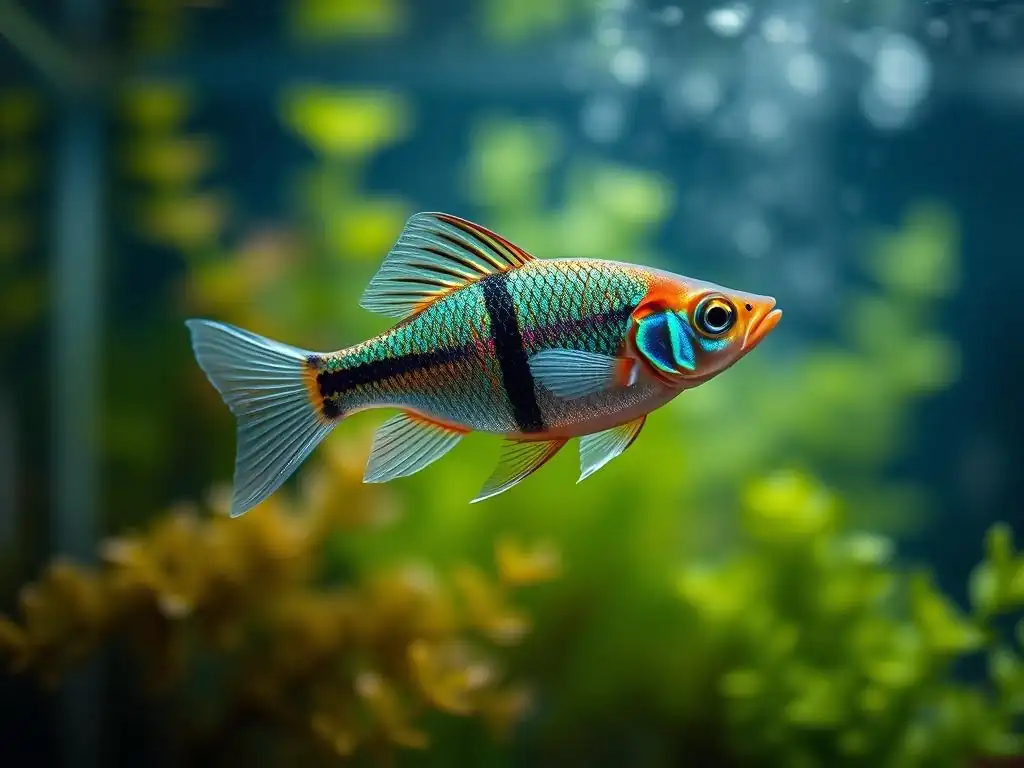
Water Quality Management: A Key to Success
Regular Water Changes and Testing
The cornerstone of successful small schooling cyprinid aquarium care is diligent water quality management, with regular water changes and testing being paramount. Performing weekly water changes of 25-30% is crucial for removing accumulated nitrates, replenishing essential trace elements, and maintaining overall water purity. This routine practice directly prevents the buildup of harmful toxins that can stress fish, compromise their immune systems, and lead to various health issues.
Equally important is the consistent monitoring of water parameters using a reliable liquid test kit. Ammonia and nitrite levels should always be undetectable (zero ppm), indicating a healthy and fully cycled biological filter. Nitrate levels, the end product of the nitrogen cycle, should be kept below 20 ppm. Regular testing allows aquarists to identify potential issues early and take corrective action before they negatively impact the delicate balance of the aquarium ecosystem.
The Importance of Filtration for Small Fish
Effective filtration is indispensable for maintaining a healthy environment for small schooling cyprinids. A good filtration system provides mechanical filtration to remove particulate matter, biological filtration to convert toxic ammonia and nitrite into less harmful nitrates, and often chemical filtration to remove odors, discolorations, and certain dissolved organic compounds. For tanks housing small fish, sponge filters, hang-on-back (HOB) filters, or appropriately sized internal filters are excellent choices.
Proper filtration not only keeps the water crystal clear but, more importantly, fosters the growth of beneficial bacteria vital for the nitrogen cycle. This biological process is the backbone of a stable aquarium, preventing the accumulation of fish waste products. When choosing a filter, ensure the flow rate is not too strong for these small fish, as excessive current can cause undue stress and exhaustion, detracting from optimal small schooling cyprinid aquarium care.
Preventing Common Diseases in Danios, Rasboras, and White Clouds
Recognizing Early Signs of Illness
Early detection of illness is critical for successful treatment and preventing the spread of disease within a small schooling cyprinid aquarium. Aquarists should regularly observe their fish for any deviations from normal behavior or appearance. Common signs of illness include clamped fins, lethargy or unusual hiding, loss of appetite, abnormal swimming patterns (e.g., darting, rubbing against objects), visible spots (like white spots of Ich), frayed or deteriorating fins, and changes in coloration (e.g., dullness, unusual patches).
Stress, often induced by poor water quality, overcrowding, or incompatible tank mates, is a primary precursor to disease in fish. Maintaining optimal water parameters, providing adequate space, and ensuring a peaceful community are the most effective preventive measures. Promptly addressing any observed symptoms and reviewing small schooling cyprinid aquarium care practices for potential stressors can significantly improve the chances of recovery and prevent widespread outbreaks.
Quarantine Procedures for New Fish
Implementing a strict quarantine procedure for all new fish before introducing them to the main display tank is a non-negotiable best practice in small schooling cyprinid aquarium care. A dedicated quarantine tank, ideally 5-10 gallons (19-38 liters), should be set up with a heater, a sponge filter (to avoid filter media waste), and a few PVC pipes or silk plants for hiding. New fish should be kept in this tank for a minimum of 2-4 weeks.
During the quarantine period, closely observe the new arrivals for any signs of disease or parasites. If any symptoms appear, the fish can be treated in the quarantine tank without risking the health of the established fish in the main aquarium. This preventative measure significantly reduces the risk of introducing pathogens into your main display, safeguarding your existing fish and ensuring the long-term health of your small schooling cyprinid community.
Breeding Small Schooling Cyprinids: A Rewarding Challenge
Creating Breeding Conditions for Danios
Breeding Danios can be a rewarding experience for aquarists. They are egg scatterers and will often spawn in a well-maintained community tank, though a separate breeding tank increases fry survival rates. A 5-10 gallon (19-38 liter) breeding tank with a mesh bottom or a layer of marbles (to protect eggs from being eaten by adults) is ideal. Fine-leaved plants like Java Moss or spawning mops should be provided for egg deposition.
To encourage spawning, slightly raise the temperature in the breeding tank to 76-78°F (24-26°C) and condition the adult fish with a high-protein diet of live or frozen foods for a week prior. Spawning typically occurs in the early morning. After eggs are laid, remove the adult fish to prevent predation. Fry hatch in about 2-3 days and initially require infusoria or liquid fry food, transitioning to newly hatched brine shrimp as they grow, which is a delicate part of small schooling cyprinid aquarium care.
Rasbora Breeding Tips and Techniques
Breeding Rasboras varies in complexity depending on the species. Harlequin Rasboras are egg placers, typically attaching their eggs to the underside of broad-leaved plants. A dedicated breeding tank with very soft, acidic water (pH 5.0-6.0, GH 1-4 dGH) and dense fine-leaved plants or spawning mops is crucial. Conditioning with live foods is essential to trigger spawning.
Chili Rasboras and other Boraras species are egg scatterers but require even more specific conditions: extremely soft and acidic water (pH 4.0-6.0) and very dim lighting, often with a peat-filtered setup. Fry are microscopic and require infusoria as a first food, making their breeding a more advanced aspect of small schooling cyprinid aquarium care. Patience and precise water parameter control are key for successful Rasbora breeding.
White Cloud Mountain Minnow Breeding Guide
White Cloud Mountain Minnows are among the easiest small schooling cyprinids to breed, often spawning continuously in a well-maintained community tank. They are egg scatterers, and in a heavily planted aquarium, some fry may survive naturally. For a higher yield, a separate breeding tank is beneficial, set up with fine-leaved plants like Java Moss, spawning mops, or a layer of marbles to protect the eggs.
To encourage spawning, condition the adults with a varied diet of live and frozen foods. White Clouds will typically lay eggs over several days. The fry are relatively hardy and can be fed finely crushed flakes or newly hatched brine shrimp once they are free-swimming. Unlike many other species, adult White Clouds are less prone to eating their own fry, especially in a densely planted tank, making them an excellent choice for first-time breeders looking to experience the joys of small schooling cyprinid aquarium care reproduction.
Choosing the Right Tank Mates for Your Cyprinids
Compatible Fish Species for Community Tanks
Selecting appropriate tank mates is crucial for a harmonious and thriving small schooling cyprinid aquarium. Compatible fish species are typically peaceful, similarly sized, and share similar water parameter preferences. Excellent choices include other small schooling cyprinids like Danios, Rasboras, and White Clouds, allowing for diverse schools. Various types of small tetras, such as Neon Tetras, Cardinal Tetras, Ember Tetras, or Glowlight Tetras, also make great companions.
Dwarf gouramis (e.g., Honey Gourami, Dwarf Gourami) can often coexist peacefully, as can docile bottom-dwellers like Corydoras catfish (e.g., Pygmy Corydoras, Peppered Corydoras) or Otocinclus catfish. The key is to avoid any fish that are known fin-nippers, overly aggressive, or significantly larger than your small schooling cyprinids. The goal is to create a balanced environment where all inhabitants can thrive without stress or predation, which is paramount for effective small schooling cyprinid aquarium care.
Invertebrate Tank Mates: Shrimp and Snails
Invertebrates can be excellent additions to a small schooling cyprinid community tank, contributing to tank cleanliness and adding unique visual interest. Amano shrimp (Caridina multidentata) are highly recommended for their exceptional algae-eating capabilities and peaceful nature. Various dwarf shrimp species, such as Cherry Shrimp (Neocaridina davidi), can also be kept, provided the fish are small enough not to view them as food.
Peaceful snail species, including Nerite snails (various species) and Mystery snails (Pomacea diffusa), are also ideal tank mates. They help control algae, consume detritus, and do not pose a threat to fish. When introducing invertebrates, ensure they are not so small that the small schooling cyprinids might predate on them, and conversely, that the cyprinids are not aggressive enough to harm the invertebrates. This careful consideration ensures a balanced and healthy ecosystem within your small schooling cyprinid aquarium care setup.
Avoiding Aggressive or Predatory Tank Mates
To ensure the safety and well-being of your small schooling cyprinids, it is absolutely critical to avoid housing them with aggressive, large, or predatory fish species. Large cichlids, such as Oscars (Astronotus ocellatus), Jack Dempseys (Rocio octofasciata), or even some larger Gourami species, will invariably stress, harass, or outright consume small fish like Danios, Rasboras, and White Clouds. Their sheer size and territorial nature make them unsuitable companions.
Similarly, fish known for fin-nipping, even if relatively small, should be avoided. Species like Tiger Barbs (Puntigrus tetrazona) can relentlessly nip at the delicate fins of small schooling cyprinids, leading to stress, injury, and susceptibility to secondary bacterial or fungal infections. Prioritizing peaceful coexistence through careful tank mate selection is a fundamental principle of successful small schooling cyprinid aquarium care, preventing unnecessary stress and ensuring the longevity of your fish.
Troubleshooting Common Issues in Small Schooling Cyprinid Aquariums
Algae Control in Planted Tanks with Small Fish
Algae is a common challenge in planted aquariums, and while a small amount is natural, excessive growth indicates an imbalance. For small schooling cyprinid tanks, the primary causes are usually too much light, excess nutrients (nitrates/phosphates), or insufficient CO2 (in planted setups). Solutions involve identifying the root cause: reduce light duration (e.g., 8-10 hours daily), perform more frequent or larger water changes to lower nutrient levels, and ensure adequate plant mass to outcompete algae for nutrients.
Introducing natural algae eaters can also be highly effective. Nerite snails are excellent at consuming various types of algae without harming plants or fish. Amano shrimp are also voracious algae eaters. Manual removal of algae during water changes, by scrubbing glass and gently wiping plant leaves, provides immediate relief. Chemical algae removers should be used as a last resort and with extreme caution, as they can sometimes be detrimental to sensitive small schooling cyprinids or beneficial bacteria.
Dealing with Cloudy Water
Cloudy water is a common and often alarming issue in aquariums, but it's usually a sign of an underlying imbalance. In new tanks, cloudiness is frequently caused by a bacterial bloom as the beneficial nitrifying bacteria colonize surfaces and establish the biological filter; this "new tank syndrome" typically resolves on its own within a few days to weeks. In established small schooling cyprinid aquariums, cloudy water often points to overfeeding, insufficient filtration, or infrequent water changes.
To address cloudy water in an established tank, first, reduce feeding immediately to prevent further organic buildup. Perform a 25-50% water change to dilute pollutants. Then, inspect your filter to ensure it's clean and functioning optimally; clean or replace filter media as needed, but avoid over-cleaning biological media. Avoid using chemical clarifiers if possible, as they merely clump particles and can sometimes stress fish or lead to other problems. Patience and consistent small schooling cyprinid aquarium care practices are key to clearing the water naturally.
Addressing Fish Loss and Mortality
Experiencing fish loss or mortality in a small schooling cyprinid aquarium can be distressing, but it requires a systematic approach to identify and resolve the underlying problem. The very first step is to immediately test all critical water parameters: ammonia, nitrite, nitrate, pH, and temperature. Poor water quality, particularly elevated ammonia or nitrite, is by far the most common cause of fish death. If parameters are off, perform an immediate partial water change (30-50%) and address the root cause (e.g., overfeeding, insufficient cycling, filter issues).
If water parameters are within acceptable ranges, consider other potential causes. Observe remaining fish for any signs of disease (e.g., visible spots, frayed fins, abnormal swimming), which might indicate an infection or parasite. Overcrowding, incompatible tank mates causing stress, or even old age can also contribute to mortality. Promptly remove any deceased fish to prevent further ammonia spikes. Thoroughly reviewing your small schooling cyprinid aquarium care routine and the tank's stocking can help identify and rectify the problem, preventing further losses.
Advanced Tips for Small Schooling Cyprinid Enthusiasts
Aquascaping for Small Fish
Advanced aquascaping for small schooling cyprinid tanks goes beyond simply placing decorations; it involves designing a functional and aesthetically pleasing underwater landscape that enhances the well-being and natural behaviors of the fish. The goal is to create a dynamic environment that offers both ample open swimming space for schooling and densely planted or hardscaped areas for exploration, security, and visual interest.
Consider using the "rule of thirds" for layout and incorporating visual depth. A sloping substrate from front to back, varying heights of plants, and strategically placed driftwood or rocks can make a smaller tank appear larger and more engaging. For instance, creating a strong diagonal line or a central focal point with open areas on either side encourages the small schooling cyprinids to move fluidly, showcasing their synchronized movements. Thoughtful aquascaping elevates small schooling cyprinid aquarium care to an art form.
CO2 Injection and Plant Growth
For small schooling cyprinid enthusiasts who wish to cultivate lush, vibrant planted aquariums, CO2 injection can be a transformative step. Carbon dioxide is a vital nutrient for aquatic plants, and supplementing it significantly boosts photosynthesis, leading to accelerated growth, richer colors, and healthier plant mass. Healthy, fast-growing plants also contribute to better water quality by efficiently absorbing nitrates and outcompeting undesirable algae.
However, CO2 injection requires careful monitoring and precision. Too much CO2 can drastically lower the pH and suffocate fish, while too little will yield minimal benefits. A reliable CO2 regulator, a drop checker (to visually monitor CO2 levels), and potentially a pH controller are essential tools to maintain stable and safe CO2 levels. Mastering CO2 injection represents an advanced level of small schooling cyprinid aquarium care, balancing thriving plant life with the safety of your fish.
Creating a Biotope Aquarium
Creating a biotope aquarium offers an immersive and advanced approach to small schooling cyprinid aquarium care by meticulously replicating a specific natural habitat from which your chosen fish originate. For example, a Southeast Asian blackwater stream biotope for Harlequin Rasboras would involve very soft, acidic water, dark substrate, dense leaf litter, and driftwood, with dim lighting. A Chinese mountain stream biotope for White Cloud Mountain Minnows might feature cooler temperatures, smooth river rocks, and fast-flowing hardy plants.
The benefit of a biotope tank is that it provides the most natural and stress-free environment possible for the fish, encouraging their natural behaviors, enhancing their coloration, and often promoting breeding. It requires thorough research into the specific geographic origin, water parameters, and flora/fauna of the chosen region. This dedication to authenticity elevates the aquarium experience, offering a unique window into the natural world of small schooling cyprinids.
Conclusion: Enjoying the Beauty of Small Schooling Cyprinids
Danios, Rasboras, and White Cloud Mountain Minnows offer aquarists a captivating glimpse into the vibrant world of small schooling cyprinids. Their active schooling behaviors, diverse coloration, and relatively hardy nature make them ideal candidates for a wide range of aquarium setups, from beginner community tanks to advanced biotope displays. They bring a dynamic energy and a sense of natural tranquility to any aquatic environment.
With diligent small schooling cyprinid aquarium care, focusing on stable water parameters, appropriate tank setup, a balanced diet, and compatible tank mates, these charming fish can thrive and provide years of enjoyment. Their resilience and engaging personalities make the effort truly rewarding. Embark on your journey with these fascinating fish, and discover the profound beauty and serenity that a well-maintained small schooling cyprinid aquarium can bring to your home.
Frequently Asked Questions
What are the key characteristics that make danios, rasboras, and white clouds suitable for a "Small schooling cyprinid aquarium"?
These fish are ideal due to their small size, peaceful temperament, and tendency to form tight-knit schools, making them manageable in smaller tanks. They also generally have similar water parameter requirements.
What size aquarium is generally recommended for keeping a school of danios, rasboras, or white clouds?
A tank of at least 10 gallons is generally recommended, though larger schools will thrive in tanks of 20 gallons or more. Adequate space allows for swimming room and reduces stress.
What are the ideal water parameters for a "Small schooling cyprinid aquarium" featuring danios, rasboras, or white clouds?
These cyprinids generally prefer slightly acidic to neutral water with a pH between 6.0 and 7.5. The water temperature should be kept between 68-78°F (20-26°C). Stable parameters are crucial.
What types of food should I feed my danios, rasboras, and white clouds in my "Small schooling cyprinid aquarium"?
They are omnivores and will readily accept a varied diet including high-quality flake food, small live or frozen foods (like daphnia and brine shrimp), and occasional vegetable matter. Overfeeding should be avoided.
What are some common health issues to watch out for in danios, rasboras, and white clouds, and how can I prevent them in my "Small schooling cyprinid aquarium"?
Common issues include ich (white spot disease) and fin rot. Prevent these by maintaining excellent water quality through regular water changes, avoiding overcrowding, and quarantining new fish.
Final Reflection: The Enduring Allure of Tiny Schools
The journey into the world of small schooling cyprinids, as we've explored, is more than just setting up an aquarium; it's about creating a vibrant ecosystem in miniature. The principles of responsible aquarium keeping and understanding the delicate balance of these ecosystems are increasingly vital in a world where biodiversity faces unprecedented challenges. By mastering the care of these tiny fish, we contribute to their conservation and learn valuable lessons about the interconnectedness of life.
This fascination with small schooling cyprinids reflects a deeper human desire to connect with nature, even within the confines of our homes. The quiet observation of a school of danios darting through planted aquariums offers a meditative escape, a reminder of the beauty and complexity that exists on a smaller scale. In every walk with nature, one receives far more than he seeks.
- John Muir. This quote encapsulates the profound sense of peace and wonder that these miniature ecosystems can inspire, fostering a greater appreciation for the natural world.
Now, as you consider the knowledge shared within this article, I encourage you to reflect on the potential impact you can have. Whether you're a seasoned aquarist or a curious beginner, embrace the opportunity to create a thriving environment for these captivating creatures. Let the lessons learned here inspire you to not only provide excellent care but also to advocate for responsible practices and share your passion with others. The future of these small wonders, and indeed the health of our planet, depends on our collective commitment to understanding and protecting the delicate ecosystems around us.
Ignite Your Aquarium Passion: Create a Thriving Cyprinid School!
Thanks for diving into the world of small schooling cyprinids! We hope you've gained a fin-tastic understanding of these captivating fish and their unique needs. Now it's time to put that knowledge into action!
- Commit to Planning! Carefully research and select the species of danio, rasbora, or white cloud that best fits your aquarium size and experience level.
- Share the love! Introduce a friend to the wonderful world of nano fish by sharing this article.
- Explore beyond! Consider looking into live plants that provide the perfect environment for your fish.
Ready to build the perfect home for your new cyprinid school?