
Identifying Male vs. Female: Sexing Danios, Rasboras, and White Clouds Accurately


Welcome to Aquarium Mastery!
Ever wondered if your Danios are ready to breed, or simply curious to tell the boys from the girls? Unlocking the secrets of sexing your fish can significantly improve their health and happiness. Dive into our comprehensive Danios female sexing guide and learn to accurately identify the subtle differences between male and female Danios, Rasboras, and White Clouds. Get ready to level up your aquarium mastery and create a thriving aquatic ecosystem!
- Identifying Male vs. Female: Sexing Zebra Danios, Harlequin Rasboras, and White Cloud Mountain Minnows Accurately
- Introduction to Sexing Small Schooling Cyprinids: Zebra Danios, Harlequin Rasboras, and White Cloud Mountain Minnows
- Zebra Danio Female Sexing Guide: Visual Cues and Characteristics
- Harlequin Rasboras Sexing Guide: Distinguishing Males from Females
- White Cloud Mountain Minnow Sexing: Tips and Tricks
- Comparing Sexing Methods: Zebra Danios vs. Harlequin Rasboras vs. White Cloud Mountain Minnows
- Advanced Sexing Techniques: Beyond Visual Observation
- Potential Pitfalls in Sexing Zebra Danios, Harlequin Rasboras, and White Cloud Mountain Minnows
- Breeding Considerations Based on Sex Identification
- Conclusion: Mastering the Art of Sexing Your Small Cyprinids
- Frequently Asked Questions
- Final Reflection: Unveiling the Secrets of Aquatic Harmony
- Unveil the Secrets: Become a Fish Sexing Pro!
Identifying Male vs. Female: Sexing Zebra Danios, Harlequin Rasboras, and White Cloud Mountain Minnows Accurately
Introduction to Sexing Small Schooling Cyprinids: Zebra Danios, Harlequin Rasboras, and White Cloud Mountain Minnows
The Importance of Sexing Your Zebra Danios, Harlequin Rasboras, and White Cloud Mountain Minnows
Accurately identifying the sex of your small schooling cyprinids, such as Zebra Danios, Harlequin Rasboras, and White Cloud Mountain Minnows, is crucial for several aspects of successful aquarium keeping. Primarily, it is essential for anyone interested in breeding these species, as establishing the correct male-to-female ratio is foundational for successful spawning. Beyond reproduction, understanding the sex of your fish can significantly impact the social dynamics within a community tank, helping to prevent aggression or stress caused by imbalanced populations.
Furthermore, proper sexing contributes to the overall health and well-being of your fish. For instance, in species where males can be relentlessly persistent in their pursuit of females, an adequate number of females (often a 2:1 or 3:1 female-to-male ratio) can disperse male attention, thereby reducing stress on individual females and preventing exhaustion or injury. This attention to detail ensures a harmonious environment, optimizing the tank's resources and space for thriving fish populations.
Challenges in Identifying Male vs. Female Cyprinids
Despite their popularity, sexing small cyprinids presents several challenges due to their relatively small size and often subtle sexual dimorphism. Unlike some larger fish species that exhibit dramatic differences in color, fin shape, or size between sexes, Zebra Danios, Harlequin Rasboras, and White Cloud Mountain Minnows often require keen observation to distinguish males from females. A typical adult Zebra Danio, for example, averages 1.5 to 2 inches (3.8-5 cm), making minute distinctions difficult to discern with the naked eye.
Compounding this difficulty is the influence of age and environmental factors. Young fish, or juveniles, are notoriously difficult to sex accurately as they have not yet developed their full adult characteristics; sexual maturity for Danios, for instance, typically occurs around 3-4 months of age. Additionally, diet, water parameters, and stress levels can all impact a fish's appearance, potentially masking or exaggerating sexual traits, thereby adding another layer of complexity to accurate identification.
Zebra Danio Female Sexing Guide: Visual Cues and Characteristics
Body Shape Differences: Identifying Female Zebra Danios
One of the most reliable indicators in any Danios female sexing guide is the difference in body shape between males and females. Female Zebra Danios are typically noticeably plumper and rounder in the abdominal region, especially when they are gravid (full of eggs). This fuller body shape is particularly apparent when viewed from above or head-on, giving them a more robust and egg-laden appearance compared to their male counterparts.
In contrast, male Zebra Danios maintain a more slender, torpedo-shaped, and streamlined body profile. This distinction becomes most evident in mature fish, usually after they reach 4-6 months of age. For example, when observing a group of ten adult Zebra Danios, it is common to identify three to four individuals that are distinctly rounder and fuller, almost certainly indicating they are female Zebra Danios ready for spawning.
Female Zebra Danio Size Variations
While body shape is a primary indicator, size can also offer supplementary clues for identifying female Zebra Danios. Generally, female Zebra Danios tend to grow slightly larger and become more robust than males within the same age group. While the average adult size for both sexes ranges from 1.5 to 2 inches (3.8-5 cm), a mature female Danio, especially one that is well-fed and conditioned, can often reach the upper end of this size range or even slightly exceed it.
Male Zebra Danios, on the other hand, typically remain a bit smaller and more delicate in build. This size difference is not always definitive on its own, but when combined with the characteristic plumper body shape, it strongly reinforces the identification of a female Danio. For instance, the largest and most visibly rounded individuals in a mixed group of five or more adult Zebra Danios are highly likely to be females.
Vent Examination: A Key to Zebra Danio Sexing
For more advanced or precise identification, particularly when attempting to breed, examining the vent area can be a useful, albeit challenging, method in a comprehensive Danios female sexing guide. The vent, or urogenital opening, is located just anterior to the anal fin. In a female Zebra Danio that is ready to spawn, this area may appear slightly swollen and reddish. In some cases, a very tiny, almost imperceptible ovipositor (egg tube) might become visible, though magnification is often required.
Conversely, the vent area of a male Zebra Danio remains flat, inconspicuous, and shows no signs of swelling or protrusion. This method requires patience and a steady hand, as Zebra Danios are active swimmers. It is most effectively performed when the fish are calm or during a breeding setup when their bodies are naturally primed for spawning. While difficult to observe, a clearly swollen vent confirms a female Zebra Danio's readiness to lay eggs.
Harlequin Rasboras Sexing Guide: Distinguishing Males from Females
Harlequin Rasbora Body Shape and Coloration Differences
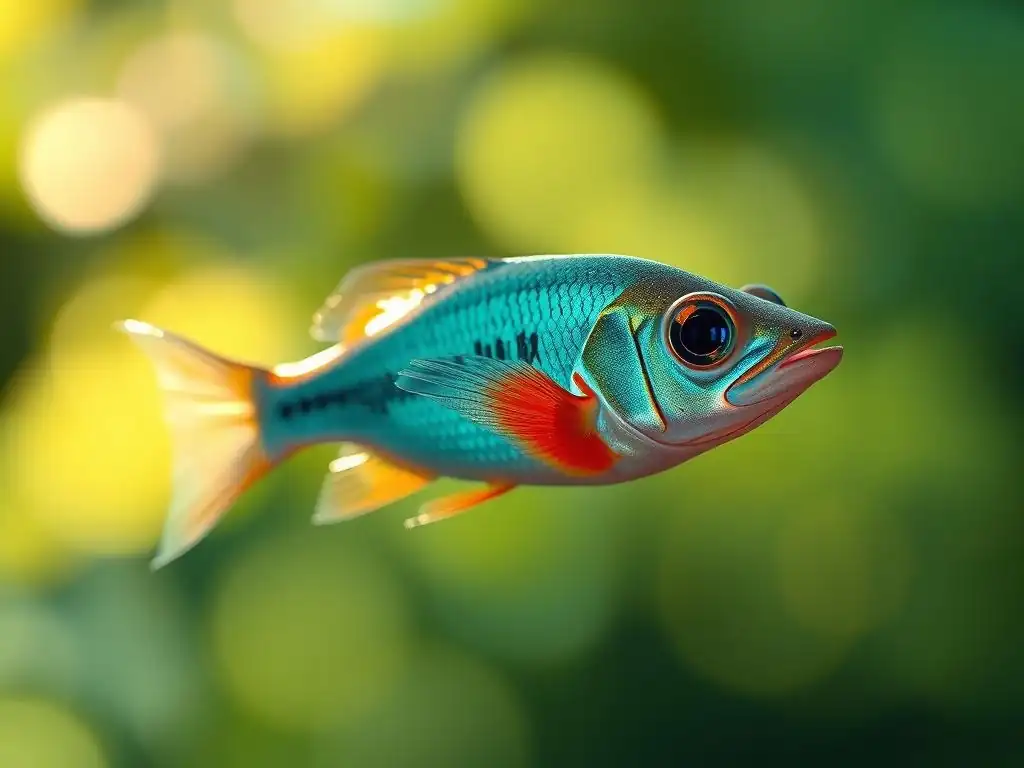
Distinguishing male from female Harlequin Rasboras involves observing both body shape and specific coloration nuances. Similar to Danios, female Harlequin Rasboras are generally rounder and fuller in the belly, particularly when gravid with eggs. Their overall body appears more robust compared to the males. Male Harlequin Rasboras typically maintain a more slender and streamlined physique.
A key difference in coloration lies within their signature black triangular patch. In male Harlequin Rasboras, this patch is often more intensely black, sharply defined, and may extend further down into the belly region, sometimes even developing a subtle "hook" at its bottom edge. The copper-orange body color of males might also appear slightly more vibrant, especially during periods of active courtship or optimal tank conditions, although coloration can vary based on diet and water parameters, making the patch shape a more consistent indicator.
Observing Harlequin Rasbora Breeding Behavior for Sex Identification
Observing breeding behavior is one of the most reliable methods for sexing Harlequin Rasboras, as their courtship rituals are quite distinct. During spawning periods, male Harlequin Rasboras will actively chase females, display their vibrant colors, and attempt to "drive" the females towards preferred spawning sites, which are typically broad-leafed plants where they can deposit their eggs. Males may engage in elaborate circling or nudging dances around the females.
Female Harlequin Rasboras, when ready to spawn, will respond to these advances by allowing themselves to be herded. Their bellies will be noticeably swollen with eggs, and they will participate in the spawning act by pressing their bellies against the underside of plant leaves to release eggs. Observing a group of 6-10 Harlequin Rasboras for 15-30 minutes during active periods can often reveal these interactions, clearly differentiating the active, chasing males from the plumper, receptive females.
Harlequin Rasbora Fin Morphology: Male vs. Female
While less pronounced than body shape or behavioral cues, subtle differences in fin morphology can also contribute to sexing Harlequin Rasboras. Male Harlequin Rasboras may exhibit slightly longer or more pointed dorsal and anal fins compared to females. The caudal (tail) fin of males might also appear more deeply forked or slightly more spread out.
In contrast, female Harlequin Rasboras generally possess fins that are rounder and proportionally shorter. It is important to note that this difference is often very subtle and can be challenging to discern without direct comparison of multiple fish or significant experience. This characteristic is best used in conjunction with other indicators, such as body shape and the distinct black patch, to increase the accuracy of sex identification. For example, a male exhibiting a more pronounced black patch and active chasing behavior might also have noticeably more pointed fins.
White Cloud Mountain Minnow Sexing: Tips and Tricks
White Cloud Color Intensity and Sex Determination
Color intensity is a significant indicator when sexing White Cloud Mountain Minnows. Male White Clouds typically display more vibrant and intense coloration, particularly in their fins (reds and yellows) and along their body stripes. This vibrancy is often most pronounced during breeding season or when males are competing for mates. Their caudal (tail) and dorsal fins, in particular, may exhibit a more pronounced red or orange tipping.
Female White Clouds, on the other hand, generally have duller coloration, with less intense reds and yellows in their fins. While a well-fed female in optimal conditions might still show good color, a male will almost always outshine her in terms of vividness. For instance, in a tank maintained at a stable 70°F (21°C) with a varied diet, a male White Cloud might boast a vivid scarlet on its caudal fin, whereas a female's will be a more muted orange hue.
White Cloud Body Shape: A Subtle Difference
Similar to Danios and Rasboras, body shape offers a key, albeit sometimes subtle, difference for sexing White Cloud Mountain Minnows. Female White Clouds tend to be noticeably rounder and plumper, especially in the abdominal region, particularly when they are carrying eggs. Their overall body profile appears fuller from the dorsal fin down to the belly line.
Male White Clouds maintain a more slender and streamlined body. This difference in body shape is most apparent when viewed from above or when comparing several fish side-by-side. For example, in a school of twelve White Clouds, it is often possible to identify four to five individuals with a distinctly swollen belly, indicating they are likely females ready for spawning. This distinction becomes more pronounced as they approach breeding condition.
White Cloud Fin Variations and Sexing
Fin variations can also provide clues for sexing White Cloud Mountain Minnows, especially in certain varieties. Male White Clouds may have slightly longer and more pointed fins, particularly the dorsal and anal fins. Their caudal fin might also appear more spread out or deeply lobed compared to females. In contrast, female White Clouds generally possess shorter, rounder fins.
In some long-finned varieties of White Clouds, the difference in fin length and flow can be quite significant, with males exhibiting notably elongated and flowing fins. Even in standard varieties, a male's dorsal fin might extend further back or appear more triangular than a female's. This characteristic, when combined with more intense coloration and a slender body, provides strong evidence for identifying a male White Cloud.
Comparing Sexing Methods: Zebra Danios vs. Harlequin Rasboras vs. White Cloud Mountain Minnows
Similarities in Sexing Techniques
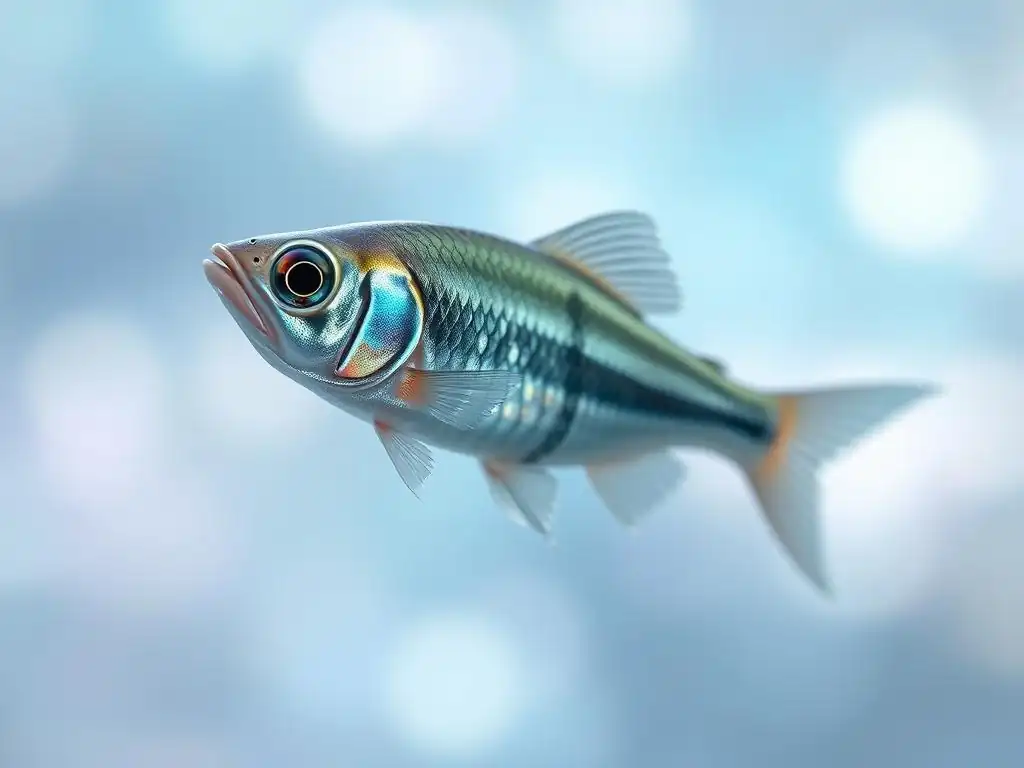
Despite their distinct appearances, Zebra Danios, Harlequin Rasboras, and White Cloud Mountain Minnows share several commonalities in sexing techniques. The most consistent visual cue across all three species is the difference in body shape: females of all species tend to be rounder and plumper, particularly when gravid, while males are generally more slender and streamlined. This body shape distinction serves as a universal primary indicator for these small cyprinids.
Furthermore, behavioral cues are universally helpful. Males of all three species exhibit some form of chasing or courtship behavior towards females, especially during breeding periods. This active pursuit and display are strong indicators of male presence. Across all species, a universal challenge remains the difficulty in accurately sexing young, immature fish, as their secondary sexual characteristics are not yet fully developed.
Key Differences in Visual Cues
While similarities exist, key differences in visual cues allow for species-specific sexing strategies. For Zebra Danios, the primary emphasis in a Danios female sexing guide is on the female's pronounced plumper body, especially when gravid, with coloration and fin morphology playing a less significant role compared to the other two species. Vent examination, though challenging, is more frequently cited for Danios due to their prolific breeding nature.
Harlequin Rasboras offer a unique color-based cue: the distinct black triangular patch. In males, this patch is typically sharper, more intensely colored, and may extend further. This feature, combined with their specific spawning behavior involving adhesion to plant leaves, provides a unique set of indicators. White Cloud Mountain Minnows, conversely, rely more heavily on color intensity, with males displaying significantly more vibrant reds and yellows in their fins, and often more noticeable differences in fin length and pointiness compared to Danios.
Which Sexing Method is Most Reliable?
Determining the most reliable sexing method often depends on the specific species and the conditions of observation. For Zebra Danios, consistently observing the body shape—specifically the plumpness of the female Zebra Danio—is generally the most reliable visual indicator, especially when fish are well-fed and mature. Behavioral cues during active spawning attempts are also highly accurate for Danios.
For Harlequin Rasboras, a combination of the distinct black patch's intensity and shape, coupled with observed breeding behavior (chasing and spawning rituals), provides the highest accuracy. For White Cloud Mountain Minnows, a combination of body shape, fin length, and color intensity (vibrant reds/oranges in males) proves most effective. Ultimately, for all three species, a holistic approach that combines multiple visual cues and observation of behavior over several days provides the most reliable sex identification, rather than relying on a single characteristic.
Advanced Sexing Techniques: Beyond Visual Observation
Conditioning Fish for Breeding: A Sexing Indicator
Beyond direct visual observation, conditioning fish for breeding purposes serves as an advanced, indirect method for sex identification, as it naturally accentuates sexual dimorphism. When fish are fed a high-protein diet, such as live or frozen brine shrimp, daphnia, or bloodworms, and their water parameters are optimized for spawning, their sexual characteristics become significantly more pronounced. This method doesn't involve a separate "test" but rather optimizing conditions that naturally reveal gender.
For female Danios, Rasboras, and White Clouds, this conditioning will lead to a noticeably rounder and fuller abdomen as they become gravid with eggs. This distended belly is often the most definitive and unmistakable sign of a female Danio or a female of the other species.
Concurrently, males will exhibit more intense coloration, increased activity, and a heightened display of courtship behavior, making their identification much clearer. For instance, feeding a group of Zebra Danios a diet rich in live foods for a week can make the gravid belly of a female Zebra Danio unmistakable, sometimes swelling to almost twice the size of a male's abdomen.
Potential Pitfalls in Sexing Zebra Danios, Harlequin Rasboras, and White Cloud Mountain Minnows
Misidentifying Young Fish
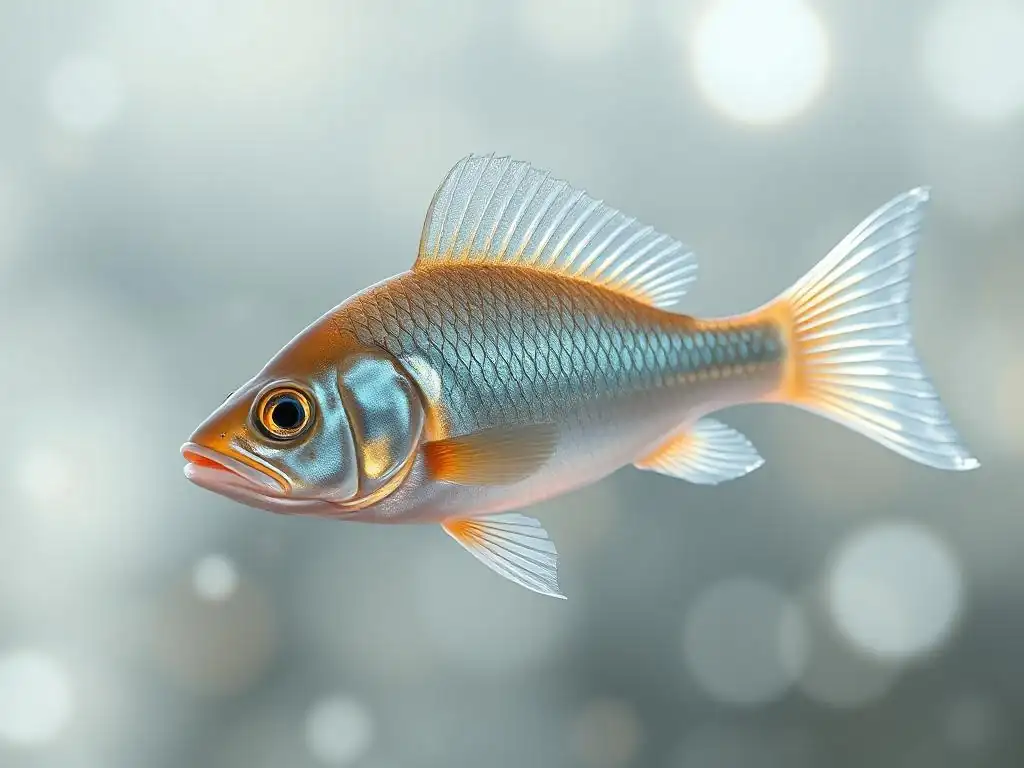
One of the most common pitfalls in sexing Zebra Danios, Harlequin Rasboras, and White Cloud Mountain Minnows is attempting to identify the sex of young, immature fish. Juvenile fish have not yet reached sexual maturity, and consequently, they do not display the distinct secondary sexual characteristics that differentiate males from females. Their body shapes are generally uniform, and their coloration is not fully developed, making accurate sexing virtually impossible.
Attempting to sex fish under 3-4 months of age for Danios or Rasboras, or under 6 months for White Clouds, is highly unreliable and will likely lead to incorrect identifications. This can result in an imbalanced male-to-female ratio in a breeding setup, potentially leading to unsuccessful spawning attempts or unnecessary stress on individual fish in a community tank. It is always recommended to wait until the fish are mature adults, typically 1.5 inches (3.8 cm) or larger, before attempting precise sex identification.
Environmental Factors Affecting Appearance
Environmental factors such as diet, water quality, temperature, and stress levels can significantly impact a fish's overall appearance, including its body shape and coloration, thereby leading to potential misidentification. A poor or insufficient diet, for example, can lead to stunted growth or a lack of robustness in females, making them appear less plump than they should be and potentially resembling males. Conversely, an overfed male might develop a fuller belly, which could be mistakenly identified as a gravid female.
Unfavorable water parameters or high stress levels can also cause both sexes to lose their vibrant colors, making the subtle differences in coloration or fin markings nearly impossible to distinguish. For instance, a stressed male White Cloud Minnow might display dull colors, masking its typical vibrancy. Maintaining optimal conditions, such as stable pH (e.g., 6.5-7.5 for Danios) and appropriate temperature (e.g., 72-78°F for Danios), is crucial for ensuring the fish express their true characteristics and allow for accurate observation.
Breeding Considerations Based on Sex Identification
Optimizing Tank Conditions for Breeding
Once the sexes of your small cyprinids have been accurately identified, optimizing the breeding tank environment becomes paramount for successful spawning. This often involves providing specific water parameters tailored to the species (e.g., slightly softer, more acidic water for Harlequin Rasboras, or cooler temperatures for White Cloud Mountain Minnows), along with appropriate spawning media. Zebra Danios, for instance, prefer spawning mops or coarse-leaved plants, while Harlequin Rasboras utilize broad-leafed plants, and White Cloud Mountain Minnows often spawn among fine-leaved plants or moss.
For example, a dedicated 5-10 gallon bare-bottom tank with a spawning mop and a gentle sponge filter is typically ideal for breeding Zebra Danios. For Harlequin Rasboras, a temperature of 78-82°F (26-28°C) and a pH of 6.0-6.5 can encourage spawning, while White Cloud Mountain Minnows prefer cooler water, around 68-72°F (20-22°C), and a pH of 6.0-7.5. Additionally, a diet rich in live and frozen foods, such as daphnia and brine shrimp, for both sexes will significantly enhance egg production and male fertility.
Male-to-Female Ratios for Successful Spawning
For most small schooling cyprinids, establishing an appropriate male-to-female ratio is critical for successful spawning and for reducing stress on the females. A higher ratio of females to males is generally recommended to disperse male attention, preventing any single female from becoming overly stressed or exhausted from constant pursuit. A common and effective recommendation is a 2:1 or 3:1 female to male ratio.
For example, in a breeding setup for Zebra Danios, introducing two female Zebra Danios for every one male can lead to more consistent egg laying and better overall well-being for the females. This ratio ensures that male attention is spread among multiple females, maximizing spawning opportunities while minimizing undue pressure. For a typical 10-gallon breeding tank, a setup of 2 males and 4-6 females is often highly effective for species like Zebra Danios or White Clouds.
Separating Breeding Pairs
After successful spawning, it is crucial to promptly remove the adult fish from the breeding tank to prevent them from eating the eggs or newly hatched fry. Zebra Danios, Harlequin Rasboras, and White Cloud Mountain Minnows are all known egg-eaters, and their parental instincts do not extend to protecting their offspring from predation. Eggs typically hatch within 24-72 hours, depending on the species and water temperature.
Once the adults are carefully removed, the fry can be raised on infusoria, liquid fry food, or finely crushed flakes initially, transitioning to newly hatched brine shrimp as they grow larger. This immediate separation of adults from their eggs is a vital step for the survival of the offspring, a practice observed in countless successful breeding projects for female Danio and other small cyprinid species, ensuring a higher yield of healthy fry.
Conclusion: Mastering the Art of Sexing Your Small Cyprinids
Key Takeaways for Accurate Sex Identification
Mastering the art of sexing small cyprinids like Zebra Danios, Harlequin Rasboras, and White Cloud Mountain Minnows requires careful observation, patience, and a nuanced understanding of their subtle differences. The most reliable indicators consistently involve a combination of visual cues: females are typically rounder and plumper, especially a female Danio when gravid; males often display more vibrant coloration; and fin morphology can offer additional clues, with males sometimes exhibiting longer or more pointed fins.
Furthermore, behavioral cues, particularly during active breeding attempts, are highly informative and can provide definitive confirmation of sex. Always prioritize observing mature fish, as juveniles lack distinct sexual characteristics. It is also crucial to remember that environmental factors and diet significantly impact appearance, so ensuring optimal conditions will enhance the accuracy of your assessment. A holistic approach, combining multiple observations over time, is the most effective Danios female sexing guide and applies equally to the other species.
Further Resources for Zebra Danio, Harlequin Rasbora, and White Cloud Mountain Minnow Care
While this article provides a comprehensive guide to accurately sexing your small cyprinids, successful aquarium keeping extends far beyond mere identification. Ensuring the long-term well-being and thriving of your Zebra Danios, Harlequin Rasboras, and White Cloud Mountain Minnows requires a deeper understanding of their specific needs. This includes knowledge of their preferred dietary requirements, optimal water parameters, suitable tank mate compatibility, and common health issues.
Aquarium Mastery offers extensive resources on these crucial topics, including detailed species profiles, comprehensive troubleshooting guides for common tank issues, and expert advice on community tank setup. We encourage you to continue exploring these valuable resources to further enhance your aquarist skills, enabling you to become a true master of aquarium keeping and ensure your small cyprinids live long, healthy, and vibrant lives.
Frequently Asked Questions
How can I tell the difference between male and female Danios?
The primary difference lies in their body shape. Female Danios tend to be rounder and plumper, especially in the belly area, while males are more slender.
Does color play a role in sexing Danios?
While color can sometimes be a factor, it's not always reliable. Generally, male Danios often display more vibrant colors than females, particularly during breeding season, but this isn't a consistent indicator.
Is there a foolproof way to sex Danios before they mature?
Unfortunately, sexing Danios is very difficult before they reach maturity. The differences in body shape and color become more pronounced as they age.
What should I look for if my Danios are actively breeding?
During breeding, the differences become even more obvious. The female Danio will appear significantly larger with eggs, and the male will actively pursue her.
Are there any specific anatomical differences besides body shape?
Beyond the general body shape, there are no readily visible external anatomical differences. Focus on the overall plumpness of the female Danio's abdomen, especially when compared to the male.
Final Reflection: Unveiling the Secrets of Aquatic Harmony
The ability to accurately sex Danios, Rasboras, and White Clouds, as explored in this guide, transcends mere identification; it's about fostering a deeper understanding of the delicate balance within our aquariums. This knowledge empowers us to create environments where these vibrant fish can thrive, breed, and express their natural behaviors, enriching our own lives in the process.
This journey into the subtle nuances of fish anatomy has profoundly impacted how we perceive the interconnectedness of life, even within the confines of a glass tank. Understanding these distinctions allows us to move beyond simple observation and cultivate a true partnership with the aquatic world. In nature, nothing exists alone.
- Rachel Carson. This quote perfectly encapsulates the essence of responsible fishkeeping; every action, every choice, ripples through the ecosystem we create.
Now, armed with this knowledge, I invite you to look beyond the shimmering scales and vibrant colors. Reflect on the responsibility we bear as custodians of these miniature ecosystems. Consider how your understanding of Danios, Rasboras, and White Clouds can inform your approach to all living creatures, fostering a greater appreciation for the intricate beauty and delicate balance that surrounds us. Let's strive to create not just aquariums, but thriving havens where life flourishes.
Unveil the Secrets: Become a Fish Sexing Pro!
Thanks for diving deep into the world of sexing your Danios, Rasboras, and White Clouds! We hope this knowledge empowers you to better understand and care for your finned friends. Now, let's put that knowledge to use!
Here's how you can take your fishkeeping skills to the next level:
- Start Observing: Dedicate just 15 minutes each day this week to observing your fish. Focus on the subtle differences we discussed – body shape, coloration, and behavior.
- Share your newfound expertise! Teach a fellow hobbyist how to identify the sexes of these fish species.
- Document your findings! Take photos and notes as you observe. Consider starting a fishkeeping journal to track your observations and learning.
What surprising difference did you spot in your fish after learning these techniques?