
Designing the Perfect *Cyprichromis* Tank: Height is Key!

Welcome to Aquarium Mastery!
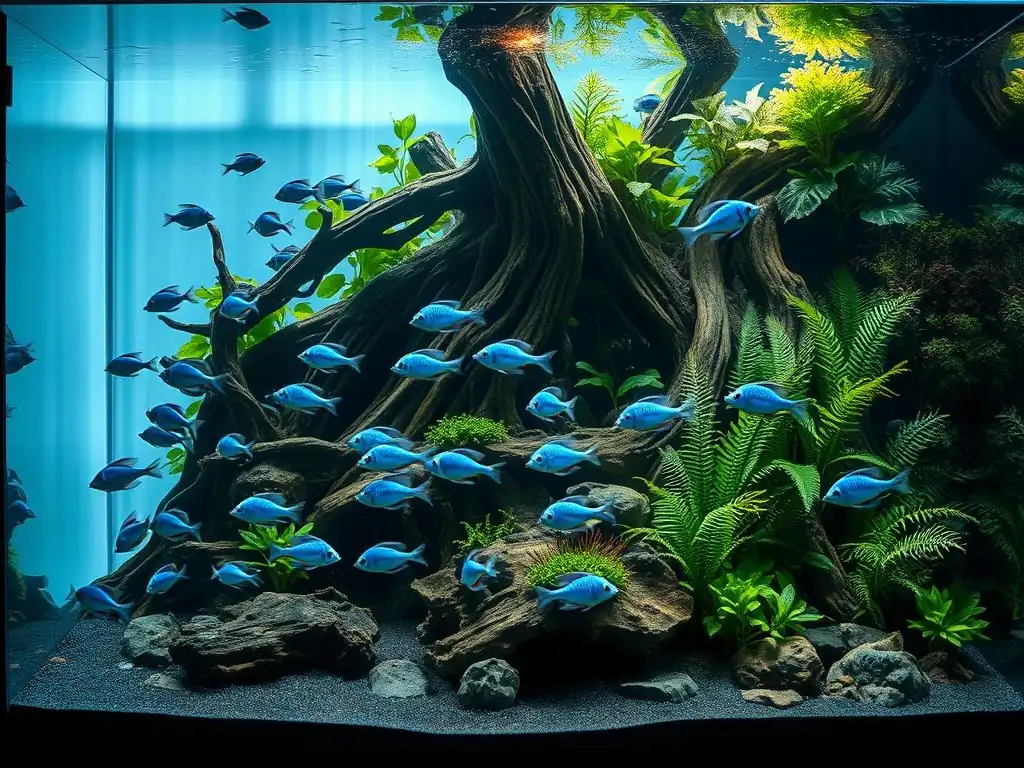
Intrigued by the vibrant world of Cyprichromis? You've come to the right place! Discover why achieving the perfect Cyprichromis tank height setup is crucial for their health and happiness. Get ready to dive deep into creating an environment where these dazzling freshwater fish can truly thrive. Let's explore the secrets to a successful Cyprichromis aquarium!
- Designing the Ideal Cyprichromis Tank: Vertical Space is Crucial
- Understanding Cyprichromis Behavior and Tank Requirements
- Why Tank Height Matters for Cyprichromis Tank Setup
- Optimal Cyprichromis Tank Height: Dimensions and Considerations
- Setting Up a Tall Cyprichromis Aquarium: A Step-by-Step Guide
- Choosing the Right Tank Mates for Cyprichromis in a Tall Tank
- Maintaining Water Quality in Tall Cyprichromis Tanks
- Troubleshooting Common Issues in Tall Cyprichromis Tanks
- Cyprichromis Tank Height and Breeding Success
- Advanced Cyprichromis Keeping: Maximizing the Vertical Space
- Conclusion: Mastering the Cyprichromis Tank Height Setup
-
Frequently Asked Questions
- How important is tank height for Cyprichromis species?
- What is the minimum recommended tank height for a Cyprichromis tank setup?
- Why does tank height matter more than length for Cyprichromis?
- What other factors besides height are important when setting up a Cyprichromis tank?
- What are some common mistakes people make when setting up a Cyprichromis tank, specifically regarding height?
- Final Reflection: Elevating the Cyprichromis Experience
- Unleash the Beauty of *Cyprichromis*: Dive Deeper!
Designing the Ideal Cyprichromis Tank: Vertical Space is Crucial
Understanding Cyprichromis Behavior and Tank Requirements
The Importance of the Water Column for Cyprichromis
Cyprichromis species, often referred to as "featherfins," are unique among cichlids for their predominantly pelagic lifestyle. Originating from the vast waters of Lake Tanganyika in East Africa, these fish spend the majority of their lives suspended in the open water column, rarely venturing near the substrate. Unlike many other cichlids that are territorial bottom-dwellers or rock-dwellers, Cyprichromis are adapted to a three-dimensional existence, utilizing the full vertical expanse of their environment for schooling, feeding, and breeding. This inherent behavior underscores the critical need for a tall Cyprichromis tank setup that accommodates their natural movements.
Their natural habitat in Lake Tanganyika sees them congregating in large schools, often numbering in the hundreds or thousands, at depths ranging from approximately 5 meters (16 feet) down to 30 meters (98 feet) or even deeper, depending on the species and light conditions. This constant movement through the water column, characterized by graceful, undulating swimming patterns, is central to their social structure and well-being. Providing a tank that allows for this vertical freedom is paramount, as a restricted environment can lead to stress, stunted growth, and a significant reduction in their vibrant, natural behaviors.
Simulating Lake Tanganyika's Pelagic Zone in Your Aquarium
Recreating the expansive pelagic zone of Lake Tanganyika in a home aquarium requires a careful consideration of dimensions, with tank height being a primary factor. While a standard 55-gallon tank (48"L x 13"W x 21"H) offers decent length, its limited width and height are often insufficient for a thriving Cyprichromis community. To truly mimic their natural environment, aquarists should prioritize tanks with a significant vertical dimension, allowing for ample open water above the substrate.
A well-designed Cyprichromis tank setup will emphasize vertical swimming space, providing the necessary depth for schools to ascend and descend naturally. This not only reduces stress but also encourages more natural schooling behavior, where fish display their full coloration and finnage. For instance, a 90-gallon tank (48"L x 18"W x 24"H) or even a 125-gallon tank (72"L x 18"W x 22"H) offers a much better vertical environment than shallower alternatives, allowing for the dynamic movement that is characteristic of these fascinating cichlids.
Why Tank Height Matters for Cyprichromis Tank Setup
Cyprichromis Vertical Swimming Habits Explained
The swimming habits of Cyprichromis are distinctly vertical, a direct reflection of their lacustrine pelagic niche. Unlike many other cichlids that hug the bottom or navigate intricate rockwork, Cyprichromis are constantly on the move in the open water. They exhibit a graceful, almost fluttering motion, using their pectoral fins for propulsion and their caudal fin for steering, often orienting themselves at various angles within the water column. This includes upward and downward trajectories as they forage for plankton or engage in courtship rituals.
In an aquarium, this translates to a need for significant overhead space. A tank that is too shallow will restrict their natural ascent and descent, forcing them into a more horizontal swimming pattern that is unnatural and potentially stressful. Imagine a bird accustomed to soaring being confined to a low ceiling; similarly, Cyprichromis require the vertical freedom to fully express their innate behaviors, including their distinctive "featherfin" displays and schooling formations. Without adequate height, these behaviors can be suppressed, leading to lethargy or even heightened aggression due to perceived confinement.
Reducing Stress and Promoting Natural Behavior Through Height
The psychological and physiological well-being of Cyprichromis is profoundly impacted by the vertical dimensions of their habitat. In a shallow tank, these active fish can quickly feel confined, leading to chronic stress. This stress manifests in various ways, such as faded coloration, timid behavior (hiding excessively), or conversely, increased aggression towards tank mates due to limited escape routes and personal space. A common observation in undersized tanks is a lack of schooling, with individuals scattering or becoming reclusive.
Conversely, a properly sized Cyprichromis tank height setup, typically with a minimum of 20-24 inches of water depth, provides the vertical real estate necessary for a healthy school to thrive. This ample space allows for the formation of tight, fluid schools, which is a key stress-reducing mechanism for these fish.
When given sufficient vertical room, Cyprichromis will exhibit more vibrant colors, engage in natural courtship dances in the upper water column, and generally appear more robust and active. For example, a school of 10-15 Cyprichromis leptosoma will demonstrate significantly more natural schooling and display behaviors in a 24-inch tall tank compared to an 18-inch tall tank of similar footprint.
Optimal Cyprichromis Tank Height: Dimensions and Considerations
Recommended Tank Dimensions for Different Cyprichromis Species
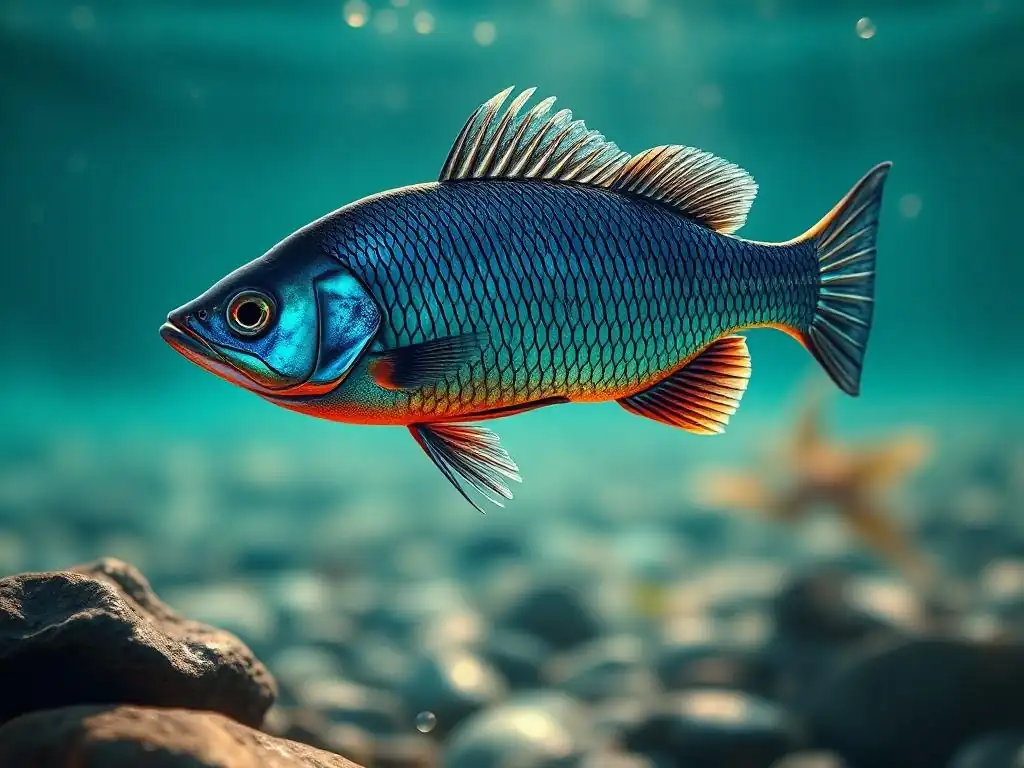
When planning a Cyprichromis tank setup, specific dimensions are paramount, especially regarding height. While all Cyprichromis species benefit from vertical space, larger species like Cyprichromis microlepidotus or Cyprichromis sp. "Jumbo" require even more. For smaller species such as Cyprichromis leptosoma or Cyprichromis coloratus, a minimum tank height of 20 inches (approximately 50 cm) is generally recommended, providing a good baseline for their vertical movements. However, to truly allow for optimal schooling and display, a height of 24 inches (60 cm) or more is significantly better.
For larger Cyprichromis species or for keeping a substantial school of smaller ones, a tank with a height of 28 to 30 inches (70-75 cm) offers a superior environment. For instance, a 180-gallon tank (72"L x 24"W x 24"H) or a 210-gallon tank (72"L x 24"W x 29"H) provides not only the necessary length for horizontal swimming and schooling but also the critical vertical depth that these fish inherently crave. Always consider the adult size of your chosen species; C. microlepidotus can reach up to 5 inches, necessitating more vertical space than the 3-inch C. leptosoma.
Balancing Tank Footprint and Height for Cyprichromis
While tank height is crucial, it must be balanced with an adequate footprint (length and width) to create a truly ideal Cyprichromis tank setup. A tank that is tall but very narrow might still restrict horizontal schooling and territorial displays, particularly among males.
For a school of Cyprichromis, a minimum length of 48 inches (120 cm) is generally advised, with 72 inches (180 cm) being excellent for larger schools or mixed species tanks. The width (front to back) should ideally be at least 18 inches (45 cm) to allow for comfortable turning and swimming without feeling cramped against the glass.
Consider a 75-gallon "tall" tank (24"L x 24"W x 30"H) versus a 90-gallon "standard" tank (48"L x 18"W x 24"H). While the 75-gallon offers superior height, its limited length severely restricts schooling. The 90-gallon, despite being slightly less tall, provides much more horizontal swimming space, making it a better overall choice for a Cyprichromis community. The optimal scenario involves a tank that is both long and tall, such as a 125-gallon (72"L x 18"W x 22"H) or even a custom-built aquarium, offering a harmonious balance between vertical and horizontal dimensions.
Setting Up a Tall Cyprichromis Aquarium: A Step-by-Step Guide
Choosing the Right Tank: Glass vs. Acrylic for Taller Tanks
When selecting a tall aquarium for your Cyprichromis tank setup, the choice between glass and acrylic is significant. Glass aquariums are generally more scratch-resistant, maintain clarity over time, and are often more readily available in standard tall dimensions. However, for tanks exceeding 24 inches in height, glass becomes considerably heavier and more fragile, requiring thicker panels for structural integrity. A 29-inch tall 125-gallon glass tank, for instance, can weigh over 200 pounds empty.
Acrylic aquariums, conversely, are lighter, stronger, and offer superior clarity, often appearing seamless. They are also more impact-resistant, making them a safer choice for very tall or large-volume tanks where the water pressure is substantial. While acrylic is more prone to scratching, minor scratches can often be buffed out. For custom tall Cyprichromis tanks or those with dimensions exceeding standard sizes, acrylic often provides greater design flexibility and reduced weight, simplifying installation.
Substrate and Hardscape Considerations for Cyprichromis
The substrate for a Cyprichromis tank should be fine, inert sand, mimicking the sandy bottom of Lake Tanganyika. While Cyprichromis spend most of their time in the water column, a thin layer (1-2 inches) of sand provides a natural aesthetic and is ideal for any bottom-dwelling tank mates. Aragonite sand or crushed coral can also help buffer the water to the high pH levels (7.8-9.0) favored by Tanganyikan cichlids. Avoid coarse gravel, which can trap detritus and is unnatural for their environment.
Hardscaping in a tall Cyprichromis tank setup should primarily focus on vertical elements that enhance the aesthetics without obstructing their swimming space. Tall, stable rock structures, such as limestone or lace rock formations, can be incorporated at the ends or back of the tank. These serve as visual breaks and potential hiding spots for females or subdominant males, but the central area should remain open. Avoid creating dense rock piles or caves that would typically be used by rock-dwelling cichlids, as Cyprichromis prefer open water.
Lighting for a Tall Cyprichromis Tank: Penetration and Spectrum
Effective lighting for a tall Cyprichromis tank presents a unique challenge: ensuring sufficient light penetration to the lower reaches of the water column, especially if you plan on having live plants or specific aesthetic effects. Standard aquarium lights designed for shallower tanks may not provide adequate intensity at depths of 24 inches or more. High-power LED fixtures, particularly those with good PAR (Photosynthetically Active Radiation) ratings, are often the best choice for deep tanks due to their efficiency and ability to project light effectively.
Regarding spectrum, a natural daylight spectrum (around 6500K to 10000K) is generally preferred, as it mimics the light conditions in Lake Tanganyika and enhances the natural coloration of the fish. While Cyprichromis do not have complex lighting requirements, a well-lit tank allows their vibrant blues, yellows, and oranges to truly shine. Avoid overly dim lighting, which can make the fish appear washed out, or excessively bright lighting without proper photoperiod management, which can encourage undesirable algae growth.
Filtration and Water Circulation in Tall Cyprichromis Tanks
Maintaining pristine water quality is paramount for Cyprichromis, and a tall tank setup requires robust filtration and effective water circulation. Canister filters are highly recommended for their efficiency, large media capacity, and ability to be discreetly placed outside the tank. For a Cyprichromis tank, aim for a filter system that can process the entire tank volume at least 5-10 times per hour.
For instance, a 125-gallon tank would benefit from a filter with a flow rate of 625-1250 GPH (gallons per hour). Sumps are also excellent options for very large or custom tall tanks, offering superior filtration and water volume.
Water circulation is equally vital, especially in a deep tank where dead spots can occur, leading to waste accumulation. Cyprichromis prefer moderate to strong flow, mimicking the natural currents of Lake Tanganyika. Strategically placed powerheads or wavemakers can ensure water movement throughout the entire column, preventing stagnant areas and aiding in oxygenation. Position outlets and powerheads to create a gentle, sweeping current across the open water where Cyprichromis school, avoiding direct blasts that could stress the fish.
Choosing the Right Tank Mates for Cyprichromis in a Tall Tank
Compatible Species That Occupy Different Water Levels
A significant advantage of a tall Cyprichromis tank setup is the ability to create a multi-level community, allowing different species to occupy distinct vertical zones without excessive competition. Cyprichromis primarily inhabit the mid-to-upper water column, leaving the lower regions and substrate largely open. This opens up opportunities for compatible tank mates that prefer these different strata.
Excellent choices for the lower regions include shell-dwelling cichlids like Neolamprologus multifasciatus or Lamprologus ocellatus, which will establish territories among a bed of snail shells on the sand. Alternatively, small rock-dwelling cichlids such as Julidochromis regani or Neolamprologus brichardi can thrive in rockwork placed at the bottom, provided there are sufficient visual breaks. This stratification reduces direct competition for space, as the Cyprichromis school gracefully above their bottom-dwelling counterparts, creating a dynamic and natural-looking Tanganyikan biotope.
Avoiding Aggression and Competition in a Cyprichromis Community
While a tall tank provides ample space, careful selection of tank mates is crucial to prevent aggression and competition. The key is to choose species with compatible temperaments and spatial preferences. Avoid overly aggressive or territorial cichlids that might harass the peaceful Cyprichromis. For instance, large, highly aggressive Neolamprologus species or mbuna cichlids from Lake Malawi are generally unsuitable.
Even among compatible species, ensuring sufficient territories and visual breaks is important. For example, if housing shell-dwellers, provide ample shells (at least 2-3 per fish) and ensure their territory is distinct from any rock-dwelling cichlids. For Cyprichromis themselves, maintaining a proper male-to-female ratio (e.g., 1 male to 3-5 females) and keeping them in a large school (10+ individuals) helps dissipate aggression among themselves, especially in a spacious Cyprichromis tank height setup where subdominant males have room to escape.
Maintaining Water Quality in Tall Cyprichromis Tanks
Water Changes and Their Importance in High Aquariums
Regular and substantial water changes are the cornerstone of maintaining pristine water quality in any aquarium, and a tall Cyprichromis tank is no exception. While a larger volume of water can offer more stability by diluting waste products, it does not eliminate the need for consistent maintenance. For Tanganyikan cichlids, a weekly water change of 25% to 50% is generally recommended. This regimen helps to replenish essential minerals, remove nitrates, and prevent the buildup of dissolved organic compounds that can stress fish and lead to health issues.
The increased height of the tank can make water changes slightly more challenging, but the principles remain the same. Using a reliable gravel vacuum with sufficient length to reach the bottom is essential. For larger tanks, a Python-style water change system that connects to a faucet can significantly simplify the process of draining and refilling, making regular, large-volume water changes more manageable and less physically demanding. Consistency is key; even a slightly smaller, more frequent water change is better than infrequent, massive ones.
Monitoring Water Parameters for Optimal Cyprichromis Health
Consistent monitoring of water parameters is vital for the long-term health of Cyprichromis. These fish thrive in specific conditions that mimic their natural Lake Tanganyika habitat. Key parameters to regularly test include pH, carbonate hardness (KH), general hardness (GH), ammonia, nitrite, and nitrate. The ideal parameters for Cyprichromis are a pH range of 7.8 to 9.0, a KH of 10-15 dKH (degrees of carbonate hardness), and a GH of 10-20 dGH (degrees of general hardness). Temperature should be maintained between 76-80°F (24-27°C).
Ammonia and nitrite levels should always be zero, as even small amounts are highly toxic. Nitrates should be kept below 20 ppm, ideally much lower, which is primarily managed through regular water changes. While a tall Cyprichromis tank setup provides a large buffer, sudden fluctuations in parameters can be detrimental. Using a reliable liquid test kit is recommended over test strips for greater accuracy. Regular testing, ideally weekly, allows for early detection of issues and proactive adjustments to maintain a stable and healthy environment.
Troubleshooting Common Issues in Tall Cyprichromis Tanks
Addressing Poor Water Circulation in Deeper Tanks
One common challenge in a tall Cyprichromis tank setup is ensuring adequate water circulation throughout the entire water column. Due to the increased depth, it's possible for "dead spots" to develop, particularly near the substrate or in corners where water movement is minimal. These stagnant areas can lead to the accumulation of detritus, localized ammonia spikes, and reduced oxygen levels, all of which are detrimental to fish health.
To combat poor circulation, strategic placement of additional powerheads or wavemakers is often necessary. These devices should be positioned to create a gentle, sweeping flow that reaches all areas of the tank without creating excessive turbulence that stresses the fish. Aim to have water movement at the surface for gas exchange, throughout the mid-water column for the Cyprichromis, and gently across the substrate to keep detritus suspended for removal by the filter. Regular substrate vacuuming during water changes also helps remove settled waste in areas of lower flow.
Managing Algae Growth in High-Light Cyprichromis Setups
Tall tanks often require more powerful lighting to penetrate the water column, which can inadvertently lead to increased algae growth, particularly if nutrient levels are high or the photoperiod is too long. While some algae are natural, excessive blooms can be unsightly and indicate an imbalance in the tank. Common culprits include diatoms (brown algae), green spot algae, or hair algae.
To manage algae in a high-light Cyprichromis tank, first assess your lighting schedule. Reducing the photoperiod to 8-10 hours per day, or even implementing a "siesta" period (e.g., 4 hours on, 2 hours off, 4 hours on), can effectively curb algae growth. Secondly, ensure your water change schedule is robust to keep nitrate and phosphate levels low, as these are primary nutrients for algae. Introducing algae-eating snails, such as Nerite snails, can also provide biological control without impacting the Cyprichromis. Manually scraping algae from the glass and décor during maintenance is also a straightforward solution.
Cyprichromis Tank Height and Breeding Success
How Height Impacts Spawning Behavior
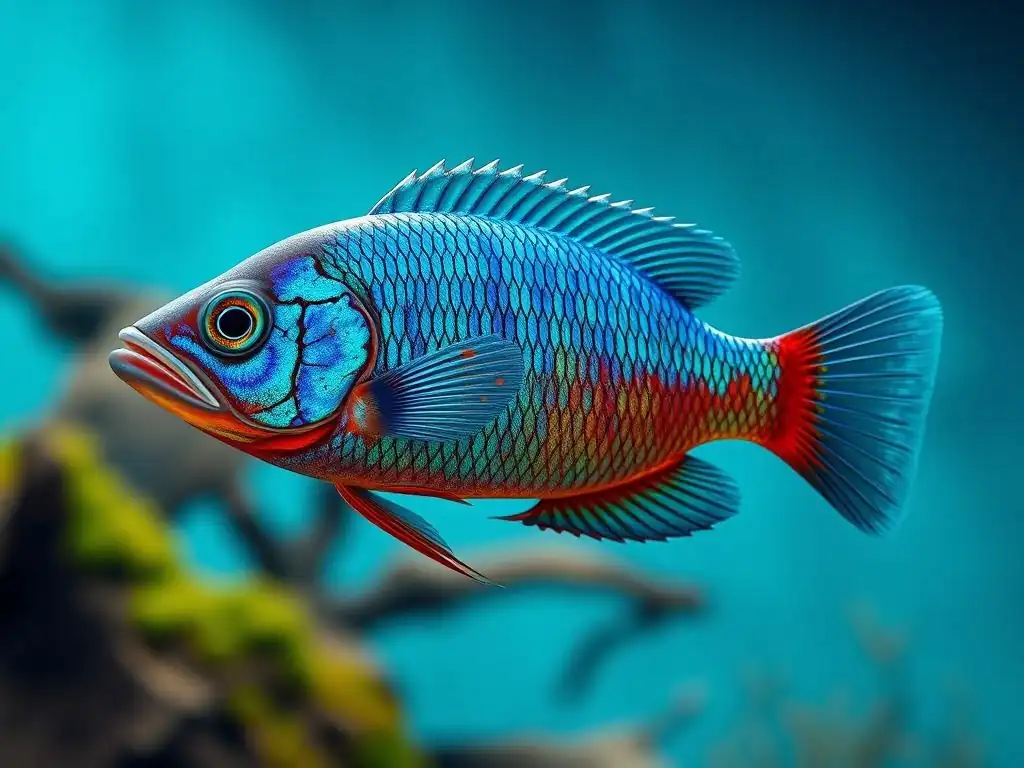
The height of a Cyprichromis tank significantly influences their spawning behavior, as these are open-water mouthbrooders. Unlike many other cichlids that lay eggs on rocks or in caves, Cyprichromis males establish temporary spawning territories in the open water column, often near the surface or around vertical structures. The female approaches the male, and eggs are released and fertilized in mid-water before being scooped into her mouth.
A tall Cyprichromis tank setup provides the crucial vertical space necessary for these elaborate courtship displays and the subsequent spawning act. Males require room to "dance" and attract females, often displaying their fins and vibrant colors in a vertical ascent or descent. Females, once gravid, need ample space to retreat and hold their eggs without feeling overly exposed or stressed by tank mates. In a shallow tank, this natural behavior can be suppressed, leading to unsuccessful spawns or even egg retention issues for the female.
Creating a Suitable Breeding Environment in a Tall Tank
To maximize breeding success in a tall Cyprichromis aquarium, focus on replicating their natural spawning environment within the water column. Ensure the upper half of the tank is relatively open, free from dense decorations that could impede their mid-water rituals. While they are open-water spawners, providing some tall, slender rock structures or artificial plant stalks that extend near the surface can offer visual breaks and a sense of security for the holding female.
Maintaining a healthy school with an appropriate male-to-female ratio (typically 1 male to 3-5 females, or more females in a larger group) in a spacious Cyprichromis tank height setup also promotes breeding. The increased number of females helps to diffuse male aggression and provides more opportunities for successful pairings. Once a female is holding, the vertical space allows her to move away from the main school and find a quieter spot to carry her brood for the typical 3-4 weeks before releasing free-swimming fry.
Advanced Cyprichromis Keeping: Maximizing the Vertical Space
Incorporating Vertical Structures for Enhanced Cyprichromis Activity
For the advanced aquarist, maximizing the vertical space in a Cyprichromis tank setup goes beyond simply choosing a tall aquarium. It involves thoughtfully incorporating vertical structures that enhance the fish's natural behaviors and provide visual interest. While Cyprichromis are pelagic, they do interact with their environment. Tall, slender rock columns or even custom-designed acrylic "trees" that extend from the substrate towards the surface can be highly beneficial.
These structures provide visual breaks, allowing subdominant males or holding females to find temporary refuge without leaving the water column. They can also serve as territorial markers for males, enabling more males to coexist peacefully in a large school within the same tank. For instance, creating two or three distinct rock spires that rise nearly to the water's surface can encourage males to establish territories around them, leading to more active display behaviors and reducing overall stress.
Utilizing Rock Columns and Artificial Reef Structures
Beyond natural rock formations, artificial reef structures or custom-built rock columns can be excellent ways to utilize the vertical dimension. These can be engineered to be stable and provide interesting contours without creating dead spots or impeding water flow. For example, using inert PVC pipes as a base, covered with epoxy and crushed rock or sand, allows for the creation of tall, narrow pillars that are both aesthetically pleasing and functional for a Cyprichromis environment.
These vertical "islands" can mimic the occasional rock outcroppings or submerged cliffs found in Lake Tanganyika, offering a more dynamic environment than just open water. When designing such structures, ensure they are securely anchored to prevent tipping, especially in a tall tank where instability could be catastrophic. The goal is to provide subtle vertical interest that encourages natural exploration and interaction without creating a cluttered or restrictive environment for these open-water specialists.
Conclusion: Mastering the Cyprichromis Tank Height Setup
Designing the ideal Cyprichromis tank setup hinges critically on understanding and accommodating their unique pelagic nature. Unlike most cichlids, these "featherfins" demand significant vertical real estate to thrive, allowing them to express their natural schooling behaviors, vibrant displays, and intricate spawning rituals. Prioritizing tank height, with dimensions of 24 inches or more, is not merely a recommendation but a fundamental requirement for their well-being.
By combining ample vertical space with appropriate filtration, water parameters, and compatible tank mates, aquarists can create a stunning and truly natural habitat that brings the dynamic beauty of Lake Tanganyika's open waters into their home. Mastering the Cyprichromis tank height setup is key to unlocking the full potential and captivating charm of these exceptional cichlids.
Frequently Asked Questions
How important is tank height for Cyprichromis species?
Tank height is crucial for Cyprichromis because they are mid-water swimmers. A taller tank allows them to exhibit their natural behavior and reduces stress.
What is the minimum recommended tank height for a Cyprichromis tank setup?
A minimum of 24 inches (60 cm) in height is highly recommended. This provides adequate swimming space and helps to mimic their natural habitat.
Why does tank height matter more than length for Cyprichromis?
While length is important, Cyprichromis spend most of their time swimming vertically in the water column. Height gives them the vertical space they need.
What other factors besides height are important when setting up a Cyprichromis tank?
Besides height, consider water parameters, filtration, and appropriate tank mates. Stable water chemistry is vital for their health and well-being.
What are some common mistakes people make when setting up a Cyprichromis tank, specifically regarding height?
Many aquarists underestimate the importance of height and choose tanks that are too short. This can lead to stressed fish and abnormal swimming patterns.
Final Reflection: Elevating the Cyprichromis Experience
The intricacies of aquarium design, particularly when tailored to the specific needs of Cyprichromis, are more than just aesthetic choices; they are fundamental to the well-being and vibrant display of these fascinating fish. Understanding the critical role of tank height in replicating their natural environment is not merely a suggestion, but a necessity for responsible fishkeeping. By prioritizing vertical space, we unlock the potential for natural behaviors, reduced stress, and a truly captivating aquatic display.
This journey into Cyprichromis tank design has underscored the profound impact our choices have on the lives of the creatures we keep. It's a constant reminder that responsible aquascaping is about more than just decoration; it's about creating an environment where these fish can thrive, express their natural behaviors, and truly flourish. As Jacques Cousteau eloquently stated, The sea, once it casts its spell, holds one in its net of wonder forever.
This sentiment extends to the microcosm of our aquariums; when we create the right conditions, we unlock a world of wonder and connection.
Now, as you consider your own Cyprichromis setup, I urge you to reflect on the principles we've explored. Don't just build a tank; build a thriving ecosystem. Embrace the challenge of creating an environment that not only meets the basic needs of your fish but also allows them to express their full potential. By prioritizing height and understanding the nuances of their natural habitat, you can unlock a truly rewarding and captivating Cyprichromis experience. Let's elevate the standard of care and create aquariums that are not just beautiful, but truly beneficial for the lives within.
Unleash the Beauty of *Cyprichromis*: Dive Deeper!
Thank you for exploring the fascinating world of Cyprichromis with us! Now that you understand the importance of tank height for these elegant fish, let's translate that knowledge into action. Here’s how you can enhance their environment and witness their shimmering beauty firsthand:
- Prioritize Tank Height: Make height your top consideration when choosing or designing a Cyprichromis tank. Aim for at least 24 inches, preferably taller, to allow them to display their natural shoaling behavior and reduce stress.
- Share Your Setup Ideas: Engage with other Cyprichromis enthusiasts by posting your tank design plans or current setup photos on relevant forums or social media groups. Learning from each other is key!
- Rediscover Your Tank: Re-evaluate your current aquarium. Are there elements you can adjust or add to better suit the needs of your fish and create a more harmonious aquatic environment?
What specific height are you aiming for in your Cyprichromis tank, and what aquascaping ideas do you have to complement that vertical space?