
Are Dwarf Gouramis Aggressive? Managing Temperament in Your Aquarium

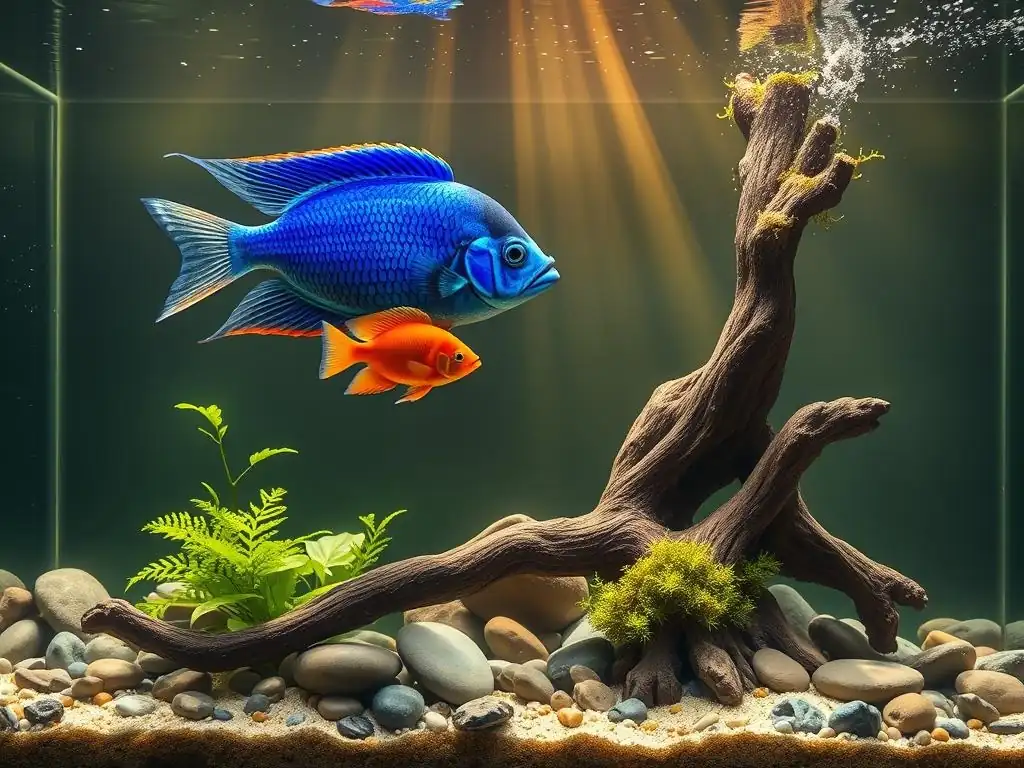
Welcome to Aquarium Mastery!
Ever wondered if that shimmering Dwarf Gourami you're eyeing for your freshwater tank might bring more trouble than tranquility? Understanding the potential for Dwarf Gourami aggression is crucial for a harmonious aquarium. Dive in to discover essential insights and practical strategies for managing their temperament and ensuring a peaceful underwater world for all your aquatic companions! Intrigued? Let's explore the delicate balance together...
- Understanding Dwarf Gourami Temperament in the Aquarium
- Identifying Aggressive Behaviors in Dwarf Gouramis
- Minimizing Dwarf Gourami Aggression in Your Aquarium
- Managing Existing Aggression Issues in Your Dwarf Gourami Tank
- Dwarf Gourami Tank Mates: Compatibility Guide
- Preventing Future Aggression: Long-Term Strategies for a Harmonious Aquarium
- Conclusion: Creating a Peaceful Aquarium with Dwarf Gouramis
-
Frequently Asked Questions
- ### Are Dwarf Gouramis naturally aggressive fish?
- ### What size aquarium is best to minimize Dwarf Gourami aggression?
- ### How can I reduce aggression between Dwarf Gouramis in my aquarium?
- ### What are the signs of aggression in Dwarf Gouramis?
- ### What tank mates are best to keep with Dwarf Gouramis to avoid aggression issues?
- Final Reflection: Navigating the Delicate Balance of Aquarium Harmony
- Ignite Your Gourami's Happiness!
Understanding Dwarf Gourami Temperament in the Aquarium
Dwarf Gourami: A Popular Freshwater Fish
The Dwarf Gourami ( Trichogaster lalius, formerly Colisa lalia) stands out as a highly popular choice among freshwater aquarists, celebrated for its vibrant coloration and relatively small size. Originating from the slow-moving waters of South Asia, specifically India, Bangladesh, and Pakistan, these labyrinth fish are known for their ability to breathe atmospheric air, allowing them to thrive in varied oxygen conditions. Their peaceful disposition, combined with their striking blue, red, and orange hues, makes them a visually appealing addition to many community tanks.
Despite their generally serene nature, it's crucial for prospective owners to understand that Dwarf Gouramis, particularly males, can exhibit Dwarf Gourami aggression under certain circumstances. While not typically as belligerent as some cichlid species, instances of territorial disputes or fin nipping can arise, especially in confined spaces or with incompatible tank mates. Recognizing these potential behavioral patterns is the first step in creating a harmonious aquarium tank environment for them.
Defining Aggression in Dwarf Gouramis: What to Watch For
Aggression in Dwarf Gouramis can manifest in various ways, ranging from subtle displays of dominance to more overt physical altercations. It's not always about direct fighting; often, it involves constant chasing, nipping at fins, or cornering other fish, which can lead to significant stress for the targeted individuals. This low-level, persistent harassment is a common form of Dwarf Gourami aggression that can go unnoticed by inexperienced aquarists.
More pronounced signs of Dwarf Gourami aggression include flaring gills and fins, body darkening, or even rare instances of "lip-locking" where two gouramis might push against each other with their mouths. While these behaviors are more common between two male Dwarf Gouramis vying for territory or dominance, they can occasionally be directed towards other fish, particularly those with long, flowing fins or similar body shapes. Understanding these indicators is vital for early intervention and preventing prolonged stress or injury in your aquarium tank.
Factors Influencing Dwarf Gourami Aggression in a Community Tank
Several factors can significantly influence the likelihood and intensity of Dwarf Gourami aggression within a community aquarium tank. One of the primary culprits is inadequate tank size; a tank that is too small (e.g., less than 10 gallons for a single male) provides insufficient space for a gourami to establish a territory without encroaching on others, leading to increased stress and conflict. Overcrowding, regardless of tank size, also exacerbates aggression by intensifying competition for resources like food and space.
Incompatible tank mates are another major factor. Fish that are too large, overly boisterous, or aggressive themselves can stress Dwarf Gouramis, potentially leading to defensive Dwarf Gourami aggression. Conversely, very slow-moving or long-finned fish can become easy targets for nipping. Lastly, a lack of adequate hiding places and visual barriers within the aquarium tank prevents gouramis from retreating when stressed or establishing clear territories, contributing directly to heightened aggression levels.
Identifying Aggressive Behaviors in Dwarf Gouramis
Fin Nipping and Chasing: Signs of Aggression
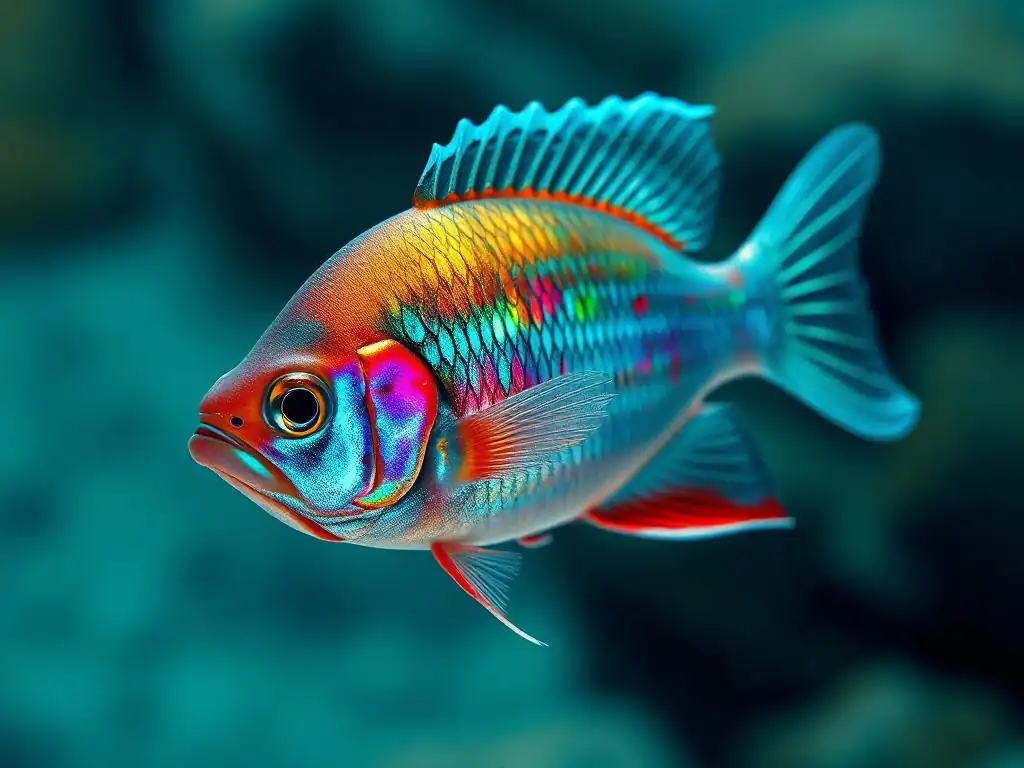
Fin nipping is one of the most recognizable and common forms of Dwarf Gourami aggression, particularly when these fish are housed with species that possess long, flowing fins like fancy guppies, bettas, or even other gouramis. The Dwarf Gourami will quickly dart towards the target fish, taking small nips at their caudal, dorsal, or anal fins. This behavior often results in ragged, torn fins on the victim, which can then become susceptible to bacterial infections like fin rot.
Chasing is another prevalent aggressive behavior, where the Dwarf Gourami relentlessly pursues another fish around the aquarium tank. This pursuit can be constant, preventing the chased fish from feeding or resting, leading to extreme stress, appetite loss, and a weakened immune system. In a small aquarium tank, persistent chasing can quickly become life-threatening for the bullied fish, highlighting the need for vigilance when observing Dwarf Gourami aggression.
Territorial Displays and Dominance Hierarchies
Male Dwarf Gouramis are inherently territorial, especially when housed with other males or fish perceived as rivals. Their aggression often stems from the establishment and defense of these territories. A common territorial display involves the gourami flaring its fins, darkening its body colors to appear larger and more intimidating, and posturing towards perceived intruders. This visual intimidation is a clear signal of Dwarf Gourami aggression and a warning to other tank inhabitants to keep their distance.
Within a Dwarf Gourami aggression aquarium tank featuring multiple males, a dominance hierarchy will often form. One male will assert himself as the dominant individual, constantly harassing or chasing the subordinate males to maintain his status. This can result in the subordinate fish becoming stressed, losing color, and spending most of their time hiding, unable to compete for food or prime swimming spaces. In some cases, prolonged stress from such a hierarchy can even lead to the death of the weaker individuals.
Recognizing Stress in Dwarf Gouramis: A Key Indicator of Potential Aggression
Stress is a significant precursor to, and consequence of, Dwarf Gourami aggression. A stressed Dwarf Gourami may exhibit a range of symptoms, including faded or dull coloration, clamped fins held close to the body, rapid or labored breathing, and a general lethargy. They might also hide excessively, refusing to come out even during feeding times, or conversely, dart erratically around the aquarium tank in a frantic manner.
Recognizing these signs of stress is paramount because a stressed gourami is more susceptible to disease, and can also be more prone to exhibiting Dwarf Gourami aggression as a defensive mechanism, or become a target for other aggressive fish. If you observe these indicators, it's crucial to investigate the underlying cause, whether it's poor water quality, incompatible tank mates, or insufficient space, to alleviate the stress and promote a more peaceful environment in your aquarium tank.
Minimizing Dwarf Gourami Aggression in Your Aquarium
Optimal Tank Size for Dwarf Gouramis: Space Matters
Providing an appropriately sized aquarium tank is fundamental in minimizing Dwarf Gourami aggression. For a single Dwarf Gourami, a minimum tank size of 10 gallons is generally recommended, offering enough space for it to establish a small territory without feeling overly confined. However, for a pair or a small group (e.g., one male with two or three females), a 20-gallon long tank or larger is far more suitable, providing ample swimming area and reducing the likelihood of territorial disputes.
Larger tanks inherently diffuse potential Dwarf Gourami aggression by offering more room for escape and less competition for resources. In an aquarium tank of 20 gallons or more, the fish have greater opportunities to establish their own zones and avoid constant confrontation. This generous space significantly contributes to a more peaceful environment, reducing stress levels for all inhabitants and allowing the gouramis to display their natural behaviors without undue territorial pressure.
Choosing Compatible Tank Mates for Dwarf Gouramis: Preventing Conflicts
The selection of compatible tank mates is critical to preventing Dwarf Gourami aggression. Ideal companions are peaceful, non-aggressive species that are similar in size, do not possess long, flowing fins that could be tempting targets for nipping, and occupy different levels of the water column. Good examples include small schooling fish like Neon Tetras, Rummy Nose Tetras, Harlequin Rasboras, and bottom dwellers such as Corydoras catfish or Otocinclus catfish.
Conversely, avoid housing Dwarf Gouramis with known fin-nippers like Tiger Barbs (unless in a very large school of 10+ and no other long-finned fish), overly aggressive cichlids, or very large, boisterous fish that could intimidate or injure the gourami. Also, housing multiple male Dwarf Gouramis in anything less than a very large, heavily planted aquarium tank (e.g., 50 gallons or more) is generally ill-advised, as this setup almost guarantees heightened Dwarf Gourami aggression between the males.
Providing Adequate Hiding Places and Visual Barriers: Reducing Stress
A well-decorated aquarium tank with ample hiding places and visual barriers is essential for mitigating Dwarf Gourami aggression. Live plants, such as Java Fern, Anubias, Amazon Swords, or even floating plants like Water Lettuce, provide natural cover and break up lines of sight, preventing constant visual contact between fish. This allows a Dwarf Gourami to retreat and feel secure, significantly reducing stress levels that can lead to aggressive outbursts.
Beyond plants, incorporating driftwood, rocks, and ceramic caves offers additional retreat options. Aim for a tank setup where at least 50-70% of the aquarium tank is visually obstructed or provides cover, creating multiple territories and safe zones. This strategic aquascaping is a highly effective method for diffusing Dwarf Gourami aggression by minimizing direct confrontations and allowing each fish to establish its own perceived safe haven.
Maintaining Proper Water Parameters: A Healthy Environment for Peaceful Behavior
Maintaining stable and appropriate water parameters is paramount for the overall health and temperament of Dwarf Gouramis, directly impacting the likelihood of Dwarf Gourami aggression. These fish thrive in temperatures between 72-82°F (22-28°C), a pH range of 6.0-7.5, and water hardness between 5-18 dGH. Fluctuations or deviations from these ideal conditions can cause significant stress, weakening their immune system and potentially leading to erratic or aggressive behavior.
Regular water testing for ammonia, nitrite, and nitrate levels, along with consistent partial water changes (e.g., 25-30% weekly or bi-weekly depending on bioload), ensures pristine water quality. A clean, stable environment reduces the physiological stress on the fish, making them less prone to exhibiting Dwarf Gourami aggression stemming from discomfort or illness. Healthy fish are generally more peaceful and less reactive to their surroundings in an aquarium tank.
Managing Existing Aggression Issues in Your Dwarf Gourami Tank
Separating Aggressive Individuals: Quarantine and Reintroduction
When Dwarf Gourami aggression becomes severe and persistent, threatening the well-being of other tank inhabitants, immediate separation of the aggressive individual is often necessary. The aggressive gourami can be temporarily moved to a separate quarantine or "time-out" tank, or even a large breeder box within the main aquarium tank, for a period of several days to a week. This allows the bullied fish to recover and the aggressive gourami to "cool off" without stimuli.
Before reintroducing the aggressive Dwarf Gourami, it's highly recommended to significantly re-arrange the main tank's decorations. This disrupts any established territories, effectively resetting the social dynamics. When reintroducing, observe carefully. If Dwarf Gourami aggression resumes, consider keeping the aggressive fish permanently in a separate tank or rehoming it, as some individuals simply have an inherently more dominant personality.
Re-arranging Tank Decorations: Disrupting Established Territories
One of the most effective non-invasive methods to manage ongoing Dwarf Gourami aggression is to dramatically re-arrange the aquarium tank's internal layout. Dwarf Gouramis, especially males, establish territories based on existing decor. By moving plants, driftwood, rocks, and other ornaments, you effectively erase these established boundaries. This forces the aggressive gourami to re-evaluate and re-establish its territory, often leading to a temporary reduction in aggression as it becomes preoccupied with the new layout.
This re-arrangement should be significant enough to truly alter the tank's landscape. For instance, if a specific cave or plant cluster was a focal point of Dwarf Gourami aggression, move it to a different location or remove it entirely. This tactic helps to break the cycle of bullying by disorienting the aggressor and providing new hiding spots or escape routes for the bullied fish, promoting a more peaceful dynamic in the aquarium tank.
Increasing Feeding Frequency and Distribution: Reducing Competition
Competition over food can be a significant trigger for Dwarf Gourami aggression, particularly in tanks with multiple fish or limited feeding areas. If you notice your Dwarf Gourami chasing other fish during mealtimes, it might be due to resource guarding. To mitigate this, consider increasing the feeding frequency while reducing the amount per feeding, for example, feeding small portions two to three times a day instead of one large meal.
Additionally, distributing food widely across the aquarium tank rather than in a single spot can help. Sprinkling flakes or pellets over a larger surface area ensures that all fish have access to food simultaneously, reducing the need for the Dwarf Gourami to aggressively defend a single feeding zone. This strategy can significantly lessen Dwarf Gourami aggression by alleviating food-related stress and competition among tank inhabitants.
Considering a Larger Group of Dwarf Gouramis: Diffusing Aggression (With Caution)
While counter-intuitive for some species, increasing the number of certain fish can sometimes diffuse aggression by spreading it out among more individuals, a concept known as "target dilution." For Dwarf Gouramis, this strategy must be approached with extreme caution, particularly regarding male-on-male Dwarf Gourami aggression. A single male Dwarf Gourami is often the most peaceful option for a standard community aquarium tank of 10-20 gallons.
However, in very large tanks (e.g., 50 gallons or more) with abundant hiding spots and visual barriers, it might be possible to keep a small group of Dwarf Gouramis with a single male and multiple females (e.g., 1 male to 3-4 females). The presence of multiple females can sometimes divert the male's attention and dilute his aggression. Attempting to keep multiple male Dwarf Gouramis together in anything but a very expansive, heavily planted setup is generally not recommended due to their high propensity for male-on-male Dwarf Gourami aggression.
Dwarf Gourami Tank Mates: Compatibility Guide
Ideal Tank Mates for Peaceful Coexistence
Choosing appropriate tank mates is paramount for preventing Dwarf Gourami aggression and ensuring a harmonious aquarium tank. Ideal companions are generally peaceful, similarly sized, and occupy different levels of the water column to avoid direct competition for space. Excellent choices include small, schooling fish like Neon Tetras ( Paracheirodon innesi), Rummy Nose Tetras ( Hemigrammus rhodostomus), and Harlequin Rasboras ( Trigonostigma heteromorpha), which are active but not overly boisterous.
Bottom dwellers such as Corydoras Catfish ( Corydoras spp.), Otocinclus Catfish ( Otocinclus affinis), and peaceful loaches like Kuhli Loaches ( Pangio kuhlii) also make great tank mates. These species generally ignore the Gourami and help keep the substrate clean. By selecting fish that are neither aggressive nor prone to being bullied, you create an environment where the Dwarf Gourami is less likely to exhibit or be subjected to aquarium tank aggression.
Fish to Avoid: Potential Aggression Triggers
Certain fish species should be avoided when planning a community aquarium tank with Dwarf Gouramis, as they can either provoke Dwarf Gourami aggression or become targets of it. Highly aggressive or territorial cichlids, such as Convict Cichlids or larger African Cichlids, are entirely incompatible due to their propensity to injure or kill the more docile gourami. Similarly, very large and boisterous fish can stress the Dwarf Gourami, leading to health issues or defensive aggression.
Fin-nipping species like Tiger Barbs ( Puntius tetrazona) should also be approached with caution; while they can sometimes be kept in very large schools in a species-only tank, they are notorious for nipping the long, flowing fins of fish like Dwarf Gouramis. Additionally, avoid housing Dwarf Gouramis with other male labyrinth fish, especially other male Dwarf Gouramis or even Bettas, in smaller tanks, as this almost guarantees severe Dwarf Gourami aggression and fighting.
Monitoring Tank Mate Interactions: Observation is Key
Even with careful planning, it is crucial to continuously monitor the interactions between your Dwarf Gourami and its tank mates in the aquarium tank. Fish behavior can be unpredictable, and individual personalities vary. Spend time observing your tank daily, especially during feeding times and shortly after lights come on or go off, as these are often periods of heightened activity or territorial display.
Look for subtle signs of stress or bullying, such as a fish constantly hiding, showing faded colors, having nipped fins, or refusing to eat. If Dwarf Gourami aggression is observed, identify the aggressor and the victim. Early detection allows for timely intervention, whether it's rearranging decor, separating fish, or re-evaluating tank mate compatibility, helping to prevent prolonged stress and potential injury within your aquarium tank.
Preventing Future Aggression: Long-Term Strategies for a Harmonious Aquarium
Regular Water Changes and Tank Maintenance: Maintaining a Healthy Environment
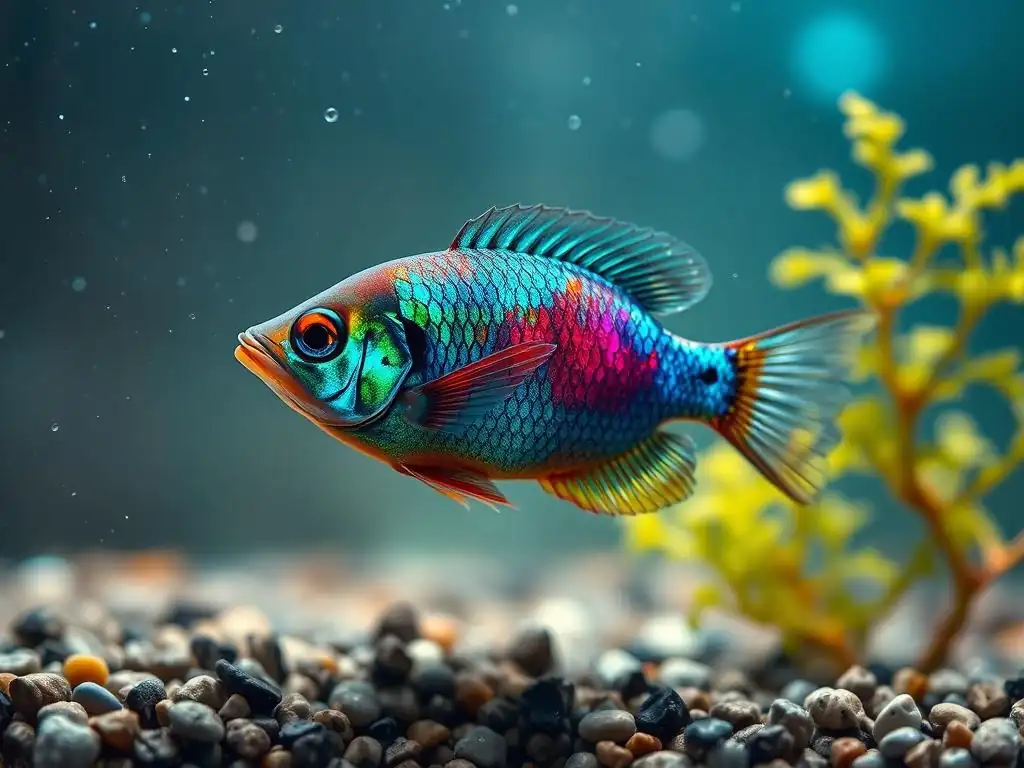
Consistent and thorough tank maintenance is a cornerstone for preventing future Dwarf Gourami aggression. Regular partial water changes, typically 25-30% of the aquarium tank volume weekly or bi-weekly depending on bioload, are essential for removing accumulated nitrates and other waste products. Pristine water quality directly contributes to the overall health and well-being of your Dwarf Gouramis.
A clean, stable aquatic environment significantly reduces stress on all fish, making them less susceptible to illness and less prone to exhibiting aggressive behaviors. When fish are healthy and comfortable, they are more likely to display their natural, peaceful temperaments. Neglecting water changes and allowing parameters to fluctuate can lead to chronic stress, which is a major underlying cause of Dwarf Gourami aggression.
Observing and Addressing Potential Health Issues: A Healthy Fish is a Happy Fish
The health of your Dwarf Gourami is intrinsically linked to its temperament. A sick or uncomfortable fish is often a stressed fish, and stress can either lead to increased Dwarf Gourami aggression as a defensive mechanism or make the fish a target for bullying by others. Regularly observe your gourami for any signs of illness, such as clamped fins, loss of appetite, abnormal swimming patterns, white spots (Ich), or frayed fins (fin rot).
Promptly addressing any health issues with appropriate treatments is vital. A healthy Dwarf Gourami is more likely to be a happy and peaceful inhabitant of your aquarium tank. By proactively managing their health, you reduce a significant source of stress that could otherwise manifest as Dwarf Gourami aggression or make them vulnerable to it.
Continuing Education on Dwarf Gourami Behavior: Staying Informed
The world of fishkeeping is constantly evolving, and a deeper understanding of specific species' behaviors is invaluable for long-term success. Continuing to educate yourself on Dwarf Gourami specific behaviors, social structures, and potential triggers for Dwarf Gourami aggression will empower you to be a more proactive and effective aquarist. Every fish is an individual, and while general guidelines exist, slight variations in personality can occur.
Stay informed about the latest insights into anabantoid behavior and care. Understanding their natural instincts, such as their territorial tendencies or their need for surface access for breathing, allows you to anticipate potential issues before they escalate. This ongoing learning process ensures you can adapt your aquarium tank setup and management strategies to maintain a peaceful and thriving environment for your Dwarf Gouramis for years to come.
Conclusion: Creating a Peaceful Aquarium with Dwarf Gouramis
Dwarf Gouramis are undoubtedly captivating additions to any freshwater aquarium tank, celebrated for their vibrant colors and generally peaceful demeanor. However, as with any living creature, understanding their specific needs and behavioral nuances is crucial to preventing and managing Dwarf Gourami aggression. While they are not inherently aggressive fish, factors such as inadequate tank size, incompatible tank mates, lack of hiding places, or poor water quality can quickly turn a calm gourami into a territorial bully.
By prioritizing optimal tank conditions, carefully selecting peaceful companions, providing abundant visual barriers, and maintaining diligent observation, aquarists can significantly mitigate the risk of Dwarf Gourami aggression. Should issues arise, prompt intervention through tank re-arrangement, temporary separation, or adjustment of feeding routines can restore harmony. Ultimately, with informed care and attention, creating a serene and thriving aquarium tank where Dwarf Gouramis flourish peacefully alongside their tank mates is an entirely achievable and rewarding endeavor.
Frequently Asked Questions
### Are Dwarf Gouramis naturally aggressive fish?
While Dwarf Gouramis are generally considered peaceful, they can exhibit aggressive tendencies, especially males towards each other. This is often related to territoriality and competition for mates.
### What size aquarium is best to minimize Dwarf Gourami aggression?
A larger tank, ideally 20 gallons or more, is recommended to minimize aggression. This provides ample space for each fish to establish its own territory and reduces the chances of confrontations.
### How can I reduce aggression between Dwarf Gouramis in my aquarium?
Introduce plenty of plants and decor to break up sightlines and create hiding places. Avoid keeping multiple male Dwarf Gouramis together in smaller tanks; consider only one male or a male/female pair.
### What are the signs of aggression in Dwarf Gouramis?
Keep an eye out for chasing, nipping fins, and constant bullying of other fish. A stressed fish may also exhibit loss of color or refusal to eat.
### What tank mates are best to keep with Dwarf Gouramis to avoid aggression issues?
Choose peaceful, non-aggressive tank mates that won't compete with the Gourami. Good choices include small tetras, Corydoras catfish, and Rasboras. Avoid larger, boisterous fish that could intimidate or harass the Gourami.
The complexities of Dwarf Gourami aggression in the aquarium tank are not merely theoretical; they represent a microcosm of the challenges inherent in creating harmonious ecosystems, both within our glass boxes and in the wider world. Understanding the nuances of their behavior, from territorial disputes to the impact of tank mates, is crucial for responsible fishkeeping and a testament to our ability to create environments that foster well-being for all inhabitants.
This journey into the world of Dwarf Gouramis has illuminated the importance of mindful observation and proactive intervention. It's a reminder that our actions, even within the seemingly contained environment of an aquarium, have far-reaching consequences for the creatures in our care. The greatness of a nation and its moral progress can be judged by the way its animals are treated.
- Mahatma Gandhi. This quote, though broad, resonates deeply when considering the ethical responsibility we undertake when bringing animals into our lives, demanding we strive for their optimal health and happiness.
Now, as you contemplate the delicate balance within your own aquarium, consider the lessons learned about Dwarf Gourami aggression. Let this knowledge empower you to create a thriving, peaceful environment, not just for your gouramis, but for all your aquatic companions. Reflect on how these principles of careful observation, thoughtful planning, and proactive intervention can be applied to other areas of your life, fostering harmony and understanding in all your interactions.
Ignite Your Gourami's Happiness!
Thank you for diving into the world of Dwarf Gouramis with us! We hope you've gained valuable insights into understanding and managing their temperament. Now, let's translate that knowledge into action!
Here are some steps you can take to ensure a harmonious aquarium environment for your Gouramis:
- Prioritize visual barriers in your tank today! Rearrange your hardscape and plants to create distinct zones, allowing your Gourami to establish a territory and reduce aggressive behaviors.
- Consider introducing dither fish. A school of peaceful tetras can help diffuse aggression by diverting the Gourami's attention.
- Surprise your Gourami with a new, enriching addition to the tank. A floating log or a new, safe plant can stimulate their curiosity and reduce boredom-related aggression.
What specific changes will you implement in your aquarium this week to improve your Dwarf Gourami's well-being?