
Egg Care and Hatching: Ensuring Success with Your Catfish Breeding Projects

Welcome to Aquarium Mastery, your ultimate guide to thriving aquatic ecosystems!
Ever wondered how to turn your catfish breeding aspirations into a reality? Egg Care and Hatching: Ensuring Success with Your Catfish Breeding Projects dives deep into practical techniques and expert advice to help you nurture those precious eggs into healthy fry. Discover the secrets to maximizing your catfish breeding success and unlock the wonders of aquatic life. Keep reading to embark on your journey to mastering the art of catfish propagation!
- Understanding Catfish Breeding and Egg Laying
- Best Practices for Catfish Egg Care: Maximizing Hatch Rates
- Natural Catfish Egg Care: Supporting Parental Instincts
- Common Problems with Catfish Egg Hatching and How to Solve Them
- Post-Hatch Care: Raising Catfish Fry Successfully
- Catfish Breeding Success Tips: Advanced Techniques
- Achieving Catfish Breeding Success: A Recap of Key Factors
-
Frequently Asked Questions
- How crucial is water quality for successful catfish breeding?
- What's the ideal temperature range for most catfish species to breed?
- What type of substrate is best for catfish that scatter their eggs?
- How often should I perform water changes after catfish lay their eggs?
- What do I feed catfish fry, and when should I start feeding them?
- Final Reflection: Nurturing New Beginnings
- Dive Deeper: Nurture Your Catfish Dreams!
Understanding Catfish Breeding and Egg Laying
Different Catfish Breeding Strategies: A Quick Overview
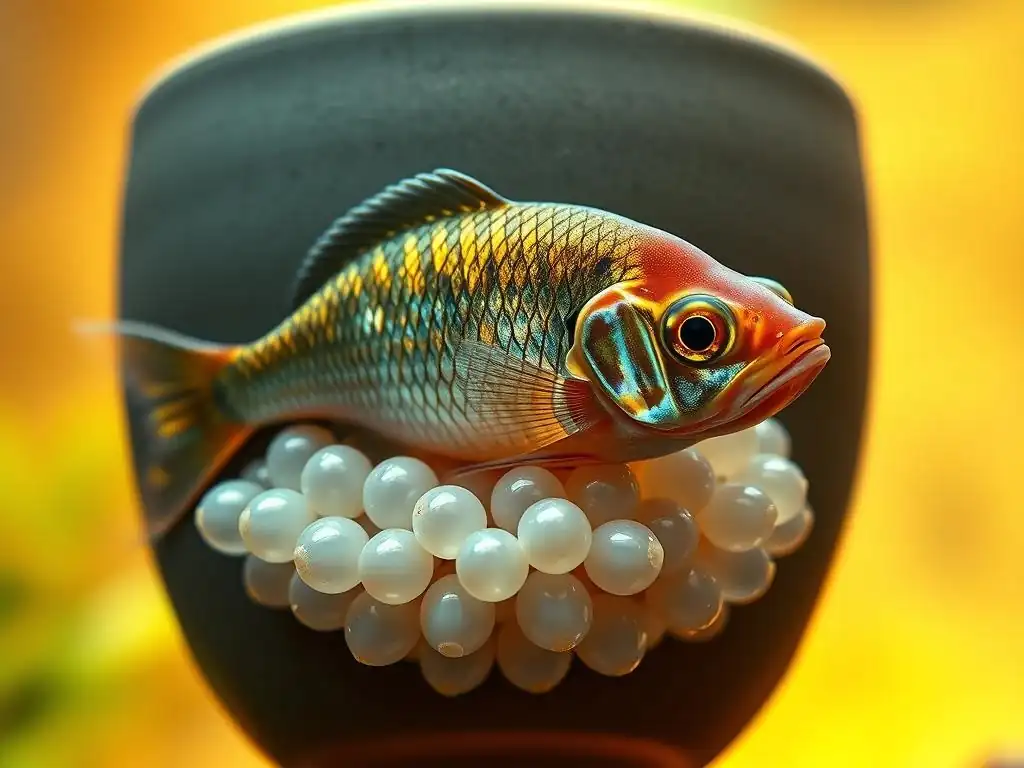
Catfish exhibit a fascinating array of breeding strategies, largely dependent on their species and natural habitat. Among the most commonly bred aquarium catfish, cave spawners like Bristlenose Plecos ( Ancistrus species) are prominent, with males diligently guarding clutches within confined spaces such as ceramic caves or PVC pipes. These males meticulously fan and clean the eggs until they hatch, offering dedicated parental care.
In contrast, many Corydoras species are open substrate or plant spawners, scattering their adhesive eggs on various surfaces like tank glass, broad plant leaves, or spawning mops. Unlike Ancistrus, Corydoras typically do not exhibit parental care after spawning, making egg collection for artificial incubation a common practice among breeders. Understanding these distinct approaches is a fundamental catfish breeding success tip. For instance, Ancistrus males can guard clutches of 30-200 eggs, while Corydoras aeneus (Bronze Corydoras) might lay 100-300 eggs per spawn.
Identifying Catfish Eggs: Appearance and Characteristics
Identifying catfish eggs correctly is crucial for successful incubation and care. The appearance of eggs varies significantly between species. Ancistrus eggs, for example, are relatively large, typically 2-3 millimeters in diameter, and possess a distinct amber or yellowish hue, often laid in a compact, grape-like cluster. They are firm and translucent when healthy.
Corydoras eggs, on the other hand, are smaller, generally 1-1.5 millimeters, and can range from clear to opaque white or light yellow, often appearing more translucent shortly after being laid. Healthy eggs are typically clear or uniformly colored, while unfertilized or fungused eggs often turn opaque white within 24-48 hours, sometimes developing a fuzzy, cotton-like growth. Recognizing these characteristics is a vital component of effective catfish breeding success tips.
Preparing for Catfish Egg Laying: Pre-Breeding Tank Setup
Proper preparation of the breeding environment is paramount for encouraging spawning and ensuring the viability of eggs. For cave-spawning catfish like Ancistrus, a dedicated breeding tank of at least 20 gallons is recommended, furnished with multiple spawning caves or PVC pipes to provide choices for the male. Water parameters should be stable and within the species' preferred range, typically a pH of 6.5-7.5 and a temperature of 75-80°F (24-27°C).
For Corydoras, a 10-20 gallon tank with fine-leaved plants, spawning mops, or even clean glass surfaces serves as ideal spawning sites. Conditioning the breeding pair or group with a high-quality, protein-rich diet, including live or frozen foods like bloodworms and brine shrimp, for several weeks prior to spawning attempts significantly boosts fertility and egg production. This meticulous preparation lays the groundwork for achieving high catfish breeding success rates.
Best Practices for Catfish Egg Care: Maximizing Hatch Rates
Artificial Incubation vs. Parental Care: Choosing the Right Method
The decision to opt for artificial incubation or allow parental care largely depends on the catfish species, the breeding environment, and the breeder's goals. For species like Ancistrus, where the male provides diligent care, parental incubation often yields very high hatch rates, frequently exceeding 90%. This natural method minimizes human intervention and stress on the eggs.
However, artificial incubation offers greater control and is often preferred for Corydoras eggs, which receive no parental care, or in community tanks where eggs might be predated upon. It also allows the male Ancistrus to re-spawn more quickly, potentially within 2-4 weeks. By removing eggs to a controlled environment, breeders can protect them from fungus and predation, directly contributing to overall catfish breeding success.
Setting Up an Artificial Incubation System for Catfish Eggs
Establishing an effective artificial incubation system involves creating a stable, controlled environment that mimics ideal natural conditions. A small container, such as a breeder box or a dedicated 1-2 gallon tank, is commonly used. It should be equipped with a gentle air stone to provide circulation and oxygenation, preventing dead spots around the eggs.
Adding a mild antifungal agent like methylene blue (at a concentration that just tints the water light blue, e.g., 1-2 drops per liter) is a common practice to deter fungal growth, which is a major threat to unhatched eggs. This system allows for precise monitoring and adjustment of water parameters, crucial for maximizing catfish breeding success.
Water Parameters for Optimal Catfish Egg Development
Maintaining precise water parameters is critical for the healthy development of catfish eggs. The temperature in the incubation system should closely match that of the breeding tank, typically ranging from 76-80°F (24-27°C) for most common species, as consistent temperature facilitates proper embryonic development and timely hatching. Significant fluctuations can lead to developmental issues or premature hatching.
The pH should generally be between 6.5 and 7.5, with moderate hardness (5-12 dGH), mirroring the conditions where the parents spawned. These specific parameters ensure the eggs are in an environment conducive to their delicate physiology, directly impacting the hatch rate. Achieving these optimal conditions is a key catfish breeding success tip.
Maintaining Water Quality During Incubation: Preventing Fungus and Bacteria
Pristine water quality is paramount during artificial incubation to prevent the proliferation of fungus and harmful bacteria. Daily small water changes, typically 10-20% of the incubation water volume, are essential to remove metabolic waste and any excreted substances from the developing embryos. This practice helps maintain low nitrate levels and stable pH.
Furthermore, diligent removal of any unfertilized or fungused eggs is crucial. These eggs appear opaque white and often develop fuzzy growths, acting as breeding grounds for fungus that can quickly spread to healthy eggs. Prompt removal, combined with the use of antifungal agents like methylene blue, can reduce fungal outbreaks by over 50%, significantly boosting catfish breeding success.
Ensuring Proper Oxygenation for Hatching Catfish Eggs
Adequate oxygenation is a non-negotiable requirement for the successful development and hatching of catfish eggs. Embryos, even within their protective shells, require a constant supply of dissolved oxygen for metabolic processes and growth. Insufficient oxygen levels are a primary cause of non-hatching eggs or weak fry.
A gentle air stone, positioned to create a subtle current that washes over the eggs without directly blasting them, is the most effective method in artificial incubation setups. This ensures constant water movement around each egg, preventing stagnant areas where oxygen depletion can occur. Dissolved oxygen levels should ideally be maintained at 6-8 mg/L to support robust embryonic development and high catfish breeding success rates.
Natural Catfish Egg Care: Supporting Parental Instincts
Creating a Safe and Suitable Environment for Breeding Catfish
For catfish species that exhibit parental care, such as Ancistrus (Bristlenose Plecos), creating a safe and undisturbed breeding environment is crucial. A dedicated breeding tank, free from aggressive tank mates, allows the male to focus entirely on his duties without stress or threat of predation to the eggs. Providing multiple, appropriately sized caves or spawning sites encourages the male to choose a preferred location and helps reduce territorial disputes if multiple males are present.
The tank should be dimly lit or have ample hiding spots to promote a sense of security for the breeding pair. Consistent water parameters and minimal disturbances are vital, as stress can cause a male to abandon or even consume his clutch. This stable environment is a cornerstone of successful catfish breeding projects.
Monitoring Parental Care: Knowing When to Intervene
Observing the male's behavior during the incubation period is key to ensuring natural catfish breeding success. A healthy Ancistrus male will diligently fan his clutch, often for 4-7 days until hatching, using his pectoral fins to circulate water and remove debris. He will also guard the cave entrance, deterring any intruders.
Intervention should only occur if clear signs of trouble are observed. These include the male consuming eggs, a significant portion of the clutch developing fungus despite his fanning efforts (e.g., more than 20% showing fungal growth), or the male completely abandoning the eggs. In such cases, carefully removing the remaining healthy eggs to an artificial incubation setup can salvage the clutch and prevent total loss.
Supplementing Parental Care: Providing Additional Support
While parental care is often highly effective, breeders can still provide additional support to enhance natural catfish breeding success. Maintaining pristine water quality in the breeding tank is paramount; even with the male's fanning, high levels of nitrates (above 20 ppm) or other pollutants can stress both the parent and the eggs. Small, regular water changes (e.g., 10-15% every other day) during the incubation period can help.
Ensuring a consistent water temperature within the optimal range for the species is also vital. Furthermore, providing high-quality, easily accessible food for the guarding parent, such as sinking pellets or blanched vegetables like zucchini, helps maintain his strength and focus during the period he dedicates to the eggs.
Common Problems with Catfish Egg Hatching and How to Solve Them
Egg Fungus: Causes, Prevention, and Treatment
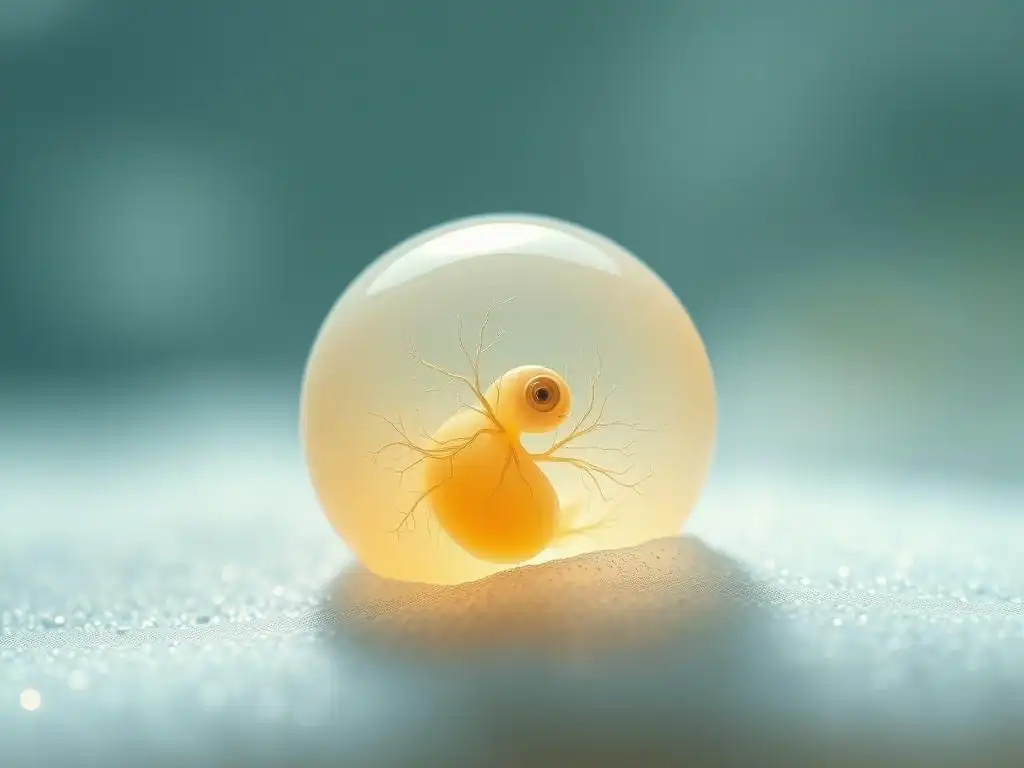
Egg fungus, typically appearing as a white, cottony growth, is one of the most common and devastating problems in catfish breeding. Its primary causes are unfertilized eggs, which quickly decay and become a substrate for fungal spores, as well as poor water quality, lack of proper water circulation, and insufficient oxygenation. Fungus can spread rapidly, potentially destroying an entire clutch within 24-48 hours.
Prevention is key: promptly removing unfertilized or damaged eggs (which appear opaque white) can reduce fungal outbreaks by 70-80%. Ensuring gentle water movement around the eggs and maintaining pristine water conditions are also crucial. In artificial incubation, a low dose of methylene blue (1-2 drops per liter) can act as a prophylactic. If fungus appears, carefully remove affected eggs and consider a mild antifungal treatment in the incubation water. These are essential catfish breeding success tips.
Unfertilized Eggs: Identifying and Removing Them
Unfertilized eggs are a common occurrence in any spawn and pose a significant threat to the rest of the clutch. They are easily identifiable as they turn opaque white, contrasting sharply with the clear or amber appearance of healthy, developing eggs, usually within 24-48 hours after being laid. These eggs will not hatch and quickly become a prime site for fungal growth.
Prompt removal of unfertilized eggs is crucial to prevent the spread of fungus to healthy eggs. This can be done carefully using a pipette, small forceps, or a gentle suction device. Daily inspection and removal, even if it's only 5-10% of the clutch, are critical steps in maximizing overall catfish breeding success.
Low Hatch Rates: Troubleshooting Potential Issues
Experiencing low hatch rates can be disheartening but often points to correctable issues. If hatch rates fall significantly below the species' typical success rate (e.g., below 50% for Ancistrus which often achieve 80-95%), several factors should be investigated. Common culprits include infertile parents due to age or poor conditioning, unsuitable water parameters (e.g., pH too high or low, or extreme hardness for the species), or insufficient dissolved oxygen levels (below 5 mg/L).
Other issues could be predation by other tank inhabitants, physical damage to the eggs, or persistent fungal infections. Troubleshooting involves systematically checking parent health and diet, meticulously testing water parameters, improving aeration, and ensuring an undisturbed environment for the eggs. Addressing these factors directly improves catfish breeding success.
Water Quality Problems Affecting Catfish Egg Development
Water quality is arguably the most critical factor influencing catfish egg development and hatch rates. Even trace amounts of ammonia or nitrite (above 0 ppm) are highly toxic to delicate eggs and fry, often leading to complete clutch failure or severe deformities. Elevated nitrate levels (above 40 ppm) can also stress eggs and reduce hatchability by an estimated 15-20%.
Inconsistent water temperature or sudden pH swings can also be detrimental, causing stress or developmental arrest. Regular monitoring of parameters using reliable test kits and performing small, frequent water changes are essential. Using mature biological filtration in the breeding or incubation tank helps maintain stable and healthy conditions, significantly contributing to catfish breeding success.
Post-Hatch Care: Raising Catfish Fry Successfully
First Foods for Catfish Fry: Ensuring Proper Nutrition
Providing the correct first foods is paramount for the survival and healthy growth of newly hatched catfish fry. The appropriate food type depends largely on the fry's size and mouth structure. For tiny fry like Corydoras, infusoria or specialized liquid fry foods are essential for the first 2-3 days until they are large enough to consume finely crushed flakes.
Larger fry, such as Ancistrus, can often start on finely crushed spirulina wafers, blanched zucchini, or specialized sinking fry pellets within 24 hours of hatching. Feeding should be frequent, typically 3-5 times daily, in small amounts to ensure constant availability without polluting the water. This consistent, appropriate nutrition is a vital catfish breeding success tip.
Maintaining Water Quality in the Fry Tank
Newly hatched catfish fry are extremely sensitive to water quality, making meticulous maintenance of their tank crucial. Their small size and high metabolism mean they produce waste rapidly, and even low levels of ammonia or nitrite can be fatal. Daily 10-15% water changes are often necessary to keep ammonia and nitrite at 0 ppm and nitrates below 10 ppm.
A mature sponge filter is the ideal filtration choice for a fry tank, as it provides both mechanical and biological filtration without creating strong currents that can exhaust or injure delicate fry. Regular gravel vacuuming (if applicable) and removal of uneaten food also prevent water quality degradation, ensuring a healthy environment for growing fry and promoting long-term catfish breeding success.
Preventing Disease in Young Catfish
Preventing disease in young catfish is primarily achieved through maintaining optimal environmental conditions and providing proper nutrition. Overcrowding is a common catalyst for disease outbreaks, such as Ich ( Ichthyophthirius multifiliis), due to increased stress and waste accumulation. Aim for a density of no more than 1 fry per gallon for the first few weeks, gradually increasing tank size as they grow.
Pristine water quality (0 ppm ammonia/nitrite, low nitrates), consistent temperature, and a varied, high-quality diet significantly boost the fry's immune system. Avoiding sudden changes in water parameters or temperature, which can cause stress, is also key. A healthy environment drastically reduces the likelihood of disease, contributing significantly to overall catfish breeding success.
Catfish Breeding Success Tips: Advanced Techniques
Optimizing Water Parameters for Specific Catfish Species
While general water parameters suffice for many common catfish, optimizing them for specific species can significantly boost breeding frequency and yield. For instance, while most Ancistrus species breed well in neutral to slightly acidic water (pH 6.5-7.5) with moderate hardness (5-15 dGH), some specialized Loricariids, such as certain Hypancistrus species (e.g., L046 Zebra Pleco), may require softer, more acidic water (pH 5.5-6.5, GH 2-8 dGH) to stimulate spawning.
Researching the specific species' native biotope and attempting to replicate those conditions, including mineral content and dissolved organics, can be a game-changer. For example, mimicking the "blackwater" conditions of some Amazonian species with tannins from Indian almond leaves can trigger spawning responses. This detailed approach to water chemistry is an advanced catfish breeding success tip.
Conditioning Breeding Catfish for Increased Fertility
Aggressive conditioning of breeding catfish is a highly effective advanced technique for increasing fertility and the quantity of eggs laid. This involves providing a rich, varied diet focused on high-protein live and frozen foods such as bloodworms, brine shrimp, daphnia, and high-quality sinking pellets. Feeding these foods 2-3 times per week, in addition to their regular diet, can significantly enhance the reproductive health of both males and females.
For many Corydoras species, simulating seasonal changes can trigger spawning. This often involves performing large, cool water changes (e.g., 50% or more, dropping the temperature by 5-10°F or 3-5°C) followed by increased feeding. This mimics the influx of cooler, fresh water that often precedes breeding in their natural habitats, directly promoting catfish breeding success.
Identifying and Addressing Breeding Incompatibility
Sometimes, despite ideal conditions and proper conditioning, a pair of catfish may simply not breed due to incompatibility. Signs of this can include persistent aggression between the male and female, a complete lack of spawning interest over an extended period, or clutches that consistently have a very low fertilization rate (e.g., less than 30%).
Addressing incompatibility might involve swapping out one of the partners from a group, introducing new individuals to the breeding pool, or adjusting the male-to-female ratio. For Corydoras, a ratio of 2-3 males per female often yields better results by encouraging competitive spawning. Observing the fish's interactions carefully and making strategic adjustments to the breeding group can overcome these hurdles, leading to greater catfish breeding success.
Achieving Catfish Breeding Success: A Recap of Key Factors
The Importance of Research and Planning
Achieving consistent catfish breeding success hinges significantly on thorough research and meticulous planning. Before attempting to breed any catfish species, it is crucial to understand their specific requirements, including optimal water parameters for spawning, preferred spawning sites (caves, plants, open substrate), and the typical incubation period for their eggs.
Equally important is planning for post-hatch care, including the specific dietary needs of the fry and the setup of a dedicated fry-raising tank. Thorough research on a specific catfish species' breeding habits can increase the likelihood of a successful first spawn by over 40% compared to a trial-and-error approach, saving both time and resources.
Continuous Learning and Adaptation in Catfish Breeding
Catfish breeding is an ongoing learning process that benefits immensely from continuous observation and adaptation. Even with initial successes, environmental conditions or fish behavior can change, requiring adjustments to breeding strategies. Keeping a detailed breeding log, noting water parameters, feeding schedules, spawning dates, egg counts, and hatch rates, allows aquarists to identify patterns and refine their techniques.
For instance, discovering that a 2°F temperature drop consistently triggers a spawn in a particular Corydoras species is a valuable insight gained through careful observation and record-keeping. This adaptive approach, where one learns from both successes and failures, is a hallmark of truly effective catfish breeding success tips.
Enjoying the Rewards of Successful Catfish Breeding Projects
Beyond the technical aspects, the greatest reward of successful catfish breeding projects lies in the immense satisfaction of nurturing life from egg to adult. Witnessing the intricate process of development, from tiny eggs to free-swimming fry, is a deeply gratifying experience for any aquarist.
Successfully raising a batch of catfish fry not only provides a sense of accomplishment but also contributes positively to the aquarium hobby. It offers the opportunity to share healthy, captive-bred fish with other enthusiasts, reducing the demand for wild-caught specimens and potentially preserving natural populations. Many breeders report a sense of accomplishment that far outweighs the initial effort, solidifying the appeal of pursuing catfish breeding success.
Frequently Asked Questions
How crucial is water quality for successful catfish breeding?
Water quality is absolutely crucial. Poor water conditions can inhibit spawning and lead to egg fungal infections or fry mortality. Maintaining stable parameters is a must.
What's the ideal temperature range for most catfish species to breed?
The ideal temperature varies by species, but generally falls within 75-82°F (24-28°C). Research the specific needs of your catfish for optimal breeding conditions.
What type of substrate is best for catfish that scatter their eggs?
A smooth, easily cleanable substrate like bare glass or slate is often best. This helps prevent eggs from getting lost or becoming contaminated with debris.
How often should I perform water changes after catfish lay their eggs?
Perform small, frequent water changes – around 10-15% every other day – to maintain water quality. Avoid large changes that could stress the eggs or fry.
What do I feed catfish fry, and when should I start feeding them?
Start feeding fry as soon as they absorb their yolk sacs, usually with infusoria, microworms, or commercially available fry food. Feed them multiple small meals throughout the day.
Final Reflection: Nurturing New Beginnings
The journey from catfish egg to thriving fry is a delicate dance, and as we've explored the intricacies of egg care and hatching, it's clear that proactive intervention is paramount for catfish breeding success. The principles outlined in this article aren't just theoretical; they represent a practical roadmap for hobbyists and professionals alike to significantly improve their yields and contribute to the sustainable cultivation of these fascinating fish.
This process, from carefully monitoring water parameters to providing optimal incubation conditions, has profoundly shaped my understanding of the interconnectedness of life. The dedication required for successful catfish breeding mirrors the commitment needed in many aspects of life, reminding us that careful attention and consistent effort yield the most rewarding results. The best way to predict the future is to create it.
- Peter Drucker. This quote encapsulates the proactive approach needed in catfish breeding and in life itself.
Now, armed with these "Catfish breeding success tips," I encourage you to reflect on the potential within each tiny egg. Consider how the principles of meticulous care and environmental control can be applied beyond the aquarium, fostering growth and success in your own endeavors. Embrace the challenge, nurture the potential, and witness the remarkable transformation from fragile beginnings to thriving life.
Dive Deeper: Nurture Your Catfish Dreams!
Thank you for investing your time in learning about catfish egg care! We hope this article has provided you with valuable insights for a successful breeding project. Now, let's put that knowledge into action!
Here are some actionable steps you can take right now:
- Begin meticulously planning your catfish breeding setup, focusing on optimal egg incubation conditions for your chosen species. This is the single most crucial step for a successful hatch!
- Explore advanced techniques like methylene blue treatments or DIY hatching tumblers to boost your hatching rate and experiment with unique breeding methodologies.
- Share your catfish breeding aspirations and challenges in the Aquarium Mastery community. Let's learn and grow together!
What specific incubation challenge are you most excited to overcome in your next catfish breeding endeavor?