
Feeding Tiger Barbs: Frequency, Food Types, and Enhancing Their Colors


Welcome to Aquarium Mastery, where your underwater ambitions take shape!
Ever wondered if you're giving your Tiger Barbs exactly what they need to thrive? This isn't just about dropping in flakes; it's about unlocking their vibrant colors and ensuring a long, healthy life. Dive into our comprehensive guide on the Tiger barb feeding schedule and discover the secrets to a truly flourishing aquarium. Ready to transform your Tiger Barbs' world? Let's begin!
- Understanding the Tiger Barb Diet: A Comprehensive Guide
- Optimal Tiger Barb Feeding Schedule: How Often to Feed Your Barbs
- Best Food Types for Tiger Barbs: Nutritional Needs and Variety
- Enhancing Tiger Barb Colors Through Diet: Unlocking Vibrant Hues
- Tiger Barb Fry Feeding: A Special Diet for Young Barbs
- Common Tiger Barb Feeding Problems and Solutions
- Creating a Balanced Tiger Barb Feeding Plan: Summary and Recommendations
- Frequently Asked Questions
- Final Reflection: Unlocking the Vibrant Potential of Tiger Barbs
- Ignite Your Tiger Barbs' Brilliance!
Understanding the Tiger Barb Diet: A Comprehensive Guide
Tiger barbs ( Puntigrus tetrazona ) are active, omnivorous fish known for their striking striped appearance and energetic schooling behavior. In their natural habitats, which span across Southeast Asia, these opportunistic feeders consume a diverse diet consisting of small insects, crustaceans, algae, and plant matter. This varied natural diet highlights the importance of offering a wide range of foods in the aquarium to ensure their optimal health, vitality, and vibrant coloration.
A balanced diet is crucial for preventing nutritional deficiencies and promoting strong immune systems in tiger barbs. While they readily accept most commercial fish foods, relying solely on one type of food can lead to a lack of essential nutrients. Mimicking their natural dietary diversity through a combination of high-quality flakes, live or frozen protein sources, and occasional vegetable matter is key to successful tiger barb care and maintaining their characteristic lively demeanor.
Optimal Tiger Barb Feeding Schedule: How Often to Feed Your Barbs

Determining the Right Feeding Frequency for Tiger Barbs
Establishing an appropriate feeding frequency is vital for the health and longevity of your tiger barbs. For adult tiger barbs, feeding them two to three times per day is generally recommended. Each feeding session should be limited to an amount they can entirely consume within two to three minutes. This "two-minute rule" helps prevent overfeeding, which can lead to significant water quality issues and health problems for the fish.
The optimal tiger barb feeding schedule can also vary depending on their age and activity levels. Younger, rapidly growing tiger barbs, particularly those under one inch in length, may benefit from three to four smaller feedings daily due to their higher metabolic rates and constant need for energy to fuel growth. Adult tiger barbs, typically reaching lengths of two to three inches, thrive on a consistent twice-daily regimen, allowing for proper digestion between meals.
Avoiding Overfeeding: Key Indicators and Prevention
Overfeeding is one of the most common mistakes made in aquarium keeping and can have detrimental effects on both the fish and the tank environment. Key indicators of overfeeding include visible uneaten food settling on the substrate, cloudy water, an increase in algae growth, and elevated levels of ammonia, nitrite, and nitrate in the tank. In the fish themselves, signs like bloating or lethargy can also suggest overconsumption.
To prevent overfeeding, always start with small portions and observe how quickly your tiger barbs consume the food. It's better to offer a second, smaller portion if needed, rather than a large initial one. For instance, a 10-gallon tank housing five adult tiger barbs fed just 10% more than necessary daily can experience nitrate levels rising by an additional 5-10 ppm per week compared to a properly fed tank. Promptly remove any uneaten food after the two to three-minute feeding window using a net or siphon to maintain pristine water conditions.
Establishing a Consistent Tiger Barb Feeding Routine
A consistent tiger barb feeding routine contributes significantly to their overall well-being and reduces stress. Fish, much like other pets, can become accustomed to a set schedule, which aids in their digestion and minimizes anxiety related to food availability. Feeding at roughly the same times each day, for example, once in the morning and once in the evening, helps establish a metabolic rhythm.
This consistency allows their digestive systems to process food efficiently and can lead to more predictable waste production, simplifying tank maintenance efforts. For aquarists with busy schedules or those who travel frequently, an automatic fish feeder can be an invaluable tool. These devices ensure that the tiger barb feeding schedule remains uninterrupted, delivering precise portions at pre-set times, thereby maintaining stability in their diet and the aquarium environment.
Best Food Types for Tiger Barbs: Nutritional Needs and Variety
High-Quality Flake Food: A Staple for Tiger Barb Diets
High-quality flake food should form the cornerstone of any tiger barb feeding plan due to its balanced nutritional profile and convenience. These flakes are specifically formulated to provide a broad spectrum of essential vitamins, minerals, and proteins necessary for the daily health and growth of tropical fish. Look for flakes that list fish meal, spirulina, or shrimp meal as primary ingredients, indicating a robust protein source.
A good quality flake food for tiger barbs should typically contain crude protein levels of at least 40% and crude fat around 8-10% to support their active metabolism and energy requirements. Brands that incorporate additional ingredients like astaxanthin for color enhancement or prebiotics for digestive health can offer added benefits. While flakes are a staple, remember to consider them as part of a varied diet, rather than the sole food source, to ensure your tiger barbs receive all necessary nutrients.
Live Foods for Tiger Barbs: Enhancing Natural Hunting Behaviors
Incorporating live foods into your tiger barb feeding schedule offers significant benefits beyond just nutrition; it stimulates their natural hunting instincts and provides mental enrichment. Live foods are often highly palatable and can encourage shy or finicky eaters to feed. However, due to potential risks of introducing parasites or diseases, sourcing live foods from reputable suppliers or culturing them yourself is highly recommended.
Offering live foods a few times a week as a supplement to their primary flake diet helps ensure a comprehensive nutrient intake. This variety can also enhance their vibrant colors and overall vitality. While live foods require more effort than flakes or frozen options, the observable benefits in your tiger barbs' behavior and health often make the extra step worthwhile.
Brine Shrimp: A Nutritious Live Food Option for Tiger Barbs
Brine shrimp ( Artemia salina ) are an excellent live food choice for tiger barbs, particularly for conditioning breeding pairs or providing a protein boost. They are highly digestible and packed with essential nutrients, making them a fantastic supplement to the regular tiger barb feeding regimen. Adult brine shrimp are readily available at most fish stores, or hobbyists can easily hatch their own from cysts, ensuring a fresh and sterile supply.
Live adult brine shrimp typically contain about 60% protein and 20% fat on a dry weight basis, making them an excellent source of energy and essential amino acids vital for active fish like tiger barbs. Their jerky movements in the water column also trigger the barbs' predatory instincts, offering a stimulating feeding experience. While nutritious, brine shrimp should not be the sole food source, as they lack certain essential fatty acids and vitamins for long-term health.
Bloodworms: A Treat for Tiger Barbs, Offered in Moderation
Bloodworms, the larvae of non-biting midges (Chironomidae), are a highly favored treat for many freshwater fish, including tiger barbs. They are rich in iron and protein, making them an excellent choice for adding bulk and boosting vitality. Their vibrant red color and wiggling motion are irresistible to tiger barbs, often eliciting an enthusiastic feeding response.
However, due to their relatively high fat content, bloodworms should be offered in moderation, typically once or twice a week, as part of a varied tiger barb feeding plan. Overfeeding bloodworms can lead to digestive issues such as bloat, especially if they are not fully thawed or if the fish are not accustomed to rich foods. By dry weight, bloodworms often comprise 50-60% protein and 10-15% fat, making them a dense caloric supplement.
Daphnia: A Natural and Healthy Food Source
Daphnia, commonly known as water fleas, are small crustaceans that serve as a beneficial and natural food source for tiger barbs. Beyond their nutritional value, daphnia are renowned for their natural laxative properties, which can aid in digestion and help prevent constipation, a common issue in aquarium fish. Their small size makes them suitable for tiger barbs of various ages, from juveniles to adults.
Daphnia generally contain around 50% protein and 10% fat (dry weight), along with a good amount of roughage that promotes healthy gut function. They can be cultured at home or purchased live from aquatic suppliers. Offering daphnia a few times a week can be a great way to diversify your tiger barb feeding routine, providing both nutritional benefits and an engaging hunting experience for your fish.
Frozen Foods: A Convenient Alternative to Live Foods
Frozen foods offer a convenient and safe alternative to live foods, providing many of the same nutritional benefits without the risk of introducing parasites or diseases. The freezing process preserves the nutritional integrity of the food, making it an excellent option for diversifying the tiger barb feeding schedule. Common frozen options include bloodworms, brine shrimp, daphnia, and mysis shrimp, all available in convenient cube or blister packs.
Before feeding, it's crucial to thaw frozen foods in a small amount of tank water to prevent internal chilling of the fish and to rinse off any residual preservatives. For instance, frozen mysis shrimp are highly nutritious, offering about 60% protein and being rich in essential fatty acids like Omega-3, which are crucial for overall fish health and vibrant coloration. Offering frozen foods 2-3 times a week can significantly enhance the dietary completeness for your tiger barbs.
Vegetable Matter: Supplementing the Tiger Barb Diet with Greens
While tiger barbs are primarily carnivorous, their omnivorous nature means that supplementing their diet with vegetable matter is important for their overall health and digestion. Plant-based foods provide essential fiber and certain vitamins that may be less abundant in purely protein-rich diets. This inclusion is vital for a truly balanced tiger barb feeding plan.
Suitable vegetable options include spirulina-based flakes or pellets, which are rich in plant proteins and carotenoids, and even blanched vegetables like zucchini or shelled peas. Spirulina-based foods, which can contain up to 20% spirulina, can be offered a few times a week. Algae wafers designed for bottom feeders can also be broken into smaller pieces for your tiger barbs to nibble on, ensuring they receive a well-rounded diet that supports their digestive system and overall vitality.
Enhancing Tiger Barb Colors Through Diet: Unlocking Vibrant Hues

Color-Enhancing Fish Food: Formulated for Brighter Colors
To truly unlock the vibrant hues of your tiger barbs, specialized color-enhancing fish foods are an excellent addition to their diet. These foods are specifically formulated with elevated levels of natural pigments known as carotenoids, such as astaxanthin, canthaxanthin, and beta-carotene. When ingested, these pigments are absorbed by the fish's body and deposited into their skin cells, intensifying their natural red, orange, and yellow coloration.
Many commercial color-enhancing foods contain carotenoid concentrations ranging from 100-200 mg/kg, significantly higher than standard flakes. Consistent feeding of these specialized diets over a period of two to four weeks can lead to a noticeable deepening and brightening of your tiger barbs' stripes and fins. It's important to remember that while these foods enhance color, they should still be part of a balanced tiger barb feeding strategy that meets all their nutritional needs.
Natural Color Enhancers: Beta-Carotene and Astaxanthin
Beyond commercial color-enhancing foods, incorporating natural sources of carotenoids directly into the tiger barb feeding regimen can also significantly boost their coloration. Astaxanthin, a powerful antioxidant and red pigment, is found abundantly in crustaceans like krill and shrimp. Including krill meal, which can comprise up to 15-20% of the diet, or whole krill/shrimp in frozen form, can dramatically enhance the red and orange tones in tiger barbs.
Beta-carotene, another important carotenoid, is found in various plant materials, including spirulina and certain vegetables. While it primarily contributes to yellow and orange hues and converts to Vitamin A, its inclusion through spirulina-enriched flakes or blanched carrots (offered sparingly) can further contribute to a rich and vibrant palette. A diet rich in these natural pigments supports not only intense coloration but also overall health due to their antioxidant properties.
Optimizing Water Quality for Color Enhancement
While diet plays a crucial role in color enhancement, optimal water quality is equally important for maintaining the vibrant hues of your tiger barbs. Fish that are stressed or unhealthy will often display dull, faded colors, regardless of their diet. Maintaining stable and pristine water parameters minimizes stress, allowing the fish to direct their energy towards maintaining their natural brilliance.
Key parameters to monitor include a stable pH between 6.5-7.5, ammonia and nitrite levels at zero, and nitrate levels consistently below 20 ppm. Regular partial water changes—typically 25-30% weekly—are essential for diluting accumulated nitrates and replenishing vital trace elements. A well-maintained environment, combined with a nutrient-rich tiger barb feeding plan, ensures that your fish not only look their best but also thrive in their aquarium home.
Tiger Barb Fry Feeding: A Special Diet for Young Barbs
Feeding Newly Hatched Tiger Barb Fry: Infusoria and Liquid Fry Food
Newly hatched tiger barb fry are incredibly tiny, often less than two millimeters in length, and require microscopic food sources for their first few days of life. Their mouths are too small to accept standard flakes or even newly hatched brine shrimp nauplii immediately. The primary challenge in this stage of the tiger barb feeding journey is providing food that is both small enough and highly nutritious.
Infusoria, which are microscopic protozoa, are an ideal first food for these delicate fry. They can be cultured at home using decaying plant matter or purchased as starter cultures. Alternatively, commercial liquid fry foods, often composed of finely powdered egg yolk or spirulina, offer a convenient solution. These liquid foods are typically dosed at 2-3 drops per 10 gallons of water, three to four times a day, ensuring a constant supply of food for the rapidly growing fry.
Moving to Larger Foods: Brine Shrimp Nauplii and Microworms
As tiger barb fry grow, typically around three to five days post-hatch, they become large enough to consume slightly larger food items. This transition is a critical step in their development, as they require more substantial nutrition for rapid growth. Newly hatched brine shrimp nauplii, measuring about 0.4-0.5 mm, are an excellent second stage food. They are packed with protein (over 50% dry weight) and are highly digestible, making them perfect for developing fry.
Microworms are another highly recommended food source for growing tiger barb fry. These small, non-parasitic nematodes typically range from 0.5-3 mm in length and provide a rich source of protein and other vital nutrients. Their wiggling motion also stimulates the fry's feeding response. Offering these more substantial foods multiple times a day (e.g., 4-5 times) will support their vigorous growth and improve survival rates.
Maintaining Water Quality During Fry Feeding
Maintaining impeccable water quality is paramount during the fry feeding stage, as young tiger barbs are particularly sensitive to environmental fluctuations. Due to the high frequency of feeding and the small volume of most fry tanks, water parameters can deteriorate rapidly from uneaten food and waste. Poor water quality is a leading cause of fry mortality, with survival rates often falling below 50% in suboptimal conditions.
To combat this, frequent small water changes are essential. Performing daily 10-15% water changes using a gentle air line or small siphon prevents the accumulation of harmful nitrates and other pollutants. Additionally, using a gentle sponge filter or an air stone provides adequate oxygenation and biological filtration without creating strong currents that could stress or harm the delicate fry.
Common Tiger Barb Feeding Problems and Solutions
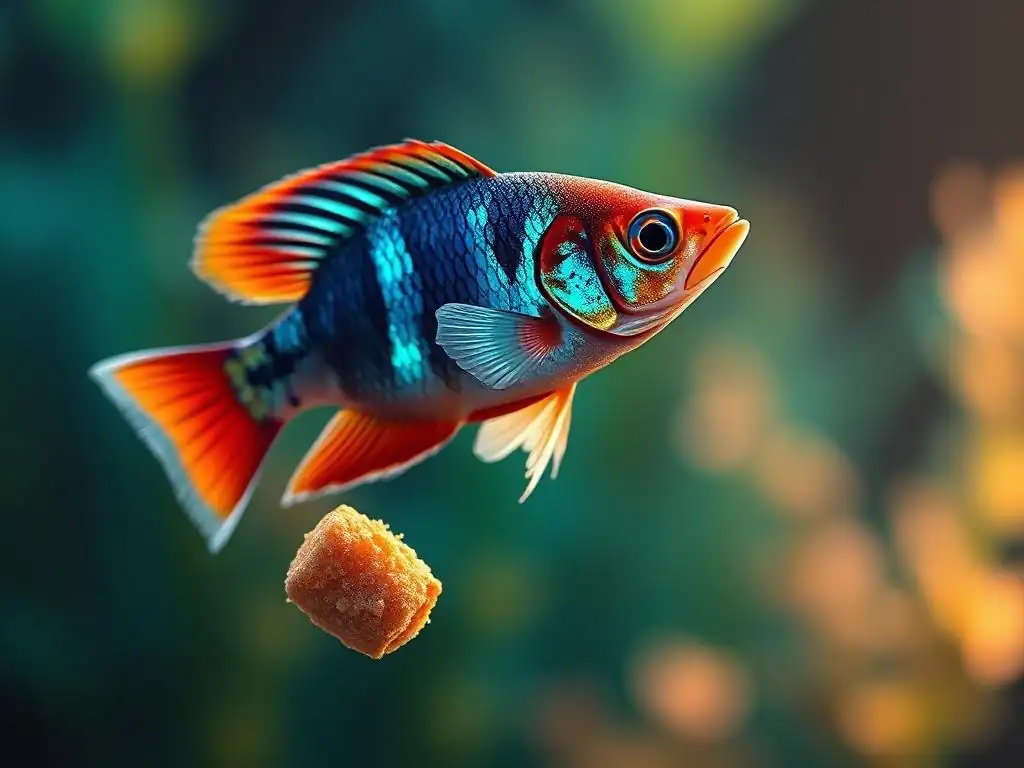
Tiger Barbs Refusing Food: Potential Causes and Solutions
When tiger barbs refuse food, it's often an indicator of underlying stress, illness, or poor water quality. If your tiger barbs, typically voracious eaters, suddenly lose their appetite for more than 24-48 hours, it warrants immediate investigation. Common causes include elevated ammonia or nitrite levels, inappropriate water temperature, the introduction of new tank mates, or the onset of a disease.
Begin by testing your water parameters: ammonia, nitrite, and nitrate. Ammonia or nitrite spikes above 0.25 ppm can quickly lead to appetite loss and lethargy. Ensure the tank temperature is stable and within their preferred range of 74-78°F (23-26°C). Observe your fish for any visible signs of illness, such as clamped fins, white spots, or unusual growths. Offering a variety of highly palatable foods, like frozen bloodworms or live brine shrimp, can sometimes entice reluctant eaters, but resolving the root cause is crucial for their long-term health.
Aggressive Feeding Behavior: Managing Competition in the Tank
Tiger barbs are known for their lively, sometimes nippy, behavior, which can become particularly pronounced during feeding times, especially in smaller groups. This aggressive feeding behavior can lead to certain fish getting more food than others, potentially causing some to become underfed or stressed. Managing competition is key to ensuring all individuals in the school receive adequate nutrition.
Keeping tiger barbs in a sufficiently large school of at least 8-10 individuals in a tank of 30 gallons or more helps distribute aggression and minimizes nipping, as they tend to focus their energy on each other rather than tank mates. During feeding, scattering the food across the surface of the water, or using multiple feeding rings, can prevent a single dominant fish from monopolizing the meal. This strategy allows all members of the school to access the food simultaneously, promoting a more equitable tiger barb feeding experience.
Food Waste and Water Quality: Minimizing Negative Impacts
Food waste is a significant contributor to poor water quality in an aquarium. Uneaten food quickly decomposes, releasing ammonia and increasing the biological load on the filtration system. This can lead to cloudy water, algae blooms, and, most critically, elevated levels of toxic ammonia and nitrite, which are detrimental to the health of your tiger barbs.
To minimize food waste, strictly adhere to the "two-minute rule" when feeding, offering only what your tiger barbs can consume within that short period. For example, a single pinch of uneaten flake food can raise ammonia levels by 0.1 ppm in a 20-gallon tank within hours. Regularly vacuuming the gravel during weekly water changes helps remove any settled debris and uneaten food particles. Additionally, ensuring your filtration system is adequately sized and well-maintained will help process any residual waste, contributing to a healthier and cleaner environment for your tiger barbs.
Creating a Balanced Tiger Barb Feeding Plan: Summary and Recommendations
Crafting a balanced tiger barb feeding plan is essential for their vibrant colors, active behavior, and overall longevity. The key principles involve variety, appropriate frequency, and careful observation. A diverse diet not only meets all their nutritional requirements but also stimulates their natural foraging instincts, keeping them engaged and healthy.
For adult tiger barbs, a recommended schedule includes high-quality flake food as a daily staple, supplemented two to three times a week with nutrient-rich live or frozen foods such as brine shrimp, bloodworms, or daphnia. Occasional offerings of vegetable matter, like spirulina-based flakes or blanched zucchini, further round out their omnivorous diet. Always adhere to the "two-minute rule" to prevent overfeeding, and closely observe your fish for signs of health or distress. By following these guidelines, you can ensure your tiger barbs thrive, displaying their full spectrum of colors and energetic personalities for years to come.
Frequently Asked Questions
How often should I feed my Tiger Barbs?
Tiger Barbs should be fed two to three times a day in small portions. This helps prevent overfeeding and keeps the water clean. It's important to only give them what they can consume in about two minutes.
What types of food are best for Tiger Barbs?
Tiger Barbs are omnivores and thrive on a varied diet. Offer them high-quality flake food as a base, supplemented with live or frozen foods like brine shrimp and bloodworms for optimal health.
Can I feed my Tiger Barbs only flake food?
While flake food is convenient, a diet solely consisting of flakes isn't ideal. To enhance their colors and overall health, it's crucial to supplement their diet with live or frozen foods, providing them with essential nutrients.
How can I enhance the colors of my Tiger Barbs through their diet?
Feeding your Tiger Barbs foods rich in carotenoids, such as brine shrimp and spirulina flakes, can significantly enhance their vibrant colors. A varied diet is key to a healthy and colorful Tiger Barb.
Is it possible to overfeed Tiger Barbs? What are the signs?
Yes, overfeeding is a common mistake. Signs of overfeeding include uneaten food at the bottom of the tank, cloudy water, and bloated bellies in your fish. Reduce feeding frequency and portion sizes if you notice these signs.
Final Reflection: Unlocking the Vibrant Potential of Tiger Barbs
The insights shared in this article, particularly regarding the optimal tiger barb feeding schedule, are more relevant than ever in today's aquarium hobby. As enthusiasts increasingly seek to create thriving and visually stunning aquatic ecosystems, understanding the nuances of nutrition becomes paramount. A well-fed tiger barb is not just a healthy fish; it's a testament to the dedication and knowledge of its keeper, showcasing the vibrant potential that lies within these captivating creatures.
The impact of proper feeding extends far beyond the individual fish, influencing the overall health and beauty of the entire aquarium. My own experiences with tiger barbs have shown me that consistent, quality nutrition is the key to unlocking their full color potential and playful energy. The best way to observe a fish is to become a part of its world.
This quote encapsulates the importance of understanding and catering to the specific needs of our aquatic companions, ensuring they thrive in their artificial environments.
Now, as you consider the information presented in this article, I encourage you to reflect on your own approach to fishkeeping. Are you providing your tiger barbs with the optimal feeding schedule and diet they deserve? Take the knowledge you've gained and apply it to your own aquarium, transforming it into a vibrant and healthy haven for these fascinating fish. The reward will be a breathtaking display of color and activity, a testament to your dedication and a source of endless enjoyment.
Ignite Your Tiger Barbs' Brilliance!
Thanks for diving into the vibrant world of tiger barb care! We hope you found these insights helpful for keeping your striped friends happy and healthy. Now, let's take action and really bring out their best!
Here are a few ways to continue their thriving journey:
- Implement a Color-Enhancing Diet: Seriously consider experimenting with high-quality flake foods specifically formulated to boost color. Observe how their stripes intensify over the coming weeks.
- Explore Live Food Options: Venture beyond flake food! Research and responsibly source live foods like brine shrimp or daphnia. They're a natural treat that can dramatically enrich your barbs' diet and stimulate their natural behaviors.
- Share Your Success: Post a picture of your brilliantly colored tiger barbs on social media with the hashtag #AquariumMastery. Inspire other aquarists with your success!
What specific color-enhancing food are you most excited to try with your tiger barbs first?