
Enhancing the Colors of Your African Cichlids Naturally: Diet & Environment

Welcome to Aquarium Mastery!
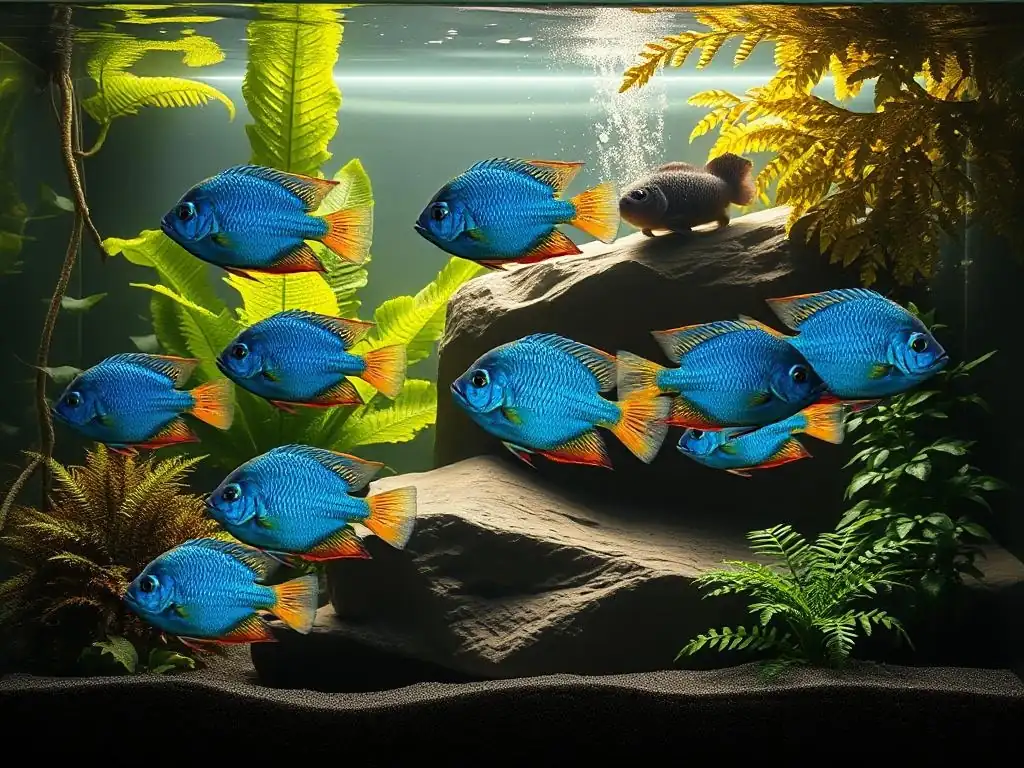
Ever wondered how to unlock the vibrant, breathtaking colors hidden within your African cichlids? You've come to the right place! Dive in as we explore the secrets behind a stunning African cichlid color diet and how it, along with the right environment, can transform your tank into a living masterpiece. Ready to see your cichlids shine? Let's get started!
- Enhancing the Colors of Your African Cichlids: Diet & Environment
- Understanding African Cichlid Coloration
- Optimizing Diet for Vibrant African Cichlid Colors
- Creating an Environment that Promotes Brilliant Cichlid Colors
- Specific Dietary Recommendations for Different African Cichlid Types
- Addressing Common Problems with Cichlid Color Loss
- Long-Term Color Maintenance in African Cichlids
-
Frequently Asked Questions
- How does diet directly impact the color of African cichlids?
- What are the best food sources to promote vibrant colors in African cichlids?
- Besides diet, what environmental factors influence African cichlid coloration?
- Can stress negatively affect the coloration of African cichlids?
- How often should I feed color-enhancing foods to my African cichlids?
- Final Reflection: Unveiling the Vibrant Depths
- Ignite Vibrant Colors: Unleash Your Cichlids' True Potential!
Enhancing the Colors of Your African Cichlids: Diet & Environment
Understanding African Cichlid Coloration
Factors Influencing African Cichlid Color
The striking colors of African cichlids are a complex interplay of both intrinsic and extrinsic factors. Genetically, each species carries the blueprint for its potential coloration, determining the base hues and patterns it can display. For instance, a Metriaclima estherae (Red Zebra Cichlid) is genetically predisposed to vibrant orange or red, while a Labidochromis caeruleus (Electric Yellow) will naturally exhibit bright yellow. However, this genetic potential can only be fully realized when external conditions are optimized.
Extrinsic factors play a crucial role in whether a cichlid expresses its full color spectrum. These include the quality of their African cichlid color diet, the stability of water parameters, the physical environment (substrate, decor), lighting, and the presence or absence of stress. A cichlid under stress from poor water quality, overcrowding, or aggressive tank mates will often display muted colors, stress stripes, or even temporary fading, regardless of its genetic potential. Conversely, a healthy, thriving cichlid in an ideal environment will exhibit its most brilliant and intense hues, especially during breeding.
The Role of Pigments in Cichlid Coloration
African cichlid coloration is primarily due to specialized cells called chromatophores, which contain various pigments. The most important pigments for vibrant colors are carotenoids, pterins, and purines. Carotenoids, responsible for reds, oranges, and yellows, cannot be synthesized by the fish themselves and must be acquired through their African cichlid color diet. These fat-soluble pigments are stored in the chromatophores, becoming visible through the fish's skin.
Pterins contribute to yellow and red hues, while purines, particularly guanine, create iridescent blues, silvers, and greens by reflecting light. The arrangement and concentration of these pigments, along with the interaction of light, determine the final perceived color. For example, the intense blue of an Aulonocara stuartgranti (Ngara Flametail Peacock) is a result of both blue pigments and the reflective properties of guanine crystals. Therefore, providing a diet rich in the precursors for these pigments is paramount for enhancing and maintaining the natural brilliance of African cichlids.
Optimizing Diet for Vibrant African Cichlid Colors
The Importance of a Balanced African Cichlid Diet
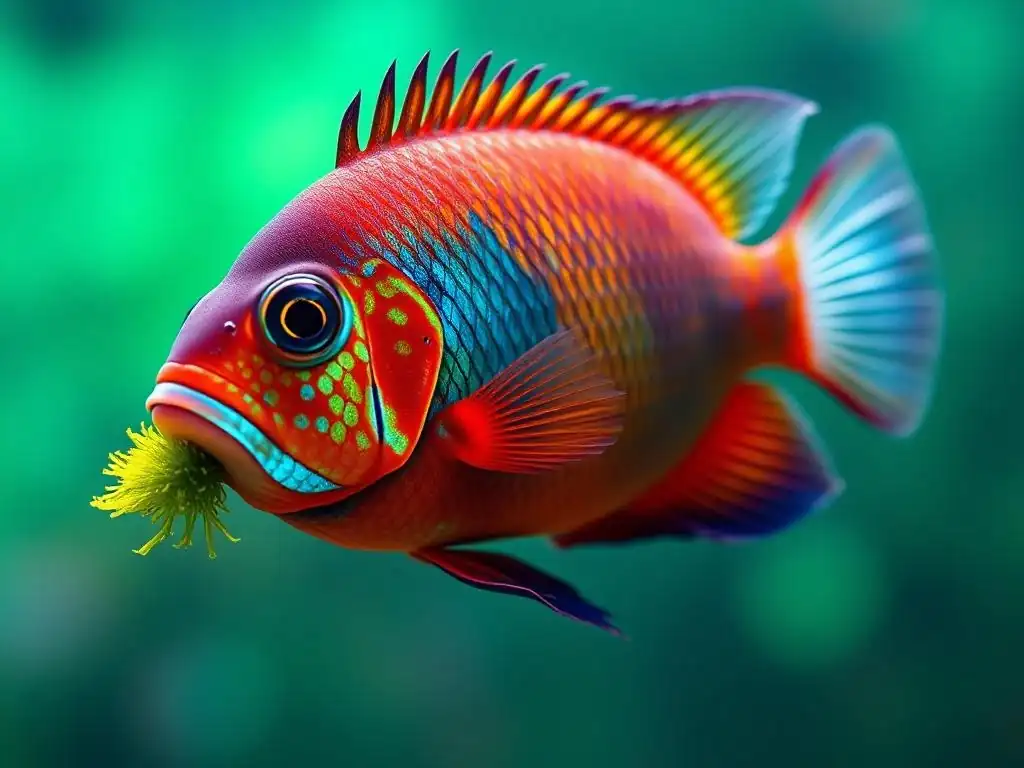
A balanced diet is the cornerstone of vibrant African cichlid coloration, extending far beyond mere aesthetics to underpin their overall health, growth, and immune function. An incomplete or inappropriate diet leads to nutrient deficiencies, which not only dull colors but also compromise the fish's vitality, making them more susceptible to disease and stress. For instance, a cichlid deprived of essential vitamins and minerals will struggle to absorb and utilize the color-enhancing pigments it does consume, resulting in a lackluster appearance.
Furthermore, a well-rounded African cichlid color diet ensures the availability of all necessary amino acids, fatty acids, and micronutrients critical for metabolic processes, including the synthesis and deposition of pigments. For example, essential fatty acids are crucial for the absorption of fat-soluble carotenoids. Without adequate protein, the fish cannot grow properly or maintain healthy tissues, which indirectly impacts the ability of chromatophores to function optimally. A consistent, high-quality feeding regimen is thus indispensable for unlocking and sustaining the full spectrum of their natural beauty.
Key Nutrients for Color Enhancement in Cichlids
Astaxanthin and Carotenoids for Red and Orange Hues
Astaxanthin and other carotenoids are powerful lipid-soluble pigments and antioxidants that are indispensable for intensifying red, orange, and yellow hues in African cichlids. These compounds cannot be produced by the fish internally, meaning they must be supplied entirely through their African cichlid color diet. Natural sources rich in astaxanthin include krill, shrimp meal, and certain types of microalgae. When ingested, these pigments are absorbed and deposited into the chromatophores, directly contributing to the vividness of the fish's coloration.
Research in aquaculture has consistently demonstrated the effectiveness of these pigments. For instance, studies on ornamental fish have shown that diets supplemented with astaxanthin at concentrations of 50-100 mg per kilogram of feed can significantly enhance red and orange pigmentation within a few weeks. For African cichlids, incorporating foods with high concentrations of krill or spirulina is a direct way to ensure an adequate intake of these crucial color enhancers, making them a central component of any effective African cichlid color diet.
Spirulina and Algae for Green and Blue Pigmentation
Spirulina, a type of blue-green algae, and other algal sources are vital for enhancing green and blue pigmentation in African cichlids. These ingredients are rich in phycocyanin and chlorophyll, unique pigments that contribute to the cool spectrum of colors. Spirulina is particularly beneficial for herbivorous and omnivorous cichlids, such as Mbuna, whose natural diet in the wild consists largely of algae and biofilm scraped from rocks.
Incorporating spirulina into the African cichlid color diet can lead to noticeable improvements in blue and green tones. For example, a diet containing 20-30% spirulina dry weight can significantly deepen the blues of species like Pseudotropheus demasoni or bring out the emerald greens in Melanochromis johannii. Beyond color, spirulina also provides a broad spectrum of vitamins, minerals, and essential amino acids, supporting overall health and vitality, which in turn contributes to more robust and vibrant coloration.
Protein's Role in Overall Health and Color Development
While not a direct pigment, protein is an absolutely fundamental macronutrient for the overall health, growth, and color development of African cichlids. High-quality protein provides the essential amino acids necessary for tissue repair, muscle development, enzyme production, and a robust immune system. A healthy, well-developed fish is far more capable of producing, storing, and displaying its natural pigments than one suffering from protein deficiency.
The protein requirements vary depending on the cichlid's species and life stage; for instance, growing juveniles may require 40-50% protein in their diet, while adult maintenance diets might range from 35-45%. High-quality protein sources include fish meal, krill, shrimp, and spirulina. Inadequate protein intake can lead to stunted growth, poor fin development, and a general dullness in coloration, even if other color-enhancing ingredients are present. Therefore, ensuring sufficient, high-quality protein is a crucial, foundational element of an effective African cichlid color diet.
Best Foods for African Cichlid Color Enhancement
High-Quality Cichlid Pellets
High-quality cichlid pellets specifically formulated for color enhancement should form the staple of an African cichlid color diet. These pellets are designed to provide a balanced nutritional profile, often fortified with concentrated levels of key color-enhancing ingredients like spirulina, astaxanthin, and other carotenoids derived from natural sources such as krill meal or shrimp meal. Reputable brands invest in scientific research to create formulas that maximize color vibrancy while meeting the specific dietary needs of African cichlids.
When selecting pellets, it is crucial to examine the ingredient list. Look for fish meal as a primary ingredient, followed by high-quality protein sources and specific color enhancers. Avoid pellets that list excessive fillers, by-products, or large amounts of terrestrial plant matter, especially for carnivorous or omnivorous species. Brands like NorthFin Cichlid Formula, Hikari Cichlid Excel, or New Life Spectrum Cichlid Formula are often highly regarded for their effectiveness in promoting brilliant colors.
Natural Color Enhancing Foods
Supplementing the primary pellet diet with natural color-enhancing foods can significantly boost the vibrancy of African cichlids. These foods offer a more direct and bioavailable source of pigments and can provide dietary variety, mimicking their natural foraging behaviors. For herbivorous Mbuna, blanched vegetables such as spinach, zucchini, or peas are excellent additions, providing chlorophyll and other plant-based nutrients that contribute to green and yellow hues.
For omnivorous and carnivorous species like Peacocks or Haps, dried krill, bloodworms (in moderation), or high-quality spirulina flakes can be offered. For example, a weekly feeding of dried krill can dramatically enhance the reds and oranges in Aulonocara species due to its high astaxanthin content. These natural supplements, when integrated judiciously into the African cichlid color diet, provide targeted nutritional boosts that unlock deeper and richer colors.
Live and Frozen Foods as Color Boosters
Live and frozen foods serve as potent color boosters and excellent sources of natural protein and pigments for African cichlids. Mysis shrimp are particularly renowned for their high astaxanthin content, making them exceptionally effective at intensifying red and orange coloration. Brine shrimp, daphnia, and bloodworms (offered sparingly for some species) also provide valuable nutrients and stimulate natural hunting instincts.
While highly beneficial, live and frozen foods should generally be offered as supplements rather than staples, typically 2-3 times per week, depending on the species. For instance, Mysis shrimp can be a weekly treat for Peacock cichlids, providing a significant boost to their red and blue pigments. When feeding live foods, ensure they are from a reputable source to avoid introducing parasites or diseases. Integrating these rich, natural sources into the African cichlid color diet provides an unparalleled advantage for achieving peak coloration.
Implementing a Color-Enhancing Feeding Schedule
Implementing a strategic feeding schedule is as important as the quality of the food itself for maximizing African cichlid coloration. Instead of one large feeding, it is generally more beneficial to offer multiple small feedings throughout the day, typically 2-3 times. African cichlids have relatively short digestive tracts, and smaller, more frequent meals ensure better nutrient absorption and reduce the likelihood of overfeeding, which can lead to poor water quality and health issues.
Varying the African cichlid color diet within this schedule is key to providing a broad spectrum of nutrients. For example, you might offer a high-quality color-enhancing pellet in the morning, followed by spirulina flakes or wafers in the afternoon, and a frozen or live food treat (like Mysis shrimp) in the evening a few times a week. Always feed only what your fish can consume within 1-2 minutes to prevent uneaten food from decaying and polluting the water, which would counteract all efforts to enhance color.
Creating an Environment that Promotes Brilliant Cichlid Colors
The Impact of Water Quality on Cichlid Color
Maintaining Optimal Water Parameters
Maintaining optimal and stable water parameters is paramount for vibrant African cichlid coloration. These fish originate from the hard, alkaline waters of the African Rift Lakes, and replicating these conditions is crucial for their health and color expression. Ideal parameters typically include a pH range of 7.8-8.6, high general hardness (GH) of 10-20 dGH, and high carbonate hardness (KH) of 10-18 dKH. Fluctuations in pH or hardness, or the presence of ammonia and nitrite, cause significant stress, leading to faded colors, stress stripes, and susceptibility to disease.
High nitrate levels, even if ammonia and nitrite are zero, can also dull colors over time. Nitrates above 20 parts per million (ppm) can depress the immune system and cause chronic stress, preventing cichlids from displaying their natural vibrancy. Regular monitoring with reliable test kits (e.g., API Freshwater Master Test Kit) is essential to ensure these parameters remain within the ideal range, creating a healthy, stress-free environment where the benefits of a superior African cichlid color diet can truly shine.
The Importance of Regular Water Changes
Regular water changes are arguably the single most effective maintenance practice for maintaining pristine water quality and, consequently, brilliant African cichlid colors. Water changes dilute and remove accumulated nitrates, phosphates, dissolved organic compounds, and other pollutants that build up over time. These substances, even at low levels, can contribute to chronic stress and dull coloration by taxing the fish's physiological systems.
A typical recommendation for an African cichlid tank is a 25-50% water change weekly, depending on the bioload and filtration. For example, in a moderately stocked 75-gallon cichlid tank, a 30% weekly water change can effectively keep nitrates below 10 ppm, which is ideal for color retention. Fresh, clean, properly conditioned water significantly reduces stress, allowing cichlids to display their most intense and natural hues. It also ensures that the nutrients from their African cichlid color diet are fully utilized without being hindered by environmental toxins.
Substrate and Decoration Influence on Color Perception
Choosing the Right Substrate
The choice of substrate can significantly influence how the colors of your African cichlids are perceived, and even how the fish themselves display their colors. Darker substrates, such as black or dark blue sand or fine gravel, often make cichlid colors "pop" more dramatically. This is because the contrast between the fish and the darker background allows their vibrant hues to stand out. Furthermore, cichlids on a dark substrate may feel more secure, as it reduces the perception of threat from above (like predatory birds in their natural habitat), encouraging them to display bolder coloration.
Conversely, very light or white substrates can sometimes cause cichlids to lighten their own coloration as a form of camouflage, making them appear duller. For example, the iridescent blues of an Aulonocara stuartgranti (Ngara Flametail Peacock) will appear far more striking against a dark background than a pale one. While the substrate does not directly impact the fish's pigment production from its African cichlid color diet, it plays a crucial role in the visual impact and psychological comfort that allows colors to be fully expressed.
Rockwork and Aquascaping for Color Display
Strategic rockwork and aquascaping are essential for providing a stimulating and stress-reducing environment that promotes brilliant cichlid colors. African cichlids, particularly Mbuna, are highly territorial and require ample rock formations, caves, and crevices to establish territories and provide hiding spots. This reduces aggression among tank mates, which is a major source of stress that can lead to faded colors and stress stripes.
Well-planned aquascaping, using materials like Texas Holey Rock, lava rock, or slate, allows males to establish and defend their individual territories. When a male cichlid feels secure and dominant within its territory, it is more likely to display its most intense breeding colors to attract mates and deter rivals. For instance, a 125-gallon tank with intricate rock caves can house a diverse community where each male, supported by an optimal African cichlid color diet, feels confident enough to show off its full spectrum of colors without constant fear or suppression.
Lighting for Optimal African Cichlid Coloration
Selecting Appropriate Lighting Spectrum
The lighting spectrum selected for an African cichlid aquarium plays a significant role in how their colors are displayed and perceived. Full-spectrum LED lights with a color temperature ranging from 6500K to 10000K are generally ideal, as they closely mimic natural sunlight and allow the full range of cichlid pigments to be visible. Lights with specific red or blue enhancement modes can further amplify certain hues, making the fish appear even more vibrant.
For instance, a light with a higher blue component (e.g., 10000K or actinic blue) can intensify the iridescent blues of species like Sciaenochromis fryeri (Electric Blue Hap) or highlight the blue bars on Mbuna. Conversely, a light that emphasizes the red spectrum can make the reds and oranges of Labeotropheus fuelleborni or Peacock cichlids appear more brilliant. Experimenting with different light settings can help you find the optimal spectrum that truly brings out the best in your African cichlid color diet-fed inhabitants.
Light Intensity and Photoperiod
Beyond spectrum, the intensity and duration (photoperiod) of lighting are also important considerations for optimal African cichlid coloration. Moderate light intensity is usually sufficient; excessively strong lighting can stress fish, causing them to wash out their colors or hide more frequently. It can also promote excessive algae growth, which, while a food source for some, can become unsightly and consume nutrients from the water.
A consistent photoperiod of 10-12 hours per day is recommended, mimicking the natural daylight cycles in their native habitats. This stability helps maintain the fish's natural circadian rhythms, reducing stress and promoting overall well-being. Inconsistent or overly long light exposure can disrupt these rhythms, potentially leading to subdued colors and increased stress. A stable environment, carefully managed lighting, and a well-planned African cichlid color diet work in synergy to ensure your cichlids always look their best.
Specific Dietary Recommendations for Different African Cichlid Types
Diet for Mbuna Cichlids: Emphasizing Vegetable Matter
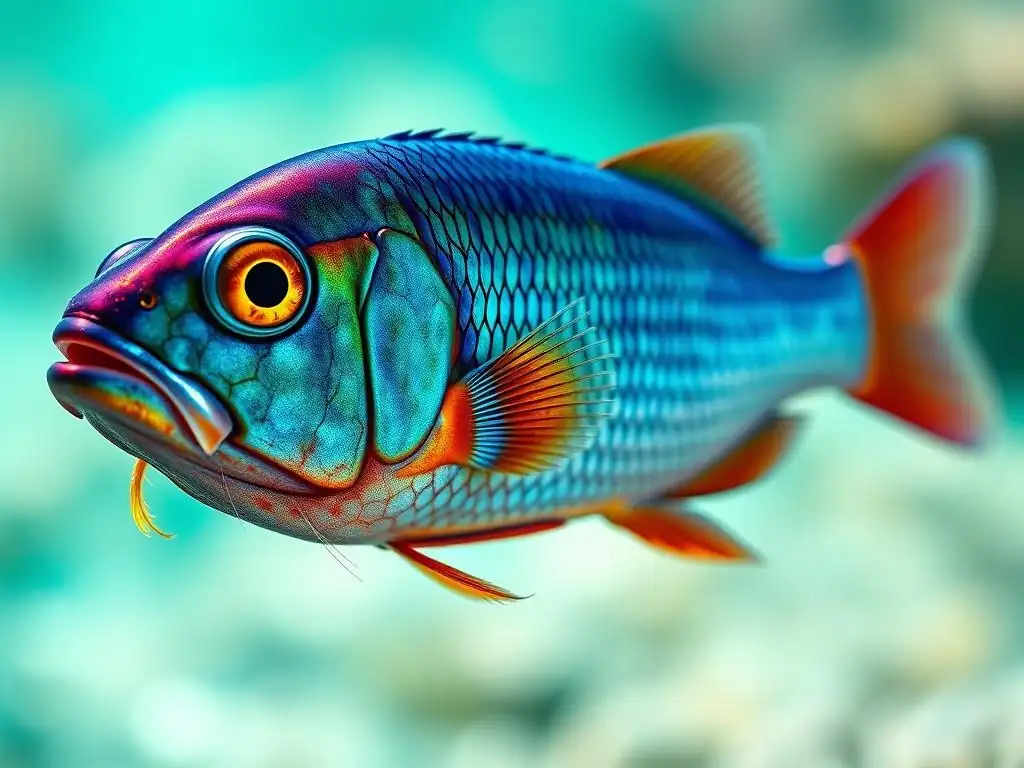
Mbuna cichlids, primarily herbivores or omnivores with a strong herbivorous inclination, dominate the rocky shores of Lake Malawi. In their natural habitat, they spend their days scraping algae and biofilm from rocks, consuming the associated microorganisms and diatoms. Therefore, their African cichlid color diet must predominantly consist of high-quality vegetable matter. Feeding them excessive animal protein can lead to severe digestive issues, most notably Malawi Bloat, a potentially fatal condition.
Their ideal diet should feature high-quality spirulina flakes or pellets, with a plant-based content of 60-80%. Many specialized Mbuna foods are available that meet this requirement. Supplementation with blanched vegetables such as zucchini, spinach, or peas 2-3 times per week is also highly beneficial. Avoid protein-rich live or frozen foods like bloodworms, beef heart, or overly meaty pellets, as these are entirely unsuitable for their digestive systems and will negatively impact their health and color over time.
Diet for Peacock Cichlids: Focusing on Protein and Color Enhancers
Peacock cichlids ( Aulonocara species) are generally omnivorous, with a preference for small invertebrates found in the sand and rocky areas of Lake Malawi. Unlike Mbuna, their African cichlid color diet requires a higher protein content, alongside a significant emphasis on natural color-enhancing ingredients, particularly those that boost reds, oranges, and blues. Their digestive systems are better equipped to handle animal protein than those of Mbuna.
High-quality cichlid pellets with a protein content of 40-45% are ideal, especially those that list krill meal, shrimp meal, or spirulina high on the ingredient list. To truly maximize their vibrant hues, supplement their diet 3-4 times per week with frozen Mysis shrimp, brine shrimp, or high-quality krill flakes. Mysis shrimp, in particular, are rich in astaxanthin and can dramatically intensify the reds and blues of species like the Sunshine Peacock or the Ngara Flametail.
Diet for Labidochromis caeruleus (Electric Yellow): Small Invertebrates and Algae
The Electric Yellow Cichlid ( Labidochromis caeruleus) is one of the most popular and recognizable African cichlids, known for its striking, consistent yellow coloration. While often grouped with Mbuna due to its rocky habitat, its natural diet is more varied, consisting of small invertebrates picked from the rocks and some algal matter. This omnivorous preference means their African cichlid color diet should be a balance of high-quality plant matter and appropriate animal protein.
To maintain their iconic yellow, their diet should include high-quality spirulina flakes or pellets (containing at least 20-30% spirulina). This provides the necessary carotenoids for their yellow pigmentation. Supplementation with small, frozen foods like brine shrimp, daphnia, or occasional Mysis shrimp 2-3 times a week is also beneficial. This varied approach ensures they receive the diverse nutrients needed to keep their yellow coloration exceptionally bright and prevent any dulling that can occur from a monotonous or inappropriate diet.
Addressing Common Problems with Cichlid Color Loss
Identifying Potential Causes of Faded Colors
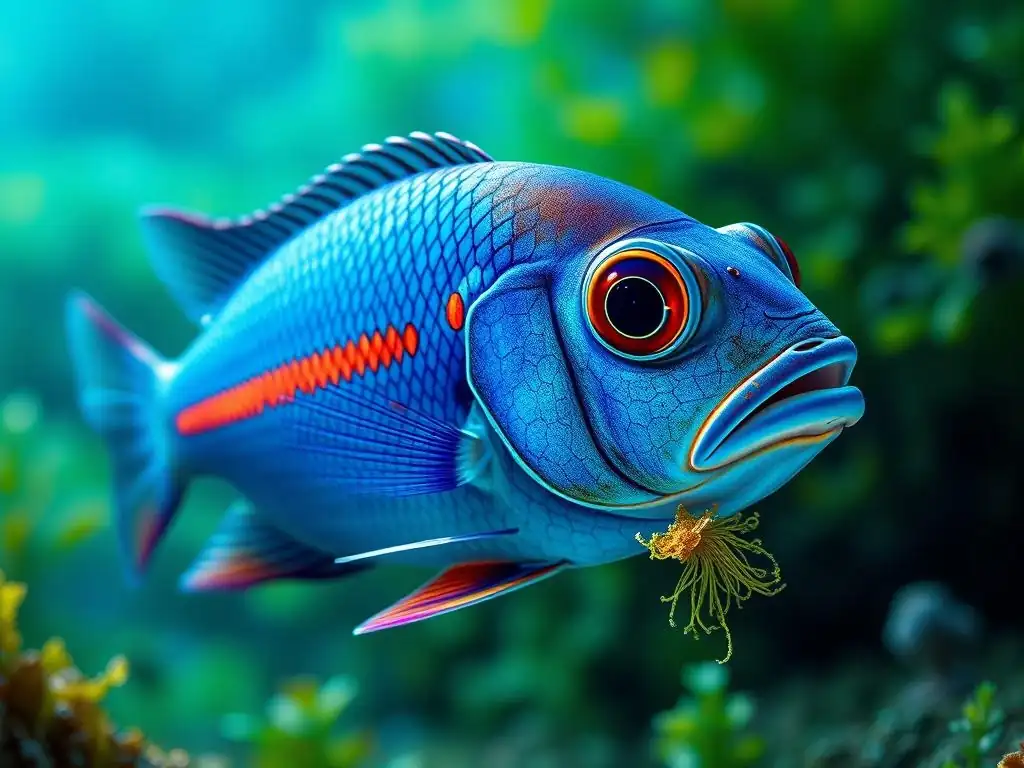
When African cichlids lose their vibrant coloration, it's a clear indicator that something is amiss in their environment or health. Identifying the root cause is the first step in remediation. Common culprits include stress, which can stem from aggressive tank mates, overcrowding, or inadequate hiding spots. Poor water quality is another major factor; elevated ammonia, nitrite, or consistently high nitrate levels (above 20 ppm) can lead to chronic stress and dullness.
Disease, even in its early stages, often manifests as faded colors, alongside other symptoms like clamped fins, lethargy, or rapid breathing. Dietary deficiencies, specifically a lack of key color-enhancing pigments or overall malnutrition, are also significant contributors. Finally, advanced age can naturally lead to some degree of color reduction. Observing the fish's behavior and checking water parameters are crucial initial steps to pinpoint the underlying issue behind the color loss.
Troubleshooting Dietary Deficiencies
If faded colors are suspected to be diet-related, a thorough review of the current African cichlid color diet is necessary. Many generic fish foods lack the concentrated pigments and specific nutritional profiles required for optimal cichlid coloration. Check if the diet is varied enough and if it includes sufficient amounts of spirulina, krill, and astaxanthin for your specific cichlid species. For instance, a Peacock cichlid fed only a basic flake food may develop dull reds and blues due to insufficient carotenoid intake.
To troubleshoot, gradually transition to a high-quality, color-enhancing cichlid pellet as the staple. Incorporate natural color boosters like frozen Mysis shrimp or spirulina flakes more frequently into the feeding schedule for several weeks. For Mbuna, ensure the diet is predominantly vegetable-based to prevent digestive issues that can indirectly impact color. Consistent adherence to a species-appropriate and pigment-rich African cichlid color diet often yields noticeable improvements in coloration within 2-4 weeks.
Stress is a primary and often overlooked cause of faded colors in African cichlids. To address stress-related color loss, identify and mitigate the stressors in the tank. This might involve adjusting tank mates to reduce aggression (e.g., removing overly aggressive individuals or adding more females), increasing the number of hiding spots and territories with rockwork, or ensuring the tank is adequately sized for its inhabitants. Maintaining stable and optimal water parameters through regular testing and water changes is also crucial, as fluctuating water quality is a significant stressor.
For disease-related color loss, prompt action is necessary. Observe for other symptoms such as spots, lesions, unusual swimming patterns, or labored breathing. If a disease is suspected, it is often best to isolate the affected fish in a hospital tank if possible and treat according to a proper diagnosis. A healthy, stress-free fish, supported by an optimal African cichlid color diet and pristine water conditions, is far more resilient to disease and will naturally display its most brilliant and vibrant colors.
Long-Term Color Maintenance in African Cichlids
Consistent Care and Monitoring
Maintaining the vibrant colors of African cichlids long-term is not a one-time effort but a continuous commitment to consistent care and diligent monitoring. Brilliant coloration is a direct reflection of the fish's overall health and well-being, which relies on a stable and optimal environment. This means adhering to a strict routine of water parameter testing (at least weekly for ammonia, nitrite, nitrate, and pH), performing regular water changes as recommended (e.g., 25-50% weekly), and providing a consistent, high-quality African cichlid color diet.
Proactive care is key. Don't wait for colors to fade or for fish to show signs of distress. Early detection of minor water quality fluctuations, subtle behavioral changes, or slight aggression issues can prevent major problems that lead to color loss. Consistent attention to detail in husbandry ensures that your cichlids remain in peak condition, allowing their genetic potential for stunning coloration to be fully expressed throughout their lifespan.
Preventing Color Fading Through Proper Husbandry
Preventing color fading in African cichlids through proper husbandry involves a holistic approach that integrates all aspects of their care. Beyond diet and water quality, providing an adequately sized tank (e.g., a minimum of 55 gallons for a small Mbuna group, 75+ gallons for Peacock cichlids) is crucial to prevent overcrowding and reduce aggression. Selecting appropriate tank mates that are compatible in terms of temperament and size will minimize stress and competition.
Furthermore, a well-designed aquascape with ample rockwork and hiding spots creates a stimulating environment where cichlids feel secure enough to display their natural behaviors, including territorial displays that enhance colors. Consistent and appropriate lighting also plays a role in their overall well-being and visual appeal. By meticulously managing all these environmental factors in conjunction with a superior African cichlid color diet, aquarists can significantly reduce the likelihood of color fading and ensure their fish retain their captivating brilliance for years.
Selective Breeding for Enhanced Coloration
For advanced aquarists and breeders, selective breeding represents a long-term strategy for enhancing and solidifying desirable color traits in African cichlids. While diet and environment unlock the full genetic potential of an individual fish, selective breeding aims to concentrate genes responsible for more intense, unique, or stable color patterns across generations. This involves carefully choosing parent fish that exhibit superior coloration, vigor, and desired patterns, then breeding them and observing the offspring for improved traits.
This process requires a deep understanding of cichlid genetics and is a commitment spanning multiple generations. For example, a breeder might selectively pair Aulonocara males with the most vibrant red heads with females showing good overall health and color, hoping to produce offspring with even more intense red hues. While diet and environment are crucial for every cichlid to show its best, selective breeding is the ultimate method for pushing the boundaries of African cichlid color diet-supported vibrancy and developing new, breathtaking strains.
Frequently Asked Questions
How does diet directly impact the color of African cichlids?
A high-quality diet rich in carotenoids is crucial. Carotenoids are pigments that cichlids can't produce themselves, so they must obtain them through their food to enhance their vibrant colors.
What are the best food sources to promote vibrant colors in African cichlids?
Foods containing natural carotenoids like spirulina, krill, and certain vegetables are excellent choices. Also, consider specially formulated cichlid pellets designed to enhance color.
Besides diet, what environmental factors influence African cichlid coloration?
Water quality is paramount; poor water conditions can stress fish and dull their colors. Also, proper lighting can enhance the visual appearance of their colors.
Can stress negatively affect the coloration of African cichlids?
Yes, stress significantly impacts coloration. Stress caused by overcrowding, aggression, or poor water quality can cause cichlids to lose their vibrant hues.
How often should I feed color-enhancing foods to my African cichlids?
A consistent feeding schedule with color-enhancing foods is important. Incorporate these foods into their diet daily or several times a week for optimal results, alongside a balanced diet.
Final Reflection: Unveiling the Vibrant Depths
The journey to understanding and enhancing the natural brilliance of African cichlids is more than just a pursuit of aesthetic beauty; it's a testament to our responsibility as stewards of these vibrant ecosystems. By focusing on diet and environment, we're not simply coloring our aquariums, but actively participating in the well-being and longevity of these fascinating creatures, mirroring the delicate balance they require in their native habitats.
The impact of informed care extends far beyond the glass walls of our tanks. It fosters a deeper appreciation for biodiversity and the interconnectedness of life, reminding us that even seemingly small actions can have profound consequences. In the end, we will conserve only what we love; we will love only what we understand; and we will understand only what we are taught.
- Baba Dioum's words resonate deeply, urging us to continuously learn and share our knowledge, ensuring that future generations can marvel at the splendor of African cichlids.
Now, consider how you can translate this understanding into action. Take a moment to reflect on your own practices, not just in aquarium keeping, but in all aspects of your life. Are you actively seeking knowledge and making conscious choices that contribute to a healthier, more vibrant world? Let the dazzling colors of your African cichlids serve as a constant reminder of the power of informed care and the beauty that unfolds when we embrace our role as responsible custodians of nature.
Ignite Vibrant Colors: Unleash Your Cichlids' True Potential!
Thank you for diving into the vibrant world of African Cichlids! We hope this article has given you valuable insights into enhancing their natural colors through diet and environment. Now, let's take action and watch your aquarium transform!
- Implement a specialized feeding plan: Start enriching your Cichlids' diet with high-quality, color-enhancing foods like spirulina flakes and krill, carefully monitoring their response and adjusting as needed.
- Explore rock formations: Rearrange their environment to include a greater diversity of rock formations and hiding places, and notice if that will stimulate their color display.
- Share your experience: Post a picture of your most colorful Cichlid in our forum, detailing the specific diet and environmental changes you made.
Ready to unlock the full color spectrum of your African Cichlids and share your success with the community?