
Enhancing Severum Color Naturally: Diet, Lighting, and Environment Tips

Welcome to Aquarium Mastery!
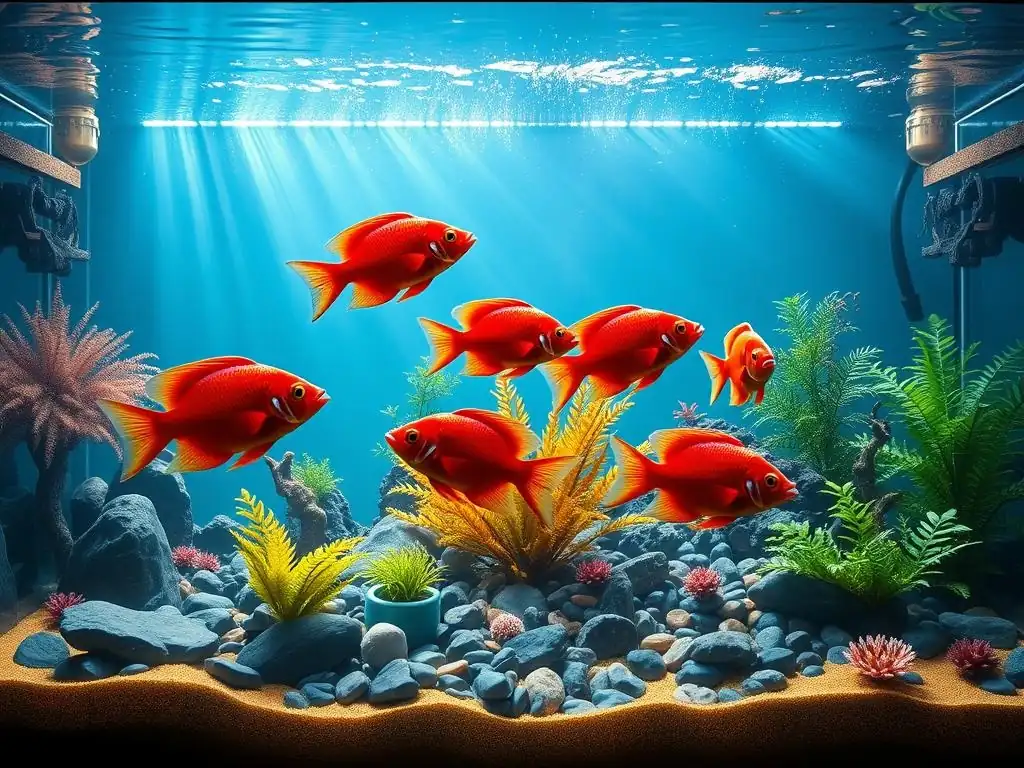
Ever wondered how to unlock the vibrant, breathtaking colors hidden within your Severum? This isn't just about pretty fish; it's about understanding their needs and creating a thriving ecosystem. Dive into our comprehensive guide and discover the secrets to a Severum color enhancement diet, alongside expert tips on lighting and environment. Are you ready to see your Severum shine like never before? Let's explore!
- Introduction: Unlocking Vibrant Colors in Your Severum Cichlids
- Severum Color Enhancement Diet: The Key to Vivid Hues
- Optimizing Lighting for Severum Color Display
- Creating a Color-Enhancing Environment for Severums
- Natural Supplements for Severum Color Boosting (Use With Caution)
- Addressing Common Issues Affecting Severum Color
- Combining Diet, Lighting, and Environment for Maximum Color Enhancement
- Conclusion: Achieving Stunning Severum Colors Through Natural Methods
-
Frequently Asked Questions
- How does diet specifically impact the color of Severum fish?
- Besides diet, what other environmental factors play a role in Severum color vibrancy?
- What types of food are best for a Severum color enhancement diet?
- How long does it take to see noticeable color improvement after implementing a color enhancement diet?
- Are there any specific lighting recommendations for enhancing Severum colors?
- Final Reflection: Unlocking the Severum's Inner Radiance
- Unleash Your Severum's Vibrant Potential!
Introduction: Unlocking Vibrant Colors in Your Severum Cichlids
The Role of Genetics in Severum Color Expression
The inherent color potential of a Severum cichlid is largely determined by its genetic makeup. Different geographic variants and selectively bred strains, such as the Rotkeil Severum or the Gold Severum, possess distinct genetic predispositions for specific color patterns and intensities. For instance, a Rotkeil Severum is genetically programmed to develop striking red coloration on its flanks as it matures, often becoming noticeable when the fish reaches approximately 4-6 inches in length. This vibrant red hue is a direct expression of its inherited traits.
Conversely, a Gold Severum, while still beautiful, will maintain a more uniform golden or yellowish coloration throughout its life, lacking the intense red pigmentation seen in Rotkeils. Understanding these genetic foundations is crucial because while environmental factors and a specific Severum color enhancement diet can optimize a fish's existing color potential, they cannot fundamentally alter its genetically determined base color. Selective breeding efforts by aquaculturists have further refined these traits, leading to strains known for their exceptional color intensity and unique patterns.
How Severum Health Impacts Color Intensity
A Severum's vibrant coloration is a direct indicator of its overall health and well-being. When a Severum is healthy, its colors are typically bright, vivid, and show good contrast. Conversely, any decline in health, whether due to stress, disease, or malnutrition, will almost immediately manifest as dull, faded, or blotchy coloration. This physiological response is a protective mechanism, as stressed or ill fish often reduce their metabolic investment in pigment production.
For example, a Severum suffering from internal parasites might exhibit a noticeable loss of its characteristic brilliance, often accompanied by other symptoms such as clamped fins, lethargy, or loss of appetite. Similarly, a fish experiencing chronic stress from poor water quality or aggressive tank mates will likely display muted colors, sometimes even developing stress bars or a generally washed-out appearance. Addressing underlying health issues is therefore a primary step in any Severum color enhancement diet or environmental strategy, as a sick fish cannot display its full chromatic potential.
Environmental Factors Influencing Severum Color
Beyond genetics and health, the immediate environment plays a significant role in influencing a Severum's color intensity and display. Factors such as water quality, tank size, tank mates, and the presence of adequate hiding spots directly impact a fish's stress levels, which in turn affects its coloration. An environment that promotes comfort and reduces stress will naturally encourage a fish to display its most vibrant hues.
For instance, high nitrate levels exceeding 20-30 ppm, often a result of infrequent water changes or overfeeding, can lead to chronic stress in Severums. This persistent stress often results in a noticeable dulling of their natural iridescence and overall vibrancy, as the fish's energy is diverted to coping with suboptimal conditions rather than maintaining vivid pigments.
Similarly, an overcrowded tank or the presence of overly aggressive tank mates can cause constant anxiety, making the Severum appear pale or washed out. Providing a spacious, well-structured aquarium with plenty of hiding spots and appropriate companionship is fundamental to allowing Severums to feel secure enough to express their full, brilliant coloration.
Severum Color Enhancement Diet: The Key to Vivid Hues
The Importance of a Balanced Diet for Severum Color
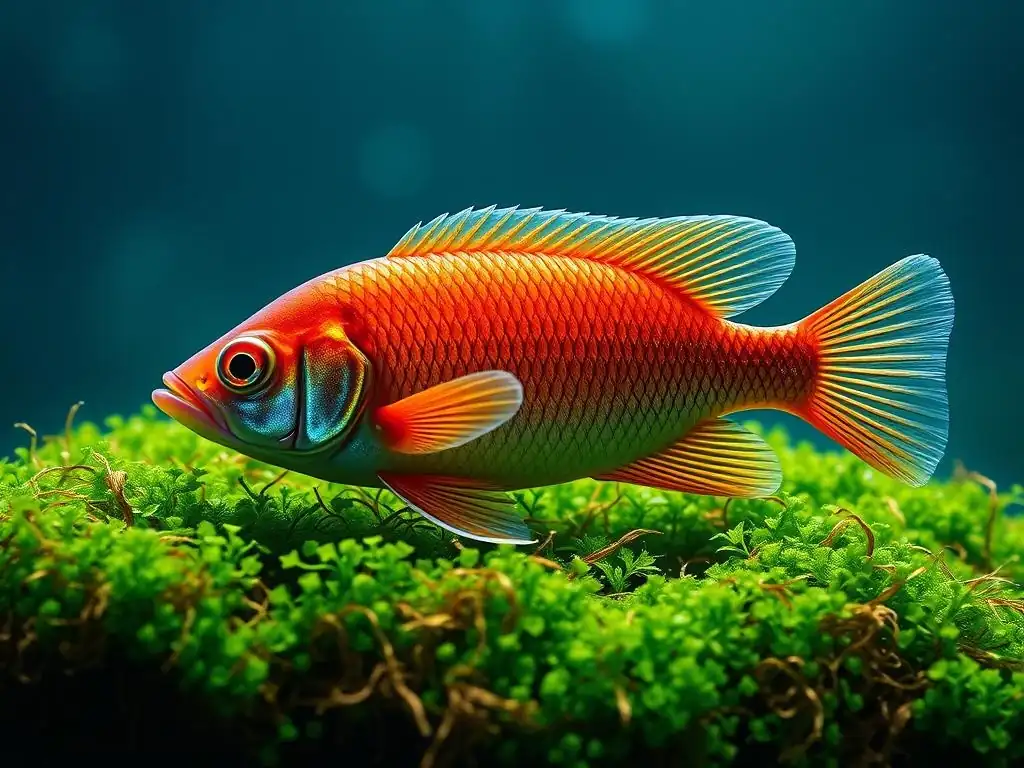
A balanced and nutrient-rich diet is arguably the most critical factor in achieving and maintaining vibrant coloration in Severum cichlids. Just like humans, fish require a wide array of vitamins, minerals, proteins, and fats to support all bodily functions, including the synthesis and deposition of pigments in their skin cells. A deficiency in any essential nutrient can lead to faded colors, poor growth, and susceptibility to disease. Therefore, a comprehensive Severum color enhancement diet goes beyond simply adding color-boosting ingredients; it ensures complete nutritional support.
Specifically, carotenoids are a class of pigments that are vital for producing red, orange, and yellow hues in fish. These cannot be synthesized by the fish itself and must be obtained through their diet. Proteins, particularly those from high-quality animal and plant sources, provide the building blocks for healthy tissues and contribute to overall vitality, which is reflected in strong coloration. A diet lacking in these key components will inevitably result in a dull-looking Severum, regardless of other environmental optimizations.
Best Food Choices for Severum Color Enhancement: A Detailed Guide
High-Quality Cichlid Pellets for Color Boosting
For a foundational Severum color enhancement diet, high-quality commercial cichlid pellets are indispensable. Many premium brands formulate their pellets with specific ingredients known to enhance fish coloration. Look for pellets that list ingredients like spirulina, astaxanthin, krill meal, shrimp meal, and various carotenes high up in their ingredient list. These components are rich in natural pigments and essential nutrients.
For example, products such as Hikari Cichlid Gold or Omega One Cichlid Pellets are often recommended for their color-boosting properties. Upon reviewing their ingredient labels, you'll typically find krill meal, spirulina algae, and various carotenoids listed within the first few ingredients, indicating a significant concentration. These pellets should form the backbone of your Severum's daily feeding regimen, providing a consistent supply of necessary nutrients for sustained color vibrancy.
Natural Color Enhancers: Vegetables and Fruits
Incorporating plant-based foods rich in carotenoids is a natural and effective way to supplement your Severum color enhancement diet. Many vegetables and some fruits contain high levels of these beneficial pigments, which contribute to red, orange, and yellow coloration. These foods also provide essential fiber, vitamins, and minerals that support overall digestive health and vitality.
Excellent choices include blanched spinach, zucchini, shelled peas, and even small, finely chopped pieces of sweet potato or bell pepper. For instance, feeding blanched peas 2-3 times a week can not only aid digestion but also provide a good source of carotenoids. Spirulina flakes, derived from blue-green algae, are another potent natural source of phycocyanin and carotenoids, making them an excellent addition. Ensure any vegetables are thoroughly blanched to soften them, making them easier for your Severum to digest.
Live and Frozen Foods to Intensify Severum Colors
Live and frozen foods offer a highly palatable and nutrient-dense component to a Severum color enhancement diet, often providing concentrated sources of natural pigments. These foods mimic the natural diet of cichlids in the wild and can significantly intensify red, orange, and even blue hues. Their high protein content also supports robust growth and overall health.
Mysis shrimp, for example, are particularly rich in astaxanthin, a powerful red-orange carotenoid that directly contributes to vibrant red and orange pigmentation in fish. Bloodworms, brine shrimp, and daphnia are other excellent options that provide a diverse range of nutrients and pigments. Feeding these frozen or live foods 2-3 times a week can yield noticeable improvements in color intensity within a few weeks. Always ensure frozen foods are thawed properly before feeding to prevent digestive issues and maintain water quality.
Creating a Severum Color Enhancement Diet Plan
Developing a structured Severum color enhancement diet plan is key to consistent results. Variety is paramount, as no single food can provide all the necessary nutrients. A well-rounded plan ensures your Severum receives a broad spectrum of vitamins, minerals, and pigments to support optimal health and vibrant coloration.
A recommended feeding schedule might involve offering a high-quality, color-boosting cichlid pellet as the primary food source daily, perhaps in the morning. This can be supplemented in the evening, 3-4 times per week, with a rotation of frozen or live foods like mysis shrimp, bloodworms, or brine shrimp. Additionally, blanched vegetables such as spirulina flakes, spinach, or shelled peas should be offered 2-3 times a week.
Portions should always be controlled, allowing the fish to consume all food within 2-3 minutes to prevent overfeeding and maintain water quality. This consistent and varied approach forms the backbone of an effective Severum color enhancement diet.
Optimizing Lighting for Severum Color Display
The Impact of Lighting on Severum Color Perception
Lighting plays a critical role not only in the overall aesthetics of an aquarium but also in how we perceive, and how the fish themselves display, their colors. The spectrum of light emitted by an aquarium lamp directly influences which colors are emphasized or subdued. Different wavelengths of light interact with the pigments in a Severum's skin in distinct ways, making certain hues appear more vibrant or dull depending on the light source.
For instance, light fixtures that emit a strong component of red and blue wavelengths tend to make the red, orange, and blue pigments in fish pop, enhancing their natural brilliance. Conversely, lights with a very yellow or green bias might wash out these colors or make them appear less intense. Understanding this interaction is crucial for selecting appropriate lighting that complements your Severum's natural palette and contributes to an overall strategy for Severum color enhancement.
Choosing the Right Aquarium Lights for Severum Color Enhancement
LED Lighting Options for Vibrant Colors
LED lighting has become the preferred choice for many aquarists seeking to enhance fish coloration due to its energy efficiency, longevity, and versatility. Modern LED fixtures offer programmable spectrums, allowing aquarists to fine-tune the light output to specifically emphasize the vibrant colors of their Severums. Many high-end LED units come with pre-set modes or custom settings that boost red and blue channels, which are particularly effective for bringing out the rich hues of cichlids.
For example, popular LED fixtures like the Fluval Plant 3.0 or the Chihiros WRGB II offer a full spectrum with adjustable intensity for different color channels. Users can increase the red and blue output to make the reds, oranges, and blues in their Severums appear more saturated and brilliant. This ability to manipulate the light spectrum provides a significant advantage over traditional fluorescent lighting, allowing for a truly tailored visual experience that contributes to Severum color enhancement.
Spectrum Considerations for Optimal Color Display
When selecting lighting for Severum color enhancement, the color temperature and spectral distribution are key considerations. A color temperature typically ranging between 6,500K and 8,000K often provides an excellent balance, promoting both plant growth (if applicable) and vibrant fish coloration. However, for specific color boosting, lights with a higher proportion of wavelengths in the red (600-700 nm) and blue (400-500 nm) regions of the spectrum are most effective.
Some specialized "color-enhancing" LED strips or bulbs are designed with a higher concentration of red and blue diodes precisely for this purpose. These specific wavelengths are absorbed by the carotenoid and chromophore pigments in the fish's skin, making them appear more vivid to the human eye. While a full spectrum light is generally beneficial for overall fish health, a slight emphasis on these specific color-enhancing wavelengths can dramatically improve the visual impact of your Severum's natural coloration.
Lighting Schedules to Maximize Color Potential
Establishing a consistent and appropriate lighting schedule is crucial for both the health and color display of your Severums. An erratic or excessively long photoperiod can stress fish, leading to dull colors and promoting unwanted algae growth. Conversely, too little light might not allow for optimal color perception or development.
A consistent lighting schedule of 8-10 hours per day is generally considered ideal for most freshwater aquariums, including those housing Severums. Using an automated timer is highly recommended to ensure regularity, as sudden shifts in light exposure can be stressful for fish. For example, setting the timer to turn lights on at 9:00 AM and off at 7:00 PM provides a stable 10-hour cycle. This consistent routine helps maintain the fish's natural circadian rhythm, reduces stress, and allows their colors to be displayed under optimal conditions.
Creating a Color-Enhancing Environment for Severums
Substrate and Decoration Choices for Color Reflection
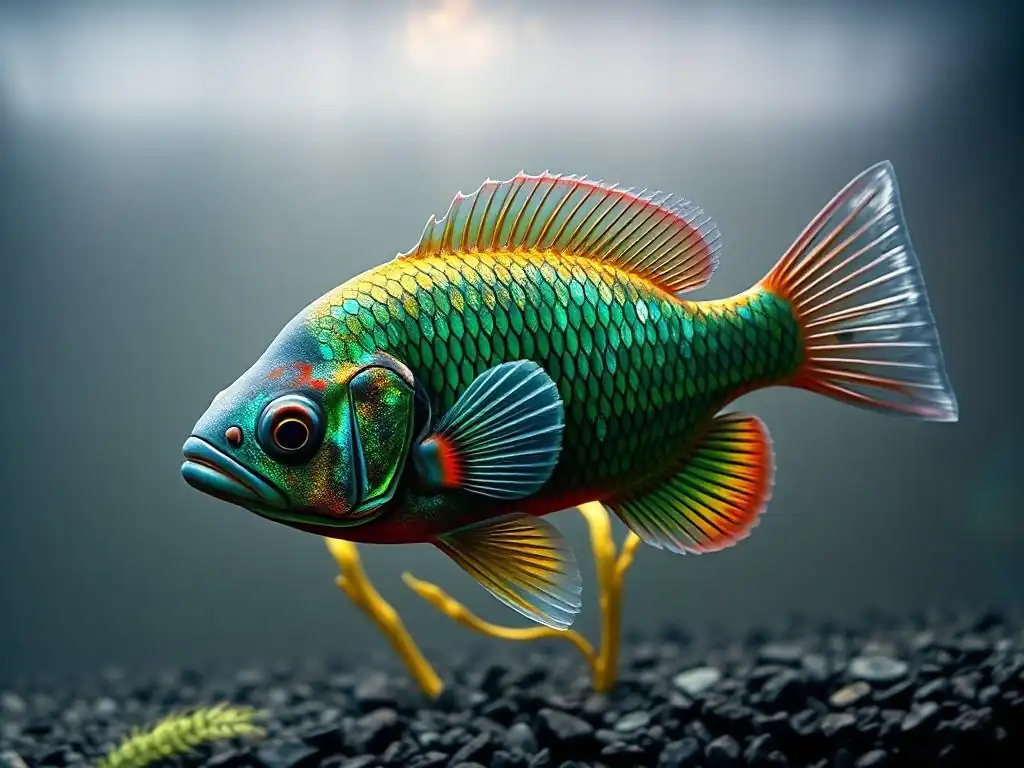
The choice of substrate and decorations within the aquarium can significantly impact how a Severum's colors are perceived. Darker substrates and backgrounds tend to make fish colors appear more vibrant through contrast, while lighter or highly reflective surfaces can sometimes wash out or diminish their intensity. This principle is often utilized by professional aquarists to make their fish stand out.
For example, using a dark sand or fine gravel substrate, such as black fluorite or basalt gravel, creates a striking contrast against the Severum's body. This dark base allows the fish's natural red, orange, gold, and blue hues to appear more intense and defined, as they are not competing with a bright, reflective bottom. Similarly, incorporating natural-looking decorations like dark driftwood or rocks can provide visual interest and additional contrast, further enhancing the Severum's color display.
Backgrounds that Enhance Severum Color
Just like the substrate, the aquarium background plays a crucial role in framing your Severum and making its colors pop. A plain, dark background is generally recommended for maximizing the visual impact of fish coloration. It reduces reflections, creates a sense of depth, and allows the fish to be the primary focal point without distracting elements.
A solid black or dark blue background, applied to the back of the aquarium glass, can dramatically improve the presentation of your Severum's colors. This type of background provides a stark contrast that makes the fish's vibrant hues stand out prominently. It also helps the fish feel more secure, as a dark background can mimic the shaded, protected areas they might inhabit in their natural environment, thereby reducing stress and encouraging bolder color expression.
Water Quality's Role in Severum Color Development
Maintaining Optimal Water Parameters for Color
Maintaining pristine and stable water quality is fundamental to the overall health of Severums and, consequently, to the development and maintenance of their vibrant colors. Poor water parameters lead to stress and compromised immune systems, which directly result in dull, faded coloration. Conversely, a stable, healthy environment allows the fish to thrive and fully express its genetic potential for color.
Severums typically thrive in soft to moderately hard water with a pH range of 6.0-7.0 and temperatures between 75-82°F (24-28°C). Crucially, ammonia and nitrite levels must always be at 0 ppm, and nitrates should be kept below 10-20 ppm. Consistent monitoring with a reliable test kit and prompt action to correct any deviations are essential. When these parameters are consistently within the ideal range, Severums experience minimal stress, allowing their metabolic processes, including pigment synthesis, to function optimally, contributing directly to a robust Severum color enhancement diet strategy.
The Impact of Water Changes on Severum Color
Regular water changes are one of the most effective and simplest methods for maintaining excellent water quality, which in turn directly supports vibrant Severum coloration. Water changes remove accumulated nitrates, phosphates, and other pollutants that can build up over time, even in well-filtered tanks. They also replenish essential minerals and trace elements that are utilized by the fish and plants, or become depleted through filtration processes.
Performing weekly water changes of 25-30% of the tank volume is a common recommendation for most aquariums. This routine not only dilutes harmful waste products but also introduces fresh water with beneficial minerals and trace elements. These elements are vital for various metabolic processes, including the proper functioning of cells responsible for pigment production. Severums in tanks with consistent, clean water will exhibit stronger immune systems, lower stress levels, and ultimately, more brilliant and stable coloration.
Natural Supplements for Severum Color Boosting (Use With Caution)
Spirulina and Astaxanthin: Natural Color Enhancing Supplements
Spirulina and astaxanthin are two of the most widely recognized natural supplements used in aquaculture to enhance fish coloration. Both are potent sources of carotenoids, which are pigments that fish cannot produce themselves and must obtain from their diet. These carotenoids are then absorbed and deposited in the fish's skin cells, intensifying red, orange, and yellow hues.
Spirulina, a blue-green algae, is rich in phycocyanin and various carotenoids, making it excellent for promoting a wide spectrum of vibrant colors, including blues and greens. Astaxanthin, on the other hand, is a powerful red-orange carotenoid found naturally in crustaceans (like krill and shrimp) and certain algae. It is particularly effective at boosting red and orange pigmentation. Many commercial color-enhancing fish foods include these ingredients, but they can also be added as pure supplements to homemade foods or dusted onto existing pellets.
Dosage and Administration Guidelines for Supplements
When incorporating natural supplements like spirulina and astaxanthin into a Severum color enhancement diet, precise dosage and careful administration are crucial to ensure effectiveness and prevent potential issues. Over-supplementation can lead to unnatural coloration or even adverse health effects. It is always best to start with lower doses and observe the fish's response.
For spirulina powder, a common recommendation is to mix a small pinch (e.g., 1/8 teaspoon) into a food paste, or lightly dust it onto moist pellets 2-3 times per week. For astaxanthin supplements, which are often more concentrated, dosages vary widely depending on the product's purity and form (e.g., powder, liquid). Typically, very small amounts, such as 50-100 milligrams per kilogram of prepared fish feed, are incorporated into homemade gel foods or specialized pellets. Always follow the specific product's instructions carefully, as concentrations can differ significantly between brands.
Potential Risks and Side Effects of Over-Supplementation
While natural supplements can be highly effective for Severum color enhancement, over-supplementation carries potential risks and side effects. The primary concern is the development of unnatural or exaggerated coloration, where the fish's colors might become too intense, appear "painted," or even shift unnaturally. This can detract from the fish's natural beauty and is a sign of an imbalanced diet.
Beyond aesthetics, excessive amounts of certain supplements, particularly fat-soluble vitamins and highly concentrated pigments, can potentially lead to health issues over time. For instance, an overload of carotenoids can sometimes strain the liver or lead to nutrient imbalances. Therefore, moderation is key. It is always better to provide a balanced and varied Severum color enhancement diet with a natural inclusion of color-boosting ingredients rather than relying heavily on isolated supplements, which should be used cautiously as a booster, not a primary food source.
Addressing Common Issues Affecting Severum Color
Identifying and Treating Diseases that Dull Color
One of the earliest and most common indicators of disease in Severums is a noticeable dulling or fading of their vibrant colors. When a fish is ill, its body diverts energy away from pigment production towards fighting off the pathogen, resulting in a washed-out appearance. Therefore, promptly identifying and treating any underlying health issues is paramount to restoring their natural brilliance.
Common diseases like Ich (white spot disease), fin rot, or internal parasites often cause Severums to become pale, blotchy, or develop a generally stressed look, losing their characteristic bright hues. For example, a Severum with Ich might show white spots along with overall dullness. Prompt diagnosis, often involving careful observation of other symptoms like lethargy, clamped fins, or abnormal swimming, is crucial. Treatment with appropriate aquarium medications, such as malachite green or formalin for Ich, or specific antibiotics for bacterial infections, is essential to restore the fish's health and, consequently, its vibrant coloration.
Minimizing Stress to Promote Vibrant Color
Stress is a major factor contributing to dull coloration in Severums. When fish are stressed, their bodies release hormones that can suppress pigment production and lead to a washed-out appearance, often accompanied by stress bars or a general pallor. Minimizing stressors in their environment is therefore critical for promoting and maintaining vibrant color.
Common stressors include poor water quality (e.g., high nitrates, fluctuating pH), overcrowding, aggressive tank mates, insufficient hiding spots, and sudden changes in temperature or lighting. For instance, keeping multiple adult Severums in a tank smaller than 75 gallons can lead to chronic stress due to territorial disputes and limited space. Similarly, frequent large temperature fluctuations (more than 2-3°F daily) can significantly stress fish. Providing a spacious, appropriately decorated aquarium with compatible tank mates, maintaining stable water parameters, and establishing a consistent routine are key strategies to minimize stress and encourage Severums to display their most brilliant colors.
While diet, lighting, and environment can significantly enhance a Severum's color, it's important to acknowledge that some color changes are a natural part of the aging process. Just like other living organisms, fish can experience subtle shifts in their appearance as they mature and enter their senior years. These changes are typically not indicative of poor health but rather a normal physiological progression.
As Severums mature into their senior years, typically beyond 8-10 years of age, some individuals may experience a slight natural fading or dulling of their most vibrant colors. The intensity of reds and oranges might slightly diminish, or the overall iridescence might appear less pronounced than during their prime adult years. This is a normal part of their life cycle and should not be confused with color loss due to stress or disease. While a consistent Severum color enhancement diet and optimal environment can help maintain vibrancy for longer, some age-related changes are inevitable.
Combining Diet, Lighting, and Environment for Maximum Color Enhancement
Creating a Holistic Approach to Severum Color Care
Achieving truly stunning and vibrant colors in your Severum cichlids requires a comprehensive, holistic approach that integrates all aspects of their care. Focusing on just one element, such as a specialized Severum color enhancement diet, while neglecting water quality or lighting, will yield suboptimal results. The interconnectedness of genetics, health, nutrition, and environment means that each factor contributes to the overall well-being and visual appeal of the fish.
A successful strategy involves providing a diverse and nutrient-rich Severum color enhancement diet that includes high-quality pellets, natural plant-based foods, and pigment-rich live/frozen options. Simultaneously, optimizing aquarium lighting with appropriate spectrums and consistent schedules will visually enhance their colors. Crucially, maintaining pristine water quality, providing ample space, and creating a stress-free environment with suitable substrate and backgrounds are equally vital. It is the synergy of these elements that unlocks the Severum's full color potential.
Monitoring and Adjusting Your Strategy
The journey to enhancing Severum color is an ongoing process that requires careful observation and a willingness to adjust your strategy. Fish are living creatures, and their needs can change over time due to growth, age, or subtle environmental shifts. Therefore, continuous monitoring of their coloration, behavior, and water parameters is essential to ensure your efforts are yielding the desired results.
Regularly observe your Severums for any signs of fading, dullness, or changes in behavior that might indicate stress or underlying health issues. Keep a log of your Severum color enhancement diet plan, lighting schedule, and water change routine. If you notice a decline in color, review each aspect of your care. Perhaps a slight increase in a specific color-boosting food is needed, or a minor adjustment to the lighting spectrum. By consistently monitoring and being prepared to fine-tune your approach, you can ensure your Severums remain as vibrant and healthy as possible.
Conclusion: Achieving Stunning Severum Colors Through Natural Methods
Frequently Asked Questions
How does diet specifically impact the color of Severum fish?
A Severum color enhancement diet rich in astaxanthin and other carotenoids can significantly boost their red, orange, and yellow pigments. These pigments are not produced by the fish themselves and must be obtained through their food.
Besides diet, what other environmental factors play a role in Severum color vibrancy?
Proper water quality and lighting are crucial. Poor water conditions can stress fish, dulling their colors, while appropriate lighting can showcase their natural beauty.
What types of food are best for a Severum color enhancement diet?
Foods containing natural color enhancers, such as spirulina, krill, and bloodworms, are excellent choices. Look for commercially available Severum-specific food that is formulated for color enhancement.
How long does it take to see noticeable color improvement after implementing a color enhancement diet?
It typically takes several weeks to see noticeable changes. Consistent feeding and maintaining optimal water parameters are key to achieving the best results.
Are there any specific lighting recommendations for enhancing Severum colors?
Using full-spectrum LED lighting is generally recommended. These lights provide a balanced spectrum that enhances the natural colors of fish and plants without promoting excessive algae growth.
Okay, here's a final reflection designed to close your article "Enhancing Severum Color Naturally: Diet, Lighting, and Environment Tips," tailored to resonate with readers interested in Severum color enhancement diet and following the structure you provided:
Final Reflection: Unlocking the Severum's Inner Radiance
The journey to vibrant Severum coloration is more than just a technical exercise; it's a testament to the profound connection between environment and well-being. Understanding the nuances of diet, lighting, and habitat, as we've explored, empowers us to not only enhance their aesthetic appeal but also to ensure their overall health and happiness. The principles discussed are particularly relevant today, as aquarium keeping increasingly emphasizes ethical and sustainable practices, moving away from artificial enhancements and towards holistic care.
This exploration of Severum color enhancement has underscored the deep responsibility we bear as aquarists to provide optimal conditions for our aquatic companions. It's a reminder that true beauty stems from health and a thriving environment. The best and most beautiful things in the world cannot be seen or even touched - they must be felt with the heart.
– Helen Keller. This sentiment resonates deeply when we consider the subtle cues our Severums give us, guiding us towards creating a habitat where their natural brilliance can truly shine.
Now, armed with this knowledge, I invite you to reflect on your own aquarium practices. Are you truly providing your Severums with the diet, lighting, and environment they need to flourish? Take a moment to assess your setup and consider implementing the strategies we've discussed. By embracing a holistic approach to Severum care, you're not just enhancing their color; you're enriching their lives and deepening your connection with the natural world. Let's commit to creating aquariums where beauty and well-being go hand in hand, showcasing the magnificent potential within each Severum.
Unleash Your Severum's Vibrant Potential!
Thanks for exploring the secrets to enhancing your Severum's natural colors! We hope you’ve gained valuable insights into creating a thriving environment for these magnificent fish. Now, it's time to take action and witness the transformation firsthand.
Here’s how you can get started:
- Implement a color-enhancing diet by introducing foods rich in carotenoids, like spirulina and high-quality color flakes. Monitor your Severum's color changes closely!
- Experiment with different aquarium lighting options to find the perfect spectrum that highlights your Severum's unique colors.
- Share your experiences and before-and-after photos with other Severum enthusiasts in online forums or your local aquarium club. Let's build a community of vibrant Severum keepers!
What's the first step you'll take to bring out the best in your Severum's colors? Share your plans in the comments below!