
Peacock Cichlid Species Guide: A Tour Through Aulonocara Diversity

Welcome to Aquarium Mastery!
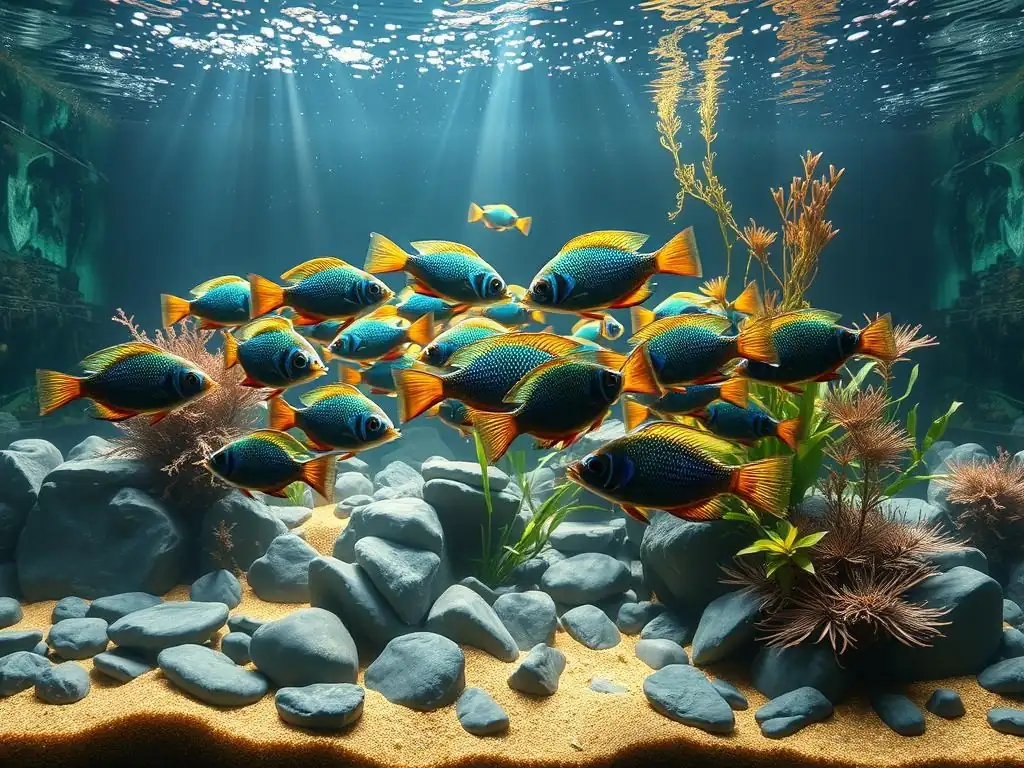
Ever been mesmerized by the vibrant colours and captivating personalities of Peacock Cichlids? Dive in and discover everything you need to know about these stunning freshwater fish! This guide is your gateway to mastering Peacock Cichlid care tips, from selecting the perfect species to creating a thriving aquarium environment. Ready to unlock the secrets to successfully keeping these gems? Your journey to Aulonocara mastery starts now!
- Introduction to Aulonocara: Exploring the World of Peacock Cichlids
- Understanding Peacock Cichlid Care Tips for a Thriving Aquarium
- Feeding Your Peacock Cichlids: Diet and Nutritional Needs
-
Aulonocara Species Profiles: Unveiling the Diversity of Peacock Cichlids
- Aulonocara baenschi (Benga Peacock): Characteristics and Care
- Aulonocara jacobfreibergi (Eureka Red Peacock): A Stunning Variety
- Aulonocara stuartgranti (Maleri Island Peacock): A Popular Choice
- Aulonocara korneliae (Chizumulu Island Peacock): A Vibrant Species
- Aulonocara maylandi kandeense (Kande Lion's Cove Peacock): Striking Pattern
- Peacock Cichlid Tank Mates: Compatibility and Community Aquariums
- Peacock Cichlid Breeding: A Guide to Successful Reproduction
- Common Peacock Cichlid Diseases and Health Issues
- Enhancing Peacock Cichlid Colors: Tips and Techniques
- Advanced Peacock Cichlid Care: Maintaining a Show-Stopping Aquarium
- Conclusion: Mastering the Art of Peacock Cichlid Keeping
- Frequently Asked Questions
- Final Reflection: Embracing the Spectrum of Aulonocara Beauty
- Dive Deeper: Unlock the Secrets of Your Dream Aquarium!
Introduction to Aulonocara: Exploring the World of Peacock Cichlids
What are Peacock Cichlids? An Overview of Aulonocara
Peacock cichlids, belonging to the genus Aulonocara, are among the most celebrated and sought-after freshwater fish in the aquarium hobby. Renowned for their extraordinary array of vibrant colors, these fish bring a dynamic splash of brilliance to any appropriately sized tank. Unlike some of their more aggressive cichlid relatives, Aulonocara species generally exhibit a more peaceful temperament, making them an excellent choice for aquarists looking to keep a stunning, yet manageable, African cichlid display.
These striking fish typically reach an adult size of 4 to 6 inches (10 to 15 cm), with males being significantly larger and more colorful than females. Their elongated, torpedo-shaped bodies and specialized mouthparts, adapted for sifting through sand, are distinctive features that set them apart. The sheer diversity within the Aulonocara genus, encompassing dozens of distinct species and geographical variants, ensures that there is a Peacock cichlid to captivate every enthusiast, each boasting its own unique pattern and chromatic display.
Origin and Habitat: Lake Malawi's Aulonocara Species
All known species of Peacock cichlids are endemic to the vast, ancient waters of Lake Malawi in East Africa, one of the largest and most biodiverse freshwater lakes in the world. This colossal rift lake, stretching over 360 miles (580 km) in length, provides a unique and stable environment that has fostered the incredible evolutionary radiation of cichlids, including the Aulonocara. Their natural habitat primarily consists of sandy substrates interspersed with rocky outcrops and intermediate zones, where they can be found sifting through the sand for small invertebrates.
The specific microhabitats within Lake Malawi, often defined by distinct rock formations, depth, and substrate composition, have led to the isolation and subsequent speciation of numerous Aulonocara varieties. For instance, the Aulonocara stuartgranti "Ngara Flametail" hails from the Ngara region, while the Aulonocara baenschi "Benga" originates specifically from Benga Island. Understanding these native conditions is a foundational element of effective Peacock cichlid care tips, as replicating them in the aquarium is crucial for their long-term health and vibrant coloration.
Why Choose Peacock Cichlids for Your Aquarium?
The primary allure of Peacock cichlids lies in their breathtaking visual appeal. Their spectrum of colors, ranging from intense blues and electric yellows to fiery reds and oranges, can transform an aquarium into a living work of art. Unlike many other large cichlids, their relatively moderate size and generally peaceful disposition make them suitable for a well-planned cichlid community tank, offering a more harmonious alternative to the highly aggressive Mbuna cichlids.
Beyond their aesthetic charm, Peacock cichlids offer an engaging behavioral display. Observing their intricate social hierarchies, their unique sifting feeding method, and the elaborate courtship rituals of breeding males provides a rewarding experience for any aquarist. Their hardiness, when provided with proper Peacock cichlid care tips and a stable environment, further enhances their appeal, making them a durable and captivating addition to the freshwater aquarium.
Understanding Peacock Cichlid Care Tips for a Thriving Aquarium
Essential Peacock Cichlid Care: Creating the Ideal Environment
Providing the correct environment is paramount for the health and vibrancy of Peacock cichlids. These fish thrive in conditions that closely mimic their natural Lake Malawi habitat, which means stable water parameters, ample swimming space, and appropriate decor are non-negotiable. Establishing a robust biological filter and maintaining meticulous water quality are among the most critical Peacock cichlid care tips, directly impacting their stress levels, susceptibility to disease, and overall coloration.
A successful Peacock cichlid setup begins with diligent planning, considering everything from tank dimensions to the type of substrate. Consistent monitoring of water chemistry and regular maintenance routines are essential to prevent issues such as ammonia and nitrite spikes, which can be fatal. By focusing on these foundational elements, aquarists can ensure their Aulonocara not only survive but truly flourish, displaying their full potential.
Tank Size Requirements for Peacock Cichlids
For a small group of Peacock cichlids, typically one male and three to four females, a minimum tank size of 55 gallons (approximately 48 inches long x 13 inches wide x 21 inches high, or 122 cm x 33 cm x 53 cm) is generally recommended. This size provides adequate swimming space and helps to dilute potential aggression, particularly among males. The length of the tank is more crucial than its height, as these fish are active swimmers and appreciate horizontal space.
For aquarists planning to keep multiple male Peacock cichlids or a more diverse community of African cichlids, a larger tank of 75 gallons (approx. 48" L x 18" W x 21" H) or even 125 gallons (approx. 72" L x 18" W x 23" H) is highly advisable. Increased volume helps to maintain stable water parameters, offers more territory for each fish, and reduces overall stress, contributing significantly to effective Peacock cichlid care tips and preventing issues like aggression-related injuries.
Water Parameters: Maintaining Optimal Water Quality for Aulonocara
Peacock cichlids require very specific and stable water parameters to thrive, directly reflecting the conditions of Lake Malawi. The ideal pH range for these fish is alkaline, typically between 7.8 and 8.6, with 8.0 being a commonly targeted value. Their native waters are also hard, so a general hardness (GH) of 10-20 dGH and carbonate hardness (KH) of 8-15 dKH are optimal. Maintaining this hardness helps buffer the pH and prevents dangerous fluctuations.
The preferred water temperature for Aulonocara is between 76-82°F (24-28°C). Consistency is key; sudden changes in temperature or pH can cause significant stress, weakening their immune systems and making them susceptible to disease. Regular testing with reliable aquarium test kits (liquid kits are generally more accurate than test strips) is an indispensable part of Peacock cichlid care tips, allowing aquarists to proactively address any deviations before they become problematic.
Filtration and Water Changes for Healthy Peacocks
Given their active metabolism and the need for pristine water quality, robust filtration is a cornerstone of successful Peacock cichlid care tips. Over-filtration is often recommended, meaning selecting a filter rated for a tank size significantly larger than your actual aquarium volume. Canister filters, such as the Fluval FX series or Oase Biomaster, are highly effective, providing excellent mechanical, biological, and chemical filtration capacities crucial for breaking down waste and maintaining clear, healthy water.
Complementing powerful filtration, regular and substantial water changes are absolutely essential. A weekly water change of 25-30% of the tank volume is a standard recommendation to dilute nitrates, replenish essential minerals, and remove accumulated organic waste that filters alone cannot eliminate. For heavily stocked tanks or those with larger fish, even more frequent or larger water changes may be necessary to keep nitrate levels below 20 ppm, ensuring a consistently healthy environment for your Aulonocara.
Feeding Your Peacock Cichlids: Diet and Nutritional Needs
What Do Peacock Cichlids Eat? Understanding Their Natural Diet
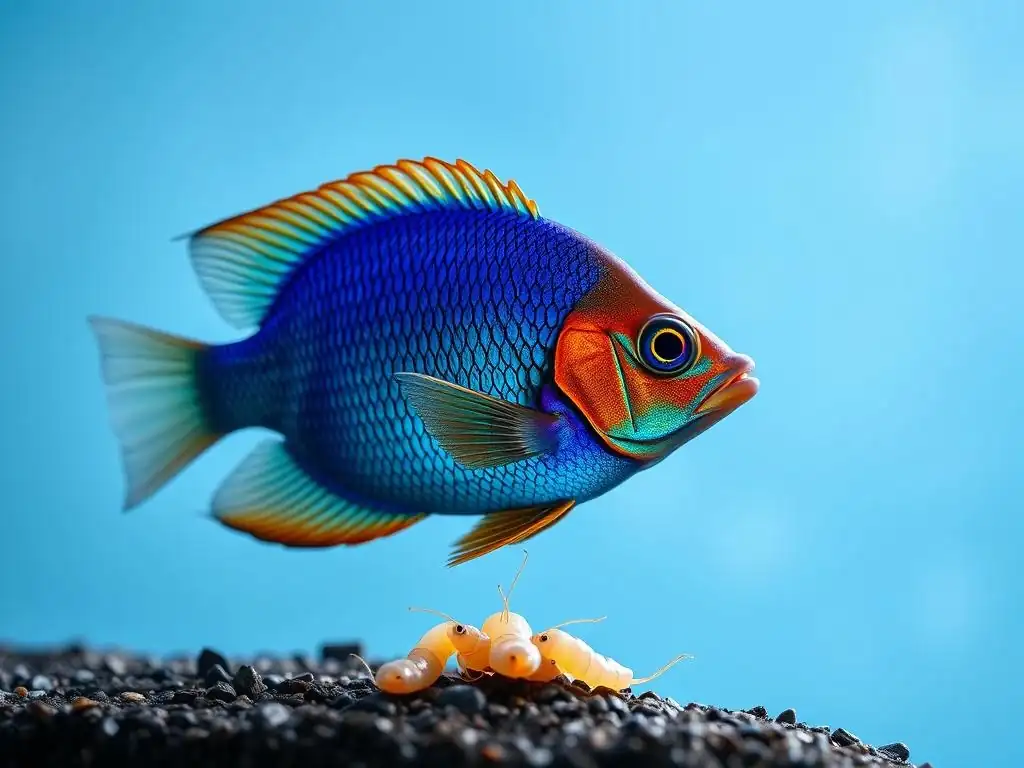
In their natural Lake Malawi habitat, Peacock cichlids are primarily micro-predators, specializing in sifting through sandy substrates to find small invertebrates, crustaceans, and insect larvae. Their unique mouthparts are adapted for this specific feeding strategy, allowing them to scoop up mouthfuls of sand, filter out edible particles, and expel the remaining sand through their gills. This diet is rich in protein and essential fatty acids, vital for their vibrant coloration and overall health.
Understanding this natural diet is crucial for providing optimal Peacock cichlid care tips in captivity. While they are not strict herbivores like some Mbuna cichlids, a purely carnivorous diet can also be detrimental. A balanced approach that provides high-quality protein while avoiding excessive plant matter or fatty foods is key to preventing common health issues such as Malawi Bloat, which is often linked to improper nutrition.
Best Foods for Peacock Cichlids: Flakes, Pellets, and Live Foods
For a staple diet, high-quality cichlid pellets and flakes formulated for carnivorous or omnivorous cichlids are excellent choices. Brands like Hikari Cichlid Gold, New Life Spectrum, or Omega One offer formulations rich in protein and color-enhancing ingredients. It's advisable to offer a variety of these staple foods to ensure a broad spectrum of nutrients. For instance, using a sinking pellet for bottom feeders and a floating flake for surface feeders can benefit the entire tank.
To supplement their diet and provide essential variety, frozen foods such as bloodworms, brine shrimp, and Mysis shrimp are highly recommended. These provide natural proteins and fats, mimicking their wild diet. Live foods, like small earthworms or blackworms, can also be offered as an occasional treat, but always ensure they are sourced from reputable suppliers to avoid introducing parasites or diseases. Avoid feeding terrestrial insects or feeder fish, as these can be nutritionally imbalanced or carry pathogens.
Feeding Frequency and Portion Control for Peacock Cichlids
Establishing a consistent feeding routine is an important aspect of Peacock cichlid care tips. Generally, feeding your Peacock cichlids once or twice a day is sufficient. The most crucial aspect, however, is portion control. Only offer an amount of food that your fish can completely consume within 1 to 2 minutes. Any uneaten food will quickly decompose, leading to elevated ammonia and nitrate levels, which are detrimental to water quality and fish health.
Overfeeding is a common mistake that can lead to significant health problems, most notably Malawi Bloat, a severe and often fatal digestive disorder. It also contributes to poor water quality, making the aquarium unstable and fostering algae growth. By adhering to strict portion control and observing your fish's eating habits, you can ensure they receive adequate nutrition without compromising the pristine conditions essential for their well-being.
Aulonocara Species Profiles: Unveiling the Diversity of Peacock Cichlids
Aulonocara baenschi (Benga Peacock): Characteristics and Care
The Aulonocara baenschi, commonly known as the Benga Peacock, is a highly sought-after species renowned for its striking coloration. Males typically display a vibrant, electric yellow body that transitions into brilliant blue on the face and fins, often with a subtle blue vertical barring. Females are more subdued, exhibiting a silvery-brown or greyish hue, a common trait among female Aulonocara. Adult males can reach about 5 inches (12.5 cm) in length, while females are slightly smaller.
In terms of Peacock cichlid care tips, the Benga Peacock shares similar requirements with other Aulonocara species, necessitating stable alkaline water (pH 7.8-8.6) and temperatures between 76-82°F. They are relatively peaceful and can coexist well with other non-aggressive Peacock cichlids and some compatible Haplochromis species in a spacious tank of 55 gallons or more. Providing a sandy substrate and ample rockwork with caves is beneficial for their comfort and natural behavior.
Aulonocara jacobfreibergi (Eureka Red Peacock): A Stunning Variety
The Aulonocara jacobfreibergi, particularly the "Eureka Red" variant, is celebrated for its breathtaking combination of brilliant red and iridescent blue. Males of this variety develop an intense reddish-orange body that beautifully contrasts with a metallic blue head and dorsal fin, often extending into the tail. This dramatic coloration makes them a standout species in any cichlid aquarium. Eureka Reds can grow slightly larger than some other Peacocks, with males reaching up to 6 inches (15 cm).
While generally peaceful, dominant male Eureka Reds can be somewhat more assertive than other Aulonocara species, especially during breeding periods or in smaller tanks. Providing plenty of visual breaks and hiding spots within the aquascape helps to mitigate potential aggression. Consistent Peacock cichlid care tips, including pristine water quality and a high-protein diet rich in color-enhancing ingredients, are crucial to maintain their stunning red and blue hues.
Aulonocara stuartgranti (Maleri Island Peacock): A Popular Choice
The Aulonocara stuartgranti encompasses a wide range of geographical variants, many of which are immensely popular in the aquarium trade due to their diverse and captivating colors. One of the most famous is the "Ngara Flametail," known for its dazzling blue body with a fiery orange or red tail and dorsal fin. Other variants, like the "Blue Neon" or "Mdoka," also display stunning blue and yellow combinations. Males typically reach 4-5 inches (10-12.5 cm).
Their popularity is also attributed to their generally calm temperament, making them excellent candidates for mixed Aulonocara or Haplochromis community tanks. Like all Peacocks, consistent Peacock cichlid care tips are vital: a stable pH of 7.8-8.6, temperatures of 76-82°F, and a diet of high-quality pellets, flakes, and frozen foods. Providing a sandy substrate is especially important for Aulonocara stuartgranti as they enjoy sifting.
Aulonocara korneliae (Chizumulu Island Peacock): A Vibrant Species
The Aulonocara korneliae, often referred to as the Chizumulu Island Peacock, is a captivating species distinguished by its unique color patterns. Males typically exhibit a deep, metallic blue body, often adorned with subtle vertical barring, and striking yellow or orange fins, particularly the dorsal and caudal fins. This contrasting coloration gives them a truly vibrant appearance, making them a desirable addition for aquarists seeking distinct Aulonocara varieties. Adult males usually grow to about 4.5 inches (11.5 cm).
Their temperament is generally considered calm and compatible with other peaceful Peacock cichlids, making them suitable for a well-structured community tank. Standard Peacock cichlid care tips apply, emphasizing excellent water quality through powerful filtration and regular water changes. A varied diet of high-quality cichlid pellets and frozen foods will help ensure their coloration remains vivid and their overall health is maintained.
Aulonocara maylandi kandeense (Kande Lion's Cove Peacock): Striking Pattern
The Aulonocara maylandi kandeense, known as the Kande Lion's Cove Peacock, stands out with its truly unique and striking pattern. Males of this subspecies typically display a dark, almost black body that is beautifully contrasted with iridescent blue or metallic silver spots and lines, particularly on the flanks and fins. The dorsal fin often has a distinct yellow or orange band, adding another layer of visual interest. These fish can reach up to 5.5 inches (14 cm) in length.
While generally peaceful like other Aulonocara, dominant males can exhibit territorial behavior, especially when establishing breeding sites. Providing a spacious tank (75 gallons or larger for a group) with plenty of rockwork and visual breaks is crucial for managing potential aggression and ensuring a harmonious environment. Adhering to comprehensive Peacock cichlid care tips, including a stable high pH and hard water, along with a varied, protein-rich diet, will help maintain their health and enhance their remarkable patterns.
Peacock Cichlid Tank Mates: Compatibility and Community Aquariums
Choosing the Right Tank Mates for Peacock Cichlids
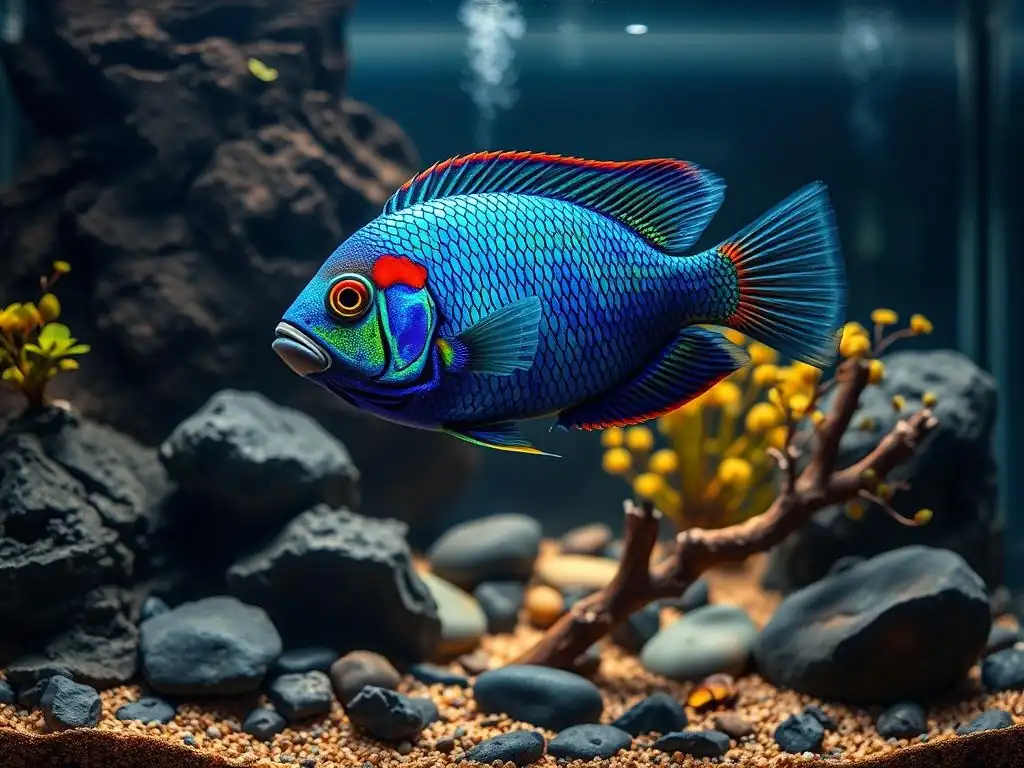
Selecting appropriate tank mates is a critical aspect of Peacock cichlid care tips, as it directly impacts the harmony and well-being of your aquarium inhabitants. The key is to choose fish that share similar water parameter requirements (high pH, hard water, warm temperatures) and possess a compatible temperament. Aggressive species can stress or injure Peacocks, while overly docile or small fish may become targets or get outcompeted for food.
The goal is to create a vibrant community without excessive aggression or hybridization. It's generally recommended to avoid mixing Peacock cichlids with overly aggressive Mbuna cichlids, as the Mbuna's highly territorial nature can lead to stress and injury for the more peaceful Aulonocara. Careful planning and observation are essential to ensure all fish thrive in a balanced environment.
Compatible Fish Species for a Peacock Cichlid Aquarium
Several species can make excellent tank mates for Peacock cichlids, provided the tank is sufficiently large and properly aquascaped. Other Aulonocara species are often chosen, but caution must be exercised to prevent hybridization between similar-looking species, especially if breeding is a concern. Different types of Aulonocara can typically coexist peacefully, showcasing a stunning array of colors.
Less aggressive Haplochromis (Haps) cichlids, such as certain Copadichromis (e.g., Kadango Red Fin) or Placidochromis species (e.g., Gissel), are often compatible due to their similar size and open-water swimming habits. Even some of the milder Mbuna, like the Yellow Lab ( Labidochromis caeruleus), can be considered in very large tanks (100+ gallons) with ample rockwork, though this requires careful monitoring. Additionally, robust bottom-dwellers like Synodontis catfish (e.g., Synodontis lucipinnis) are excellent scavengers and generally ignore cichlids.
Fish to Avoid: Aggressive Tank Mates for Aulonocara
To ensure successful Peacock cichlid care tips and a peaceful aquarium, several types of fish should be strictly avoided as tank mates. Highly aggressive and territorial Mbuna cichlids, such as Melanochromis auratus, Maylandia zebra, or Pseudotropheus demasoni, are generally incompatible. Their aggressive nature and vastly different dietary needs can lead to constant harassment, fin nipping, and severe stress for the more docile Peacocks.
Furthermore, large, predatory cichlids from other regions, such as Oscars ( Astronotus ocellatus), Flowerhorns, or Jack Dempseys, are unsuitable due to their size, predatory nature, and differing water parameter preferences. Any fish that is significantly smaller than the Peacock cichlids, or extremely timid, should also be avoided, as they may be seen as food or simply outcompeted for resources, leading to their demise.
Peacock Cichlid Breeding: A Guide to Successful Reproduction
Setting Up a Breeding Tank for Peacock Cichlids
For aquarists interested in breeding Peacock cichlids, setting up a dedicated breeding tank can significantly increase success rates. A 20-30 gallon (75-115 liter) aquarium is generally sufficient for a single breeding pair or a trio (one male, two females). The tank should be equipped with a reliable filter, a heater to maintain stable temperatures (78-80°F or 25.5-27°C), and a few flat rocks or terracotta pots arranged to create suitable spawning sites and hiding spots for the female.
The substrate should be fine sand, mimicking their natural environment, which the male will use to create a spawning pit. Maintaining pristine water quality with regular, small water changes is paramount, as clean water stimulates breeding and reduces stress. These specific Peacock cichlid care tips for breeding ensure a comfortable and secure environment for the spawning process.
Identifying Male and Female Peacock Cichlids
Distinguishing between male and female Peacock cichlids is relatively straightforward, especially once they reach maturity. Males are significantly larger and display the vibrant, iridescent colors for which the genus is famous, such as brilliant blues, yellows, or reds. They also typically develop prominent egg spots (ocelli) on their anal fin, which play a crucial role in the spawning process.
Females, in contrast, are generally smaller and exhibit a much more subdued coloration, usually a dull silvery-brown or grey. They lack the prominent egg spots on the anal fin, and their body shape tends to be rounder, particularly when carrying eggs. While juveniles can be difficult to sex accurately, these differences become increasingly apparent as the fish mature, usually around 4-6 months of age.
The Breeding Process: Spawning and Egg Incubation
Peacock cichlids are maternal mouthbrooders, meaning the female carries and incubates the eggs and then the fry in her mouth until they are free-swimming. The breeding process typically begins with the male displaying intense coloration and attempting to entice a female to his chosen spawning site, often a flattened rock or a depression he has dug in the sand. He performs a "shimmy" dance and flares his fins to attract her.
During spawning, the female lays her eggs, usually 10-50 at a time depending on her size and age, and immediately picks them up into her mouth. The male then displays his egg spots, which the female mistakes for additional eggs. As she attempts to pick them up, the male releases milt (sperm), fertilizing the eggs inside her mouth. The female will then hold the eggs for approximately 21-28 days, during which time she typically will not eat and will often hide, making stress reduction a key Peacock cichlid care tip.
Raising Peacock Cichlid Fry: Care and Feeding
After the incubation period, the female will release fully formed, free-swimming fry. At this point, it is often advisable to separate the female and fry from the main tank to prevent them from being eaten by other fish, including the male. A small grow-out tank (10-20 gallons) with a sponge filter is ideal for raising the fry. The female can be returned to the main tank once she has recovered, typically after a few days of feeding.
Newly released Peacock cichlid fry are quite small but can immediately consume finely crushed flake food, newly hatched brine shrimp nauplii, or specialized fry food. Feeding them small amounts multiple times a day (3-4 times) is crucial for rapid growth. Maintaining impeccable water quality through daily small water changes (10-20%) is perhaps the most vital Peacock cichlid care tip for fry, as they are highly sensitive to nitrates and ammonia.
Common Peacock Cichlid Diseases and Health Issues
Recognizing Signs of Illness in Peacock Cichlids
Early detection of illness is a critical component of effective Peacock cichlid care tips. Aquarists should observe their fish daily for any changes in behavior or physical appearance. Signs of illness can include lethargy, hiding more than usual, loss of appetite, rapid or labored breathing, clamped fins (fins held close to the body), or rubbing against tank decor.
Physical symptoms might involve visible spots, lesions, ulcers, frayed fins, bloating, abnormal swelling, or a noticeable fading of their vibrant colors. Any deviation from their normal, active, and colorful state warrants immediate attention. Prompt identification allows for quicker intervention, significantly increasing the chances of successful treatment and preventing the spread of disease to other tank inhabitants.
Common Diseases Affecting Aulonocara: Ich, Malawi Bloat, and Hexamita
Peacock cichlids, like all aquarium fish, can be susceptible to various diseases, with some being more common in African cichlids.
- Ich (White Spot Disease): This parasitic infection manifests as small, white, salt-like spots on the fish's body and fins. It's often triggered by stress, sudden temperature changes, or poor water quality. Treatment typically involves raising the water temperature gradually to 86°F (30°C) and using anti-parasitic medications containing malachite green or formaldehyde.
- Malawi Bloat: This is perhaps the most feared disease among African cichlid keepers, often fatal. Symptoms include a swollen abdomen, loss of appetite, and white, stringy feces. It's primarily linked to improper diet (too much plant matter or high fat content) and poor water quality. Prevention through correct feeding is paramount, as treatment is often difficult and involves metronidazole or specialized antibiotics.
- Hexamita (Hole-in-the-Head Disease): Characterized by pitting or lesions on the head and along the lateral line. This parasitic infection is often associated with poor water quality, nutritional deficiencies, or prolonged stress. It is typically treated with metronidazole, administered either through food or directly into the water.
Treatment and Prevention of Peacock Cichlid Diseases
The most effective approach to managing diseases in Peacock cichlids is prevention, which relies heavily on diligent Peacock cichlid care tips. Maintaining consistently excellent water quality through regular water changes and robust filtration is the first line of defense. Providing a species-appropriate diet, avoiding overfeeding, and quarantining all new fish for at least 2-4 weeks before introducing them to the main tank are also crucial preventive measures that minimize the introduction and spread of pathogens.
When a disease does strike, prompt action is essential. Isolate the affected fish in a hospital tank to prevent the spread of illness and to facilitate targeted treatment. Accurately diagnose the disease based on symptoms, and then administer the appropriate medication following the manufacturer's instructions carefully. Remember that stress weakens a fish's immune system, so minimizing stress factors in the aquarium environment is a continuous effort that significantly contributes to long-term health.
Enhancing Peacock Cichlid Colors: Tips and Techniques
Factors Affecting Peacock Cichlid Coloration
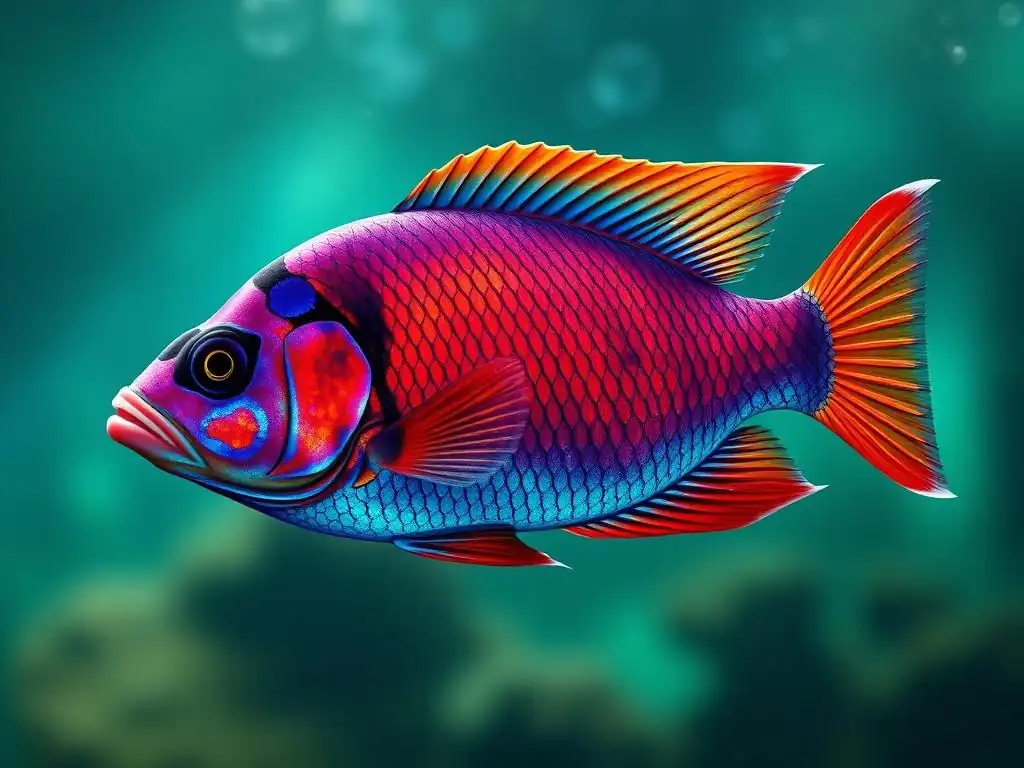
The vibrant coloration of Peacock cichlids is a major reason for their popularity, and several factors influence their intensity. Genetics are the primary determinant; a fish bred from highly colored parents will naturally have the potential for brilliant hues. However, environmental factors play a crucial role in realizing that potential. Stress, often caused by poor water quality, overcrowding, or aggressive tank mates, can significantly dull a fish's colors, making them appear washed out.
Diet is another critical factor, as certain pigments need to be consumed to be expressed. Additionally, the social hierarchy within the tank can impact color; dominant males typically display the most intense and vibrant colors to attract females and assert their dominance, while submissive males may suppress their coloration to avoid confrontation. Understanding these influences is key to successful Peacock cichlid care tips aimed at maximizing their visual appeal.
Optimizing Diet for Vibrant Colors
To truly bring out the full spectrum of colors in your Peacock cichlids, optimizing their diet is indispensable. Foods rich in carotenoids and astaxanthin are particularly effective, as these natural pigments are directly responsible for enhancing red, orange, and yellow hues. Look for high-quality cichlid pellets and flakes that list ingredients like spirulina, krill, shrimp, or chili pepper extract, as these are excellent sources of color-enhancing compounds.
Examples of such specialized foods include Hikari Cichlid Excel, New Life Spectrum Thera-A, or Omega One Super Color Pellets. Incorporating frozen foods like Mysis shrimp, which are naturally rich in astaxanthin, as a regular supplement (2-3 times per week) can also significantly boost coloration. A varied diet, consistently fed, is far more effective than relying on a single food type, ensuring a comprehensive intake of all necessary nutrients for vibrant health and stunning coloration.
Lighting and Background Considerations for Color Enhancement
While diet and water quality are paramount, the visual presentation of your aquarium can also subtly influence how vibrant your Peacock cichlids appear. The type of lighting used can significantly impact color rendition. Full-spectrum LED lighting designed for aquariums, with a color temperature around 6500K-10000K, can bring out the natural brilliance of their colors. Avoid overly dim lighting, which can make fish appear drab, or excessively bright lighting, which can stress them.
The choice of aquarium background and substrate also plays a role in contrast and perceived intensity. A dark background, such as black or dark blue, provides a strong contrast that makes the bright colors of Peacock cichlids pop more dramatically. Similarly, a lighter-colored sand substrate can enhance the visual separation between the fish and their environment, making their colors stand out. These aesthetic Peacock cichlid care tips help create a truly show-stopping display.
Advanced Peacock Cichlid Care: Maintaining a Show-Stopping Aquarium
Aquascaping and Decor for Peacock Cichlid Tanks
The aquascape of a Peacock cichlid tank should mimic their natural Lake Malawi habitat while also providing functional elements for their well-being. A fine, soft sand substrate (such as pool filter sand) is crucial, as Peacocks are natural sifters and coarse gravel can damage their delicate mouths. Aim for a depth of at least 2-3 inches (5-7.5 cm) to allow for their sifting behavior and for males to construct spawning pits.
Rockwork is also essential, providing caves, crevices, and visual breaks that help establish territories and reduce aggression. Use inert rocks like lace rock, Texas holey rock, or lava rock, ensuring they are securely stacked to prevent collapses. While plants are not typical in their natural rocky/sandy habitats, robust plants like Anubias or Java Fern can be attached to rocks if desired, though they are not a necessity for excellent Peacock cichlid care tips. Always leave ample open swimming space in the foreground for these active fish.
Managing Aggression in Peacock Cichlid Communities
While generally more peaceful than Mbuna, Peacock cichlids can still exhibit aggression, particularly among males or towards females during breeding. Effective aggression management is a key aspect of advanced Peacock cichlid care tips. One common strategy is mild overstocking, which diffuses aggression by spreading it among many fish, preventing a single individual from bearing the brunt of a dominant fish's focus. This strategy, however, necessitates significantly increased filtration and water changes to compensate for the higher bioload.
Maintaining a proper male-to-female ratio is also vital; a ratio of one male to three or more females (1:3+) is ideal, as it disperses the male's breeding drive and reduces stress on individual females. Introducing all fish simultaneously, if possible, can help establish a more balanced hierarchy from the start. If aggression flares up, rearranging the tank decor can disrupt established territories and often alleviate disputes, offering a fresh start for territorial claims.
Long-Term Care and Maintenance for Aulonocara
Long-term success with Peacock cichlids hinges on consistent, diligent care and a proactive approach to tank maintenance. Beyond the initial setup, regular monitoring of water parameters (pH, ammonia, nitrite, nitrate) is non-negotiable. Consistent weekly water changes of 25-30% are paramount to keep nitrate levels low and replenish essential minerals, preventing the buildup of toxins that can stress fish and lead to disease.
Routine filter maintenance, including cleaning mechanical media and rinsing biological media in old tank water, is also crucial to ensure optimal filtration efficiency. Daily observation of your fish for any subtle changes in behavior or appearance allows for early detection of potential health issues, enabling prompt intervention. Adapting feeding routines and environmental conditions as fish mature or as the tank's dynamics change are also advanced Peacock cichlid care tips that ensure the longevity and continued vibrancy of your beautiful Aulonocara display.
Conclusion: Mastering the Art of Peacock Cichlid Keeping
Mastering the art of Peacock cichlid keeping is a deeply rewarding endeavor that combines scientific understanding with aesthetic appreciation. These magnificent fish, with their kaleidoscope of colors and engaging behaviors, truly stand out as jewels of the freshwater aquarium. Their relatively peaceful nature, combined with their striking beauty, makes them an ideal choice for aquarists looking to create a vibrant and captivating African cichlid display.
By diligently applying the comprehensive Peacock cichlid care tips outlined, from maintaining pristine water quality and providing an appropriate diet to carefully selecting tank mates and understanding their breeding habits, aquarists can ensure their Aulonocara thrive. The commitment to understanding and meeting their specific needs will be amply repaid with a stunning, healthy, and dynamic aquarium that continues to inspire and educate.
Frequently Asked Questions
How difficult is it to care for Peacock Cichlids?
Peacock Cichlids are generally considered moderately easy to care for. They are relatively hardy but require stable water parameters and a well-maintained aquarium.
What size tank do Peacock Cichlids need?
A minimum of 75 gallons is recommended for a group of Peacock Cichlids. This allows for adequate swimming space and helps to minimize aggression among individuals.
What should I feed my Peacock Cichlids?
Peacock Cichlids are primarily carnivores. Offer a varied diet of high-quality cichlid pellets, frozen foods like bloodworms and brine shrimp, and occasional live foods.
What are the ideal water parameters for Peacock Cichlids?
Maintain a water temperature between 78-82°F (25-28°C), a pH of 7.8-8.6, and a hardness of 8-12 dGH. Regular water changes are crucial for optimal health.
Are Peacock Cichlids aggressive?
Peacock Cichlids can be moderately aggressive, especially males during breeding. Providing plenty of hiding places and avoiding overcrowding can help reduce aggression.
Final Reflection: Embracing the Spectrum of Aulonocara Beauty
The vibrant tapestry of Aulonocara diversity, as explored throughout this guide, is not merely a collection of fish species; it's a testament to the power of adaptation and the sheer artistry of nature. Understanding the nuances of Peacock cichlid care is, in essence, understanding the delicate balance required to preserve this living art form for generations to come. The challenges and rewards of keeping these magnificent creatures mirror the complexities of appreciating and protecting biodiversity in a broader sense.
The allure of the Peacock cichlid extends far beyond the aquarium, influencing our appreciation for the intricate beauty found within the natural world. My own journey into the world of Aulonocara has been a constant reminder of the responsibility we bear as stewards of this planet, urging me to advocate for responsible aquarium practices and conservation efforts. In the end, we will conserve only what we love; we will love only what we understand; and we will understand only what we are taught.
- Baba Dioum
As you embark on your own journey with Peacock cichlids, or simply reflect on the wonders of the natural world, I encourage you to consider the profound impact even small actions can have. Cultivating a thriving aquarium, sharing your knowledge with others, and supporting sustainable practices are all ways to contribute to the preservation of these magnificent creatures. Let the vibrant colors and captivating behaviors of the Aulonocara inspire you to embrace a deeper connection with nature and to champion its protection, one shimmering scale at a time.
Dive Deeper: Unlock the Secrets of Your Dream Aquarium!
Thank you for exploring the fascinating world of Peacock Cichlids with us! We hope this guide has equipped you with the knowledge to appreciate the incredible diversity and beauty of the Aulonocara genus. Now, let's turn that knowledge into action:
- Begin planning your own Peacock Cichlid aquarium! Research tank size, compatible tankmates, and specific needs of the species you're most drawn to.
- Share this guide with fellow aquarium enthusiasts to spread the word about these captivating fish and inspire them to explore the world of Peacock Cichlids.
- Surprise yourself! Visit a local aquarium shop to observe different Aulonocara varieties in person – you might just discover your next aquatic obsession!
What unique Peacock Cichlid color morph are you most excited to introduce to your aquarium and why?