
German Blue Ram vs. Bolivian Ram: Which is Right for You?

Welcome to Aquarium Mastery!
Ever wondered which South American cichlid, the German Blue Ram or the Bolivian Ram, truly reigns supreme in the freshwater aquarium world? This article dives deep into the nuances of German Blue Ram care, exploring their vibrant colors, delicate needs, and how they compare to their hardier cousins. Get ready to unlock the secrets to successfully keeping these stunning fish and discover which ram is the perfect fit for your tank!
- Introduction: Choosing the Right Ram Cichlid for Your Aquarium
- German Blue Ram Care: A Detailed Overview
- Bolivian Ram Care: A Comprehensive Guide
- German Blue Ram vs. Bolivian Ram: Key Differences and Similarities
- Choosing the Right Ram Cichlid: Factors to Consider
- Conclusion: Making an Informed Decision About Ram Cichlids
-
Frequently Asked Questions
- What are the key differences between German Blue Rams and Bolivian Rams?
- What are the ideal water parameters for German Blue Rams?
- What size aquarium is recommended for keeping German Blue Rams?
- What should I feed my German Blue Rams?
- Are German Blue Rams compatible with other fish species in a community aquarium?
- Final Reflection: The Enduring Allure of the Ram Cichlid
- Unveil Your Ideal Ram: Which Will Thrive in Your Aquarium?
Introduction: Choosing the Right Ram Cichlid for Your Aquarium
Dwarf cichlids are among the most captivating freshwater fish for home aquariums, and two species often stand out: the German Blue Ram ( Mikrogeophagus ramirezi ) and the Bolivian Ram ( Mikrogeophagus altispinosus ). Both are renowned for their vibrant colors and interesting behaviors, making them popular choices for community tanks. Their relatively small size and engaging personalities add dynamic beauty to any well-maintained setup.
The popularity of these cichlids stems from their unique blend of striking aesthetics and manageable size, allowing even aquarists with moderately sized tanks to enjoy the intricate behaviors of cichlids. However, despite their shared "Ram" moniker, German Blue Rams and Bolivian Rams have distinct care requirements and temperaments. This article aims to provide a comprehensive guide to German Blue Ram care and Bolivian Ram care, detailing their differences and similarities, to help you make an informed decision on which species is the perfect fit for your aquatic environment.
German Blue Ram Care: A Detailed Overview
Understanding German Blue Ram Temperament and Behavior
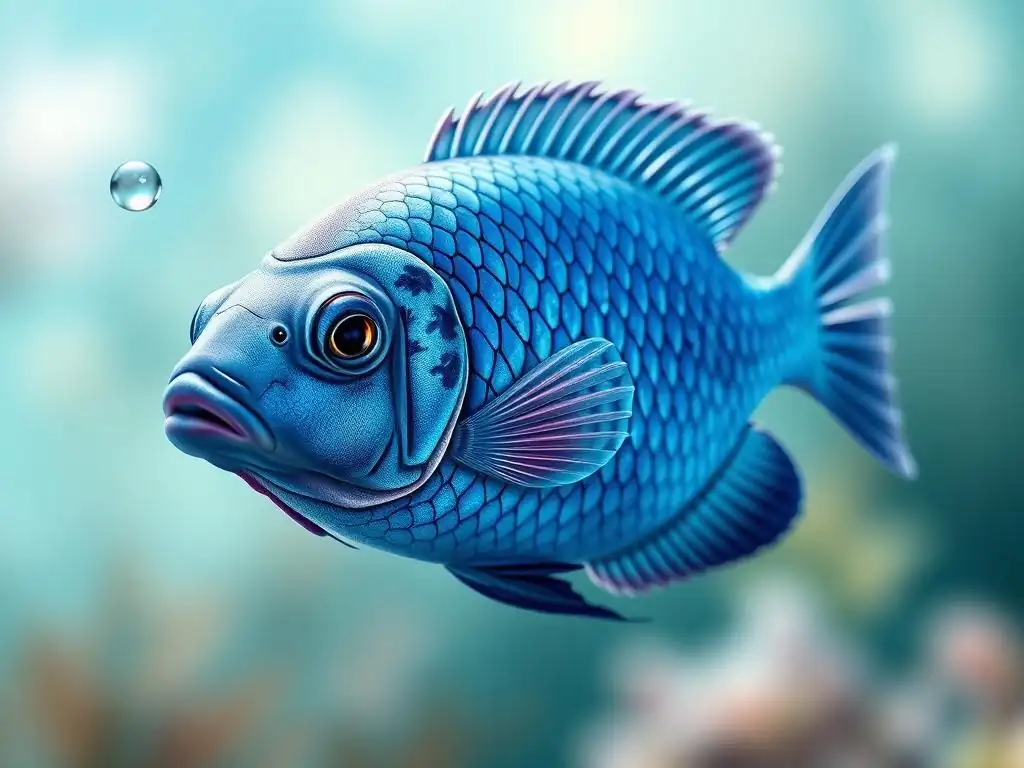
German Blue Rams are generally peaceful dwarf cichlids, making them suitable inhabitants for many community aquariums, provided their tank mates are equally docile and do not nip fins. They are known for their somewhat shy nature, especially when first introduced to a new environment, often preferring to hide among plants or decor. Once settled, they become more active, gracefully swimming through the middle to lower levels of the tank.
While typically peaceful, German Blue Rams can exhibit increased territoriality and aggression during breeding periods. A bonded pair will fiercely guard their eggs and fry, chasing away any fish that venture too close to their spawning site, which is often a flat rock or a broad plant leaf. Their social structure is typically best observed with a single pair, as multiple pairs in a smaller tank (under 40 gallons) can lead to undue stress and conflict.
German Blue Ram Tank Requirements: Creating the Ideal Habitat
For proper German blue ram care, a minimum tank size of 20 gallons is recommended for a single pair, though a 30-gallon or larger aquarium is preferable for a community setup to provide ample swimming space and reduce potential territorial disputes. These fish thrive in very specific and stable water conditions that mimic their natural Amazonian habitat.
Ideal water parameters include a pH range of 5.0 to 7.0 (with 6.0-6.5 being optimal), exceptionally soft water with a general hardness (GH) between 3-8 dGH, and a consistently warm temperature of 78-85°F (25.5-29.4°C), with many successful breeders maintaining temperatures closer to the upper end of this range (82-84°F).
The substrate should ideally be fine sand, as German Blue Rams enjoy sifting through it for food particles, a natural behavior that coarser gravel can inhibit or even injure their delicate mouths. The tank should be heavily planted with live plants such as Java Fern, Anubias, and Amazon Swords, which provide cover and security. Driftwood and smooth rocks are also essential, offering additional hiding spots and contributing to the desired soft, acidic water conditions through the release of tannins. Dim lighting can further enhance their comfort and coloration.
German Blue Ram Diet and Feeding
German Blue Rams are omnivores with a strong preference for meaty foods, which are crucial for their vibrant coloration and overall health. A high-quality flake or pellet food specifically designed for cichlids can serve as a staple, but it should be supplemented regularly with a variety of other options. Ensure the food particles are small enough for their relatively small mouths.
To provide optimal German blue ram care, their diet should be enriched with live or frozen foods. Excellent choices include bloodworms, brine shrimp, daphnia, and Mysis shrimp, all of which provide essential nutrients and stimulate natural foraging behaviors. Feeding should occur 2-3 times per day, offering small amounts that can be consumed within 2-3 minutes to prevent overfeeding and maintain water quality. A varied diet is key to preventing nutritional deficiencies and bolstering their immune system.
German Blue Ram Health and Disease Prevention
German Blue Rams are notoriously sensitive fish, particularly vulnerable to poor water quality, sudden parameter fluctuations, and stress. They are often among the first fish in an aquarium to show signs of illness, with common ailments including Ich (white spot disease), fin rot, and internal parasites. Stress, often induced by unstable water parameters or aggressive tank mates, significantly weakens their immune system, making them highly susceptible to these conditions.
Effective preventative German blue ram care is paramount. This includes a strict quarantine period of 2-4 weeks for all new fish before introducing them to the main tank, which helps prevent the introduction of diseases. Regular and consistent water changes (25-30% weekly) are crucial for maintaining pristine water quality and low nitrate levels. Providing a stable environment with appropriate water parameters, a balanced and varied diet, and peaceful tank mates will greatly reduce stress and improve their longevity. Early detection of symptoms like clamped fins, rapid breathing, faded colors, or loss of appetite is vital for successful treatment.
Bolivian Ram Care: A Comprehensive Guide
Understanding Bolivian Ram Temperament and Behavior
Bolivian Rams are renowned for their generally peaceful and relatively hardy nature, making them an excellent choice for community aquariums. While they are cichlids, their temperament is less aggressive and territorial compared to some other cichlid species, including their German counterparts. They are active swimmers and explorers, often seen sifting through the substrate in search of food.
Unlike German Blue Rams, Bolivian Rams are less prone to intense aggression even during breeding periods, though a pair will still guard their eggs and fry. They tend to form loose pairs or can be kept in small groups in larger tanks, displaying interesting social dynamics without excessive conflict. Their more robust constitution allows them to adapt more readily to varying tank conditions and tank mates.
Bolivian Ram Tank Requirements: Mimicking Their Natural Environment
For a happy and healthy Bolivian Ram, a minimum tank size of 30 gallons is recommended for a pair or a small group, with larger tanks (40 gallons or more) being ideal for a community setup. These fish are more adaptable to a wider range of water parameters than German Blue Rams, though stable conditions are still important. Ideal water parameters include a pH range of 6.0-7.5 (with 6.5-7.0 being optimal), a general hardness (GH) between 5-15 dGH, and a temperature range of 72-79°F (22-26°C), which is considerably cooler than what German Blue Rams prefer.
A fine sand or small gravel substrate is suitable, as Bolivian Rams also enjoy sifting. The tank should be decorated with plenty of hiding spots using rocks, driftwood, and live plants, but also include open swimming areas. Plants like Anubias, Cryptocoryne, and Java Fern are good choices. Providing a naturalistic environment with varied textures and cover will encourage their natural behaviors and reduce stress.
Bolivian Ram Diet and Feeding
Bolivian Rams are omnivorous, with a diet similar to that of German Blue Rams, favoring meaty foods but also consuming vegetable matter. A high-quality flake or sinking pellet designed for cichlids should form the cornerstone of their diet, providing essential vitamins and minerals. Ensuring the food is appropriately sized for their mouths is important for easy consumption.
Supplementing their staple diet with a variety of live and frozen foods is highly beneficial for Bolivian Ram care. Recommended options include bloodworms, brine shrimp, Mysis shrimp, and daphnia. These protein-rich foods not only enhance their coloration and vitality but also provide mental stimulation. Feed them 2-3 times per day in small portions that can be consumed within a few minutes, preventing excess food from fouling the water.
Bolivian Ram Health and Disease Prevention
Bolivian Rams are generally hardier than their German counterparts, making them less susceptible to stress-related diseases and more forgiving of minor water parameter fluctuations. However, like all aquarium fish, they can still fall victim to common freshwater diseases such as Ich, bacterial infections, and fungal issues if water quality is neglected or if they are subjected to prolonged stress. Maintaining a clean and stable environment is key to their health.
Preventative care for Bolivian Rams includes regular partial water changes (20-25% weekly) to keep nitrate levels low and water parameters stable. Quarantining new fish for 2-4 weeks is always a wise practice to prevent the introduction of pathogens. A balanced diet and appropriate tank mates also contribute significantly to their immune system strength. Vigilance for signs of illness, such as lethargy, faded colors, clamped fins, or unusual growths, allows for prompt intervention and treatment.
German Blue Ram vs. Bolivian Ram: Key Differences and Similarities
Appearance: Identifying the Distinctions
The most immediate distinction between German Blue Rams and Bolivian Rams lies in their striking visual characteristics. German Blue Rams are renowned for their incredibly vibrant and iridescent coloration, typically displaying brilliant blues, electric yellows, and fiery oranges, often with a distinct vertical black spot on their side and striking red eyes. They possess a more compact, somewhat "squat" body shape and often have elongated dorsal and anal fins, giving them a more delicate appearance. Adult German Blue Rams generally reach a maximum size of 2 to 2.5 inches.
In contrast, Bolivian Rams exhibit a more subdued, earthy palette of colors, typically featuring shades of brown, olive, and yellow, with hints of red or orange on their fins. Their black spot is often less defined than that of the German Blue Ram, sometimes appearing as a diffused blotch or a faint vertical bar. Bolivian Rams have a slightly larger, more torpedo-shaped body, appearing more robust and less delicate than their German cousins. They typically grow to a maximum size of 2.5 to 3 inches, making them marginally larger.
Temperament: Comparing Their Sociability
When comparing temperament, German Blue Rams are generally more sensitive and territorial, particularly when breeding. They can be shy and may become stressed if housed with overly boisterous or aggressive tank mates. While they are generally peaceful towards other species, they can be quite aggressive towards other German Blue Rams, especially in smaller tanks, making it advisable to keep them as a single pair rather than in groups. Their delicate nature means they require a calm and stable environment to thrive.
Bolivian Rams, on the other hand, are considerably more laid-back and less territorial. They are generally more outgoing and robust, making them better suited for a wider range of community tank setups. While they will still guard their spawning sites, their aggression during breeding is far less pronounced than that of German Blue Rams. Bolivian Rams can often be kept in small groups (e.g., 5-6 individuals) in larger tanks, displaying fascinating social interactions without excessive conflict, and are generally more tolerant of other peaceful community fish.
Water Parameters: Understanding Their Environmental Needs
The most critical difference in German blue ram care versus Bolivian Ram care lies in their water parameter requirements. German Blue Rams demand very specific, pristine, and stable water conditions to survive and thrive. They require exceptionally soft water (GH 3-8 dGH), an acidic pH range of 5.0-7.0 (ideally 6.0-6.5), and consistently warm temperatures between 78-85°F (25.5-29.4°C). They are highly sensitive to nitrate accumulation and any sudden fluctuations in pH or temperature, which can quickly lead to stress and disease.
Bolivian Rams are significantly more adaptable and forgiving when it comes to water parameters. They can tolerate a wider range of conditions, preferring soft to moderately hard water (GH 5-15 dGH), a slightly acidic to neutral pH of 6.0-7.5, and cooler temperatures ranging from 72-79°F (22-26°C). Their greater tolerance makes them a more suitable choice for aquarists whose tap water naturally falls within a more neutral pH range or who find it challenging to maintain the extremely soft, acidic, and warm conditions required by German Blue Rams.
Difficulty Level: Which Ram is Easier to Care For?
The difficulty level of German blue ram care is significantly higher, placing them firmly in the "expert" or "experienced aquarist" category. Their extreme sensitivity to water quality, narrow range of acceptable water parameters, and susceptibility to stress-induced diseases mean that even minor fluctuations or lapses in tank maintenance can lead to rapid decline and death. Successfully keeping German Blue Rams requires diligent attention to detail, frequent water testing, and a proactive approach to maintaining a highly stable and pristine environment.
In contrast, Bolivian Rams are considered to be of moderate difficulty, making them a much more forgiving option for novice to intermediate aquarists. Their greater hardiness and broader tolerance for water parameters mean they are less prone to succumbing to stress or disease from minor environmental shifts. While still requiring good water quality and consistent care, the margin for error with Bolivian Rams is considerably wider, making them a more accessible and rewarding experience for those new to dwarf cichlids.
Choosing the Right Ram Cichlid: Factors to Consider
Tank Size and Setup: Matching the Ram to Your Aquarium
When considering German blue ram care, a minimum tank size of 20 gallons is essential for a single pair, but a 30-gallon or larger tank is highly recommended for a community setup to provide sufficient territory and reduce stress. The setup must include fine sand substrate for sifting, dense planting with plenty of broad-leafed plants, and numerous hiding spots like driftwood and caves. The tank environment should aim for dim lighting and a sense of security to make these sensitive fish feel at home.
For Bolivian Rams, a 30-gallon tank is a good starting point for a pair or a small group, with a 40-gallon or larger tank offering optimal space for a community. They appreciate a mix of open swimming areas and plenty of cover from rocks, driftwood, and plants. While they also enjoy sifting through fine substrate, they are slightly less demanding about substrate type than German Blue Rams. Their robust nature allows for a bit more flexibility in overall tank layout, though a well-planted and decorated tank is always beneficial.
Community Tank Compatibility: Selecting Suitable Tank Mates
For optimal German blue ram care, selecting appropriate tank mates is crucial due to their sensitive and sometimes shy nature. Ideal companions are small, peaceful, non-nippy fish that thrive in similar soft, acidic, and warm water conditions. Good choices include small schooling tetras such as Neon Tetras, Cardinal Tetras, and Ember Tetras, as well as peaceful rasboras and various species of Corydoras catfish that occupy the bottom layer without competing for territory. Avoid any fin-nipping species or overly active, boisterous fish that could stress the rams.
Bolivian Rams are more adaptable and generally more forgiving with tank mates. They can coexist peacefully with a wider range of community fish, including most types of tetras, peaceful rasboras, dwarf gouramis, and other peaceful bottom dwellers. Their slightly hardier disposition means they are less prone to stress from active tank mates, though aggressive or very large fish should still be avoided. Their inquisitive nature allows them to integrate well into diverse, peaceful community setups, making them a versatile choice for aquarists.
Experience Level: Matching the Ram to Your Expertise
German blue ram care is best suited for experienced aquarists who possess a deep understanding of water chemistry and are committed to rigorous maintenance schedules. Their specific and demanding water parameters (pH 5.0-7.0, GH 3-8 dGH, Temp 78-85°F) require constant vigilance and precise adjustments, making them unsuitable for beginners. An experienced aquarist will be adept at monitoring water quality, performing consistent water changes, and promptly addressing any signs of stress or illness, which are more common with these delicate fish.
Bolivian Rams are an excellent choice for intermediate aquarists, and even diligent beginners, looking to venture into dwarf cichlids. Their greater tolerance for a wider range of water parameters (pH 6.0-7.5, GH 5-15 dGH, Temp 72-79°F) makes them much more forgiving of minor fluctuations and less prone to stress-related issues. While still benefiting from good husbandry, their hardiness provides a valuable buffer, allowing aquarists to learn and gain experience without the extreme pressures associated with the more delicate German Blue Rams.
Conclusion: Making an Informed Decision About Ram Cichlids
Choosing between a German Blue Ram and a Bolivian Ram ultimately depends on your aquarium setup, your dedication to specific water parameters, and your overall experience level in fishkeeping. German Blue Rams offer unparalleled vibrant beauty but demand precise, stable, and warm water conditions, making their care a challenging yet rewarding endeavor for the dedicated aquarist. Their exquisite colors and intricate behaviors are a testament to meticulous German blue ram care.
Bolivian Rams, while perhaps less flashy in coloration, provide a robust and equally engaging alternative, tolerating a wider range of water parameters and exhibiting a more laid-back temperament. They are an excellent choice for those seeking the charm of a dwarf cichlid without the stringent requirements of their German counterparts. Regardless of your choice, understanding the specific needs of each species is paramount. By considering your tank's environment and your own expertise, you can select the perfect Ram cichlid to thrive and bring endless fascination to your aquatic world.
Frequently Asked Questions
What are the key differences between German Blue Rams and Bolivian Rams?
German Blue Rams are known for their vibrant colors and more delicate temperament, requiring pristine water conditions. Bolivian Rams are generally hardier and can tolerate a wider range of water parameters, though their coloration is less intense.
What are the ideal water parameters for German Blue Rams?
German Blue Rams thrive in soft, acidic water with a pH between 6.0 and 7.0 and a temperature of 82-86°F. Maintaining water quality through regular water changes is crucial for their health.
What size aquarium is recommended for keeping German Blue Rams?
A minimum of a 20-gallon tank is recommended for a pair of German Blue Rams. This provides enough space for them to establish territory and reduces stress.
What should I feed my German Blue Rams?
German Blue Rams are omnivores and require a varied diet. Offer them a mix of high-quality flake food, frozen foods like bloodworms and daphnia, and small live foods to ensure they get proper nutrition.
Are German Blue Rams compatible with other fish species in a community aquarium?
Yes, but carefully choose tank mates that are peaceful and non-aggressive. Avoid fin-nippers and larger, boisterous fish that could stress the German Blue Rams.
Okay, here's a final reflection designed to close your article "German Blue Ram vs. Bolivian Ram: Which is Right for You?" while keeping the focus on "German blue ram care" and adhering to the structure you provided:
Final Reflection: The Enduring Allure of the Ram Cichlid
The vibrant colors and captivating personalities of Ram Cichlids, particularly the German Blue Ram, continue to make them a popular choice for aquarists. Understanding the specific needs of these fish, especially German Blue Rams, is crucial for their well-being and longevity in the home aquarium. This article has aimed to provide clarity and guidance in choosing the right Ram for your setup, emphasizing the importance of informed decision-making in fishkeeping.
The decision to bring a Ram Cichlid into your life is more than just adding a splash of color; it's a commitment to providing a suitable environment for a sensitive and intelligent creature. My own experiences with these fish have taught me the importance of patience, observation, and continuous learning in the hobby. The best aquarium is not just a tank, but a miniature ecosystem where every element contributes to the health and happiness of its inhabitants.
This quote perfectly encapsulates the responsibility we undertake when caring for any fish, but especially for the demanding German Blue Ram.
Now, as you consider adding a German Blue Ram or a Bolivian Ram to your aquarium, I encourage you to reflect on the information presented here. Consider your tank's parameters, your experience level, and your willingness to dedicate the time and effort required to provide optimal care. By doing so, you'll not only increase the chances of success but also contribute to the ethical and responsible practice of fishkeeping, ensuring these beautiful fish thrive for years to come.
Unveil Your Ideal Ram: Which Will Thrive in Your Aquarium?
Thanks for exploring the captivating world of ram cichlids with us! We hope this comparison of German Blue Rams and Bolivian Rams has helped you understand their unique needs and temperaments. Now, it's time to bring your dream aquarium to life!
Here are a few steps you can take to continue your journey:
- Prioritize your choice: Based on your tank size and experience, decide which ram species best fits your setup and commit to providing the ideal environment.
- Dive deeper: Research specific care requirements, tank mates, and breeding behaviors for your chosen species.
- Share your experience: Post a photo of your ram setup on social media with #AquariumMastery and tell us what inspired your choice.
Ready to take the plunge and introduce one of these stunning cichlids to your aquarium?