
Essential Water Parameters for Vibrant Tanganyikan Shell Dweller Colonies


Welcome to Aquarium Mastery!
Ever wondered what secrets lie within the shimmering waters of a Tanganyikan shell dweller tank? Discover the essential water parameters that unlock the full potential of these fascinating fish, creating a thriving colony. Dive in and uncover the key to their vibrant health and captivating behavior – your journey to Tanganyika shell dweller mastery starts now!
- Essential Water Parameters for Vibrant Tanganyika Shell Dweller Colonies
- Understanding Water Chemistry for Thriving Tanganyika Shell Dwellers
- Ideal Tanganyika Shell Dweller Water Parameters: A Detailed Guide
- Achieving and Maintaining Stable Tanganyika Shell Dweller Water Parameters
- Troubleshooting Common Water Parameter Issues in Shell Dweller Aquariums
- Testing Water Parameters for Tanganyika Shell Dwellers: A Step-by-Step Guide
- The Impact of Water Parameters on Shell Dweller Breeding
- Conclusion: Creating a Perfect Aquatic Environment for Your Tanganyika Shell Dwellers
-
Frequently Asked Questions
- What are the essential water parameters for keeping Tanganyika shell dwellers?
- Why is a high pH so important for Tanganyika shell dwellers?
- What is the ideal temperature range for a Tanganyika shell dweller tank?
- How does water hardness (KH) affect Tanganyika shell dwellers?
- What type of water changes are recommended for Tanganyika shell dweller tanks?
- Final Reflection: The Delicate Dance of Aquatic Harmony
- Ignite Your Shell Dweller Colony!
Essential Water Parameters for Vibrant Tanganyika Shell Dweller Colonies
Understanding Water Chemistry for Thriving Tanganyika Shell Dwellers
Why Water Parameters Matter for Shell Dweller Health and Breeding
The natural habitat of Tanganyika shell dwellers, Lake Tanganyika, is characterized by its remarkably stable and unique water chemistry. This massive rift lake boasts consistently high pH levels, typically ranging from 8.5 to 9.0, and significant hardness. When these specific conditions are not replicated or maintained in an aquarium, shell dwellers experience considerable stress.
This stress weakens their immune systems, making them highly susceptible to common aquarium diseases such as bloat, fin rot, and ich, ultimately leading to failure to thrive or even premature death. For instance, rapid pH fluctuations, even by 0.5 units, can cause severe osmotic shock, directly impacting their delicate gill function and overall physiological balance.
Beyond general health, precise water parameters are absolutely critical for successful breeding. Shell dwellers like Neolamprologus multifasciatus (Multis) and Lamprologus ocellatus (Ocellatus) are highly sensitive to water quality, and specific conditions act as triggers for spawning. If the water is too soft, too acidic, or unstable, these cichlids will often refuse to breed, or their eggs and fry will fail to develop properly. For example, the hard, alkaline water protects eggs from fungal infections and supports the proper development of fry, which are particularly vulnerable to poor water conditions and pollutants such as ammonia and nitrite.
Key Differences in Water Requirements Compared to Other Aquarium Fish
Tanganyika shell dwellers possess distinct water parameter requirements that set them apart from many popular aquarium fish. Unlike common community fish such as neon tetras or guppies, which often prefer neutral to slightly acidic water (pH 6.5-7.5) and moderate hardness, shell dwellers demand a highly alkaline and hard environment.
Their ideal pH range of 8.0-9.0 and general hardness (GH) of 10-20 dGH (180-360 ppm) are significantly higher than what is suitable for many other species. This unique chemistry is a direct reflection of Lake Tanganyika's geological composition and makes it challenging to house them with fish that prefer different conditions.
Furthermore, while most tropical fish thrive in temperatures around 75-78°F (24-26°C), Tanganyika shell dwellers prefer a slightly warmer range, typically 76-82°F (24-28°C), for optimal health and breeding activity. This preference, combined with their need for high pH and hardness, means that many common aquarium plants, which often prefer softer, more acidic water, will not flourish or even survive in a shell dweller tank. This necessitates careful plant selection or a minimalist, rock-and-shell-focused aquascape, emphasizing the specialized nature of Tanganyika shell dweller water parameters.
Ideal Tanganyika Shell Dweller Water Parameters: A Detailed Guide
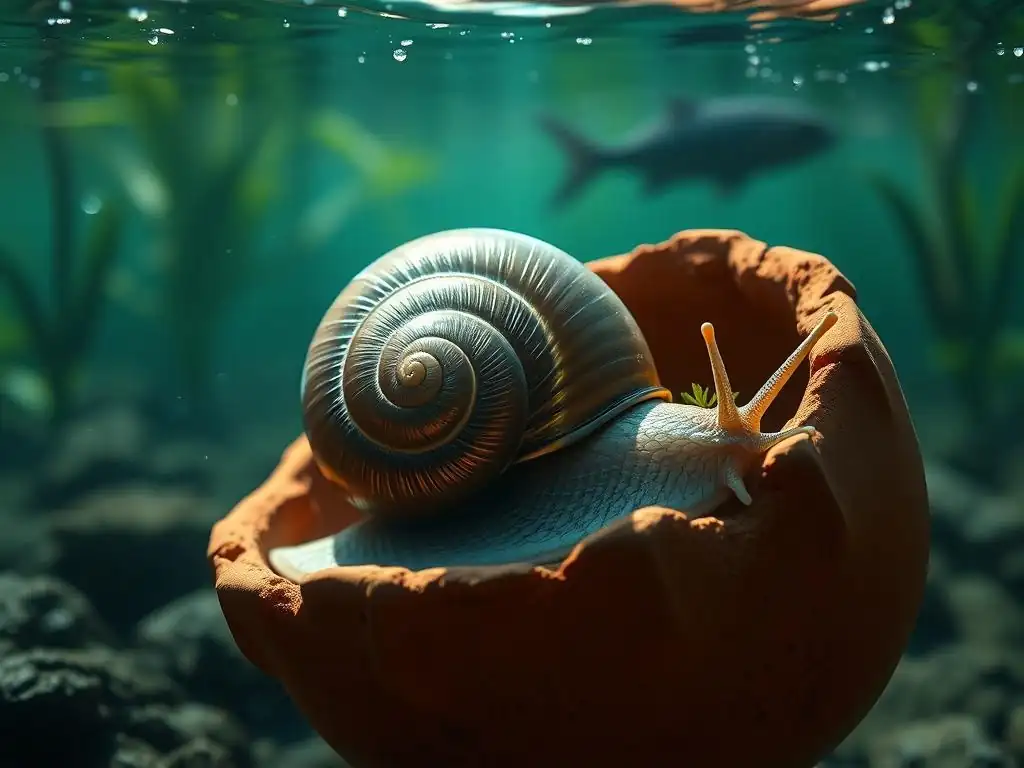
Optimal pH Levels for Shell Dwellers: Maintaining Alkaline Stability
For Tanganyika shell dwellers, maintaining an optimal pH level is paramount, with the ideal range typically falling between 8.0 and 9.0. Many experienced aquarists find that a stable pH between 8.2 and 8.6 is particularly conducive to their health and breeding success. This mirrors the pH of their natural habitat, Lake Tanganyika, which is renowned for its consistent alkalinity, often measured around pH 8.5 to 9.0, due to its vast buffering capacity.
Crucially, stability is often more important than hitting an exact pH number. Rapid or significant pH swings, even within the acceptable range, can be far more detrimental to shell dwellers than a slightly off but stable pH. For instance, a pH drop from 8.5 to 7.5 over a few hours can cause severe stress and even death, whereas a consistent pH of 8.0, while at the lower end of the ideal range, is much safer due to its stability. Monitoring and maintaining consistent Tanganyika shell dweller water parameters is key.
The Role of Buffering Capacity (KH) in Shell Dweller Aquariums
Buffering capacity, measured as carbonate hardness (KH) or alkalinity, is the cornerstone of pH stability in a shell dweller aquarium. KH refers to the concentration of bicarbonates and carbonates in the water, which act as natural buffers by neutralizing acids that are continuously produced by fish respiration, decaying organic matter, and the nitrification process. Without sufficient KH, these acids will rapidly deplete the water's buffering capacity, leading to a precipitous and dangerous drop in pH, often referred to as a "pH crash."
For Tanganyika shell dwellers, an ideal KH range is typically 10-18 dKH (178-320 ppm). If the KH falls below 6 dKH (approximately 107 ppm), the water becomes highly susceptible to pH fluctuations. For example, in a 20-gallon tank with a thriving Neolamprologus multifasciatus colony, a KH below this threshold could see the pH drop from 8.4 to 7.0 within days if regular maintenance is neglected, severely jeopardizing the health of the inhabitants. Therefore, maintaining adequate KH is indispensable for stable Tanganyika shell dweller water parameters.
Water Hardness (GH) and its Impact on Shell Dwellers
General hardness (GH) measures the concentration of dissolved calcium and magnesium ions in the water. For Tanganyika shell dwellers, a high GH is essential, with an optimal range of 10-20 dGH (180-360 ppm). Lake Tanganyika is one of the hardest freshwater lakes globally, and its inhabitants have evolved to thrive in these mineral-rich conditions. Adequate GH is vital for osmoregulation, the process by which fish maintain the correct balance of salts and water within their bodies, preventing dehydration or over-hydration.
Beyond osmoregulation, calcium and magnesium play critical roles in various physiological processes. These minerals are crucial for healthy bone and scale development, proper enzyme function, and the structural integrity of cell membranes. Insufficient GH can lead to stunted growth, poor coloration, and increased susceptibility to skeletal deformities or other health issues. For instance, juvenile Lamprologus brevis in water with a GH below 8 dGH may exhibit slower growth rates and duller coloration compared to those in water within the ideal 12-15 dGH range, highlighting the importance of these Tanganyika shell dweller water parameters.
Calcium and Magnesium: Essential Minerals for Shell Dweller Shell Development
While the term "shell development" might initially suggest the need for minerals for the shells used by shell dwellers, it's actually about the vital role calcium and magnesium play in the fish's own biological processes. These minerals are not just about external structures; they are fundamental for the internal physiological health of Tanganyika cichlids. Calcium is a primary component of bone structure and scales, essential for strong skeletal development and growth. Magnesium is a crucial cofactor in hundreds of enzymatic reactions within the fish's body, impacting everything from energy metabolism to nerve and muscle function.
Inadequate levels of calcium and magnesium can severely impact the long-term health and vitality of shell dwellers. Deficiencies can lead to issues such as poor bone density, weakened immune responses, and impaired reproductive capabilities. For example, female Lamprologus multifasciatus require sufficient calcium for egg production, and a lack thereof can result in reduced spawning frequency or poor egg quality. Therefore, ensuring these essential minerals are present in the correct concentrations is a critical aspect of maintaining ideal Tanganyika shell dweller water parameters.
Temperature Requirements for Tanganyika Shell Dwellers: Avoiding Stress
Maintaining a stable and appropriate temperature is crucial for the health and activity of Tanganyika shell dwellers. The ideal temperature range for these cichlids is generally between 76-82°F (24-28°C), with many aquarists finding 78-80°F (25.5-26.5°C) to be optimal for general well-being and to encourage breeding. Consistency within this range is far more important than hitting a precise number, as sudden temperature drops or spikes can induce significant stress in the fish.
Stress caused by temperature fluctuations directly impacts a shell dweller's immune system, making them more vulnerable to common diseases like ich and bacterial infections. For instance, a sudden drop from 79°F to 74°F due to a faulty heater or large, unconditioned water change can cause lethargy, clamped fins, and an increased risk of parasitic outbreaks within hours. Shell dwellers like Lamprologus ocellatus are particularly sensitive to these shifts, which can also inhibit their natural behaviors, including foraging and breeding.
Seasonal Temperature Variations and Their Effects
In their natural environment, Lake Tanganyika, the deeper waters where many shell dwellers reside experience remarkably stable temperatures throughout the year, with minimal seasonal variation. While shallow areas might see slight fluctuations, the consistent thermal environment is a key characteristic of the lake. In an aquarium setting, replicating this stability is paramount. Attempting to mimic drastic "seasonal" temperature changes, common for some temperate fish species, is generally counterproductive for Tanganyika shell dwellers and can lead to undue stress.
Prolonged exposure to temperatures outside the ideal range can have adverse effects. If the temperature consistently falls below 75°F (24°C), shell dwellers may become lethargic, exhibit reduced appetite, and be more prone to fungal infections. Conversely, sustained temperatures above 82°F (28°C) can lead to decreased oxygen levels in the water, increased metabolic rates, and heightened aggression, potentially shortening their lifespan. Therefore, a reliable heater and thermometer are essential tools for maintaining stable Tanganyika shell dweller water parameters.
Ammonia, Nitrite, and Nitrate: Controlling the Nitrogen Cycle in Shell Dweller Tanks
Understanding and controlling the nitrogen cycle is fundamental to maintaining any healthy aquarium, and it is especially critical for Tanganyika shell dwellers due to their sensitivity to water quality. The nitrogen cycle involves the breakdown of fish waste and uneaten food: highly toxic ammonia (NH3/NH4+) is converted by beneficial bacteria into equally toxic nitrite (NO2-), which is then further converted into less toxic nitrate (NO3-). In a healthy, fully cycled aquarium, both ammonia and nitrite levels must always be zero.
Even trace amounts of ammonia (e.g., 0.25 ppm) can cause severe gill damage and internal organ stress in sensitive shell dwellers over time, making them vulnerable to secondary infections. Nitrite, while slightly less acutely toxic than ammonia, prevents red blood cells from carrying oxygen, leading to suffocation. Regular testing and proactive management are necessary to ensure these harmful compounds are absent, thus maintaining critical Tanganyika shell dweller water parameters for their survival.
Safe Nitrate Levels for Long-Term Shell Dweller Health
While nitrate is the least toxic compound in the nitrogen cycle, it is not entirely harmless and can accumulate to dangerous levels if not managed. For long-term health and optimal well-being of Tanganyika shell dwellers, nitrate levels should ideally be kept below 20 ppm. Many experienced cichlid keepers strive to maintain levels even lower, often below 10 ppm, particularly for breeding colonies, as lower nitrates contribute to higher egg viability and fry survival rates.
Chronic exposure to high nitrate levels (e.g., consistently above 40 ppm) can lead to a range of issues, including suppressed immune systems, stunted growth, fin erosion, and increased susceptibility to diseases. It can also inhibit breeding behavior and reduce the overall lifespan of the fish. Regular water changes are the primary and most effective method for controlling nitrate accumulation, as they dilute and remove these dissolved pollutants, thereby maintaining safe Tanganyika shell dweller water parameters.
Achieving and Maintaining Stable Tanganyika Shell Dweller Water Parameters
Choosing the Right Substrate to Influence Water Chemistry
The choice of substrate in a Tanganyika shell dweller aquarium plays a significant role in influencing and stabilizing water chemistry. Unlike inert substrates like plain quartz sand, which have no effect on pH or hardness, certain calcium carbonate-based substrates can naturally buffer the water, helping to maintain the desired high pH and hardness levels. This is particularly beneficial if your tap water is naturally soft or acidic, as it provides a continuous, albeit slow, release of essential minerals.
Avoiding substrates that lower pH, such as peat moss or certain types of driftwood, is equally important. These materials can leach tannins and humic acids into the water, counteracting the desired alkaline conditions. Opting for a substrate that actively supports the required Tanganyika shell dweller water parameters simplifies long-term maintenance and reduces the need for chemical additives.
Aragonite Sand and Crushed Coral: Natural Buffering Options
Aragonite sand and crushed coral are excellent choices for shell dweller aquariums due to their high calcium carbonate content. Aragonite sand, often used in marine aquariums, slowly dissolves over time, releasing calcium, magnesium, and carbonate ions into the water. This process naturally helps to maintain high pH levels, typically between 8.2-8.5, and ensures stable general hardness (GH) and carbonate hardness (KH) within the ideal ranges for shell dwellers. It also provides the fine substrate preferred by many shell dwellers for burrowing.
Crushed coral offers similar buffering properties and can be used as a primary substrate, mixed with inert sand, or placed in a media bag within the filter. A 1-2 inch layer of aragonite sand or crushed coral at the bottom of a 20-gallon tank can significantly contribute to maintaining a stable pH of 8.2-8.5 and GH/KH levels of 10-14 dGH/dKH, assuming the initial tap water isn't excessively soft.
For instance, a 40-gallon breeder tank housing a Neolamprologus multifasciatus colony, with 2 inches of aragonite sand, will typically require less frequent pH adjustments than a tank with inert sand, demonstrating the effectiveness of these natural buffers in achieving desired Tanganyika shell dweller water parameters.
The Importance of Regular Water Changes for Shell Dweller Tanks
Regular water changes are arguably the most critical maintenance practice for maintaining stable and healthy Tanganyika shell dweller water parameters. This essential routine serves multiple vital functions. Firstly, it effectively removes accumulated nitrates, phosphates, and other dissolved organic pollutants that can build up over time from fish waste and uneaten food. High concentrations of these pollutants can lead to suppressed immune systems, algae blooms, and overall poor fish health.
Secondly, water changes replenish essential minerals that are consumed by the fish, plants (if any), or precipitate out of the water. In a high-pH, high-hardness environment, calcium and carbonate ions can be utilized or removed from the water column, and regular replenishment ensures these vital components remain at optimal levels. This consistent dilution of waste products and replenishment of minerals is indispensable for maintaining the precise and stable Tanganyika shell dweller water parameters required for their long-term health and breeding success.
Water Change Frequency and Volume: Best Practices
For Tanganyika shell dweller tanks, a general recommendation is to perform a 25-30% water change weekly. This frequency and volume are usually sufficient to keep nitrate levels below 20 ppm in a moderately stocked tank. However, for heavily stocked aquariums or those with a high bioload, increasing the frequency to 30-50% twice a week might be necessary to consistently maintain nitrates below 10-15 ppm, which is ideal for breeding and fry development.
It is crucial to always use dechlorinated water that is conditioned to match the tank's temperature and, as closely as possible, its existing parameters. Sudden temperature or pH shocks during a water change can be highly stressful for shell dwellers. For example, a 20-gallon tank housing a colony of Lamprologus brevis with an average bioload would greatly benefit from a consistent 5-gallon weekly water change, ensuring that accumulated nitrates are removed before they become problematic and maintaining stable Tanganyika shell dweller water parameters.
Filtration Systems for Maintaining Water Quality in Shell Dweller Aquariums
A robust and efficient filtration system is fundamental for maintaining the pristine water quality required by Tanganyika shell dwellers. Filtration addresses three key aspects: mechanical, biological, and chemical. Mechanical filtration removes particulate matter like uneaten food and debris, keeping the water clear. Biological filtration is the most critical, housing the beneficial bacteria that process toxic ammonia and nitrite into less harmful nitrate, thereby managing the nitrogen cycle. Chemical filtration, often utilizing activated carbon, removes odors, discoloration, and some dissolved organic compounds.
For shell dweller tanks, the emphasis should be on excellent biological filtration to cope with their bioload, even though they are relatively small fish. A large surface area for bacterial colonization is essential. While strong currents are generally to be avoided, especially in shell dweller tanks where fish prefer calmer waters, sufficient flow is needed to circulate water through the filter media efficiently.
Selecting a Filter Suitable for High pH and Hard Water
When selecting a filter for a Tanganyika shell dweller aquarium, it's important to choose one that supports the high pH and hard water conditions. Sponge filters are an excellent choice for smaller shell dweller tanks and fry tanks, as they provide superb biological filtration with gentle water movement. For larger setups, hang-on-back (HOB) filters or canister filters are highly effective, offering superior mechanical and biological filtration capacity.
Crucially, avoid using filter media that are designed to lower pH, such as peat moss. Instead, consider incorporating additional buffering media directly into your filter. For example, a media bag filled with crushed coral or aragonite can be placed in a canister filter or HOB filter to provide extra buffering capacity, further stabilizing the pH and hardness. A 50-gallon tank housing a Lamprologus similis colony, equipped with an appropriately sized canister filter packed with ceramic biological media and a small bag of crushed coral, can effectively manage water quality and maintain ideal Tanganyika shell dweller water parameters.
Using Water Conditioners and Additives Safely
Water conditioners and additives can be valuable tools for achieving and maintaining ideal Tanganyika shell dweller water parameters, but they must be used judiciously and safely. Dechlorinators are absolutely essential for tap water, as they neutralize chlorine and chloramine, which are highly toxic to fish and beneficial bacteria. Beyond dechlorination, specific products can help adjust pH and hardness if your tap water does not naturally match the requirements of shell dwellers.
Commercial buffers designed for African cichlids, such as Seachem Tanganyika Buffer or Kent Marine Tanganyika Buffer, can effectively raise and stabilize both pH and carbonate hardness (KH). If your tap water is too soft (low GH), supplements containing calcium and magnesium (e.g., Seachem Equilibrium) can be used to boost general hardness to the desired range. Always follow product instructions carefully to avoid overdosing and sudden parameter shifts.
Avoiding Chemicals Harmful to Shell Dwellers
While some additives are beneficial, it is equally important to avoid chemicals that can be harmful to Tanganyika shell dwellers or disrupt their specific water chemistry. Products designed to "pH down" should generally be avoided, as they often lead to dangerous pH swings, which are far more detrimental than a slightly elevated but stable pH. These chemicals typically work by adding acids, which can quickly deplete the water's buffering capacity, leading to a crash.
Furthermore, be cautious with general "soft water" plant fertilizers, as some may contain copper or other heavy metals that can be toxic to sensitive cichlids or beneficial invertebrates (if present). When medicating, always research the specific medication's compatibility with African cichlids and its potential impact on water parameters or beneficial bacteria. Always prioritize natural buffering methods and regular water changes over relying heavily on chemical adjustments to maintain stable Tanganyika shell dweller water parameters.
Troubleshooting Common Water Parameter Issues in Shell Dweller Aquariums

Addressing Low pH in Tanganyika Shell Dweller Tanks
Low pH in a Tanganyika shell dweller tank is a serious issue that can rapidly lead to stress, disease, and even death. Symptoms often include lethargy, labored breathing, darting movements, and loss of vibrant coloration as the fish struggle with osmotic imbalance. The primary cause of a dropping pH is typically a lack of sufficient buffering capacity (low KH), which allows naturally accumulating acids from fish respiration, waste, and the nitrification process to overwhelm the water's ability to maintain alkalinity. Other causes can include overfeeding, insufficient water changes, or the presence of pH-lowering decorations like certain types of driftwood.
To address low pH, the most effective long-term solution is to increase the water's buffering capacity. This can be achieved by adding sodium bicarbonate (baking soda) in small, measured doses (e.g., 1 teaspoon per 10 gallons can raise KH by approximately 2-3 dKH, and pH by 0.2-0.4 units, but always test first). Alternatively, commercial African cichlid buffers can be used. Incorporating aragonite sand or crushed coral into the substrate or filter media provides a natural, sustained release of carbonates, helping to stabilize pH over time.
Causes and Solutions for pH Drops
pH drops in a shell dweller tank are almost always indicative of insufficient buffering capacity (KH). If your KH is consistently below 6 dKH (approximately 107 ppm), your tank is highly susceptible to pH crashes. Other contributing factors include:
- Overfeeding and High Bioload: More fish waste and uneaten food mean more organic acids are produced, which consume the available buffers.
- Lack of Regular Water Changes: Water changes dilute and remove accumulated acids and replenish buffers. Without them, acids build up.
- CO2 Injection (Rare in Shell Dweller Tanks): If CO2 is used for plant growth, it forms carbonic acid, which lowers pH. This is generally incompatible with shell dweller needs.
Solutions to address pH drops:
- Increase KH Slowly: Use sodium bicarbonate or a dedicated Tanganyika buffer product. Add small amounts, test, and repeat until the desired KH is reached. For instance, if a 30-gallon tank's pH consistently drops from 8.4 to 7.2 over a week, performing a 25% water change with appropriately buffered water and adding a small amount of crushed coral to the filter can stabilize it, bringing the KH up from 5 dKH to 10 dKH.
- Perform Regular, Consistent Water Changes: This is the most effective way to remove accumulating acids and replenish fresh, buffered water.
- Optimize Feeding and Stocking: Avoid overfeeding, and ensure your tank is not overstocked, which can overwhelm the filtration and buffering system.
- Incorporate Buffering Substrate/Media: As previously mentioned, aragonite sand or crushed coral provides a continuous release of carbonates.
Dealing with High Nitrate Levels in Shell Dweller Aquariums
High nitrate levels, while less acutely toxic than ammonia or nitrite, are a common issue in aquariums and can significantly impact the long-term health of Tanganyika shell dwellers. Symptoms of chronic high nitrate exposure include lethargy, clamped fins, dull coloration, reduced appetite, and increased susceptibility to various diseases like fin rot and secondary bacterial infections. The primary causes are typically insufficient water changes, overfeeding, overstocking, and the accumulation of decaying organic matter (e.g., uneaten food, dead plant material).
The most effective and direct solution for high nitrate levels is to increase the frequency and volume of water changes. This physically removes the nitrates from the water column. Additionally, reducing the amount of food offered, ensuring the tank is not overstocked, and promptly removing any decaying organic matter from the substrate or decorations will help prevent nitrate buildup. Ensuring your biological filtration is robust and well-maintained is also crucial for efficient nitrogen cycle processing.
Effective Methods for Nitrate Reduction
- Increased Water Changes: This is the cornerstone of nitrate control. If nitrates are consistently high (e.g., above 40 ppm), increase your weekly water change volume to 50% or perform smaller 25-30% changes twice a week. For example, a 75-gallon tank with Neolamprologus brichardi showing nitrate levels of 80 ppm could be brought down to under 20 ppm within a week by performing two 50% water changes, coupled with reduced feeding.
- Reduce Feeding: Overfeeding is a major contributor to nitrate. Feed smaller amounts more frequently, ensuring all food is consumed within a few minutes.
- Improve Filtration and Maintenance: Regularly clean mechanical filter media (sponges, filter floss) to remove trapped debris. Ensure biological media is not clogged. Thoroughly gravel vacuum the substrate during water changes to remove detritus.
- Live Plants (Strategic Use): While many aquatic plants struggle in high pH/hard water, some hardy species like Anubias, Java Fern, or certain floating plants (e.g., Frogbit, Dwarf Water Lettuce) can survive and actively absorb nitrates from the water column, acting as natural nitrate sponges.
- Avoid Overstocking: An overstocked tank will inevitably produce more waste than the filtration and water change regimen can handle. Maintain appropriate stocking levels for your tank size.
Cloudy Water and Algae Blooms: Identifying and Resolving the Causes
Cloudy water and algae blooms are common visual indicators of an imbalance in water parameters or insufficient tank maintenance. Cloudy water can manifest in various forms: a milky white haze often indicates a bacterial bloom (common in new tanks or after overfeeding), while a green tint points to a green water algae bloom. Brown cloudiness might suggest an excess of particulate matter or diatoms. Algae blooms, whether green water, hair algae, or brown diatoms, are typically fueled by an excess of nutrients in the water, combined with sufficient light.
Both cloudy water and algae blooms signify that the delicate balance of the aquarium ecosystem has been disrupted. They often stem from underlying issues such as high nitrate and phosphate levels, inadequate filtration, overfeeding, or excessive lighting. Addressing these symptoms requires identifying and resolving the root cause related to Tanganyika shell dweller water parameters and tank management.
The Link Between Water Parameters and Algae Growth
The direct link between water parameters and algae growth is primarily through nutrient availability. High levels of nitrates and phosphates, which accumulate from fish waste, uneaten food, and decaying organic matter, act as primary fertilizers for algae. If these nutrients are not adequately removed through regular water changes or consumed by live plants, algae will proliferate, leading to unsightly blooms. For example, a tank with persistent green water algae will often test with phosphate levels above 1.0 ppm and nitrates exceeding 40 ppm.
Furthermore, unstable water parameters can stress fish, making them more susceptible to disease and indirectly contributing to an unhealthy environment where algae can thrive due to a lack of competition from healthy beneficial bacteria. Solutions to combat cloudy water and algae blooms therefore focus on addressing the underlying nutrient issues: performing more frequent and larger water changes to dilute nitrates and phosphates, reducing feeding to minimize waste, ensuring effective mechanical and biological filtration, and controlling lighting duration (typically 8-10 hours per day maximum).
Correcting these imbalances will not only clear the water but also contribute to a healthier environment for your Tanganyika shell dwellers.
Testing Water Parameters for Tanganyika Shell Dwellers: A Step-by-Step Guide
Selecting a Reliable Water Testing Kit
Accurately monitoring Tanganyika shell dweller water parameters is non-negotiable for their health. When selecting a water testing kit, liquid reagent test kits are generally superior to test strips in terms of accuracy and reliability. While test strips offer convenience, their precision can vary significantly, and they often have a shorter shelf life once opened. Liquid kits provide more precise readings for critical parameters like pH, ammonia, nitrite, and nitrate.
The API Freshwater Master Test Kit is a widely recommended choice, as it includes tests for high range pH (essential for shell dwellers), ammonia, nitrite, and nitrate. For shell dwellers, it is also absolutely essential to purchase separate liquid test kits for General Hardness (GH) and Carbonate Hardness (KH), as these are not typically included in standard master kits but are vital for maintaining the correct Tanganyika shell dweller water parameters. While digital pH meters can offer quick readings, they require regular calibration to ensure accuracy.
Accurate Testing Procedures: Ensuring Reliable Results
To ensure you get reliable and actionable results from your water tests, it is crucial to follow the kit instructions precisely. Each test kit will have specific directions regarding the number of drops of each reagent, the shaking time, and the waiting period before reading the results. Deviating from these instructions can lead to inaccurate readings, potentially causing you to take unnecessary or incorrect actions.
Always rinse your test tubes with the tank water you are about to test before adding reagents. This prevents contamination from previous tests or tap water. When reading the results, do so in good, consistent lighting, comparing the color in the test tube directly against the color chart provided with the kit.
For consistency, try to test your water parameters at the same time of day, ideally before a scheduled water change, to get a baseline reading of accumulated waste products. For instance, an API Nitrate test requires adding 10 drops of solution #1, shaking for 30 seconds, then adding 10 drops of solution #2, shaking for 1 minute, and waiting 5 minutes before comparing the color, illustrating the specific steps required for accurate Tanganyika shell dweller water parameters testing.
Interpreting Your Water Test Results for Shell Dwellers
Once you have performed your tests, interpreting the results by comparing them against the ideal ranges for Tanganyika shell dwellers is the next critical step. This interpretation guides your maintenance actions to ensure optimal Tanganyika shell dweller water parameters.
Here are the target ranges to aim for:
- Ammonia: 0 ppm (parts per million)
- Nitrite: 0 ppm
- Nitrate: Below 20 ppm (ideally below 10 ppm for breeding)
- pH: 8.0-9.0 (aim for stability, 8.2-8.6 often optimal)
- General Hardness (GH): 10-20 dGH (degrees of general hardness)
- Carbonate Hardness (KH): 10-18 dKH (degrees of carbonate hardness)
Any deviation from these ranges indicates a need for action. For example, if your nitrate reading is consistently at 40 ppm, it signals that your current water change regimen is insufficient, and you need to increase its frequency or volume. If your pH is dropping, a low KH reading confirms the lack of buffering capacity, prompting you to add buffering agents. Consistent monitoring and understanding of these results empower you to maintain a thriving environment for your Tanganyika shell dwellers.
The Impact of Water Parameters on Shell Dweller Breeding
Optimal Water Conditions for Spawning and Fry Survival
For Tanganyika shell dwellers, optimal and stable water parameters are not just about survival; they are critical triggers for successful spawning and paramount for the survival of their delicate eggs and fry. Shell dwellers are far less likely to breed in fluctuating or suboptimal conditions, as these signal an unfavorable environment for their offspring. Consistently high pH (8.2-8.6), robust hardness (GH 12-18 dGH, KH 10-16 dKH), and a stable temperature (78-80°F or 25.5-26.5°C) are key conditions that encourage breeding activity and maximize reproductive success.
Furthermore, extremely clean water with very low nitrate levels (ideally below 10 ppm) is vital. Shell dweller eggs and newly hatched fry are highly sensitive to pollutants, and elevated nitrates can significantly reduce hatch rates and lead to high fry mortality. These specific Tanganyika shell dweller water parameters mimic their natural breeding grounds in Lake Tanganyika, ensuring the eggs develop properly and the fry have the best chance of survival.
Maintaining Stable Parameters During Breeding
Once shell dwellers begin to breed, maintaining the stability of their water parameters becomes even more critical. Large or sudden water changes, especially immediately before or during spawning, can induce stress in the breeding pair, potentially causing them to abandon or even consume their eggs. The sudden shift in temperature, pH, or hardness can disrupt the delicate physiological processes involved in reproduction.
Instead of large, infrequent changes, it is often beneficial to perform smaller, more frequent water changes (e.g., 10-15% twice a week) during breeding periods. This helps to maintain water quality by removing accumulating nitrates and replenishing essential minerals without causing significant parameter shifts. Consistent feeding of high-quality, protein-rich foods also supports the conditioning of breeding adults and the healthy development of eggs. For instance, a breeding pair of Lamprologus similis is known to spawn more frequently and successfully when their pH is consistently maintained at 8.4 and GH at 15 dGH, compared to tanks where these parameters fluctuate.
The Impact of High pH on Neolamprologus multifasciatus Egg Development
Neolamprologus multifasciatus, commonly known as Multis, are among the most popular and prolific shell dwellers, and their reproductive success is heavily influenced by the high pH of their environment. Their eggs are specifically adapted to the highly alkaline conditions of Lake Tanganyika. This high pH plays a crucial role in preventing fungal infections on the eggs, which are a common cause of egg loss in lower pH environments. The alkaline water creates an inhospitable environment for many types of fungi that typically thrive in more acidic or neutral conditions.
Beyond fungal prevention, the specific high pH also influences the physiological development of the fry, ensuring proper osmoregulation and mineral uptake, which are vital for their initial growth and survival. Studies and anecdotal evidence from experienced aquarists show that N. multifasciatus eggs have significantly higher hatch rates (e.g., 85-90%) in water with a stable pH of 8.5 compared to the significantly lower rates (e.g., 50-60%) observed in water with a pH of 7.5, where fungal issues become much more prevalent.
This vividly illustrates the critical importance of maintaining precise Tanganyika shell dweller water parameters for successful breeding and the healthy development of their offspring.
Conclusion: Creating a Perfect Aquatic Environment for Your Tanganyika Shell Dwellers
Creating and maintaining a vibrant, healthy, and breeding colony of Tanganyika shell dwellers hinges entirely on a thorough understanding and diligent management of their specific water parameters. The unique chemistry of Lake Tanganyika – characterized by its stable, high pH (8.0-9.0), significant hardness (GH 10-20 dGH, KH 10-18 dKH), and consistent temperatures (76-82°F) – must be meticulously replicated in the home aquarium. Beyond these foundational elements, the absolute absence of ammonia and nitrite, coupled with low nitrate levels (below 20 ppm, ideally below 10 ppm), is non-negotiable for their long-term well-being and reproductive success.
Consistent monitoring through reliable liquid test kits, combined with proactive maintenance practices such as regular water changes, appropriate substrate selection (like aragonite sand or crushed coral), and robust filtration, are the cornerstones of success. By committing to these practices, you not only prevent common health issues but also foster an environment where these fascinating cichlids will thrive, exhibit their natural behaviors, and prolifically breed. Ultimately, understanding and diligently maintaining the correct Tanganyika shell dweller water parameters is the single most important factor in cultivating a truly perfect aquatic environment for your cherished shell dwellers.
Frequently Asked Questions
What are the essential water parameters for keeping Tanganyika shell dwellers?
The key parameters are a high pH (8.0-9.0), a stable alkaline hardness (KH), and a consistent temperature (76-82°F). These conditions mimic their natural habitat.
Why is a high pH so important for Tanganyika shell dwellers?
Tanganyika shell dwellers evolved in a highly alkaline lake. A low pH can stress them, making them susceptible to disease and hindering breeding.
What is the ideal temperature range for a Tanganyika shell dweller tank?
Maintaining a stable temperature between 76-82°F (24-28°C) is crucial. Fluctuations or extreme temperatures can negatively impact their health and behavior.
How does water hardness (KH) affect Tanganyika shell dwellers?
A stable KH helps maintain pH stability. Low KH can cause pH swings, which are detrimental to these fish and can lead to stress and even death.
What type of water changes are recommended for Tanganyika shell dweller tanks?
Regular, small water changes (10-20% weekly) are best. Use dechlorinated water that is matched to the tank's existing pH and temperature to avoid shocking the fish.
Okay, here's a final reflection section for your article, formatted in Markdown as requested, and tailored to the topic of Tanganyikan shell dweller water parameters:
Final Reflection: The Delicate Dance of Aquatic Harmony
The intricate balance of Tanganyika shell dweller water parameters is not merely a technical checklist; it's the very foundation upon which these captivating colonies thrive. Understanding and meticulously maintaining these parameters is paramount, not just for survival, but for unlocking the full spectrum of their vibrant behaviors and stunning displays of natural beauty in our aquariums.
This journey into the specifics of water chemistry has underscored the profound connection between our actions and the well-being of these creatures. It reminds us that responsible aquarists are not simply keepers, but stewards of a miniature ecosystem, entrusted with replicating the conditions that have shaped these fish over millennia. In water one sees one's own face; but in wine, one beholds the heart of another.
This ancient proverb, though not literally about aquariums, speaks to the clarity and understanding that meticulous observation and care can bring to our relationship with the natural world, even within the confines of a glass tank.
Now, armed with this knowledge, I encourage you to reflect on your own aquariums. Are you truly providing the optimal environment for your Tanganyikan shell dwellers to flourish? Take the time to re-evaluate your testing procedures, your water change routines, and your overall approach to aquarium maintenance. By embracing a commitment to precision and a deep respect for the delicate balance of their aquatic world, you can unlock the full potential of these fascinating fish and create a truly thriving ecosystem within your own home.
Ignite Your Shell Dweller Colony!
Thank you for exploring the fascinating world of Tanganyikan shell dwellers! We hope you've gained valuable insights into maintaining the perfect aquatic environment for these captivating fish. Now, let's translate that knowledge into action to unlock the full potential of your aquarium.
Here's how to take your shell dweller colony to the next level:
- Master your water testing! Invest in a reliable test kit and establish a consistent testing schedule for pH, ammonia, nitrite, and nitrate. Record your results to track trends and proactively address any imbalances.
- Dive deeper: Research specific water parameter preferences for the exact species of shell dwellers you keep. Subtle variations can have a big impact on their health and breeding success.
- Share your secrets! Join the Aquarium Mastery forum and post a picture of your setup, along with your current water parameters and any challenges you're facing. Let's learn from each other!
What surprising shift in water parameters have you noticed that significantly impacted your shell dwellers' behavior?