
Ideal Tank Mates for Molly Fish: Building a Peaceful Community

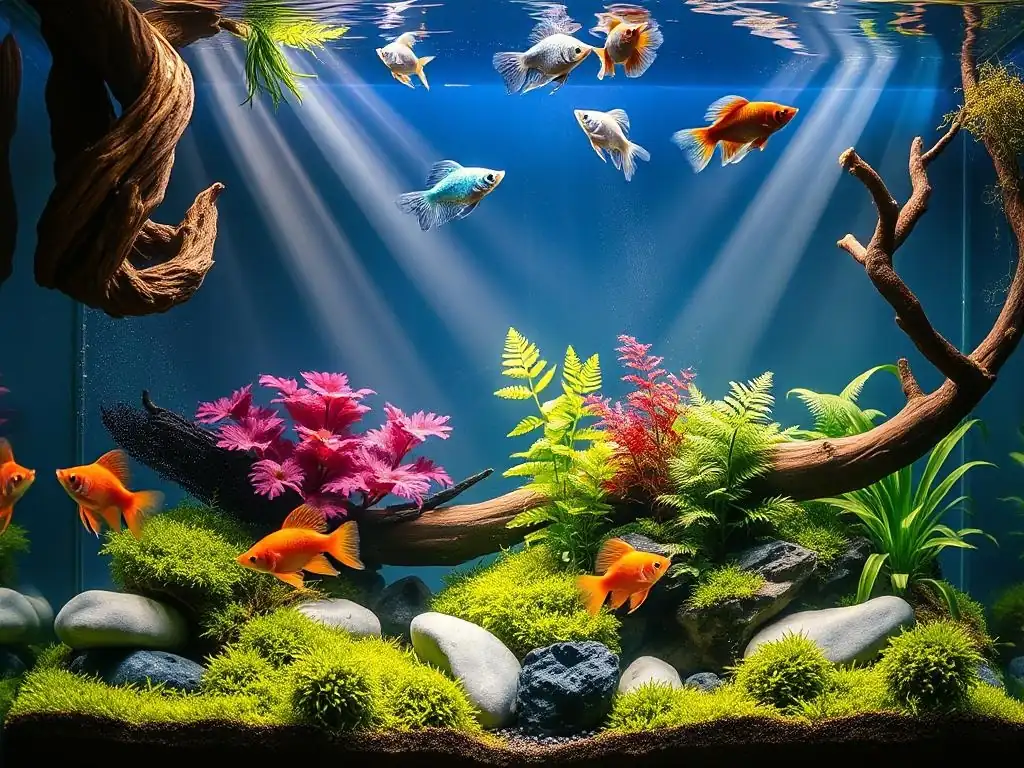
Welcome to Aquarium Mastery, your ultimate guide to creating thriving aquatic ecosystems! Ever wondered who makes the perfect companions for your lively Molly fish? Discover the secrets to building a harmonious and vibrant community tank as we delve into the world of "Molly fish compatible tank mates," exploring which species will flourish alongside your Mollies and which to avoid. Get ready to unlock the key to a peaceful and captivating aquarium – your underwater adventure starts now!
- Understanding Molly Fish Temperament and Compatibility
- Top Molly Fish Compatible Tank Mates for a Thriving Aquarium
- Creating the Ideal Environment for Your Molly Fish and Their Tank Mates
- Feeding Your Molly Fish and Their Tank Mates
- Observing and Managing Potential Issues in Your Molly Fish Tank
- Breeding Considerations in a Molly Fish Community Tank
- Advanced Tips for a Successful Molly Fish Community Tank
- Frequently Asked Questions
- Final Reflection: Cultivating Harmony in the Aquarium
- Dive Deeper: Cultivate Your Molly Haven!
Understanding Molly Fish Temperament and Compatibility
Molly Fish Behavior: What to Consider for Tank Mates
Molly fish are generally peaceful and active livebearers, known for their adaptability to a range of water conditions, including slightly brackish environments, though they thrive equally well in freshwater community tanks. They are schooling fish by nature and prefer to be kept in groups of at least three, ideally with a ratio of one male to two or three females to mitigate any potential male-on-male aggression or excessive chasing of a single female. These active swimmers typically occupy the top to mid-water columns of the aquarium, constantly exploring and grazing on algae.
Their energetic swimming style and maximum adult size, which can range from 2.5 inches for common mollies to 5 inches for Sailfin Mollies, are crucial factors when selecting Molly fish compatible tank mates. While generally non-aggressive, their constant movement can sometimes intimidate smaller, more timid species if the tank is not adequately sized or lacks sufficient hiding spots. Observing their interactions in the fish store before purchase can provide insight into their individual temperament and help ensure a harmonious community back home.
Assessing Tank Size for a Molly Fish Community
The minimum tank size for a small group of 3-4 Molly fish is typically a 20-gallon long aquarium. This provides ample swimming space for their active nature and helps dilute waste products more effectively than smaller tanks. For larger species like Sailfin Mollies, or if you plan to keep a more substantial group of Mollies, a 30-gallon or even 40-gallon breeder tank is highly recommended to ensure they have enough room to thrive and exhibit natural behaviors.
Tank size directly dictates the number and variety of Molly fish compatible tank mates you can safely house. A 20-gallon tank might accommodate a small school of Mollies and a few bottom-dwelling Corydoras catfish, maintaining a manageable bioload. Conversely, a 40-gallon breeder offers significantly more vertical and horizontal space, allowing for larger schools of Mollies (e.g., 6-8 individuals) and a wider selection of community fish, such as multiple schools of tetras or other livebearers, without overcrowding or stressing the inhabitants.
Top Molly Fish Compatible Tank Mates for a Thriving Aquarium
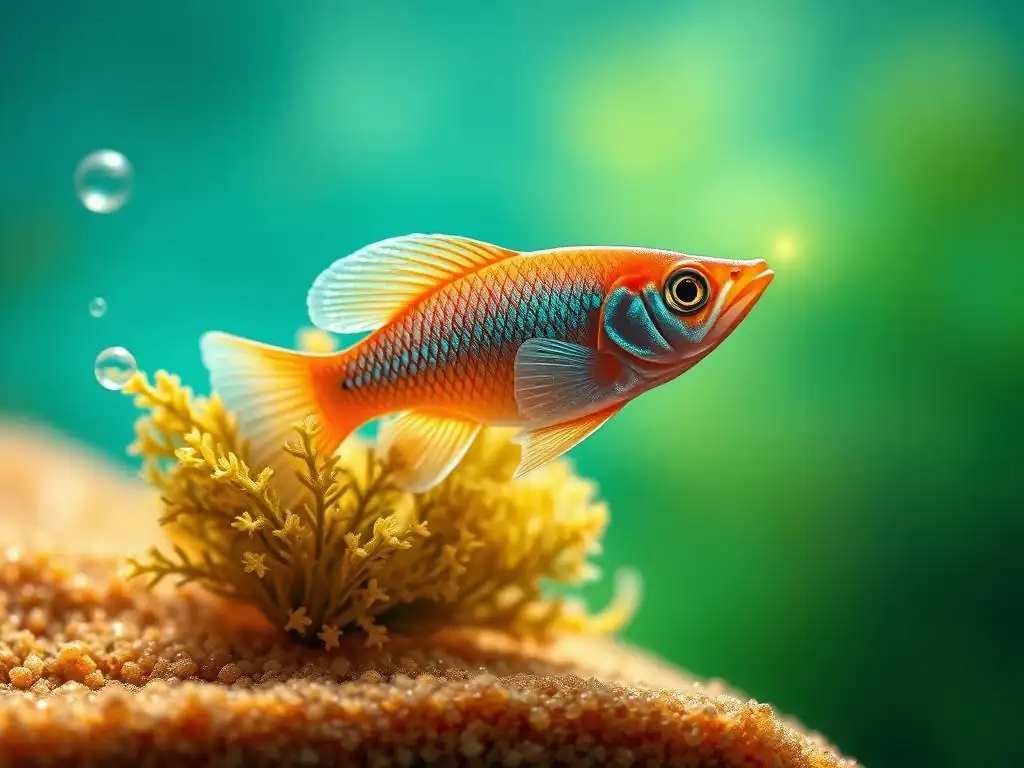
Peaceful Community Fish That Get Along With Mollies
Guppies as Molly Tank Mates: A Colorful Combination
Guppies are an excellent choice for Molly fish compatible tank mates due to their shared livebearing nature, similar water parameter preferences, and peaceful temperaments. Both species enjoy slightly hard, alkaline water and a temperature range of 72-82°F (22-28°C), making it easy to provide a consistent environment. Guppies, typically growing to 1.5-2.5 inches, occupy similar parts of the water column as Mollies, creating a visually dynamic and harmonious display.
Their non-aggressive nature ensures that Guppies will not harass Mollies, and vice versa. Both species are known for their vibrant colors and prolific breeding, which can lead to a self-sustaining population in a well-maintained tank. The combined activity and diverse coloration of Guppies and Mollies can transform an aquarium into a lively and captivating aquatic ecosystem, making them ideal companions.
Platy Fish: Another Livebearer Option for Molly Companions
Platy fish are another highly recommended option when seeking Molly fish compatible tank mates. Like Mollies and Guppies, Platies are livebearers, sharing very similar requirements for water parameters, diet, and temperament. Growing to about 2-2.5 inches, they are of comparable size to many Molly varieties, ensuring that neither species will feel intimidated or overly dominant.
Platies are active, peaceful, and come in a wide array of colors and patterns, adding significant aesthetic value to a community tank. Their hardiness and adaptability make them robust choices for beginner and experienced aquarists alike. Housing Platies with Mollies often results in a bustling, colorful tank where both species coexist peacefully, engaging in similar behaviors and contributing to a vibrant community.
Corydoras Catfish: Keeping the Bottom Clean in a Molly Tank
Corydoras catfish are perfect bottom-dwelling Molly fish compatible tank mates. These peaceful, armored catfish occupy an entirely different niche in the aquarium, spending their time sifting through the substrate for food, which prevents direct competition with Mollies for space or resources. Popular species like Bronze Corydoras (reaching about 2.5 inches) or Panda Corydoras (around 2 inches) are excellent choices due to their docile nature.
Beyond their peaceful demeanor, Corydoras play a beneficial role in tank maintenance. They are natural scavengers, diligently cleaning up uneaten food particles that fall to the bottom, thereby contributing to better water quality and reducing waste buildup. It's important to keep Corydoras in schools of at least 5-6 individuals, as they are highly social and thrive when kept with their own kind.
Neon Tetras: A Vibrant Schooling Fish for a Molly Aquarium
Neon Tetras, with their striking iridescent blue and red stripe, can be beautiful Molly fish compatible tank mates, adding a splash of vibrant color to the mid-water column. While Neon Tetras typically prefer slightly softer, more acidic water (pH 6.0-7.0) compared to Mollies' preference for harder, alkaline conditions (pH 7.5-8.5), both species can adapt and thrive in stable, neutral to slightly alkaline water (e.g., pH 7.2-7.5) if acclimated properly. Neons are small, usually reaching about 1.5 inches.
For a successful pairing, it is crucial to house Neon Tetras in a sufficiently large tank (30 gallons or more is recommended for a combined school) and ensure it is well-planted to provide ample hiding spots for these smaller, more timid fish. Keeping Neon Tetras in a school of at least 6-10 individuals will reduce their stress and encourage their natural schooling behavior, making them feel more secure alongside larger, more active Mollies.
Fish to Avoid Housing with Molly Fish
Aggressive Fish Species Unsuitable for Molly Tanks
When selecting Molly fish compatible tank mates, it is imperative to avoid highly aggressive or territorial fish species. Examples include many types of Cichlids (such as African Cichlids, Jack Dempseys, or Oscars), which are often too large and assertive, leading to constant harassment, fin nipping, and even predation on Mollies. Similarly, some larger Gourami species, particularly male Dwarf Gouramis, can become territorial and bully smaller or more docile tank mates.
Introducing aggressive fish will lead to chronic stress for your Mollies, compromising their immune systems and making them susceptible to diseases like Ich or fin rot. Even if direct physical harm isn't immediately apparent, the constant intimidation and competition for resources will significantly shorten the lifespan and diminish the well-being of your Mollies, making a peaceful community impossible to achieve.
Fin-Nipping Fish and Their Impact on Mollies
Certain fish species are notorious for fin-nipping, making them highly unsuitable as Molly fish compatible tank mates, especially for varieties with long, flowing fins like Sailfin Mollies. Tiger Barbs are a prime example; while sometimes kept in community tanks, their aggressive fin-nipping behavior can severely damage the delicate fins of Mollies, leading to stress, injury, and secondary bacterial infections. Other potential fin-nippers include some species of Danios (if not kept in very large schools) and certain larger Tetras like Serpae Tetras.
The consequences of fin-nipping extend beyond just cosmetic damage. Injured fins can become infected, leading to fin rot, a bacterial disease that can quickly spread and be difficult to treat. Constant harassment also induces significant stress, which weakens the Mollies' immune systems, making them more vulnerable to various diseases. To ensure the health and aesthetic appeal of your Mollies, it's crucial to thoroughly research the temperament of any potential tank mate and avoid known fin-nippers.
Creating the Ideal Environment for Your Molly Fish and Their Tank Mates
Water Parameters for a Happy Molly Fish Community
Molly fish thrive in hard, alkaline water, making them well-suited for many tap water conditions. The ideal pH range for Mollies is between 7.5 and 8.5, with a general hardness (GH) of 10-25 dGH (degrees of General Hardness) and a carbonate hardness (KH) of 10-20 dKH. The optimal temperature for Mollies and most Molly fish compatible tank mates is consistently between 72-82°F (22-28°C). While Mollies can tolerate slightly brackish conditions, the vast majority of their ideal tank mates are purely freshwater species, so maintaining a freshwater environment is usually best.
Consistency in water parameters is paramount. Sudden fluctuations in pH, temperature, or hardness can be highly stressful for fish, leading to weakened immune systems and susceptibility to disease. Regular testing using a reliable liquid test kit (e.g., API Freshwater Master Test Kit) is essential to monitor levels of ammonia (should be 0 ppm), nitrite (should be 0 ppm), and nitrate (ideally below 20 ppm). Maintaining these stable, optimal conditions ensures a healthy and thriving environment for your entire Molly fish community.
Maintaining Water Quality for Molly Fish and Tank Mates
Robust filtration is crucial for maintaining excellent water quality in a Molly fish community tank, given their active nature and the bioload of multiple fish. A filter system, whether a hang-on-back (HOB), canister, or sponge filter, should be rated for the tank size or slightly above, providing adequate mechanical filtration to remove particulate matter, chemical filtration to remove toxins and odors, and biological filtration for beneficial bacteria to process ammonia and nitrites. For a 20-gallon tank, a filter rated for 30-40 gallons is often recommended.
Beyond filtration, regular water changes are the cornerstone of good water quality. A weekly 25-30% water change helps remove accumulated nitrates, replenish essential trace minerals, and maintain stable pH and hardness levels. Simultaneously, gravel vacuuming during these changes removes detritus and uneaten food from the substrate, preventing the breakdown of organic matter that can lead to spikes in ammonia and nitrite, which are highly toxic to Mollies and their Molly fish compatible tank mates.
Plant Selection for a Molly-Friendly Aquarium
Live Plants That Provide Shelter and Oxygen for Mollies
Live plants are incredibly beneficial for a Molly fish community tank, providing both aesthetic appeal and crucial ecological functions. Hardy, easy-to-care-for plants like Java Fern, Anubias, Amazon Sword, and Hornwort are excellent choices. These plants offer essential hiding spots, particularly for Molly fry, and can help diffuse minor territorial squabbles among fish. They also absorb nitrates, contributing to better water quality, and perform photosynthesis, releasing oxygen into the water.
Densely planted areas, especially along the back and sides of the aquarium, create a sense of security for your Mollies and their Molly fish compatible tank mates. Floating plants such as Water Lettuce or Dwarf Water Lettuce can also be highly beneficial, providing shade that reduces stress and offering additional cover for any fry. A well-planted tank mimics a natural environment, encouraging natural behaviors and promoting overall fish health.
Avoiding Plants That Could Harm Molly Fish
While most common aquarium plants are safe for Mollies and their Molly fish compatible tank mates, it's important to be mindful of plant health and sourcing. Avoid introducing plants that show signs of disease or pest infestations, as these can quickly spread to your aquarium. Although rare, plants with extremely sharp or abrasive leaves could theoretically cause minor fin damage, but this is generally not a concern with standard aquatic plant species.
The primary concern when selecting plants is often related to their initial condition and potential contaminants. Always rinse new plants thoroughly before adding them to your tank to remove any residual pesticides or fertilizers that might be harmful to fish. Quarantining new plants in a separate container for a few days to a week can also help identify and address any hidden pests (like snails) or health issues before they are introduced into your established Molly community tank.
Feeding Your Molly Fish and Their Tank Mates
Ensuring All Fish Get Enough Food in a Community Tank
In a community tank with Mollies and various Molly fish compatible tank mates, ensuring all inhabitants receive adequate nutrition requires a strategic feeding approach. It is generally better to feed small amounts 2-3 times a day rather than one large meal. This method allows more timid fish, or those that feed slower, ample opportunity to eat without being outcompeted by more aggressive eaters. Observe your fish during feeding to gauge if everyone is getting enough and adjust quantities accordingly.
Mollies are omnivores and will readily accept a variety of foods. A high-quality flake food should form the staple of their diet, supplemented with spirulina-based flakes or pellets, as Mollies benefit significantly from vegetable matter. When feeding, ensure that food is distributed across the tank or sinks at different rates to cater to fish occupying various water columns—for instance, sinking pellets for bottom-dwelling Corydoras and flakes for mid-to-top dwelling Mollies and Tetras.
Supplementing Diet for Optimal Health of Mollies and Tank Mates
To ensure optimal health, vibrant coloration, and strong immune systems for your Mollies and their Molly fish compatible tank mates, supplementing their diet with a variety of live, frozen, and fresh foods is highly recommended. Mollies particularly benefit from blanched vegetables like zucchini slices or shelled peas, offered occasionally, which provide essential fiber and nutrients.
Once or twice a week, offer live or frozen foods such as brine shrimp, bloodworms, daphnia, or mosquito larvae. These protein-rich supplements mimic natural food sources, stimulate natural hunting behaviors, and provide a boost of essential vitamins and minerals that may not be present in flake foods alone. A diverse diet not only enhances the vitality of your fish but also contributes to their overall disease resistance and longevity in the community aquarium.
Observing and Managing Potential Issues in Your Molly Fish Tank
Recognizing Signs of Stress in Molly Fish and Their Tank Mates
Vigilant observation is key to maintaining a healthy Molly fish community tank. Recognizing early signs of stress or illness in your Mollies and their Molly fish compatible tank mates can prevent minor issues from escalating into widespread problems. Common indicators of stress or disease include clamped fins (fins held tightly against the body), lethargy or listlessness, loss of appetite, flashing (rubbing against objects or substrate), rapid gill movement, faded or dull coloration, and unusual swimming patterns like shimmying or erratic movements.
Any deviation from normal behavior warrants immediate investigation. Prompt action, such as testing water parameters (ammonia, nitrite, nitrate, pH, temperature), performing a small water change, or isolating an affected fish in a hospital tank for closer observation and treatment, can significantly improve outcomes. Early detection and intervention are crucial for the well-being of your entire aquatic community.
Quarantine Procedures for New Fish Before Introducing Them to Mollies
Implementing a strict quarantine procedure for all new fish, including potential Molly fish compatible tank mates, is one of the most critical steps in preventing disease outbreaks in your main display tank. A separate quarantine tank, ideally 10-20 gallons, should be set up with a heater, filter, and basic decor. New fish should reside in this tank for a minimum of 2-4 weeks before being introduced to your established Molly community.
During the quarantine period, observe the new fish closely for any signs of illness, parasites (like Ich or velvet), or unusual behavior. Feed them a healthy diet and perform regular small water changes. If any signs of disease appear, treat them in the quarantine tank to prevent the spread of pathogens to your main aquarium. This simple, proactive measure can save your entire established fish population from devastating and often difficult-to-treat diseases.
Breeding Considerations in a Molly Fish Community Tank
Managing Molly Fish Population Growth with Tank Mates
Molly fish are prolific livebearers, capable of giving birth to 20-100 live fry approximately every 30-45 days once they reach sexual maturity. In a community tank, the presence of various Molly fish compatible tank mates, along with the adult Mollies themselves, often provides a natural form of population control through predation. Most adult fish, including Mollies, will readily consume newborn fry, which helps prevent overpopulation without direct intervention.
If you wish to control the population naturally, ensure the tank has open areas where fry are easily accessible to predators. Alternatively, if you desire to save some fry, dense planting, especially with fine-leafed plants like Java Moss or Hornwort, can provide some hiding spots, allowing a small number of fry to survive into adulthood. Actively breeding Mollies will require careful consideration of their rapid population growth in a mixed community.
Protecting Molly Fry From Potential Predators in the Aquarium
For aquarists aiming to raise Molly fry, protecting them from predation by adult Mollies and other Molly fish compatible tank mates is essential. The most effective method is to provide abundant hiding places within the tank. Densely planted areas, particularly with bushy, fine-leafed plants such as Java Moss, Hornwort, or Guppy Grass, offer excellent refuge for tiny fry immediately after birth. Floating plants also provide crucial cover near the water surface where fry often initially congregate.
For a higher survival rate, a pregnant female Molly can be moved to a dedicated breeding box or a separate "fry grow-out" tank just before she is due to give birth. Once the fry are born, the female can be returned to the main tank, and the fry can be raised separately on specialized fry food until they are large enough to safely join the community tank without being seen as a meal by larger inhabitants.
Advanced Tips for a Successful Molly Fish Community Tank
Choosing the Right Substrate for a Molly and Community Tank
The choice of substrate can significantly impact the health and aesthetic of your Molly fish community tank. Fine gravel or sand is generally ideal, particularly if you plan to include bottom-dwelling Molly fish compatible tank mates like Corydoras catfish. These types of substrates protect the delicate barbels of Corydoras, preventing injury as they sift through the bottom for food. Darker substrates can also help to bring out the vibrant colors of your Mollies and other fish, making them appear more striking.
From a water chemistry perspective, some substrates can help maintain the hard, alkaline conditions preferred by Mollies. For instance, crushed coral or aragonite sand can slowly dissolve, buffering the water to a higher pH and hardness, which is beneficial for Molly health. However, ensure that any chosen substrate is safe and suitable for all your Molly fish compatible tank mates and does not introduce unwanted elements into the water.
Implementing a Regular Water Change Schedule for a Healthy Aquarium
Implementing and strictly adhering to a regular water change schedule is perhaps the single most important advanced tip for a thriving Molly fish community tank. For a well-stocked aquarium with Mollies and their active tank mates, a weekly water change of 25-30% is generally recommended. This consistent routine is vital for removing accumulated nitrates, replenishing essential trace minerals that fish and plants utilize, and maintaining stable water parameters.
Consistent water changes prevent the buildup of harmful toxins, reduce stress on your fish, and promote overall health, vigorous growth, and vibrant coloration. Skipping water changes, even for a week or two, can lead to a gradual decline in water quality, stressing fish and making them more susceptible to disease. Regular, diligent maintenance is the cornerstone of a successful and long-lasting aquarium, ensuring your Mollies and their Molly fish compatible tank mates flourish.
Frequently Asked Questions
What makes a good tank mate for Molly fish?
A good tank mate is generally peaceful and shares similar water parameter requirements with mollies. Avoid aggressive or fin-nipping species.
Can I keep Molly fish with other livebearers?
Yes, mollies can often be kept with other livebearers like platies and guppies. However, be mindful of potential overpopulation due to breeding.
Are there any specific fish I should avoid keeping with Molly fish?
Avoid keeping mollies with aggressive fish like bettas or larger cichlids that may bully or prey on them. Also, avoid fish requiring drastically different water conditions.
How many Molly fish should I keep together?
Mollies are social fish and should be kept in groups of at least three to five. This helps distribute aggression and reduces stress on individual fish.
What are some good bottom-dwelling tank mates for Molly fish?
Good bottom-dwelling options include Corydoras catfish or Otocinclus catfish. These help keep the tank clean and are generally peaceful towards mollies.
Final Reflection: Cultivating Harmony in the Aquarium
The insights shared throughout this article highlight the importance of thoughtful community planning when keeping Molly fish. Understanding the temperament and needs of potential tank mates is not merely about avoiding conflict; it's about creating a thriving and balanced ecosystem where every fish can flourish. This principle extends beyond the aquarium, reminding us of the value of compatibility and understanding in any shared environment.
This exploration of Molly fish compatibility has underscored the delicate balance within an aquarium ecosystem. It's a microcosm of the larger world, where understanding and respecting the needs of others is crucial for harmonious coexistence. The best way to find yourself is to lose yourself in the service of others.
- Mahatma Gandhi. This quote resonates deeply when considering the responsibility we undertake when creating a community, whether it's in a fish tank or in our own lives.
Now, consider how you can apply these principles of compatibility and mindful cohabitation beyond the glass walls of an aquarium. How can you cultivate a more peaceful and supportive environment in your own community, workplace, or home? By understanding the needs of those around you and fostering a spirit of mutual respect, you can contribute to a richer, more harmonious world, one mindful interaction at a time.
Dive Deeper: Cultivate Your Molly Haven!
Thank you for exploring the world of molly tank mates with us! We hope you've discovered valuable insights into creating a harmonious aquarium community. Now, let's turn that knowledge into action!
Here are some ways you can further enhance your molly's environment:
- Prioritize Your Tank! Introduce one of the recommended species we discussed, like corydoras catfish or harlequin rasboras, to your existing molly tank, carefully monitoring their interactions and ensuring a peaceful transition.
- Share your newfound wisdom! Forward this article to fellow aquarium enthusiasts or engage in online forums to discuss your experiences and help others build thriving molly communities.
- Unleash Your Creativity! Design a new scape for your tank, incorporating plants and decorations that cater to both molly and their chosen tank mate's needs. Maybe a new background, different substrate, or new rocks?
What unique combination of fish species will you introduce to your molly tank, and what unexpected benefits do you anticipate seeing?