
Stress in Schooling Cyprinids: Signs, Causes, and How to Create a Calm Tank

Welcome to Aquarium Mastery!
Ever wondered why your schooling cyprinids aren't thriving, even when the water seems perfect? Discover the subtle signs of stress and unlock the secrets to creating a truly calm tank for your cyprinids. Dive in to learn how to transform your aquarium into a peaceful haven where your fish can flourish. Ready to unravel the mysteries of cyprinid happiness? Let's get started!
- Stress in schooling Harlequin Rasboras: Signs, Causes, and How to Create a Calm Tank
- Understanding Stress in Harlequin Rasboras: Why a Calm Tank is Crucial
- Recognizing Signs of Stress in Harlequin Rasboras: A Visual Guide
- Root Causes of Stress in Harlequin Rasbora Aquariums
- Creating a Calm Tank Environment for Healthy Harlequin Rasboras: A Step-by-Step Guide
- Long-Term Maintenance for a Stress-Free Harlequin Rasbora Tank
- Preventing Stress in Harlequin Rasboras: A Checklist for Success
-
Frequently Asked Questions
- What are the common signs of stress in schooling cyprinids in an aquarium?
- What are the primary causes of stress in cyprinids within a typical aquarium environment?
- How can I create a "calm tank" environment specifically tailored for schooling cyprinids?
- What role does water chemistry play in reducing stress for cyprinids?
- Besides water quality, what other factors contribute to a stress-free environment for schooling cyprinids?
- Final Reflection: Cultivating Tranquility in Aquatic Environments
- Unlock a Stress-Free Life for Your Cyprinids!
Stress in schooling Harlequin Rasboras: Signs, Causes, and How to Create a Calm Tank
Understanding Stress in Harlequin Rasboras: Why a Calm Tank is Crucial
The Importance of a Stress-Free Environment for Small Schooling Fish
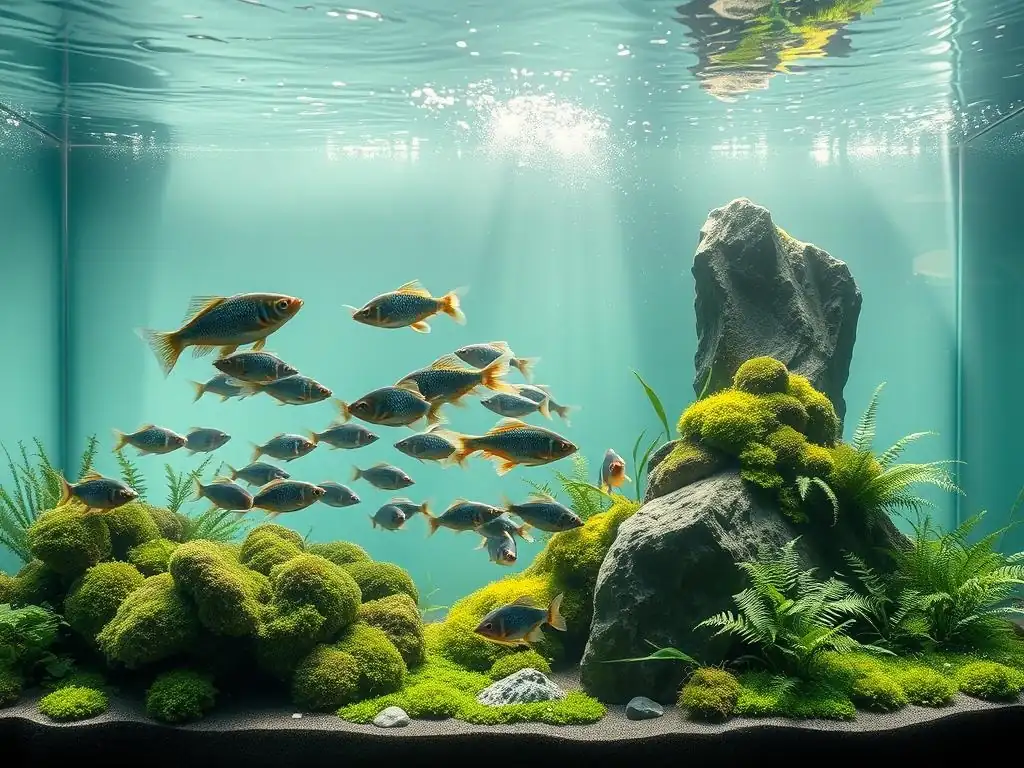
Creating a stress-free environment is paramount for the health and longevity of small schooling fish like Harlequin Rasboras (Trigonostigma heteromorpha). These vibrant fish originate from slow-moving, often blackwater streams in Southeast Asia, where they naturally exist in large schools, relying on safety in numbers and abundant plant cover. A well-designed, peaceful aquarium mimics these natural conditions, allowing them to exhibit their inherent schooling behaviors and thrive. When their environment fails to provide this sense of security, their natural instincts for survival are constantly triggered, leading to chronic stress which can be detrimental to their well-being.
A truly calm tank for Harlequin Rasboras provides more than just clean water; it offers a sanctuary where their inherent needs for security, space, and appropriate social interaction are met. Without this foundational stability, even minor environmental fluctuations can become significant stressors. For instance, a tank that lacks adequate hiding spots will leave these small fish feeling exposed, leading to constant anxiety, which is a far cry from the serene existence they require.
How Stress Impacts Harlequin Rasbora Health and Behavior
Stress in Harlequin Rasboras has a profound impact on their physiological and behavioral health. Physiologically, chronic stress suppresses their immune system, making them highly susceptible to common fish diseases such as Ich (white spot disease), fin rot, and various bacterial infections. This weakened state means they struggle to fight off pathogens that healthy fish might easily resist. For example, a stressed Harlequin Rasbora is significantly more likely to contract Ichthyophthirius multifiliis due to compromised immunity, potentially leading to widespread infection within the school.
Behaviorally, stressed Harlequin Rasboras exhibit a range of concerning changes. They may become lethargic, spending excessive time hiding or hovering motionless in corners. Conversely, some may display erratic darting movements or become uncharacteristically aggressive, nipping at tank mates, which is highly unusual for their peaceful nature. A key indicator of stress is the breakdown of their natural schooling behavior; instead of moving cohesively, individual fish may separate from the group, appear disoriented, or refuse to eat. These behavioral deviations are clear signals that the calm tank for cyprinids they require is not being adequately provided.
Recognizing Signs of Stress in Harlequin Rasboras: A Visual Guide
Common Stress Indicators: Physical Symptoms
Observing physical symptoms is often the first step in identifying stress in Harlequin Rasboras. One of the most common signs is a noticeable fading of their normally vibrant, copper-orange coloration; stressed fish often appear pale or washed out. Clamped fins, where the dorsal, caudal, and anal fins are held tightly against the body rather than fanned out, are another clear indicator of distress.
Rapid gill movement, or gasping at the surface, can suggest poor water quality or low oxygen levels, both significant stressors. Additionally, look for visible signs of disease, such as white spots from Ich, fuzzy growths from fungal infections, or frayed fins from bacterial issues, all of which are often secondary infections resulting from a weakened immune system due to underlying stress.
Another physical manifestation of stress can be a noticeable loss of appetite or a refusal to eat, leading to visible weight loss over time. While subtle, a healthy Harlequin Rasbora should have a slightly rounded belly. A concave or "pinched" appearance can indicate prolonged stress and malnourishment. Furthermore, persistent scratching against tank decor or substrate, often referred to as "flashing," can be a sign of external parasites or irritants in the water, which are stressors themselves. Recognizing these subtle physical cues is crucial for maintaining a calm tank for Harlequin Rasboras.
Behavioral Changes Indicating Stress in Schooling Harlequin Rasboras
Behavioral changes are equally important in detecting stress. Harlequin Rasboras are natural schoolers; a healthy group will swim together cohesively, exploring their environment. When stressed, this schooling behavior often breaks down, with individuals isolating themselves or appearing disoriented. They might hide excessively, spending most of their time tucked away behind plants or decorations, indicating a feeling of insecurity. Conversely, some stressed fish may become unusually bold or aggressive, chasing or nipping at tank mates, a stark deviation from their typically peaceful demeanor. This can be particularly disruptive in a community tank.
Another common behavioral sign is erratic swimming patterns, such as darting suddenly or swimming aimlessly without purpose. They might also spend an unusual amount of time at the water's surface, gasping for air, or resting motionless at the bottom, indicating severe distress. A healthy Harlequin Rasbora is active and curious. Any significant deviation from their usual lively and synchronous movements within the school should prompt an immediate investigation into potential stressors. Ensuring these social needs are met is vital for a calm tank for cyprinids.
Monitoring Your Harlequin Rasboras: Early Detection is Key
Consistent and routine monitoring of your Harlequin Rasboras is paramount for early stress detection. Dedicate a few minutes each day to simply observe your fish, noting their swimming patterns, coloration, feeding habits, and interactions with tank mates. Establishing a baseline understanding of your fish's normal behavior allows you to quickly spot any deviations. For instance, if your school of eight Harlequin Rasboras typically swims actively in the mid-water column, but suddenly you notice three individuals isolating themselves behind a filter, this is a clear red flag.
Early detection provides the best chance for successful intervention before stress leads to severe health issues. Keep a small logbook or mental note of water parameters, feeding times, and any unusual observations. If you notice a fish with slightly clamped fins one day, an immediate check of water parameters and a quick visual inspection for external parasites could prevent a full-blown outbreak. Proactive monitoring transforms your aquarium management from reactive crisis control to preventive care, ensuring a consistently calm tank for Harlequin Rasboras.
Root Causes of Stress in Harlequin Rasbora Aquariums
Poor Water Quality: A Major Stress Factor
Ammonia and Nitrite Spikes: Silent Killers
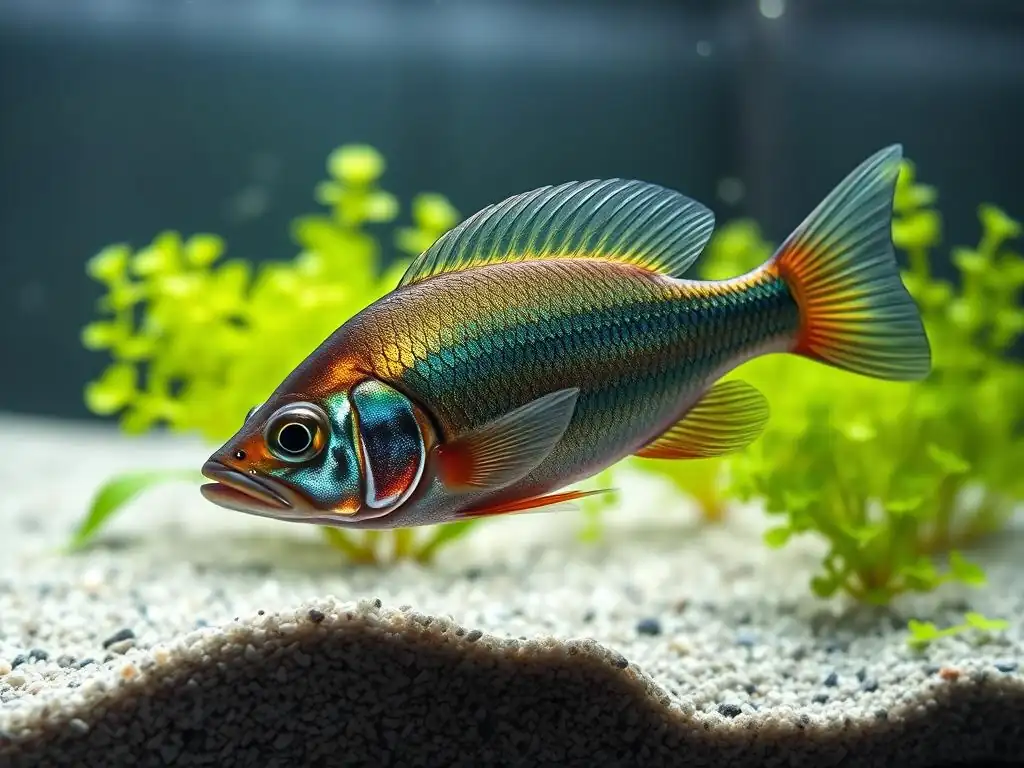
Poor water quality stands as one of the most significant and insidious stressors for all aquarium fish, including Harlequin Rasboras. Ammonia (NH3) and nitrite (NO2) are particularly toxic byproducts of the nitrogen cycle, arising from fish waste, uneaten food, and decaying plant matter. Even at low concentrations, these compounds can cause severe damage to fish gills, impairing their ability to absorb oxygen and leading to internal organ damage.
For instance, ammonia levels as low as 0.25 parts per million (ppm) can cause stress and gill damage over time, while concentrations above 1 ppm are often acutely lethal. Nitrite, similarly, interferes with oxygen transport in the blood, leading to "brown blood disease," making the fish appear to suffocate even in oxygen-rich water.
These silent killers are especially prevalent in newly set up tanks that haven't completed the nitrogen cycle (uncycled tanks) or in established tanks that are overcrowded or poorly maintained. Harlequin Rasboras exposed to elevated ammonia or nitrite levels will exhibit gasping at the surface, rapid gill movements, lethargy, and a darkening of their typically vibrant colors. Prolonged exposure severely compromises their immune system, leaving them highly vulnerable to secondary infections. Ensuring a fully cycled and stable aquatic environment is fundamental to providing a calm tank for cyprinids.
Maintaining Optimal Water Parameters for Harlequin Rasboras
Maintaining precise and stable water parameters is crucial for preventing stress in Harlequin Rasboras. These fish thrive in soft to moderately hard water with a pH range of 6.0 to 7.5. Ideally, the general hardness (GH) should be between 5-12 dGH (89-214 ppm) and carbonate hardness (KH) between 3-8 dKH (53-142 ppm). The optimal temperature range for Harlequin Rasboras is 73-80°F (23-27°C). Fluctuations outside these ranges, even slight ones, can cause significant stress. For example, a sudden drop in pH below 6.0 can lead to acidosis, causing respiratory distress and lethargy.
Beyond pH, hardness, and temperature, it is vital to keep nitrate (NO3) levels consistently low, ideally below 20 ppm. While less toxic than ammonia or nitrite, high nitrates accumulate over time and contribute to chronic stress, reducing a fish's overall vitality and lifespan. Regular testing with a reliable liquid test kit is indispensable to monitor these parameters and ensure the environment remains within the optimal range, thus providing a consistent and calm tank for Harlequin Rasboras.
Overcrowding and Inadequate Tank Size
Space Requirements for Harlequin Rasboras
Harlequin Rasboras, though small, are active schooling fish that require adequate space to thrive and exhibit their natural behaviors. A common guideline often cited is a minimum of 10 gallons for a small school of 6-8 individuals. However, for a truly thriving and less stressed school, a 20-gallon long tank or larger is highly recommended. This increased footprint provides ample swimming room for the entire school to move cohesively and reduces competition for resources. For instance, in a 10-gallon tank, a school of eight Harlequin Rasboras might feel cramped, leading to timid behavior or minor squabbles over territory.
The "inch per gallon" rule is often insufficient for active schooling species like Harlequin Rasboras. A group of eight fish, each averaging 1.5 inches, would total 12 inches, seemingly fitting a 10-gallon tank. However, this rule doesn't account for the fish's activity level, waste production, or the psychological need for space for schooling. Providing more horizontal swimming space is far more beneficial than vertical space for these mid-water dwellers, making a 20-gallon long (30 inches in length) superior to a 20-gallon high (24 inches in length) for a calm tank for cyprinids.
The Impact of Stocking Density on Harlequin Rasbora Stress Levels
High stocking density, or overcrowding, directly escalates stress levels in Harlequin Rasboras. In a crowded tank, competition for food, swimming space, and hiding spots intensifies, leading to increased aggression and chronic anxiety. For example, if a 10-gallon tank houses 15 Harlequin Rasboras, the constant close proximity can prevent them from forming a proper, secure school, making them feel vulnerable. This cramped environment also rapidly degrades water quality due to the increased bioload, leading to elevated ammonia, nitrite, and nitrate levels, which further compound stress.
Overcrowding also inhibits natural behaviors. Harlequin Rasboras need space to dart and weave as a cohesive unit. When confined, their movements become restricted, leading to lethargy or frantic, aimless swimming. This constant state of unease can result in stunted growth, faded coloration, and increased susceptibility to disease. Ultimately, a tank that is too small or too heavily stocked becomes a source of continuous stress rather than a sanctuary, undermining the goal of a calm tank for Harlequin Rasboras.
Incompatible Tank Mates: Bullying and Predation
Identifying Aggressive Fish Species
Choosing incompatible tank mates is a significant cause of stress for peaceful Harlequin Rasboras. Aggressive or territorial fish species can constantly harass, nip at fins, or even prey upon these small, gentle fish.
Examples of species to avoid include larger cichlids (e.g., Convict Cichlids, even some larger Dwarf Cichlids if not carefully selected), certain types of Barbs (notably Tiger Barbs, which are notorious fin-nippers), and some larger Gouramis (like the Pearl Gourami, which can be peaceful but may intimidate smaller fish). Even seemingly benign fish can become problematic if they are significantly larger or require different water parameters, leading to a mismatch in temperament or environmental needs.
Fin-nipping is a common issue with aggressive tank mates, leading to physical injury, secondary infections, and chronic stress for the Harlequin Rasboras. For instance, a single Tiger Barb can relentlessly harass an entire school of Harlequins, preventing them from feeding or schooling properly. Predation is also a risk; any fish with a mouth large enough to swallow a Harlequin Rasbora should be avoided. Thorough research into the temperament, adult size, and specific needs of any potential tank mate is essential to prevent conflicts and ensure a calm tank for cyprinids.
Choosing Peaceful Tank Mates for Harlequin Rasboras
Selecting compatible tank mates is crucial for a peaceful and stress-free Harlequin Rasbora aquarium. Ideal companions are peaceful, non-aggressive, and similar in size or slightly larger but docile. They should also share similar water parameter requirements to ensure all inhabitants can thrive. Excellent choices include other small, peaceful schooling fish like Neon Tetras, Ember Tetras, or Rummy Nose Tetras, which complement the Harlequins' schooling behavior without competing aggressively. Bottom-dwellers like Corydoras catfish (e.g., Panda Corydoras, Pygmy Corydoras) and Otocinclus catfish are also excellent additions, as they occupy different tank levels and are entirely non-aggressive.
Other suitable tank mates can include Dwarf Gouramis (e.g., Honey Gourami, Dwarf Gourami), provided they are kept singly or as a pair and are observed for territoriality. Small, peaceful invertebrates like Amano Shrimp or Cherry Shrimp can also coexist, though very young Harlequin Rasboras might occasionally nip at shrimplets. The key is to avoid any species known for aggression, nipping, or being large enough to view Harlequin Rasboras as food. A carefully curated community ensures that every fish feels secure and contributes to a harmonious and calm tank for Harlequin Rasboras.
Inadequate Hiding Places and Lack of Enrichment
The Importance of Plants and Decorations
Harlequin Rasboras, much like many small schooling fish, naturally seek shelter and security in densely planted areas and among submerged roots or driftwood in their native habitats. Replicating this in the aquarium is vital for reducing stress. Live plants such as Java Fern, Anubias, Cryptocoryne species, and various stem plants like Hornwort or Water Sprite provide essential visual barriers and hiding spots.
When these fish feel exposed, they become anxious and may exhibit shy behavior, constantly trying to hide or darting erratically. A tank sparsely decorated offers no sense of security, leaving them vulnerable to perceived threats, whether from tank mates or activity outside the tank.
Decorations like driftwood branches, smooth rocks, and ceramic caves also serve as important retreats. For example, a piece of branching driftwood can offer multiple nooks and crannies where individual fish can rest or seek refuge if feeling threatened, without completely isolating themselves from the school. The presence of ample cover allows Harlequin Rasboras to feel safe, which encourages them to explore the rest of the tank more confidently and exhibit their natural schooling behavior. This enrichment is fundamental to creating a calm tank for cyprinids.
Creating a Natural and Stimulating Environment
Beyond simply providing hiding places, creating a natural and stimulating environment is crucial for the psychological well-being of Harlequin Rasboras. This involves thoughtful aquascaping that mimics their natural habitat, incorporating varied textures, heights, and open swimming spaces alongside dense planting. For instance, a layout that includes a section of dense stem plants at the back, a few pieces of driftwood in the midground, and an open sand patch in the foreground allows for both security and exploration. This varied environment reduces monotony and encourages natural foraging behaviors.
Using a dark substrate, such as black sand or fine gravel, can also help Harlequin Rasboras feel more secure and enhance their natural coloration, as it reduces reflections and provides a sense of depth. Gentle water flow, replicating their slow-moving stream origins, can be achieved with appropriate filtration and flow direction. A truly stimulating environment reduces boredom and anxiety, promoting overall fish health and vitality. A well-designed, stimulating habitat is key to a truly calm tank for Harlequin Rasboras.
Sudden Changes in Temperature or Lighting
Maintaining Stable Tank Conditions
Sudden and drastic changes in water temperature are a significant source of stress for Harlequin Rasboras. These fish are ectothermic, meaning their body temperature is regulated by their environment. A rapid temperature swing, even by a few degrees Fahrenheit (e.g., more than 2-3°F within an hour), can shock their systems, compromise their immune response, and lead to illness.
This can occur due to faulty heaters, large water changes with significantly different temperature water, or even ambient room temperature fluctuations if the tank is unheated or poorly insulated. Maintaining a consistent temperature within their optimal range of 73-80°F (23-27°C) is paramount.
A reliable, properly sized submersible heater with an accurate thermostat is essential for preventing temperature fluctuations. Placing the heater near a filter output or in an area with good water circulation ensures even heat distribution throughout the tank. Regular monitoring with a separate, accurate thermometer provides a crucial double-check. Stability in temperature contributes significantly to a consistently calm tank for cyprinids.
Gradual Acclimation Processes for New Harlequin Rasboras
The acclimation process for new Harlequin Rasboras is a critical step often overlooked, yet it directly impacts their initial stress levels. Dumping new fish directly into a tank with different water parameters (temperature, pH, hardness) can cause severe osmotic shock, leading to immediate stress and potential fatalities.
A gradual acclimation process, such as drip acclimation or a slow bag acclimation over 30-60 minutes, allows the fish to slowly adjust to the new water chemistry and temperature. This method involves slowly mixing small amounts of tank water into the bag containing the new fish until the water parameters in the bag closely match those of the aquarium.
Similarly, sudden changes in lighting can be stressful. Harlequin Rasboras appreciate a consistent light cycle, typically 8-10 hours per day, mimicking natural daylight patterns. Abruptly turning lights on or off, or leaving them on for excessively long periods (e.g., 14+ hours), can disrupt their natural rhythms, leading to anxiety and even contributing to algae blooms. Using a timer for aquarium lights ensures a predictable and stable light cycle, further contributing to a calm tank for Harlequin Rasboras.
Creating a Calm Tank Environment for Healthy Harlequin Rasboras: A Step-by-Step Guide
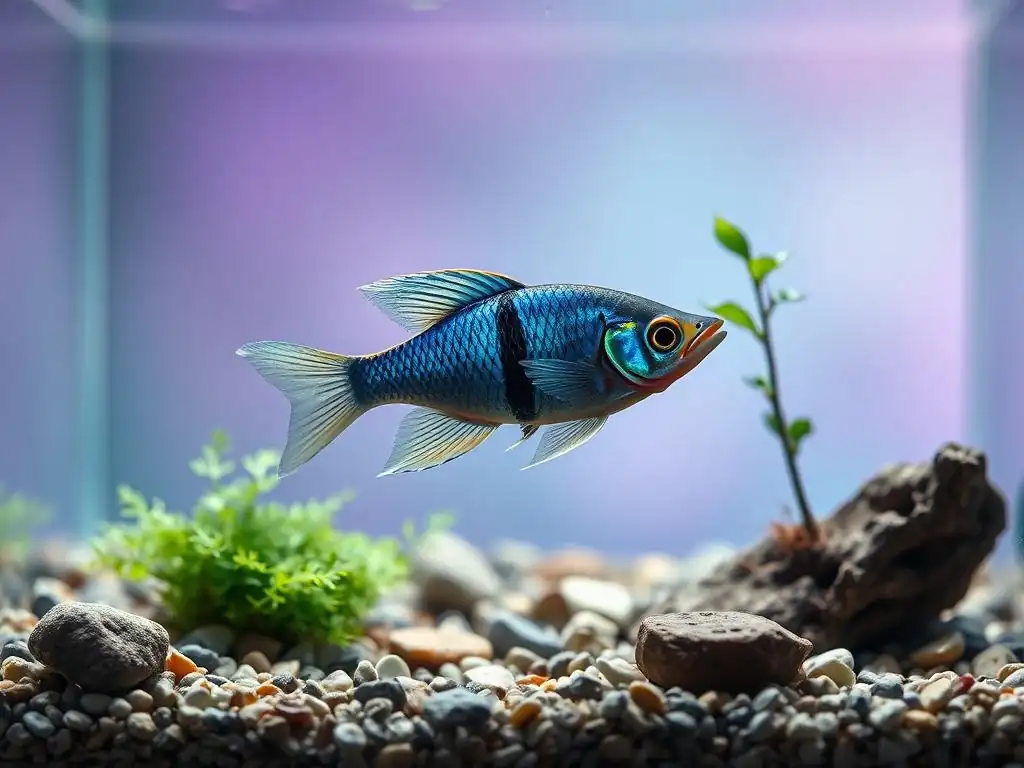
Step 1: Optimizing Water Quality for Harlequin Rasboras
Regular Water Changes: A Must-Do
Regular water changes are the cornerstone of excellent water quality and a fundamental practice for creating a calm tank for cyprinids. For most established Harlequin Rasbora tanks, a weekly water change of 25-30% is recommended. This routine removes accumulated nitrates, phosphates, and other dissolved organic compounds that can build up over time and contribute to chronic stress. For example, if your 20-gallon tank has nitrate levels creeping towards 30 ppm by the end of the week, a 25% water change will effectively reduce them to around 22.5 ppm, assuming the tap water has zero nitrates.
Beyond chemical removal, water changes also replenish essential minerals and trace elements that are consumed by plants and fish. Always use a high-quality water conditioner to neutralize chlorine and chloramines present in tap water, which are highly toxic to fish. Ensure the new water is temperature-matched to the aquarium water to prevent thermal shock, maintaining the crucial stability that Harlequin Rasboras need.
Choosing the Right Filter for Your Harlequin Rasbora Tank
Selecting the appropriate filter is vital for maintaining pristine water quality and a calm tank for Harlequin Rasboras. For their relatively small bioload and preference for gentle flow, a hang-on-back (HOB) filter with adjustable flow settings or a sponge filter is often ideal. HOB filters provide excellent mechanical, chemical, and biological filtration, effectively removing particulate matter, toxins, and supporting beneficial bacteria that convert harmful ammonia and nitrite into less toxic nitrate.
Look for models with a flow rate that turns over the tank volume 4-6 times per hour without creating excessive current that would stress these delicate fish. For example, a 20-gallon tank would benefit from a filter rated for 80-120 gallons per hour.
Sponge filters, powered by an air pump, offer gentle biological filtration and are particularly good for smaller tanks or breeding setups where strong currents are undesirable. Canister filters are also an option for larger tanks, providing robust filtration, but ensure the output can be diffused to prevent strong currents. Regardless of the type, ensure the filter media is regularly cleaned or replaced according to manufacturer guidelines to maintain efficiency, remembering never to clean biological media with chlorinated water.
Monitoring Water Parameters with Test Kits
Consistent monitoring of water parameters using reliable test kits is non-negotiable for a stress-free Harlequin Rasbora environment. Liquid-based test kits, such as the API Freshwater Master Test Kit, are highly recommended over test strips for their accuracy and reliability. You should regularly test for:
- Ammonia (NH3/NH4+): Should always be 0 ppm.
- Nitrite (NO2-): Should always be 0 ppm.
- Nitrate (NO3-): Should be kept below 20 ppm, ideally below 10 ppm.
- pH: Maintain between 6.0 and 7.5.
- Temperature: Keep stable between 73-80°F (23-27°C).
During the initial cycling phase of a new tank, test parameters daily. Once the tank is established and stable, testing weekly or bi-weekly is usually sufficient. Any sudden spikes or prolonged deviations from the optimal range require immediate corrective action, such as a partial water change or addressing the root cause (e.g., overfeeding, overcrowding). Proactive monitoring empowers you to address issues before they escalate into significant stressors, ensuring a consistently calm tank for Harlequin Rasboras.
Step 2: Providing Adequate Space and Schooling Opportunities
Determining the Correct Tank Size
The correct tank size is foundational to the well-being of Harlequin Rasboras, directly impacting their ability to form a cohesive school and feel secure. While a 10-gallon tank is often cited as the absolute minimum for a small school (6-8 individuals), a 20-gallon long (approximately 30x12x12 inches) is significantly better for a thriving group of 8-12 Harlequin Rasboras.
The longer footprint provides ample horizontal swimming space, which is crucial for these active, mid-water schooling fish. For instance, in a 20-gallon long, a school can stretch out and move as a unit, exhibiting natural behaviors, whereas in a smaller or taller tank, they might feel cramped and inhibited.
Providing sufficient space reduces internal stress from perceived confinement and minimizes aggression or competition among school members. It also allows for more stable water parameters by diluting waste more effectively. Investing in a larger tank from the outset prevents future issues related to overcrowding and ensures that your Harlequin Rasboras have the room they need to live a healthy, stress-free life. A spacious environment is a key component of a calm tank for cyprinids.
Maintaining a Proper Schooling Group Size
Harlequin Rasboras are obligate schoolers, meaning they require the presence of a sufficient number of their own kind to feel secure and exhibit natural behaviors. A minimum group size of 6-8 individuals is essential. Keeping fewer than this number can lead to extreme shyness, increased stress, and a reluctance to venture into open water. For example, a single Harlequin Rasbora or a pair will likely spend most of their time hiding, exhibiting faded colors, and refusing to eat, as they lack the safety in numbers that their instincts demand.
Ideally, a school of 10-12 Harlequin Rasboras in a 20-gallon long or larger tank will display the most vibrant colors and active schooling patterns. The larger the group, the more confident and secure the individual fish will feel, leading to less stress and more natural interactions. A well-sized school also spreads out any minor aggression or competition, preventing any single fish from being constantly picked on. Ensuring a robust schooling group is a fundamental aspect of establishing a calm tank for Harlequin Rasboras.
Step 3: Selecting Compatible Tank Mates
Researching Temperaments and Behaviors
Thorough research into the temperament and adult size of any potential tank mate is paramount before introducing them to a Harlequin Rasbora aquarium. Simply assuming a fish is "small" or "peaceful" can lead to disastrous consequences. For example, while some smaller characins like Ember Tetras are excellent companions, other tetras, such as Serpae Tetras, can be notorious fin-nippers despite their size. Research should focus on:
- Temperament: Is the fish known to be peaceful, semi-aggressive, or aggressive?
- Adult Size: Will it grow large enough to potentially prey on or intimidate Harlequin Rasboras?
- Activity Level: Will it constantly dart around, stressing out the more placid Harlequins?
- Water Parameter Needs: Do its ideal water parameters (pH, temperature, hardness) align with those of Harlequin Rasboras?
Consult reputable online forums, fishkeeping books, and species profiles. Avoid impulse purchases based solely on appearance. This careful selection process is crucial for maintaining a harmonious and calm tank for cyprinids.
Avoiding Fin-Nippers and Aggressive Species
To ensure a stress-free environment for Harlequin Rasboras, it is imperative to avoid tank mates known for fin-nipping or aggressive behavior. Species such as Tiger Barbs, most larger Cichlids (e.g., Oscar, Jack Dempsey), and some larger Gouramis can cause significant distress and injury. Tiger Barbs, for instance, are infamous for their tendency to nip at the long, flowing fins of other fish, which can lead to stress, physical damage, and secondary bacterial infections. Even if a fish isn't directly aggressive, its sheer size or boisterous swimming can intimidate smaller Harlequins, making them retreat and hide constantly.
Additionally, avoid very large or predatory fish that could view Harlequin Rasboras as a food source. For example, while some larger community fish might seem peaceful, if they can fit a Harlequin Rasbora in their mouth, they pose a significant threat. The goal is to create a community where every fish feels secure, not constantly under threat. This careful selection is fundamental to achieving a calm tank for Harlequin Rasboras.
Step 4: Introducing Plants and Decorations for Shelter
Choosing Harlequin Rasbora-Safe Plants
Live plants are indispensable for creating a natural, secure, and aesthetically pleasing environment for Harlequin Rasboras. They provide essential hiding spots, visual barriers, and areas for exploration, all of which significantly reduce stress. Harlequin Rasboras feel most secure in tanks with dense planting, particularly in the mid and upper levels. Excellent choices for a calm tank for cyprinids include:
- Java Fern (Microsorum pteropus): Hardy, low-light, can be attached to driftwood or rocks.
- Anubias (Anubias barteri varieties): Similar to Java Fern, very low maintenance, attaches to decor.
- Cryptocoryne species (e.g., Cryptocoryne wendtii): Varied sizes and colors, provide good mid-ground cover.
- Amazon Swords (Echinodorus species): Larger plants that create excellent background cover.
- Hornwort (Ceratophyllum demersum) or Water Sprite (Ceratopteris thalictroides): Fast-growing stem plants that can be floated or planted, offering excellent top-level cover.
These plants also help with water quality by absorbing nitrates and providing oxygen, further contributing to a healthy, stable environment.
Creating Caves and Hiding Spots
Beyond live plants, incorporating various decorations to create caves, tunnels, and additional hiding spots is crucial for providing a sense of security for Harlequin Rasboras. Driftwood branches with nooks and crannies, smooth river rocks arranged to form small crevices, and ceramic or resin caves designed for aquariums can all serve this purpose. For instance, a large piece of Mopani driftwood with multiple branches can offer several safe retreats for individual fish within the school. Ensure all decorations are aquarium-safe, free of sharp edges, and thoroughly rinsed before being placed in the tank.
Arrange these elements thoughtfully to create visual breaks and defined territories without making the tank feel cluttered. A well-designed aquascape offers both open swimming areas for the school and secluded spots where individual fish can retreat if they feel overwhelmed or need a break. This balance of open space and secure cover is key to reducing anxiety and promoting natural behavior, ultimately ensuring a calm tank for Harlequin Rasboras.
Step 5: Maintaining Stable Temperature and Lighting
Using a Reliable Heater and Thermostat
Maintaining a stable water temperature is critical for preventing stress and disease in Harlequin Rasboras. These tropical fish thrive within a narrow range of 73-80°F (23-27°C). A high-quality, submersible heater with an integrated, accurate thermostat is indispensable. The heater should be appropriately sized for your tank volume; a common guideline is 5 watts per gallon for tanks up to 20 gallons, and 3 watts per gallon for larger tanks. For example, a 20-gallon tank would typically require a 100-watt heater.
Place the heater in an area with good water flow, such as near the filter output, to ensure even heat distribution throughout the tank. Always use a separate, reliable thermometer to verify the heater's setting and monitor the actual tank temperature. Consistent temperature prevents thermal shock and strengthens the fish's immune system, contributing significantly to a calm tank for cyprinids.
Providing a Consistent Light Cycle
A consistent and appropriate light cycle is crucial for the well-being of Harlequin Rasboras, mimicking their natural day-night rhythm. An ideal light period is typically 8-10 hours per day. Using an automatic timer for your aquarium lights is highly recommended to ensure precise and consistent on/off times, preventing sudden changes that can startle or stress fish. For instance, setting lights to turn on at 9 AM and off at 7 PM provides a predictable routine.
Avoid excessively long light periods (e.g., 12+ hours), as this can not only stress the fish by disrupting their sleep cycles but also encourage nuisance algae growth. Conversely, tanks with too little light can make fish feel disoriented or sluggish. The intensity of the light should also be considered; Harlequin Rasboras generally prefer subdued lighting, which can be achieved with floating plants or by selecting lower-wattage LED fixtures. A stable and appropriate light cycle helps create a predictable and calm tank for Harlequin Rasboras.
Long-Term Maintenance for a Stress-Free Harlequin Rasbora Tank
Regular Observation and Monitoring
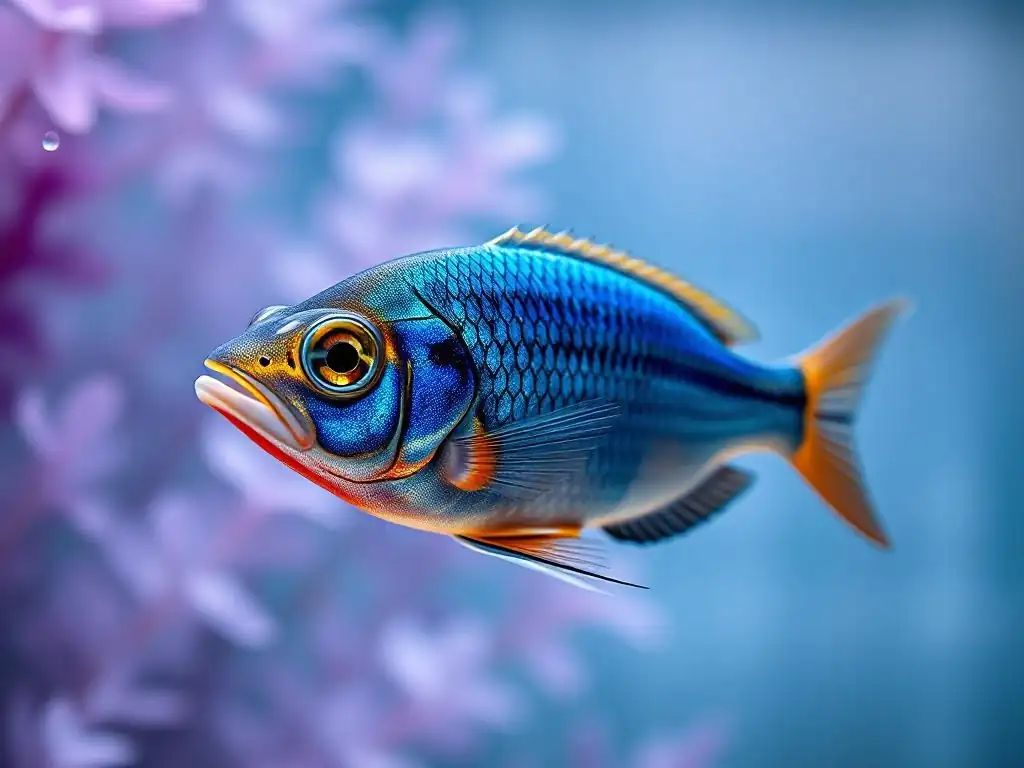
Long-term success in maintaining a stress-free Harlequin Rasbora tank hinges on consistent, regular observation and monitoring. Make it a daily habit to spend a few minutes simply watching your fish. Look for subtle changes in coloration, swimming patterns, schooling cohesion, and feeding enthusiasm. For instance, if a normally active fish is suddenly hiding or if the entire school appears lethargic, these are immediate cues to investigate. Observe their fins for clamping or fraying, and their bodies for any spots, lesions, or unusual growths.
Beyond visual checks, consistently monitor your water parameters as part of your weekly or bi-weekly routine. Track pH, ammonia, nitrite, and nitrate levels using reliable test kits. Maintaining a logbook of these readings, along with notes on fish behavior or any issues encountered, can help identify trends and prevent problems before they become critical. Proactive observation allows for early intervention, which is key to preventing stress-related illnesses and ensuring a consistently calm tank for cyprinids.
Proactive Problem Solving
Proactive problem solving involves addressing potential issues before they escalate into full-blown crises. For example, if you notice a slight increase in nitrates despite regular water changes, it might indicate overfeeding or an increase in bioload, prompting you to adjust feeding habits or consider stocking levels. If a fish appears slightly off-color, an immediate partial water change and a close inspection for parasites can prevent a minor issue from becoming a widespread infection.
This approach means having a basic understanding of common aquarium problems and their solutions. Knowing that a sudden drop in pH might be due to CO2 fluctuations or a lack of buffering capacity allows for targeted solutions rather than generalized treatments. Maintaining a small emergency kit with essential medications (e.g., for Ich, bacterial infections) and water conditioners can also be beneficial for immediate response. Being proactive in identifying and resolving minor issues is fundamental to ensuring a continually calm tank for Harlequin Rasboras.
Recommended Water Conditioners and Filters
For long-term health and a stress-free environment, selecting high-quality water conditioners and appropriate filtration is crucial. A reputable water conditioner is essential for every water change, as it neutralizes chlorine and chloramines (which are toxic to fish) found in tap water, and often detoxifies heavy metals. Some conditioners also include ingredients that help reduce stress or enhance the fish's natural slime coat, offering an added layer of protection. Brands like Seachem Prime or API Stress Coat are widely trusted.
Regarding filtration, a well-sized filter that provides mechanical, chemical, and biological filtration is key. Mechanical filtration removes physical debris, keeping the water clear. Chemical filtration, often through activated carbon, removes dissolved organic pollutants and odors.
Biological filtration, the most critical component, hosts beneficial bacteria that convert toxic ammonia and nitrite into less harmful nitrate. For Harlequin Rasboras, a filter that provides ample biological capacity without creating excessive current (e.g., a properly sized hang-on-back filter, canister filter with diffused output, or sponge filter) is ideal. Regular maintenance of the filter media (rinsing in old tank water, not tap water) ensures its continued efficiency, directly contributing to a calm tank for cyprinids.
Preventing Stress in Harlequin Rasboras: A Checklist for Success
Water Quality Management
- Perform weekly 25-30% partial water changes using temperature-matched, dechlorinated water.
- Test water parameters (ammonia, nitrite, nitrate, pH, temperature) regularly with liquid test kits.
- Ensure proper filtration (mechanical, chemical, biological) for the tank size and bioload, and maintain filter media.
- Avoid overfeeding, which contributes to poor water quality.
Tank Mate Compatibility
- Research all potential tank mates thoroughly to ensure they are peaceful and share similar water parameter requirements.
- Avoid aggressive, territorial, or fin-nipping species.
- Maintain a proper schooling group size of at least 6-8 Harlequin Rasboras (ideally 10-12) to promote security and natural behavior.
Environmental Enrichment
- Provide abundant live plants (e.g., Java Fern, Anubias, Cryptocoryne) for cover, security, and nitrate absorption.
- Incorporate driftwood, smooth rocks, and other decorations to create diverse hiding spots and visual breaks.
- Maintain a stable water temperature (73-80°F or 23-27°C) using a reliable heater and thermometer.
- Establish a consistent 8-10 hour light cycle using an automatic timer to mimic natural day-night patterns.
By adhering to this comprehensive checklist, aquarists can proactively address the primary causes of stress, fostering a thriving, vibrant, and truly calm tank for Harlequin Rasboras.
Frequently Asked Questions
What are the common signs of stress in schooling cyprinids in an aquarium?
Stressed cyprinids often exhibit erratic swimming, loss of color, and reduced appetite. They might also isolate themselves from the school.
What are the primary causes of stress in cyprinids within a typical aquarium environment?
Common causes include poor water quality, overcrowding, and incompatible tank mates. Loud noises and sudden changes can also induce stress.
How can I create a "calm tank" environment specifically tailored for schooling cyprinids?
Focus on maintaining stable water parameters, providing ample swimming space, and ensuring plenty of hiding spots with plants and decorations.
What role does water chemistry play in reducing stress for cyprinids?
Maintaining optimal pH levels, low ammonia and nitrite levels, and stable temperature are crucial. Regular water testing and changes are essential.
Besides water quality, what other factors contribute to a stress-free environment for schooling cyprinids?
Minimize sudden changes in lighting and loud noises. Provide a varied diet and avoid overcrowding the tank with too many fish.
Final Reflection: Cultivating Tranquility in Aquatic Environments
The insights shared in this article highlight the crucial link between environmental stressors and the well-being of cyprinids, demonstrating that a calm tank is not merely an aesthetic preference, but a fundamental requirement for their health and longevity. Understanding the signs of stress, identifying its root causes, and implementing preventative measures are paramount for responsible fishkeeping, ensuring these fascinating creatures thrive in our care.
This journey into the world of cyprinid stress has underscored the profound impact of our actions on these delicate ecosystems. It's a reminder that responsible aquascaping extends beyond visual appeal, demanding a deep understanding of the biological needs of our aquatic companions. The greatness of a nation and its moral progress can be judged by the way its animals are treated.
- Mahatma Gandhi. This quote resonates deeply when considering the ethical responsibility we bear towards the cyprinids in our care, urging us to prioritize their well-being above all else.
Now, as you reflect on the information presented, consider the power you hold to create a truly calm tank for your cyprinids. Embrace the knowledge you've gained, implement the strategies discussed, and observe the positive transformations that unfold. By prioritizing their needs and fostering a tranquil environment, you not only enhance their lives but also enrich your own experience as a responsible and compassionate aquarist. Let's all strive to be guardians of tranquility, ensuring a brighter future for these captivating creatures.
Unlock a Stress-Free Life for Your Cyprinids!
Thank you for diving deep into the world of schooling cyprinids and their well-being! We hope you found valuable insights on identifying and managing stress in your finned friends. Now, let's put that knowledge into action!
Here are a few things you can do right now:
- Prioritize stability. Carefully review your tank parameters and adjust them to match the ideal conditions for your specific cyprinid species, making gradual changes to minimize further stress.
- Explore the cyprinid community! Share your unique experiences and challenges in caring for these fascinating fish on social media with #AquariumMastery or join our vibrant community forum.
- Surprise your cyprinids! Introduce a new, safe plant or rearrange their tank décor to provide enrichment and encourage natural exploration, while ensuring they have plenty of hiding places.
What's one small change you can make today to significantly improve the well-being of your cyprinids?