
Plecos and Shrimp: A Safe Combination or a Risky Bet?

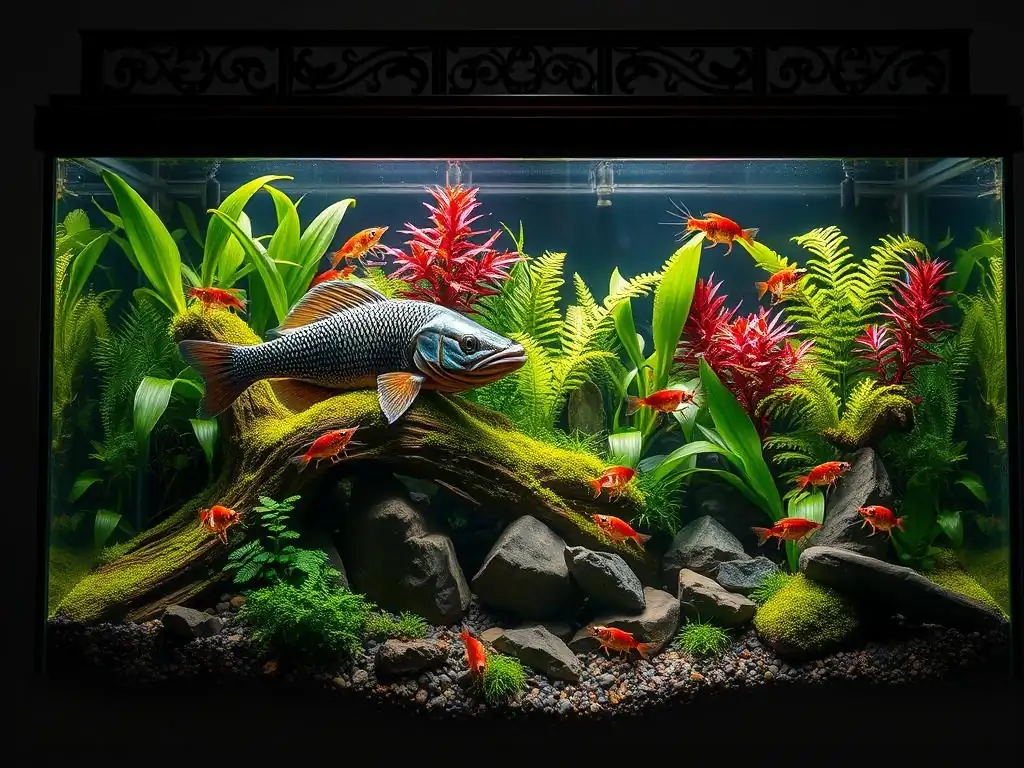
Welcome to Aquarium Mastery!
Ever wondered if you can create a peaceful, thriving aquarium with both Plecos and delicate shrimp? Our Pleco shrimp tank compatibility guide dives deep into the fascinating world of freshwater ecosystems, exploring the secrets to a harmonious tank. Are these seemingly different creatures truly compatible, or are you setting yourself up for a potential aquatic conflict? Discover the answers and unlock the key to a balanced and beautiful aquarium – keep reading to find out!
- Plecos and Shrimp: A Safe Combination or a Risky Bet? - Pleco Shrimp Tank Compatibility Guide
- Understanding Pleco Behavior and Shrimp Vulnerability in the Aquarium
- The Potential Risks: Why Plecos Might Eat Shrimp
- Safe Pleco and Shrimp Tank Mates: Selecting Compatible Species
- Setting Up a Shrimp and Pleco Friendly Aquarium
- Feeding Strategies for a Harmonious Tank: Ensuring Both Plecos and Shrimp Thrive
- Observing and Monitoring: Key to Successful Pleco and Shrimp Coexistence
- Real-Life Experiences: Pleco and Shrimp Tank Compatibility Case Studies
- Alternatives to Plecos for Algae Control in Shrimp Tanks
- Conclusion: Making an Informed Decision About Pleco and Shrimp Tank Mates
-
Frequently Asked Questions
- What are the main concerns when keeping Plecos and Shrimp together in an aquarium?
- Which Pleco species are generally considered safer to keep with shrimp?
- What type of shrimp are usually compatible with Plecos?
- How can I minimize the risk of Plecos eating or harming my shrimp?
- What should I do if I observe my Pleco actively hunting or eating shrimp?
- Final Reflection: Harmony or Hazard in the Aquarium
- Transform Your Aquarium into a Thriving Ecosystem!
Plecos and Shrimp: A Safe Combination or a Risky Bet? - Pleco Shrimp Tank Compatibility Guide
Understanding Pleco Behavior and Shrimp Vulnerability in the Aquarium
Exploring Pleco Species: Which are the Most Common in Home Aquariums?
The term "Pleco" encompasses a vast and diverse group of catfish belonging to the Loricariidae family, native to South and Central America. In the home aquarium, common species include the Bristlenose Pleco ( Ancistrus sp. ), known for its bushy nasal tentacles, which typically grows to a manageable 4-6 inches (10-15 cm).
Another frequently encountered type is the Common Pleco ( Hypostomus plecostomus or similar Pterygoplichthys species), which can grow considerably larger, often reaching 18-24 inches (45-60 cm) in length. Otocinclus catfish ( Otocinclus spp. ), often referred to as "Otos," are also part of this family but are much smaller, usually staying under 2 inches (5 cm).
These species exhibit significant differences in adult size, temperament, and dietary preferences, which are crucial considerations for any "Pleco shrimp tank compatibility guide." For instance, the sheer size and bulk of a full-grown Common Pleco can inadvertently pose a threat to small invertebrates, even if not intentionally predatory. In contrast, the smaller, more docile Bristlenose and Otocinclus plecos are generally considered far safer tank mates for delicate shrimp species, making species identification a critical first step in planning a harmonious aquarium.
Shrimp Species Commonly Kept in Aquariums: A Brief Overview
Dwarf shrimp have surged in popularity among aquarists due to their vibrant colors, fascinating behaviors, and beneficial role as tank cleaners. The most commonly kept species fall into two main genera: Neocaridina and Caridina. Neocaridina davidi varieties, such as Red Cherry, Blue Dream, and Yellow Shrimp, are highly favored for their hardiness, adaptability to a wider range of water parameters, and prolific breeding rates. These shrimp typically grow to about 0.8-1.2 inches (2-3 cm).
Caridina cantonensis species, including Crystal Red, Bee, and Taiwan Bee Shrimp, are equally popular for their intricate patterns and often more striking coloration, though they generally require more specific and stable water conditions. Both Neocaridina and Caridina shrimp are peaceful, bottom-dwelling scavengers that spend their time grazing on biofilm, algae, and detritus. Their small size and lack of defensive mechanisms make them inherently vulnerable to predation, particularly from larger or more aggressive tank mates, a key factor addressed in any "Pleco shrimp tank compatibility guide."
Assessing the Natural Diets: Plecos vs. Shrimp
Understanding the natural diets of both plecos and shrimp is fundamental when considering their "Pleco shrimp tank compatibility guide." Most common pleco species are primarily herbivorous or omnivorous detritivores. Their specialized sucker mouths are designed for scraping algae, biofilm, and decaying plant matter from surfaces like rocks, driftwood, and tank glass. While their diet is largely plant-based, some larger pleco species might opportunistically consume small invertebrates or protein-rich detritus if available or if their primary diet is insufficient.
Shrimp, on the other hand, are omnivorous scavengers. Their diet consists predominantly of biofilm, microalgae, decaying plant matter, and any small food particles or detritus they can find. They continuously graze surfaces, using their tiny claws to pick up food. While their diets share some common elements (e.g., algae and detritus), the methods of consumption and the potential for competition or opportunistic predation are distinct. A well-fed pleco, satiated with its preferred plant-based diet, is less likely to show interest in shrimp, which is a core principle of managing "Pleco shrimp tank compatibility guide" scenarios.
The Potential Risks: Why Plecos Might Eat Shrimp
Algae Grazing vs. Predatory Behavior: When Do Plecos Become a Threat?
While many plecos are known for their beneficial algae-grazing habits, the line between harmless scraping and potential predatory behavior can blur, especially concerning small shrimp. The vast majority of pleco species are not natural predators of shrimp; their mouths are adapted for suction and scraping, not for actively hunting small, agile prey. However, a large pleco, particularly species like the Common Pleco ( Hypostomus plecostomus) that can exceed 1 foot in length, might inadvertently suck up a small shrimp while intensely grazing on a surface.
Furthermore, an underfed or very hungry pleco, even a generally peaceful one, might become opportunistic. If its primary dietary needs (algae, plant matter, specialized pellets) are not met, a pleco might view a slow-moving, vulnerable shrimp as a potential protein source. This is less about intentional predation and more about a chance encounter where the pleco decides to investigate or consume what appears to be an easy meal. Therefore, understanding this distinction is vital for a comprehensive "Pleco shrimp tank compatibility guide."
Shrimp Molting: A Time of Increased Vulnerability in the Pleco Tank
One of the most critical periods of vulnerability for shrimp in any community tank, especially one shared with plecos, is during their molting process. Shrimp, like all crustaceans, grow by shedding their old, rigid exoskeleton. This process leaves them soft-bodied and highly defenseless for several hours, sometimes up to a full day, until their new shell hardens. During this time, they are slow-moving, unable to flee effectively, and emit a scent that can attract other tank inhabitants.
A soft-bodied, newly molted shrimp presents an irresistible target to many fish, including potentially an opportunistic pleco. While a pleco might typically ignore a healthy, hard-shelled shrimp, a molting shrimp, appearing like a defenseless, protein-rich morsel, could be consumed. This heightened vulnerability during molting is a significant risk factor that any "Pleco shrimp tank compatibility guide" must address, emphasizing the need for ample hiding spots to protect molting shrimp.
Size Matters: How Pleco Size Affects Shrimp Safety
The size of the pleco is arguably the most significant factor determining the safety of shrimp in a shared aquarium. A small pleco, such as an Otocinclus (1.5-2 inches), poses virtually no threat to dwarf shrimp. Even a Bristlenose Pleco ( Ancistrus sp. ), which typically reaches 4-6 inches, is generally considered safe due to its docile nature and relatively small mouth size. These smaller species are unlikely to intentionally or accidentally consume a healthy adult dwarf shrimp.
However, the risk dramatically increases with larger pleco species. A Common Pleco ( Hypostomus plecostomus or Pterygoplichthys sp.) that can grow to 12-24 inches (30-60 cm) has a powerful suction mouth that, even when simply grazing, can inadvertently dislodge and swallow a small shrimp. The sheer force of suction and the large size of the pleco can make accidental ingestion a real possibility, even if the pleco is not actively hunting. Therefore, selecting a pleco species that remains small and peaceful is paramount for successful "Pleco shrimp tank compatibility guide" outcomes.
Safe Pleco and Shrimp Tank Mates: Selecting Compatible Species
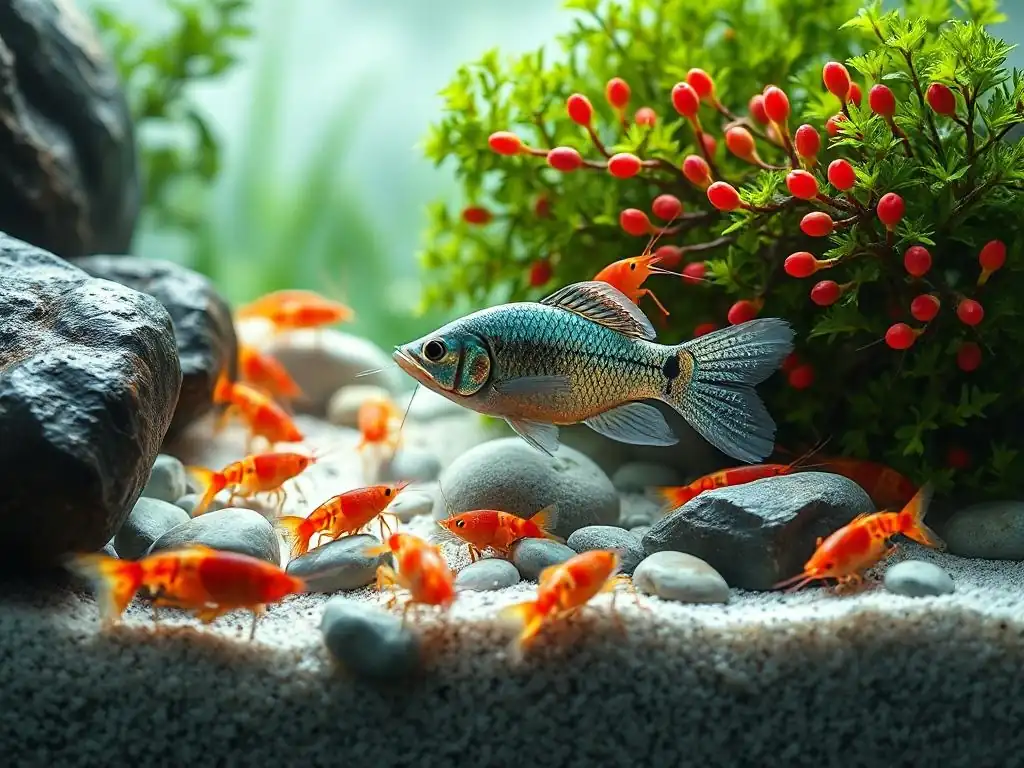
Identifying Peaceful Pleco Species for Shrimp Tanks
For aquarists aiming for a harmonious "Pleco shrimp tank compatibility guide," choosing the right pleco species is the most crucial decision. The safest bets are generally smaller, more docile species that are primarily herbivorous and do not possess aggressive tendencies. Top recommendations include:
- Bristlenose Plecos (Ancistrus species): These are by far the most popular and safest choice. Reaching only 4-6 inches (10-15 cm), they are excellent algae eaters and are known for their calm temperament. Their mouths are designed for scraping, and they rarely show interest in live shrimp.
- Otocinclus Catfish (Otocinclus species): These tiny plecos, growing to just 1.5-2 inches (3.8-5 cm), are incredibly peaceful and highly effective at consuming soft algae. They pose absolutely no threat to shrimp and are often kept in dedicated shrimp tanks.
- Clown Plecos (Panaqolus maccus): These beautiful plecos typically stay around 3-4 inches (7.5-10 cm) and primarily consume driftwood, making them unlikely to bother shrimp.
- Rubber Lip Plecos (Chaetostoma formosae): Another smaller species, usually 4-6 inches (10-15 cm), known for its peaceful nature and algae-grazing habits, making it a suitable candidate for a "Pleco shrimp tank compatibility guide."
These species are preferred due to their manageable size and non-aggressive feeding habits, significantly reducing the risk of shrimp predation.
Selecting Shrimp Species That Can Coexist with Plecos
When planning for "Pleco shrimp tank compatibility guide," selecting hardy and prolific shrimp species can greatly increase the chances of a successful community. While all dwarf shrimp are vulnerable to some extent, certain species are better suited for cohabitation with peaceful plecos due to their resilience and breeding rate.
- Neocaridina Shrimp (Neocaridina davidi varieties): This includes popular types like Red Cherry Shrimp, Blue Dream Shrimp, Yellow Shrimp, and more. Neocaridina are exceptionally hardy, adaptable to a wide range of water parameters (pH 6.5-8.0, GH 4-8), and breed rapidly. Their fast reproduction means that even if a few individuals are lost, the colony can quickly recover and maintain a healthy population.
- Amano Shrimp (Caridina multidentata): While not dwarf shrimp (they grow up to 2 inches or 5 cm), Amano shrimp are highly valued for their exceptional algae-eating abilities and peaceful nature. Their slightly larger size makes them less vulnerable than smaller dwarf shrimp, though still not entirely immune to very large or aggressive plecos.
While Caridina cantonensis species (e.g., Crystal Red, Bee Shrimp) are also small and peaceful, their more specific and demanding water parameter requirements (often softer, more acidic water) can make them slightly more challenging to keep thriving, especially if the pleco's ideal parameters differ significantly. Focusing on hardy Neocaridina is often recommended for beginners creating a "Pleco shrimp tank compatibility guide."
Providing Adequate Hiding Places: Creating a Shrimp-Friendly Environment
Even with the selection of peaceful pleco species, providing abundant hiding places is paramount for the safety and well-being of shrimp in a "Pleco shrimp tank compatibility guide." Shrimp, especially during their vulnerable molting phase, need secure retreats where they can feel safe from any potential threat or even just the stress of larger tank mates.
Dense live planting is perhaps the most effective way to create a shrimp-friendly environment. Plants like Java Moss ( Taxiphyllum barbieri), Christmas Moss, and various stem plants (e.g., Rotala, Ludwigia) offer intricate structures where shrimp can forage for biofilm and hide. Anubias and Bucephalandra, attached to driftwood or rocks, provide excellent broad leaves for grazing and cover.
Additionally, incorporating natural decor such as driftwood with numerous crevices, ceramic shrimp caves, or even small piles of smooth river stones can offer invaluable safe zones. Leaf litter, such as Indian almond leaves, not only provides hiding spots but also releases beneficial tannins and fosters biofilm growth, which shrimp adore. A complex, visually broken-up aquascape significantly enhances the chances of successful "Pleco shrimp tank compatibility guide" outcomes by reducing stress and predation risks.
Setting Up a Shrimp and Pleco Friendly Aquarium
Tank Size Considerations for Pleco and Shrimp Compatibility
The size of the aquarium plays a critical role in achieving successful "Pleco shrimp tank compatibility guide." A larger tank provides more space, dilutes aggression, and offers more opportunities for both plecos and shrimp to establish their territories and hiding spots. For a Bristlenose Pleco ( Ancistrus sp.) and a thriving colony of dwarf shrimp, a minimum tank size of 20-30 gallons (75-113 liters) is generally recommended. This allows adequate swimming space for the pleco and sufficient surface area for shrimp to graze and hide.
Going larger, for instance, a 40-gallon breeder or a 55-gallon tank, is even more beneficial. Larger volumes of water are more stable in terms of temperature and water parameters, which is crucial for both species. More importantly, an expansive tank provides numerous visual breaks and separate foraging areas, reducing the likelihood of direct competition or accidental encounters between the pleco and the shrimp. This increased space inherently reduces stress for both inhabitants, contributing significantly to a peaceful "Pleco shrimp tank compatibility guide."
Essential Aquarium Decor for Shrimp Safety: Caves, Plants, and Substrates
Strategic placement of aquarium decor is vital for ensuring shrimp safety in a "Pleco shrimp tank compatibility guide." The goal is to create a complex environment with numerous hiding spots and foraging surfaces.
- Live Plants: Dense planting is paramount. Java Moss is a top choice, providing an excellent matrix for shrimp to hide and graze on biofilm. Other beneficial plants include Anubias, Bucephalandra, and various stem plants that offer thick foliage. Heavily planted areas give shrimp a sense of security and serve as safe havens, especially during molting.
- Caves and Hiding Structures: Incorporate ceramic shrimp caves, small terracotta pots, coconut shells, or pieces of driftwood with natural crevices. These structures provide dark, enclosed spaces where shrimp can retreat when feeling threatened or during their vulnerable molting period. For plecos, a larger cave or a prominent piece of driftwood also serves as a secure resting spot.
- Substrate: A fine-grained substrate like sand or small, smooth gravel is ideal. This allows shrimp to forage comfortably without getting trapped or injured. Avoid sharp or large gravel that could be difficult for shrimp to navigate or hide within. The overall aquascape should prioritize layers and complexity, allowing both plecos and shrimp to coexist without undue stress, which is a cornerstone of any effective "Pleco shrimp tank compatibility guide."
Maintaining Optimal Water Parameters for Both Plecos and Shrimp
Maintaining stable and appropriate water parameters is fundamental for the health and coexistence of both plecos and shrimp, making it a crucial aspect of any "Pleco shrimp tank compatibility guide." While some specialized plecos have very specific needs, many common aquarium plecos (like Bristlenose) and popular dwarf shrimp (like Neocaridina) can thrive in similar conditions.
Generally, both species prefer clean, well-oxygenated water with stable temperatures. For Neocaridina shrimp, a temperature range of 68-78°F (20-25.5°C), pH between 6.5 and 8.0, and moderately hard water (GH 4-8, KH 3-6) are typically suitable. Many Bristlenose Plecos are adaptable to similar ranges.
Regular water changes (e.g., 10-20% weekly) are essential to keep nitrate levels low (below 20 ppm) and prevent the buildup of harmful toxins. Good filtration, such as a sponge filter, is recommended as it provides biological filtration without posing a risk to small shrimp or their larvae. Consistent monitoring of ammonia, nitrite, and nitrate levels, along with temperature and pH, ensures a healthy and stress-free environment, directly supporting the principles of a successful "Pleco shrimp tank compatibility guide."
Feeding Strategies for a Harmonious Tank: Ensuring Both Plecos and Shrimp Thrive
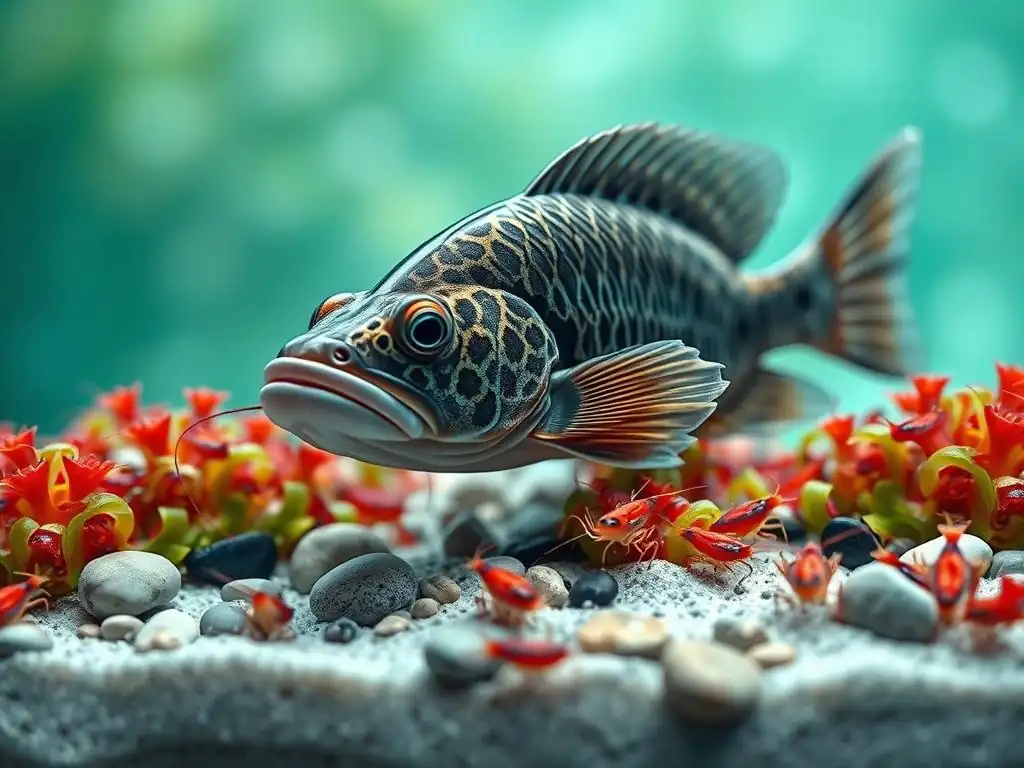
Supplementing Pleco Diet to Minimize Shrimp Predation
A well-fed pleco is a less opportunistic pleco, a critical concept in any "Pleco shrimp tank compatibility guide." While plecos are known for their algae-eating prowess, relying solely on tank algae is often insufficient for their nutritional needs, especially as they grow. An underfed pleco, even a typically peaceful one, might become more inclined to investigate or consume small, vulnerable tank mates like shrimp out of hunger or curiosity for alternative protein sources.
To minimize this risk, supplement your pleco's diet with high-quality sinking algae wafers, spirulina tablets, and blanched vegetables such as zucchini, cucumber, or shelled peas. Offer these foods after the main tank lights are off, as many plecos are nocturnal and will feed more comfortably without competition or disturbance from other fish. Ensuring your pleco receives a varied and adequate diet will keep it sated and significantly reduce any potential interest in your shrimp, thereby fostering a more peaceful "Pleco shrimp tank compatibility guide" environment.
Target Feeding Shrimp: Ensuring They Get Enough Food in a Pleco Tank
In a community tank with larger tank mates like plecos, shrimp can easily be outcompeted for food. While shrimp are excellent scavengers, they are slow feeders, and faster fish can consume all available food before the shrimp have a chance. To ensure your shrimp receive adequate nutrition, target feeding is an effective strategy for a successful "Pleco shrimp tank compatibility guide."
Use small, specialized shrimp pellets, high-quality spirulina flakes, or even blanched spinach leaves. A small glass or ceramic feeding dish can be placed in a designated area of the tank, perhaps among dense plants or in a less trafficked corner, where shrimp can gather to feed safely. This method helps to contain the food and prevents larger fish from monopolizing it. Feeding shrimp a small amount once a day or every other day, ensuring they have sufficient time to consume it, will keep them healthy and active, reducing their vulnerability and supporting a thriving "Pleco shrimp tank compatibility guide."
Avoiding Overfeeding: Maintaining Water Quality and Reducing Algae Growth
While supplementing diets is important, overfeeding can quickly lead to detrimental consequences for both plecos and shrimp, undermining the goals of a "Pleco shrimp tank compatibility guide." Excess food breaks down in the water, leading to spikes in ammonia and nitrite, which are highly toxic to all aquarium inhabitants, especially sensitive shrimp. Moreover, uneaten food contributes significantly to organic waste, fueling unwanted algae blooms.
To maintain optimal water quality and prevent excessive algae growth, feed only what can be consumed within a few hours. For plecos, this might mean a single algae wafer or a small slice of vegetable left overnight. For shrimp, a tiny amount of specialized food should be consumed within an hour or two. Regularly remove any uneaten food to prevent decay and maintain water purity. A clean, stable environment reduces stress for both species, making them less susceptible to illness and promoting peaceful coexistence, which is essential for any effective "Pleco shrimp tank compatibility guide."
Observing and Monitoring: Key to Successful Pleco and Shrimp Coexistence
Recognizing Signs of Pleco Aggression Towards Shrimp
While generally peaceful, it's vital to remain vigilant for any signs of unusual behavior in your pleco that might indicate a threat to your shrimp, a key aspect of "Pleco shrimp tank compatibility guide" monitoring. Direct, active predation from a small, peaceful pleco like a Bristlenose is rare. However, watch for subtle cues:
- Persistent "Sucking" or Following: If your pleco repeatedly focuses its suction mouth on a shrimp, or persistently follows a shrimp around the tank, it might be more than mere curiosity.
- Sudden Lunges: While uncommon, a quick, darting movement towards a shrimp could indicate an attempt to catch it.
- Shrimp Hiding Constantly: If your shrimp, which are usually out foraging, suddenly become reclusive and spend all their time hiding in dense plants or caves, it could be a sign they feel threatened by the pleco.
A healthy pleco will typically ignore shrimp, focusing on algae or prepared foods. Any deviation from this behavior warrants closer observation to ensure a successful "Pleco shrimp tank compatibility guide" environment.
Monitoring Shrimp Population and Health in a Pleco Tank
Consistent monitoring of your shrimp population and overall health is crucial for assessing the success of your "Pleco shrimp tank compatibility guide." Regularly count your shrimp, especially in the initial months after introducing the pleco. A stable or increasing population, with frequent sightings of berried (egg-carrying) females, is a strong indicator of successful coexistence.
Observe the shrimp's behavior: are they actively foraging, displaying vibrant colors, and moving freely? Healthy shrimp are typically active and curious. Pay attention to molting: finding shed exoskeletons (molts) is a positive sign of healthy growth. A significant decline in shrimp numbers without any other obvious causes (e.g., disease, poor water parameters) should raise a red flag and prompt a re-evaluation of the "Pleco shrimp tank compatibility guide" setup. A lack of molts or an abundance of incomplete molts could also indicate stress or water quality issues, making shrimp more vulnerable.
What to Do If You Observe Pleco Predation on Shrimp
If, despite all precautions, you observe direct and undeniable predation of shrimp by your pleco, immediate action is necessary to maintain a successful "Pleco shrimp tank compatibility guide." Attempting to "train" a pleco out of predatory behavior is generally ineffective, as it often stems from instinct, hunger, or accidental ingestion.
- Re-evaluate Pleco Species: First, confirm the species of your pleco. If it's a large species like a Common Pleco ( Hypostomus or Pterygoplichthys), it is likely unsuitable for shrimp, regardless of feeding or tank setup. These species are simply too large and powerful to safely coexist with dwarf shrimp.
- Increase Feeding: Ensure the pleco is receiving a varied and abundant diet. Sometimes, increased protein supplementation (e.g., occasional bloodworms or specialized pleco wafers with animal protein) can curb opportunistic behavior, though this is less likely to stop intentional predation.
- Enhance Hiding Spots: Add even more dense planting, shrimp caves, and driftwood. The more places shrimp can hide, the better their chances of survival.
- Separation: The most definitive solution, if predation is confirmed and persistent, is to separate the species. This might involve rehoming the pleco to a tank without shrimp or setting up a dedicated shrimp-only tank. Prioritizing the well-being of your aquarium inhabitants is paramount, even if it means adjusting your "Pleco shrimp tank compatibility guide" plans.
Real-Life Experiences: Pleco and Shrimp Tank Compatibility Case Studies
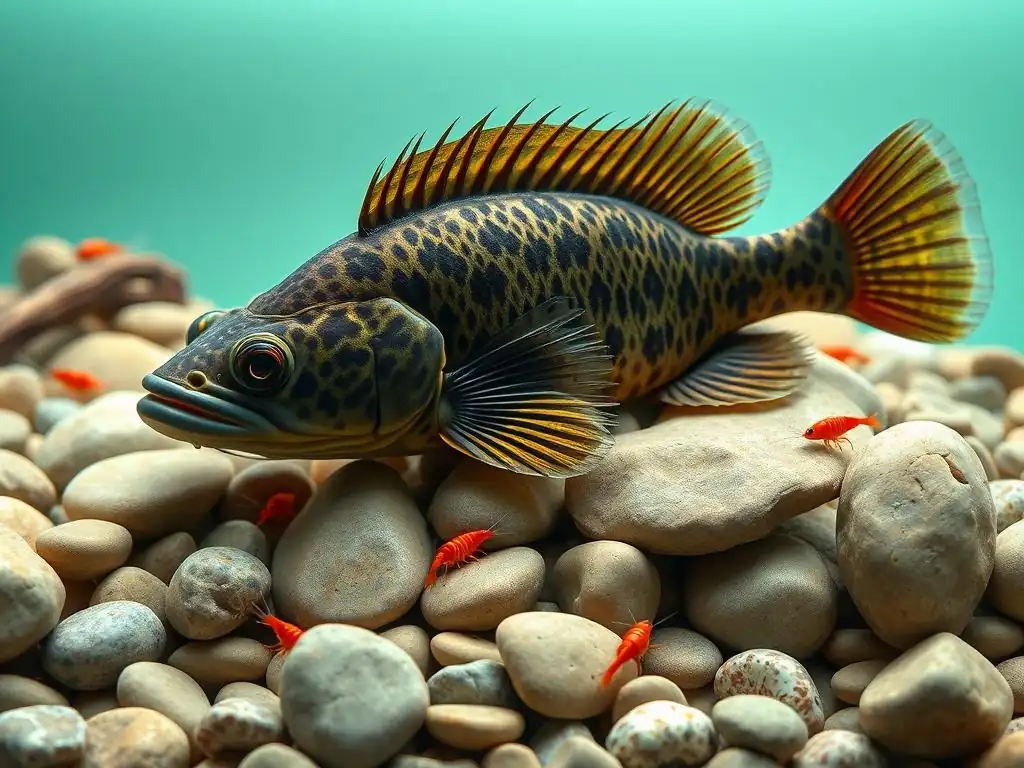
Case Study 1: Successful Coexistence
In a 29-gallon (110-liter) heavily planted community tank, an aquarist introduced a single 5-inch (12.5 cm) Bristlenose Pleco ( Ancistrus cirrhosus) alongside an established colony of over 50 Red Cherry Shrimp ( Neocaridina davidi). The tank featured a large piece of Mopani driftwood, several ceramic shrimp caves, and dense growth of Java Moss, Anubias, and Cryptocoryne plants. The pleco was fed high-quality algae wafers every night after lights out and blanched zucchini slices twice a week. The shrimp were target-fed specialized shrimp pellets in a small glass dish every other day.
Over an 18-month period, the shrimp colony thrived, with frequent sightings of berried females and new shrimplets. The Bristlenose Pleco primarily grazed on the tank's natural biofilm and the provided foods, showing no interest in the shrimp. The dense planting offered ample hiding spots, particularly for molting shrimp. This setup exemplifies a highly successful "Pleco shrimp tank compatibility guide" where careful species selection, proper feeding, and abundant cover led to a harmonious ecosystem.
Case Study 2: Challenges and Solutions
A hobbyist with a 75-gallon (284-liter) tank initially introduced a 15-inch (38 cm) Common Pleco ( Hypostomus plecostomus) for algae control, along with an initial colony of 20 Amano Shrimp ( Caridina multidentata). The tank had moderate planting and several large rocks. Over the course of three months, the Amano shrimp population dwindled significantly, with only 5 remaining. The owner initially suspected water quality issues, but parameters tested stable and within acceptable ranges for both species.
Upon closer observation, the aquarist noted the large pleco's powerful suction and occasional sudden movements near where shrimp were foraging. Although no direct "chasing" was observed, it was deduced that the sheer size and suction force of the Hypostomus were likely either inadvertently consuming the smaller Amano shrimp or causing them enough stress to perish. The solution was to rehome the large Common Pleco to a more appropriate, larger tank without small invertebrates.
The owner then replaced it with a group of six Otocinclus catfish for algae control. Within weeks, the remaining Amano shrimp became more active, and a new, small colony of Neocaridina shrimp was introduced, which subsequently thrived, demonstrating the critical importance of species-specific considerations in a "Pleco shrimp tank compatibility guide."
Alternatives to Plecos for Algae Control in Shrimp Tanks
Introducing Other Algae Eaters
For aquarists prioritizing shrimp safety, especially in tanks where plecos are deemed too risky, several other excellent algae eaters can be introduced. These alternatives often pose little to no threat to dwarf shrimp, making them ideal for a "Pleco shrimp tank compatibility guide" focused on maximum safety.
- Otocinclus Catfish (Otocinclus species): These tiny (1.5-2 inches) and peaceful catfish are highly effective at consuming soft green algae and biofilm. They are entirely safe for shrimp and are often kept in shrimp-only tanks. It's recommended to keep them in groups of 6 or more as they are schooling fish.
- Nerite Snails (Neritina natalensis species): Nerite snails, such as Zebra Nerites or Horned Nerites, are exceptionally efficient algae eaters. They consume various types of algae, including stubborn green spot algae, and are completely harmless to shrimp. They do not reproduce in freshwater, preventing overpopulation.
- Amano Shrimp (Caridina multidentata): While technically shrimp themselves, Amano shrimp are larger (up to 2 inches) and incredibly industrious algae eaters. They excel at consuming hair algae and other filamentous types that many other algae eaters ignore. They are peaceful and entirely safe for dwarf shrimp, making them a fantastic "Pleco shrimp tank compatibility guide" alternative.
These options provide effective algae control without the potential risks associated with larger pleco species.
Implementing Manual Algae Removal Techniques
While biological algae eaters are helpful, no fish or invertebrate can entirely replace consistent manual effort in maintaining an algae-free aquarium. Integrating manual algae removal techniques into your routine is essential for any "Pleco shrimp tank compatibility guide," reducing reliance on aquatic inhabitants for sole algae control.
Regularly cleaning the tank glass with a magnetic cleaner, algae scraper, or a dedicated scrubbing pad during weekly maintenance is crucial. For decor like rocks and driftwood, gently scrub off any algae growth during water changes. Siphoning the substrate regularly helps remove uneaten food and detritus, which are primary fuel sources for algae.
Additionally, pruning any dead or decaying plant matter promptly prevents it from breaking down and releasing nutrients that can encourage algae blooms. These routine manual tasks contribute significantly to a clean and healthy aquarium environment, benefiting both shrimp and any other tank inhabitants by minimizing the overall algae load.
Optimizing Lighting and Nutrient Levels to Control Algae Growth Naturally
Addressing the root causes of algae growth is the most sustainable strategy for a long-term "Pleco shrimp tank compatibility guide," rather than solely relying on algae-eating creatures. Algae thrive on excess light and nutrients.
- Lighting Optimization: Evaluate your aquarium lighting. Too much light (either too long a duration or too high an intensity) is a common cause of algae. Aim for 6-8 hours of light per day, and ensure your light's intensity and spectrum are appropriate for your plants, not just for general brightness. Using a timer can help maintain consistency.
- Nutrient Control: Overfeeding, insufficient water changes, and decaying organic matter (like uneaten food or dead plant leaves) lead to elevated levels of nitrates and phosphates, which are key nutrients for algae. Implement a strict feeding regimen, feeding only what your inhabitants can consume in a few minutes. Perform regular, consistent water changes (e.g., 20-30% weekly) to dilute these nutrients. Fast-growing live plants can also help by outcompeting algae for available nutrients. By controlling these environmental factors, you can significantly reduce algae growth naturally, creating a cleaner and healthier habitat for your shrimp without needing aggressive algae-eating fish, thereby enhancing the success of your "Pleco shrimp tank compatibility guide."
Conclusion: Making an Informed Decision About Pleco and Shrimp Tank Mates
Weighing the Risks and Benefits of Keeping Plecos and Shrimp Together
The decision to keep plecos and shrimp together requires a careful consideration of both the potential benefits and inherent risks, forming the core of any informed "Pleco shrimp tank compatibility guide." On the benefit side, plecos, particularly smaller species like Bristlenose, offer effective algae control and add a unique, interesting presence to the aquarium. Shrimp, in turn, are excellent scavengers, contributing to tank cleanliness and adding vibrant activity. A well-balanced tank can be aesthetically pleasing and functionally efficient.
However, the risks primarily revolve around potential predation or accidental harm to the delicate shrimp. Larger pleco species pose a significant threat due to their size and powerful suction. Even smaller, generally peaceful plecos can opportunistically consume a molting or weakened shrimp. The vulnerability of shrimp, especially during molting, is a constant factor that must be mitigated through careful planning and tank setup. Ultimately, success hinges on minimizing these risks through proactive measures, ensuring the benefits outweigh the potential challenges in a "Pleco shrimp tank compatibility guide."
Key Takeaways for Successful Pleco and Shrimp Coexistence in the Aquarium
Achieving successful "Pleco shrimp tank compatibility guide" is entirely possible with the right approach and diligent care. Here are the key takeaways for fostering a harmonious environment:
- Species Selection is Paramount: Always choose small, peaceful pleco species like Bristlenose Plecos ( Ancistrus) or Otocinclus Catfish ( Otocinclus). Avoid large, potentially aggressive, or highly opportunistic species such as the Common Pleco ( Hypostomus or Pterygoplichthys).
- Provide Abundant Hiding Places: Create a heavily planted aquarium with numerous hiding spots using dense live plants (e.g., Java Moss, Anubias), driftwood with crevices, and ceramic shrimp caves. This provides security for shrimp, especially during their vulnerable molting periods.
- Ensure Adequate Tank Size: A sufficiently large tank (minimum 20-30 gallons for Bristlenose and shrimp, larger is always better) provides ample space for both species, reducing competition and stress.
- Maintain Optimal Water Parameters: Keep water quality pristine and stable through regular water changes and effective filtration. This reduces stress for both species and promotes overall health.
- Implement Proper Feeding Strategies: Ensure your pleco is well-fed with appropriate, varied foods to minimize any opportunistic interest in shrimp. Simultaneously, target-feed your shrimp to ensure they receive adequate nutrition and are not outcompeted.
- Observe and Monitor: Continuously observe the behavior of both your pleco and shrimp. Any signs of aggression or a significant decline in shrimp population should prompt immediate investigation and corrective action.
By adhering to these principles, aquarists can confidently navigate the complexities of "Pleco shrimp tank compatibility guide" and enjoy a thriving, beautiful aquarium ecosystem.
Frequently Asked Questions
What are the main concerns when keeping Plecos and Shrimp together in an aquarium?
The primary concern is Pleco behavior towards smaller shrimp. Some Pleco species may accidentally or intentionally consume shrimp. Also, competition for food can be a problem.
Which Pleco species are generally considered safer to keep with shrimp?
Smaller, herbivorous Plecos like the Bristlenose Pleco are often considered safer. These species are less likely to actively hunt or bother shrimp.
What type of shrimp are usually compatible with Plecos?
Hardier shrimp species like Amano shrimp or Cherry shrimp (especially larger, adult specimens) are often recommended. These can better withstand the aquarium environment and are less likely to be seen as a snack.
How can I minimize the risk of Plecos eating or harming my shrimp?
Provide ample hiding places for the shrimp, such as caves, plants, and driftwood. Also, ensure the Pleco is well-fed with algae wafers and other appropriate food to reduce the likelihood of it seeking out shrimp as a food source.
What should I do if I observe my Pleco actively hunting or eating shrimp?
If you observe this behavior, you may need to separate the Pleco and shrimp. Consider rehoming one or the other to ensure the shrimp's safety.
Final Reflection: Harmony or Hazard in the Aquarium
The question of Pleco and shrimp compatibility isn't just about keeping fish and invertebrates alive; it's about understanding the delicate balance of a miniature ecosystem we create within our tanks. As we've explored the nuances of species selection, tank size, and feeding strategies, it's clear that success hinges on informed decisions and a commitment to responsible aquarium keeping. The potential for a thriving, diverse community is real, but so is the risk of creating an environment where one species thrives at the expense of another.
This exploration into the world of Plecos and shrimp highlights the broader responsibility we have as aquarists. It reminds us that our actions directly impact the lives of these creatures, and that a little research can make all the difference between a vibrant, peaceful tank and a stressful, unbalanced one. The best aquarium is not just a collection of beautiful fish, but a carefully crafted environment that supports the well-being of all its inhabitants.
This sentiment underscores the importance of thoughtful planning and diligent observation in maintaining a healthy and harmonious aquarium.
Now, as you consider adding a Pleco to your shrimp tank, or vice versa, take a moment to reflect on the information presented here. Don't just see this as a checklist of do's and don'ts, but as an invitation to become a more conscious and compassionate aquarist. By understanding the needs and behaviors of each species, and by committing to creating a balanced and enriching environment, you can unlock the true potential of your aquarium and witness the beauty of a thriving aquatic community.
Transform Your Aquarium into a Thriving Ecosystem!
Thank you for diving into the world of plecos and shrimp! We hope this article provided valuable insights into creating a harmonious aquarium environment. Now, let's put that knowledge into action and build a thriving ecosystem!
Here are a few ways you can take the next steps:
- Carefully observe your pleco's behavior if you plan to introduce shrimp, paying close attention to their interaction during feeding times. This firsthand observation is crucial.
- Explore different shrimp species known for their resilience and quicker breeding cycles to offset potential losses, and share your findings with fellow aquarists online.
- Contribute to the Aquarium Mastery community by sharing your experiences – both successes and challenges – in the comments below.
What's one creative aquascaping trick you'll try to provide extra hiding spots for your shrimp, and how do you think it will impact the overall health of your tank?