
First Foods for Angelfish Fry: Baby Brine Shrimp & Microworms

Welcome to Aquarium Mastery!
Ever wondered what the secret is to successfully raising those delicate angelfish fry? You've come to the right place! Getting their diet right from the start is crucial. Dive into our guide on Angelfish fry first food, where we unravel the mysteries of baby brine shrimp, microworms, and more to ensure your little angels thrive. Ready to unlock the formula for healthy, vibrant angelfish growth? Let's get started!
- Introduction to Angelfish Fry Nutrition: The Key to Healthy Growth
- Baby Brine Shrimp (BBS) for Angelfish Fry: A Complete Guide
- Microworms as a First Food for Angelfish Fry: An In-Depth Look
- Comparing Baby Brine Shrimp and Microworms for Angelfish Fry
- Other Suitable First Foods for Angelfish Fry
- Transitioning Angelfish Fry to Larger Foods
- Preventing Overfeeding and Water Quality Issues
- Conclusion: Ensuring Healthy Angelfish Fry with Proper First Foods
-
Frequently Asked Questions
- What is the best first food for newly hatched Angelfish fry?
- How soon after hatching should I start feeding my Angelfish fry?
- How often should I feed Angelfish fry baby brine shrimp or microworms?
- Where can I obtain baby brine shrimp and microworms for my Angelfish fry?
- How do I ensure my Angelfish fry are getting enough food?
- Final Reflection: Nurturing New Life
- Nurture Your Tiny Angels: Spark Growth Today!
Introduction to Angelfish Fry Nutrition: The Key to Healthy Growth
Why Early Nutrition Matters for Angelfish Fry Survival
The survival rate of Angelfish fry is critically dependent on receiving the correct nutrition immediately after they become free-swimming and absorb their yolk sacs, typically within 4-7 days post-hatch. At this nascent stage, Angelfish fry are incredibly small, often measuring less than 2 millimeters in length, with mouths barely large enough to accept microscopic food particles. Providing an appropriate Angelfish fry first food is paramount, as starvation can lead to rapid and widespread mortality within a mere 24-48 hours if no suitable sustenance is available.
Proper early nutrition is not just about preventing starvation; it's about laying the foundation for robust development. High-quality food during the first few weeks ensures the healthy development of their internal organs, skeletal structure, and immune system. Without the precise nutrients, fry can suffer from developmental deformities, stunted growth, or become highly susceptible to diseases. For instance, a batch of 500 newly free-swimming fry could see a survival rate plummet from a potential 70-80% to less than 10% if their Angelfish baby food is inadequate or absent.
Understanding the Nutritional Needs of Newborn Angelfish
Newborn Angelfish fry have exceptionally high metabolic rates and require a diet that is both highly digestible and incredibly rich in protein and essential fatty acids. Their diet should ideally consist of at least 50-60% protein to support their rapid cell division and growth. Crucially, the food particles must be minuscule, generally less than 200-300 microns (0.2-0.3 mm), to fit into their tiny mouths.
Beyond protein, Angelfish fry require a balanced profile of essential amino acids and lipids, particularly omega-3 and omega-6 fatty acids like DHA (Docosahexaenoic Acid) and EPA (Eicosapentaenoic Acid), which are vital for neurological development and overall vigor. Due to their rapid growth, they need to be fed frequently – often every 3-4 hours – to ensure a constant supply of energy and building blocks. Any deficiency in this critical period can lead to irreversible stunting or health issues, underscoring the importance of selecting the best Angelfish fry food.
Baby Brine Shrimp (BBS) for Angelfish Fry: A Complete Guide
What are Baby Brine Shrimp (BBS)?
Baby Brine Shrimp, scientifically known as Artemia salina nauplii, are the larval stage of a small aquatic crustacean. These tiny organisms, typically measuring between 0.4 to 0.5 millimeters upon hatching, are one of the most widely used and highly regarded live foods for fish fry, including Angelfish. They are commercially available as dormant cysts, which can be easily hatched at home, providing a consistent supply of live Angelfish fry first food.
The appeal of Baby Brine Shrimp lies not only in their perfect size for newly free-swimming Angelfish fry but also in their jerky, erratic swimming motion. This movement acts as a powerful feeding stimulant, triggering the natural predatory instincts of the fry and encouraging them to actively hunt and consume the food. Their bright orange color also makes them highly visible to the tiny fish, further enhancing their effectiveness as a primary food source for young Angelfish.
Nutritional Value of Baby Brine Shrimp for Angelfish Fry
Baby Brine Shrimp boast an impressive nutritional profile, making them an ideal Angelfish fry first food. On a dry weight basis, newly hatched BBS typically contain between 50-60% protein, 15-20% lipids (fats), and a good array of essential amino acids. This high protein and fat content is crucial for the rapid growth and development that Angelfish fry undergo in their initial weeks of life.
Furthermore, the nutritional value of BBS can be significantly enhanced through a process known as "gut loading." By feeding the brine shrimp a nutrient-rich diet, such as spirulina, chlorella, or specialized enrichment products, before feeding them to the fry, their lipid and vitamin content can be boosted. This allows aquarists to deliver a more comprehensive nutritional package, including vital DHA and EPA fatty acids, which are essential for brain and vision development in growing Angelfish.
Hatching Baby Brine Shrimp at Home: A Step-by-Step Guide
Setting up a Brine Shrimp Hatchery for Angelfish Food
Setting up a home hatchery for Baby Brine Shrimp is a straightforward process that ensures a fresh, live supply of Angelfish fry food. A common setup involves an inverted 2-liter soda bottle or a dedicated conical hatchery, which allows for optimal aeration and collection. Fill the container with dechlorinated water, maintaining a temperature between 26-28°C (79-82°F) for optimal hatching rates. Add non-iodized salt at a specific gravity of 1.020-1.025, or approximately 2 tablespoons of salt per liter of water.
Once the saltwater solution is prepared, add the brine shrimp cysts, typically at a ratio of 1 teaspoon of cysts per liter. Connect an air pump with an airline tube and an airstone to the bottom of the container, providing continuous, vigorous aeration. This keeps the cysts suspended and supplies the necessary oxygen for hatching. With proper conditions, the first nauplii should begin to hatch within 24 hours, with peak hatching occurring between 30-36 hours.
Harvesting Baby Brine Shrimp for Angelfish Fry Feeding
Harvesting Baby Brine Shrimp efficiently is crucial to separate the nutritious nauplii from unhatched cysts and empty shells. After 24-36 hours of aeration, turn off the air pump and allow the contents to settle for 5-10 minutes. The unhatched cysts will sink to the bottom, while the empty shells will float to the surface. The live, orange nauplii will concentrate in the middle layer, often attracted to a light source placed at the bottom of the container.
Carefully siphon the concentrated layer of live nauplii from the middle into a fine mesh brine shrimp net, typically with a mesh size of 120-150 microns. Rinse the collected BBS thoroughly under a gentle stream of fresh, dechlorinated water for about 30 seconds. This rinsing step removes any residual saltwater, unhatched cysts, or shells, preventing them from being introduced into the Angelfish fry tank, which can cause water quality issues or be ingested by the delicate fry. The rinsed BBS are then ready to be fed as the Angelfish fry first food.
Feeding Angelfish Fry with Baby Brine Shrimp: Best Practices
How Much BBS to Feed Angelfish Fry
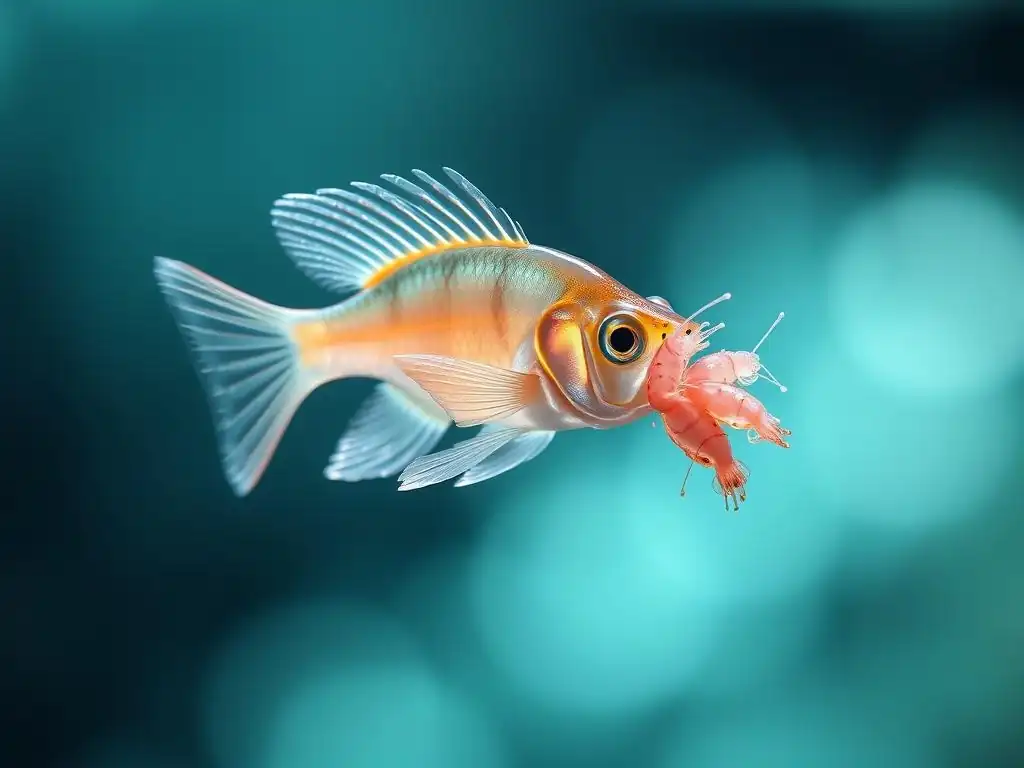
When feeding Angelfish fry with Baby Brine Shrimp, the key is to provide small amounts frequently rather than large, infrequent meals. Begin by introducing a small quantity of BBS, observing the fry's feeding response. The goal is to feed enough so that all fry have slightly rounded bellies, but not so much that a significant amount of uneaten BBS remains swimming in the tank after 15-20 minutes. Excess live BBS can die and decompose, quickly fouling the water.
A common approach is to feed until you see the fry's bellies appear full and orange. If their bellies appear clear or empty shortly after feeding, it indicates they need more food. For a batch of 100-200 fry, a single pipette full of concentrated BBS might be sufficient for one feeding initially. Adjust the volume based on the number and size of your fry, always prioritizing water quality. It is better to slightly underfeed than to overfeed and risk ammonia spikes.
Feeding Frequency and Timing for Optimal Growth
Due to their rapid metabolism and continuous growth, Angelfish fry require frequent feedings of Baby Brine Shrimp. For optimal growth and survival, it is recommended to feed Angelfish fry at least 3-4 times a day during their first two weeks, ideally increasing to 5-6 times a day if possible. This means feeding approximately every 3-4 hours during daylight hours.
Consistent timing is also beneficial, establishing a routine for the fry. For example, feeding at 8 AM, 12 PM, 4 PM, and 8 PM ensures a steady supply of nutrients throughout the day. This constant access to high-quality Angelfish fry food prevents periods of starvation, which can stunt growth and compromise the health of the delicate fry. Frequent feeding cycles also encourage more uniform growth among the siblings.
Pros and Cons of Feeding Baby Brine Shrimp to Angelfish Fry
Advantages of BBS for Young Angelfish
Baby Brine Shrimp offer numerous advantages as an Angelfish fry first food. Their high protein content (50-60%) and essential fatty acid profile provide the robust nutrition required for rapid growth and development. The size of newly hatched BBS (0.4-0.5 mm) is perfectly suited for the tiny mouths of Angelfish fry, making them easily consumable.
Perhaps the most significant advantage is their live, jerky swimming motion. This natural movement stimulates the fry's feeding response, encouraging them to actively hunt and consume the food, leading to higher intake rates compared to inert dry foods. Furthermore, BBS cysts are readily available globally, and the process of hatching them at home is relatively simple, allowing aquarists to produce a fresh, contaminant-free supply daily.
Disadvantages of BBS and Considerations
Despite their many benefits, feeding Baby Brine Shrimp to Angelfish fry also comes with certain considerations. The primary drawback is the daily effort required for hatching and harvesting. This process needs to be performed consistently to ensure a continuous supply of live food, which can be time-consuming for busy aquarists.
Another concern is the potential for water quality issues. If BBS are overfed or not thoroughly rinsed of salt and unhatched cysts, they can quickly decompose and foul the fry tank water, leading to dangerous ammonia and nitrite spikes. Additionally, the nutritional quality of BBS can vary depending on the cyst source and if they are not gut-loaded, they may lack certain vitamins and minerals. Unhatched cysts or empty shells, if ingested, can also cause impaction in very small fry.
Microworms as a First Food for Angelfish Fry: An In-Depth Look
What are Microworms and Why are They Suitable?
Microworms, scientifically known as Panagrellus redivivus, are tiny, non-parasitic nematodes that serve as another excellent Angelfish fry first food. While they are longer than newly hatched Baby Brine Shrimp, typically measuring 0.5 to 2 millimeters, their extremely thin body (around 50 microns or 0.05 mm in diameter) makes them perfectly digestible for even the smallest Angelfish fry. They are often considered the ideal "first first food" for fry that are too small for BBS.
Their suitability stems from several key characteristics. Like BBS, microworms are live and constantly wriggling, which effectively stimulates the fry's feeding instincts. Unlike BBS, microworms are aquatic and sink slowly in water, allowing fry more time to locate and consume them before they settle on the substrate. This slow sinking action can be particularly beneficial for weaker or slower fry, ensuring they also get adequate nourishment.
Culturing Microworms for Angelfish Fry: A Simple Method
Setting Up a Microworm Culture
Culturing microworms is remarkably simple and low-maintenance, providing a continuous supply of Angelfish fry food with minimal effort. To set up a culture, you will need a shallow, breathable container, such as a plastic deli cup or a small Tupperware container, with a lid that allows for some air exchange (e.g., small holes drilled in the lid). The substrate is typically a mix of cooked oatmeal (or similar grain) and active dry yeast. A common recipe is 1 part rolled oats to 1.5-2 parts water, cooked until thick, then cooled, and a pinch of active dry yeast added.
Spread the oatmeal-yeast mixture about 1-2 centimeters thick on the bottom of the container. Once the substrate is prepared, inoculate it with a starter culture of microworms, spreading them evenly over the surface. Cover the container and store it at room temperature, ideally between 20-25°C (68-77°F). Within 3-7 days, a thriving culture will develop, with worms crawling up the sides of the container, ready for harvesting. A well-maintained culture can produce worms for several weeks before needing to be refreshed.
Harvesting Microworms for Angelfish Fry
Harvesting microworms for Angelfish fry is one of the easiest aspects of their culture. As the worms consume the yeast and oatmeal, they will migrate up the sides of the culture container, seeking oxygen. This behavior concentrates them on the walls, making them very accessible.
To harvest, simply use a clean finger, a small plastic scraper, or a clean cotton swab to gently wipe the worms from the sides of the container. The collected worms will appear as a milky smear. This smear can then be gently swirled into a small amount of tank water or dechlorinated water to separate the worms, which are then immediately ready to be fed to the Angelfish fry. Unlike BBS, microworms do not require rinsing to remove salt, simplifying the feeding process.
Feeding Angelfish Fry with Microworms: A Practical Approach
How to Introduce Microworms to Angelfish Fry
Introducing microworms to Angelfish fry is straightforward due to their small size and persistent movement. After harvesting, simply add a small amount of the worms directly into the fry tank water. Their natural tendency to slowly sink ensures that they remain available throughout the water column, allowing the fry ample opportunity to find and consume them.
Observe the fry's feeding response. You should see them actively pecking at the tiny worms. If the worms are consumed within 15-20 minutes, you've likely provided an appropriate amount. Microworms are particularly effective as the initial Angelfish fry first food for very young fry that may struggle with the faster-moving or slightly larger Baby Brine Shrimp. Their constant wiggling motion makes them highly attractive targets.
Determining the Right Amount of Microworms
Similar to feeding Baby Brine Shrimp, the key to successful feeding with microworms is to provide small quantities multiple times a day. Aim for 4-6 feedings spread throughout the daylight hours. This frequent feeding schedule supports the high metabolic rate of Angelfish fry and ensures a continuous supply of nutrients.
To determine the right amount, feed only what the fry can consume within approximately 20-30 minutes. Overfeeding microworms can lead to a build-up of uneaten food on the tank bottom, which will quickly decompose and degrade water quality, posing a significant threat to the delicate fry. Always check for uneaten worms after a feeding period and adjust subsequent amounts accordingly to maintain pristine water conditions.
Pros and Cons of Feeding Microworms to Angelfish Fry
Benefits of Microworms for Young Angelfish
Microworms offer several compelling benefits as an Angelfish fry first food. Their primary advantage is the extreme ease and low maintenance of their culture. Once established, a microworm culture can provide a continuous supply of live food for weeks with minimal intervention, making them ideal for busy aquarists or those with multiple spawns.
Their small size and thin profile make them perfectly suitable for even the tiniest Angelfish fry, often serving as a bridge until the fry are large enough to comfortably consume Baby Brine Shrimp. The slow sinking action of microworms also ensures that all fry, including slower or weaker individuals, have a better chance to feed. Furthermore, their consistent live movement stimulates a strong feeding response, promoting active and healthy growth in young Angelfish.
Drawbacks of Microworms and Potential Issues
Despite their convenience, microworms do have some drawbacks. Their nutritional value, particularly in terms of essential fatty acids, is generally lower than that of newly hatched Baby Brine Shrimp. While they provide adequate protein (around 40-45%), relying solely on microworms for an extended period may lead to nutritional deficiencies and potentially slower growth rates compared to a BBS-rich diet.
Like any live food, overfeeding microworms can quickly lead to water quality degradation. If too many worms are introduced and not consumed, they will die and decompose, contributing to ammonia and nitrite spikes in the fry tank. Additionally, while cultures are generally robust, they can crash if neglected, become too wet, or become contaminated with mold, requiring the aquarist to start a new culture. Therefore, it is often recommended to maintain multiple microworm cultures to ensure a continuous supply.
Comparing Baby Brine Shrimp and Microworms for Angelfish Fry
Nutritional Comparison: BBS vs. Microworms
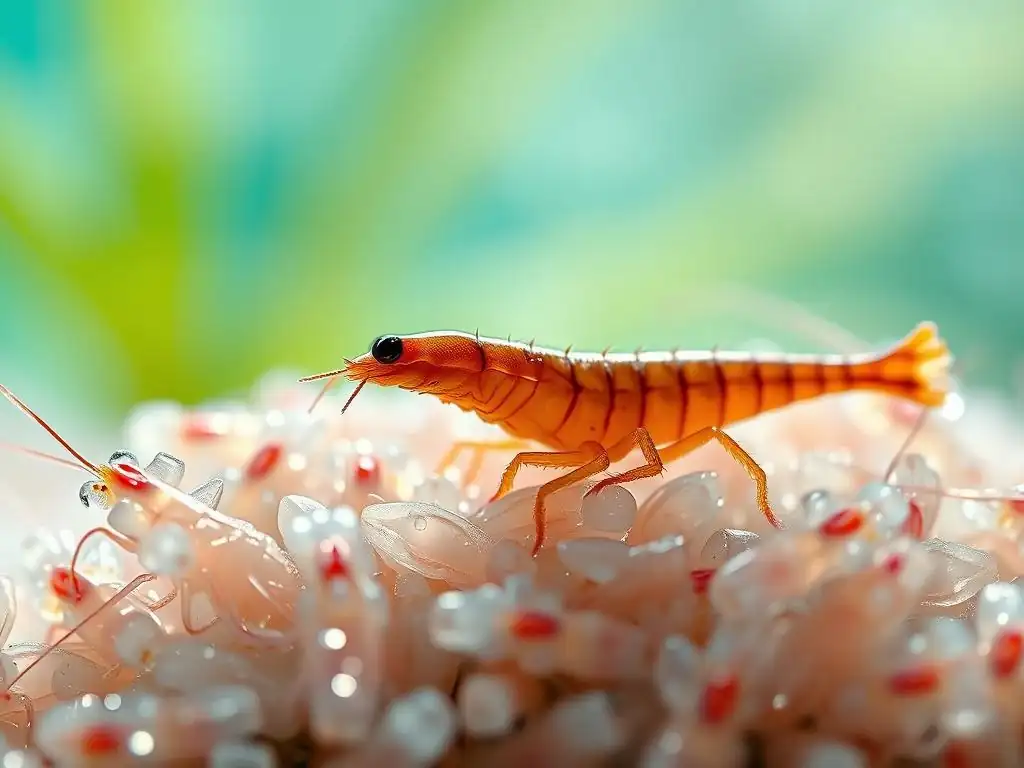
When comparing Baby Brine Shrimp (BBS) and microworms as an Angelfish fry first food, their nutritional profiles present distinct differences. Newly hatched BBS are generally superior in terms of overall nutritional completeness, boasting a higher protein content (typically 50-60% dry weight) and a more balanced lipid profile, including essential fatty acids like DHA and EPA. These fatty acids are crucial for the development of the fry's nervous system and overall vitality.
Microworms, while still a good source of protein (around 40-45%), tend to have a lower fat content and a less diverse fatty acid profile compared to BBS. This means that while microworms can sustain Angelfish fry and promote initial growth, relying exclusively on them might not provide the full spectrum of nutrients needed for optimal, robust development over the long term. Many breeders therefore view microworms as an excellent initial food, but recommend transitioning to or supplementing with BBS as soon as the fry are large enough.
Ease of Culturing and Availability
In terms of ease of culturing and availability, microworms generally win for convenience. A microworm culture, once established, requires minimal daily attention and can provide a continuous supply of live food for several weeks before needing refreshment. This "set-it-and-forget-it" aspect makes them very appealing to aquarists with busy schedules. Starter cultures for microworms are also widely available from other hobbyists or online suppliers.
Baby Brine Shrimp, on the other hand, require daily hatching and harvesting. This involves setting up a hatchery, maintaining specific salinity and temperature, providing continuous aeration, and then carefully collecting and rinsing the nauplii. While not overly complex, it is a daily commitment. However, BBS cysts are globally available from various aquatic suppliers, offering consistent quality and hatch rates when sourced from reputable vendors.
Angelfish Fry Acceptance and Preference
Both Baby Brine Shrimp and microworms are highly accepted by Angelfish fry due to their live movement, which triggers a strong feeding response. The jerky, darting motion of BBS often excites fry, leading to aggressive feeding. Fry will actively chase and consume the bright orange nauplii, making for a captivating feeding spectacle.
Microworms, while not as fast-moving, offer a different advantage: their slow sinking motion. This allows the fry more time to locate and consume the worms, which can be particularly beneficial for slower or less robust fry in a large spawn, ensuring that all individuals get a chance to feed. Often, a combination of both microworms (for the very first few days) and then BBS provides the best of both worlds, offering varied stimuli and a comprehensive nutritional approach for the growing Angelfish.
Other Suitable First Foods for Angelfish Fry
Commercially Available Fry Food
Beyond live foods like Baby Brine Shrimp and microworms, several commercially prepared fry foods are available and can serve as supplementary or alternative Angelfish fry first food options. These typically come in a finely powdered form, specifically formulated for the tiny mouths and high protein needs of fish fry. Brands such as Hikari First Bites or Sera Micron are popular choices, offering a protein content often exceeding 40%.
While convenient and shelf-stable, these dry foods generally lack the irresistible live movement that stimulates a strong feeding response in fry. They must also be fed sparingly, as any uneaten particles will quickly dissolve and foul the water, leading to dangerous ammonia spikes. For best results, commercially available fry foods are often used in conjunction with live foods, or as a temporary measure when live food cultures are not available.
Infusoria and Green Water
For extremely small fry, or those that are struggling to accept even microworms, infusoria and green water can be considered as an initial Angelfish fry first food. Infusoria are microscopic protozoa (such as Paramecium or Rotifers) that naturally occur in established aquariums or can be cultured by decomposing vegetable matter (e.g., banana peel, lettuce) in water. Green water is simply water rich in microscopic algae.
While these options provide minimal nutritional value compared to BBS or microworms, they offer an ultra-fine particle size that even the most delicate fry can consume. They can sustain newly free-swimming fry for the first 24-48 hours until they grow large enough to accept more nutritious live foods. However, relying on them for extended periods is not recommended due to their low nutrient density; they primarily serve as a bridge to more substantial Angelfish baby food.
Transitioning Angelfish Fry to Larger Foods
When to Start Introducing Larger Food Particles
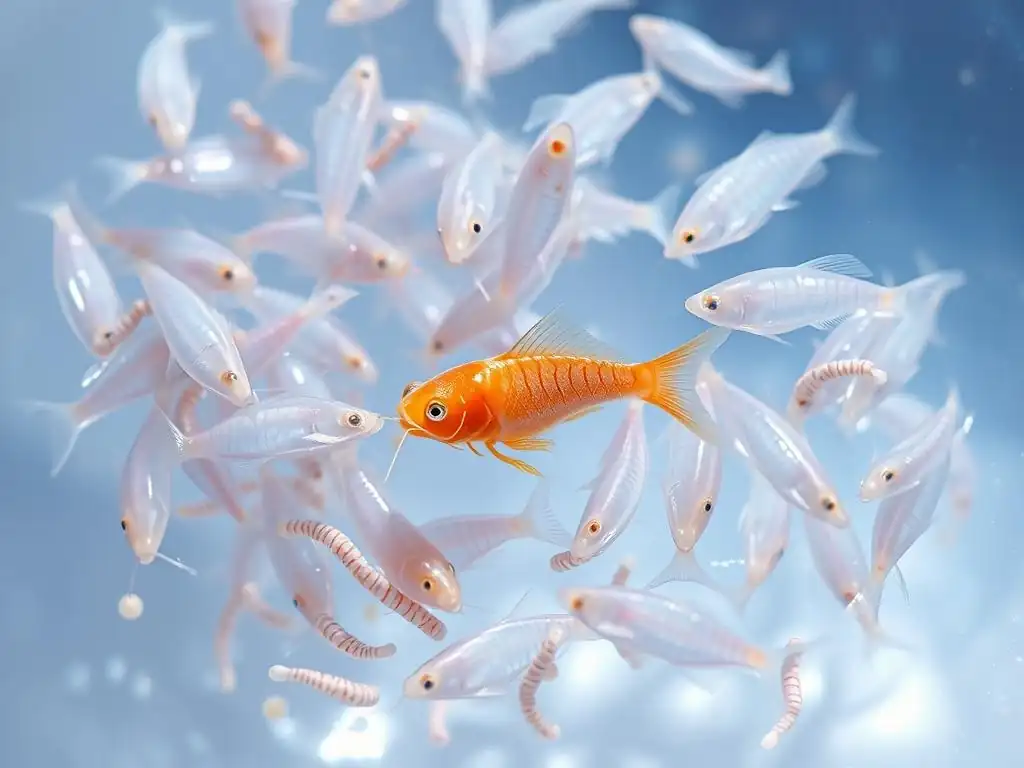
The transition from microscopic first foods to larger food particles is a crucial developmental milestone for Angelfish fry. This typically occurs when the fry are approximately 2-3 weeks old, or when they have grown to about 1 centimeter (0.4 inches) in length. At this stage, their mouths are visibly larger, and their digestive systems are more developed, enabling them to process a wider range of food items.
Observing the fry's feeding behavior is key. If they are aggressively consuming Baby Brine Shrimp or microworms and appear to be growing steadily, they are likely ready for the next step. Introducing larger foods too early can lead to choking or poor digestion, while delaying the transition can slow their growth and limit their nutritional intake, as their needs for larger quantities of food increase dramatically.
Gradual Transition Strategies for Angelfish Fry
A gradual approach is essential when transitioning Angelfish fry to larger foods to ensure acceptance and continued healthy growth. Start by introducing finely crushed flake food, finely ground high-protein pellets, or even finely minced frozen foods (like bloodworms or adult brine shrimp) alongside their regular Baby Brine Shrimp or microworm feedings. For example, crush a high-quality fish flake into a powder finer than sand.
For the first few days, mix the new, larger food with their established Angelfish fry first food, slowly increasing the proportion of the new food over a week or two. This allows the fry to acclimate to the new texture and taste. Gradually reduce the frequency of BBS or microworm feedings as the fry readily accept the larger foods. By 4-6 weeks, most Angelfish fry should be comfortably consuming finely crushed flakes and small frozen foods, paving the way for a diverse adult diet.
Preventing Overfeeding and Water Quality Issues
Maintaining Optimal Water Parameters During Fry Feeding
Maintaining pristine water quality is paramount for the survival and healthy development of Angelfish fry, especially when feeding high-protein live foods. The high bioload from frequent feedings and the rapid metabolism of growing fry quickly deplete oxygen and accumulate waste products. Daily small water changes are non-negotiable; performing 10-20% water changes daily helps remove uneaten food, waste, and dilute harmful nitrates and ammonia.
Always use aged, dechlorinated water for water changes, ensuring it matches the temperature and pH of the fry tank to prevent shock. Regular monitoring of water parameters, particularly ammonia and nitrite levels, is crucial. Even trace amounts of these toxins can be lethal to delicate Angelfish fry, making diligent water maintenance as important as providing the best Angelfish fry food.
Recognizing Signs of Overfeeding in Angelfish Fry
Overfeeding is a common pitfall in Angelfish fry rearing and can quickly lead to devastating consequences for an entire batch. Recognizing the signs of overfeeding early can help prevent a catastrophe. The most obvious indicator is cloudy or milky water, often accompanied by a foul odor, which signifies a bacterial bloom due to decomposing uneaten food. You might also see visible uneaten food particles accumulating on the tank bottom.
Fry themselves may exhibit signs of distress, such as clamped fins, lethargy, rapid breathing, or a general lack of vigor. Sudden, unexplained deaths among the fry are also a strong indicator of poor water quality resulting from overfeeding. If any of these signs appear, immediately perform a significant water change (e.g., 50%) and reduce feeding amounts and frequency. It is always safer to slightly underfeed Angelfish fry than to risk compromising their water quality with excess Angelfish fry first food.
Conclusion: Ensuring Healthy Angelfish Fry with Proper First Foods
The Importance of a Varied Diet for Angelfish Growth
The journey of raising healthy Angelfish fry hinges significantly on providing proper nutrition from their very first free-swimming days. While Baby Brine Shrimp and microworms stand out as exceptional Angelfish fry first food options due to their size, nutritional value, and live movement, the ultimate goal for optimal growth and vitality is a varied diet. Combining these live foods with finely powdered commercial fry foods and gradually transitioning to a diverse range of larger foods ensures a comprehensive nutritional profile that supports every stage of their development.
A varied diet not only provides a wider spectrum of essential vitamins, minerals, and fatty acids but also encourages a stronger feeding response and adaptability to different food types. This foundational nutritional approach in the early weeks directly influences the Angelfish's adult size, vibrant coloration, fin development, and overall robustness, making the effort invested in their initial feeding critically important.
Long-Term Health Benefits of Good Early Nutrition.
The benefits of providing high-quality Angelfish fry first food extend far beyond immediate growth and survival; they lay the groundwork for long-term health and resilience. Fry that receive a consistent, nutrient-rich diet from the outset develop stronger immune systems, making them more resistant to common diseases and less susceptible to stress-related ailments throughout their lives. This robust start minimizes the likelihood of issues like stunted growth, malformations, or chronic health problems.
Ultimately, proper early nutrition contributes significantly to the overall vigor and longevity of your Angelfish. Healthy, well-fed fry are more likely to mature into vibrant, active, and fertile adults, capable of thriving in a community aquarium or continuing the breeding cycle. Investing in the best possible Angelfish fry food is not just about getting them to survive, but about ensuring they flourish into magnificent specimens.
Frequently Asked Questions
What is the best first food for newly hatched Angelfish fry?
The most commonly recommended first foods for Angelfish fry are baby brine shrimp (BBS) and microworms. These are small enough for the fry to consume and provide essential nutrients.
How soon after hatching should I start feeding my Angelfish fry?
You should start feeding Angelfish fry approximately 3-5 days after they hatch, once they have absorbed their yolk sacs and are actively swimming around looking for food.
How often should I feed Angelfish fry baby brine shrimp or microworms?
Feed Angelfish fry multiple times a day (3-4 times is ideal) with small portions of baby brine shrimp or microworms. Ensure the fry consume the food within a few minutes to avoid water quality issues.
Where can I obtain baby brine shrimp and microworms for my Angelfish fry?
You can hatch baby brine shrimp yourself using a hatchery kit or purchase them live from some aquarium stores. Microworms can be cultured at home relatively easily with readily available supplies.
How do I ensure my Angelfish fry are getting enough food?
Observe your Angelfish fry closely. If they have round bellies and are actively swimming and feeding, they are likely getting enough food. Perform regular water changes to maintain water quality and remove uneaten food.
Final Reflection: Nurturing New Life
The journey of raising angelfish fry, as we've explored, hinges significantly on providing the right nourishment from the very beginning. The selection of first foods, particularly baby brine shrimp and microworms, isn't just about sustenance; it's about laying the foundation for healthy growth and vibrant coloration. This seemingly small detail has a profound impact on the future vitality of these delicate creatures, highlighting the responsibility we undertake when caring for them.
The impact of providing optimal first foods extends beyond the individual fish. It reflects a broader commitment to responsible fishkeeping and the preservation of aquatic life. Successfully raising angelfish fry contributes to the hobby's sustainability and allows more enthusiasts to appreciate these magnificent creatures. The best way to predict the future is to create it.
This quote, often attributed to Peter Drucker, resonates deeply here. By investing in the proper care and feeding of angelfish fry, we actively shape a future where these fish thrive in our aquariums and continue to captivate generations to come.
Now, consider the lessons learned. Think about the dedication required to hatch brine shrimp or culture microworms. This commitment mirrors the dedication needed in other aspects of life. How can you apply the patience, attention to detail, and proactive approach required for nurturing angelfish fry to other areas of your life? Let this experience inspire you to cultivate growth and well-being, not just in your aquarium, but in all your endeavors.
Nurture Your Tiny Angels: Spark Growth Today!
Thanks for diving into the delicate world of angelfish fry! We hope you now feel empowered to provide your miniature angels with the best possible start. Ready to witness them thrive?
Here are a few things you can do now:
- Prioritize hatching your own baby brine shrimp. This ensures a consistent and nutritious food source essential for their rapid growth.
- Explore culturing microworms as a backup, and experiment with different feeding schedules to observe your fry's preferences.
- Share your fry-raising experiences and photos with other angelfish enthusiasts in online forums – you might discover new tips and tricks!
What innovative feeding techniques are you excited to try with your angelfish fry to maximize their development?