
Koi Bettas: Are These Living Paintings the Right Choice for You?

Welcome to Aquarium Mastery!
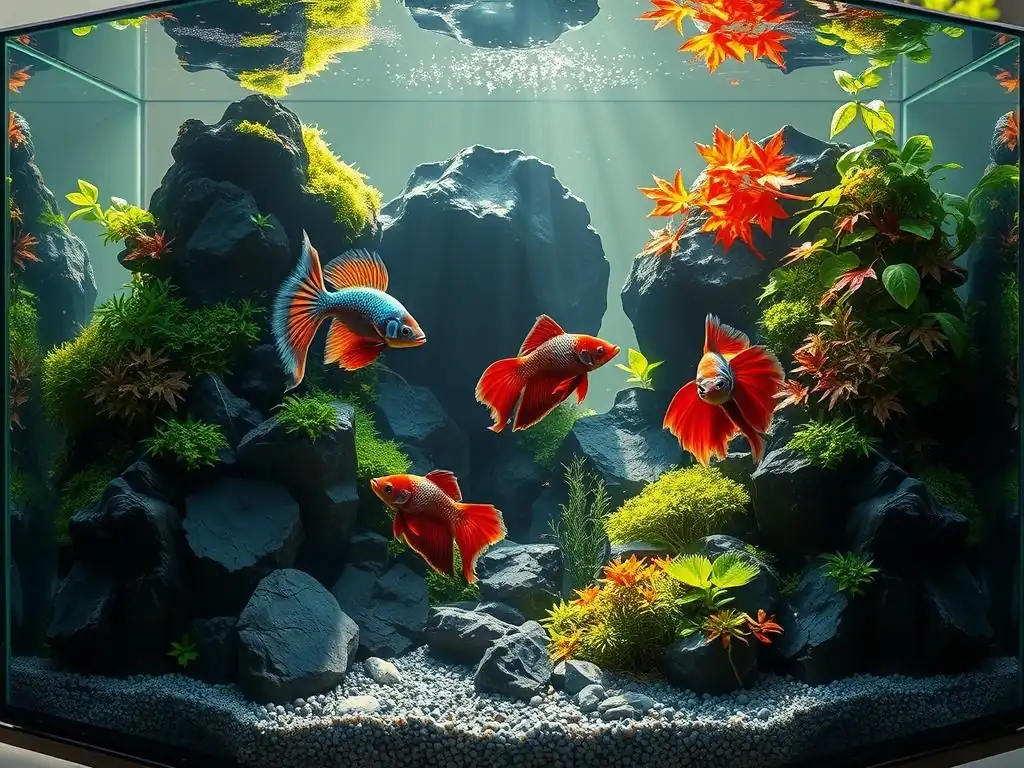
Ever been captivated by the swirling colors of a Koi, or the flamboyant fins of a Betta? Imagine combining the two! Koi Bettas are taking the aquarium world by storm, but are these living paintings the right choice for your tank? Dive in and explore the secrets to a successful Koi Bettas Tank Setup, and discover if you're ready to bring this breathtaking beauty into your freshwater world!
- Understanding Koi Bettas: A Detailed Introduction
- Is a Koi Betta Right for You? Evaluating Compatibility
- Koi Bettas Tank Setup: Creating the Ideal Environment
- Koi Betta Care: Ensuring a Thriving Life
- Koi Betta Tank Mates: Choosing Compatible Companions
- Breeding Koi Bettas: A Challenging but Rewarding Endeavor
- Purchasing Koi Bettas: Finding Healthy and Reputable Sources
- The Allure of Koi Bettas: Why They Captivate Aquarists
- Conclusion: Embracing the Art of Koi Betta Keeping
- Frequently Asked Questions
- Final Reflection: Appreciating Art in the Aquarium
- Unleash Your Inner Artist: Dive Deeper into the World of Koi Bettas!
Understanding Koi Bettas: A Detailed Introduction
What are Koi Bettas? Defining the "Living Painting"
Koi Bettas are a highly sought-after variant of the Betta splendens, specifically bred for their striking, irregular color patterns that strikingly resemble the beloved Japanese Koi carp. Unlike solid-colored Bettas, Koi Bettas exhibit a mosaic of distinct patches, often in shades of red, black, white, and orange, creating a truly unique and dynamic visual appeal. This appearance has earned them the affectionate moniker "living paintings," as their patterns are often unpredictable and can even change over time, adding to their mystique.
The development of Koi Bettas is attributed to selective breeding, leveraging the "marble gene" which causes the migration and rearrangement of pigment cells. This genetic trait allows for the captivating, splotchy patterns that are the hallmark of these fish. Each individual Koi Betta possesses a one-of-a-kind pattern, ensuring that no two are exactly alike, which contributes significantly to their popularity among aquarists looking for a truly distinctive pet.
The Unique Genetic Makeup of Koi Betta Fish
The distinctive patterns of Koi Betta fish are primarily due to the presence of a transposable element, commonly referred to as the "marble gene." This gene causes pigment cells to randomly "turn on" or "turn off" throughout the fish's life, leading to the dramatic and often unpredictable changes in their coloration and pattern. This genetic instability is what gives Koi Bettas their dynamic "living painting" quality, as their appearance can evolve significantly over months or even years.
Selective breeding programs have focused on isolating and enhancing these marbled traits, often combining them with specific base colors and fin types. For instance, a breeder might work to stabilize a tri-color pattern of red, black, and white, ensuring the offspring consistently display these specific hues, even if the exact distribution of patches remains unique to each fish. This complex genetic heritage makes breeding Koi Bettas a challenging but rewarding endeavor for advanced hobbyists.
Distinguishing Koi Bettas from Other Betta Varieties
While many Betta varieties exhibit intricate patterns, Koi Bettas are distinguished by their specific type of marbling, which mimics the large, irregular patches of color found on Koi carp. Unlike traditional marble Bettas that might have more uniform or symmetrical splotches, Koi Bettas typically display bold, blocky patches of color with sharp delineations between them, often in a calico or tri-color fashion. This distinct patterning sets them apart visually.
Furthermore, the "Koi" designation specifically refers to the body pattern, not the fin type. This means a Koi Betta can have various fin forms, such as Halfmoon, Plakat, Crowntail, or Veiltail, while still exhibiting the signature Koi coloration. This combination of unique body patterns with diverse fin types offers an even wider array of aesthetic choices for enthusiasts seeking a truly distinctive fish for their Koi Bettas tank setup.
Is a Koi Betta Right for You? Evaluating Compatibility
Assessing Your Aquarium Keeping Experience for Koi Bettas
While Bettas are often recommended for beginners, keeping Koi Bettas, especially high-quality specimens, benefits from a foundational understanding of aquarium husbandry. New aquarists should first grasp the basics of the nitrogen cycle, water parameter testing, and consistent maintenance routines. Neglecting these fundamental aspects can quickly lead to health issues, particularly in fish that may be more sensitive due to intensive breeding.
Intermediate to advanced hobbyists will find the nuances of Koi Betta care more manageable, as they typically possess the experience to maintain stable water conditions and recognize subtle signs of stress or illness. A successful Koi Bettas tank setup relies heavily on consistent water quality, which often requires a proactive approach to maintenance and observation, skills honed through prior experience in the hobby.
Do You Have the Time for Regular Koi Betta Care?
Owning a Koi Betta, like any pet, requires a consistent time commitment. Daily tasks include feeding, observing for any changes in behavior or appearance, and ensuring the heater and filter are functioning correctly. This daily check-in typically takes about 5-10 minutes but is crucial for early detection of potential problems.
Beyond daily routines, weekly maintenance is essential. For a typical 5-gallon Koi Bettas tank setup, this involves performing a 25-30% water change, gravel vacuuming the substrate to remove waste, and wiping down the tank glass to prevent algae buildup. These weekly tasks can take 20-40 minutes, depending on the tank size and level of accumulated detritus. Neglecting these routines can quickly lead to poor water quality, stressing your fish and making them susceptible to diseases like fin rot.
Budgeting for Koi Betta Tank Setup and Maintenance Costs
The initial investment for a proper Koi Bettas tank setup can range from approximately $80 to $200, depending on the size and quality of equipment. This includes a 5-10 gallon tank, a reliable heater (e.g., a 25-watt heater for a 5-gallon tank), a gentle filter (such as a sponge filter or baffled HOB filter), a thermometer, substrate, decorations, water conditioner, and a liquid test kit for monitoring water parameters. The Koi Betta itself can cost anywhere from $20 to over $100, depending on its pattern, fin type, and breeder reputation.
Ongoing maintenance costs are relatively low but necessary. Monthly expenses typically include high-quality Betta pellets or flakes (around $5-$10), frozen or freeze-dried supplements like bloodworms or brine shrimp ($5-$15), and replacement filter media if using a cartridge filter ($5-$10 every few months). Additionally, regular purchases of water conditioner and potential medications should be factored into the long-term budget, ensuring you're prepared for any eventuality in your Koi Bettas tank setup.
Koi Bettas Tank Setup: Creating the Ideal Environment
Essential Tank Size for Koi Bettas: Space Requirements
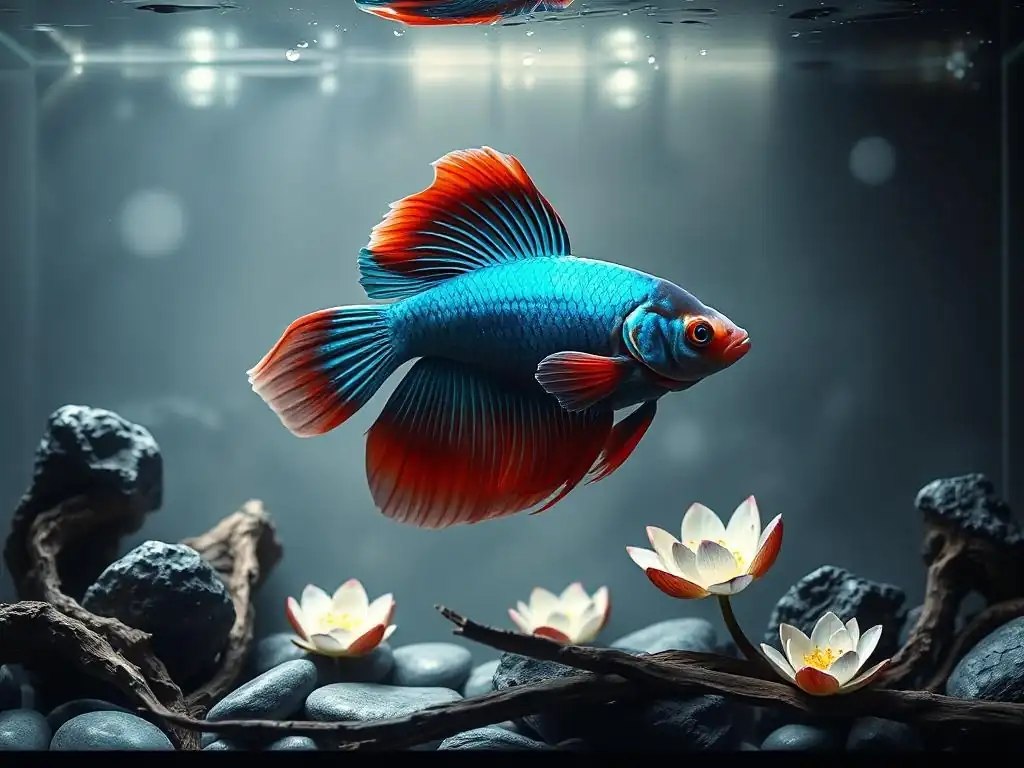
For a single Koi Betta, a minimum tank size of 5 gallons (approximately 19 liters) is essential. While smaller containers are often marketed for Bettas, they are detrimental to the fish's health and well-being, leading to stunted growth, increased stress, and rapid accumulation of toxins. A 5-gallon tank provides adequate swimming space and helps maintain more stable water parameters, which is crucial for the health and vibrancy of these fish.
Ideally, a 10-gallon (approximately 38 liters) Koi Bettas tank setup is even better. Larger tanks offer increased water volume, which dilutes waste more effectively and provides greater stability in temperature and water chemistry. This extra space also allows for more diverse aquascaping and, potentially, the addition of a few carefully chosen, peaceful tank mates, enhancing the overall quality of life for your Koi Betta.
Filtration Needs for a Healthy Koi Betta Tank
Proper filtration is a cornerstone of a healthy Koi Bettas tank setup, but it must be gentle. Bettas, with their long, flowing fins, are not strong swimmers and prefer environments with minimal current. Sponge filters are an excellent choice as they provide both mechanical and biological filtration without creating disruptive water flow. They are also very affordable and easy to maintain, making them ideal for Betta tanks.
Alternatively, a small hang-on-back (HOB) filter can be used, but it's crucial to baffle the output to reduce the flow. This can be done with a piece of filter sponge, a plastic bottle, or even a pre-filter sponge placed over the intake. The goal is to ensure adequate biological filtration to process ammonia and nitrites, maintaining pristine water quality without stressing your Koi Betta. Regular cleaning of the filter media, done in old tank water, prevents the loss of beneficial bacteria.
Water Parameters: Maintaining Optimal Conditions for Koi Bettas
Maintaining stable and appropriate water parameters is paramount for the health and vibrant coloration of your Koi Betta. Key parameters to monitor include temperature, pH, ammonia, nitrite, and nitrate. Regular testing with a reliable liquid test kit is highly recommended, as fluctuations can cause significant stress, weaken the fish's immune system, and make them susceptible to various diseases.
While Koi Bettas are relatively hardy, consistent deviations from ideal conditions can lead to long-term health issues. For instance, prolonged exposure to high ammonia or nitrite levels, even at low concentrations, will burn their gills and severely impact their internal organs. Understanding and actively managing these parameters is a non-negotiable aspect of a successful Koi Bettas tank setup.
Ideal Water Temperature for Koi Bettas
The ideal water temperature for Koi Bettas ranges from 76 to 82°F (24-28°C). Maintaining a consistent temperature within this range is critical for their metabolic functions, immune system, and overall well-being. A reliable submersible heater, appropriately sized for your tank, is indispensable, especially in homes where ambient temperatures fluctuate.
Temperatures below 76°F can slow down a Betta's metabolism, making them lethargic, prone to illness, and less active. Conversely, temperatures consistently above 82°F can increase their metabolism too rapidly, potentially shortening their lifespan and reducing oxygen levels in the water. A stable temperature ensures your Koi Betta remains active, healthy, and displays its stunning colors to their fullest potential within its Koi Bettas tank setup.
pH Levels for Koi Betta Health
Koi Bettas thrive in water with a slightly acidic to neutral pH, ideally ranging between 6.5 and 7.5. While hitting an exact number is less critical, maintaining a stable pH is far more important than attempting to constantly adjust it. Drastic fluctuations in pH can cause severe stress and damage to a fish's gills and internal organs, even leading to death.
Most tap water falls within an acceptable pH range for Bettas, but it's crucial to test your specific water source. Avoid using harsh chemicals to alter pH unless absolutely necessary and only with extreme caution, as they can cause rapid and dangerous shifts. A stable pH, combined with consistent water changes, contributes significantly to the long-term health and vibrancy of your Koi Betta in its carefully planned Koi Bettas tank setup.
Substrate and Decor: Creating a Comfortable Habitat
For the substrate in your Koi Bettas tank setup, smooth gravel or sand is recommended. Avoid anything with sharp edges, as these can easily tear the delicate fins of your Betta, leading to injuries and potential infections like fin rot. A darker substrate can often help bring out the vibrant colors of your Koi Betta, making their unique patterns even more striking.
Decorations should include plenty of hiding spots and resting places. Live plants like Anubias, Java Fern, and floating plants such as Salvinia or Water Lettuce are excellent choices, providing natural cover and helping with water quality. If using artificial plants, ensure they are made of silk or soft plastic, again to prevent fin damage. Caves, driftwood, and smooth rocks also make great additions, offering security and enrichment for your Betta.
Lighting Requirements for Koi Bettas: Promoting Well-being
Koi Bettas do not require intense lighting. A standard LED aquarium light that provides moderate illumination is perfectly sufficient for viewing your fish and, if desired, supporting the growth of low-to-medium light live plants. The light helps establish a natural day-night cycle, which is important for the fish's circadian rhythm and overall well-being.
It's recommended to provide 8-10 hours of light per day, mimicking natural daylight hours. Excessive lighting, such as leaving the light on for more than 12 hours, can stress your Betta and often leads to an undesirable increase in algae growth. A timer can be a valuable tool to ensure consistent lighting duration for your Koi Bettas tank setup, promoting a stable and healthy environment.
Koi Betta Care: Ensuring a Thriving Life
Feeding Your Koi Betta: Diet and Nutrition
A balanced and varied diet is crucial for the health, vibrant coloration, and longevity of your Koi Betta. As carnivores, their diet should primarily consist of high-quality Betta pellets or flakes specifically formulated for their nutritional needs. These should be supplemented regularly with protein-rich treats like frozen or freeze-dried bloodworms, brine shrimp, and daphnia. Live foods, if sourced safely, can also be offered periodically.
Feed your Koi Betta small amounts, 1-2 times per day, only what they can consume within 2-3 minutes. Overfeeding is a common mistake that leads to several problems, including poor water quality due to uneaten food decaying, and health issues for the fish such as swim bladder disorder or constipation. Observing your Betta's appetite and adjusting portions accordingly is key to their well-being.
Water Changes: Maintaining Water Quality for Koi Bettas
Regular water changes are the most critical aspect of maintaining excellent water quality for your Koi Betta. For a 5-10 gallon Koi Bettas tank setup, a 25-30% water change weekly is generally recommended. This routine helps to dilute accumulated nitrates, replenish essential minerals, and remove organic waste that can degrade water quality.
When performing water changes, always use a gravel vacuum to siphon out detritus from the substrate, and ensure the new water is dechlorinated and matches the tank's temperature as closely as possible. Drastic temperature shifts can shock your fish and weaken their immune system. Consistent water changes are indispensable for preventing disease and ensuring your Koi Betta remains healthy and displays its full, brilliant spectrum of colors.
Recognizing and Treating Common Koi Betta Diseases
Early detection is paramount when it comes to treating diseases in Koi Bettas. Aquarists should regularly observe their fish for any changes in behavior, such as lethargy, loss of appetite, or rubbing against tank decor. Physical signs like clamped fins, faded colors, white spots, bloating, or visible growths also indicate potential health issues. Prompt identification allows for timely intervention, significantly increasing the chances of recovery.
It is highly advisable to have a separate, small quarantine tank (e.g., 2.5-gallon) readily available. This tank can be used to acclimate new fish, preventing the introduction of diseases to your main Koi Bettas tank setup, and also serves as an isolation unit for treating sick fish, preventing the spread of illness to other tank inhabitants. Always ensure any medication used is safe for labyrinth fish.
Fin Rot in Koi Bettas: Symptoms and Treatment
Fin rot is a common bacterial infection in Bettas, often caused by poor water quality, stress, or physical injury to the fins. Symptoms include the fins appearing frayed, ragged, or disintegrating, sometimes with a reddish or black edge to the affected areas. In severe cases, the rot can progress to the body, impacting the fish's overall health.
Treatment for fin rot primarily involves improving water quality immediately. Perform a 50% water change, followed by daily 25% changes for several days, ensuring the water is pristine. Adding aquarium salt (1 teaspoon per gallon, dissolved first) can also help. If the condition is advanced, a broad-spectrum antibiotic such as erythromycin or furan-2, administered according to package directions, may be necessary to halt the infection and promote healing.
Ich (White Spot Disease) in Koi Bettas: Identification and Cure
Ichthyophthirius multifiliis, commonly known as Ich or white spot disease, is a highly contagious parasitic infection identifiable by small, white, salt-like spots appearing on the fish's body and fins. Other symptoms include rapid breathing, flashing (rubbing against objects), and lethargy. Ich is often introduced by new fish or plants, or triggered by sudden temperature fluctuations or stress.
To treat Ich in your Koi Bettas tank setup, gradually raise the water temperature to 82-84°F (28-29°C) over 24 hours, as higher temperatures accelerate the parasite's life cycle. Add aquarium salt at a concentration of 1-2 tablespoons per 5 gallons (dissolved before adding). For severe cases, specific Ich medications containing malachite green or formaldehyde are effective, but always remove activated carbon from the filter during treatment. Continue treatment for at least 7-10 days, even if symptoms disappear, to eliminate all life stages of the parasite.
Preventing Health Problems in Your Koi Betta
Preventing health problems in your Koi Betta is far easier and more effective than treating them. The cornerstone of prevention is maintaining consistently pristine water quality through regular, scheduled water changes and proper filtration. For instance, a weekly 25% water change in a 5-gallon Koi Bettas tank setup helps keep nitrate levels low and prevents the buildup of harmful toxins.
Beyond water quality, providing a high-quality, varied diet, ensuring a stable temperature, and avoiding overfeeding are crucial. Always quarantine new fish for 2-4 weeks in a separate tank before introducing them to your main aquarium. Minimizing stress by providing ample hiding spots, avoiding incompatible tank mates, and refraining from startling the fish will also significantly contribute to a strong immune system and a healthy, vibrant Koi Betta.
Koi Betta Tank Mates: Choosing Compatible Companions
Best Tank Mates for Koi Bettas: Peaceful Options
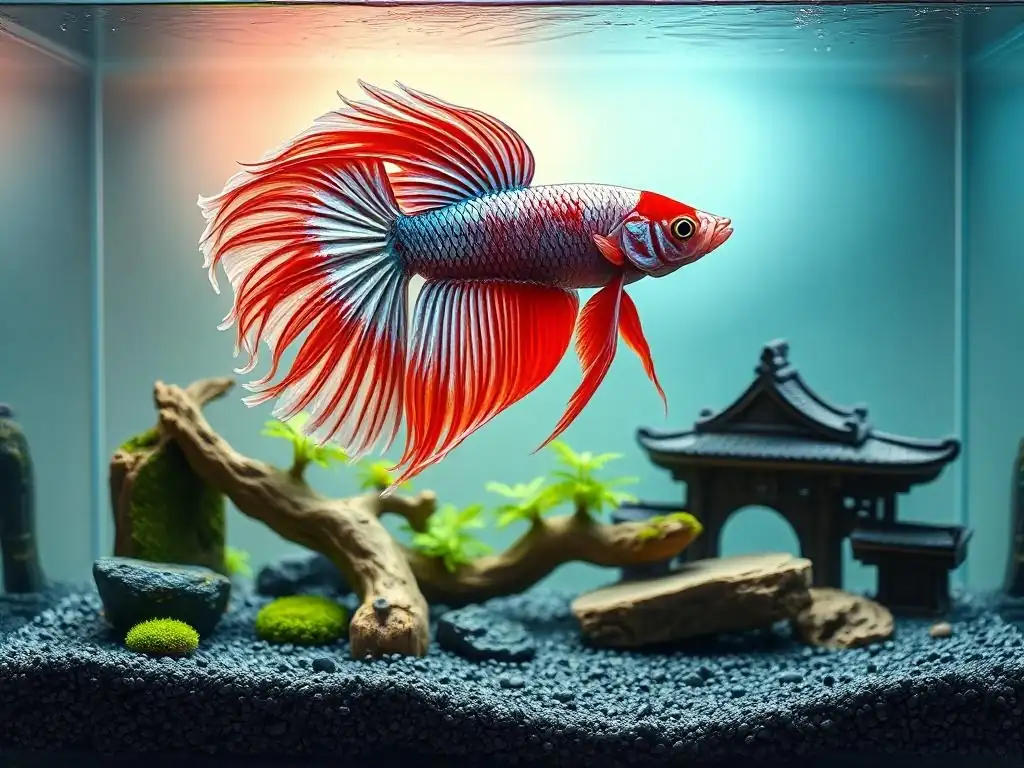
Choosing tank mates for Koi Bettas requires careful consideration due to their territorial and sometimes aggressive nature. The ideal companions are small, peaceful, non-fin-nipping species that prefer similar water parameters and occupy different areas of the tank. For a 10-gallon Koi Bettas tank setup, a few Otocinclus catfish (small algae eaters) or a small school of Pygmy Corydoras catfish are often excellent choices, as they are bottom dwellers and generally ignore Bettas.
Other possibilities, particularly in tanks 15 gallons or larger, include Ember Tetras or small Rasboras (e.g., Chili Rasboras), provided they are kept in sufficiently large schools (6+ individuals) to diffuse any potential Betta aggression. Snails, such as Nerite or Mystery snails, are almost universally compatible, offering algae control without posing a threat to the Betta. Always introduce tank mates cautiously and have a backup plan (like a separate tank) in case aggression arises.
Fish to Avoid: Incompatible Tank Mates for Koi Bettas
Several types of fish are generally incompatible with Koi Bettas and should be avoided. This includes other male Bettas, as they are highly territorial and will fight, often to the death. Fish with long, flowing fins, such as guppies, angelfish, or even other Betta varieties, can be mistaken for rivals or targets for aggression due to their similar appearance.
Fin-nipping species like Tiger Barbs, Serpae Tetras, or certain Gouramis should also be avoided, as they can severely damage a Betta's delicate fins, leading to stress and susceptibility to infection. Large, aggressive, or highly territorial fish (e.g., most cichlids) are also unsuitable, as they will undoubtedly outcompete or bully your Koi Betta, making its Koi Bettas tank setup a stressful environment.
Considering Invertebrates: Shrimp and Snails with Koi Bettas
Invertebrates like snails and shrimp can be excellent additions to a Koi Bettas tank setup, provided your Betta has a non-aggressive temperament. Snails, such as Nerite Snails, Mystery Snails, or Malaysian Trumpet Snails, are generally safe companions. They are peaceful, help with algae control, and rarely bother Bettas. In return, the Betta typically leaves them alone, though some larger snails might be occasionally nudged.
Shrimp present a more variable compatibility. Amano Shrimp are often recommended due to their larger size and excellent cleaning abilities, making them less likely to be seen as food. However, smaller shrimp like Cherry Shrimp can be viewed as a snack by some Bettas, depending on the individual Betta's personality and hunger levels. Always ensure plenty of hiding spots (plants, caves) for shrimp if you choose to introduce them, offering them refuge from a curious or predatory Betta.
Breeding Koi Bettas: A Challenging but Rewarding Endeavor
Setting Up a Breeding Tank for Koi Bettas
Successfully breeding Koi Bettas requires a dedicated breeding tank, typically 5-10 gallons, with specific conditions to encourage spawning and protect the fry. The water level should be shallow, about 4-6 inches deep, to make it easier for the male to retrieve eggs and for the fry to reach the surface for air. A gentle sponge filter is ideal, providing biological filtration without creating disruptive currents.
The tank should be heated to a consistent 80-82°F (27-28°C) to stimulate breeding behavior. Provide floating plants, such as Anacharis or Water Sprite, or even a small styrofoam cup, for the male to build his bubble nest under. A bare bottom or very fine sand substrate is preferred for easy cleaning and observation of eggs and fry.
Conditioning Koi Bettas for Breeding
Before attempting to breed Koi Bettas, both the male and female must be "conditioned" to optimal health and breeding readiness. This involves separating them into individual tanks and feeding them a high-protein diet for 1-2 weeks. Live or frozen foods like bloodworms, brine shrimp, and daphnia are excellent choices, as they provide the necessary nutrients and stimulate egg production in the female and vigor in the male.
Once conditioned, the male and female can be introduced visually for a few days by placing the female in a clear container (e.g., a breeder box or glass jar) inside the male's breeding tank. This allows them to become accustomed to each other's presence without direct interaction, reducing potential aggression. Look for vertical "breeding stripes" on the female and a visible ovipositor, indicating she is receptive to spawning.
The Spawning Process: Observing and Assisting
Once the male has built a robust bubble nest, the female can be introduced to the breeding tank. The spawning process typically involves a courtship ritual where the male flares and displays to the female, attempting to entice her under his nest. If receptive, the female will respond with her own displays, and the male will then embrace her in a "nuptial clasp," squeezing the eggs from her body while simultaneously fertilizing them.
The male will then tirelessly collect the fertilized eggs, which are slightly heavier than water, and meticulously place them into the bubble nest. This process can repeat multiple times over several hours. Once spawning is complete, the female should be carefully removed from the breeding tank, as the male will become highly territorial and may injure her while guarding the eggs. The male will then diligently tend to the eggs until they hatch, typically within 24-48 hours.
Caring for Koi Betta Fry: Raising the Next Generation
After the Koi Betta eggs hatch, the tiny fry will initially feed on their yolk sacs for about 2-3 days. Once they become free-swimming and start to explore the tank, the male should be carefully removed to prevent him from potentially eating his offspring. At this stage, the fry require extremely fine food sources, as they are too small to consume typical Betta food.
Initial feedings should consist of infusoria, which can be cultured or purchased, followed by microworms and then newly hatched brine shrimp as they grow. Frequent, small water changes (10-15% daily or every other day) using a turkey baster or airline tubing are crucial to maintain pristine water quality, as the fry are highly sensitive to pollutants. Raising Koi Betta fry is a challenging but incredibly rewarding experience, requiring dedication and meticulous care to ensure their survival and healthy development.
Purchasing Koi Bettas: Finding Healthy and Reputable Sources
Where to Buy Koi Bettas: Online vs. Local Breeders
When looking to purchase Koi Bettas, aquarists have a few primary options, each with its own advantages and disadvantages. Online breeders and specialized Betta stores offer the widest selection, often showcasing unique patterns and genetic lines not found elsewhere. The benefit here is access to high-quality, often show-grade fish, but the risks include shipping stress, potential misrepresentation in photos, and no direct control over the fish's journey. Always research seller reviews and policies thoroughly.
Local fish stores (LFS) provide the opportunity to inspect the fish in person, assessing their health and temperament before purchase. However, the quality and variety of Koi Bettas at LFS can vary significantly. Reputable local Betta breeders are often the best source; they are passionate, knowledgeable, and typically maintain excellent husbandry practices. Buying directly from a local breeder allows for direct inspection of the fish and their current Koi Bettas tank setup, and often provides access to valuable advice and support.
Identifying a Healthy Koi Betta: What to Look For
Identifying a healthy Koi Betta before purchase is crucial to ensure a successful addition to your aquarium. Look for a fish that is active and alert, swimming purposefully rather than sitting listlessly at the bottom or top of its container. Its fins should be fully spread, intact, and free from tears, fraying, or clamping, which can indicate stress or fin rot.
The colors of a healthy Koi Betta should be vibrant and well-defined, not faded or dull. Its eyes should be clear and bright, not cloudy or sunken. Check for any visible signs of disease, such as white spots (Ich), fuzzy growths (fungus), or bloating. Observe its breathing; it should be calm and regular, not rapid or labored. A healthy fish will also show interest in its surroundings and potentially respond to your presence.
Quarantine Procedures for New Koi Bettas: Preventing Disease
Implementing a strict quarantine procedure for any new Koi Betta is perhaps the most critical step in preventing the introduction of diseases to your established aquarium. Set up a separate, small quarantine tank (e.g., 2.5-5 gallons) with a heater, gentle filter, and thermometer. Avoid substrate or elaborate decor to facilitate easy cleaning and observation.
Quarantine your new Koi Betta for a minimum of 2-4 weeks. During this period, carefully observe the fish for any signs of illness, such as changes in behavior, appetite, or appearance. Perform regular small water changes in the quarantine tank and avoid sharing equipment (nets, siphons) between the quarantine tank and your main Koi Bettas tank setup. This simple but effective measure significantly reduces the risk of devastating disease outbreaks in your primary display tank.
The Allure of Koi Bettas: Why They Captivate Aquarists
The Beauty and Variety of Koi Betta Colors and Patterns
The primary allure of Koi Bettas lies in their extraordinary beauty and the endless variety of their colors and patterns. Each fish is a unique masterpiece, with irregular patches of black, red, white, orange, and sometimes even blue or yellow, reminiscent of traditional Japanese Koi carp. This unpredictable marbling effect means no two Koi Bettas are exactly alike, making each one a truly individual "living painting" that continuously captivates its owner.
Beyond the classic tri-color patterns, selective breeding has led to fascinating variations such as "Galaxy Koi," which exhibit iridescent flecks over their base colors, or "Candy Koi," boasting an even wider spectrum of vibrant hues. This constant evolution and the potential for new color combinations ensure that the aesthetic appeal of Koi Bettas remains fresh and exciting, drawing in both seasoned aquarists and newcomers alike.
The Personality of Koi Bettas: Observing Their Behavior
Beyond their stunning appearance, Koi Bettas are renowned for their distinct and engaging personalities, which are a major draw for aquarists. Unlike many other fish that simply swim aimlessly, Bettas are known for their intelligence and interactive behavior. Many owners report their Koi Bettas recognizing them, following their fingers along the glass, and even learning simple tricks or responding to specific cues.
Their curious nature often leads them to explore every nook and cranny of their Koi Bettas tank setup, and their territorial displays, such as flaring at reflections or other perceived rivals, are a fascinating aspect of their behavior. Each Koi Betta possesses its own unique temperament, ranging from shy and reserved to bold and boisterous, ensuring that owning one is always an engaging and personal experience.
Contributing to the Koi Betta Community: Sharing Knowledge and Experiences
The passion for Koi Bettas extends beyond individual tanks, fostering a vibrant and supportive community among aquarists. Online forums, social media groups, and local aquarium clubs dedicated to Betta fish provide invaluable platforms for sharing knowledge, asking questions, and showcasing one's beloved "living paintings." This collective enthusiasm creates a welcoming environment for both novice and experienced keepers.
Contributing to this community, whether by sharing photos of your thriving Koi Bettas tank setup, offering advice based on your experiences, or simply engaging with others' posts, enriches the hobby for everyone. It allows for continuous learning about care techniques, breeding insights, and disease prevention, ultimately leading to healthier fish and a more informed and connected network of Betta enthusiasts.
Conclusion: Embracing the Art of Koi Betta Keeping
Summarizing Key Considerations for Koi Betta Ownership
Owning a Koi Betta is a truly rewarding experience, but it requires a commitment to providing the right environment and consistent care. Key considerations include a minimum 5-gallon Koi Bettas tank setup, equipped with a reliable heater to maintain temperatures between 76-82°F (24-28°C) and a gentle filter to ensure pristine water quality. Regular 25-30% weekly water changes are essential to dilute toxins and replenish minerals, supporting both health and vibrant coloration.
Furthermore, a high-quality, varied diet, attention to compatible tank mates, and a proactive approach to disease prevention through observation and quarantine procedures are non-negotiable. While their beauty is undeniable, understanding and meeting their specific needs ensures these "living paintings" not only survive but truly thrive in your care.
Final Thoughts on the Unique Charm of Koi Bettas
Koi Bettas are more than just fish; they are dynamic, evolving works of art that bring unparalleled beauty and personality to any freshwater aquarium. Their captivating, ever-changing patterns, combined with their intelligent and interactive nature, make them truly unique pets that forge a special connection with their owners. The journey of keeping a Koi Betta, from setting up their ideal habitat to observing their daily antics and appreciating their stunning colors, is a constant source of wonder and satisfaction.
Embracing the art of Koi Betta keeping means dedicating yourself to their well-being, which in turn unlocks the full spectrum of their charm. For any aquarist seeking a truly distinctive and engaging aquatic companion, a Koi Betta represents a living masterpiece, offering endless fascination and a deeply rewarding experience.
Frequently Asked Questions
What exactly are Koi Bettas?
Koi Bettas are a type of Betta splendens selectively bred for their coloration that resembles Koi fish. They are known for their marbled patterns and diverse color combinations.
What size tank is recommended for a Koi Betta?
A minimum of a 5-gallon tank is recommended for a single Koi Betta. Larger tanks are always better as they provide more space and help maintain stable water parameters.
What are the key considerations for a Koi Bettas tank setup?
A successful Koi Betta tank setup requires a filtered and heated environment. Include plenty of hiding places with plants and decorations to reduce stress.
Are Koi Bettas compatible with other fish?
Koi Bettas are generally solitary fish and can be aggressive, especially towards other Bettas or similar-looking fish. Carefully consider any tank mates.
What are some common problems aquarists face when keeping Koi Bettas?
Common issues include fin rot, ich (white spot disease), and aggression. Maintaining clean water and a balanced diet are crucial for their health.
Okay, here's a final reflection crafted to fit your article "Koi Bettas: Are These Living Paintings the Right Choice for You?" and optimized for the keyword "Koi Bettas Tank Setup," following your specified structure and tone:
Final Reflection: Appreciating Art in the Aquarium
The journey of setting up a Koi Betta tank, as we've explored, is more than just assembling equipment; it's about creating a thriving ecosystem for a living work of art. Understanding the nuances of a proper Koi Betta tank setup is crucial, not only for the fish's well-being but also for truly appreciating the vibrant beauty they bring to our lives. Neglecting their specific needs diminishes their potential and ultimately, our enjoyment of these captivating creatures.
The allure of Koi Bettas extends beyond their striking colors; it's a testament to our fascination with beauty and our desire to connect with nature. This connection, however, carries a responsibility to provide the best possible environment for these delicate fish. The greatness of a nation and its moral progress can be judged by the way its animals are treated.
– Mahatma Gandhi. This quote resonates deeply when considering the ethical implications of keeping Koi Bettas, reminding us that their care reflects our own values.
As you consider bringing a Koi Betta into your home, remember that you're not just acquiring a pet; you're becoming a caretaker of a living masterpiece. Take the time to truly understand their needs, invest in a proper Koi Bettas tank setup, and commit to providing a thriving environment.
By doing so, you'll not only ensure the health and happiness of your fish but also enrich your own life with the beauty and tranquility they offer. Let's all strive to be responsible stewards of these living paintings, ensuring their vibrant colors continue to brighten our world for years to come.
Unleash Your Inner Artist: Dive Deeper into the World of Koi Bettas!
Thanks for exploring the vibrant world of Koi Bettas with us! We hope you've gained valuable insights into whether these stunning fish are the right addition to your aquarium. Ready to take the plunge?
Here’s how to continue your Koi Betta journey:
- Identify Reputable Breeders: Connect with three highly-rated breeders known for their ethical practices and healthy Koi Betta varieties.
- Share the beauty: Spread the word about the allure of Koi Bettas by posting your favorite photo of a Koi Betta on social media and tag two friends who might be interested in keeping one.
- Beyond the Bettas: Broaden your knowledge by researching three lesser-known but fascinating Betta species and share your findings with other hobbyists online.
What unique color pattern would you dream of seeing in your ideal Koi Betta? Share your vision below!