
Green Water Woes? Discover if a Pleco or Oto is Your Solution

Welcome to Aquarium Mastery!
Struggling with that dreaded green water in your freshwater tank? You're not alone! Many aquarists face this frustrating algae bloom. Dive into our latest article, " Green Water Woes? Discover if a Pleco or Oto is Your Solution," to uncover whether a Pleco or another surprising algae eater is the right fit for your aquarium. Could these algae-eating heroes be the key to crystal-clear water? Find out now and reclaim your aquatic paradise! Let's explore the fascinating world of freshwater fish and conquer those pesky algae blooms together!
- Understanding Green Water in Aquariums: A Comprehensive Overview
- The Algae-Eating Powerhouses: Plecos and Otocinclus Compared
- Pleco vs. Oto for Green Water: A Detailed Comparison
- Choosing the Right Algae Eater: Factors to Consider
- Beyond Fish: Complementary Green Water Solutions
- Preventing Green Water: Proactive Measures for a Clear Tank
- Conclusion: Selecting the Best Algae Eater for Your Green Water Problem
-
Frequently Asked Questions
- Will a Pleco really solve my green water problem?
- Are all Plecos effective at controlling algae blooms that cause green water?
- What's the difference between using a Pleco and an Oto to combat green water?
- If I do use a Pleco, what species is best for tackling green water?
- Besides introducing algae eaters, what else can I do to prevent green water from returning?
- Final Reflection: Clarity from the Murk
- Dive Deeper into Crystal-Clear Waters!
Understanding Green Water in Aquariums: A Comprehensive Overview
What Causes Green Water in Freshwater Tanks?
Green water in freshwater aquariums is primarily caused by a rapid proliferation of microscopic, single-celled algae, predominantly Chlorella species, suspended in the water column. This phenomenon transforms crystal-clear water into an opaque green "pea soup." The most common triggers for this unsightly bloom are an imbalance in the aquarium's ecosystem, specifically excessive light exposure combined with an abundance of nutrients.
For instance, a tank receiving direct sunlight for several hours daily, or one with artificial lighting left on for more than 10-12 hours, is highly susceptible. Compounding this, elevated levels of nitrates (often exceeding 20 ppm) and phosphates (above 0.5 ppm) act as primary fertilizers for these algae. These nutrients typically accumulate from sources like uneaten fish food, decaying plant matter, fish waste, and insufficient water changes.
The Impact of Green Water on Your Aquarium Ecosystem
Beyond its obvious aesthetic drawback, green water poses several threats to the delicate balance of an aquarium. During the day, algae perform photosynthesis, producing oxygen, but at night, they respire, consuming significant amounts of oxygen. In severe cases, this nocturnal oxygen depletion can lead to dangerously low levels, stressing fish and potentially causing them to gasp at the surface or even suffocate.
Furthermore, dense algae blooms can block light from reaching aquatic plants, hindering their growth and potentially causing them to die back, which then adds more decaying organic matter to the water. The rapid growth and die-off cycles of algae can also cause significant pH swings, further destabilizing the aquatic environment and putting additional strain on the fish and beneficial bacteria.
Why Algae Blooms Occur: Identifying the Root Cause
Algae blooms, particularly green water, are a symptom of an underlying imbalance rather than a problem in themselves. The root cause almost always boils down to an excess of light, nutrients, or a combination of both. Overfeeding is a major contributor, as uneaten food quickly breaks down, releasing nitrates and phosphates. Similarly, infrequent or insufficient water changes allow these nutrients to build up to alarming concentrations.
Overstocking an aquarium also dramatically increases the bio-load, leading to higher waste production and nutrient accumulation. Even in new tanks, green water can occur during the cycling process if there's an initial imbalance of nutrients and light before the beneficial bacteria colonies are fully established. For example, a 50-gallon aquarium with 15 large, messy fish and only a 10% weekly water change schedule is highly likely to develop a persistent green water issue due to the continuous nutrient overload.
The Algae-Eating Powerhouses: Plecos and Otocinclus Compared
Pleco for Green Water: Can a Pleco Solve Your Algae Problem?
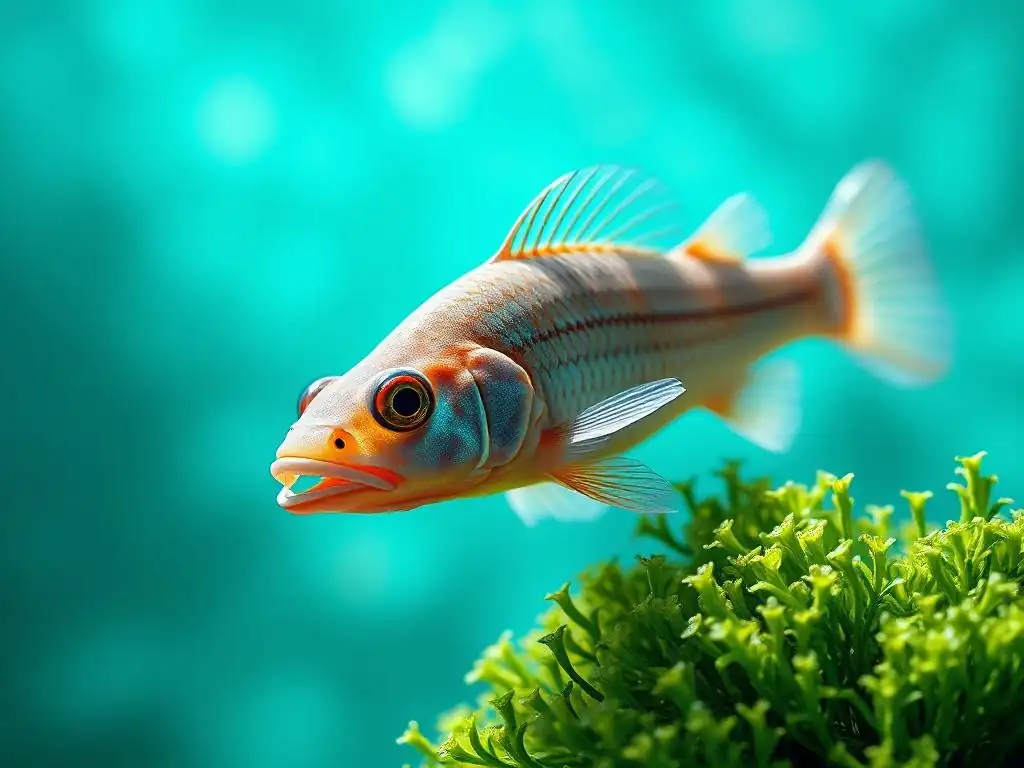
While many aquarists consider a pleco for green water as a potential solution, it's crucial to understand their specific role. Plecos, or armored catfish, are indeed excellent algae eaters, but their primary diet consists of biofilm, diatoms, and soft green algae that grow on surfaces like glass, rocks, and driftwood. They use their specialized sucker mouths to scrape these surfaces clean.
However, a pleco is generally not an effective direct solution for free-floating green water algae. Their feeding mechanism is not designed to filter microscopic algae cells from the water column. While they might indirectly help by consuming surface algae, which slightly reduces the overall nutrient load, they will not clear the "pea soup" appearance of the water itself.
Types of Plecos that Consume Algae Effectively
Among the diverse group of plecos, certain species are more suitable for algae control in home aquariums due to their size and dietary preferences. The Bristlenose Pleco ( Ancistrus spp.) is widely regarded as one of the best algae eaters. Growing to a manageable size of 4-5 inches, they are prolific grazers of film algae and diatoms. Other species like the Rubberlip Pleco ( Chaetostoma formosae) also exhibit good algae-eating habits.
Common Plecos ( Hypostomus plecostomus), while large and often sold as algae eaters, grow too big for most home aquariums (often exceeding 12-18 inches) and become less interested in algae as they mature, preferring protein-rich foods. For a 20-gallon tank struggling with surface algae, a single Bristlenose pleco can effectively keep the glass and decor clean, often clearing visible green film algae within a few days.
The Limitations of Plecos in Controlling Green Water
The primary limitation of a pleco for green water is their inability to consume the suspended Chlorella algae that cause the water to turn green. Their scraping mouthparts are designed for stationary algae, not microscopic particles floating in the water column. Therefore, introducing a pleco will not clear cloudy green water.
Furthermore, many pleco species, especially the larger ones, produce a significant amount of waste, contributing to the very nutrient load that fuels algae growth. A large Common Pleco in a 55-gallon tank, for instance, can excrete enough waste to measurably increase nitrate levels, potentially exacerbating the underlying problem if not accompanied by diligent maintenance. Their waste can also contribute to detritus, which further breaks down into nutrients.
Otocinclus (Otos) for Green Water: Tiny Algae Eaters with Big Impact
Otocinclus catfish, often simply called Otos, are small, peaceful, and highly effective algae eaters for the aquarium. Like plecos, they are specialized grazers, using their sucker mouths to meticulously clean surfaces. They are particularly adept at consuming diatoms (brown algae), soft green film algae, and even some types of hair algae that grow on plant leaves, glass, and decor.
Similar to plecos, Otos do not actively consume the free-floating algae that cause green water. However, their constant grazing on surface algae can indirectly contribute to better water quality by preventing nutrient buildup on surfaces. Their small size and low bio-load make them an excellent choice for smaller, planted community tanks.
The Advantages of Otos as Green Water Cleaners
Otocinclus catfish offer several advantages as algae cleaners. Firstly, their diminutive size, typically ranging from 1.5 to 2 inches, makes them suitable for aquariums as small as 10 gallons. They are incredibly peaceful and will not bother other fish or plants, making them ideal inhabitants for community tanks, especially those with delicate species or heavily planted setups.
Secondly, Otos are highly efficient and tireless grazers. A small school of 6-8 Otocinclus can keep a 20-gallon planted tank remarkably free of surface film algae, meticulously cleaning every leaf and hard surface for many hours each day. Their low waste production is another significant benefit, as they contribute minimally to the nutrient load compared to larger pleco species.
Tank Size and Oto Stocking Density: Finding the Right Balance
To thrive, Otocinclus require stable, well-established aquariums and should always be kept in schools. A minimum of 6-8 individuals is recommended to ensure their comfort and natural schooling behavior. For a small group, a 10-gallon tank can suffice, but a 20-gallon tank or larger is preferable to provide ample grazing surfaces and stable water parameters for a thriving school of 8-10 Otos.
They are sensitive to poor water quality and new tank syndrome, so they should only be introduced to mature, cycled aquariums. Adequate surface area for grazing, such as driftwood, rocks, and live plants, is crucial for their long-term health, as their diet consists primarily of naturally occurring algae and biofilm.
Pleco vs. Oto for Green Water: A Detailed Comparison
Algae Consumption Rate: Which Fish Eats More Green Algae?
It's important to reiterate that neither plecos nor Otocinclus directly consume the free-floating Chlorella algae responsible for green water. Their feeding mechanisms are adapted for scraping surfaces. When comparing their consumption of surface algae, larger plecos, particularly Bristlenose plecos, can clear larger areas of tougher film algae more quickly due to their size and stronger scraping ability.
For example, a Bristlenose pleco can clear a 10 square inch patch of thick green film algae from glass in a matter of minutes. In contrast, a school of Otocinclus will meticulously graze over smaller, more delicate areas, often preferring softer algae and diatoms. While they might not clear large patches as rapidly, their continuous, thorough grazing ensures a comprehensive clean of all available surfaces, including plant leaves where larger plecos might cause damage.
Tank Compatibility: Plecos, Otos, and Other Tank Mates
Tank compatibility is a crucial factor when choosing an algae eater. Common Plecos, while docile when small, can become territorial and even aggressive as they mature, potentially harassing slower-moving fish or those with long fins, such as Angelfish or Bettas. Their large size also means they can easily outcompete smaller fish for food.
Bristlenose Plecos are generally peaceful and make excellent additions to most community tanks. Otocinclus are exceptionally peaceful and timid, making them ideal tank mates for almost any non-aggressive species, including small tetras, rasboras, and even shrimp. However, their small size means they can be easily outcompeted for food by larger, faster-eating tank mates, and they should not be housed with aggressive fish that might view them as prey.
Tank Size Requirements: Matching the Fish to Your Aquarium Volume
Matching the fish to the appropriate tank size is paramount for their health and the stability of the aquarium. Common Plecos are perhaps the most misunderstood in this regard; often sold for small tanks, they can grow to over 18-24 inches and require aquariums of 100 gallons or more. Placing a Common Pleco in a 55-gallon tank is often a temporary solution, as it will likely outgrow it within 1-2 years, leading to stress and poor water quality.
Bristlenose Plecos are much more suitable for home aquariums, maturing at 4-5 inches and requiring a minimum of 20-30 gallons. Otocinclus, being the smallest, can thrive in tanks as small as 10 gallons for a small group, though 20 gallons or more is recommended for a healthy school of 8-10 individuals, providing ample space and stable conditions.
Water Parameters: Ideal Conditions for Plecos and Otos
Both Plecos and Otocinclus require stable, well-maintained water conditions, although Otos tend to be more sensitive. Most common pleco species, including Bristlenose, are quite adaptable, thriving in temperatures between 74-80°F (23-27°C) and a pH range of 6.5-7.5. They are relatively tolerant of varying water hardness.
Otocinclus, however, are more particular. They prefer slightly softer, more acidic water with a pH between 6.0-7.5 and temperatures from 72-78°F (22-26°C). Critically, Otos are very sensitive to nitrates and poor water quality; they thrive when nitrate levels are consistently below 10 ppm, indicating a very well-maintained and cycled aquarium. Both species require excellent oxygenation, especially as plecos grow larger.
Choosing the Right Algae Eater: Factors to Consider
Severity of the Green Water Bloom
When dealing with green water, the severity of the bloom dictates the immediate action required. For severe "pea soup" conditions where visibility is significantly reduced (e.g., less than 3-4 inches), relying solely on a pleco for green water or Otos is ineffective. These fish do not consume the suspended algae that cause the water to turn green.
In such cases, mechanical filtration, large water changes, and potentially a UV sterilizer are necessary to clear the water. Algae-eating fish are best employed as part of a long-term prevention strategy for surface algae, not as a rapid solution for a dense green water bloom. Their role is more about maintaining a clean environment once the primary issue is addressed.
Existing Fish Population and Tank Compatibility
Before adding any new fish, including algae eaters, assess your current fish population to ensure compatibility. Consider the temperament, size, and specific needs of your existing tank inhabitants. Introducing a large Common Pleco into a tank with small, peaceful fish could lead to stress for the smaller fish as the pleco grows and becomes more boisterous.
Conversely, adding delicate Otocinclus to a tank with aggressive or predatory species is ill-advised, as the Otos may become prey or be constantly harassed. Bristlenose Plecos are generally compatible with most community fish due to their peaceful nature and moderate size, making them a safe choice for many setups.
Aquarium Size and Available Hiding Places
The size of your aquarium is perhaps the most critical factor in choosing an algae eater. As previously discussed, Common Plecos are unsuitable for anything less than 100 gallons, while Bristlenose Plecos require 20-30 gallons minimum. Otocinclus can be kept in tanks as small as 10 gallons for a school.
Beyond just volume, consider the available real estate and hiding places. Plecos, especially Bristlenose, appreciate driftwood and caves to hide in during the day. Otos, while less demanding of specific hiding spots, benefit from densely planted areas where they can feel secure and find ample grazing surfaces. A 30-gallon tank can comfortably support one Bristlenose pleco and a small school of Otos if adequate decor and filtration are provided.
Long-Term Algae Control Strategies
Algae-eating fish are a valuable component of a comprehensive long-term algae control strategy, but they are not a standalone solution. Relying solely on a pleco for green water or Otos will not prevent future green water blooms if the underlying causes—excess light and nutrients—are not addressed.
Effective long-term control involves a multi-faceted approach:
- Proper lighting duration and intensity: Limiting light to 6-8 hours daily.
- Nutrient management: Avoiding overfeeding, regular water changes, and adequate plant mass to absorb excess nutrients.
- Efficient filtration: Ensuring mechanical, biological, and chemical filtration are optimized.
- Regular maintenance: Consistent gravel vacuuming and cleaning of tank surfaces.
Only by integrating these practices can you maintain a clear, healthy aquarium ecosystem.
Beyond Fish: Complementary Green Water Solutions
Water Changes: A Crucial Step in Green Water Control
Water changes are arguably the most effective immediate solution for green water. By performing large, frequent water changes, you physically remove a significant portion of the suspended algae cells and, more importantly, dilute the nutrient concentrations (nitrates and phosphates) that fuel their growth.
For a severe green water bloom, performing 25-50% daily or every-other-day water changes, combined with thorough gravel vacuuming, can significantly reduce the algae density within 3-5 days. It's vital to use temperature-matched and dechlorinated water to avoid stressing your fish. This direct removal of algae and nutrients offers a rapid improvement that no algae-eating fish can replicate.
Aquarium Filtration: Optimizing Your Filter for Algae Removal
Optimizing your aquarium filtration system is essential for both clearing existing green water and preventing future blooms. Mechanical filtration, such as fine filter floss or micron pads, can physically trap the microscopic algae cells as they pass through the filter. Regularly rinsing or replacing these media is crucial, as they can quickly become clogged with algae.
Biological filtration, while not directly removing algae, is vital for processing ammonia and nitrites into less harmful nitrates, which indirectly helps by maintaining overall water quality. Chemical filtration media like Purigen or activated carbon can also help polish the water by adsorbing dissolved organic compounds that contribute to nutrient buildup and water discoloration. For example, using a filter with a micron pad can physically remove millions of Chlorella cells from the water column within hours.
UV Sterilizers: A Powerful Tool for Eliminating Green Water Algae
UV sterilizers are highly effective at eliminating free-floating green water algae. As water passes through the sterilizer, it is exposed to ultraviolet (UV-C) light, which damages the DNA of the algae cells, preventing them from reproducing and eventually killing them. This process does not harm beneficial bacteria residing in the filter media or on surfaces, as they are not free-floating in the water column.
A properly sized UV sterilizer (e.g., a 9-watt unit for a 50-gallon tank) can clear severe green water within 3-5 days, often resulting in crystal-clear water. For optimal performance, a UV sterilizer should be placed after the mechanical filter to ensure the water is free of larger debris that could block the UV light, reducing its effectiveness.
Algae Control Chemicals: Use with Caution and Research
Algae control chemicals, often referred to as algaecides, can provide a quick solution for green water, but they should be used as a last resort and with extreme caution. Many algaecides work by precipitating the algae out of suspension or by inhibiting their growth. However, a rapid die-off of a large algae bloom can lead to a significant drop in oxygen levels as the decaying algae consume oxygen, potentially suffocating fish.
Some chemicals can also be harmful to sensitive invertebrates like shrimp or snails, or even certain fish species. Always research the specific product thoroughly, follow the dosing instructions precisely, and ensure adequate aeration during and after treatment. For instance, products containing Polyquart can clear water but require careful dosing and monitoring of oxygen levels.
Preventing Green Water: Proactive Measures for a Clear Tank
Proper Aquarium Lighting: Avoiding Excessive Light Exposure
Controlling aquarium lighting is one of the most effective proactive measures against green water. Algae, like plants, require light for photosynthesis. Excessive light duration or intensity provides the perfect conditions for a bloom. Most freshwater aquariums, especially those without demanding live plants, only require 6-8 hours of light per day.
Using a timer to regulate the light cycle can prevent accidental overexposure. Furthermore, positioning the aquarium away from direct sunlight is crucial, as even a few hours of natural sunlight can be incredibly potent in fostering algae growth. Setting a light timer for 7 hours a day significantly reduces the chances of an algae bloom compared to leaving lights on for 12+ hours.
Nutrient Management: Controlling Nitrate and Phosphate Levels
Managing nutrient levels, particularly nitrates and phosphates, is fundamental to preventing green water. These are the primary fertilizers for algae. The most common sources of excess nutrients are overfeeding, insufficient water changes, and overstocking. Avoid giving your fish more food than they can consume in 2-3 minutes.
Regular water changes are essential for exporting accumulated nitrates and phosphates. For example, maintaining nitrate levels below 20 ppm and phosphate levels below 0.25 ppm through regular 25% weekly water changes is a good target. Live aquatic plants can also play a significant role by absorbing these nutrients, effectively competing with algae for resources.
Regular Tank Maintenance: Water Changes and Substrate Cleaning
Consistent and thorough tank maintenance is the cornerstone of a healthy, clear aquarium. Regular water changes, typically 25% weekly or bi-weekly depending on stocking levels, dilute harmful nitrates and other dissolved organic compounds. Coupled with water changes, thorough gravel vacuuming removes uneaten food, fish waste, and decaying plant matter trapped in the substrate, which are major sources of nutrients.
Cleaning filter media regularly (using old tank water to preserve beneficial bacteria) ensures optimal filtration performance. Wiping down the inside of the glass and decor during maintenance sessions also helps to remove nascent algae films before they can establish themselves. A weekly 25% water change combined with gravel vacuuming can remove up to 50% of accumulated nitrates and phosphates, drastically reducing the fuel for green water.
Conclusion: Selecting the Best Algae Eater for Your Green Water Problem
Summarizing the Benefits of Plecos and Otos
While the question of a pleco for green water is often posed, it's critical to understand that neither plecos nor Otocinclus directly consume the free-floating algae that turn aquarium water green. Their primary benefit lies in controlling surface algae, such as diatoms and green film algae. Bristlenose Plecos are excellent for larger, tougher algae patches on glass and decor, offering robust cleaning capabilities for tanks 20 gallons and up.
Otocinclus, on the other hand, are ideal for smaller tanks and delicate planted setups, meticulously cleaning plant leaves and other surfaces without disturbance. Both species contribute to a cleaner aquarium environment by consuming surface algae, thereby indirectly reducing the overall organic load, but they are not a "cure" for green water itself.
Making an Informed Decision for a Healthy Aquarium
Choosing the right algae eater requires careful consideration of your specific aquarium's needs. Assess your tank size, existing fish population and their compatibility, and the specific type of algae you are battling. If your problem is strictly green water (cloudy water), then a fish solution is not the primary answer; you'll need to address light, nutrients, and potentially employ a UV sterilizer.
However, if you have surface algae issues, a Bristlenose pleco or a school of Otos can be invaluable additions. Remember, adding any fish increases the bio-load, so ensure your filtration and maintenance routine can handle the additional inhabitants. An informed decision ensures the well-being of your fish and the clarity of your water.
Maintaining a Balanced Ecosystem for Long-Term Algae Control
Ultimately, maintaining a clear, healthy aquarium free from green water involves a holistic approach. No single fish or product can provide a magic bullet. Effective long-term algae control is achieved through a combination of proper lighting management, diligent nutrient control (through appropriate feeding and regular water changes), efficient filtration, and consistent tank maintenance.
Algae-eating fish like Bristlenose plecos and Otocinclus are valuable allies in this endeavor, helping to manage surface algae and contribute to the overall cleanliness of the tank. For example, a well-maintained 40-gallon planted tank with a Bristlenose pleco, a school of Otos, and a consistent 7-hour light cycle rarely experiences green water issues, showcasing the power of a balanced ecosystem.
Frequently Asked Questions
Will a Pleco really solve my green water problem?
While Plecos are algae eaters, they aren't a guaranteed solution for green water. Green water is caused by free-floating algae, and Plecos primarily consume algae on surfaces. Consider other solutions first, such as UV sterilizers.
Are all Plecos effective at controlling algae blooms that cause green water?
No, not all Plecos are created equal! Some species are more effective algae eaters than others. Also, many Plecos need supplemental feeding and don't solely rely on algae.
What's the difference between using a Pleco and an Oto to combat green water?
Oto catfish are much smaller and more dedicated algae eaters compared to most Plecos. They are less likely to damage plants, but may not be as effective in heavily infested tanks.
If I do use a Pleco, what species is best for tackling green water?
Bristlenose Plecos (Ancistrus species) are often recommended as reliable algae eaters that stay relatively small. Avoid common Plecos as they grow too large for most home aquariums.
Besides introducing algae eaters, what else can I do to prevent green water from returning?
Address the root cause of the algae bloom, which is often excess nutrients and light. Reduce feeding, perform regular water changes, and manage the light cycle in your aquarium.
Final Reflection: Clarity from the Murk
The persistent struggle against algae, particularly the dreaded green water, is a battle familiar to many aquarium enthusiasts, and as we've explored, finding the right solution is crucial. Understanding the role of natural algae eaters like Plecos and Otos is more relevant than ever as we strive for sustainable and balanced ecosystems within our glass boxes, moving away from purely chemical solutions. This knowledge empowers us to create thriving aquatic environments that are both beautiful and healthy.
This journey into the world of algae control has underscored the delicate balance within our aquariums. The realization that a single creature, carefully chosen, can drastically alter the health and clarity of an entire ecosystem is profoundly impactful. It reminds us that even in miniature, nature operates with intricate precision. In nature, nothing is perfect and everything is perfect. Trees can be contorted, bent in weird ways, and they're still beautiful.
- Alice Walker. This quote perfectly encapsulates the beauty of a balanced aquarium, even with its inevitable imperfections, and the role these algae eaters play in achieving that harmony.
Now, armed with this knowledge, I encourage you to look at your own aquarium with fresh eyes. Consider the delicate balance you're striving to achieve and the potential role a Pleco or Oto might play in restoring clarity. Don't just see them as algae eaters; see them as partners in creating a thriving, sustainable ecosystem. Take the time to research, observe, and choose wisely, and you'll find that the solution to your green water woes may be swimming right in front of you.
Dive Deeper into Crystal-Clear Waters!
Thank you for exploring the world of algae eaters with us! We hope you've gained valuable insights into choosing the right companion for your aquarium. Now, let's put that knowledge into action.
Here's how you can make your aquarium thrive:
- Take the plunge and introduce a Pleco or Oto (or both!) to your tank! Observe their behavior and enjoy watching them work their algae-eating magic.
- Delve further into the algae-eating realm by researching less common algae eaters like Nerite snails or Amano shrimp, and consider if they might be a suitable addition to your ecosystem.
- Share your newfound wisdom! Start a discussion with fellow hobbyists online about your experience with algae control.
Ready to banish that green haze? What specific type of algae are you battling, and what steps are you taking to conquer it?