
The Molly Birthing Spectacle: Witnessing New Life in Your Tank

Welcome to Aquarium Mastery, where the wonders of the underwater world come to life!
Ever been captivated by the magic of a thriving aquarium? Prepare to be even more amazed! Dive into our comprehensive guide and uncover the secrets to a flourishing aquatic ecosystem. Are you ready to witness the miracle of life unfold right before your eyes? Let's explore the fascinating process of molly birthing in aquarium and learn how to ensure a safe and healthy environment for both mother and fry. Get ready to embark on this incredible journey!
- Breeding Livebearers: A Guide to Successful Molly Reproduction
- Understanding Molly Fish Reproduction: A Guide to Livebearing in Aquariums
- Preparing Your Aquarium for Molly Birthing: Creating the Ideal Environment
- Recognizing the Signs of Pregnancy in Molly Fish
- The Molly Birthing Process: A Step-by-Step Guide
- Caring for Molly Fry After Birth: Ensuring Survival and Growth
- Common Problems and Solutions During Molly Birthing in Aquarium
- Optimizing Molly Breeding: Tips and Tricks for Success
- Ensuring a Healthy and Sustainable Molly Population in Your Aquarium
- Frequently Asked Questions
- Final Reflection: A Symphony of Life in Miniature
- Dive Deeper: Nurture Your Growing Aquarium!
Breeding Livebearers: A Guide to Successful Molly Reproduction
Understanding Molly Fish Reproduction: A Guide to Livebearing in Aquariums
Molly Fish: An Introduction to Livebearers
Molly fish, members of the Poecilia genus, are incredibly popular freshwater livebearers renowned for their vibrant colors and adaptability. Originating from Central and South America, these hardy fish have become a staple in home aquariums worldwide. Common varieties include the sleek Black Molly, the elegant Sailfin Molly, the distinctive Lyretail Molly, and the charming Balloon Molly, each offering unique aesthetic appeal. Typically, adult mollies reach a size of 2 to 4 inches (5 to 10 cm) and can live for 3 to 5 years with proper care, making them a long-term addition to any tank.
Their popularity stems not only from their beauty but also from their relatively easy care and fascinating reproductive habits. Unlike many other aquarium fish that lay eggs, mollies give birth to live, fully formed fry, a characteristic that earns them the classification of "livebearers." This makes observing Molly birthing in aquarium environments a truly captivating experience for aquarists of all levels.
The Unique Reproduction of Mollies: Why They're Called Livebearers
The reproductive process of mollies is distinctly different from that of egg-laying species. Female mollies undergo internal fertilization, where the male fertilizes the eggs inside her body. These eggs then develop internally, drawing nutrients from the mother, until the fry are fully formed and ready to swim independently upon birth. This evolutionary advantage means the fry are immediately capable of fending for themselves to a limited extent, increasing their chances of survival compared to vulnerable eggs or newly hatched larvae.
A female molly can store sperm for several months after a single mating, allowing her to give birth to multiple batches of fry without further interaction with a male. This remarkable ability contributes significantly to their prolific breeding nature. The gestation period for a molly typically ranges from 30 to 60 days, with 4 to 6 weeks being a common timeframe. Witnessing the Molly birthing process, where tiny, perfectly formed fish emerge, is a highlight for many aquarists.
Benefits of Breeding Mollies in Your Home Aquarium
Engaging in the breeding of mollies offers a multitude of benefits for the dedicated aquarist. Firstly, it provides an invaluable educational experience, allowing hobbyists to observe the complete life cycle of an aquatic creature firsthand, from conception to the birth and growth of new fry. This deepens understanding of fish biology and behavior.
Beyond education, successful Molly birthing in aquarium settings can provide a continuous supply of new fish, which can be shared with other hobbyists, traded with local fish stores, or even used as a high-quality live food source for larger predatory fish in a separate setup. For those interested in genetics, mollies present an excellent opportunity for selective breeding, enabling aquarists to develop specific color patterns, fin types, or other desirable traits over generations. The dynamic addition of new life also enriches the overall vibrancy and activity of the home aquarium.
Preparing Your Aquarium for Molly Birthing: Creating the Ideal Environment
Setting Up a Dedicated Breeding Tank for Mollies
To maximize the survival rate of molly fry, establishing a dedicated breeding tank is highly recommended. While a pregnant female can give birth in a community tank, the fry are highly vulnerable to predation from adult fish, including their own parents. A separate breeding tank, typically ranging from 5 to 10 gallons (19 to 38 liters) for a single pregnant female, provides a safe, controlled environment. This tank should be equipped with a reliable heater to maintain stable temperatures and a gentle filtration system.
A sponge filter is often preferred for a breeding tank because it provides excellent biological filtration without creating strong currents that could harm delicate fry, and it prevents the tiny fry from being sucked into the filter intake. Ensure the tank is fully cycled before introducing the pregnant female to avoid ammonia and nitrite spikes, which are highly toxic to fish, especially vulnerable fry.
Water Parameters for Successful Molly Births and Fry Survival
Maintaining precise and stable water parameters is crucial for successful Molly birthing and the subsequent survival of the fry. Mollies thrive in slightly alkaline to hard water conditions. The ideal temperature range for breeding and fry development is between 75°F and 82°F (24°C and 28°C). A pH level between 7.0 and 8.5 is generally suitable, with many mollies preferring the higher end of this spectrum, especially if they have brackish water ancestors.
Water hardness (GH) should ideally be between 10 and 25 dGH. Consistency is key; sudden fluctuations in temperature, pH, or hardness can stress the pregnant female and potentially lead to complications during birth or even cause her to reabsorb the fry. Regular testing with an aquarium test kit is essential to monitor these parameters and make small, gradual adjustments as needed to ensure optimal conditions for the upcoming Molly birthing in aquarium.
Essential Aquarium Plants for Molly Fry Hiding and Protection
Providing ample hiding spots within the breeding tank is paramount for the survival of molly fry. Without dense cover, the newborn fry are easy targets for any adult fish present, including the mother herself. Live plants are the best solution, offering both refuge and a source of micro-organisms for the fry to graze on.
Excellent choices for this purpose include fast-growing, bushy plants like Java Moss ( Taxiphyllum barbieri), Hornwort ( Ceratophyllum demersum), and Anacharis ( Egeria densa). These plants can be floated or loosely anchored, creating intricate thickets where the tiny fry can instinctively hide immediately after birth. A dense clump of Java Moss, for instance, can provide shelter for dozens of fry, significantly increasing their survival rate. Beyond protection, these plants also contribute to water quality by absorbing nitrates, creating a healthier environment for the vulnerable fry.
Maintaining Water Quality During Molly Pregnancy and Birthing
Consistent water quality is a non-negotiable factor throughout the molly's pregnancy and the birthing process. High levels of ammonia, nitrite, or nitrate can severely stress the pregnant female, potentially leading to premature birth, stillbirths, or even the death of the mother. Regular, small water changes are essential to keep these parameters in check.
Performing 10-20% water changes once or twice a week is a good practice. Always use dechlorinated water that is matched in temperature to the tank water to avoid shocking the fish. During the final days of pregnancy and immediately after the Molly birthing event, maintaining pristine water conditions is even more critical. Ensure the filter is clean and functioning optimally, but avoid major tank disturbances that could stress the female. A well-maintained environment will significantly contribute to a successful birth and the healthy development of the fry.
Recognizing the Signs of Pregnancy in Molly Fish
Identifying a Gravid Molly: Key Physical Indicators
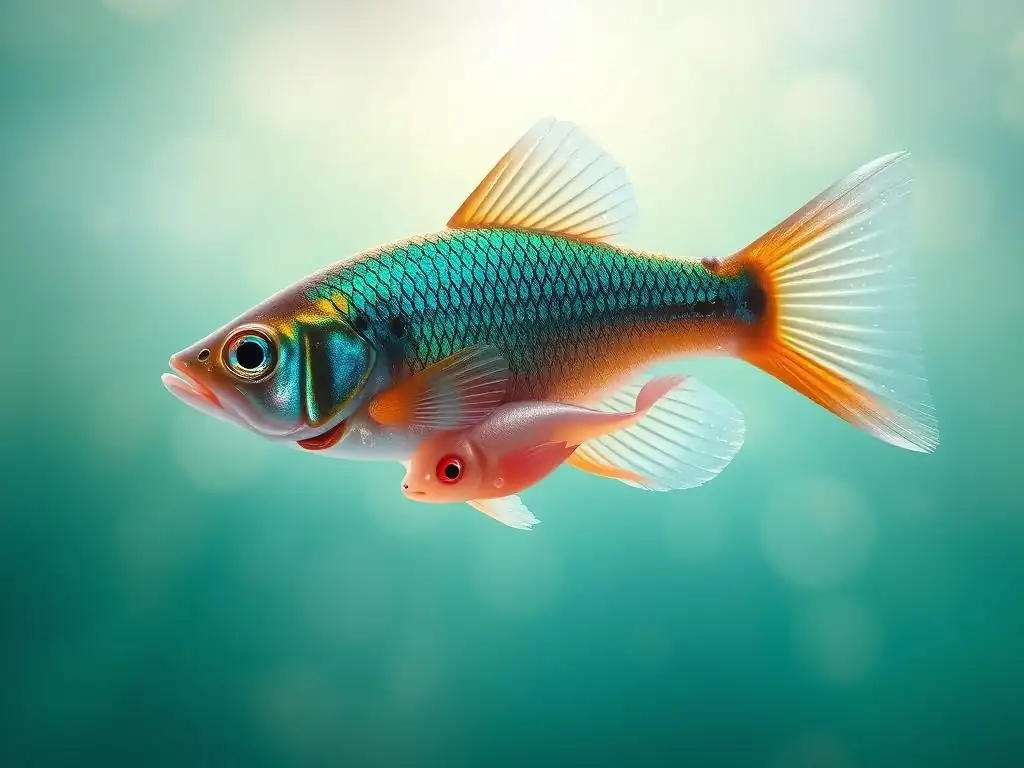
Recognizing a pregnant, or gravid, molly is relatively straightforward once you know what to look for. The most obvious sign is a noticeably swollen abdomen, which will appear much fuller and rounder than usual. As the pregnancy progresses, particularly in the final days before Molly birthing, her belly may take on a distinct "squared-off" appearance, becoming almost box-like rather than smoothly rounded.
Another common indicator, especially in lighter-colored mollies, is the appearance of a dark spot near the anal fin, known as the "gravid spot." This spot is actually the transparent skin over the uterus, allowing the developing fry's eyes to be visible as tiny black dots. While the gravid spot is less noticeable on darker varieties like the Black Molly, the overall body shape change remains a reliable indicator of impending Molly birthing in aquarium.
Molly Gestation Period: What to Expect and When
The gestation period for molly fish typically spans between 30 and 60 days, or approximately 4 to 6 weeks. This timeframe can vary slightly depending on several factors, including water temperature, the mother's diet, and her overall health. Warmer water temperatures (closer to 80°F / 27°C) tend to result in shorter gestation periods, while cooler temperatures can prolong the process.
It's important to remember that mollies can store sperm, meaning a female can produce multiple batches of fry from a single fertilization. This makes it challenging to predict the exact date of birth unless you've isolated her from males for an extended period. Observing the physical signs and behavioral changes becomes crucial in estimating when the Molly birthing spectacle will occur. Once you notice the squared-off appearance, birth is usually imminent within a few days to a week.
Changes in Molly Behavior: Clues to Imminent Birth
Beyond physical changes, a pregnant molly will often exhibit specific behavioral shifts as the time for Molly birthing approaches. One common sign is a tendency to seek solitude and hiding spots. She might spend more time lurking in dense plant cover, behind decorations, or near the heater, trying to find a quiet, safe place to give birth.
Some females may become more reclusive and less active, while others might display increased agitation or even mild aggression towards tank mates, trying to stake out a territory for the birthing process. A reduced appetite or a refusal to eat is also occasionally observed. Observing these subtle behavioral cues in conjunction with the physical indicators can help you anticipate the Molly birthing in aquarium event, allowing you to move her to a dedicated breeding tank if you haven't already.
The Molly Birthing Process: A Step-by-Step Guide
Witnessing the Miracle: What Happens During Molly Birthing
The Molly birthing process is a remarkable event to behold. When the female is ready, she will begin expelling fully formed, miniature versions of adult mollies. Each fry emerges individually, often with a slight wiggle or curl, and immediately attempts to swim towards cover. They are born with a small yolk sac that provides initial nourishment, allowing them to be self-sufficient from the moment of birth.
The number of fry produced in a single birth can vary significantly, ranging from a modest 20 to over 100, depending on the mother's age, size, and health. Younger, smaller females typically produce fewer fry, while mature, well-fed females can yield impressive numbers. The process is generally calm, though the female may occasionally rest between expulsions. This natural spectacle highlights the incredible efficiency of livebearing reproduction.
How Long Does Molly Birthing Last?
The duration of the Molly birthing process can vary widely, typically lasting anywhere from a few hours to a full day, or even slightly longer in some cases. It's not uncommon for a female to release a batch of fry, rest for several hours, and then resume expelling more. Many births occur during the night or in the early morning hours when the tank is quiet and undisturbed, which is a natural defense mechanism to protect the vulnerable newborn fry from predators.
Patience is key during this period. Do not attempt to rush or intervene in the process, as this can cause significant stress to the mother and potentially lead to complications. As long as she appears calm and the fry are emerging, allow nature to take its course. Once all fry have been expelled, the female's abdomen will noticeably shrink back to a more normal size, signaling the completion of the Molly birthing in aquarium event.
Signs That Your Molly is in Labor
While the Molly birthing process itself is often subtle, there are several signs that indicate your molly is actively in labor. One of the most common indicators is increased respiration; the female's gills will move rapidly as she works to expel the fry. She may also exhibit "clamped fins," holding her dorsal and anal fins close to her body.
Another typical behavior is restless swimming, often darting quickly around the tank before settling into a still position, sometimes near the bottom or pressed against a plant or decoration. Some females may even appear to "shimmy" or twitch their bodies. Occasionally, you might observe her straining or making small, jerky movements. These behaviors, especially when combined with the physical signs of a squared-off belly, strongly suggest that the Molly birthing in aquarium is underway or imminent.
Caring for Molly Fry After Birth: Ensuring Survival and Growth
Separating Molly Fry from Adult Fish: Preventing Predation
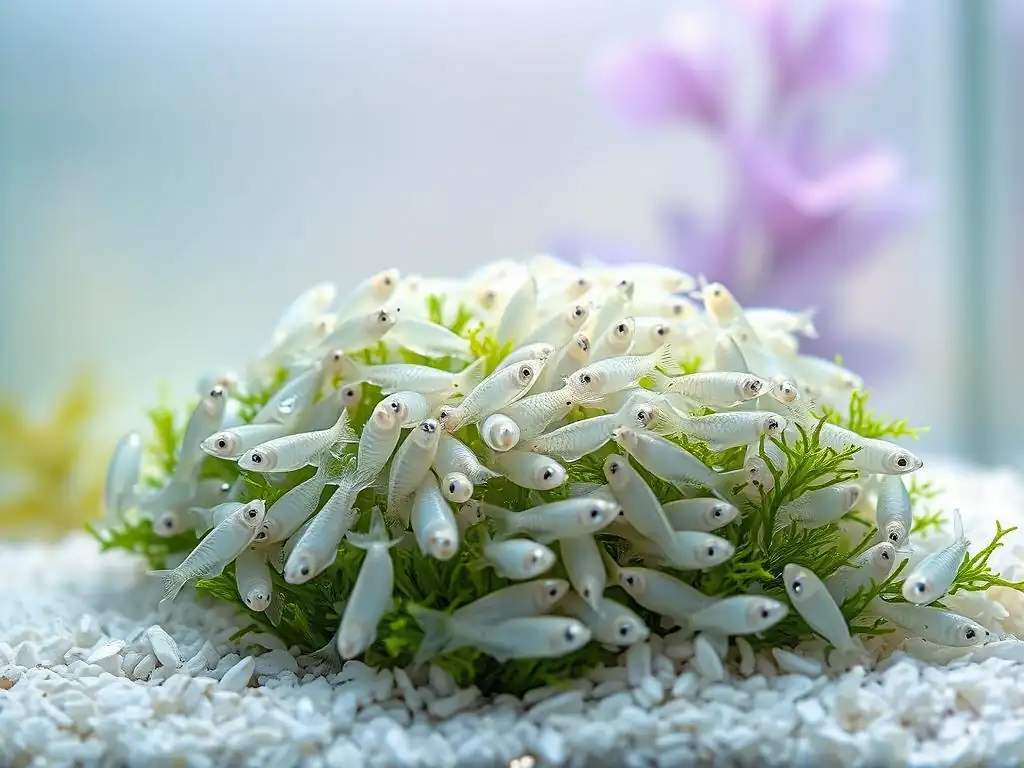
Immediately after Molly birthing, the most critical step for fry survival is their separation from adult fish. Despite being livebearers, mollies, like most fish, will readily consume their own fry if given the opportunity. The tiny, vulnerable fry are seen as a convenient food source.
There are two primary methods for separation: using a breeder net or box within the main tank, or transferring the pregnant female to a dedicated breeding tank before birth. A breeder net is a mesh enclosure that allows water flow but keeps fry isolated. However, a separate "grow-out" tank (e.g., 5-10 gallons) is often superior as it offers more space, better water quality control, and less stress for the fry. Once the Molly birthing is complete, promptly remove the mother from the fry tank to ensure their safety.
Feeding Molly Fry: Nutritional Requirements for Healthy Development
Newborn molly fry are incredibly small and require specialized nutrition for healthy development. While they can survive for a day or two on their yolk sac, consistent feeding is crucial. The ideal first foods are those rich in protein and small enough for their tiny mouths. Newly hatched brine shrimp are an excellent choice, providing optimal nutrition and encouraging active hunting behavior.
Other suitable options include microworms, finely crushed high-quality flake food (powdered to almost dust-like consistency), or commercial liquid fry food. Fry should be fed small amounts frequently, typically 3 to 5 times a day, to support their rapid growth and metabolism. Overfeeding must be avoided, as uneaten food quickly fouls the water, which is detrimental to the delicate fry that have just experienced Molly birthing in aquarium.
Water Changes and Maintenance for Molly Fry Tanks
Maintaining pristine water quality in a fry tank is even more critical than in an adult tank due to the fry's extreme sensitivity to pollutants. Due to frequent feedings and the small volume of water, ammonia and nitrite can build up rapidly. Small, frequent water changes are essential.
Perform 10-15% water changes every 1 to 2 days, ensuring the replacement water is dechlorinated and matched in temperature and pH to the tank water. When performing water changes, use an air line tubing or a small siphon to gently vacuum any uneaten food and detritus from the bottom of the tank, being extremely careful not to accidentally siphon out any fry. Consistent attention to water quality is a cornerstone of successful Molly birthing in aquarium and fry rearing.
Monitoring Molly Fry Health: Identifying and Addressing Potential Problems
Vigilant monitoring of molly fry health is vital to ensure their survival and growth. Fry are highly susceptible to common fish diseases like Ich (white spot disease) and fungal infections, especially if water quality declines. Signs of distress include lethargy, clamped fins, rapid breathing, loss of appetite, or the appearance of white spots or fuzzy patches on their bodies.
If you observe any sick fry, it's often best to isolate them in a separate container for treatment, if feasible, to prevent the spread of disease. Maintaining stable water parameters, providing a high-quality diet, and ensuring a clean environment are the best preventative measures. A healthy fry tank environment, following a successful Molly birthing, will see the fry actively swimming, foraging, and growing rapidly, doubling in size within a few weeks.
Common Problems and Solutions During Molly Birthing in Aquarium
Molly Not Giving Birth: Potential Causes and Solutions
Occasionally, a pregnant molly may appear to be ready to give birth but doesn't, or the process seems delayed indefinitely. This can be a distressing situation for an aquarist. One of the most common causes is stress, which can be induced by poor water quality, overcrowding, aggressive tank mates, or a lack of suitable hiding spots. A highly stressed female might even reabsorb her fry, meaning the development ceases and the embryos are absorbed back into her body.
To encourage Molly birthing, ensure her environment is calm and stable. Check water parameters (temperature, pH, ammonia, nitrite, nitrate) to confirm they are within optimal ranges. Provide plenty of dense plant cover or a designated breeding box where she feels secure. Sometimes, a slight increase in temperature (by 1-2°F) can gently stimulate labor. Patience is often the best solution; ensure her comfort, and she will likely give birth when she feels safe.
Stressed Molly During Birthing: How to Reduce Stress
The Molly birthing process, while natural, can be stressful for the female. Signs of a stressed molly during labor include frantic swimming, rubbing against tank decorations, spending excessive time at the surface or bottom, or erratic behavior. High stress levels can lead to prolonged labor, stillbirths, or even the mother's death.
To minimize stress during Molly birthing in aquarium, ensure the environment is quiet and free from disturbances. Dim the aquarium lights or turn them off completely if the birth is occurring during the day. Provide ample hiding spots, such as dense live plants or a breeding mop, where she can feel secure. Avoid constantly checking on her or making sudden movements near the tank. If she is in a community tank, consider moving her to a quiet, dedicated breeding tank well in advance of labor to give her a peaceful environment.
Molly Fry Mortality: Understanding and Preventing Losses
Despite successful Molly birthing, high fry mortality rates are a common challenge for many aquarists. The primary cause of fry loss is predation by adult fish, including the mother herself. Without immediate separation, a significant percentage of the newborn fry will be eaten within hours of birth.
Other contributing factors to fry mortality include poor water quality (especially ammonia and nitrite spikes), insufficient or inappropriate food, genetic weaknesses, and disease. To prevent losses, prompt separation of fry into a dedicated grow-out tank or breeder net is crucial. Feed the fry appropriate, high-quality foods several times a day.
Perform small, frequent water changes to maintain pristine water conditions. Ensuring stable temperature and gentle filtration are also vital. With diligent care, you can significantly increase the survival rate of your Molly birthing offspring from a typical 20-30% in a community tank to over 70% in a dedicated fry setup.
Optimizing Molly Breeding: Tips and Tricks for Success
Selective Breeding of Mollies: Enhancing Desirable Traits
For aquarists interested in more than just population growth, selective breeding offers a fascinating opportunity to enhance desirable traits in molly fish. After successful Molly birthing, observe the fry as they grow. Identify individuals that exhibit the most vibrant colors, the most striking finnage (e.g., larger sailfins, more pronounced lyretails), robust body shapes, or unique patterns.
Isolate these superior individuals when they are old enough to breed (typically around 4-6 months) and use them as your breeding stock for the next generation. Conversely, individuals with undesirable traits, such as deformities, dull coloration, or stunted growth, should be culled or separated to prevent them from passing on those characteristics. This meticulous process, repeated over several generations, can lead to the development of a truly impressive and unique line of mollies from your initial Molly birthing in aquarium event.
Increasing Molly Fry Survival Rates: Advanced Techniques
While basic separation and feeding significantly boost fry survival, advanced techniques can push those rates even higher. Consider culturing live foods such as newly hatched brine shrimp, daphnia, or microworms. These live foods stimulate the fry's natural hunting instincts and provide superior nutrition compared to dried foods, leading to faster growth and stronger immune systems.
A larger grow-out tank (e.g., 20 gallons or more) for a large batch of fry provides more swimming space, reduces crowding stress, and allows for more stable water parameters. Implementing a gentle air stone in the fry tank can enhance oxygenation without creating strong currents. Some advanced breeders even utilize a drip system for continuous, very slow water changes, which maintains exceptionally stable and clean water, optimizing conditions post- Molly birthing. Providing ample natural biofilm in the tank (e.g., from well-established sponge filters or plants) also gives fry a continuous grazing source.
Breeding Different Molly Varieties: Sailfin, Lyretail, and Balloon Mollies
Mollies come in a stunning array of varieties, and breeding different types can yield interesting and beautiful results. Sailfin mollies ( Poecilia latipinna or P. velifera) are known for their magnificent dorsal fins, while Lyretail mollies possess elongated, flowing caudal fins. Balloon mollies are characterized by their unique, rounded body shape, which is a result of a genetic deformity that shortens their spine.
When breeding different varieties, understand that they are generally compatible and can interbreed, producing hybrid offspring. For example, crossing a Black Molly with a Dalmatian Molly can result in spotted black fry. However, it's important to approach the breeding of Balloon Mollies with ethical considerations. Their unique shape can sometimes lead to health issues due to compressed internal organs. Responsible breeding involves prioritizing the health and well-being of the fish over purely aesthetic traits, ensuring that the Molly birthing in aquarium of these varieties is done conscientiously.
Ensuring a Healthy and Sustainable Molly Population in Your Aquarium
Managing Molly Population Growth: Avoiding Overcrowding
Mollies are prolific breeders, and after a few successful Molly birthing events, your tank population can quickly explode. Uncontrolled population growth leads to severe overcrowding, which is detrimental to the health and well-being of all your fish. Overcrowding results in increased waste production, leading to poor water quality, higher stress levels, stunted growth, increased aggression, and a higher susceptibility to diseases.
To manage population growth, consider limiting the number of breeding pairs in your main tank, or house males and females separately if you wish to avoid continuous breeding. For excess fry, ethically rehoming them is crucial. This can involve donating them to a local fish store (call ahead to confirm they accept donations), selling them to other hobbyists, or providing them to a local aquarium club.
Never release aquarium fish into local waterways, as this can introduce invasive species and diseases to native ecosystems. A 20-gallon tank can comfortably house 4-6 adult mollies, but a single batch of fry can quickly double or triple that bioload.
Ethical Considerations in Molly Breeding and Care
Responsible molly breeding extends beyond simply achieving successful Molly birthing. It involves a commitment to the ethical treatment and welfare of your fish. This means ensuring that every fish, from the breeding adults to the smallest fry, receives optimal care, proper nutrition, and a suitable environment. Avoid overbreeding for commercial purposes if you cannot guarantee adequate space and care for all offspring.
Consider the genetic health of your breeding stock, avoiding inbreeding that could lead to weaker, less healthy fish. Be prepared for the reality of surplus fish and have a plan for their rehoming or, if absolutely necessary, humane culling. The goal should always be to contribute to a healthy, vibrant, and sustainable population of mollies, fostering a passion for the hobby while upholding the highest standards of animal welfare.
Continuing Education on Molly Fish Care and Breeding Resources
The world of fishkeeping is constantly evolving, and continuous education is key to becoming a successful and responsible aquarist. While this guide provides a comprehensive overview of Molly birthing in aquarium and care, there's always more to learn. Engage with the broader aquarium community through online forums, social media groups, and local aquarium clubs. These platforms offer invaluable opportunities to share experiences, ask questions, and learn from seasoned hobbyists.
Consult reputable books and scientific articles on molly fish and livebearer breeding for deeper insights into genetics, nutrition, and disease prevention. Regularly observe your fish, noting their behaviors and subtle changes, as they are often the best indicators of their health and needs. By staying informed and actively participating in the hobby, you can ensure that your molly breeding endeavors are not only successful but also contribute positively to the well-being of these fascinating aquatic creatures.
Frequently Asked Questions
How can I tell if my Molly fish is pregnant?
Look for a swollen abdomen, a dark gravid spot near the anal fin, and changes in behavior like hiding or becoming more reclusive. These are strong indicators of Molly pregnancy.
What are the ideal water parameters for Molly fish during pregnancy and birthing?
Maintain a stable temperature between 75-80°F, a pH of 7.0-8.0, and ensure pristine water quality with frequent water changes. Consistent water parameters are crucial for a successful birth.
How long is the gestation period for a Molly fish?
The gestation period for a Molly fish typically lasts between 20 to 40 days, but this can vary based on temperature and individual fish.
What should I do to protect the Molly fry (baby fish) after they are born?
Provide plenty of hiding places such as dense plants or a breeder box, as adult Mollies may eat their young. Separating the fry is the best way to ensure survival.
What should I feed Molly fry?
Feed Molly fry specialized fry food or finely crushed flake food several times a day. Ensure the food is small enough for them to consume easily and provides essential nutrients for growth.
Okay, here's a final reflection tailored for your article, "The Molly Birthing Spectacle: Witnessing New Life in Your Tank," designed to resonate with readers and reinforce the article's theme while considering its SEO focus on "Molly birthing in aquarium":
Final Reflection: A Symphony of Life in Miniature
The journey of witnessing Molly birthing in aquarium is more than just observing a biological process; it's a front-row seat to the miracle of life unfolding within the confines of our own homes. This spectacle, readily accessible to any aquarist, offers a profound connection to the natural world, reminding us of the delicate balance and inherent beauty that exists even in the smallest of ecosystems.
This experience has profoundly influenced how I view aquariums, transforming them from mere decorations into vibrant nurseries teeming with potential. The sheer resilience and adaptability of these tiny creatures, coupled with the responsibility we undertake in providing a safe haven for them, is truly humbling. The best and most beautiful things in the world cannot be seen or even touched - they must be felt with the heart.
- Helen Keller. This quote perfectly encapsulates the emotional connection one forms while observing the intricate dance of life and death within a Molly birthing aquarium.
Now, as you gaze upon your own aquarium, teeming with life or perhaps anticipating the arrival of new fry, take a moment to reflect on the profound responsibility and privilege you hold. Embrace the opportunity to learn from these tiny creatures, to appreciate the delicate balance of their world, and to share the wonder of Molly birthing in aquarium with others. Let this experience inspire you to become a more conscientious and compassionate steward of the natural world, both within your tank and beyond.
Dive Deeper: Nurture Your Growing Aquarium!
Thank you for exploring the fascinating world of livebearing fish with us! Now that you've gained insights into the molly birthing process, it's time to put your knowledge into action and create the optimal environment for your aquatic friends.
Here are some actionable steps you can take:
- Prepare a dedicated nursery tank to ensure the highest survival rate for the fry.
- Share your unique experiences and photos of your molly fry with other aquarium enthusiasts on our forum.
- Consider researching rare molly color variations to potentially add a splash of exotic beauty to your aquarium.
What innovative feeding strategies will you implement to maximize the growth and vibrancy of your newborn mollies?