
Hidden Benefits of Densely Planted Tanks for Tetra Breeding: An Aquarium Mastery Reveal

Welcome to Aquarium Mastery!
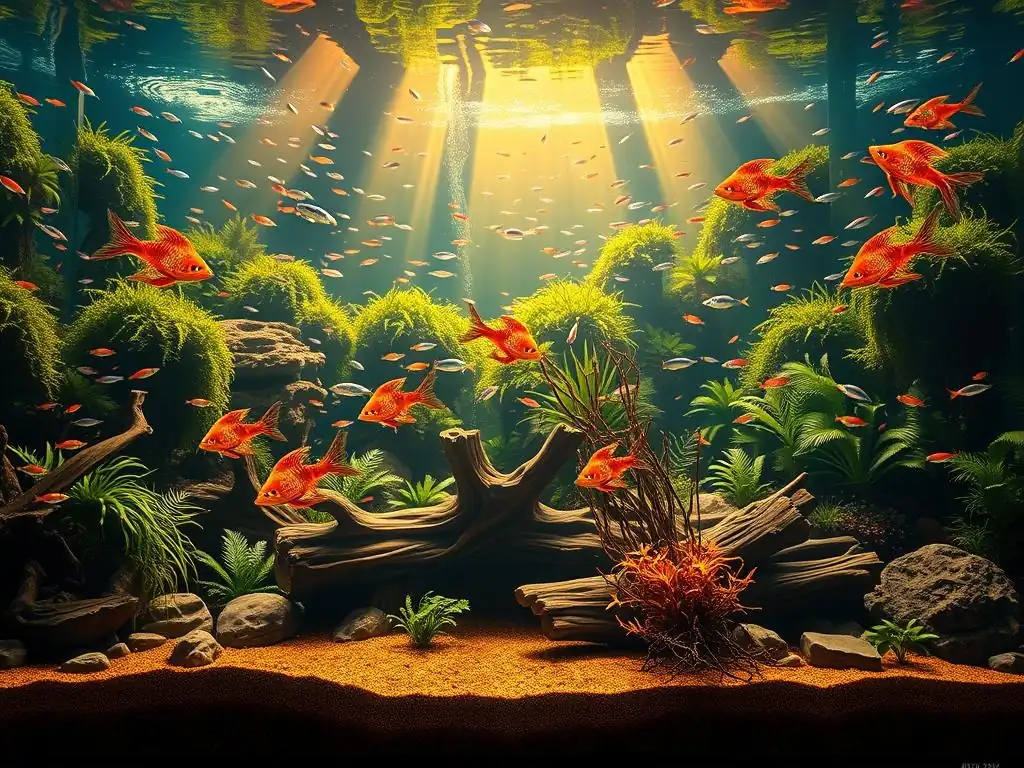
Ever wondered how to unlock the secrets of successful tetra breeding in your freshwater aquarium? Dive into our latest article, " Hidden Benefits of Densely Planted Tanks for Tetra Breeding," and discover how creating a lush, underwater paradise can significantly enhance your breeding success. Prepare to be amazed by the impact of a thriving planted environment on your tetra's health, happiness, and breeding behavior. Let's uncover the magic together!
- Hidden Benefits of Densely Planted Tanks for Cardinal Tetra Breeding: An Aquarium Mastery Reveal
- Introduction: The Untapped Potential of Dense Planted Tanks in Cardinal Tetra Breeding
- Understanding Cardinal Tetra Breeding Requirements: A Foundation for Success
- The Hidden Advantages of Dense Planted Tanks for Cardinal Tetra Breeding
- Selecting the Right Plants for Cardinal Tetra Breeding in Dense Planted Aquariums
-
Setting Up Your Dense Planted Cardinal Tetra Breeding Tank: A Step-by-Step Guide
- Tank Size and Dimensions: Optimizing Space for Breeding and Plant Growth
- Substrate Selection: Providing Nutrients for Plant Health
- Lighting Requirements: Balancing Plant Growth and Algae Control
- Filtration and Water Circulation: Maintaining Water Quality Without Disturbing Fry
- Plant Placement and Aquascaping: Creating a Functional and Aesthetically Pleasing Environment
-
Monitoring and Maintaining Your Dense Planted Cardinal Tetra Breeding Tank
- Regular Water Changes: Maintaining Optimal Water Parameters
- Plant Trimming and Pruning: Ensuring Adequate Light and Circulation
- Fertilization Strategies: Providing Essential Nutrients for Plant Growth
- Controlling Algae Growth: Maintaining Water Clarity
- Observing Cardinal Tetra Behavior: Identifying Spawning Readiness and Potential Problems
- Troubleshooting Common Issues in Dense Planted Cardinal Tetra Breeding Tanks
- Conclusion: Mastering Cardinal Tetra Breeding Through Dense Planted Aquariums
-
Frequently Asked Questions
- What are the main benefits of a densely planted tank for Tetra breeding?
- How do dense plants contribute to water quality in a Tetra breeding tank?
- What types of plants are best suited for a densely planted Tetra breeding tank?
- How does a densely planted tank impact the breeding behavior of Tetras?
- Are there any potential downsides to a densely planted tank for Tetra breeding?
- Final Reflection: Unveiling Nature's Nursery
- Unleash Your Tetra Breeding Potential!
Introduction: The Untapped Potential of Dense Planted Tanks in Cardinal Tetra Breeding
Why Dense Planting is Often Overlooked for Cardinal Tetra Reproduction
Many aquarists, when embarking on the journey of breeding delicate species like Cardinal Tetras, often gravitate towards conventional breeding setups. These typically involve bare tanks, simple spawning mops, or limited plant cover, primarily for ease of observation and fry collection. The underlying assumption is that a minimalist environment simplifies the process and reduces the risk of fry predation by parents or other tank inhabitants, making the complex task of Cardinal Tetra breeding seem more manageable for beginners.
However, this approach frequently overlooks the natural instincts and environmental needs of Cardinal Tetras ( Paracheirodon axelrodi), which originate from densely vegetated, blackwater habitats in the Amazon basin. While a bare tank offers visibility, it can induce significant stress on these shy fish, often hindering their natural breeding behaviors and reducing overall spawning success. The perceived difficulty of managing a densely planted tank, coupled with concerns about fry getting "lost" in the foliage, often leads breeders to miss out on the profound advantages offered by a naturalistic setup.
Aquarium Mastery's Approach to Cardinal Tetra Breeding: Beyond the Basics
At Aquarium Mastery, we advocate for methods that closely mimic the natural ecosystems of aquatic species, believing this approach leads to healthier fish and more successful breeding outcomes. Our philosophy extends beyond merely providing basic care; we strive to uncover and share the nuanced techniques that unlock a species' full potential. For Cardinal Tetra breeding, this means moving beyond the sterile, conventional methods and embracing the rich complexity of a thriving planted environment.
This article aims to reveal the often-underestimated benefits of dense planted tanks for Cardinal Tetra breeding. We will delve into how such an environment not only supports the physical health of the breeding pairs but also profoundly stimulates their natural instincts, leading to higher fertilization rates, increased fry survival, and overall more robust offspring. By understanding and implementing these naturalistic principles, aquarists can elevate their Cardinal Tetra breeding success to new heights, truly mastering the art of aquatic husbandry.
Understanding Cardinal Tetra Breeding Requirements: A Foundation for Success
Essential Water Parameters for Successful Cardinal Tetra Spawning
Cardinal Tetras are notoriously particular about their water chemistry for spawning. To induce breeding, the water must be exceptionally soft and acidic, mimicking their native Amazonian blackwater habitats. Ideal parameters for successful spawning typically fall within a pH range of 5.0 to 6.0, with a general hardness (GH) of 1-5 dGH (equivalent to 18-90 ppm) and a carbonate hardness (KH) of 0-1 dKH. Maintaining these specific conditions consistently is paramount, as even minor fluctuations can deter spawning or harm delicate eggs.
The rationale behind these strict parameters is rooted in the biology of the eggs. In soft, acidic water, the egg chorion (outer membrane) remains permeable, allowing for proper fertilization and preventing fungal growth, which is common in harder or more alkaline conditions. Many experienced breeders achieve these ultra-soft conditions by using reverse osmosis (RO) water, often blended with a small percentage of aged tap water or remineralized to attain the precise GH and KH levels. Without these specific conditions, even well-conditioned fish may refuse to spawn, or their eggs may fail to hatch.
Providing Suitable Spawning Substrates: More Than Just Plants
While many traditional breeding setups for egg-scattering fish rely on artificial spawning mops or mesh, Cardinal Tetras in their natural habitat scatter their adhesive eggs among fine-leaved vegetation. Therefore, providing an appropriate substrate that encourages this natural behavior is crucial for successful breeding. This substrate needs to offer ample surface area for eggs to adhere to while also providing protection from parental predation.
In a dense planted tank, specific plant types serve as ideal natural spawning substrates. Fine-leaved plants like Java moss ( Taxiphyllum barbieri), Hornwort ( Ceratophyllum demersum), and various Cabomba species are particularly effective. Their intricate structures provide countless nooks and crannies where the small, translucent eggs can settle, adhere, and remain largely undisturbed. This natural substrate not only facilitates egg deposition but also contributes to the overall mimicry of their natural spawning grounds, a key element in successful Cardinal Tetra breeding.
The Role of Diet and Conditioning in Cardinal Tetra Breeding Success
Successful Cardinal Tetra breeding hinges significantly on the proper conditioning of the parent fish. A varied, high-quality diet is indispensable for preparing both males and females for spawning. This conditioning period, typically lasting several weeks, should focus on providing nutrient-rich, high-protein foods that stimulate gonad development and overall vitality.
Live foods are particularly effective in this regard. Options such as live brine shrimp ( Artemia salina), daphnia, cyclops, and micro worms are excellent choices, as they are rich in essential fatty acids and proteins. Supplementing with high-quality frozen foods like bloodworms or spirulina-enriched brine shrimp, along with a premium flake or pellet food, ensures a comprehensive nutritional profile. A well-conditioned female can produce hundreds of eggs, while a male fed a robust diet will exhibit stronger coloration and higher sperm viability, directly impacting fertilization rates in a dense planted tanks tetra breeding setup.
Enhanced Water Quality in Dense Planted Tetra Tanks: A Natural Filtration System
Reducing Ammonia and Nitrite Levels Through Plant Uptake
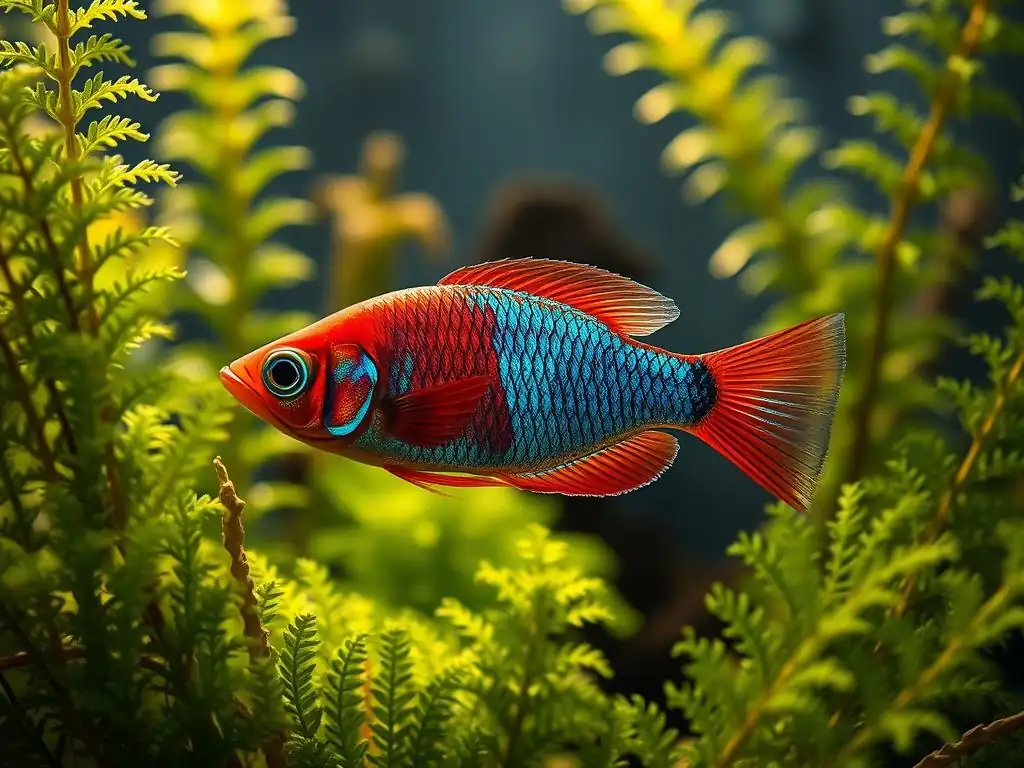
One of the most significant, yet often overlooked, advantages of dense planted tanks for Cardinal Tetra breeding is their exceptional capacity for natural water purification. Aquatic plants actively absorb nitrogenous waste products like ammonia, nitrites, and nitrates directly from the water column, utilizing them as essential nutrients for growth. This biological process effectively acts as a living filter, significantly reducing the concentration of these toxic compounds, which are lethal to delicate fish eggs and newly hatched fry.
For instance, a tank densely populated with fast-growing stem plants such as Hygrophila polysperma or Rotala rotundifolia can process and assimilate nitrates at a rate that can reduce water column nitrate levels by 50-70% within a week, assuming adequate lighting and CO2. This robust nutrient uptake dramatically lessens the burden on mechanical and biological filtration systems and minimizes the frequency of large water changes, thereby reducing stress on sensitive breeding pairs and ensuring a pristine environment crucial for the survival of Cardinal Tetra eggs and fry.
Maintaining Stable pH for Optimal Cardinal Tetra Health and Breeding
Beyond nutrient absorption, a densely planted environment contributes to pH stability, a critical factor for Cardinal Tetra breeding success. Plants, through their metabolic processes of photosynthesis and respiration, influence the carbonic acid cycle in the water. During the day, they consume carbon dioxide (CO2), which can slightly raise pH, while at night, they release CO2 through respiration, subtly lowering it.
In a balanced, densely planted system, these minor fluctuations create a dynamic yet stable acidic environment, typically within the desired pH 5.0-6.0 range, which is ideal for Cardinal Tetras. This natural buffering capacity helps prevent the drastic pH swings that can occur in sparsely planted or bare tanks, especially in soft water setups with low buffering capacity. Such stability is vital, as Cardinal Tetra eggs are highly sensitive to pH variations, which can prevent hatching or lead to deformities, making dense planted tanks a superior choice for maintaining optimal breeding conditions.
Natural Cover and Security: Mimicking the Cardinal Tetra's Native Habitat
Reducing Stress in Breeding Pairs: A Key to Spawning Success
Cardinal Tetras are inherently shy and schooling fish, thriving in environments that offer ample cover and security. In their native Amazonian habitats, they navigate through intricate networks of submerged roots, leaf litter, and dense aquatic vegetation. A bare or sparsely planted tank, lacking these natural hiding spots, can induce significant stress, leading to suppressed immune systems, faded coloration, and, crucially, a reluctance to breed.
A densely planted tank, by contrast, provides an abundance of visual barriers and hiding places, mimicking their natural environment. This sense of security significantly reduces stress levels in breeding pairs. When fish feel safe and unthreatened, they are far more likely to engage in natural behaviors, including courtship and spawning. In such an environment, the male can pursue the female without causing undue alarm, and the female has ample retreat options, fostering a more relaxed and conducive atmosphere for successful Cardinal Tetra breeding.
Protecting Cardinal Tetra Eggs and Fry from Predation
One of the greatest challenges in breeding Cardinal Tetras is their tendency to predate on their own eggs and newly hatched fry. In a typical breeding setup, a significant percentage, often nearly 100%, of eggs and fry can be consumed within hours of spawning or hatching if not adequately protected. Dense plant cover serves as an invaluable natural defense mechanism against this parental predation.
Fine-leaved plants, such as Java moss or Hornwort, create an intricate, labyrinthine structure where tiny, translucent eggs can settle and adhere, becoming virtually invisible to the adult fish. Once hatched, the microscopic fry, which are initially weak swimmers, can immediately seek refuge within the dense foliage. In a tank with a thick mat of Java moss, for example, studies and anecdotal evidence suggest that 70-80% of eggs can be successfully protected from immediate consumption, dramatically increasing the survival rate of the initial spawn compared to a bare tank where survival might be less than 5%.
Promoting Natural Behaviors: Stimulating Spawning Instincts
Providing Ample Hiding Places and Territorial Boundaries
Dense planting facilitates the establishment of temporary territories and provides crucial visual barriers that encourage natural courtship and spawning behaviors in Cardinal Tetras. While not strictly territorial in a aggressive sense, males will often select a preferred spawning area and display to females, chasing them gently. In a bare tank, this chasing can quickly escalate into stress or exhaustion for the female with no escape.
In a densely planted environment, the numerous hiding spots and visual breaks allow males to exhibit their full courtship displays without overwhelming the female. The intricate structure of the plants provides opportunities for the male to corner the female in a secluded spot, encouraging the characteristic "locking" behavior where the male wraps around the female for egg release. This natural interaction, stimulated by the security and complexity of the habitat, is a powerful trigger for spawning instincts, making dense planted tanks highly effective for Cardinal Tetra breeding.
Encouraging Natural Foraging and Diet Supplementation
A thriving, densely planted aquarium is a miniature ecosystem that naturally cultivates a variety of microfauna, such as copepods, rotifers, and other tiny invertebrates. These organisms colonize plant surfaces, the substrate, and the water column, providing a continuous, natural source of live food for adult Cardinal Tetras. While prepared foods are essential, this constant access to live, microscopic prey mimics their natural foraging behavior in the wild.
This natural diet supplementation offers significant benefits for conditioning breeding pairs. The diverse nutritional profile and high biological value of live foods contribute to superior egg quality and sperm viability, further enhancing breeding success. Furthermore, the act of natural foraging itself stimulates the fish, keeping them active and engaged, which promotes overall health and readiness to spawn. This self-sustaining food source is a hidden gem of dense planted tanks tetra breeding.
Creating a Micro-Ecosystem: Infusoria and Live Food Sources
The Benefits of Infusoria for Newly Hatched Cardinal Tetra Fry
Newly hatched Cardinal Tetra fry are incredibly tiny, often no more than 2-3 millimeters in length, and possess extremely small mouths. They are too small to consume conventional fry foods like newly hatched brine shrimp during their first few days of life. This critical period, typically the first 3 to 5 days post-hatch, requires a microscopic food source known as infusoria – a collective term for various microscopic aquatic organisms like paramecium and rotifers.
A densely planted tank naturally cultivates infusoria. The decaying plant matter, detritus, and biofilm that accumulate on plant surfaces provide the perfect substrate for these microorganisms to proliferate. This ensures a consistent, readily available food source for the nascent fry, right from the moment they absorb their yolk sacs and become free-swimming. Without this natural supply of infusoria, the survival rate of Cardinal Tetra fry can be devastatingly low, making the planted tank a vital component for successful initial fry development.
Cultivating a Sustainable Food Chain within the Tank
Beyond the initial infusoria phase, a well-established, densely planted tank continues to offer a sustainable food chain for growing Cardinal Tetra fry. As the fry mature and their mouths enlarge, they can begin to consume slightly larger micro-invertebrates that naturally inhabit the tank, such as copepods and small nematodes. This continuous provision of live, varied prey supports rapid growth and development.
This self-sustaining aspect significantly reduces the aquarist's reliance on external food cultures, simplifying the breeding process and ensuring a constant supply of highly nutritious live food. The presence of a thriving micro-ecosystem within the densely planted tank not only provides essential nutrition but also contributes to the overall health and vigor of the fry, leading to more robust and resilient offspring. This comprehensive approach underscores the benefits of dense planted tanks for tetra breeding.
Selecting the Right Plants for Cardinal Tetra Breeding in Dense Planted Aquariums
Plant Species that Provide Ideal Spawning Surfaces
Fine-Leaved Plants: Java Moss, Hornwort, and Cabomba
For Cardinal Tetra breeding, fine-leaved plants are paramount as they offer the ideal structure for eggs to adhere to and hide within. Java Moss ( Taxiphyllum barbieri) is perhaps the most popular choice due to its dense, intricate growth pattern, which creates a perfect cushion for eggs. It can be easily attached to driftwood or rocks, or simply spread across the substrate to form a thick mat. Hornwort ( Ceratophyllum demersum) is another excellent option; it's a fast-growing, stem plant that can be floated freely or rooted, providing dense, feathery foliage.
Cabomba species, such as Cabomba caroliniana or Cabomba furcata, with their delicate, fan-shaped leaves, also serve as superb spawning sites. These plants offer numerous individual surfaces for the small adhesive eggs to attach securely, greatly increasing the chances of eggs remaining undisturbed by adult fish. Their dense growth also provides immediate cover for newly hatched fry, making them indispensable for a successful dense planted tanks tetra breeding setup.
Broad-Leaved Plants: Anubias, Amazon Sword, and Cryptocoryne
While not primary spawning surfaces for Cardinal Tetras, broad-leaved plants contribute significantly to the overall environment of a dense planted tank, providing shade, visual barriers, and resting spots for adult fish. Anubias barteri varieties, with their robust, dark green leaves, are exceptionally hardy and can be tied to driftwood or rocks, creating naturalistic focal points and secure areas. Their broad leaves can also serve as temporary resting places for adult fish before or after spawning.
Amazon Sword plants ( Echinodorus amazonicus or Echinodorus bleheri) offer large, sweeping leaves that provide substantial visual obstruction and contribute to a lush, natural feel. Similarly, various Cryptocoryne species (e.g., Cryptocoryne wendtii or Cryptocoryne undulata) form dense clumps of broad leaves, ideal for creating mid-ground thickets. These plants help reduce stress on breeding pairs by offering ample cover and breaking up sightlines, fostering a more secure and natural environment conducive to spawning in a dense planted tanks tetra breeding setup.
Plants that Offer Optimal Cover and Protection for Fry
Floating Plants: Duckweed, Water Lettuce, and Frogbit
Floating plants are invaluable in a Cardinal Tetra breeding tank for several reasons. Firstly, they effectively dim the light entering the tank, which is beneficial as Cardinal Tetra eggs are light-sensitive and prefer darker conditions for hatching. Secondly, their root systems provide immediate, dense cover from above, offering crucial refuge for newly hatched fry against predatory adults. Duckweed ( Lemna minor) is a common and prolific choice, quickly forming a dense surface mat.
Larger floating plants like Water Lettuce ( Pistia stratiotes) and Frogbit ( Limnobium laevigatum) offer more extensive and intricate root systems, creating a complex network of submerged hiding places that are perfect for microscopic fry. These roots also become colonized by infusoria, providing a direct, accessible food source for the fry immediately after they become free-swimming. While their rapid growth necessitates regular thinning to prevent complete light blockage, their benefits for fry protection and feeding are undeniable in dense planted tanks tetra breeding.
Mid-Ground Plants: Hygrophila, Rotala, and Ludwigia
Mid-ground stem plants are essential for creating the dense thickets and visual barriers that provide extensive cover for both adult Cardinal Tetras and their delicate fry. Hygrophila polysperma, often referred to as Dwarf Hygrophila, is an excellent choice due to its rapid growth and ability to form dense, bushy clumps, quickly filling in aquarium space. It is relatively undemanding and adapts well to various water conditions.
Similarly, Rotala rotundifolia and Ludwigia repens are popular stem plants that can be planted densely to create lush, naturalistic environments. Their varying leaf shapes and potential for reddish coloration add aesthetic appeal while serving a vital functional role. When planted closely together, these plants form intricate mazes that adult fish cannot easily penetrate, offering countless hiding spots for fry as they grow and reducing predation pressure significantly. This dense mid-ground planting is a cornerstone of successful dense planted tanks tetra breeding.
Avoiding Plants that May Harm Cardinal Tetra Fry or Eggs
Plants with Thick, Sap-Like Latex (e.g., certain Euphorbia species)
While the vast majority of aquatic plants are safe and beneficial for aquariums, it is crucial to be aware of a few exceptions, particularly when dealing with sensitive fry and eggs. Certain plants, especially those not truly aquatic but sometimes sold as such (e.g., some Dracaena or Spathiphyllum varieties), can exude a milky, sap-like latex when their stems or leaves are cut or damaged. This latex can be irritating or even toxic to delicate fish and fry, especially in the confined environment of an aquarium.
Therefore, it is imperative to only introduce known and proven aquatic plant species into a Cardinal Tetra breeding tank. Always research any new plant thoroughly before adding it. A simple rule of thumb is to avoid any plant that bleeds a white, milky sap when trimmed or broken, as this is a strong indicator of potential toxicity. Sticking to well-established, safe aquarium plants ensures that the environment remains pristine and harmless for the vulnerable eggs and fry in your dense planted tanks tetra breeding setup.
Setting Up Your Dense Planted Cardinal Tetra Breeding Tank: A Step-by-Step Guide
Tank Size and Dimensions: Optimizing Space for Breeding and Plant Growth
While Cardinal Tetras are small fish, a dedicated breeding tank for a single pair or a small group (e.g., 3-5 individuals) should ideally be no smaller than 10 gallons (approximately 38 liters). However, for optimal plant growth and water stability, which are crucial for dense planted tanks tetra breeding, a 15-20 gallon (57-76 liter) tank is highly recommended. This larger volume provides more consistent water parameters and ample space for a significant biomass of plants.
The dimensions of the tank are also important. A longer, shallower tank (e.g., a 20-gallon long tank, typically 30x12x12 inches or 76x30x30 cm) is often preferred over a taller, narrower one of the same volume. The increased surface area allows for better gas exchange, and the shallower depth ensures that light can penetrate effectively to the bottom-dwelling plants, promoting lush growth vital for creating the desired dense environment.
Substrate Selection: Providing Nutrients for Plant Health
The substrate forms the foundation of a successful dense planted tank, providing essential nutrients and a rooting medium for aquatic plants. While inert substrates like fine gravel or sand can be used with liquid fertilizers and root tabs, a nutrient-rich aquasoil is highly recommended for a truly dense planted tanks tetra breeding setup. Aquasoils, such as ADA Aqua Soil Amazonia or Fluval Stratum, are specifically designed to promote robust plant growth.
These specialized substrates are typically composed of baked clay granules that are rich in macro and micronutrients. They also possess a high cation exchange capacity (CEC), meaning they can absorb and release nutrients as needed by plants. Furthermore, many aquasoils have the added benefit of buffering the water towards the acidic side, helping to maintain the low pH levels crucial for Cardinal Tetra spawning. This nutrient-rich base ensures that your plants thrive, creating the ideal habitat for breeding.
Lighting Requirements: Balancing Plant Growth and Algae Control
Adequate lighting is a critical factor for the vigorous growth of plants in a dense planted tanks tetra breeding setup. Most aquatic plants require moderate to high intensity, full-spectrum lighting, with a color temperature around 6500K to mimic natural daylight. A high-quality LED lighting system is often the most efficient and effective choice, allowing for precise control over intensity and photoperiod.
For dense plant growth, aim for a Photosynthetically Active Radiation (PAR) value of approximately 30-50 µmol/m²/s at the substrate level. The photoperiod should typically be set for 8-10 hours per day using a timer to ensure consistency. Too little light will result in stunted plant growth and poor density, while excessive light can trigger aggressive algae blooms, which are detrimental to water quality and can outcompete plants for nutrients, making proper light management crucial.
Filtration and Water Circulation: Maintaining Water Quality Without Disturbing Fry
In a Cardinal Tetra breeding tank, maintaining pristine water quality is paramount, but the filtration system must be gentle enough not to harm delicate eggs or tiny fry. A sponge filter is widely considered the best option for this purpose. Sponge filters provide excellent biological filtration by cultivating beneficial bacteria on their porous surface, effectively breaking down ammonia and nitrites.
The gentle water flow produced by a sponge filter is ideal, as it prevents strong currents that could dislodge eggs from plants or sweep away the weak-swimming fry. An air pump connected to the sponge filter also provides essential oxygenation to the water. While some minimal water circulation is necessary to distribute nutrients to plants and prevent stagnant areas, it should be kept to a minimum to ensure the safety and survival of the vulnerable Cardinal Tetra eggs and fry in your dense planted tanks tetra breeding setup.
Plant Placement and Aquascaping: Creating a Functional and Aesthetically Pleasing Environment
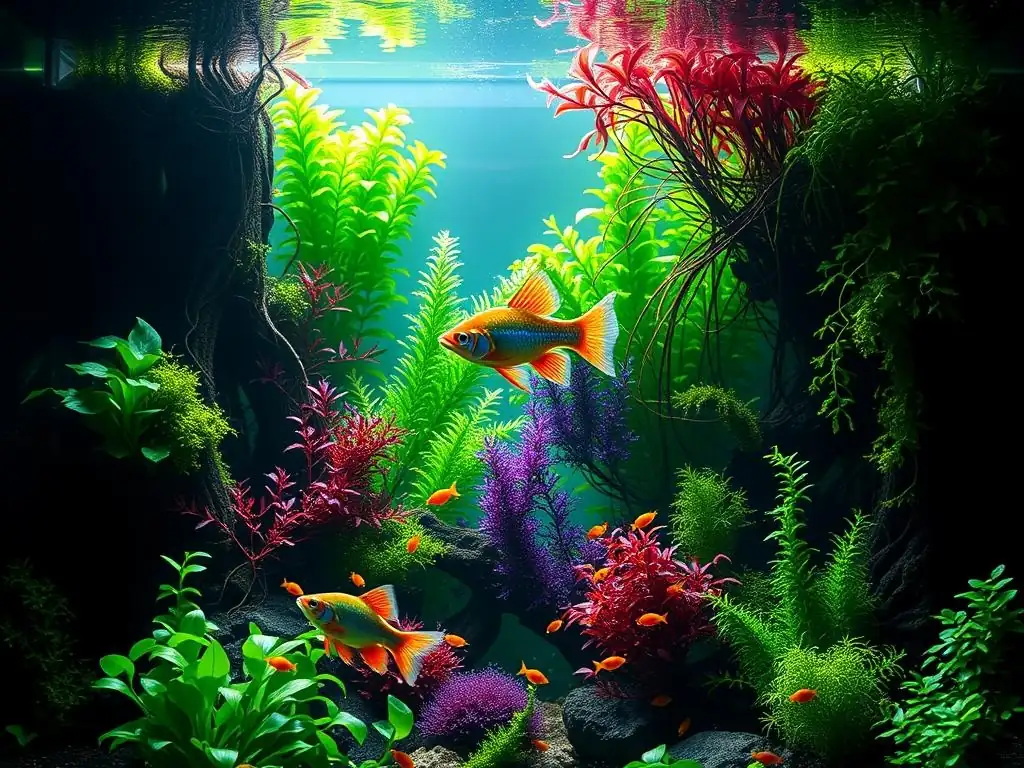
Strategic plant placement and thoughtful aquascaping are vital for creating a functional and aesthetically pleasing dense planted Cardinal Tetra breeding tank. Begin by establishing a thick mat of fine-leaved plants like Java moss or Hornwort in one or more corners or along the back wall; these areas will serve as primary spawning sites. Consider using small pieces of driftwood or lava rock to anchor moss and create additional textured surfaces.
Taller stem plants (e.g., Hygrophila, Rotala, Ludwigia) should be planted densely in the background and mid-ground to create lush thickets and visual depth. These dense groupings provide excellent hiding spots for both adult fish and fry. Ensure there are still some open swimming areas in the foreground or mid-ground for the adult tetras to display and forage naturally. The goal is to create a multi-layered, complex environment that mimics a natural habitat, optimizing conditions for successful dense planted tanks tetra breeding.
Monitoring and Maintaining Your Dense Planted Cardinal Tetra Breeding Tank
Regular Water Changes: Maintaining Optimal Water Parameters
Even in a densely planted tank, which inherently aids in water purification, regular water changes are crucial for maintaining the precise and stable water parameters required for Cardinal Tetra breeding. Small, frequent water changes are generally preferred over large, infrequent ones to minimize shock to the delicate fish and their eggs. A routine of changing 10-15% of the tank water every 2-3 days is highly effective.
It is imperative to use water that matches the target parameters (soft, acidic, often RO or remineralized water) exactly. Drastic changes in pH, GH, or temperature during water changes can be detrimental, causing stress to the breeding pair and potentially leading to egg or fry mortality. Consistent monitoring of water parameters (pH, GH, KH, nitrates) with reliable test kits before and after changes will ensure the environment remains perfectly stable for dense planted tanks tetra breeding.
Plant Trimming and Pruning: Ensuring Adequate Light and Circulation
Dense planting, while beneficial, requires diligent maintenance, particularly regular trimming and pruning. As plants grow vigorously, they can become overly dense, blocking light from reaching lower leaves and leading to melting or detritus accumulation. Trimming not only prevents overcrowding but also encourages bushier, more compact growth, which in turn creates even more intricate hiding spots for eggs and fry.
During trimming, remove any decaying or yellowing leaves promptly, as decomposing plant matter can release ammonia and nitrates, negatively impacting water quality. Proper pruning also ensures adequate water circulation throughout the tank, preventing "dead spots" where detritus can accumulate and harmful anaerobic bacteria might thrive. Maintaining healthy, well-trimmed plants is essential for the long-term success and stability of your dense planted tanks tetra breeding setup.
Fertilization Strategies: Providing Essential Nutrients for Plant Growth
In a densely planted tank, plants rapidly consume available nutrients from the water column and substrate. While a nutrient-rich aquasoil provides a good base, supplementary fertilization is almost always necessary to sustain lush growth. A comprehensive liquid fertilizer containing essential macro (nitrogen, phosphorus, potassium) and micronutrients (iron, manganese, zinc, etc.) should be dosed regularly.
The specific dosing regimen will depend on the plant mass, lighting intensity, and whether CO2 is injected. It's crucial to follow product instructions carefully and adjust based on plant health and water test results. For instance, if plant leaves show yellowing or stunted growth, it often indicates a nutrient deficiency. However, over-fertilization can lead to algae blooms, so a balanced approach is key to supporting robust plant growth without compromising water quality for your dense planted tanks tetra breeding project.
Controlling Algae Growth: Maintaining Water Clarity
Algae growth is a common challenge in any planted aquarium, and a dense planted tanks tetra breeding setup is no exception. While some minor algae is natural, excessive blooms can outcompete desirable plants for nutrients, block light, and reduce overall aesthetic appeal and water clarity. Common causes include too much light, excessive nutrients (especially nitrates and phosphates), or inconsistent CO2 levels (if used).
To control algae, first ensure your lighting photoperiod is appropriate (8-10 hours) and intensity is not excessive. Perform regular water changes to reduce nutrient buildup. If persistent, consider reducing your fertilization dosage slightly or increasing the frequency of water changes. Introducing a few algae-eating invertebrates, such as Nerite snails (though be cautious if fry are present, as some snails might consume eggs), can help. Manual removal of algae during maintenance is also effective. A balanced ecosystem is the best defense against algae.
Observing Cardinal Tetra Behavior: Identifying Spawning Readiness and Potential Problems
Keen observation of your Cardinal Tetras' behavior is a critical aspect of successful breeding and tank maintenance. Pay close attention to their coloration, activity levels, and interactions. Females ready to spawn will typically appear noticeably plumper and rounder due to the presence of eggs. Males will often exhibit more vibrant colors and engage in courtship displays, chasing females through the plants.
Monitoring for any signs of stress, disease, or aggression is equally important. Faded colors, clamped fins, erratic swimming, or unusual marks on the body can indicate a problem. Early detection allows for prompt intervention, such as adjusting water parameters, improving diet, or isolating affected fish, minimizing the impact on the breeding process. After spawning, look for tiny, translucent eggs adhering to the fine-leaved plants, indicating successful egg deposition in your dense planted tanks tetra breeding environment.
Troubleshooting Common Issues in Dense Planted Cardinal Tetra Breeding Tanks
Addressing Algae Blooms: Causes and Solutions
Algae blooms are a frequent nuisance in densely planted aquariums, often signaling an imbalance in the tank's ecosystem. Common culprits include excessive light intensity or duration (e.g., lights left on for more than 10 hours daily), nutrient imbalances (either too much of certain nutrients like phosphates or nitrates, or deficiencies in others like CO2 or potassium), or insufficient water flow in certain areas. Different types of algae (e.g., green spot, hair algae, black beard algae) often point to specific underlying issues.
Solutions vary depending on the type of algae. For general green algae, reducing the photoperiod to 6-8 hours, increasing water changes to dilute excess nutrients, and ensuring proper plant fertilization (as healthy plants outcompete algae) are effective. For black beard algae, often linked to fluctuating CO2, ensuring stable and consistent CO2 injection (if used) is crucial. Manual removal, introducing algae-eating invertebrates like Amano shrimp (if fry are large enough), and adjusting nutrient dosing based on plant needs are key strategies for maintaining clarity in your dense planted tanks tetra breeding setup.
Dealing with Plant Deficiencies: Identifying and Correcting Nutrient Imbalances
In a thriving dense planted tank, plants can quickly deplete essential nutrients, leading to deficiencies that manifest as visible symptoms. For instance, yellowing of older leaves often indicates a lack of nitrogen or potassium, while pale new growth can point to an iron deficiency. Holes in leaves might suggest a potassium deficiency, and stunted growth or twisted new leaves could be a sign of calcium or boron shortage.
To correct these imbalances, it's essential to first accurately diagnose the specific deficiency. This often involves observing which leaves are affected (new vs. old) and the pattern of discoloration. Once identified, adjust your liquid fertilizer dosing or add root tabs to target the missing nutrient. Regular water testing for nitrates and phosphates can help gauge macronutrient levels, while observing plant health is the primary indicator for micronutrient needs. A balanced fertilization strategy is crucial for maintaining lush plant growth in your dense planted tanks tetra breeding environment.
Preventing and Treating Fish Diseases: Maintaining a Healthy Environment
Preventing fish diseases is paramount in a breeding tank, as sick parents are unlikely to spawn, and many medications are harmful to delicate eggs and fry. The primary defense against disease is maintaining consistently pristine water quality, providing a high-quality, varied diet, and avoiding overcrowding. Quarantining new fish for 2-4 weeks in a separate tank before introducing them to the breeding setup is a crucial preventative measure, as it prevents the introduction of pathogens.
Should disease occur, rapid identification is key. Common ailments like Ich (white spots) or fin rot can spread quickly. Many standard fish medications, however, can be toxic to sensitive fish species, invertebrates, or plant life. If possible, remove affected adults to a hospital tank for treatment. For mild cases or when fry are present, often the first line of defense is a large water change, increasing aeration, and raising the temperature slightly (if appropriate for the disease), as improved water quality can boost the fish's natural immune response without chemical intervention, protecting your dense planted tanks tetra breeding efforts.
Managing Predation: Protecting Eggs and Fry from Tank Mates
Despite the extensive cover provided by a dense planted tank, adult Cardinal Tetras are opportunistic egg and fry eaters. If the primary goal is to maximize fry survival, the most effective strategy is to remove the adult fish shortly after spawning. This involves carefully observing the tank for signs of spawning (e.g., eggs on plants) and then gently siphoning the eggs or transferring the entire spawning medium (like a clump of Java moss) to a separate, dedicated grow-out tank.
Alternatively, if breeding in a community tank or aiming for a more hands-off approach, ensure the plant density is truly extreme, creating impenetrable barriers. Even then, survival rates will be lower. Avoid any other tank mates, no matter how small, as almost any other fish or even larger invertebrates (like some snails) can predate on Cardinal Tetra eggs or newly hatched fry. For a dense planted tanks tetra breeding setup, solitude for the breeding pair and their offspring is often the best policy for optimal fry survival.
Conclusion: Mastering Cardinal Tetra Breeding Through Dense Planted Aquariums
The Future of Cardinal Tetra Breeding: Embracing Natural Methods
The journey to successfully breed Cardinal Tetras, often considered a challenging endeavor, is profoundly enhanced by embracing the naturalistic approach of dense planted tanks. This method moves beyond the sterile, conventional breeding setups, fostering a holistic and self-sustaining micro-ecosystem that benefits every stage of the fish's life cycle. By mimicking their native Amazonian habitats, we provide an environment that not only meets their physiological needs but also profoundly stimulates their innate breeding instincts, leading to more consistent and robust spawning.
The future of Cardinal Tetra breeding, and indeed advanced aquarism, lies in understanding and leveraging these natural processes. The enhanced water quality, reduced stress, natural predation protection, and continuous live food sources offered by a densely planted tank collectively contribute to higher fertilization rates, increased fry survival, and the development of healthier, more resilient offspring. Adopting these naturalistic methods represents a significant step towards sustainable and ethical hobby practices, enriching both the aquarist's experience and the well-being of the fish.
Aquarium Mastery's Commitment to Providing Expert Guidance
At Aquarium Mastery, our core mission is to empower aquarists with the knowledge and techniques required to achieve true mastery in their aquatic pursuits. This detailed exploration of dense planted tanks for Cardinal Tetra breeding exemplifies our commitment to providing expert, in-depth guidance that goes beyond the basics. We believe that a deeper understanding of a species' natural environment is the key to unlocking its full potential in captivity.
We encourage our readers to apply these principles and explore the myriad benefits of creating thriving, naturalistic aquarium environments. Continue to explore AquariumMastery.com for a wealth of resources on freshwater fish profiles, advanced care techniques, and troubleshooting common aquarium issues. Our comprehensive guides are designed to support your journey towards becoming a truly accomplished aquarist, ensuring that your passion for the aquatic world translates into thriving, vibrant ecosystems.
Frequently Asked Questions
What are the main benefits of a densely planted tank for Tetra breeding?
Densely planted tanks provide shelter and security for breeding Tetras. They also offer ideal conditions for fry survival by providing food sources and hiding places from predators.
How do dense plants contribute to water quality in a Tetra breeding tank?
Dense plant growth aids in natural water filtration, removing harmful nitrates and ammonia. This creates a more stable and healthy environment crucial for successful Tetra breeding.
What types of plants are best suited for a densely planted Tetra breeding tank?
Fine-leaved plants like Java Moss and Hornwort are excellent choices. They offer ample hiding places for fry and are relatively easy to maintain in an aquarium.
How does a densely planted tank impact the breeding behavior of Tetras?
The plants create a natural environment mimicking their native habitats. This reduces stress and encourages more frequent and successful spawning.
Are there any potential downsides to a densely planted tank for Tetra breeding?
Overcrowding can lead to poor water circulation and potential oxygen depletion. Regular maintenance and pruning are necessary to avoid these issues.
Final Reflection: Unveiling Nature's Nursery
The insights shared throughout this exploration of dense planted tanks and tetra breeding are not merely academic; they represent a powerful shift in how we perceive and interact with aquatic ecosystems. The ability to cultivate thriving, self-sustaining environments within our homes, capable of supporting the delicate dance of life, speaks volumes about our potential to become responsible stewards of nature, even on a miniature scale.
This journey into the world of densely planted tanks has profoundly impacted my understanding of aquarium keeping, moving it beyond mere decoration to a deeper appreciation of ecological balance. The realization that we can create spaces where tetras not only survive but thrive and reproduce naturally is incredibly rewarding. In nature, the most effective environments are often the most complex. Replicating that complexity in our aquariums unlocks a world of possibilities.
This quote encapsulates the core principle: by embracing density and diversity, we unlock the hidden potential within our tanks.
As we conclude this exploration, I invite you to consider the transformative power of dense planted tanks. Let the lessons learned here inspire you to not only create beautiful aquariums but also to cultivate a deeper connection with the natural world. Embrace the challenge, experiment with density, and witness firsthand the magic of tetra breeding in a thriving, self-sustaining ecosystem. Your journey towards aquarium mastery awaits!
Unleash Your Tetra Breeding Potential!
Thank you for diving into the world of densely planted tetra tanks with Aquarium Mastery! We hope you've discovered some valuable insights into maximizing your breeding success. Now, it's time to put that knowledge into action.
Here's how you can take the next step:
- Set up a dedicated densely planted breeding tank for your tetras and witness the results firsthand!
- Share your own experiences and photos of your tetra tanks on social media, using #AquariumMasteryTetras.
- Explore alternative plant species suitable for dense planting and contribute your findings to the Aquarium Mastery community forum.
What unexpected discoveries will you make as you create your own tetra paradise?