
Dwarf Cichlid Spawning Behavior: Understanding Their Mating Rituals

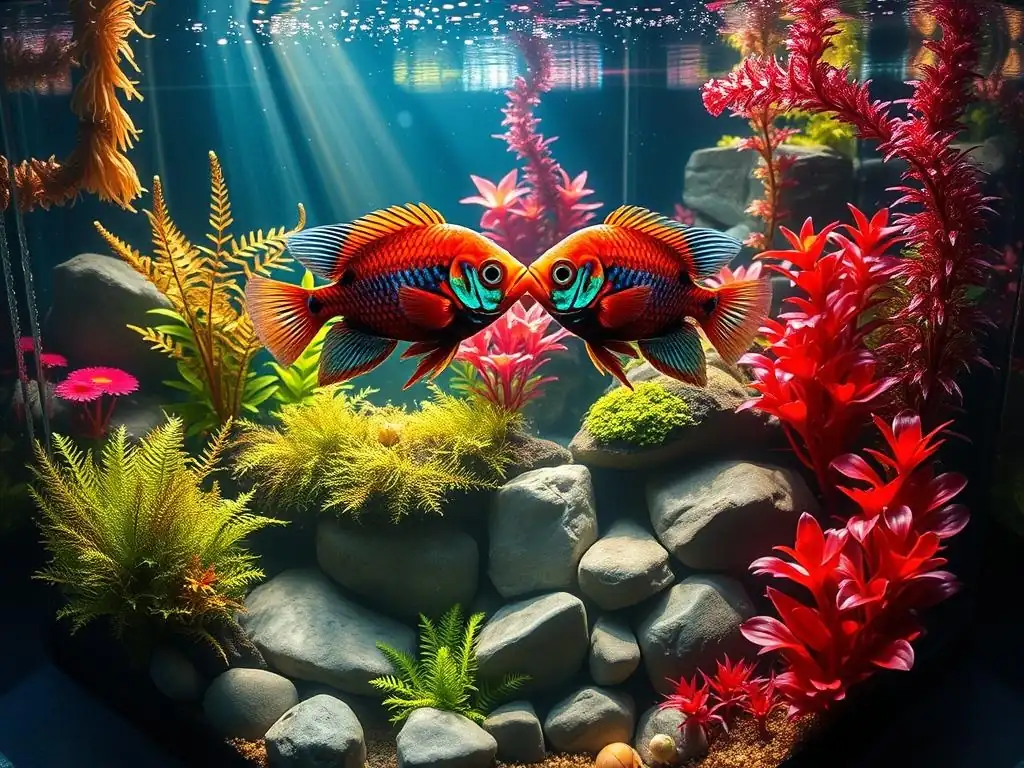
Welcome to Aquarium Mastery, where your underwater dreams take shape!
Ever wondered how to unlock the secrets of successful breeding in your freshwater aquarium? Delve into the enchanting world of dwarf cichlids and discover the fascinating nuances of their mating rituals. Our comprehensive guide on Dwarf Cichlid Spawning Tips is just the beginning. Intrigued? Let's dive in and unlock the secrets to a thriving, breeding aquarium!
- Understanding Dwarf Cichlid Breeding: An Introduction to Spawning
- Pre-Spawning Rituals: Preparing Your Dwarf Cichlids for Breeding
- The Dwarf Cichlid Spawning Process: A Step-by-Step Guide
- Post-Spawning Care: Protecting Eggs and Fry
- Raising Dwarf Cichlid Fry: Feeding and Water Quality
- Troubleshooting Common Dwarf Cichlid Spawning Problems
- Advanced Dwarf Cichlid Breeding Techniques
- Dwarf Cichlid Spawning Tips: Achieving Breeding Success
-
Frequently Asked Questions
- What are the key indicators that my dwarf cichlids are preparing to spawn?
- What type of aquarium setup is best for encouraging dwarf cichlid spawning?
- How do I manage water quality to maximize the chances of successful spawning?
- What should I feed my dwarf cichlids before and during spawning?
- How should I care for the dwarf cichlid fry after they hatch?
- Final Reflection: The Intricacy of New Life
- Unleash Your Inner Cichlid Breeder!
Understanding Dwarf Cichlid Breeding: An Introduction to Spawning
Why Breed Dwarf Cichlids in Your Aquarium?
Breeding dwarf cichlids in your home aquarium offers a uniquely rewarding experience, allowing aquarists to observe fascinating natural behaviors from courtship to intricate parental care. Beyond the sheer joy of seeing tiny fry emerge, successfully breeding these vibrant fish contributes to a deeper understanding of their biology and ecology. It provides an engaging challenge for hobbyists, transforming a display tank into a dynamic ecosystem where life cycles unfold before your eyes.
Furthermore, breeding dwarf cichlids can help reduce demand for wild-caught specimens, promoting more sustainable aquarium practices. While not typically a significant commercial venture for hobbyists, sharing or selling excess fry can offset aquarium costs and connect you with other enthusiasts. Species like the Apistogramma or Ram Cichlids are particularly popular due to their manageable size, striking colors, and the relatively straightforward nature of their breeding when conditions are optimized.
Key Factors Influencing Dwarf Cichlid Spawning Success
Achieving successful dwarf cichlid spawning hinges on a confluence of critical factors, primarily pristine water quality, a high-quality diet, appropriate tank setup, and the overall health and compatibility of the fish. These elements are interconnected; for instance, poor water parameters can stress fish, making them less likely to breed and more susceptible to disease, regardless of diet. Understanding the specific needs of your chosen dwarf cichlid species, such as Apistogramma cacatuoides or Mikrogeophagus ramirezi, is paramount.
Stress reduction is another vital component influencing dwarf cichlid breeding success. Overcrowding, aggressive tank mates, or unstable environmental conditions can severely inhibit spawning. For example, a male Apistogramma may become overly aggressive towards a female if she lacks sufficient hiding spots or if other fish constantly harass the pair. Providing a calm, secure environment with stable temperatures, ideally between 76-82°F (24-28°C), and species-specific water parameters is among the most important dwarf cichlid spawning tips.
Pre-Spawning Rituals: Preparing Your Dwarf Cichlids for Breeding
Water Parameter Optimization for Dwarf Cichlid Spawning
Optimizing water parameters is a cornerstone of successful dwarf cichlid spawning. Most popular dwarf cichlid species, particularly Apistogramma and many Pelvicachromis (Kribensis), originate from soft, acidic waters. For Apistogramma species, ideal conditions often fall within a pH range of 5.5-6.5 and a general hardness (GH) of 1-5 dGH. Ram Cichlids, while also preferring soft water, can tolerate a slightly higher pH, typically 6.0-7.0, with similar low hardness levels. These specific parameters mimic their natural habitats, which is crucial for egg viability and fry development.
Consistency and stability in water parameters are just as important as the target values themselves. Rapid fluctuations can stress fish and prevent spawning. Achieving soft, acidic water often involves using reverse osmosis (RO) water mixed with a small amount of tap water (if your tap water is hard) or incorporating peat filtration. Regular, small water changes, such as 20% weekly, are essential to maintain low nitrate levels and replenish trace elements, providing prime conditions for dwarf cichlid spawning tips related to water quality.
Conditioning Dwarf Cichlids: Diet and Tank Setup
A high-quality, varied diet is indispensable for conditioning dwarf cichlids for breeding. Live foods, such as newly hatched brine shrimp (Artemia nauplii), bloodworms, daphnia, and blackworms, are particularly effective in stimulating spawning, providing essential proteins, fats, and vitamins. Frozen alternatives can also be used, but live foods often yield superior results due to their nutritional completeness and the natural hunting instinct they encourage. Supplementing with high-quality flake or pellet foods designed for cichlids ensures a well-rounded diet.
The tank setup plays a crucial role in encouraging dwarf cichlid spawning. Providing ample hiding spots and diverse spawning sites is paramount. For cave-spawning species like many Apistogramma, offering multiple small caves (e.g., coconut shells, clay pots, or driftwood with crevices) is vital. Substrate spawners, such as Ram Cichlids, prefer flat rocks, broad plant leaves (like Anubias), or even clean, open areas of the substrate. Densely planted areas and subdued lighting can also contribute to a sense of security, encouraging shy species to breed.
Identifying Potential Breeding Pairs of Dwarf Cichlids
Identifying a potential breeding pair of dwarf cichlids often begins with observing sexual dimorphism. Males are typically larger, more intensely colored, and possess more elongated or elaborate fins compared to females. For instance, male Apistogramma cacatuoides exhibit a distinctive "cockatoo" dorsal fin, while females are smaller and often display a more muted yellow coloration, especially when ready to breed. Females, when gravid with eggs, will often show a noticeably rounded abdomen.
Beyond physical characteristics, behavioral cues are strong indicators of a developing breeding pair. Observe if a male is consistently displaying to a female, flaring his fins, and performing a "shaking" or "trembling" dance. The female may respond with subtle head nods or quivering. A key sign is when the pair begins to jointly defend a specific territory or a chosen spawning site, driving away other tank inhabitants. Sometimes, a "nuptial dress," or intensified breeding coloration, will become apparent, signaling their readiness to spawn.
The Dwarf Cichlid Spawning Process: A Step-by-Step Guide
Courtship Displays and Mating Behaviors of Dwarf Cichlids
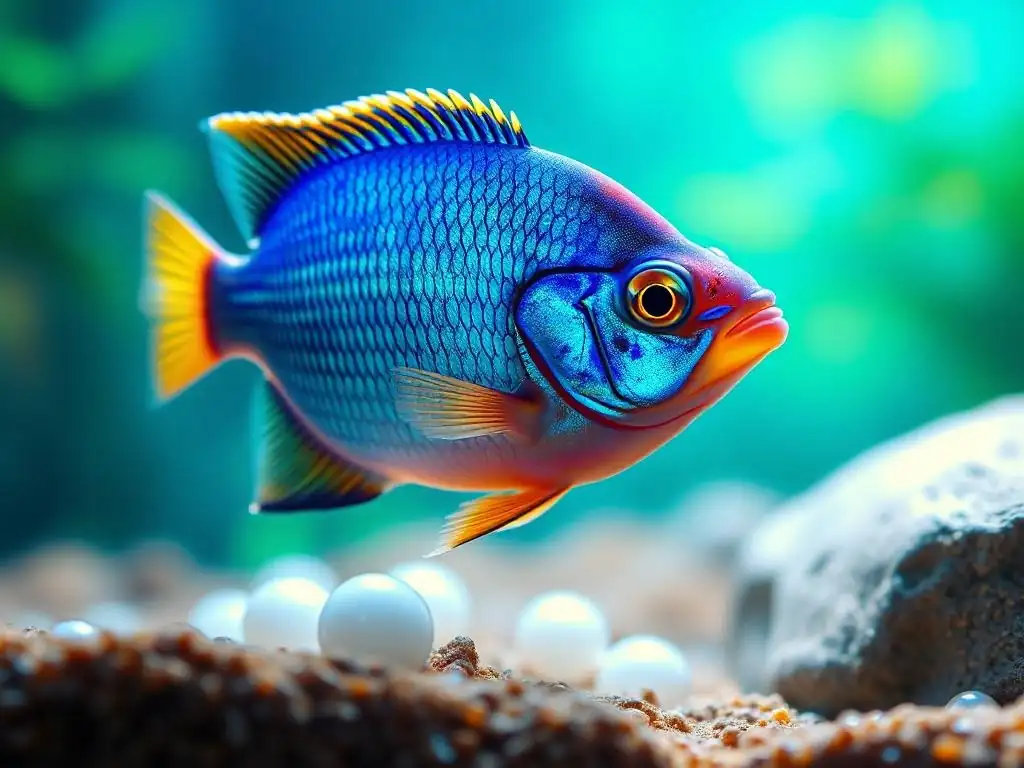
The courtship display of dwarf cichlids is a captivating prelude to spawning, often initiated by the male. He will intensely flare his fins, showcasing his most vibrant colors, and perform elaborate dances, sometimes shaking his entire body in front of the female. These displays are meant to attract her and demonstrate his vigor and suitability as a mate. The female, if receptive, may respond with subtle head bobs, body quivers, or by leading the male towards a potential spawning site, indicating her readiness.
This intricate "dance" can last for several hours or even days, with the pair circling each other and the chosen spawning site. The female often meticulously cleans the selected surface or interior of a cave, preparing it for egg deposition. The male will continue to guard the immediate area, chasing away any perceived intruders. These detailed observations provide valuable dwarf cichlid spawning tips, helping aquarists understand their fish's readiness.
Substrate Spawners vs. Cave Spawners: Understanding the Differences
Dwarf cichlids exhibit two primary spawning strategies: substrate spawning and cave spawning, which dictate the type of environment they require for successful reproduction. Cave spawners, such as most Apistogramma species and some Kribensis ( Pelvicachromis pulcher), prefer to lay their eggs inside enclosed spaces. These can be natural caves formed by rocks or driftwood, or artificial structures like coconut shells, clay pots, or PVC pipes. The female typically attaches her eggs to the roof or walls of the chosen cave, where they are protected.
In contrast, substrate spawners like many Ram Cichlids ( Mikrogeophagus ramirezi) deposit their adhesive eggs on open, flat surfaces. This can be a smooth rock, a broad plant leaf (e.g., Anubias, Amazon Sword), or even a cleaned depression in the substrate. Understanding this fundamental difference is crucial for setting up an appropriate breeding environment, as providing the wrong type of spawning site will significantly hinder breeding attempts.
Egg Deposition and Fertilization: What to Expect
Once the courtship ritual is complete and a spawning site is chosen, the female begins the process of egg deposition. She will typically make several passes over the chosen surface or into the cave, laying a small batch of adhesive eggs with each pass. The eggs are generally small, often translucent to amber in color, and can number anywhere from 50 to 300, depending on the species and the size and condition of the female.
Immediately after the female deposits a batch of eggs, the male follows, passing over them to fertilize them with his milt. This synchronized process repeats until all eggs are laid. The entire egg-laying process can take several hours. After completion, one or both parents will diligently guard and fan the eggs, providing vital oxygen and preventing fungal growth. Unfertilized eggs will typically turn opaque and white within 24-48 hours, often developing a fuzzy fungal growth.
Post-Spawning Care: Protecting Eggs and Fry
Parental Care in Dwarf Cichlids: Roles and Responsibilities
Parental care in dwarf cichlids is one of the most fascinating aspects of their breeding behavior. In many species, particularly Apistogramma, the female takes on the primary role of guarding and fanning the eggs within the cave, diligently removing any infertile or fungused eggs. The male often patrols the immediate territory outside the spawning site, defending against perceived threats. In other species, like Ram Cichlids, both parents may share the egg-fanning and guarding duties more equally.
Once the fry hatch and become free-swimming, the parents' roles evolve. They will actively guide their brood, often herding them around the tank in a tight school, protecting them from other fish. They may even "chew" food to make it more digestible for the tiny fry. This dedicated parental investment can last for several weeks, providing the fry with a crucial period of protection and guidance, which is an important aspect of successful dwarf cichlid spawning tips.
Protecting Dwarf Cichlid Eggs from Predators (Including Parents!)
Protecting dwarf cichlid eggs from predation is a critical step for successful breeding, especially in a community tank setting. Other tank inhabitants, even seemingly peaceful ones, will view the eggs as a readily available food source. If breeding in a community tank, consider removing the eggs (if they are laid on a removable surface) to a separate rearing tank, or moving the parents to a dedicated breeding setup before spawning occurs.
Surprisingly, even the parents themselves can sometimes consume their eggs or newly hatched fry, particularly if they are first-time spawners, stressed, or if tank conditions are not ideal. Providing ample hiding spots for the fry once they hatch can mitigate this. In cases where parental cannibalism is a recurring issue, some breeders opt to remove the eggs immediately after spawning and raise the fry artificially. However, observing parental care is a primary joy of breeding, so this step is usually a last resort.
Hatching and Fry Development: From Egg to Free-Swimming
The hatching time for dwarf cichlid eggs varies depending on the species and water temperature. Generally, at temperatures around 78-80°F (25.5-26.5°C), eggs will hatch within 2 to 5 days. For instance, Apistogramma eggs often hatch in about 3 days. Upon hatching, the fry are immobile and resemble tiny wrigglers, still attached to the spawning site or collected by the parents into a pit. They subsist on their yolk sac during this initial phase.
After another 3 to 7 days, once the yolk sac has been fully absorbed, the fry will become free-swimming. This is a critical developmental stage, as they will then require their first external food source. They will appear as miniature versions of their parents, often transparent or lightly colored, and will begin to explore their immediate surroundings, usually under the watchful eye of their parents.
Raising Dwarf Cichlid Fry: Feeding and Water Quality
First Foods for Dwarf Cichlid Fry: Live Foods and Alternatives
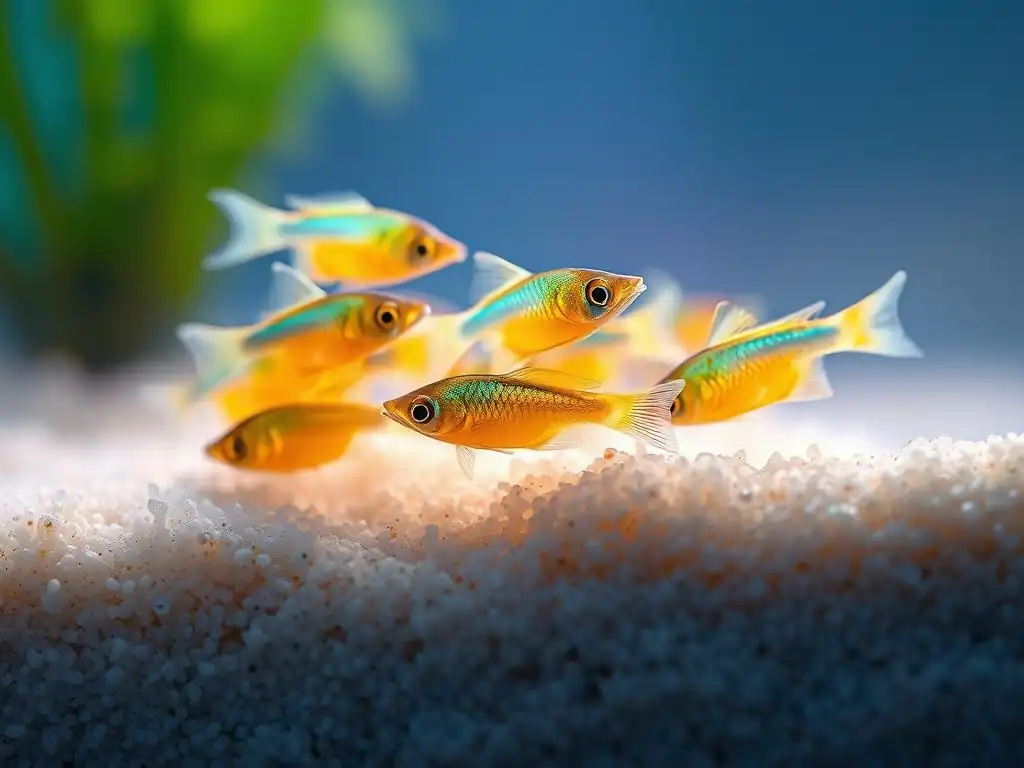
Providing the correct first foods is paramount for the survival and growth of dwarf cichlid fry. Once they become free-swimming, their mouths are incredibly small, requiring microscopic food sources. Infusoria, which are microscopic organisms, or commercially available liquid fry foods are excellent choices for the first few days. However, the gold standard for initiating feeding is newly hatched brine shrimp (Artemia nauplii). Their small size (around 0.5 mm) and high nutritional value make them ideal for rapid growth.
As the fry grow, typically after 1-2 weeks, their diet can be diversified. Transition them to slightly larger foods such as microworms, vinegar eels, or finely crushed high-quality flake food. Within a few weeks, they can usually accept finely chopped frozen foods like bloodworms or daphnia. Frequent, small feedings (4-6 times per day) are crucial to ensure consistent growth and prevent starvation, as fry have high metabolic rates.
Maintaining Water Quality for Optimal Fry Growth
Maintaining impeccable water quality is arguably the most critical aspect of raising dwarf cichlid fry. Fry are extremely sensitive to ammonia, nitrite, and nitrate accumulation, which can quickly become lethal. Small, frequent water changes are essential; a daily or every-other-day change of 10-15% with aged or pre-conditioned water matched to the tank's parameters is highly recommended. Using a gravel vacuum carefully to remove uneaten food and waste will prevent ammonia spikes.
Filtration for fry tanks must be gentle to avoid sucking up the tiny fry. Sponge filters are an excellent choice as they provide both mechanical and biological filtration without creating strong currents or a suction hazard. Ensure the temperature remains stable within the optimal range for the species, typically 76-82°F (24-28°C), as consistent conditions are vital for healthy development.
Separating Fry from Parents: When and How to Do It
The timing for separating dwarf cichlid fry from their parents varies significantly depending on the species and the individual parents' behavior. Some dwarf cichlid parents, particularly certain Apistogramma species, will tolerate their fry for several weeks, even guiding them around the tank. Others may become aggressive towards their offspring sooner, especially if they are preparing for another spawn or if the fry become too independent.
A good indicator that it's time to separate the fry is when parents begin showing signs of aggression towards them or when the female's belly starts to swell again, signaling another breeding attempt. Gently net the fry and transfer them to a dedicated grow-out tank. Ensure the grow-out tank has identical water parameters to minimize stress and shock. This separation is often a necessary dwarf cichlid spawning tip to maximize fry survival rates and prevent parental stress or aggression.
Troubleshooting Common Dwarf Cichlid Spawning Problems
Addressing Infertile Eggs and Low Hatch Rates
Infertile eggs and low hatch rates are common frustrations for aspiring dwarf cichlid breeders. Several factors can contribute to these issues, including unconditioned parents, sub-optimal water quality (especially incorrect hardness or pH for the species), parents being too young or too old, or male infertility. Sometimes, the male and female may simply be incompatible. Reviewing and optimizing water parameters, providing a high-quality, varied diet, and ensuring the pair is mature but not past their prime breeding age can often resolve these problems.
It's important to note that it may take a pair several spawns to "get it right" and produce a viable clutch. If eggs consistently turn white and fuzzy with fungus, it often indicates they were unfertilized. In dedicated rearing setups (without parents), a very small amount of methylene blue can be added to the water as a preventative measure against fungus, but this should be used cautiously and typically only after eggs are removed from the main tank.
Managing Aggression During Spawning
Aggression can be a significant challenge during dwarf cichlid spawning, particularly between the male and female. Males can become overly aggressive towards females if she is not ready to spawn, if there are insufficient hiding spots, or if the chosen spawning site is not suitable. Providing ample visual breaks and multiple hiding spots for the female is crucial. In some instances, a larger tank or more complex aquascaping can help diffuse aggression by creating more territory.
If aggression becomes severe and persistent, to the point where the female is constantly harassed or injured, it may be necessary to separate the pair temporarily. Introducing a breeding group with multiple females to one male can sometimes dilute aggression, as the male's attention is distributed. Ensuring the tank is not overcrowded and that tank mates are peaceful and not perceived as threats will also contribute to a less stressful environment.
Preventing and Treating Fungal Infections in Eggs
Fungal infections in dwarf cichlid eggs typically manifest as a white, fuzzy growth that spreads rapidly. This fungus primarily targets unfertilized or dead eggs but can quickly spread to healthy, viable eggs, leading to a complete loss of the clutch. Poor water quality, lack of proper aeration (fanning by parents), or a high bacterial load in the water can exacerbate fungal issues.
Healthy parents will diligently fan their eggs to provide oxygen and often remove any fungused or infertile eggs. If parents are not performing this duty, or if the eggs are being artificially incubated, careful manual removal of any white, fuzzy eggs with a pipette can prevent spread. Ensuring good water flow around the spawning site and maintaining pristine water parameters are the best preventative measures. In dedicated fry tanks or containers where eggs are removed, adding a very mild antifungal agent like methylene blue can be a useful dwarf cichlid spawning tip for prevention.
Advanced Dwarf Cichlid Breeding Techniques
Hybridization and Selective Breeding Considerations
Hybridization, the crossing of different dwarf cichlid species, is generally discouraged in the aquarium hobby unless for very specific scientific research purposes. While it may produce unique color patterns or fin shapes, it often results in sterile offspring, dilutes the genetic purity of the species, and can create fish with compromised health or undesirable behavioral traits. Maintaining pure bloodlines is essential for the long-term health and genetic integrity of distinct dwarf cichlid species.
Selective breeding, on the other hand, focuses on enhancing desirable traits within a single species, such as more intense coloration, larger finnage, or increased disease resistance. This advanced technique requires meticulous record-keeping of parentage, multiple generations of breeding, and careful culling of undesirable offspring. Ethical considerations are paramount to ensure that selective breeding does not lead to genetic weaknesses or deformities within the line.
Setting up a Dedicated Breeding Tank for Dwarf Cichlids
For serious dwarf cichlid breeders aiming for consistent success and high fry survival rates, setting up a dedicated breeding tank is highly recommended. These tanks are typically smaller, ranging from 10 to 20 gallons for most dwarf cichlid pairs, allowing for precise control over water parameters without the influence of other fish or a larger bioload. A simple setup usually includes a sponge filter for gentle filtration, a heater to maintain stable temperatures, and species-appropriate spawning sites (e.g., a single clay pot for Apistogramma or a flat rock for Rams).
This isolated environment minimizes stress on the breeding pair, as they don't have to contend with other tank mates. It also provides a safe haven for eggs and fry, maximizing their survival chances since there are no predators. Furthermore, a dedicated breeding tank simplifies feeding the tiny fry and performing the necessary frequent water changes without disturbing a larger community setup. This focused approach is a key dwarf cichlid spawning tip for experienced aquarists.
Apistogramma cacatuoides Spawning Behavior: A Detailed Look
The Apistogramma cacatuoides, commonly known as the Cockatoo Dwarf Cichlid, is one of the most popular and relatively easy-to-breed Apistogramma species, making it an excellent subject for detailed study of dwarf cichlid spawning behavior. Males are strikingly colorful with elaborate dorsal and caudal fins, while females are smaller, exhibiting a vibrant yellow body, especially when in breeding condition. They thrive in soft, acidic water (pH 6.0-7.0, GH 2-8 dGH) and temperatures between 76-82°F (24-28°C), conditions that closely mimic their Amazonian origins.
As cave spawners, the female Apistogramma cacatuoides will meticulously select and prepare a small cave, often a coconut shell or a clay pot, for egg deposition. She typically lays a clutch of 50-150 adhesive eggs on the roof or walls of the cave. The female then takes on the primary role of guarding the eggs, often sealing herself inside the cave, while the male defends the surrounding territory. Eggs typically hatch in 3-4 days, and the fry become free-swimming after another 5-7 days, remaining under the diligent care of the female for several weeks.
Dwarf Cichlid Spawning Tips: Achieving Breeding Success
Summary of Essential Spawning Tips for Dwarf Cichlids
Achieving consistent dwarf cichlid spawning success boils down to a few core principles. First and foremost, pristine water quality is non-negotiable; this often means maintaining soft, acidic water parameters specific to your chosen species, coupled with regular, small water changes to keep nitrates low. Second, a high-quality, varied diet, particularly incorporating live foods, is crucial for conditioning healthy, vigorous breeding pairs. Third, providing species-appropriate spawning sites, whether caves or flat surfaces, tailored to the specific type of spawner you are keeping, is essential.
Finally, a stable, low-stress tank environment is key. This includes maintaining consistent temperatures, providing ample hiding spots, and selecting peaceful tank mates. Patience and diligent observation are also vital, as it may take several attempts for a pair to successfully spawn and raise fry. These dwarf cichlid spawning tips form the foundation for any successful breeding program.
Long-Term Care for Breeding Dwarf Cichlids
Breeding can be physically taxing on dwarf cichlids, particularly on the female who expends significant energy producing eggs and caring for fry. To ensure the long-term health and productivity of your breeding stock, it's crucial to provide them with excellent care even when they are not actively spawning. This involves maintaining optimal water parameters, offering a consistently rich and varied diet, and ensuring they have ample space and a stress-free environment.
Avoid over-breeding a single pair, as continuous spawning can deplete their reserves and shorten their lifespan. If possible, consider rotating breeding pairs or giving them a "rest period" between spawns by slightly altering water parameters or separating them for a few weeks. This allows them to recover and regain condition, contributing to healthier fish and more successful future breeding attempts.
Resources for Further Learning About Dwarf Cichlid Reproduction
The world of dwarf cichlid reproduction is vast and fascinating, with nuances specific to each species. To deepen your understanding and refine your dwarf cichlid spawning tips, numerous resources are available. Online forums and dedicated social media groups for dwarf cichlid enthusiasts provide platforms for asking questions, sharing experiences, and learning from seasoned breeders. Websites like AquariumMastery.com offer detailed guides and species profiles that delve into specific breeding requirements.
Specialized books on Apistogramma or other dwarf cichlid genera offer in-depth scientific and practical information. Joining a local aquarium club can connect you with experienced aquarists who may offer invaluable hands-on advice and even breeding stock. Continuous learning and observing your fish's unique behaviors are key to mastering the art of dwarf cichlid breeding, ensuring both successful reproduction and the well-being of your fish.
Frequently Asked Questions
What are the key indicators that my dwarf cichlids are preparing to spawn?
Look for changes in behavior, such as increased territoriality and intense color display from the male. The female will often exhibit a swollen abdomen and begin cleaning a potential spawning site.
What type of aquarium setup is best for encouraging dwarf cichlid spawning?
A well-established aquarium with plenty of hiding places, like caves or dense plants, is crucial. Maintain stable water parameters and provide a suitable spawning substrate, such as a flat rock or smooth surface.
How do I manage water quality to maximize the chances of successful spawning?
Excellent water quality is paramount. Perform regular water changes (25-50% weekly) to keep nitrates low. Maintaining a slightly acidic pH (around 6.0-7.0) can also be beneficial.
What should I feed my dwarf cichlids before and during spawning?
Offer a high-quality diet rich in protein. Live or frozen foods like bloodworms, daphnia, and brine shrimp are excellent for conditioning them for spawning.
How should I care for the dwarf cichlid fry after they hatch?
Once the fry are free-swimming, feed them infusoria or commercially available liquid fry food. Gradually transition them to baby brine shrimp as they grow. Protect them from larger fish by using a breeder net or tank.
Final Reflection: The Intricacy of New Life
The detailed observation and understanding of dwarf cichlid spawning behavior, as we've explored, isn't merely an academic exercise; it's a gateway to responsible and enriching aquarium keeping. By appreciating the nuances of their mating rituals, we move beyond simply housing fish to actively participating in the continuation of their species, fostering a deeper connection with the natural world within our own homes.
This journey into the world of dwarf cichlid reproduction has highlighted the delicate balance and intricate choreography of life. It reminds us that even in the smallest of creatures, there exists a profound dedication to survival and the perpetuation of their lineage. The miracle is not to walk on water. The miracle is to walk on the green earth, dwelling deeply in the present moment and feeling truly alive.
- Thich Nhat Hanh. This quote resonates deeply, urging us to appreciate the small miracles unfolding before us, like the spawning of these vibrant fish.
Now, armed with these insights into dwarf cichlid spawning tips, I invite you to reflect on the power of observation and the responsibility that comes with caring for living beings. Consider how you can apply this knowledge to create an environment that not only sustains life but also allows it to flourish. Embrace the opportunity to witness the miracle of new life unfold in your own aquarium, and share your experiences to inspire others to do the same.
Unleash Your Inner Cichlid Breeder!
Thank you for diving into the fascinating world of dwarf cichlid spawning! Now that you understand their intricate mating rituals, it's time to translate that knowledge into action.
Here are a few steps you can take next:
- Immediately set up a dedicated breeding tank mirroring the parameters outlined in the article to encourage spawning.
- Delve deeper: Research specific substrate types favored by your chosen cichlid species for optimal egg-laying.
- Share your newfound knowledge! Connect with fellow aquarists on forums or social media and discuss your cichlid breeding plans.
What unique spawning behavior have you observed in your cichlids that surprised you?