
Mbuna Species Deep Dive: Unraveling the Diversity of Lake Malawi's Rock Dwellers

Welcome to Aquarium Mastery!
Curious about the vibrant and captivating world of Mbuna cichlids? Dive in! These rock-dwelling beauties from Lake Malawi boast dazzling colors and fascinating behaviors. This article offers essential Mbuna fish care tips to help you create a thriving habitat for these lively inhabitants. Ready to unlock the secrets to a successful Mbuna aquarium? Let's explore!
- Understanding Mbuna Cichlids: An Introduction to Lake Malawi's Rock Dwellers
-
Exploring the Diversity of Mbuna Species: A Guide to Popular and Unique Varieties
- Pseudotropheus Genus: Identifying and Caring for Common Mbuna Varieties
- Labidochromis Genus: Unveiling the Yellow Lab and Other Peaceful Mbuna
- Melanochromis Genus: Managing Aggression in the Melanochromis auratus and Similar Species
- Other Notable Mbuna Species: Iodotropheus sprengerae, Cynotilapia afra, Labeotropheus fuelleborni
-
Mbuna Fish Care Tips: Essential Guidelines for a Thriving Aquarium
- Mbuna Tank Setup: Creating the Ideal Environment for Rock-Dwelling Cichlids
- Mbuna Diet and Feeding: Providing the Right Nutrition for Optimal Health
- Water Chemistry for Mbuna: Maintaining Optimal Conditions for Lake Malawi Cichlids
- Mbuna Aggression Management: Strategies for a Peaceful Community Tank
- Mbuna Compatibility: Choosing Suitable Tank Mates for Your Mbuna Cichlids
- Common Mbuna Diseases and Treatments: Keeping Your Fish Healthy
- Breeding Mbuna: A Guide to Successful Spawning and Fry Care
- Conclusion: Mastering Mbuna Fish Care for a Vibrant and Thriving Aquarium
- Frequently Asked Questions
- Final Reflection: Embracing the Vibrant World of Mbuna
- Dive Deeper into the Mbuna World!
Understanding Mbuna Cichlids: An Introduction to Lake Malawi's Rock Dwellers
What are Mbuna? Defining the Rock-Dwelling Cichlids of Lake Malawi
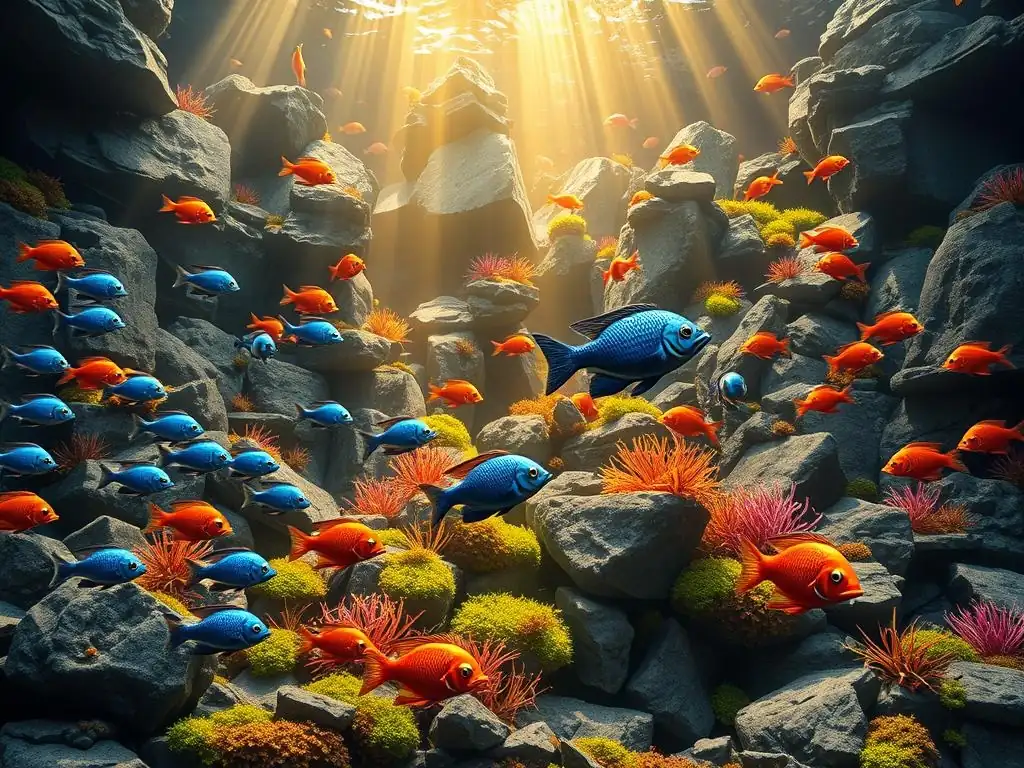
Mbuna cichlids are a fascinating group of freshwater fish endemic to Lake Malawi in East Africa. The name "Mbuna" originates from the local Chichewa language, meaning "rock fish," which perfectly describes their natural habitat. These vibrant cichlids are primarily found inhabiting the rocky, shallow areas of the lake, where they graze on the algal bio-film covering the rocks. Their striking colors, active nature, and complex social behaviors have made them immensely popular among aquarium enthusiasts.
Unlike many other cichlid groups, Mbuna are predominantly herbivorous or algivorous, adapting their mouths and teeth specifically for scraping algae off rocks. This specialized diet is crucial to understand when providing Mbuna fish care tips, as improper feeding is a common cause of health issues. While visually appealing, Mbuna are also known for their territorial and often aggressive nature, requiring specific tank setups and careful consideration of tank mates to ensure a thriving environment.
The Unique Ecology of Lake Malawi and its Impact on Mbuna Evolution
Lake Malawi is one of the largest and deepest freshwater lakes in the world, stretching approximately 360 miles (580 km) long and 47 miles (75 km) wide, with depths reaching over 2,300 feet (700 meters). Its ancient origins, stable environmental conditions, and geographical isolation have created a unique ecological niche that fostered an incredible burst of evolution, particularly among cichlids. The lake's water chemistry is consistently warm, alkaline, and very hard, with a typical pH ranging from 7.8 to 8.6 and a general hardness (GH) often between 180-360 ppm.
This stable, high-pH, high-mineral environment, combined with the vast array of rocky habitats, led to an extraordinary phenomenon known as adaptive radiation. Over millions of years, hundreds of Mbuna species evolved from a common ancestor, each adapting to specific micro-habitats and food sources within the rocky littoral zones. This rapid speciation resulted in the incredible diversity of Mbuna we see today, with each species exhibiting unique color patterns, feeding behaviors, and levels of aggression, all shaped by the distinct ecological pressures of their specific rock-dwelling territories in Lake Malawi.
Exploring the Diversity of Mbuna Species: A Guide to Popular and Unique Varieties
Pseudotropheus Genus: Identifying and Caring for Common Mbuna Varieties
The Pseudotropheus genus encompasses some of the most iconic and widely recognized Mbuna species in the aquarium hobby. These fish are generally known for their robust body shapes, active swimming, and often intense territorial behaviors. Many species within this genus exhibit striking patterns of blue, black, and yellow, making them highly desirable additions to a Lake Malawi biotope aquarium. However, their assertive nature means careful planning is essential for successful Mbuna fish care, particularly concerning tank size and stocking density.
When considering Pseudotropheus species, it is vital to research their specific dietary needs and aggression levels. While primarily herbivorous, some species may tolerate a small amount of protein supplementation. Providing ample rockwork is paramount, as these fish rely heavily on caves and crevices for territory and shelter. Understanding the nuances of each species within this genus is key to preventing stress, aggression, and ensuring the long-term health of your Mbuna community.
Pseudotropheus acei: Care and Characteristics
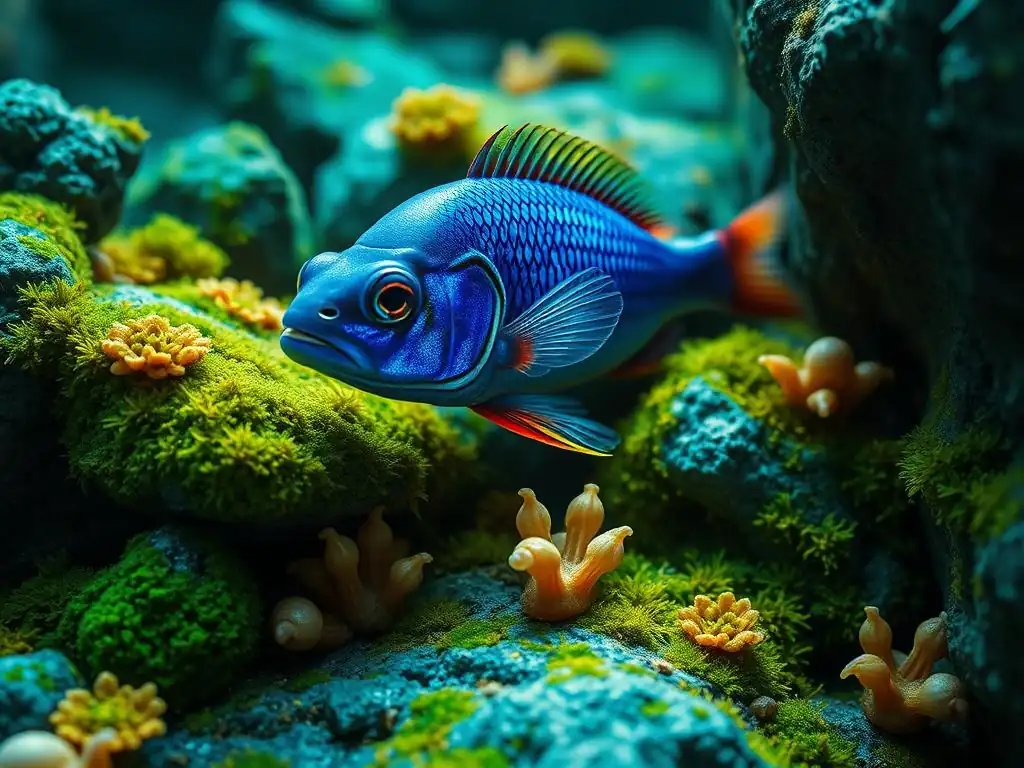
Pseudotropheus acei, often referred to as the "Yellow Tail Acei," is a relatively peaceful and highly popular Mbuna species. It is easily recognizable by its elongated, iridescent blue body and contrasting bright yellow caudal and pectoral fins. Two primary geographical variants exist: the 'Msuli' type, which is mostly blue with yellow fins, and the 'Itungi' type, which has a deeper blue body. Unlike many other Mbuna, P. acei tends to be less aggressive and often exhibits a schooling behavior, making them a unique addition to a community tank.
For optimal Pseudotropheus acei care, a minimum tank size of 55 gallons is recommended for a small group, though larger tanks are always preferable. Their diet should be primarily herbivorous, consisting of high-quality spirulina flakes and pellets. While they appreciate rockwork for security, they also enjoy open swimming spaces. They are known for their hardiness and adaptability, making them a good choice for aquarists looking for a less quarrelsome Mbuna that still embodies the vibrant colors of Lake Malawi.
Pseudotropheus demasoni: Care and Characteristics
Pseudotropheus demasoni, often called the "Demasoni Cichlid," is a small but incredibly striking Mbuna species, characterized by its bold pattern of alternating vertical black and iridescent blue bars. Despite reaching a maximum size of only about 3 inches (7.5 cm), P. demasoni possesses a remarkably aggressive and territorial temperament, especially towards conspecifics. This high aggression, coupled with its small size, makes its care somewhat challenging and requires specific stocking strategies.
Effective Pseudotropheus demasoni care necessitates a minimum tank size of 40 gallons for a small colony, with 55-75 gallons being more ideal for stability. Due to their intense aggression, it is crucial to keep them in large groups, typically 10 or more individuals, to "spread out" aggression and prevent a single fish from being targeted. Their diet must be strictly herbivorous; even small amounts of protein can lead to Malawi bloat. Providing an abundance of rockwork with numerous hiding spots and visual barriers is essential to mitigate territorial disputes and ensure the well-being of this beautiful yet feisty species.
Labidochromis Genus: Unveiling the Yellow Lab and Other Peaceful Mbuna
The Labidochromis genus stands out within the Mbuna group for generally encompassing some of the most peaceful and adaptable species. While still territorial to an extent, their aggression levels are significantly lower than many other Mbuna, making them excellent choices for mixed Mbuna setups, especially for those new to keeping these African cichlids. Their typically smaller size and less demanding temperament contribute to their widespread popularity in the hobby.
Species within the Labidochromis genus often exhibit unique foraging behaviors, such as picking invertebrates from rock crevices or grazing on algae. This diverse feeding strategy means their diet can be slightly more varied than strict herbivores, though plant-based foods should still form the bulk of their intake. Their relatively calm demeanor, combined with vibrant colors, makes them a cornerstone for many successful Mbuna community tanks, exemplifying how thoughtful Mbuna fish care tips can lead to a harmonious display.
Labidochromis caeruleus (Yellow Lab): Care and Characteristics
Labidochromis caeruleus, universally known as the "Electric Yellow Lab" or "Yellow Lab Cichlid," is arguably the most popular and iconic Mbuna species in the aquarium hobby. Its brilliant, uniform yellow coloration contrasted by black dorsal, anal, and pelvic fins makes it an instant showstopper. Beyond its stunning appearance, the Yellow Lab is prized for its relatively docile temperament compared to other Mbuna, making it an ideal "beginner Mbuna" and a great addition to a mixed Mbuna tank.
Optimal Labidochromis caeruleus care requires a minimum tank size of 40 gallons for a small group, with 55 gallons or more being ideal for a community setup. Their diet should be primarily herbivorous, consisting of high-quality spirulina flakes and pellets, though they readily accept and benefit from occasional protein supplements like brine shrimp or Mysis shrimp. Providing plenty of rockwork with caves and crevices is still important for security and territory, but their lower aggression means they are less prone to intense territorial disputes, allowing for a more relaxed viewing experience.
Melanochromis Genus: Managing Aggression in the Melanochromis auratus and Similar Species
The Melanochromis genus includes some of the most beautiful yet notoriously aggressive Mbuna species. These cichlids are characterized by their often striking horizontal striping and pronounced sexual dimorphism, where males and females can have vastly different color patterns. While their appearance is captivating, their highly territorial and dominant nature requires a seasoned aquarist and careful planning to prevent severe aggression issues within a community tank.
Managing aggression in Melanochromis species is a critical aspect of Mbuna fish care tips. Overstocking, providing an abundance of visual barriers through rockwork, and careful selection of tank mates are all essential strategies. Their diet is typically herbivorous, but like many Mbuna, they can be susceptible to Malawi bloat if fed high-protein foods. Understanding the specific behavioral traits of each Melanochromis species is paramount to creating a safe and stable environment for all inhabitants.
Melanochromis auratus: Care and Characteristics
Melanochromis auratus, commonly known as the "Auratus Cichlid," is one of the most infamously aggressive Mbuna species. It displays a striking sexual dimorphism: females are typically black with two horizontal yellow stripes, while dominant males reverse this pattern to yellow with two black stripes. This species is known for its intense territoriality and can be highly problematic in a community tank if not managed correctly, often harassing or even killing tank mates.
For successful Melanochromis auratus care, a minimum tank size of 75 gallons is highly recommended, with 125 gallons or more being ideal for a mixed Mbuna setup. It is crucial to keep only one male M. auratus per tank, accompanied by multiple females (e.g., 1 male to 3-4 females) to diffuse aggression. Their diet should be strictly herbivorous, emphasizing spirulina-based foods. Providing an extensive amount of rockwork, including numerous caves and line-of-sight breaks, is absolutely essential to help mitigate their extreme aggression and prevent fatalities.
Other Notable Mbuna Species: Iodotropheus sprengerae, Cynotilapia afra, Labeotropheus fuelleborni
Beyond the more common genera, several other Mbuna species offer unique characteristics and vibrant colors, contributing to the incredible diversity of Lake Malawi cichlids. These species often present distinct challenges or advantages in aquarium settings, requiring specific considerations for their successful care. Integrating these less common, yet equally captivating, Mbuna into a collection further highlights the importance of detailed Mbuna fish care tips tailored to individual species.
- Iodotropheus sprengerae (Rust Cichlid): This species is known for its attractive purplish-brown body, often with iridescent blue or purple highlights, and a relatively peaceful temperament compared to many other Mbuna. Growing to about 4 inches (10 cm), they are suitable for tanks as small as 40 gallons and make good tank mates for less aggressive Mbuna like Yellow Labs. Their diet is omnivorous, but still leans heavily towards plant matter, requiring quality spirulina flakes. They are hardy and a good choice for aquarists seeking a unique, less aggressive Mbuna.
- Cynotilapia afra (Dogtooth Cichlid):Cynotilapia afra encompasses numerous geographical variants, each with unique and striking color patterns, such as the "Jalo Reef" or "Hara" types, often displaying blue bodies with contrasting black vertical bars or yellow accents. These are active, mid-sized Mbuna (up to 5 inches or 12.5 cm) that can be territorial. They require a minimum 55-gallon tank with plenty of rockwork. Their diet should be primarily herbivorous, though they are known to pick small invertebrates from the bio-film in the wild.
- Labeotropheus fuelleborni (Fuelleborn's Cichlid): Distinctive for its unique "snout" adapted for grazing algae from flat rock surfaces, Labeotropheus fuelleborni is a larger Mbuna, reaching up to 7 inches (18 cm). They come in various color morphs, including blue, orange, and marmalade cat. Due to their size and dominant nature, they require a minimum tank size of 75 gallons, with 125 gallons being more suitable for a group. They are strict herbivores and require a high-quality spirulina-based diet to prevent digestive issues. Their robust nature and unique feeding behavior make them a fascinating, albeit demanding, addition.
Mbuna Fish Care Tips: Essential Guidelines for a Thriving Aquarium
Mbuna Tank Setup: Creating the Ideal Environment for Rock-Dwelling Cichlids
Establishing the correct tank environment is the cornerstone of successful Mbuna fish care. Replicating their natural Lake Malawi habitat is crucial for their well-being, reducing stress, and mitigating aggression. This involves careful consideration of tank dimensions, the arrangement of decor, and the choice of substrate and lighting. A well-designed Mbuna aquarium provides not only a visually appealing display but also a functional ecosystem that supports the unique behavioral and physiological needs of these active cichlids.
An ideal Mbuna setup focuses on creating a stable, high-pH, high-hardness aquatic environment with ample structure. The goal is to provide numerous hiding places and visual barriers, mimicking the complex rocky shores of Lake Malawi. This meticulous approach to tank setup is fundamental, as it directly impacts water quality, territorial disputes, and overall fish health, making it one of the most important Mbuna fish care tips for any aspiring or experienced aquarist.
Tank Size Recommendations for Mbuna
Choosing the appropriate tank size is paramount for Mbuna fish care, directly influencing aggression levels and water quality stability. For a small community of less aggressive Mbuna, a minimum tank size of 55 gallons (approximately 48 inches long x 13 inches wide x 21 inches high) is generally recommended. This size allows for some territorial establishment without excessive conflict. However, for more aggressive species, larger groups, or a diverse mix of Mbuna, a 75-gallon (48"x18"x21") or even 125-gallon (72"x18"x22") aquarium is significantly more suitable.
Larger tanks provide more swimming space, dilute aggression among dominant fish, and offer greater water volume, which helps in maintaining stable water parameters. The length and width of the tank are often more important than its height for Mbuna, as they are active swimmers that utilize horizontal space and require broad areas for rockwork. Investing in the largest possible tank you can accommodate is one of the most effective Mbuna fish care tips to ensure a peaceful and healthy community.
Rockwork and Aquascaping: Replicating the Lake Malawi Habitat
Extensive and thoughtfully arranged rockwork is perhaps the single most critical element in a Mbuna aquarium setup. It directly mimics their natural Lake Malawi habitat, providing essential caves, crevices, and visual barriers that are vital for territorial establishment, hiding, and stress reduction. Limestone, lace rock, lava rock, and slate are popular choices due to their natural appearance and ability to slightly buffer water, contributing to the high pH and hardness Mbuna prefer.
When aquascaping, ensure that rocks are securely stacked to prevent collapses, especially given the Mbuna's tendency to dig. Create numerous caves and tunnels, making sure there are more hiding spots than fish to allow subordinate individuals to escape aggression. Breaking up lines of sight with taller rock formations also helps to reduce territorial disputes by limiting the dominant fish's ability to see and harass others. This meticulous rock placement is a cornerstone of effective Mbuna fish care tips, fostering natural behaviors and minimizing conflict.
Substrate and Lighting Considerations for Mbuna Tanks
The choice of substrate for a Mbuna aquarium plays a role in both aesthetics and water chemistry. Aragonite sand or crushed coral are highly recommended as they naturally help to buffer the water, contributing to the high pH and hardness that Mbuna thrive in. A depth of 1-2 inches is generally sufficient, allowing for some natural digging behavior without creating excessive detritus traps. Avoid sharp or abrasive substrates, which could injure their delicate mouths as they sift for food or dig.
Lighting for Mbuna tanks is generally moderate. While intense lighting can enhance the vibrant colors of the fish, it is not strictly necessary for their health. However, moderate lighting does encourage the growth of a thin layer of algae on the rocks, which can serve as a natural food source for the herbivorous Mbuna. LED lights are popular for their efficiency and ability to bring out the fish's coloration. The primary focus should remain on water parameters and rockwork, with lighting being a secondary consideration in comprehensive Mbuna fish care tips.
Mbuna Diet and Feeding: Providing the Right Nutrition for Optimal Health
Proper nutrition is a critical component of Mbuna fish care tips, directly impacting their health, coloration, and longevity. Given their natural diet in Lake Malawi, which consists primarily of algae and associated invertebrates scraped from rocks, their captive diet must reflect this herbivorous tendency. Feeding an inappropriate diet is the leading cause of Malawi bloat, a common and often fatal digestive disorder among these cichlids.
Understanding the specific nutritional needs of Mbuna and adhering to a strict feeding regimen is essential. While some species may tolerate a small amount of protein, the vast majority thrive on a diet rich in vegetable matter. Balanced nutrition not only prevents disease but also enhances their vibrant colors and promotes natural behaviors, making it a cornerstone of successful Mbuna fish care.
Herbivorous Diet: Understanding the Nutritional Needs of Mbuna
The primary diet for almost all Mbuna species should be predominantly herbivorous, focusing on foods rich in vegetable matter. In their natural habitat, Mbuna possess specialized teeth adapted for scraping the algal bio-film from rocks. Consequently, high-quality spirulina flakes, spirulina pellets, and other vegetable-based cichlid pellets should form the bulk of their diet. These foods provide the necessary fiber and plant-based proteins that their digestive systems are designed to process.
It is crucial to select foods specifically formulated for herbivorous cichlids, often indicated by a high spirulina content (e.g., 20% or more). Brands like Hikari Cichlid Excel or New Life Spectrum Cichlid Formula are popular choices among experienced aquarists. Avoiding foods high in animal protein, such as bloodworms, tubifex worms, or beef heart, is perhaps the most important of all Mbuna fish care tips, as these can severely disrupt their delicate digestive systems and lead to fatal conditions like Malawi bloat.
Supplementing with Protein: Balancing the Diet for Growth and Color
While Mbuna are primarily herbivorous, some species, particularly those that naturally consume small invertebrates within the algal mat, can tolerate very small amounts of protein supplementation. Occasional offerings of high-quality, low-fat protein sources such as small amounts of Mysis shrimp or brine shrimp (frozen or freeze-dried) can be beneficial for growth and to enhance coloration. However, this should be done sparingly, perhaps once or twice a week at most, and in very small quantities.
The key is balance and moderation. Overfeeding protein is a common pitfall in Mbuna fish care, leading to digestive issues and the dreaded Malawi bloat. It is far safer to err on the side of a strictly herbivorous diet than to risk the health of your fish with excessive protein. Always prioritize spirulina-based foods, and consider protein supplements only as an infrequent treat for species known to tolerate them well.
Feeding Frequency and Portion Control: Preventing Overfeeding and Water Quality Issues
Proper feeding frequency and strict portion control are vital Mbuna fish care tips that contribute significantly to both fish health and water quality. Mbuna have relatively short digestive tracts, meaning they process food quickly. Feeding them 1-2 times per day is generally sufficient. The amount fed should be small enough to be consumed entirely within 1-2 minutes. Any uneaten food quickly decays, leading to elevated ammonia, nitrite, and nitrate levels, which are detrimental to water quality and can stress the fish.
Overfeeding not only pollutes the water but also directly contributes to digestive problems like Malawi bloat, especially when coupled with an inappropriate diet. Observe your fish during feeding; if food is left after two minutes, you are feeding too much. Establishing a consistent feeding schedule and adhering to strict portion control will help maintain pristine water conditions, reduce the risk of disease, and ensure your Mbuna remain vibrant and healthy.
Water Chemistry for Mbuna: Maintaining Optimal Conditions for Lake Malawi Cichlids
Maintaining precise water chemistry is non-negotiable for successful Mbuna fish care. Lake Malawi's water is naturally warm, highly alkaline, and very hard, and replicating these conditions in the aquarium is essential for the long-term health and well-being of your Mbuna. Deviations from these parameters can lead to stress, weakened immune systems, and increased susceptibility to diseases.
Regular testing and consistent adjustments are key to providing the stable environment Mbuna require. Focusing on pH, water hardness, and diligent water changes will ensure that your aquarium truly mimics the pristine conditions of their native habitat, allowing these vibrant cichlids to thrive. This dedicated approach to water chemistry is a foundational element of all effective Mbuna fish care tips.
pH Levels and Buffering: Ensuring Stable Water Parameters
Mbuna cichlids thrive in alkaline water with a high and stable pH. The ideal pH range for most Mbuna species is between 7.8 and 8.6. Fluctuations in pH can be highly stressful and detrimental to their health, as their bodies are adapted to very stable conditions in Lake Malawi. To maintain this high pH, it is often necessary to use buffering agents or substrates that naturally raise alkalinity.
Materials like crushed coral, aragonite sand, or specialized cichlid salts can be added to the substrate or filter to help maintain the desired pH. Regular monitoring with a reliable pH test kit is crucial. If your tap water is naturally soft or acidic, you may need to use commercial cichlid buffers specifically designed to raise and stabilize pH and alkalinity. Consistent pH is a critical factor in preventing stress and disease, making it a top priority in Mbuna fish care tips.
Water Hardness and Mineral Content: Mimicking Lake Malawi's Water Chemistry
In addition to high pH, Lake Malawi water is characterized by its significant hardness and mineral content. The ideal general hardness (GH) for Mbuna is typically between 10-20 dGH (degrees of General Hardness), which translates to approximately 180-360 parts per million (ppm). Carbonate hardness (KH), which directly relates to the water's buffering capacity, should ideally be between 10-15 dKH (180-270 ppm). These minerals are vital for the Mbuna's osmoregulation, bone development, and overall physiological functions.
If your tap water is soft, you may need to supplement with products designed to increase both GH and KH, such as specialized cichlid salts or mineral additives. Using a substrate like aragonite sand or crushed coral can also help contribute to the desired mineral content. Regular testing for GH and KH alongside pH ensures that the water parameters closely mimic their natural habitat, contributing significantly to their long-term health and vitality. This attention to mineral content is an often-overlooked but vital aspect of comprehensive Mbuna fish care tips.
Regular Water Changes: Maintaining Pristine Water Quality
Regular and substantial water changes are arguably the most important of all Mbuna fish care tips for maintaining optimal water quality and the overall health of your cichlids. Despite robust filtration, nitrates accumulate over time, and beneficial minerals are depleted. A minimum of 25-50% of the tank water should be replaced weekly, or bi-weekly depending on stocking density and filtration efficiency. Heavily stocked Mbuna tanks often benefit from more frequent or larger water changes.
Water changes dilute nitrates and other pollutants, replenish essential minerals, and introduce fresh oxygen. Always ensure that the replacement water is declorinated and temperature-matched to prevent shock. While performing water changes, it's also a good opportunity to vacuum the substrate to remove accumulated detritus. Consistent water changes are the primary defense against poor water quality, which can lead to stress, disease, and a general decline in the health of your vibrant Mbuna community.
Mbuna Aggression Management: Strategies for a Peaceful Community Tank
Managing aggression is a central challenge and a key focus of Mbuna fish care tips. While their vibrant colors and active behaviors are highly desirable, their inherent territorial and aggressive nature can lead to stress, injury, and even death if not properly managed. Understanding the root causes of their aggression and implementing effective strategies is crucial for creating a harmonious and thriving Mbuna community aquarium.
Successful aggression management involves a combination of careful species selection, appropriate tank setup, and specific stocking methods. The goal is not to eliminate aggression entirely, as it's a natural behavior, but rather to diffuse it and prevent any single fish from becoming overly dominant or harassed. By proactively addressing aggression, aquarists can enjoy the dynamic interactions of Mbuna without undue stress on their fish.
Understanding Mbuna Temperament: Recognizing Aggressive Behaviors
Mbuna cichlids are inherently territorial and will establish dominance hierarchies within the aquarium. Aggressive behaviors can manifest as chasing, nipping fins, ramming, or even outright fighting that leads to injury or death. Males are typically more aggressive, especially towards other males of the same or similar-looking species, as they compete for territory and breeding rights. Subordinate fish, particularly females or weaker males, can become severely stressed if they are constantly harassed.
Recognizing these behaviors early is crucial for effective Mbuna fish care. Look for torn fins, faded colors, clamped fins, or fish hiding persistently as signs of stress or aggression. Understanding the specific temperament of each Mbuna species you keep is also vital; for instance, Melanochromis auratus is far more aggressive than Labidochromis caeruleus. Proactive monitoring allows for timely intervention, such as rearranging decor or adjusting stocking, to prevent escalating conflicts.
Overstocking as a Strategy: Diluting Aggression in the Aquarium
One of the most widely employed, albeit somewhat controversial, Mbuna fish care tips for managing aggression is deliberate overstocking. The theory behind this strategy is that by keeping a higher number of Mbuna than typically recommended, aggression is diffused among many individuals rather than concentrated on a few. This reduces the ability of a single dominant fish to establish and hold a large territory, as there are too many other fish constantly intruding.
While effective in mitigating severe aggression, overstocking comes with significant trade-offs. It places a much higher bioload on the filtration system, necessitating robust filtration and very diligent, large-volume water changes (e.g., 50% weekly) to maintain pristine water quality. Without excellent filtration and maintenance, overstocking can quickly lead to poor water conditions and fish health issues. When implementing this strategy, aim for a ratio of 1 male to 3-4 females for each species to further spread out male aggression.
Providing Ample Hiding Places: Reducing Stress and Territorial Disputes
Providing an abundance of hiding places and visual barriers through extensive rockwork is a fundamental strategy for managing Mbuna aggression. In their natural rocky habitat, Mbuna constantly navigate complex structures, allowing subordinate fish to escape from dominant individuals and providing numerous territories for males to claim. Replicating this in the aquarium is essential for successful Mbuna fish care.
Every fish in the tank should have access to multiple caves or crevices where they can retreat and feel secure. Stack rocks to create tunnels, arches, and individual compartments. Crucially, arrange the rockwork to break up lines of sight across the tank. This prevents a dominant fish from seeing and harassing a subordinate fish across the entire length of the aquarium, thereby reducing stress and opportunities for conflict. Ample hiding places not only serve as escape routes but also distribute territorial claims, leading to a more peaceful community.
Mbuna Compatibility: Choosing Suitable Tank Mates for Your Mbuna Cichlids
Selecting appropriate tank mates is a critical aspect of Mbuna fish care tips, as their aggressive and territorial nature means not all fish are suitable companions. The primary goal is to choose species that can either hold their own against Mbuna aggression or are largely ignored due to different habits or appearances. Misplaced tank mates can lead to constant stress, injury, or even death for the incompatible species.
Successful Mbuna compatibility largely hinges on avoiding similar-looking or closely related species, ensuring a balance of aggression levels, and considering the specific needs of each fish. While Mbuna can be kept in species-only tanks, many aquarists enjoy the challenge of a thriving community setup, which requires careful planning and research into each potential inhabitant.
Avoiding Similar Species: Minimizing Hybridization and Aggression
When choosing Mbuna tank mates, it is crucial to avoid mixing species that are very similar in color, pattern, or body shape, especially if they belong to the same genus or are closely related. This is for two primary reasons:
- Reduced Aggression: Males of similar-looking species will often perceive each other as direct competitors for territory and mates, leading to heightened aggression and relentless harassment. For example, mixing multiple blue-barred Maylandia species can be problematic.
- Preventing Hybridization: Lake Malawi cichlids are notorious for their ability to hybridize in captivity. If closely related species or those with similar breeding behaviors are kept together, they may interbreed, producing sterile or undesirable offspring. This dilutes the genetic purity of the species and is generally discouraged by responsible aquarists.
Focus on selecting species with distinct color patterns and body shapes, and ideally, from different genera, to minimize both inter-species aggression and the risk of hybridization. This careful selection is a vital Mbuna fish care tip for maintaining a healthy and genetically pure collection.
Selecting Compatible Tank Mates: Synodontis catfish, Plecostomus
While Mbuna are best kept with other Mbuna, a few non-cichlid species can make suitable tank mates due to their resilience, different ecological niches, or armored bodies. These additions can add diversity to the tank without significantly increasing aggression or competition.
- Synodontis catfish: Various species of Synodontis catfish from Africa, particularly those from the Rift Lakes like Synodontis multipunctatus or Synodontis petricola, are excellent choices. These active, nocturnal, bottom-dwelling catfish are hardy, can tolerate the high pH and hard water conditions of a Mbuna tank, and are generally ignored by the cichlids due to their different swimming levels and armored bodies. They also help clean up uneaten food.
- Plecostomus: Smaller, armored Plecostomus species, such as the Bristlenose Pleco ( Ancistrus spp.) or Rubberlip Pleco ( Chaetostoma spp. ), can be compatible tank mates. They are primarily herbivorous, help control algae, and their armored bodies protect them from Mbuna aggression. However, ensure that the specific Pleco species chosen can tolerate the high pH and hard water conditions required by Mbuna. Avoid common Plecos ( Hypostomus plecostomus) as they grow too large and can be messy.
Common Mbuna Diseases and Treatments: Keeping Your Fish Healthy
Even with the best Mbuna fish care tips, diseases can occasionally occur. Recognizing the symptoms of common Mbuna ailments early and understanding appropriate treatments are crucial for preventing widespread outbreaks and saving your fish. Mbuna are generally hardy fish, but they are susceptible to specific issues, primarily linked to diet and water quality.
Proactive health management, including proper diet, pristine water conditions, and a stress-free environment, is the best defense against disease. However, knowing how to identify and treat common illnesses, along with safe quarantine practices, forms an essential part of comprehensive Mbuna fish care.
Identifying Common Mbuna Diseases: Recognizing Symptoms and Early Signs
Several diseases commonly affect Mbuna cichlids, with some being more prevalent due to their specific physiology and diet. Early identification of symptoms is key to successful treatment.
- Malawi Bloat: This is the most common and often fatal disease in Mbuna, primarily caused by an improper diet (too much protein, lack of fiber) or poor water quality. Symptoms include a swollen abdomen, loss of appetite, lethargy, rapid breathing, and white, stringy feces. The fish may also appear to "pinecone" due to fluid retention.
- Ich (White Spot Disease): Caused by the parasite Ichthyophthirius multifiliis, this is a common freshwater fish disease. Symptoms include small white spots resembling grains of salt on the body and fins, rapid gill movement, and the fish rubbing or "flashing" against tank decorations to relieve itching.
- Bacterial Infections: These can manifest as fin rot (frayed or decaying fins), body sores, ulcers, or cloudy eyes. Often a secondary infection stemming from poor water quality, stress, or injury.
- Internal Parasites: While less common than bloat, internal worms can cause emaciation despite the fish eating, lethargy, and sometimes stringy feces.
Vigilant observation of your Mbuna's behavior and appearance is the first line of defense in Mbuna fish care, allowing for prompt intervention at the earliest signs of distress.
Treating Mbuna Diseases: Medications and Preventative Measures
Treating Mbuna diseases requires specific approaches, with prevention being the ultimate goal through diligent Mbuna fish care tips.
- Malawi Bloat: Treatment for Malawi bloat is challenging and often requires immediate action. The most common treatment involves the antibiotic Metronidazole (often sold as Flagyl), administered in food or directly to the water. Epsom salts (magnesium sulfate) can also be added to the water at a dose of 1-3 teaspoons per 10 gallons to help relieve internal swelling. However, prevention through a strictly herbivorous diet and excellent water quality is far more effective than treatment, as bloat is often advanced by the time symptoms appear.
- Ich: Ich is typically treated by gradually raising the aquarium temperature to 82-84°F (28-29°C) over 24 hours, which speeds up the parasite's life cycle, making it vulnerable. Adding aquarium salt (1 tablespoon per 5 gallons, dissolved first) can also be effective. Commercial Ich medications containing malachite green or formalin are also available, but use with caution and follow instructions precisely.
- Bacterial Infections: These are generally treated with broad-spectrum antibiotics, such as Furan-2, Maracyn, or combinations available at pet stores. Always ensure proper water quality is restored and maintained, as it is often a contributing factor to bacterial issues.
- Internal Parasites: Specific deworming medications, often containing praziquantel or fenbendazole, are used. These are typically administered through medicated food.
Always treat fish in a separate hospital tank if possible to avoid medicating the main display tank and to allow for more precise dosing and observation.
Quarantine and Acclimation: Introducing New Mbuna to Your Aquarium Safely
The safe introduction of new Mbuna to an established aquarium is a vital Mbuna fish care tip that prevents the spread of disease and reduces stress. This involves two key processes: quarantine and acclimation.
Quarantine: A dedicated quarantine tank (10-20 gallons is often sufficient for a few new fish) is essential for all new arrivals. New fish should be housed in this tank for a minimum of 3-4 weeks before being introduced to the main display tank. During this period, observe them closely for any signs of disease, parasites, or unusual behavior. This allows you to treat any issues in isolation, preventing the spread of pathogens to your established, healthy fish. Perform regular water changes and maintain excellent water quality in the quarantine tank.
Acclimation: When moving fish from the quarantine tank to the main aquarium, or from a fish store bag to your quarantine tank, proper acclimation is crucial to minimize shock from changes in water parameters (temperature, pH, hardness). A common method is drip acclimation, where water from the destination tank is slowly dripped into the fish's container over an hour or more, gradually equalizing parameters.
Alternatively, for less sensitive fish, float the sealed bag in the tank for 15-20 minutes to equalize temperature, then slowly add small amounts of tank water to the bag over 30 minutes before gently netting the fish into the tank, discarding the bag water. This careful process reduces stress and improves the chances of successful integration.
Breeding Mbuna: A Guide to Successful Spawning and Fry Care
Breeding Mbuna in a home aquarium is a rewarding experience that showcases their fascinating natural behaviors, particularly their unique mouthbrooding strategy. With proper Mbuna fish care tips and a suitable environment, successful spawning and raising fry can be achieved, allowing aquarists to observe the full life cycle of these vibrant cichlids.
Understanding the conditions that trigger breeding, the female's mouthbrooding process, and the specific needs of the fry are all essential components for successful Mbuna propagation. This section delves into the practical steps involved in encouraging spawning and providing optimal care for the next generation of Lake Malawi rock dwellers.
Creating Breeding Conditions: Triggering Spawning Behavior in Mbuna
To encourage Mbuna to breed, the primary goal is to provide optimal environmental conditions that mimic their natural spawning triggers. This includes maintaining pristine water quality with stable parameters (high pH, hard water), offering a nutritious diet, and ensuring a comfortable water temperature, typically between 78-80°F (25.5-26.5°C). A slightly increased frequency of water changes with cooler water can sometimes stimulate spawning, mimicking rainy season conditions.
Crucially, the tank setup must provide ample flat rocks or slate for males to establish territories and construct their spawning sites. A proper male-to-female ratio is also vital, often 1 male to 3-4 females per species. This ratio helps to diffuse the male's aggression, preventing him from focusing all his attention on a single female, which can lead to excessive stress or injury. A well-fed, healthy, and stress-free environment is the best catalyst for natural breeding behaviors in Mbuna.
Mouthbrooding Behavior: Understanding Mbuna's Unique Reproductive Strategy
Mbuna cichlids are maternal mouthbrooders, a unique and highly effective reproductive strategy where the female protects her eggs and fry by holding them inside her mouth. After the male entices a receptive female to his spawning site (often a flat rock or a depression dug in the substrate), she lays her eggs, and he fertilizes them. The female then immediately scoops the eggs into her mouth. This process can be quite rapid, with the female sometimes appearing to "mouth" the male's anal fin spots, which resemble eggs, to ensure all eggs are collected and fertilized.
The female will brood the eggs and then the newly hatched fry in her buccal cavity for an extended period, typically 21-28 days, depending on the species and water temperature. During this time, she will often refuse to eat, becoming reclusive and seeking shelter in caves. It is crucial to provide a quiet and secure environment for the brooding female to minimize stress, as stress can cause her to prematurely spit out or even swallow her brood. Observing this fascinating behavior is a highlight of Mbuna fish care.
Raising Mbuna Fry: Providing Optimal Care for Young Cichlids
Once the female Mbuna releases her fry from her mouth, they are typically free-swimming and relatively self-sufficient. For higher fry survival rates, many aquarists choose to "strip" the female (gently removing the fry from her mouth) around 14-21 days into the brooding period, before she naturally releases them. This protects the fry from predation by other tank inhabitants and allows the female to recover more quickly.
The fry should be moved to a separate grow-out tank with established filtration and stable water parameters identical to the main tank. They are voracious eaters and require multiple small feedings throughout the day. Suitable fry foods include newly hatched brine shrimp, finely crushed spirulina flakes, or specialized cichlid fry foods. Maintaining excellent water quality in the grow-out tank through regular small water changes is paramount for their rapid growth and development. As the fry grow, they can gradually be transitioned to larger food particles until they are ready to join the main Mbuna community or be rehomed.
Conclusion: Mastering Mbuna Fish Care for a Vibrant and Thriving Aquarium
Mastering Mbuna fish care is a rewarding journey that allows aquarists to experience the vibrant beauty and complex behaviors of Lake Malawi's rock-dwelling cichlids. From understanding their unique ecology and species-specific traits to implementing precise tank setups, diet plans, and aggression management strategies, every aspect contributes to their well-being. The emphasis on mimicking their natural high-pH, hard-water habitat, providing ample rockwork, and feeding a predominantly herbivorous diet are paramount for preventing common ailments like Malawi bloat and fostering natural behaviors.
Successful Mbuna keeping hinges on diligent water quality maintenance, thoughtful tank mate selection, and a proactive approach to potential health issues. While their aggressive tendencies require careful management through methods like overstocking and providing abundant hiding places, the effort is well worth it. By consistently applying these comprehensive Mbuna fish care tips, aquarists can cultivate a truly dynamic, colorful, and thriving aquarium, bringing a piece of the magnificent Lake Malawi ecosystem into their homes.
Frequently Asked Questions
What are Mbuna fish and where do they come from?
Mbuna are a group of African cichlids native to Lake Malawi. They are known for their vibrant colors and rock-dwelling habits.
What are some key aspects of setting up an aquarium for Mbuna?
Mbuna require a rocky environment mimicking their natural habitat. Maintaining good water quality and proper filtration is also crucial.
What are some common mistakes to avoid when caring for Mbuna?
Overcrowding the tank and incompatible tank mates are common mistakes. Insufficient rockwork can also lead to aggression.
What type of food should I feed my Mbuna?
Mbuna are primarily herbivores, so a diet rich in vegetable matter is important. Supplement with high-quality cichlid pellets formulated for herbivores.
How do I manage aggression in my Mbuna aquarium?
Provide plenty of hiding places and maintain a high stocking level to diffuse aggression. Avoid keeping similar-looking species together.
Final Reflection: Embracing the Vibrant World of Mbuna
The exploration of Mbuna species, as we've seen, is far more than just a catalog of colorful fish. It's a journey into a complex ecosystem and a testament to the power of adaptation. Today, understanding responsible Mbuna fish care is crucial not only for the well-being of these captivating creatures in our aquariums but also for the preservation of their fragile habitat in Lake Malawi, facing increasing environmental pressures.
The allure of Mbuna lies not only in their vibrant colors and unique personalities but also in the intricate social dynamics they exhibit. My own experience observing these fish has instilled a deep appreciation for the delicate balance of their world, both in the wild and in captivity. In the end, we will conserve only what we love; we will love only what we understand; and we will understand only what we are taught.
- Baba Dioum's words resonate deeply, reminding us that education and informed care are paramount to their survival.
As we conclude this deep dive into the world of Mbuna, I invite you to reflect on your own role in their story. Consider the impact of your choices, from selecting ethically sourced fish to implementing sustainable aquarium practices. Let's strive to be more than just keepers; let's be stewards of this vibrant ecosystem, ensuring that future generations can marvel at the beauty and diversity of Lake Malawi's rock dwellers.
Dive Deeper into the Mbuna World!
Thank you for exploring the captivating world of Mbuna with us! We hope you've gained a newfound appreciation for the incredible diversity and unique behaviors of these Lake Malawi rock dwellers. Now, it's time to take your passion to the next level!
Here are a few things you can do right now:
- Start planning your dream Mbuna aquarium! Research compatible species and create a blueprint for your personalized underwater paradise.
- Join our thriving community on the Aquarium Mastery forums and share your Mbuna insights, questions, and experiences.
- Challenge yourself: Dedicate one hour this week to documenting the behaviors of Mbuna in your aquarium or in online videos to deepen your understanding.
What's one small change you can make today to improve the lives of the Mbuna in your care, or to prepare for welcoming these vibrant fish into your home?