
Identifying and Treating Fin Rot in White Cloud Mountain Minnows and Danios

Welcome to Aquarium Mastery!
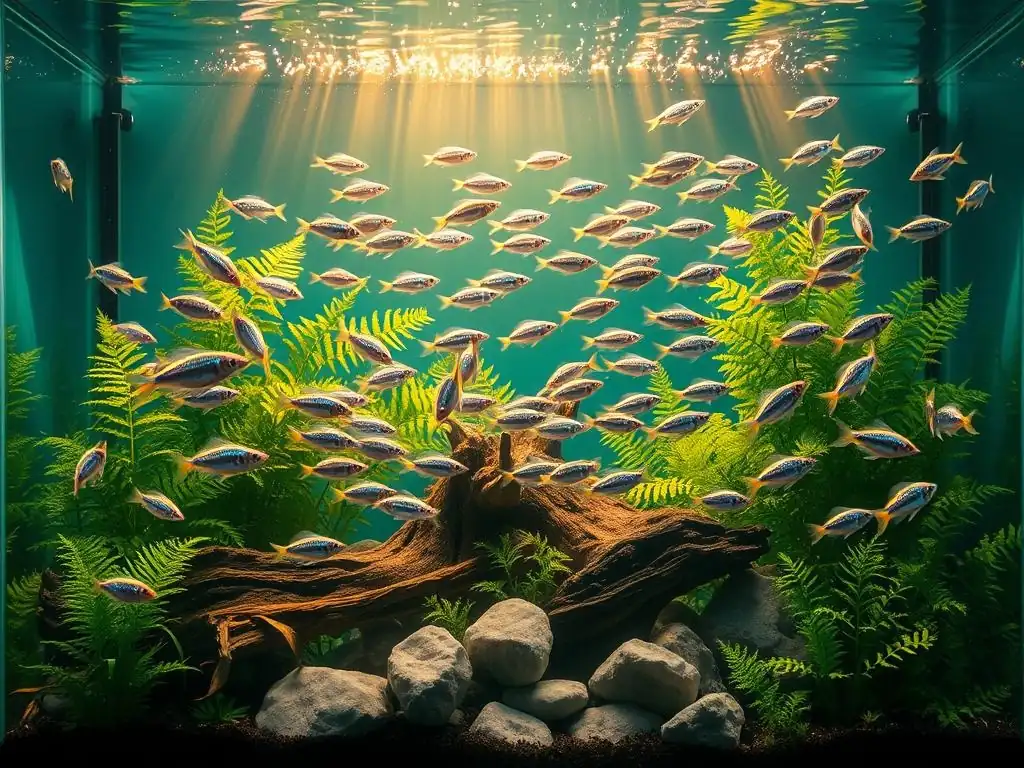
Ever noticed your White Cloud Mountain Minnows or Danios looking a little under the weather, their fins perhaps a bit frayed or discolored? Dive into our comprehensive guide on "Fin rot white cloud minnows" and discover the secrets to identifying, treating, and preventing this common aquarium ailment. Get ready to unlock the knowledge you need to keep your freshwater friends thriving!
- Understanding Fin Rot in Aquarium Fish: A Guide for White Cloud Mountain Minnows and Danios
- Recognizing Fin Rot Symptoms in Your White Cloud Mountain Minnows and Danios
- Diagnosing Fin Rot: Differentiating from Other Fin Issues
- Treating Fin Rot in White Cloud Mountain Minnows and Danios: A Step-by-Step Approach
- Preventing Fin Rot in Your Aquarium
- Post-Treatment Care and Recovery for White Cloud Mountain Minnows and Danios
- Fin Rot in White Cloud Mountain Minnows and Danios: Frequently Overlooked Considerations
-
Frequently Asked Questions
- What are the main signs of fin rot in White Cloud Mountain Minnows?
- What commonly causes fin rot in White Cloud Mountain Minnows?
- How can I prevent fin rot in my White Cloud Mountain Minnow aquarium?
- What is the first step I should take if I suspect my White Cloud Mountain Minnow has fin rot?
- What treatments are effective for fin rot in White Cloud Mountain Minnows?
- Final Reflection: The Resilience of Aquatic Life
- Ignite Your Aquarium's Health!
Understanding Fin Rot in Aquarium Fish: A Guide for White Cloud Mountain Minnows and Danios
What is Fin Rot? Defining the Disease in Small Tropical Fish
Fin rot is a common bacterial infection that affects the fins and tails of aquarium fish, causing them to appear frayed, ragged, or even completely eroded. While often bacterial in origin, secondary fungal infections can also develop, exacerbating the damage.
This progressive disease can affect a wide range of freshwater species, including the hardy White Cloud Mountain Minnows and various Danio species, such as Zebra Danios and Leopard Danios, despite their generally robust nature. Early detection and intervention are crucial to prevent severe tissue loss and potential fatality, as the infection can spread rapidly from the fin edges towards the body, compromising the fish's overall health and ability to swim effectively.
The disease typically begins as a whitish or opaque line along the fin's edge, progressing to a reddish inflammation as the tissue deteriorates. In advanced stages, the fin rays themselves can be destroyed, leading to permanent damage or complete loss of the fin.
While White Cloud Mountain Minnows are known for their resilience, and Danios are often considered beginner-friendly, they are not immune to fin rot, especially when subjected to suboptimal environmental conditions. Understanding the underlying causes and recognizing the subtle initial signs of fin rot white cloud minnows and danios display is paramount for any aquarist aiming to maintain a healthy and thriving tank.
Common Causes of Fin Rot in White Cloud Mountain Minnows and Danios
Poor Water Quality as a Primary Cause of Fin Rot
Poor water quality stands as the leading cause of fin rot in aquarium fish, including White Cloud Mountain Minnows and Danios. Elevated levels of ammonia, nitrite, and nitrate, often resulting from infrequent water changes, overfeeding, or an inadequate filtration system, create a toxic environment that stresses fish and compromises their immune systems.
For instance, ammonia levels as low as 0.25 ppm can begin to irritate gill tissue and suppress immune function, making fish highly susceptible to bacterial infections like fin rot. A consistently clean and stable aquatic environment is fundamental to preventing outbreaks of fin rot white cloud minnows might develop.
Accumulated organic waste, such as uneaten food and fish waste, provides a breeding ground for harmful bacteria that are naturally present in the aquarium. When fish are stressed or their immune systems are weakened by poor water conditions, these opportunistic bacteria can proliferate and attack vulnerable tissues, particularly the delicate fins. Maintaining ideal water parameters—typically pH 6.5-7.5, ammonia 0 ppm, nitrite 0 ppm, and nitrate below 20 ppm for these species—is not just a recommendation but a necessity for their long-term health and preventing conditions like fin rot.
Stress as a Contributing Factor to Fin Rot in Small Fish
Stress significantly weakens a fish's immune system, making it more susceptible to diseases like fin rot. Various factors can induce stress in White Cloud Mountain Minnows and Danios. Overcrowding, for example, leads to increased competition for space and resources, elevating stress levels. A 10-gallon tank can comfortably house about 5-6 White Cloud Mountain Minnows, but exceeding this density can quickly lead to aggression and stress. Similarly, constant harassment from incompatible tank mates, such as overly aggressive species or nippy fish, can cause chronic stress.
Rapid fluctuations in water temperature or pH can also be highly stressful for these small cyprinids. White Cloud Mountain Minnows thrive in cooler temperatures, typically 64-72°F (18-22°C), while Danios prefer slightly warmer water around 70-78°F (21-26°C). Sudden changes exceeding 2-3°F within a day, or pH swings of more than 0.5, can severely impact their physiological balance. Providing a stable environment with appropriate tank mates and consistent parameters is crucial to minimize stress and bolster their natural resistance against fin rot white cloud minnows and danios might otherwise contract.
Injuries and Secondary Infections Leading to Fin Rot
Physical injuries to fins can provide an entry point for the opportunistic bacteria that cause fin rot, even in otherwise healthy tanks. These injuries can result from various sources within the aquarium environment. Sharp decorations, such as rough rocks or plastic plants with jagged edges, can easily tear delicate fins as fish brush past them.
Similarly, aggressive fin nipping from certain tank mates, even within the same species if the tank is overcrowded or territorial disputes arise, can cause significant damage. For instance, a dominant Zebra Danio might persistently nip the fins of a weaker tank mate, creating open wounds.
Once the protective outer layer of the fin is compromised, bacteria, which are ubiquitous in aquarium water, can readily colonize the damaged tissue. This initial bacterial colonization can quickly escalate into a full-blown fin rot infection if not addressed promptly.
In some cases, the primary bacterial infection can then be complicated by secondary fungal infections, which appear as cotton-like growths on the affected areas. Such secondary infections make treatment more complex and highlight the importance of not only treating the infection but also addressing any environmental factors that might cause physical injury to prevent the onset of fin rot white cloud minnows experience.
Recognizing Fin Rot Symptoms in Your White Cloud Mountain Minnows and Danios
Early Signs of Fin Rot: Detecting Initial Symptoms
Frayed or Ragged Fins: A Visual Indicator
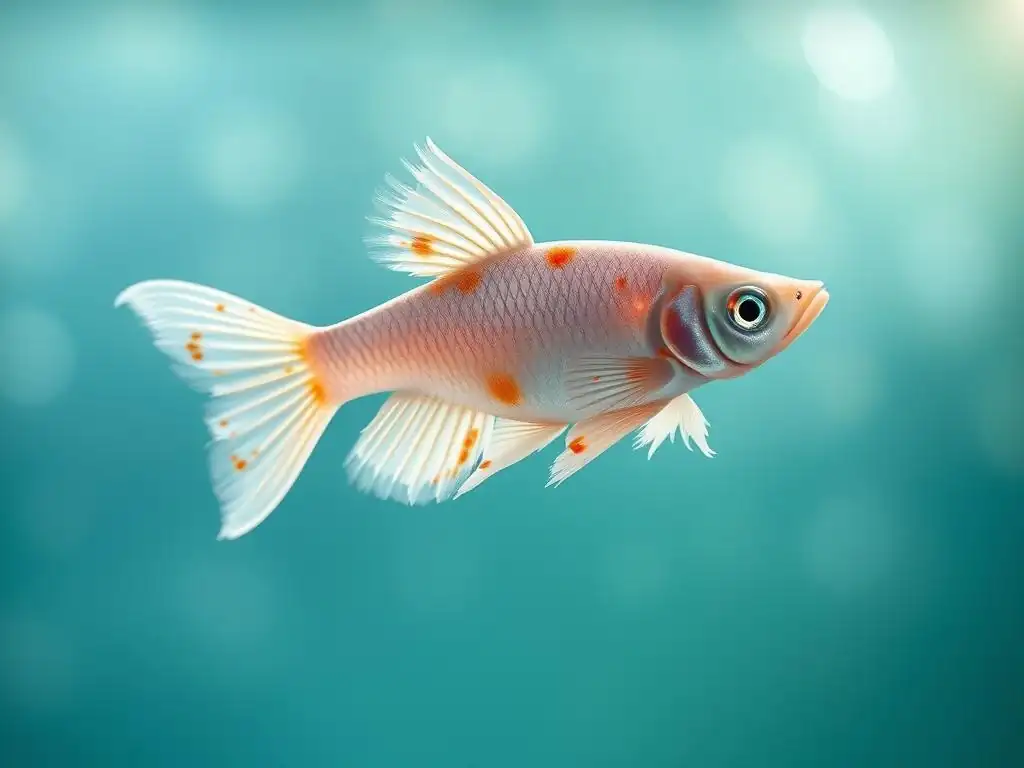
One of the earliest and most visually distinct signs of fin rot in White Cloud Mountain Minnows and Danios is the appearance of frayed or ragged edges on their fins and tail. Healthy fins should be smooth, translucent, and intact, with clearly defined rays. When fin rot begins, the very tips of the fins may appear slightly cloudy or discolored, often turning whitish or opaque, before the tissue starts to erode.
This initial fraying can be subtle, resembling minor tears, but it progressively worsens if left untreated. It’s crucial to observe your fish closely during feeding times or daily checks to catch these initial changes.
For example, a healthy White Cloud Mountain Minnow's caudal fin should be broad and fan-like. With early fin rot, you might notice small, irregular indentations along the edge, as if tiny pieces have been bitten off, even if no fin nipping is occurring. Similarly, the flowing dorsal and anal fins of a Danio might show a slight tattering. This symptom is a direct result of bacterial enzymes dissolving the fin tissue, and its presence is a strong indicator that proactive measures are needed to prevent the further spread of fin rot white cloud minnows and danios are susceptible to.
Discoloration on Fins: Observing Color Changes
Beyond fraying, discoloration is another key early symptom of fin rot. Affected areas of the fins, particularly the edges, may develop an opaque, milky, or whitish appearance. This discoloration is often due to dead or dying tissue and bacterial growth. As the infection progresses, the area at the base of the fin, where it meets the body, might become inflamed and appear reddish or have streaks of red, indicating irritation and blood vessel dilation due to the bacterial attack. This redness is a sign of more advanced inflammation and tissue damage.
In some cases, especially if a secondary fungal infection develops, the affected fin edges might also exhibit fuzzy, cotton-like growths, which are typically white or grayish. For instance, the normally clear fins of a Zebra Danio might show a distinct opaque white band along the trailing edge. These color changes serve as critical visual cues that fin rot white cloud minnows or danios are experiencing, signaling that immediate attention to water quality and potential treatment are required to halt the disease's progression.
Lethargy and Loss of Appetite: Behavioral Changes
While physical changes in fins are direct indicators, behavioral changes such as lethargy and loss of appetite often accompany fin rot, especially as the infection progresses. Healthy White Cloud Mountain Minnows and Danios are typically active, schooling fish that swim energetically throughout the tank and eagerly respond to feeding. When affected by fin rot, they may become noticeably less active, spending more time resting at the bottom of the tank or hiding amongst plants or decorations. Their schooling behavior might diminish, and they may appear listless.
A reduced interest in food or a complete refusal to eat is another significant behavioral symptom. Sick fish expend more energy fighting off infection, which can suppress their appetite. If you notice your White Cloud Mountain Minnows or Danios, which are usually voracious eaters, are not coming to the surface for food or are spitting it out, it’s a strong signal that something is amiss. These behavioral shifts, combined with the physical signs of fin damage, provide a comprehensive picture of fin rot white cloud minnows and danios might be battling, urging the aquarist to investigate and intervene.
Advanced Stages of Fin Rot: Identifying Severe Cases
Significant Fin Erosion: When Fins are Severely Damaged
In the advanced stages of fin rot, the erosion of fin tissue becomes extensive and severely impacts the fish's ability to swim. What began as minor fraying progresses to the complete destruction of large portions of the fins, leaving only stubs or, in severe cases, no fin tissue at all.
The fin rays, which provide structural support, are often dissolved, leading to a permanent loss of the fin's shape and function. For example, a White Cloud Mountain Minnow's once elegant caudal fin might be reduced to a small, jagged stump, making it difficult for the fish to propel itself through the water effectively.
This level of damage not only impairs locomotion but also leaves the fish highly vulnerable to further infections, as the protective barrier of the fin is gone. The exposed flesh can become a gateway for more aggressive pathogens, potentially leading to systemic infections. Recognizing such significant fin erosion is critical, as it indicates a severe case of fin rot white cloud minnows or danios are enduring, requiring immediate and aggressive treatment to prevent irreversible damage or mortality.
Redness or Inflammation at the Fin Base
As fin rot advances, the inflammation at the base of the fins becomes more pronounced and can spread to the adjacent body tissue. This appears as distinct redness, often accompanied by swelling, where the fin meets the body. The redness is a clear sign of significant irritation and a strong immune response to the bacterial infection.
In some instances, small blood vessels within the fin base may rupture, leading to visible hemorrhaging or streaks of blood. This inflammation signifies that the infection is not just limited to the fin tissue but is actively affecting the fish's circulatory system in that area.
Observing a bright red band or blotches at the fin attachment points is a critical indicator of severe fin rot. This symptom is particularly concerning because it suggests the infection is nearing the body, increasing the risk of systemic infection and organ damage. Prompt intervention is essential when such inflammation is observed, as it reflects a highly aggressive stage of fin rot white cloud minnows or danios are suffering from, necessitating a robust treatment plan to save the affected fish.
Secondary Infections: Recognizing Additional Complications
Advanced fin rot often brings with it secondary infections, which complicate treatment and further endanger the fish. As the primary bacterial infection severely weakens the fish's immune system and creates open wounds, it becomes highly susceptible to other pathogens. The most common secondary infection is a fungal infection, which manifests as fuzzy, cotton-like growths on the eroded fin edges or even on the body. These growths are typically white, gray, or sometimes brownish and are a clear sign of fungal colonization.
Beyond fungal infections, other bacterial pathogens can also take advantage of the compromised state, leading to further tissue necrosis, internal infections, or even septicemia. For instance, a fish with severe fin rot might also develop cloudy eyes or body sores. Identifying these secondary infections is crucial because they often require a broader spectrum of treatment, potentially involving both antibacterial and antifungal medications. Ignoring these complications can lead to rapid deterioration and mortality, underscoring the importance of a holistic approach when dealing with advanced fin rot white cloud minnows are afflicted with.
Diagnosing Fin Rot: Differentiating from Other Fin Issues
Ruling Out Fin Nipping: Identifying the Culprit
When observing damaged fins on White Cloud Mountain Minnows or Danios, it's crucial to differentiate fin rot from fin nipping, as the causes and solutions differ significantly. Fin nipping typically results in irregular, sharp tears or chunks missing from the fin edges, often with clear, rather than cloudy or discolored, margins. These tears usually appear suddenly and might be accompanied by observations of aggressive behavior from other tank mates. For example, a single incident of fin nipping might leave a distinct "bite mark" on a Danio's tail.
In contrast, fin rot tends to cause a more gradual and systemic erosion, often starting with a whitish or opaque film along the fin edge before progressing to a ragged, melting appearance. The damage from fin rot is typically accompanied by inflammation, discoloration, and sometimes a fuzzy fungal growth, which are absent in pure fin nipping cases.
While nipped fins can become infected with fin rot if the water quality is poor, the initial damage mechanism is distinct. Carefully observing fish interactions and the specific characteristics of the fin damage helps determine if it's fin rot white cloud minnows are suffering from or just physical trauma.
Distinguishing Fin Rot from Mechanical Damage
Mechanical damage to fins can sometimes be mistaken for fin rot, but there are key differences. Mechanical damage occurs when a fish's fins are torn or abraded by physical objects in the tank, such as sharp decorations, filter intakes, or rough substrate. This type of damage usually appears as clean tears, splits, or frayed edges without the characteristic white, opaque, or reddish discoloration associated with bacterial infection. For instance, a White Cloud Mountain Minnow might get its fin caught in a powerful filter current, resulting in a single, clean tear in the caudal fin.
Unlike fin rot, mechanical damage doesn't typically involve the progressive "melting" of tissue or the presence of bacterial or fungal growth unless a secondary infection sets in. The key is to examine the edges of the damaged fin: if they are clean and sharp, mechanical damage is more likely. If they are cloudy, discolored, or appear to be dissolving, it points towards fin rot. Identifying the true cause is vital, as treating fin rot white cloud minnows have with medication won't fix mechanical damage, but improving tank decor safety will.
Considering Other Fish Diseases with Similar Symptoms
Several other fish diseases can present with symptoms that might be confused with fin rot, making accurate diagnosis crucial. Columnaris, also known as "mouth rot" or "cotton wool disease," is a bacterial infection caused by Flavobacterium columnare. While it often affects the mouth, it can also cause white, fuzzy lesions on fins that resemble severe fin rot or fungal infections. However, Columnaris lesions often have a distinct saddle-back appearance or affect the body more broadly, and can progress very rapidly, sometimes within 24-48 hours.
Another condition to consider is Ichthyophthirius multifiliis, commonly known as Ich or white spot disease. While its primary symptom is small white spots resembling salt grains on the body and fins, severe cases can lead to secondary bacterial infections, including fin rot, due to the compromised skin barrier. Lastly, severe stress or nutritional deficiencies can sometimes lead to general poor fin health, making fins appear clamped or slightly tattered, but typically without the progressive erosion characteristic of fin rot white cloud minnows endure. A careful assessment of all symptoms and tank conditions is necessary for a precise diagnosis.
Treating Fin Rot in White Cloud Mountain Minnows and Danios: A Step-by-Step Approach
Immediate Actions: Isolating Affected Fish
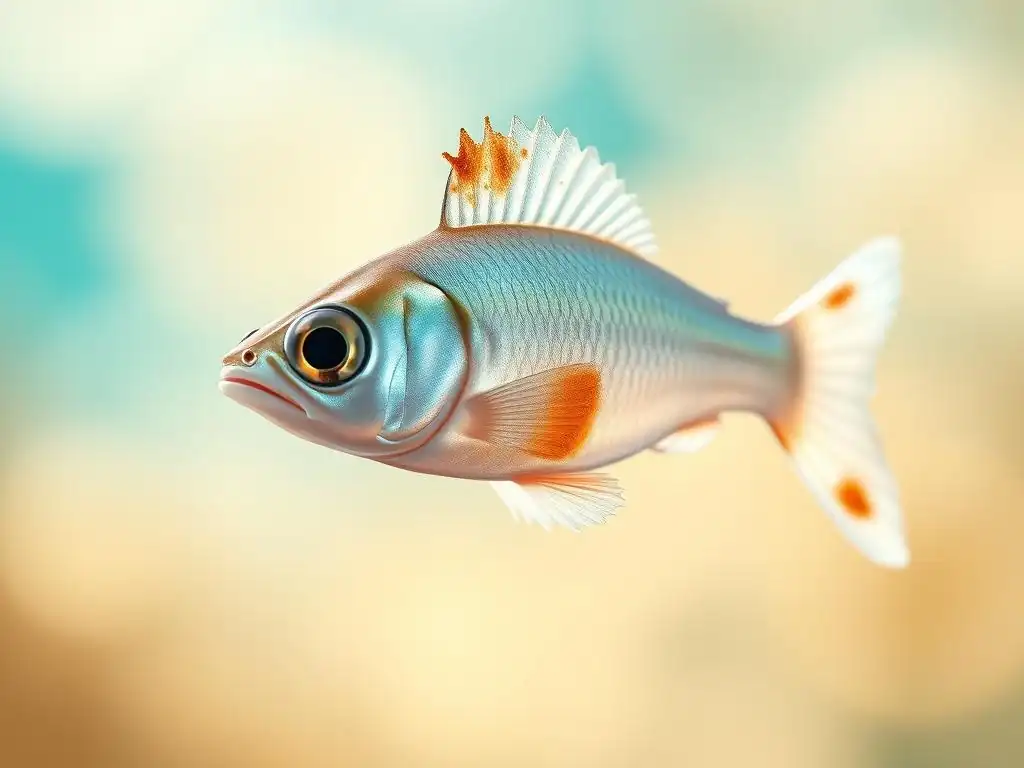
Upon identifying fin rot in White Cloud Mountain Minnows or Danios, the immediate priority is to isolate the affected fish. This crucial step serves multiple purposes: it prevents the potential spread of the bacterial infection to healthy tank mates, reduces stress on the sick fish by removing it from the main tank's social dynamics, and allows for more targeted and controlled treatment. A separate "hospital tank" of at least 2-5 gallons is ideal for these small fish. This tank should be equipped with a heater to maintain stable temperatures (e.g., 72-75°F for Danios, slightly cooler for White Clouds), a gentle filter (like a sponge filter) to maintain water quality, and an air stone for aeration.
The hospital tank should be filled with water from the main aquarium to minimize shock, and then gradually adjusted to optimal parameters for the treatment. Avoid using substrate in the hospital tank, as it can harbor bacteria and absorb medications, making cleaning and medication dosing less effective. Isolating the fish ensures that any medications administered are directly impacting the sick fish without affecting the beneficial bacteria in the main tank's filter or stressing other inhabitants. This focused approach significantly improves the chances of successful recovery from fin rot white cloud minnows or danios are experiencing.
Improving Water Quality: The Foundation of Treatment
Performing Water Changes: Maintaining Clean Water
The most critical step in treating fin rot, and indeed preventing its recurrence, is a significant improvement in water quality, starting with immediate and frequent water changes. Begin by performing a 25-50% water change in both the main tank (to prevent further spread or new infections) and the hospital tank (if applicable). Use a gravel vacuum to remove any accumulated detritus, uneaten food, and fish waste from the substrate, as these are primary sources of ammonia and nitrite. After the initial large change, plan for daily 10-20% water changes in the hospital tank, or every other day in the main tank, for at least a week or until symptoms improve.
Always use dechlorinated water that is temperature-matched to the aquarium to avoid shocking the fish. Regular water changes dilute harmful toxins and reduce the bacterial load in the water, creating a cleaner environment that allows the fish's immune system to recover and fight off the infection more effectively. For example, if your nitrate levels were above 40 ppm, consistent daily water changes can bring them down to a safer 10-20 ppm within a few days, significantly aiding recovery from fin rot white cloud minnows have contracted.
Adjusting Water Parameters: Ensuring Optimal Conditions
Beyond simple cleanliness, ensuring all water parameters are within optimal ranges for White Cloud Mountain Minnows and Danios is vital for their recovery from fin rot. Test the water regularly using a reliable liquid test kit to monitor ammonia, nitrite, nitrate, and pH levels. Ammonia and nitrite must be 0 ppm, as even trace amounts are highly toxic and hinder healing. Nitrate should be kept below 20 ppm. For pH, White Cloud Mountain Minnows prefer slightly acidic to neutral water ( 6.5-7.5), while Danios are similarly adaptable but thrive best in neutral to slightly alkaline conditions ( 6.5-7.5).
If parameters are off, use methods to gradually correct them. For instance, if pH is too low, slow addition of crushed coral or baking soda (with extreme caution and small increments) can raise it; if too high, driftwood or peat can lower it. Maintain consistent water temperatures; for White Cloud Mountain Minnows, 68-72°F (20-22°C) is ideal, and for Danios, 72-78°F (22-26°C) is preferred. Stability is key; avoid drastic fluctuations. Optimal and stable water parameters significantly reduce stress, allowing the fish's immune system to focus on healing from fin rot white cloud minnows or danios might be battling.
Medication Options for Fin Rot Treatment
Antibacterial Medications: Choosing the Right Treatment
When water quality improvements alone aren't sufficient to halt the progression of fin rot, antibacterial medications become necessary. Over-the-counter aquarium medications specifically formulated for bacterial infections are widely available. Common active ingredients include Furan-2 (nitrofurazone), Maracyn (erythromycin), or API Fin & Body Cure (doxycycline). Nitrofurazone, for instance, is often effective against a broad spectrum of gram-negative bacteria commonly responsible for fin rot. Always follow the manufacturer's instructions precisely regarding dosage and duration, as overdosing can be harmful to fish.
It's generally recommended to administer these medications in a hospital tank to avoid harming the beneficial bacteria in the main tank's biological filter, which are crucial for ammonia and nitrite cycling. A typical treatment course might last 5-7 days, with partial water changes before each re-dosing. Observe the fish closely for signs of improvement, such as the cessation of fin erosion and the beginning of fin regeneration, which can appear as clear, new growth. Choosing the right antibacterial medication is a key step in effectively treating fin rot white cloud minnows or danios have contracted.
Antifungal Medications: Addressing Fungal Infections
In cases where fin rot is accompanied by fuzzy, cotton-like growths, a secondary fungal infection is likely present, necessitating the use of antifungal medications in addition to or in conjunction with antibacterial treatments. Common antifungal ingredients found in aquarium products include malachite green or phenoxyethanol. For example, API Fungus Cure contains malachite green, which is effective against many common fungal pathogens. These medications target the fungal spores and mycelial growth that often opportunistically colonize tissue already damaged by bacterial fin rot.
Always ensure the antifungal medication is safe for the specific species you are treating, as some medications can be harsh on certain sensitive fish. Administer according to the product's instructions, often involving a multi-day course with partial water changes between doses. Treating both bacterial and fungal components is crucial for comprehensive recovery, as neglecting the fungal aspect can hinder healing and lead to recurrence of fin rot white cloud minnows are battling.
Natural Remedies: Exploring Alternative Treatments [e.g., Indian Almond Leaves]
For mild cases of fin rot or as a supportive measure during recovery, natural remedies can offer gentle assistance. Indian Almond Leaves (Terminalia catappa leaves) are a popular choice due to their natural antibacterial and antifungal properties. When steeped in aquarium water, these leaves release tannins and humic acids, which lower pH slightly, soften the water, and create an environment less favorable for pathogenic bacteria and fungi. They also release compounds that are believed to reduce stress and boost fish immunity. Typically, one medium-sized leaf per 10-15 gallons of water is sufficient, replaced every 2-3 weeks.
Another gentle option is the use of aquarium salt (non-iodized, pure sodium chloride), which can aid in healing and reduce osmotic stress. However, salt baths are generally more effective and controlled than adding salt directly to the main tank for these species (see next section). While natural remedies can be beneficial, especially for early-stage fin rot white cloud minnows might exhibit, they are often not potent enough for severe or advanced infections and should be used cautiously, often in conjunction with improved water quality rather than as a sole treatment for aggressive cases.
Treating Fin Rot with Salt Baths: A Gentle Approach
Preparing a Salt Bath for White Cloud Mountain Minnows and Danios
Salt baths can be an effective and gentle method for treating mild to moderate fin rot, particularly for White Cloud Mountain Minnows and Danios, which generally tolerate a moderate increase in salinity for short periods. To prepare a salt bath, you will need a separate container (e.g., a clean bucket or small hospital tank), dechlorinated water, and pure aquarium salt (non-iodized, without anti-caking agents). Avoid table salt or rock salt with additives. The recommended concentration for a therapeutic salt bath is typically 1-3 tablespoons of salt per gallon of water.
Start by dissolving the salt completely in a small amount of warm water before adding it to the bath container to prevent direct contact with undissolved salt. Then, fill the container with dechlorinated water that is temperature-matched to the fish's main tank. For example, for a 1-gallon bath, dissolve 1-2 tablespoons of salt and then add the remaining water. Ensure proper aeration in the bath using an air stone, especially for longer durations, as salt reduces oxygen solubility. This controlled environment allows for targeted treatment of fin rot white cloud minnows and danios without affecting the entire aquarium ecosystem.
Administering the Salt Bath: Duration and Frequency
Once the salt bath is prepared and temperature-matched, carefully transfer the affected White Cloud Mountain Minnow or Danio into the bath. The duration of the salt bath is crucial and depends on the fish's tolerance and the severity of the fin rot. For a stronger concentration (e.g., 2-3 tablespoons per gallon), limit the bath to 10-15 minutes. For a milder concentration (e.g., 1 tablespoon per gallon), the fish can remain for 20-30 minutes, or even up to 24 hours if they show no signs of distress, provided the water is aerated and kept clean. Always observe the fish closely for any signs of stress, such as rapid breathing, erratic swimming, or lying on its side. If distress is observed, immediately return the fish to its main tank or a clean, salt-free recovery tank.
Repeat the salt bath once daily for 3-5 days, or until significant improvement is noted. After each bath, return the fish to its clean, well-maintained main or hospital tank. It's important to note that while salt baths can help combat external bacterial infections and reduce osmotic stress, they are often best used in conjunction with improved water quality and, for severe cases, potentially with antibacterial medications. This approach provides a supportive and healing environment for fin rot white cloud minnows and danios.
Preventing Fin Rot in Your Aquarium
Maintaining Optimal Water Quality: A Proactive Approach
Regular Water Testing: Monitoring Water Parameters
Regular water testing is the cornerstone of preventing fin rot and maintaining a healthy aquarium environment for White Cloud Mountain Minnows and Danios. At a minimum, test for ammonia, nitrite, nitrate, and pH weekly. Ammonia and nitrite should always read 0 ppm, indicating a fully cycled and healthy biological filter. Nitrate levels should ideally be kept below 20 ppm, as higher concentrations can stress fish and lead to chronic health issues. For example, if you consistently find your nitrates creeping up to 40 ppm or higher, it's a clear signal that your maintenance routine, particularly water changes, needs adjustment.
Consistent monitoring allows you to detect potential problems early, before they escalate into full-blown disease outbreaks like fin rot. If you notice a sudden spike in ammonia or nitrite, it could indicate a filter crash or overfeeding, prompting immediate corrective actions. Using a reliable liquid test kit is highly recommended over test strips, as they provide more accurate and precise readings, empowering you to make informed decisions about your tank's health and proactively prevent fin rot white cloud minnows might develop.
Proper Filtration: Ensuring Clean and Healthy Water
A robust and appropriately sized filtration system is indispensable for preventing fin rot in White Cloud Mountain Minnows and Danios by maintaining pristine water quality. A good filter performs three essential functions: mechanical filtration (removing particulate matter like uneaten food and waste), chemical filtration (removing dissolved pollutants and odors using activated carbon or other media), and most importantly, biological filtration (converting toxic ammonia and nitrite into less harmful nitrate). For a 10-gallon tank housing Danios, a hang-on-back filter rated for 20 gallons or more can provide ample filtration and water turnover.
Ensure your filter media is cleaned regularly (rinsed in old tank water, never tap water, to preserve beneficial bacteria) and replaced as recommended by the manufacturer. Avoid over-cleaning or replacing all media at once, as this can disrupt the beneficial bacteria colony. An under-filtered tank quickly accumulates toxins, stressing fish and making them vulnerable to bacterial infections. A well-maintained filter is a primary defense against fin rot white cloud minnows and danios could otherwise contract.
Reducing Stress in Your White Cloud Mountain Minnows and Danios
Providing Adequate Space: Avoiding Overcrowding
Overcrowding is a major stressor for aquarium fish, directly contributing to weakened immune systems and increased susceptibility to diseases like fin rot. White Cloud Mountain Minnows and Danios are active, schooling fish that require ample swimming space. A general guideline is 1 gallon of water per inch of adult fish, but for active schooling species, more space is always better. For instance, a school of six adult Zebra Danios (each about 1.5-2 inches) would ideally need a minimum of a 15-20 gallon tank to thrive, not just survive.
In an overcrowded tank, fish experience increased competition for food and territory, leading to heightened aggression and chronic stress. Elevated waste production also rapidly degrades water quality, creating a vicious cycle that fosters fin rot. Providing ample space allows fish to establish territories, exhibit natural behaviors, and reduces overall stress levels, significantly bolstering their natural resistance to fin rot white cloud minnows might otherwise develop.
Maintaining Stable Water Parameters: Preventing Fluctuations
Sudden or drastic fluctuations in water parameters are highly stressful for White Cloud Mountain Minnows and Danios, even more so than consistently suboptimal but stable conditions. Parameters such as temperature, pH, and hardness should be kept as stable as possible. For instance, temperature swings of more than 2-3°F within a day can shock a fish's system, suppressing its immune response. This can happen due to an unreliable heater, drafts near the tank, or adding large volumes of significantly temperature-different water during changes.
Similarly, rapid changes in pH (e.g., more than 0.2-0.3 units in 24 hours) can cause osmotic shock, damaging gills and stressing fish. This can occur from adding large amounts of chemicals to adjust pH, or from introducing new decorations that drastically alter water chemistry. Maintaining stability through reliable equipment, consistent maintenance routines, and gradual adjustments is paramount. Stable water parameters ensure that White Cloud Mountain Minnows and Danios remain robust and resilient, less prone to succumbing to fin rot white cloud minnows face.
Avoiding Aggressive Tank Mates: Ensuring Compatibility
The choice of tank mates plays a crucial role in preventing stress and physical injury that can lead to fin rot. White Cloud Mountain Minnows and Danios are generally peaceful schooling fish, but they can be easily stressed or injured by aggressive or overly boisterous species.
For example, keeping them with larger, fin-nipping fish like certain cichlids or even some types of Barbs can result in constant harassment and torn fins. Even within their own species, insufficient school size (fewer than 6-8 individuals) can lead to increased aggression among the fish, as they lack the security of a large group.
Always research the compatibility of any potential tank mates before introducing them to your aquarium. Choose species with similar water parameter requirements, temperament, and size. Peaceful community fish like other small tetras, rasboras, or corydoras are generally good choices. Minimizing aggression and fin nipping significantly reduces the risk of physical injuries that can serve as entry points for the bacteria causing fin rot white cloud minnows and danios.
Quarantine New Fish: Preventing Disease Introduction
Quarantining new fish before introducing them to your main aquarium is a critical preventative measure against introducing diseases, including fin rot. A dedicated quarantine tank, even a simple 5-10 gallon setup with a heater and sponge filter, allows you to observe new White Cloud Mountain Minnows or Danios for signs of illness in isolation. A typical quarantine period lasts 2-4 weeks. During this time, you can monitor their behavior, appetite, and physical condition without risking the health of your established fish.
If any signs of illness, such as fin fraying or discoloration, appear during quarantine, you can treat them in the isolated tank without exposing your main display tank to medications or pathogens. This practice prevents disease outbreaks that can decimate an entire community of fish. For example, if a newly acquired White Cloud Mountain Minnow develops early fin rot during quarantine, you can treat it promptly, preventing the spread of fin rot white cloud minnows could transmit to your entire school.
Post-Treatment Care and Recovery for White Cloud Mountain Minnows and Danios
Monitoring Recovery: Observing Fin Regeneration
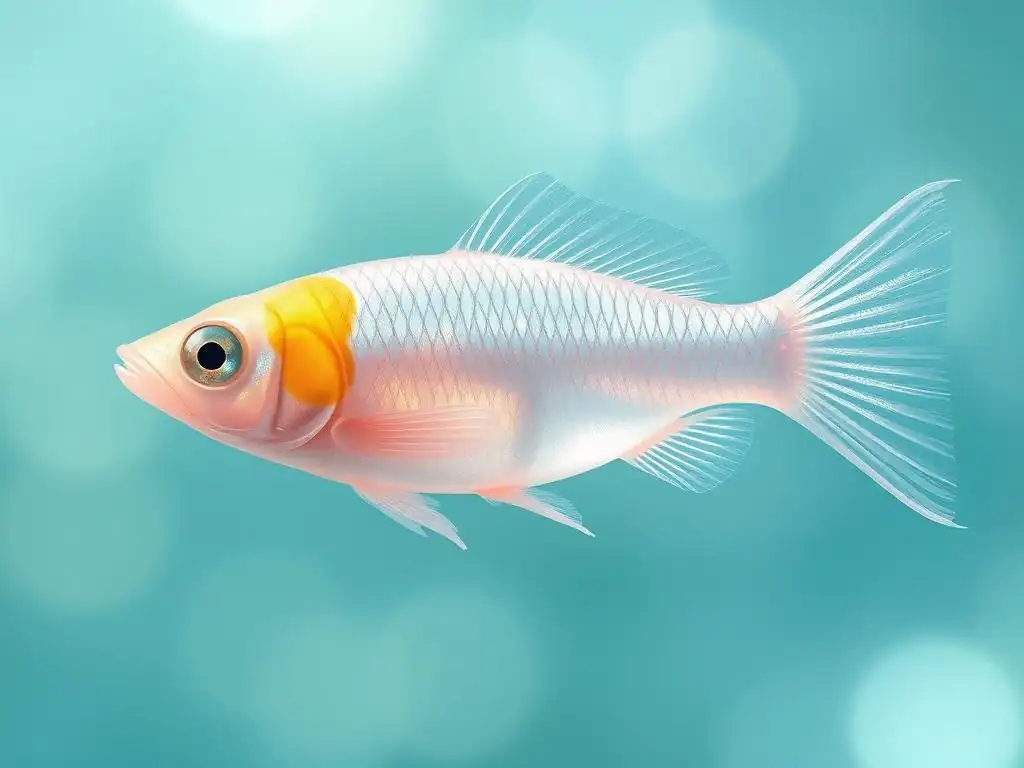
After successful treatment for fin rot, the recovery phase is marked by the regeneration of damaged fin tissue. This process can take several weeks to a few months, depending on the extent of the original damage. Initially, the new fin growth will appear clear, translucent, and somewhat fragile, often lacking the vibrant coloration of the original fin.
As the fin continues to grow and mature, it will gradually regain its natural color and strength. For example, a Danio whose caudal fin was severely eroded might show a thin, almost invisible membrane extending from the stump, which slowly thickens and develops ray structures over time.
It is crucial to continue monitoring the fish closely during this period to ensure the infection does not return and that the regeneration is proceeding well. Any signs of renewed fraying, discoloration, or inflammation indicate a relapse or a persistent underlying issue that needs further attention. Consistent observation is key to ensuring a full recovery from fin rot white cloud minnows and danios have overcome.
Supporting Immune System: Providing Nutritional Support
During and after fin rot treatment, providing optimal nutritional support is vital to bolster the White Cloud Mountain Minnows' and Danios' immune systems and aid in tissue regeneration. A high-quality, varied diet ensures they receive all necessary vitamins, minerals, and proteins. Offer a mix of flakes, pellets, and live or frozen foods such as brine shrimp, daphnia, or bloodworms. For instance, feeding small portions of frozen bloodworms a few times a week can provide essential nutrients not always found in dry foods, promoting faster healing and stronger immunity.
Consider supplementing their diet with vitamin-enriched foods, or adding a few drops of a liquid vitamin supplement designed for fish to their food occasionally. These supplements can provide an extra boost of essential nutrients, particularly Vitamin C and E, which are known to support immune function and tissue repair. A well-nourished fish has a stronger natural defense against future infections and can recover more effectively from the stress and damage caused by fin rot white cloud minnows or danios endured.
Preventing Recurrence: Maintaining a Healthy Aquarium Environment
The most effective way to prevent fin rot from recurring in your White Cloud Mountain Minnows and Danios is to consistently maintain a healthy and stable aquarium environment. This involves adhering to a strict regimen of regular partial water changes (e.g., 25% weekly), ensuring your filtration system is functioning optimally and properly maintained, and routinely testing water parameters (ammonia, nitrite, nitrate, pH) to catch any deviations early. Never allow ammonia or nitrite to be detectable, and keep nitrates below 20 ppm.
Beyond water quality, avoid overfeeding to prevent organic waste buildup, and ensure your tank is not overcrowded. Provide adequate hiding spots and appropriate tank mates to minimize stress and aggression. For example, if you notice a slight increase in aggression among your Danios, increasing their school size to 10 or more individuals can often diffuse territorial disputes. Proactive and consistent care, rather than reactive treatment, is the ultimate strategy for keeping your White Cloud Mountain Minnows and Danios free from fin rot white cloud minnows frequently face.
Fin Rot in White Cloud Mountain Minnows and Danios: Frequently Overlooked Considerations
The Importance of a Varied Diet for Fin Health
While often overlooked, a consistently varied and high-quality diet plays a significant role in maintaining the overall health of White Cloud Mountain Minnows and Danios, directly impacting their fin health and resilience against fin rot. A diet rich in essential vitamins, minerals, and proteins supports a robust immune system and aids in the continuous regeneration of healthy tissue, including fins. Relying solely on a single type of dry flake food, even a "premium" one, can lead to nutritional deficiencies over time. For instance, a diet lacking sufficient Omega-3 fatty acids or Vitamin A can compromise skin and fin integrity.
Incorporating a diverse range of foods, such as high-quality flakes or pellets supplemented with frozen or live foods like daphnia, bloodworms, or brine shrimp, ensures a broader spectrum of nutrients. For example, feeding frozen daphnia once or twice a week provides essential roughage and carotenoids that enhance color and boost immunity. This nutritional diversity strengthens the fish from within, making them less susceptible to bacterial infections and more capable of healing if they do encounter fin rot white cloud minnows are prone to.
The Role of Beneficial Bacteria in Preventing Fin Rot
The health of an aquarium's beneficial bacterial colony is paramount in preventing fin rot, yet its critical role is often underestimated. These nitrifying bacteria, primarily Nitrosomonas and Nitrobacter species, colonize the filter media and substrate, forming the backbone of the biological filter. They are responsible for the crucial nitrogen cycle, converting highly toxic ammonia (from fish waste and uneaten food) into less toxic nitrite, and then into relatively harmless nitrate. A robust and stable colony ensures that ammonia and nitrite levels remain at 0 ppm.
When this bacterial colony is compromised—perhaps by over-cleaning filter media with chlorinated tap water, sudden medication use in the main tank, or a power outage—ammonia and nitrite can spike rapidly. These toxins immediately stress fish, damage their gills, and suppress their immune systems, leaving them highly vulnerable to opportunistic bacterial infections like fin rot. Maintaining a healthy biological filter through proper tank cycling, gentle filter maintenance, and avoiding harsh chemicals in the main tank is thus a fundamental, often overlooked, aspect of preventing fin rot white cloud minnows experience.
Understanding the Lifespan of White Cloud Mountain Minnows and Danios and its Impact on Disease Susceptibility.
Understanding the typical lifespan of White Cloud Mountain Minnows and Danios is important when considering disease susceptibility, especially as fish age. White Cloud Mountain Minnows generally live for 3-5 years with good care, while many Danio species, like Zebra Danios, can live 2-3 years, sometimes up to 5 years in optimal conditions. As fish approach the end of their natural lifespan, their immune systems naturally weaken, making them more susceptible to common ailments like fin rot, even in well-maintained tanks. An older fish may struggle to recover from an infection that a younger, more robust individual would easily fight off.
This doesn't mean older fish are doomed, but it does mean aquarists should be more vigilant with their care. They may require pristine water quality, a highly nutritious diet, and a stress-free environment to thrive in their senior years. Recognizing that recurring fin rot in an older fish might be a symptom of age-related immune decline rather than a sudden tank issue can help manage expectations and guide more compassionate care. While fin rot white cloud minnows of any age can contract, its persistence or severity might be linked to the fish's age and overall vitality.
Frequently Asked Questions
What are the main signs of fin rot in White Cloud Mountain Minnows?
The primary signs include ragged or frayed fins, discoloration (often white or red at the edges), and a possible loss of fin tissue. Left untreated, the fins can deteriorate significantly.
What commonly causes fin rot in White Cloud Mountain Minnows?
Fin rot is typically caused by bacterial infections that take hold when fish are stressed. Poor water quality is a major contributing factor, weakening the fish's immune system.
How can I prevent fin rot in my White Cloud Mountain Minnow aquarium?
Maintaining pristine water conditions through regular water changes is key. Ensuring a stable and appropriate temperature and avoiding overcrowding are also essential preventative measures.
What is the first step I should take if I suspect my White Cloud Mountain Minnow has fin rot?
The initial step is to immediately test your water parameters (ammonia, nitrite, nitrate) to identify any imbalances. Perform a partial water change to improve water quality.
What treatments are effective for fin rot in White Cloud Mountain Minnows?
If water changes don't improve the condition, antibacterial medications specifically designed for fish can be used. Quarantine the affected fish in a separate tank during treatment to prevent spreading the infection.
Final Reflection: The Resilience of Aquatic Life
The insights shared in this article regarding identifying and treating fin rot in White Cloud Mountain Minnows and Danios are particularly pertinent today, as responsible fishkeeping becomes increasingly crucial for preserving aquatic biodiversity. Understanding the nuances of this common ailment allows aquarists to not only protect their own finned companions but also contribute to a broader awareness of aquatic health and conservation.
This topic has profoundly influenced my perspective on the delicate balance within our home aquariums and the wider aquatic ecosystem. The responsibility we bear as caretakers of these creatures is significant, demanding constant learning and proactive care. The greatness of a nation and its moral progress can be judged by the way its animals are treated.
- Mahatma Gandhi. This quote, though often applied to larger animals, resonates deeply with the care we provide to even the smallest inhabitants of our tanks.
Now, I invite you to reflect on your own role in the aquatic world. Consider the knowledge you've gained from this article and how you can apply it to ensure the health and well-being of your fish. Let us all strive to be more informed, more compassionate, and more dedicated guardians of these beautiful creatures, fostering a future where fin rot is less a threat and more a challenge overcome through knowledge and care.
Ignite Your Aquarium's Health!
Thanks for diving into the world of fin rot and learning how to keep your White Clouds and Danios healthy! We hope this article has given you the knowledge and confidence to tackle this common aquarium issue. Ready to put your newfound expertise into action?
Here are a few things you can do right now:
- Immediately test your aquarium water and adjust parameters if they are out of the ideal range. This is the single most important step in preventing and treating fin rot.
- Explore the Aquarium Mastery community forums and share your experiences with fin rot or ask questions. Helping others helps you solidify your knowledge.
- Consider setting up a quarantine tank. It's a lifesaver for isolating and treating sick fish, preventing outbreaks in your main aquarium.
What's one small change you can make to your aquarium maintenance routine this week to create a healthier environment for your fish?