
The Importance of Driftwood for Your Ancistrus (Bristlenose) Catfish

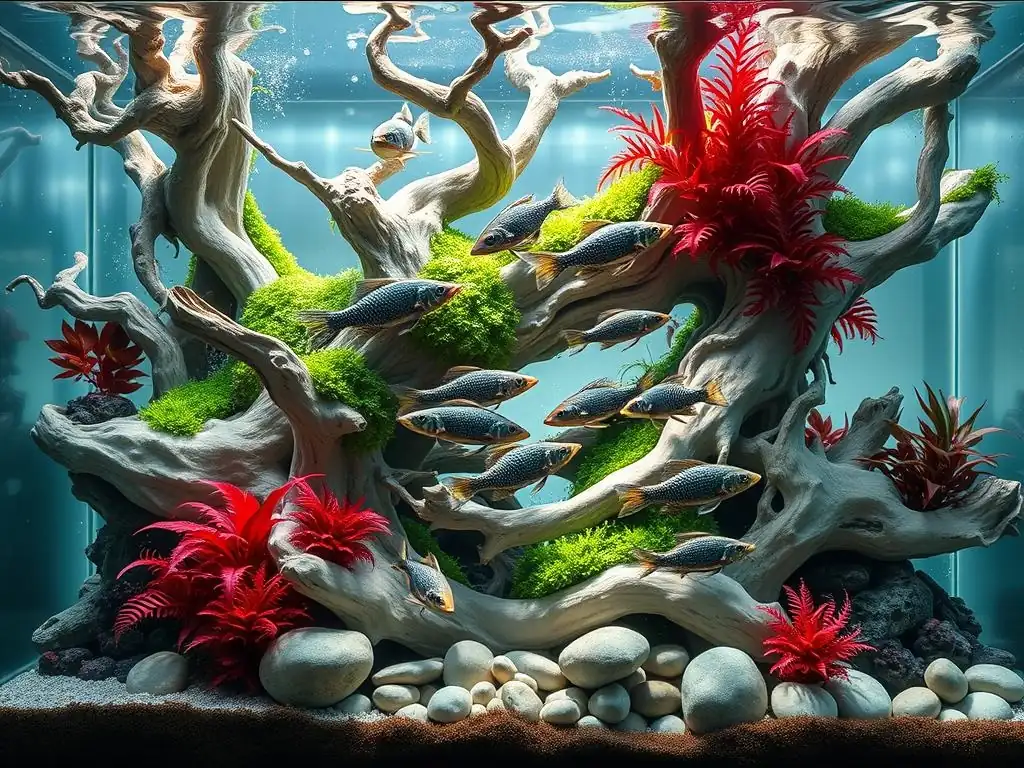
Welcome to Aquarium Mastery!
Ever wondered why your Ancistrus catfish isn't quite thriving, despite your best efforts? Discover the secrets to optimal driftwood care and unlock a happier, healthier life for your bristlenose. Dive in to learn how this vital element shapes their environment, influences their well-being, and even impacts their breeding success. Curious to know more? Let's explore the essential role of driftwood in your Ancistrus catfish's aquarium!
- Understanding Ancistrus Catfish (Bristlenose Plecos) and Their Needs
- The Crucial Role of Driftwood in the Ancistrus Diet
- Driftwood and Water Chemistry: Benefits for Your Ancistrus Tank
- Selecting the Right Driftwood for Your Ancistrus Catfish
- Driftwood as a Habitat and Hiding Place for Ancistrus
- Maintaining Driftwood in Your Ancistrus Catfish Tank
- Common Mistakes to Avoid When Using Driftwood with Ancistrus Catfish
- Frequently Asked Questions About Ancistrus Catfish and Driftwood
- Conclusion: Providing Optimal Ancistrus Catfish Care with Driftwood
- Frequently Asked Questions
- Final Reflection: The Enduring Embrace of Nature
- Unleash the Joy of a Thriving Ancistrus!
Understanding Ancistrus Catfish (Bristlenose Plecos) and Their Needs
What are Ancistrus Catfish (Bristlenose Plecos)?
Ancistrus catfish, commonly known as Bristlenose Plecos, are popular freshwater aquarium inhabitants belonging to the family Loricariidae. These fascinating bottom-dwellers are admired for their unique appearance, characterized by fleshy tentacles or "bristles" that develop on the snout, especially prominent in males. They typically grow to a manageable size of 4 to 6 inches (10-15 cm), making them suitable for a wide range of home aquariums, unlike some of their larger pleco relatives.
Despite their reputation as excellent algae eaters, Ancistrus catfish are not solely dependent on algae for their diet. They are omnivores with a significant dietary requirement for vegetable matter and, crucially, cellulose from wood. Understanding this dietary nuance is fundamental to providing proper Ancistrus catfish driftwood care and ensuring their long-term health and vitality in a captive environment.
The Natural Habitat of Ancistrus and the Role of Wood
Ancistrus catfish originate from the fast-flowing rivers and tributaries of South America, particularly within the Amazon basin and its surrounding regions. In their native environments, these fish are commonly found clinging to submerged roots, rocks, and, most notably, driftwood. The water in these habitats often contains humic acids and tannins leached from decaying plant matter, creating a slightly acidic, "blackwater" condition that is highly beneficial for them.
The abundance of wood in their natural surroundings plays a multifaceted role, serving as both a primary food source and essential shelter. This natural predisposition to wood highlights why providing appropriate driftwood in an aquarium setting is not merely decorative but a vital component for replicating their ecological niche and supporting their natural behaviors and physiological needs.
Why Driftwood is Essential for Ancistrus Catfish Health and Well-being
Driftwood is indispensable for the health and well-being of Ancistrus catfish, serving several critical functions that mimic their natural habitat. Firstly, it provides a crucial source of dietary fiber, specifically cellulose, which is vital for their digestive system. Without access to wood to rasp on, Ancistrus can suffer from digestive blockages and nutrient deficiencies, leading to stunted growth or even premature death.
Secondly, driftwood offers essential hiding places and territories, which are paramount for these often shy and nocturnal fish. A secure environment reduces stress, promotes natural behaviors like exploring and foraging, and can even encourage breeding. Therefore, incorporating high-quality driftwood is a cornerstone of effective Ancistrus catfish driftwood care, contributing significantly to their physical health, mental well-being, and overall longevity in the aquarium.
The Crucial Role of Driftwood in the Ancistrus Diet
Driftwood as a Source of Cellulose for Bristlenose Plecos
Ancistrus catfish are unique among many aquarium fish due to their specialized digestive system, which requires a significant intake of cellulose. This isn't merely a preference; it's a physiological necessity. Driftwood provides this indigestible fiber, which acts as a gut cleanser, helping to regulate their digestive tract and process other foods more efficiently. Studies on loricariids have indicated that a diet deficient in wood can lead to digestive issues, including bloat and compromised nutrient absorption.
The cellulose from driftwood aids in the mechanical breakdown of food within the Ancistrus's gut, ensuring a healthy digestive rhythm. While they do not "eat" the wood in the conventional sense to gain calories, the continuous rasping of microscopic wood particles is crucial for gut motility and the proper functioning of their digestive enzymes. Without this fibrous material, their digestive system can become sluggish, potentially leading to impaction or other serious health problems, underscoring its vital role in Ancistrus catfish driftwood care.
How Ancistrus Catfish Benefit from Rasping on Driftwood
The act of rasping on driftwood is a fundamental behavior for Ancistrus catfish, serving both dietary and physiological purposes. Their unique suckermouths are perfectly adapted to scrape off biofilm, algae, and microscopic wood particles from submerged surfaces. This constant rasping ensures a steady intake of cellulose, which is then processed by their specialized gut flora.
Beyond nutrition, the continuous rasping motion also helps to naturally wear down their teeth. Ancistrus catfish teeth grow continuously, and without abrasive surfaces like driftwood, their teeth can overgrow, making it difficult for them to feed properly. Observing your Ancistrus frequently grazing on driftwood is a strong indicator of a healthy and well-adjusted fish, benefiting from comprehensive Ancistrus catfish driftwood care.
Supplemental Feeding for Ancistrus Catfish with Driftwood
While driftwood is an absolutely essential component of an Ancistrus's diet, it is important to understand that it does not provide all the necessary nutrients for a balanced diet. It primarily serves as a fiber source. Therefore, supplemental feeding is crucial to ensure your Bristlenose Pleco receives a full spectrum of vitamins, minerals, and proteins.
A balanced diet for Ancistrus should include high-quality sinking algae wafers, blanched vegetables such as zucchini, cucumber, or romaine lettuce, and occasional protein sources like bloodworms or brine shrimp. Offering these foods alongside readily available driftwood ensures that the fish's nutritional needs are fully met, preventing deficiencies and promoting robust health as part of optimal Ancistrus catfish driftwood care.
Driftwood and Water Chemistry: Benefits for Your Ancistrus Tank
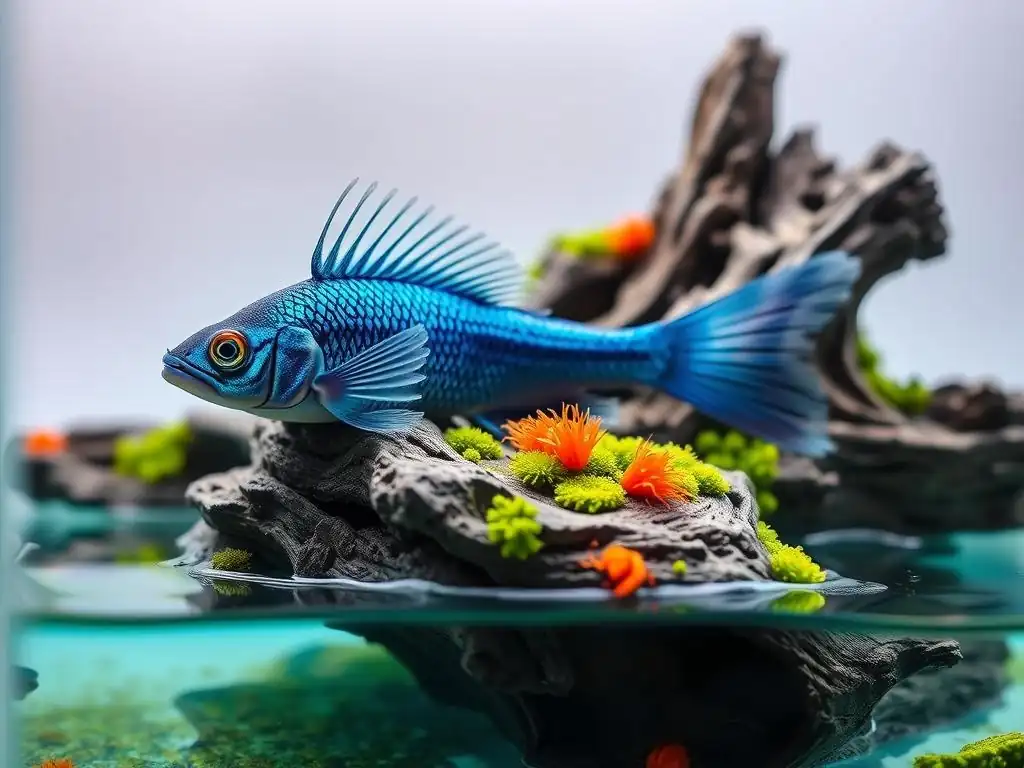
How Driftwood Affects pH Levels in Freshwater Aquariums
Driftwood, particularly types like Malaysian or Mopani wood, naturally releases organic compounds known as tannins into the aquarium water. These tannins are essentially humic acids, which have the effect of gently lowering the pH level of the water and softening it. For Ancistrus catfish, which typically thrive in slightly acidic to neutral water conditions with a pH range of 6.0 to 7.5, this effect can be highly beneficial.
In a moderately buffered aquarium, a significant piece of properly prepared driftwood might reduce the pH by approximately 0.1 to 0.3 units over several weeks, depending on the wood type and tank volume. This gradual and stable reduction is generally preferable to sudden chemical adjustments, helping to create a more natural and stable environment that mimics their native blackwater habitats.
Tannins from Driftwood: Creating a Beneficial Environment for Ancistrus
The tannins released by driftwood do more than just adjust pH; they also contribute to the overall well-being of Ancistrus catfish by creating a beneficial "blackwater" environment. These compounds impart a tea-like tint to the water, which, while sometimes surprising to new aquarists, is highly advantageous for many fish species, including Ancistrus. The darker water reduces light intensity, mimicking the shady, tannin-rich waters of their natural rivers, which in turn helps to reduce stress and encourage more natural behaviors.
Furthermore, tannins possess mild antiseptic and antifungal properties, which can help inhibit the growth of harmful bacteria and fungi in the aquarium. This natural defense mechanism contributes to a healthier aquatic environment, potentially reducing the incidence of common fish diseases and providing a more robust habitat for proper Ancistrus catfish driftwood care.
Maintaining Optimal Water Parameters with Driftwood in Your Ancistrus Tank
While driftwood offers several benefits for water chemistry, it's crucial to monitor water parameters, especially pH and alkalinity (KH), particularly in smaller tanks or those with very soft tap water. Large amounts of newly introduced, uncured driftwood can cause a significant and rapid drop in pH, which can be detrimental to fish. It is generally recommended to cure driftwood thoroughly before introduction to minimize initial tannin release.
Regular water changes, typically 25% weekly, are essential for managing tannin levels and maintaining overall water stability. This practice helps to dilute accumulated tannins, preventing excessive water discoloration and ensuring that the pH remains within the ideal range for your Ancistrus. Consistent monitoring and routine maintenance are key aspects of successful Ancistrus catfish driftwood care when incorporating these natural elements.
Selecting the Right Driftwood for Your Ancistrus Catfish
Types of Driftwood Safe for Aquarium Use
Not all wood is suitable for aquarium use, and selecting the correct type is paramount for the health of your Ancistrus catfish. Safe and popular options include Mopani wood, Malaysian driftwood, Manzanita, and Cholla wood. Mopani wood is known for its dense, hard nature and striking two-tone appearance, often leaching significant tannins initially. Malaysian driftwood is also very dense, sinks readily, and is a strong tannin leacher, making it excellent for blackwater setups.
Manzanita branches offer a more intricate, branching structure, perfect for creating complex hiding spots and climbing opportunities, and they leach fewer tannins once cured. Cholla wood, derived from the skeleton of the Cholla cactus, is lighter and more porous, ideal for smaller fish or shrimp, but Ancistrus can still rasp on it. Always avoid softwoods (like pine or cedar), treated lumber, or wood collected from unknown sources, as these can release harmful chemicals or rot quickly.
Preparing Driftwood Before Adding it to Your Ancistrus Tank
Proper preparation of driftwood is a non-negotiable step in responsible Ancistrus catfish driftwood care. The process typically involves three main stages: scrubbing, boiling, and soaking. First, thoroughly scrub the wood with a stiff brush under running water to remove any loose debris, dirt, or unwanted organisms.
Next, boil the driftwood for several hours, ideally 2-4 hours, changing the water multiple times. Boiling helps to sanitize the wood by killing off bacteria, fungi, and algae spores, and also aids significantly in releasing the initial burst of tannins that would otherwise heavily discolor your tank water. Finally, soak the driftwood in a bucket of fresh water for several weeks, changing the water daily, until it becomes waterlogged and sinks on its own, and the water no longer turns a deep tea color. This extensive curing process ensures the wood is safe and stable for your aquarium.
Sizing Driftwood Appropriately for Your Ancistrus Tank
The size and shape of the driftwood you choose should be appropriate for both your Ancistrus catfish and the overall tank dimensions. For a single adult Ancistrus in a 20-gallon long tank, a piece of driftwood approximately 8-12 inches in length that offers a good hiding spot is generally sufficient. In larger tanks, such as a 40-gallon breeder housing two or three Ancistrus, you might opt for larger pieces, perhaps 12-18 inches, or multiple smaller pieces to create a more complex landscape.
It's essential that the driftwood provides ample surface area for rasping and offers at least one secure hiding place where the Ancistrus can retreat and feel safe. If you plan on keeping multiple Ancistrus or other bottom-dwelling fish, consider incorporating several pieces of driftwood to create distinct territories and reduce potential aggression. The wood should also be stable and not easily tipped over by the fish or water flow, ensuring a secure environment for optimal Ancistrus catfish driftwood care.
Driftwood as a Habitat and Hiding Place for Ancistrus
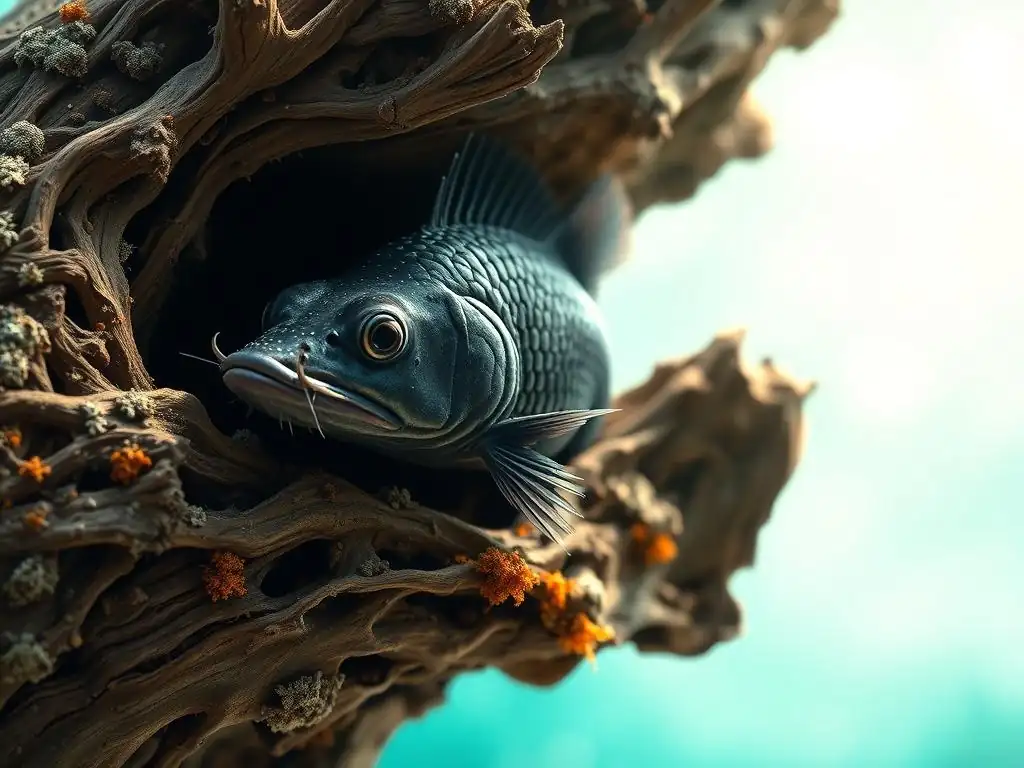
Providing Shelter and Security for Bristlenose Plecos with Driftwood
Ancistrus catfish are naturally shy and often exhibit nocturnal tendencies, preferring to be active during dimmer light conditions or at night. Driftwood serves as an indispensable element in providing the necessary shelter and security they crave within the aquarium environment. The nooks, crannies, and hollows within driftwood offer perfect retreats where these fish can hide from bright lights, aggressive tank mates, or simply rest undisturbed.
A well-furnished tank with ample driftwood significantly reduces stress levels in Ancistrus. When fish feel secure, they are more likely to display natural behaviors, exhibit better coloration, and be less prone to stress-related diseases. This provision of a safe haven is a fundamental aspect of comprehensive Ancistrus catfish driftwood care, contributing directly to their overall well-being.
Driftwood for Breeding: Creating Spawning Sites for Ancistrus Catfish
For aquarists interested in breeding Ancistrus catfish, driftwood plays a particularly critical role. Ancistrus are cave spawners, meaning the male will select a confined, dark space to guard the eggs laid by the female. Hollow logs, driftwood with natural crevices, or pieces that can be arranged to form small caves are ideal spawning sites.
The presence of suitable driftwood caves can significantly increase the likelihood of successful breeding. The male Ancistrus will meticulously clean the chosen site before enticing the female to lay her eggs within. He then guards the eggs diligently until they hatch, a process that can take approximately 4-7 days depending on water temperature. Providing these specific structures is a key consideration for effective Ancistrus catfish driftwood care aimed at reproduction.
Observing Ancistrus Behavior Around Driftwood
Observing your Ancistrus catfish interacting with their driftwood provides valuable insights into their health and contentment. A healthy Ancistrus will frequently be seen rasping on the wood, especially during the evening or early morning hours. This constant activity is a clear sign that they are fulfilling their dietary needs and maintaining good dental health.
You may also notice your Ancistrus resting on or under the driftwood during the day, using it as a safe perch. Males, in particular, might claim a specific piece of driftwood as their territory, especially if a female is present or if they are preparing for breeding. These behaviors are natural and indicate that the driftwood is effectively serving its purpose as a functional and enriching part of their environment, central to optimal Ancistrus catfish driftwood care.
Maintaining Driftwood in Your Ancistrus Catfish Tank
Cleaning Driftwood to Prevent Algae Buildup
While Ancistrus catfish are known for their algae-eating capabilities, and they will graze on the biofilm and some types of algae that grow on driftwood, excessive algae buildup can still occur. Types of algae like hair algae or black beard algae might not be palatable to them or can grow too quickly. When this happens, gentle cleaning of the driftwood might be necessary.
During routine tank maintenance, such as a weekly water change, you can gently scrub the driftwood with a soft-bristled brush or an aquarium-safe sponge. There's no need to remove the driftwood from the tank unless absolutely necessary for a deeper clean. Avoid using soaps or chemical cleaners, as these can be toxic to your fish. Regular light cleaning helps maintain the aesthetic appeal of your tank and prevents any one type of algae from completely dominating the wood's surface.
How Often to Replace Driftwood in an Ancistrus Tank
Unlike some other aquarium decorations, driftwood is a long-lasting addition to an Ancistrus tank and generally does not require regular replacement. Properly cured and maintained driftwood can last for many years, even decades, within an aquarium environment. Its dense structure makes it highly resistant to decomposition under submerged conditions.
The need for replacement typically arises only if the driftwood shows significant signs of deterioration, such as becoming excessively soft, crumbling, or developing an unpleasant odor. As long as the wood remains solid, provides a good surface for rasping, and doesn't negatively impact water quality, it can remain a permanent fixture in your Ancistrus's habitat. This longevity makes it a cost-effective and sustainable choice for Ancistrus catfish driftwood care.
Recognizing Signs of Driftwood Deterioration
While driftwood is durable, it's important to periodically inspect it for signs of deterioration that could indicate it's no longer suitable for your tank. One common sign is excessive softness or sponginess when touched; healthy driftwood should feel firm. If the wood begins to visibly disintegrate or break apart, it's a clear indication that its structural integrity is compromised.
Another warning sign can be a persistent foul odor emanating from the wood, which might suggest anaerobic decomposition or bacterial issues. While some white fuzz can be normal biofilm on new wood, persistent black spots or slimy patches that don't go away with light cleaning could also be a concern. If any of these signs are present, it's advisable to consider removing and replacing the driftwood to maintain optimal conditions for your Ancistrus catfish.
Common Mistakes to Avoid When Using Driftwood with Ancistrus Catfish
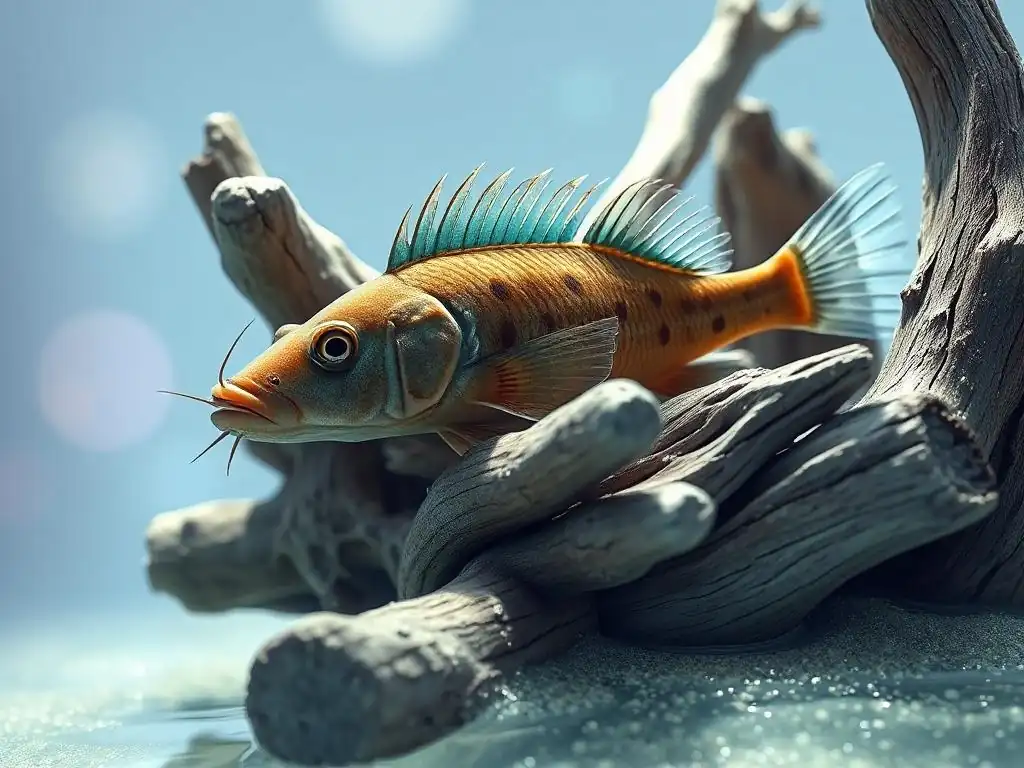
Using Untreated or Unsuitable Wood Types
One of the most critical mistakes in Ancistrus catfish driftwood care is introducing untreated or unsuitable types of wood into the aquarium. Wood collected from nature, such as backyard branches or beach finds, often harbors harmful bacteria, fungi, parasites, or even residual pesticides and chemicals. Softwoods like pine or cedar are particularly problematic as they can rot quickly in water, release sap, or contain resins that are toxic to fish.
Similarly, chemically treated woods, often used in landscaping or furniture, are absolutely forbidden. These woods can leach dangerous compounds into the water, leading to severe health issues or fatalities for your fish. Always source aquarium-safe driftwood from reputable aquatic suppliers, ensuring it has been harvested and prepared specifically for use in aquariums.
Overlooking the Curing Process of Driftwood
Another common pitfall is neglecting or rushing the curing process of new driftwood. Many aquarists, eager to decorate their tanks, fail to properly boil and soak their driftwood before introduction. Skipping these vital steps can lead to several undesirable outcomes that directly impact Ancistrus catfish driftwood care.
Uncured wood will often float indefinitely, requiring weights to keep it submerged. More significantly, it will continuously leach excessive amounts of tannins, turning the tank water a very dark tea color and potentially causing drastic and rapid drops in pH, which can be fatal to sensitive fish. Furthermore, unboiled wood can introduce spores that lead to unsightly fungal blooms or bacterial outbreaks in the aquarium, stressing fish and compromising water quality.
Ignoring Water Chemistry Changes Due to Driftwood
While driftwood's effect on water chemistry can be beneficial, ignoring these changes is a significant mistake. Newly introduced or large pieces of driftwood, especially those not thoroughly cured, can significantly alter pH and KH (carbonate hardness) levels. A rapid or extreme drop in pH can cause pH shock in fish, leading to stress, illness, and even death.
It is crucial to monitor your tank's pH and KH regularly after adding driftwood, particularly in the initial weeks. If you observe a rapid decline in pH, consider increasing the frequency of water changes, reducing the amount of driftwood, or using pH-buffering substrates or media. Understanding and managing these potential changes is a key aspect of responsible Ancistrus catfish driftwood care, ensuring a stable and healthy environment.
Frequently Asked Questions About Ancistrus Catfish and Driftwood
Does All Driftwood Benefit Ancistrus Catfish?
No, not all driftwood provides the same benefits or is even safe for Ancistrus catfish. The primary benefit of driftwood for Ancistrus is the provision of cellulose, which comes from dense, cured hardwoods. Types like Malaysian driftwood, Mopani wood, and Manzanita are excellent choices because they are hard, long-lasting, and release the necessary lignins and cellulose that Ancistrus require for digestion.
Softer woods or decorative wood pieces that are often purely aesthetic may not offer the required dietary fiber. Furthermore, as discussed, certain woods can be toxic or decompose rapidly, releasing harmful substances into the water. Therefore, selecting the correct type of aquarium-safe hardwood is essential for effective Ancistrus catfish driftwood care.
How Much Driftwood Does My Ancistrus Tank Need?
The amount of driftwood needed for an Ancistrus tank depends on the tank size and the number of fish. For a single Ancistrus, at least one substantial piece of driftwood that provides ample surface area for rasping and a secure hiding spot is crucial. For instance, in a 20-gallon tank, a single piece roughly 10-12 inches long that offers a cave-like structure is a good starting point.
If you plan to keep multiple Ancistrus or other bottom-dwelling fish, it's advisable to include several pieces of driftwood. This creates more hiding places and helps to establish distinct territories, reducing potential stress or aggression among tank mates. The goal is to provide enough wood so that each Ancistrus can comfortably rasp and retreat without competition, ensuring optimal Ancistrus catfish driftwood care.
Can I Use Artificial Driftwood for My Ancistrus Catfish?
While artificial driftwood can certainly provide aesthetic appeal and serve as a hiding place in an aquarium, it cannot replace real driftwood for Ancistrus catfish. Artificial driftwood, typically made from resin or plastic, does not leach tannins, nor does it provide the essential cellulose that Ancistrus require for their digestive health.
Therefore, while you can use artificial driftwood for decorative purposes or to supplement natural hiding spots, it is not a substitute for the biological and dietary benefits offered by real, natural driftwood. For comprehensive Ancistrus catfish driftwood care, real driftwood remains an indispensable element to support their unique physiological needs.
Conclusion: Providing Optimal Ancistrus Catfish Care with Driftwood
Driftwood is far more than just an aesthetic addition to an Ancistrus catfish aquarium; it is an absolutely indispensable element for their health, well-being, and natural behavior. From providing vital dietary fiber in the form of cellulose to offering essential hiding places and contributing to beneficial water chemistry, driftwood plays a multifaceted role that directly impacts the longevity and vitality of these fascinating fish.
By understanding the specific needs of your Ancistrus, carefully selecting and preparing appropriate driftwood, and integrating it thoughtfully into their environment, you are providing optimal Ancistrus catfish driftwood care. This dedication ensures your Bristlenose Plecos thrive, exhibiting their natural behaviors and enjoying a healthy, stress-free life in your home aquarium for many years to come.
Frequently Asked Questions
Why is driftwood so important for Ancistrus catfish?
Driftwood is crucial for Ancistrus catfish because it provides essential dietary fiber and allows them to rasp off lignin and cellulose, which aids in their digestion. It also provides shelter and hiding places, reducing stress.
What type of driftwood is best for my Ancistrus catfish?
Generally, hardwoods like Malaysian driftwood or mopani wood are excellent choices. Avoid softwoods as they can decompose quickly and negatively impact water quality. Make sure any driftwood is aquarium-safe and properly prepared.
How much driftwood should I put in my aquarium for my Ancistrus?
The amount of driftwood depends on the size of your tank and the number of Ancistrus. A general guideline is to provide enough driftwood so each catfish has multiple surfaces to graze on and at least one dedicated hiding spot.
How do I prepare driftwood for my aquarium?
Boil the driftwood for 1-2 hours to help it sink faster, remove tannins (which can discolor the water), and kill any potential harmful bacteria or algae. Soaking it for several days after boiling can also help.
How often should I replace or clean the driftwood in my aquarium?
You don't need to replace driftwood unless it starts to decompose significantly. Regularly vacuum around the driftwood during water changes to remove accumulated detritus and algae. You can also gently scrub the driftwood if necessary.
Final Reflection: The Enduring Embrace of Nature
The journey through understanding Ancistrus catfish driftwood care reveals more than just practical advice; it underscores the profound connection between our aquatic companions and their natural environment. In a world increasingly dominated by artificiality, recognizing the vital role of driftwood in replicating a natural habitat is a powerful reminder of the importance of ecological balance, even within the confines of our aquariums.
This exploration has illuminated how incorporating driftwood into an aquarium isn't merely aesthetic; it's a crucial element for the well-being of Ancistrus catfish, influencing their diet, behavior, and overall health. Witnessing the positive impact of a simple piece of wood on these fascinating creatures has deepened my appreciation for the intricate relationships within ecosystems. In nature, nothing exists alone.
- Rachel Carson. This quote perfectly encapsulates the symbiotic relationship between the Ancistrus and driftwood, a partnership that thrives on mutual benefit.
Now, consider the lessons learned. How can you, as an aquarist, further enrich the lives of your Ancistrus catfish? Take a moment to reflect on the power of natural elements and how you can integrate them more thoughtfully into your aquarium. By embracing a more holistic approach to aquarium keeping, you not only provide a better life for your fish but also foster a deeper understanding and appreciation for the natural world around us. Let's strive to create aquatic environments that truly resonate with the spirit of nature.
Unleash the Joy of a Thriving Ancistrus!
Thank you for diving into the fascinating world of driftwood and its benefits for your Ancistrus. We hope you’ve discovered how essential it is for their well-being and happiness. Now, let’s put that knowledge into action!
Here are a few things you can do right now:
- Prioritize your Ancistrus' happiness: Incorporate natural driftwood into your aquarium to provide them with essential fiber and a grazing surface.:
- Explore sourcing unique driftwood pieces from local rivers or lakes, ensuring they are properly sanitized before introducing them to your tank.
- Share this guide with fellow aquarium enthusiasts to spread the word about the critical role driftwood plays in Ancistrus catfish health!
What exciting driftwood piece will you add to your aquarium first, and how do you think your Ancistrus will react?