
Seasonal Care Adjustments for Swordtails & Variatus

Welcome to Aquarium Mastery!
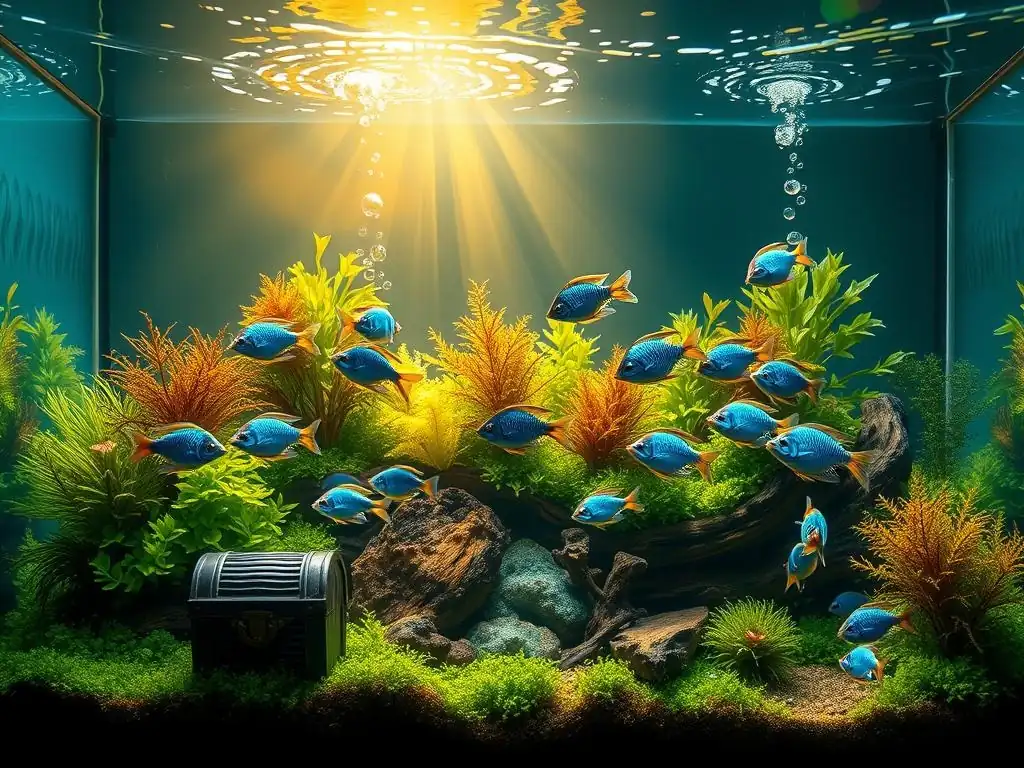
Dive into the vibrant world of Swordtails and Variatus! Are you ready to unlock the secrets to keeping these colorful freshwater fish thriving through every season? Seasonal Care Adjustments for Swordtails & Variatus offers essential tips for ensuring your aquatic friends not only survive, but flourish. Intrigued? Let's explore how simple tweaks can make a world of difference in their health and happiness!
- Seasonal Care Adjustments for Swordtails & Variatus: Aquarium Mastery Guide
- Understanding Seasonal Impacts on Swordtails and Variatus Health
- Spring: Swordtail & Variatus Breeding and Fry Care
- Summer: Preventing Overheating and Maintaining Water Quality
- Autumn: Preparing Swordtails & Variatus for Cooler Temperatures
- Winter: Maintaining Stable Conditions for Swordtails & Variatus
- Swordtail & Variatus Diet Adjustments Based on Season
- Water Parameter Management Across Seasons
- Disease Prevention and Treatment in Swordtails & Variatus During Seasonal Changes
- Adapting Tank Setup and Decorations for Seasonal Needs
- Troubleshooting Seasonal Issues in Swordtail & Variatus Aquariums
-
Frequently Asked Questions
- How does seasonal temperature change affect Swordtails and Variatus?
- What adjustments should I make to their feeding schedule during winter?
- Should I change my water change routine with the changing seasons?
- How does light exposure impact Swordtails and Variatus seasonally?
- What are some common seasonal health problems to watch out for?
- Final Reflection: The Enduring Dance of Life
- Ignite Your Swordtail's Vigor!
Seasonal Care Adjustments for Swordtails & Variatus: Aquarium Mastery Guide
Understanding Seasonal Impacts on Swordtails and Variatus Health
How Temperature Changes Affect Swordtail & Variatus Biology
Temperature fluctuations significantly impact the metabolic rate and overall health of Swordtails and Variatus. These livebearers thrive in stable freshwater environments, typically preferring temperatures between 72°F and 78°F (22°C-26°C). When temperatures deviate from this optimal range, their biological processes, such as digestion, immune response, and activity levels, are directly affected.
For instance, a sudden drop below 68°F (20°C) can suppress their immune system, making them highly susceptible to common freshwater diseases like Ich (white spot disease) or fungal infections. Conversely, sustained temperatures above 82°F (28°C) can reduce dissolved oxygen levels in the water, leading to respiratory distress, lethargy, and increased stress, which are critical aspects of Swordtail & Variatus care tips.
Maintaining a consistent temperature is paramount for the long-term well-being of these fish. Studies on poikilothermic animals, like fish, indicate that even a shift of a few degrees can alter enzyme activity and nutrient absorption efficiency. For example, if a Swordtail's environment drops from 75°F to 70°F, its metabolism can slow by approximately 10-15%, leading to reduced feeding, slower growth rates, and diminished breeding activity.
This physiological slowdown can accumulate stress over time, manifesting as clamped fins, faded coloration, or increased vulnerability to pathogens. Therefore, consistent monitoring and adjustment of aquarium heaters are fundamental Swordtail & Variatus care tips, ensuring their environment remains within their preferred thermal window regardless of external seasonal changes.
Light Cycle Variations and Their Influence on Fish Behavior
Natural light cycles, or photoperiods, play a crucial role in regulating the circadian rhythms and behaviors of Swordtails and Variatus, influencing everything from feeding patterns to reproductive cycles. In their natural habitats, fish experience distinct changes in daylight hours throughout the year, which cue various physiological responses. In an aquarium setting, replicating a consistent and appropriate light cycle is a vital component of successful Swordtail & Variatus care tips. An ideal photoperiod for these species typically ranges from 10 to 12 hours of light per day, mimicking their natural environment and promoting healthy behavior and breeding readiness.
Irregular or excessive lighting can lead to significant stress and undesirable behaviors in Swordtails and Variatus. For instance, prolonged periods of light (over 14 hours) can disrupt their sleep patterns, increase stress, and even contribute to excessive algae growth in the tank, which can negatively impact water quality. Conversely, insufficient light can lead to lethargy and a lack of vibrant coloration.
Observing these fish, aquarists might notice that during periods of inconsistent lighting, Swordtails and Variatus may become more skittish, hide more frequently, or exhibit reduced appetite, all signs of environmental stress. Therefore, utilizing a timer for aquarium lights is an indispensable Swordtail & Variatus care tip, ensuring a stable and predictable light cycle that supports their natural rhythms and overall health.
Spring: Swordtail & Variatus Breeding and Fry Care
Encouraging Swordtail & Variatus Spawning in Spring: Water Parameters
Spring often signals a period of heightened reproductive activity for Swordtails and Variatus, mirroring the natural cues of increasing daylight and warmer temperatures in their wild habitats. To encourage successful spawning, aquarists should ensure optimal water parameters are maintained. Slightly increasing the water temperature within their preferred range, perhaps from 74°F to 76°F (23°C-24°C), can serve as a potent breeding trigger.
Alongside temperature, maintaining pristine water quality with stable pH levels between 7.0 and 8.0 and moderate hardness (10-25 dGH) is crucial. A well-balanced diet rich in protein, including live or frozen foods like brine shrimp or bloodworms, also significantly contributes to the conditioning of breeding pairs, ensuring they are robust and ready for reproduction, which are excellent Swordtail & Variatus care tips for breeding success.
Furthermore, providing ample hiding places and dense vegetation, such as Java moss or water sprite, offers security for gravid females and protection for newly born fry. Swordtails and Variatus are livebearers, meaning they give birth to free-swimming fry rather than laying eggs. A female Swordtail can give birth to between 20 to 100 fry per batch, with gestation periods typically lasting 28-35 days, depending on temperature and diet.
Regularly performing small, frequent water changes (e.g., 10-15% every few days) using dechlorinated water can also stimulate spawning by introducing fresh minerals and reducing nitrate levels, mimicking the natural influx of clean water often associated with spring rains. This diligent approach to water management and environmental setup is a cornerstone of effective Swordtail & Variatus care tips for successful breeding.
Spring Algae Blooms and Maintaining Water Quality for Swordtails & Variatus
Spring often brings an increased risk of algae blooms in aquariums, largely due to rising ambient temperatures and longer daylight hours, which provide more energy for photosynthetic organisms. While some algae are natural and beneficial, excessive growth can quickly deplete oxygen levels at night, clog filters, and obscure the tank's aesthetic, posing a threat to Swordtail & Variatus health.
A common scenario involves green water blooms, caused by suspended unicellular algae, which can reduce visibility to almost zero within days if left unchecked. This rapid proliferation can also indicate an imbalance in nutrients, often from overfeeding or insufficient water changes, demanding prompt attention as part of comprehensive Swordtail & Variatus care tips.
To mitigate spring algae blooms and maintain optimal water quality for Swordtails and Variatus, several proactive measures are essential. Reducing the aquarium's light cycle to 8-10 hours per day can significantly slow algae growth. Implementing regular, perhaps slightly more frequent, water changes (e.g., 25% weekly) helps dilute excess nutrients like nitrates and phosphates that fuel algae.
Additionally, ensuring proper filtration and avoiding overfeeding are critical; uneaten food decomposes, releasing nutrients that algae thrive on. Introducing live aquatic plants, particularly fast-growing species like Hornwort or Anacharis, can also help by outcompeting algae for available nutrients, contributing positively to the overall ecosystem and the well-being of the Swordtails and Variatus.
Swordtail & Variatus Fry Care in Spring: Feeding and Growth
The arrival of Swordtail and Variatus fry in spring requires specialized care to ensure their survival and healthy development. These tiny fish are born relatively well-developed but are highly vulnerable to predation from adult fish, including their parents.
Therefore, providing ample hiding places within the tank or, ideally, transferring the gravid female to a separate breeding box or a dedicated fry tank, significantly increases their survival rate. Newly hatched fry are extremely small, often less than 5mm in length, and require specific feeding strategies to support their rapid growth during this critical period, making it a key aspect of Swordtail & Variatus care tips.
For the first few weeks, Swordtail and Variatus fry need highly nutritious, finely crushed food that they can easily consume. Excellent options include specialized fry foods, finely powdered flake food, or live foods such as newly hatched brine shrimp nauplii. Brine shrimp are particularly beneficial due to their high protein content and digestibility, promoting robust growth; fry fed brine shrimp can grow up to 20% faster than those on powdered flakes alone in the initial weeks.
Feeding should be done in small amounts multiple times a day (3-5 times) to ensure constant availability of food without polluting the water. Consistent water changes in the fry tank, typically 10-20% daily or every other day, are also crucial to maintain pristine water quality, as fry are highly sensitive to ammonia and nitrite spikes. These meticulous Swordtail & Variatus care tips are vital for raising healthy, thriving fry.
Summer: Preventing Overheating and Maintaining Water Quality
Managing High Temperatures in Swordtail & Variatus Tanks
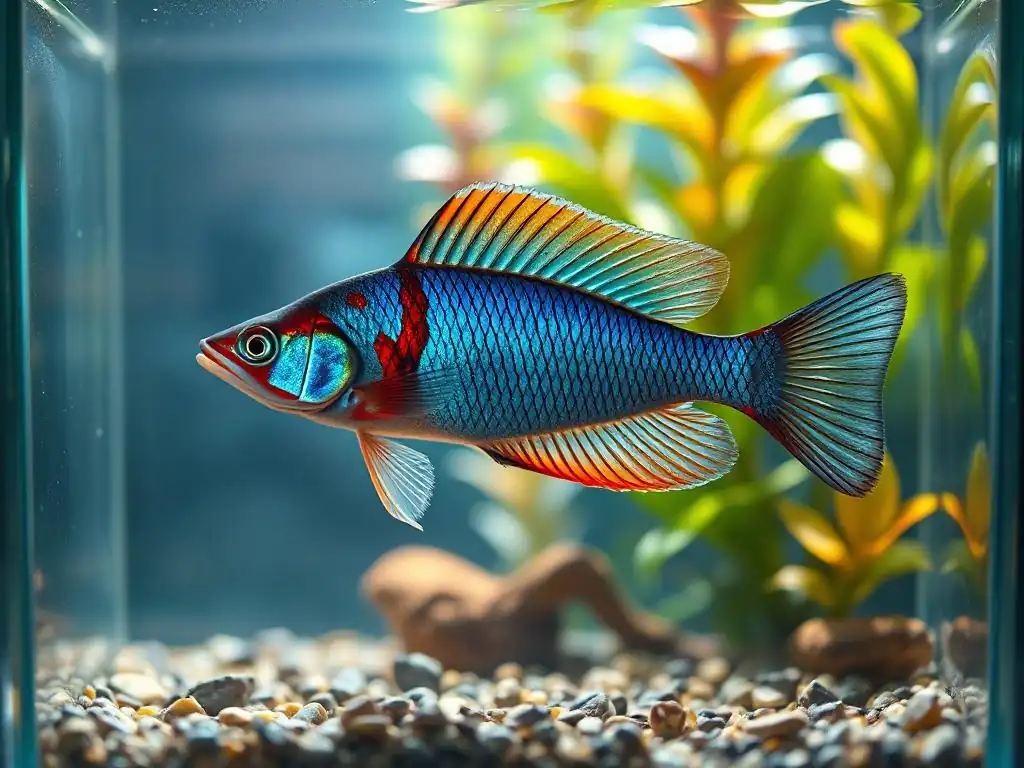
Summer months often bring the challenge of managing rising ambient temperatures, which can quickly lead to overheating in Swordtail and Variatus aquariums. Temperatures consistently above 82°F (28°C) are dangerous for these fish, as warmer water holds less dissolved oxygen, leading to respiratory distress, increased stress, and a weakened immune system. Fish may appear lethargic, gasp at the surface, or exhibit rapid gill movement, indicating oxygen deprivation. In extreme cases, prolonged high temperatures can cause organ damage or even fatalities, underscoring the importance of proactive temperature management as a critical Swordtail & Variatus care tip.
To prevent overheating, several strategies can be employed. Installing an aquarium fan that blows across the water surface can significantly lower water temperature through evaporative cooling, often by 3-5°F (1.5-3°C). Reducing the aquarium's lighting period or using cooler LED lights can also help, as lights generate heat.
For severe heat waves, a sealed bag of ice cubes or frozen water bottles floated in the tank can provide temporary relief, but this should be done with extreme caution to avoid sudden temperature shocks. Ensuring proper air circulation around the tank and keeping it out of direct sunlight are also effective measures. Regularly monitoring the water temperature with a reliable thermometer is non-negotiable for effective Swordtail & Variatus care during summer.
Preventing Algae Overgrowth During Summer Months
Summer's extended daylight hours and higher temperatures create ideal conditions for rapid algae growth in aquariums, which can quickly turn a clear tank into a green, murky mess. This proliferation isn't just an aesthetic issue; excessive algae can compete with aquatic plants for nutrients, potentially cause significant pH swings overnight as they respire, and even release toxins in severe cases, impacting the health of Swordtails and Variatus.
For instance, a tank exposed to 14+ hours of intense summer light without proper nutrient control can experience a 50% increase in algae biomass within a week compared to cooler, less illuminated conditions. These factors emphasize the need for vigilant Swordtail & Variatus care tips focused on algae prevention.
Effective strategies to prevent summer algae overgrowth include a multi-pronged approach. Firstly, limit the aquarium's light exposure to 8-10 hours daily, preferably using a timer. Secondly, maintain strict nutrient control by avoiding overfeeding and performing regular, perhaps even slightly more frequent, water changes (e.g., 30% weekly) to remove nitrates and phosphates.
Overfeeding is a primary culprit, as uneaten food decomposes into algae-fueling nutrients. Thirdly, ensure adequate filtration, including mechanical filtration to remove suspended particles and biological filtration to process ammonia and nitrite. Introducing appropriate numbers of algae-eating species, such as Otocinclus catfish or Nerite snails, can also help manage minor algae outbreaks naturally without relying on harsh chemicals that could stress Swordtails and Variatus.
Summer Feeding Strategies for Healthy Swordtails & Variatus
During the warmer summer months, the metabolic rate of Swordtails and Variatus naturally increases due to higher water temperatures. This heightened metabolism means they may require slightly more food to maintain their energy levels and support growth and breeding activities.
However, it's crucial to balance this increased demand with the risk of overfeeding, which can quickly lead to deteriorated water quality, especially when combined with summer's propensity for algae growth. A common mistake is simply increasing portion sizes without considering the fish's actual consumption rate, leading to uneaten food decaying and contributing to ammonia and nitrite spikes, which are detrimental to Swordtail & Variatus health.
Optimal summer feeding strategies for Swordtails and Variatus involve offering small meals more frequently rather than larger, infrequent ones. For example, instead of one large meal, two to three smaller feedings per day can be more beneficial, ensuring all food is consumed within 2-3 minutes. Incorporating a varied diet that includes high-quality flake or pellet food supplemented with live or frozen foods like daphnia, bloodworms, or brine shrimp provides essential proteins and nutrients for their active summer metabolism.
These live and frozen options also encourage natural foraging behaviors. Monitoring the fish's activity and appearance is key; healthy Swordtails and Variatus will be active and display vibrant coloration. Adjusting feeding based on observation and maintaining excellent water quality are paramount Swordtail & Variatus care tips during the summer heat.
Autumn: Preparing Swordtails & Variatus for Cooler Temperatures
Gradual Temperature Reduction for Swordtails & Variatus Health
As autumn approaches, ambient temperatures begin to drop, and aquarists must prepare Swordtail and Variatus tanks for cooler conditions. The key is to implement a gradual reduction in water temperature, rather than sudden changes, to prevent thermal shock and stress to the fish. A rapid temperature drop, even by just 3-4°F (1.5-2°C) within a few hours, can severely compromise the immune system of Swordtails and Variatus, making them highly susceptible to diseases like Ich, which often manifests when fish are stressed. This slow acclimation is a fundamental Swordtail & Variatus care tip for seasonal transitions.
To achieve a gradual temperature reduction, aquarists with adjustable heaters should lower the thermostat setting by no more than 1-2°F (0.5-1°C) per day until the desired stable winter temperature (typically 72-74°F or 22-23°C) is reached. If using a non-adjustable heater, ensuring the room temperature does not fluctuate wildly, or providing supplemental heating if necessary, can help maintain stability.
Monitoring the fish's behavior during this transition is crucial; any signs of stress, such as clamped fins or lethargy, indicate that the temperature change might be too rapid. A slow, controlled reduction allows the fish's metabolism and immune system to adjust naturally, ensuring their continued health through the colder months.
Adjusting Feeding Schedules for Autumn
With the onset of autumn and the gradual decrease in water temperature, the metabolic rate of Swordtails and Variatus begins to slow down. Consequently, their energy requirements diminish, necessitating an adjustment to their feeding schedules. Continuing to feed the same quantity and frequency as during the warm, active summer months can quickly lead to overfeeding, as the fish will not consume all the food.
Uneaten food will then decompose, leading to a build-up of ammonia and nitrates, which significantly degrade water quality and can stress the fish, making them more vulnerable to illness. This makes feeding adjustments a crucial part of Swordtail & Variatus care tips for autumn.
To adapt to their reduced metabolic needs, it is advisable to gradually decrease the quantity of food offered per feeding, and potentially the frequency, as temperatures stabilize at their lower autumn levels. For instance, if feeding two to three times daily in summer, consider reducing to one or two smaller feedings per day. The general rule of thumb remains: feed only what the fish can consume within 2-3 minutes.
While their overall intake may decrease, maintaining a balanced diet rich in quality flakes or pellets, supplemented with occasional frozen or live foods, is still important for their nutritional needs. Observing the fish's activity levels and body condition will guide the precise adjustments, ensuring they remain healthy without compromising water quality.
Monitoring Water Quality During Seasonal Transitions
Seasonal transitions, particularly from summer to autumn, can introduce subtle yet significant shifts in aquarium parameters that necessitate vigilant water quality monitoring for Swordtails and Variatus. As ambient temperatures drop, so too might the aquarium water, which can affect the efficiency of biological filtration. The beneficial bacteria responsible for the nitrogen cycle (converting ammonia to nitrite, and nitrite to nitrate) are thermophilic, meaning their activity slows down in cooler water.
A decrease of just a few degrees can reduce their efficiency by 10-20%, potentially leading to a temporary spike in ammonia or nitrite if the bioload remains high. This makes consistent testing a non-negotiable Swordtail & Variatus care tip.
Therefore, during autumn, aquarists should increase the frequency of water parameter testing, specifically for ammonia, nitrite, and nitrate. While weekly testing is standard, moving to every 3-4 days during the transition period can provide an early warning of any imbalances. If spikes are detected, immediate corrective action, such as performing a partial water change (e.g., 25-30%) and reducing feeding temporarily, is crucial.
Maintaining regular water change schedules, even as temperatures drop, remains vital to dilute accumulated nitrates and replenish essential minerals. Proactive monitoring and adjustment ensure the aquatic environment remains stable and healthy, minimizing stress on Swordtails and Variatus as they adapt to the changing season.
Winter: Maintaining Stable Conditions for Swordtails & Variatus
Heating Solutions for Swordtail & Variatus Aquariums in Winter
Winter presents the primary challenge of maintaining a consistently stable and optimal temperature for Swordtails and Variatus, especially in homes where ambient temperatures can fluctuate significantly. Relying solely on room heating is often insufficient, as fluctuations throughout the day and night can stress fish. An aquarium heater is an absolute necessity for Swordtail & Variatus care tips during colder months.
Submersible heaters are generally preferred for their efficiency and ability to maintain precise temperatures. A common guideline is to provide 5 watts of heater power per gallon of water (e.g., a 50-watt heater for a 10-gallon tank), though larger tanks or those in very cold rooms may require slightly more or multiple heaters.
For enhanced reliability and to prevent catastrophic temperature drops due to heater failure, some aquarists opt for using two smaller heaters rather than one large one. If one malfunctions, the other can still provide some heat, preventing a rapid temperature crash. Additionally, insulating the tank with foam boards on the back and sides, or even a lid, can significantly reduce heat loss, making the heater work more efficiently and saving energy.
Regularly checking the heater's functionality and the water temperature with a separate thermometer is paramount. A stable temperature, ideally between 72-76°F (22-24°C), prevents stress and bolsters the immune system of Swordtails and Variatus, making them less susceptible to common winter ailments.
Preventing and Treating Winter Ich Outbreaks in Swordtails & Variatus
Ichthyophthirius multifiliis, commonly known as Ich or white spot disease, is a prevalent parasitic infection that frequently afflicts Swordtails and Variatus, particularly during the colder winter months. The primary reason for its increased incidence in winter is the stress induced by fluctuating water temperatures or sudden drops, which compromise the fish's immune system. Ich manifests as small, white spots resembling grains of salt on the fish's body and fins.
If left untreated, it can spread rapidly, leading to gill damage, secondary infections, and potentially widespread fatalities in the aquarium. This makes proactive prevention and swift treatment essential Swordtail & Variatus care tips.
Preventing Ich outbreaks in winter centers on maintaining the most stable water conditions possible. This means ensuring your heater is reliable and calibrated, avoiding sudden temperature changes, and performing consistent water changes to keep water quality pristine. If an outbreak occurs, prompt treatment is crucial. A common and effective method involves gradually raising the water temperature to 82-86°F (28-30°C) over 24-48 hours, which accelerates the Ich parasite's life cycle, making it more vulnerable to treatment.
Concurrently, adding aquarium salt (1 tablespoon per 5-10 gallons, dissolved first) can help kill the free-swimming stage of the parasite and reduce stress on the fish. For severe cases, over-the-counter Ich medications containing malachite green or formalin can be used, always following product instructions carefully. Removing activated carbon during medication is often necessary, as it can absorb the treatment.
Winter Feeding and Reduced Activity Levels of Swordtails & Variatus
During winter, with stable but generally cooler aquarium temperatures (e.g., 72-74°F or 22-23°C), the metabolic rate of Swordtails and Variatus naturally slows down compared to their active summer pace. This reduced metabolism means they require less food, and their activity levels will generally be lower. Overfeeding during this period is a common mistake that can lead to serious water quality issues, as uneaten food will decompose more slowly in cooler water, generating harmful ammonia and nitrite. This directly impacts the well-being of the fish, making careful feeding a critical Swordtail & Variatus care tip.
To accommodate their reduced activity and metabolic rate, winter feeding strategies for Swordtails and Variatus should focus on smaller portions and less frequent meals. For example, feeding once a day, or even every other day, with a high-quality flake or pellet food that is easily digestible is often sufficient. While live or frozen foods can still be offered periodically for variety and enrichment, their frequency should be reduced.
It is imperative to feed only what the fish can consume within 1-2 minutes to prevent any food from sinking and decaying. Observing the fish's body condition and overall activity will help fine-tune the feeding regimen, ensuring they receive adequate nutrition without compromising the delicate balance of the aquarium ecosystem.
Swordtail & Variatus Diet Adjustments Based on Season
Optimal Spring and Summer Feeding Schedules for Swordtails & Variatus
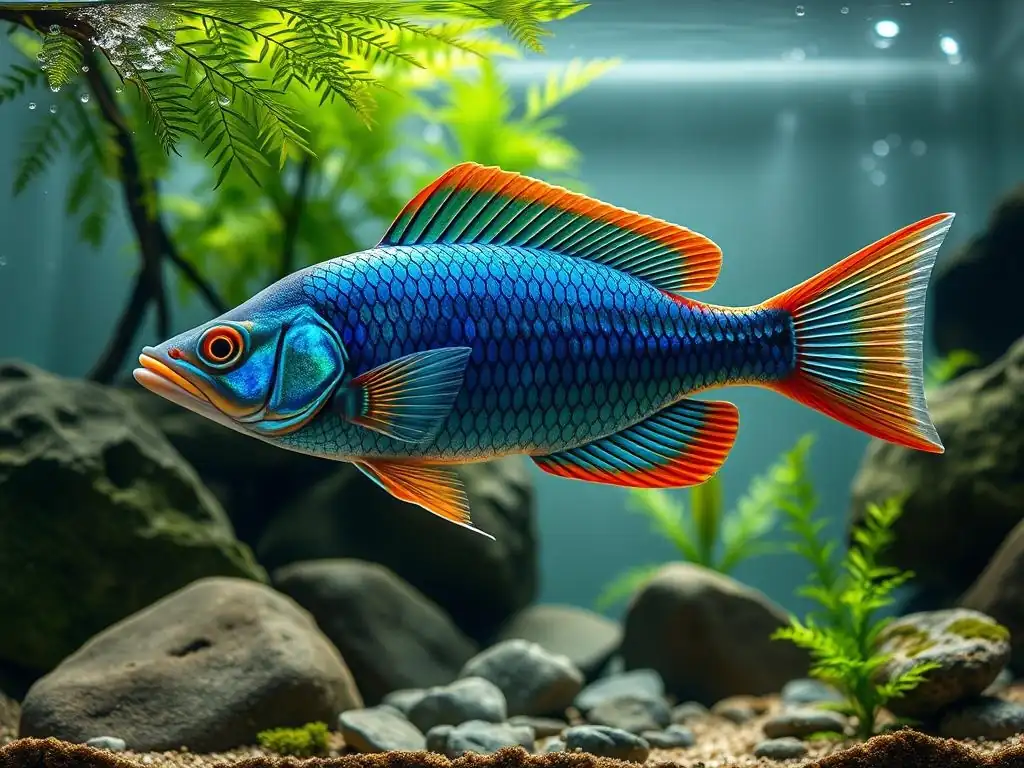
Spring and summer are periods of high activity and potential breeding for Swordtails and Variatus, demanding a diet rich in protein and nutrients to support their increased metabolic rate, growth, and reproductive efforts. During these warmer months, fish are generally more active, their digestion is more efficient, and females may be gravid, requiring additional energy for fry development. Therefore, the feeding schedule should be adjusted to provide more frequent and nutrient-dense meals. For optimal Swordtail & Variatus care tips during these seasons, feeding 2-3 times per day is often recommended, ensuring each meal is consumed within 2-3 minutes.
The diet during spring and summer should be varied and include a mix of high-quality flake or pellet food, supplemented generously with live or frozen options. Excellent choices include brine shrimp, bloodworms, daphnia, and mosquito larvae, all of which provide essential proteins, fats, and vitamins vital for breeding conditioning and healthy fry development. For instance, female Swordtails preparing to give birth benefit immensely from a diet that is 40-50% protein.
Incorporating vegetable matter, such as blanched zucchini or spirulina flakes, also supports their omnivorous diet and aids digestion. This robust feeding regimen helps ensure vibrant coloration, strong immune systems, and successful reproduction for Swordtails and Variatus during their most active periods.
Fall and Winter Dietary Changes for Swordtails & Variatus
As autumn progresses into winter, the metabolic rate of Swordtails and Variatus naturally slows down due to the cooler, stable water temperatures. This reduction in activity means their energy requirements decrease significantly, necessitating a corresponding adjustment in their diet. Continuing to feed the same quantity and frequency as in the warmer months will almost inevitably lead to overfeeding, resulting in uneaten food accumulating, decaying, and polluting the water. This can quickly lead to elevated ammonia and nitrite levels, stressing the fish and making them vulnerable to disease, which is contrary to effective Swordtail & Variatus care tips.
For fall and winter, the feeding schedule should be reduced to once a day, or even every other day, with smaller portion sizes. The emphasis shifts from high-protein growth foods to a balanced diet that maintains health without encouraging excessive growth or fat accumulation. High-quality flake or pellet foods should form the staple, perhaps with a slightly higher vegetable content if available.
While live or frozen foods can still be offered, their frequency should be significantly reduced to perhaps once or twice a week as a treat. The goal is to provide sufficient nutrition to sustain the fish's health and activity without overtaxing their slower digestive systems or compromising the water quality.
Seasonal Supplementation for Swordtails & Variatus (vitamins, minerals)
Regardless of the season, a balanced diet is fundamental for the long-term health of Swordtails and Variatus. However, seasonal changes can sometimes place additional stress on fish, making strategic supplementation of vitamins and minerals a beneficial component of their care. During periods of high activity like spring breeding or summer growth, or during stressful transitions like autumn temperature drops, a boost in essential nutrients can support their immune system and overall vitality. While a high-quality staple food often contains necessary vitamins, these can degrade over time or be insufficient during peak demand.
Specific supplements can be added to their food or directly to the water, though food-based supplementation is generally more effective. For instance, liquid vitamin supplements containing Vitamin A, D, E, and B-complex vitamins can be soaked into flakes or pellets before feeding, particularly beneficial during breeding seasons to support healthy fry development and robust adult fish. Trace minerals, often depleted by regular water changes, can be replenished using aquarium-specific mineral supplements, which are crucial for osmoregulation and overall physiological function.
For example, calcium and magnesium contribute to bone strength and nerve function. However, moderation is key; excessive supplementation can be harmful. Regular water changes with quality dechlorinated water often provide sufficient mineral replenishment, but targeted supplementation can be a valuable Swordtail & Variatus care tip to address specific needs or improve resilience during challenging seasons.
Water Parameter Management Across Seasons
Maintaining Ideal Water Parameters for Swordtails & Variatus Year-Round
Consistent and stable water parameters are the bedrock of healthy Swordtail & Variatus care, regardless of the season. These fish, like most freshwater species, thrive in a stable environment, and fluctuating parameters can cause significant stress, weakening their immune systems and making them susceptible to disease.
The ideal parameters for Swordtails and Variatus include a pH range of 7.0 to 8.0, moderate water hardness (GH 10-25 dGH, KH 10-20 dKH), and importantly, zero ammonia (NH3/NH4+) and nitrite (NO2-), with nitrates (NO3-) kept below 20 ppm. Deviations from these ranges, even temporary ones, can lead to gill damage, stress, and reduced lifespan.
To ensure year-round stability, regular testing is non-negotiable. Weekly testing using reliable liquid test kits for pH, ammonia, nitrite, and nitrate provides crucial insights into the aquarium's health. For instance, if tap water pH fluctuates seasonally, a buffer might be needed, or RO water blended with mineral supplements could be considered.
Temperature stability, maintained by a quality heater, is also part of parameter management. Any adjustments to parameters, such as pH or hardness, should always be made gradually over several days to avoid shocking the fish. Maintaining these ideal conditions consistently is the most important of all Swordtail & Variatus care tips for their long-term well-being.
Seasonal Water Change Schedules for Swordtail & Variatus Tanks
Water changes are perhaps the single most impactful routine for maintaining excellent water quality for Swordtails and Variatus, and their frequency can be subtly adjusted with the seasons to optimize fish health. While a general guideline is a 25% weekly water change, seasonal factors can influence the ideal schedule. During warmer months (spring and summer) when fish activity and feeding are higher, and metabolism is faster, the biological load on the tank increases. This means more waste production and potentially faster accumulation of nitrates and other dissolved organic compounds.
Therefore, in spring and summer, it might be beneficial to increase water change frequency slightly, perhaps opting for 25-30% twice a week, or a larger 30-40% weekly change, especially in heavily stocked tanks or those with breeding fish. This helps to efficiently dilute nitrates and replenish essential trace minerals. Conversely, in the cooler winter months, when fish metabolism slows and feeding is reduced, the bioload lessens.
While regular water changes remain essential, the frequency might be maintained at a consistent 25% weekly without needing to increase it further. The key is to monitor nitrate levels; if they consistently rise above 20 ppm between changes, it's a clear signal to increase water change frequency, regardless of the season. This proactive approach to water changes is a fundamental Swordtail & Variatus care tip for a thriving aquarium.
Monitoring and Adjusting pH, Ammonia, Nitrite, and Nitrate Levels
Continuous monitoring and proactive adjustment of key water parameters—pH, ammonia, nitrite, and nitrate—are fundamental aspects of Swordtail & Variatus care throughout the year, as seasonal changes can subtly influence these levels. Ammonia and nitrite should always be at zero parts per million (ppm), as even low concentrations are highly toxic to fish, causing gill damage and leading to fatalities. Nitrates, while less toxic, should be kept below 20 ppm, as chronic exposure to higher levels can suppress immune function and cause stress. pH should remain stable within the 7.0-8.0 range, as rapid shifts are detrimental.
Seasonal variations can affect these parameters. For example, during summer, higher temperatures can accelerate the decomposition of organic matter, potentially leading to faster ammonia and nitrite spikes if filtration is insufficient or overfeeding occurs. In winter, cooler temperatures can slow down the beneficial bacteria in the filter, making it less efficient at processing waste, which could also lead to elevated ammonia or nitrite if the bioload isn't adjusted. Regular testing (at least weekly with a liquid test kit) is crucial for identifying these shifts early.
If ammonia or nitrite are detected, immediate partial water changes (e.g., 50%) and a temporary reduction in feeding are necessary. High nitrates indicate a need for more frequent or larger water changes. pH adjustments should be made slowly, using appropriate buffers or pH-altering substrates, never rapidly, to protect the delicate physiology of Swordtails and Variatus.
Disease Prevention and Treatment in Swordtails & Variatus During Seasonal Changes
Common Seasonal Diseases Affecting Swordtails & Variatus
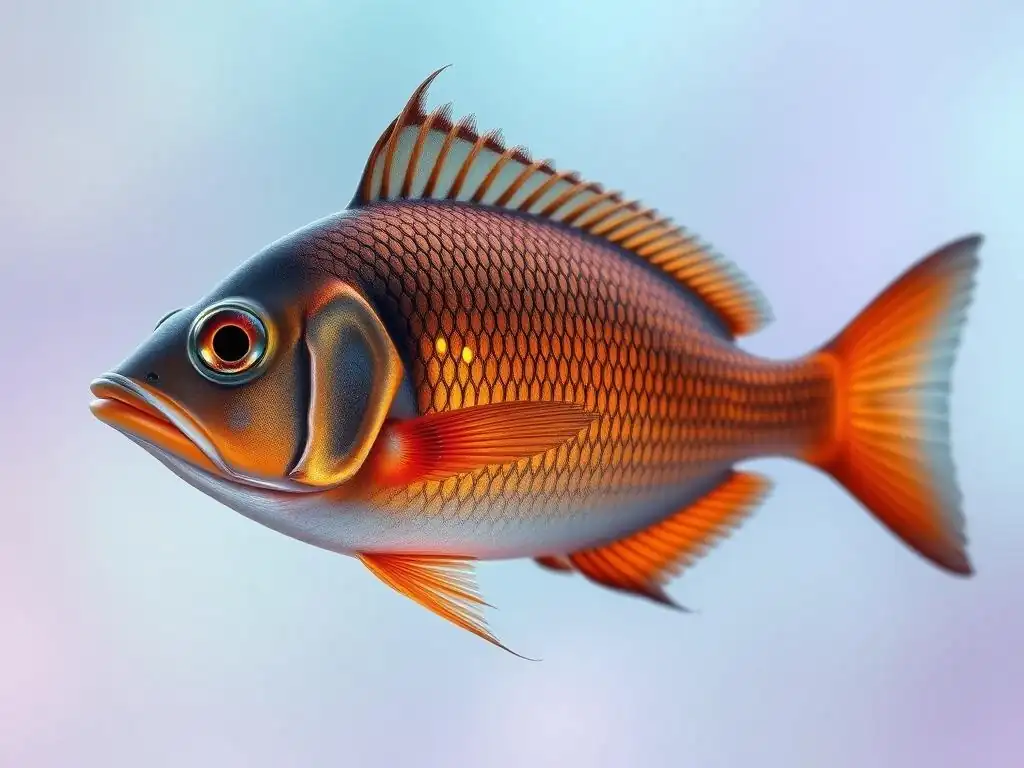
Swordtails and Variatus, like all aquarium fish, are susceptible to various diseases, and some common ailments show increased prevalence during seasonal transitions or specific times of the year. The primary culprit behind many seasonal outbreaks is stress, often induced by fluctuating water temperatures, changes in water parameters, or inconsistent feeding schedules. Ich (white spot disease) is perhaps the most notorious, frequently appearing in autumn or winter when temperatures drop or fluctuate, compromising the fish's immune system. Symptoms include small white spots on the body and fins, accompanied by scratching against tank decor.
Another common issue is fin rot, often a secondary bacterial infection that takes hold when fish are stressed or water quality deteriorates, which can happen more easily during periods of high bioload in summer or reduced filtration efficiency in winter. Symptoms include frayed, discolored, or disintegrating fins. Fungal infections, appearing as white, cotton-like growths, can also occur when fish are stressed or have open wounds.
Proactive Swordtail & Variatus care tips, such as maintaining stable water parameters, providing a balanced diet, and avoiding overcrowding, are crucial for preventing these common seasonal diseases. Recognizing the early signs of these ailments is equally important for timely intervention and successful treatment, ensuring the overall health of the fish.
Proactive Measures for Preventing Disease Outbreaks
Preventing disease outbreaks in Swordtails and Variatus is far more effective than treating them, especially during seasonal changes that can inherently stress fish. The cornerstone of prevention lies in maintaining a stable, pristine environment and minimizing stressors. Firstly, rigorous quarantine of all new fish for at least 2-4 weeks in a separate tank is paramount. This prevents the introduction of pathogens into the main display tank. During quarantine, observe for any signs of illness and treat if necessary. This simple step can prevent 80% of major disease outbreaks.
Secondly, consistent water quality is non-negotiable. Regular, appropriately sized water changes (e.g., 25% weekly) remove accumulated nitrates and replenish essential minerals. Daily checks of water temperature and weekly testing of pH, ammonia, nitrite, and nitrate levels allow for early detection and correction of issues. Thirdly, providing a high-quality, varied diet appropriate for the season boosts the fish's immune system.
Overfeeding, which leads to water pollution, should be strictly avoided. Finally, ensuring the tank is not overcrowded and provides ample hiding spots reduces stress among fish, making them more resilient to pathogens. These proactive Swordtail & Variatus care tips create a robust defense against disease, promoting a thriving aquatic community year-round.
Treating Sick Swordtails & Variatus: Seasonal Considerations
When Swordtails or Variatus fall ill, prompt and appropriate treatment is crucial, and seasonal factors can influence the approach. For instance, winter illnesses like Ich often require a slightly elevated water temperature (e.g., 82-86°F or 28-30°C) as part of the treatment protocol, as higher temperatures accelerate the parasite's life cycle, making it more vulnerable to medication or salt.
However, this temperature increase must be done gradually to avoid further stress on already weakened fish. Conversely, treating bacterial infections in summer might require careful monitoring of oxygen levels, as medications can sometimes reduce dissolved oxygen, and warm water already holds less oxygen.
Accurate diagnosis is the first step; misidentifying a disease can lead to ineffective or even harmful treatments. Consulting reliable resources like Aquarium Mastery or an experienced aquarist can be invaluable. For mild cases, increasing water changes and adding aquarium salt can often help reduce stress and support recovery.
For bacterial or fungal infections, broad-spectrum aquarium medications are available, but they should be used strictly according to instructions, often requiring the removal of activated carbon from the filter. Isolating sick fish in a hospital tank is highly recommended to prevent the spread of disease and allow for targeted treatment without affecting the main tank's biological filter or other inhabitants. After treatment, a gradual return to normal water parameters and continued observation are essential Swordtail & Variatus care tips for full recovery.
Adapting Tank Setup and Decorations for Seasonal Needs
Plant Management and Seasonal Growth Patterns
Aquatic plants play a vital role in the Swordtail & Variatus aquarium ecosystem, providing shelter, contributing to oxygenation, and absorbing nitrates. Their growth patterns can vary seasonally, influenced by light duration and intensity, as well as water temperature and nutrient availability. In spring and summer, with longer light cycles and warmer temperatures, many aquatic plants experience robust growth. Species like Anacharis or Hornwort can grow rapidly, sometimes necessitating weekly pruning to prevent them from overgrowing the tank and blocking light for other plants or fish.
During autumn and winter, as light duration is typically reduced and water temperatures might be slightly lower, plant growth generally slows down. This means less frequent pruning may be required. However, it's still crucial to ensure they remain healthy and do not decay, as decaying plant matter can release ammonia and nitrates into the water.
Monitoring for nutrient deficiencies, which might manifest as yellowing leaves or stunted growth, is important. Supplementing with liquid fertilizers specifically designed for aquatic plants can be beneficial if deficiencies are observed, but always in moderation to avoid fueling algae growth. Maintaining a healthy plant population year-round is a key Swordtail & Variatus care tip, as they provide natural filtration and a more natural, less stressful environment for the fish.
Adjusting Lighting and Filtration Systems
Seasonal changes often necessitate minor adjustments to the aquarium's lighting and filtration systems to maintain optimal conditions for Swordtails and Variatus. For lighting, adapting the photoperiod to mimic natural seasonal day lengths can be beneficial, though consistency is more important than exact replication. In summer, when days are longer and ambient light may be higher, reducing the artificial light duration to 8-10 hours can help prevent excessive algae growth and overheating.
Conversely, in winter, a consistent 10-12 hour photoperiod ensures fish maintain their natural circadian rhythms despite shorter natural daylight. Using a timer is highly recommended for automating these adjustments and ensuring consistency, a key Swordtail & Variatus care tip.
Filtration systems generally do not require drastic seasonal changes, but their efficiency can be subtly affected by temperature. In colder winter water, the beneficial bacteria that perform biological filtration may become slightly less active. It's therefore even more critical to ensure filters are clean and functioning optimally.
Regular maintenance, such as rinsing filter media in old tank water during water changes, prevents clogging and maintains efficient biological filtration. Ensuring adequate water flow and oxygenation, especially in warmer summer months when oxygen levels can naturally drop, is also vital. A well-maintained and appropriately sized filtration system is a constant requirement for healthy Swordtail & Variatus care, adapting subtly to seasonal shifts.
Creating a Stable Environment for Swordtails & Variatus Year-Round
Creating and maintaining a stable environment is the overarching principle for successful Swordtail & Variatus care throughout all seasons. Stability in water parameters, temperature, light cycles, and feeding routines minimizes stress on the fish, bolstering their immune systems and promoting long-term health and vibrancy. Sudden, drastic changes, whether in temperature (more than 2-3°F per day), pH, or even lighting schedules, can trigger stress responses that lead to illness or behavioral issues.
To ensure year-round stability, consider strategic tank placement away from direct sunlight, heating/cooling vents, and drafty windows, which can cause rapid temperature swings. Investing in reliable equipment, such as an appropriately sized, high-quality heater and an accurate thermometer, is crucial. Utilizing timers for lighting and adhering to consistent feeding schedules also contribute significantly to environmental stability.
Regular, but not excessive, tank maintenance routines, including water changes and filter cleaning, prevent the build-up of harmful substances while avoiding major disruptions. By prioritizing consistency and gradual adjustments over reactive measures, aquarists can provide Swordtails and Variatus with a continuously optimal habitat, allowing them to thrive regardless of the external season.
Troubleshooting Seasonal Issues in Swordtail & Variatus Aquariums
Identifying and Addressing Common Problems
Seasonal changes can sometimes trigger specific issues in Swordtail & Variatus aquariums, and prompt identification and addressing of these problems are crucial for maintaining fish health. For instance, in autumn and winter, a common problem is Ich outbreaks, often signaled by small white spots on fish bodies and clamped fins. This typically arises from temperature fluctuations or drops. Addressing this involves gradually raising the tank temperature (to 82-86°F or 28-30°C) and using aquarium salt or Ich medication, while ensuring continued water quality.
During summer, overheating is a prevalent concern, indicated by fish gasping at the surface or lethargy. Solutions include using aquarium fans, reducing lighting, or floating ice packs (carefully). Algae blooms are also common in warmer months due to increased light and nutrients; these can be tackled by reducing light duration, increasing water changes, and avoiding overfeeding.
Regardless of the issue, the first step is always to test water parameters (ammonia, nitrite, nitrate, pH, temperature) to rule out underlying water quality problems. Observing fish behavior, such as changes in swimming patterns, appetite, or appearance, provides vital clues for early intervention, making these proactive steps essential Swordtail & Variatus care tips for effective troubleshooting.
Seeking Expert Advice for Complex Issues
While many common seasonal issues in Swordtail & Variatus aquariums can be resolved with standard troubleshooting steps, some complex problems may arise that require more specialized knowledge. These might include persistent disease outbreaks unresponsive to typical treatments, unexplained fish deaths, or severe water parameter imbalances that are difficult to correct. In such scenarios, attempting to self-diagnose or apply multiple treatments without clear understanding can often worsen the situation, stressing the fish further or damaging the biological filter.
When faced with complex issues, seeking expert advice is a highly recommended Swordtail & Variatus care tip. This can involve consulting with a local fish veterinarian, if available, who can provide professional diagnosis and prescribe specific medications. Another valuable resource is experienced aquarists in online forums or local aquarium clubs.
When seeking advice, provide as much detail as possible: tank size, water parameters (specific numbers), current temperature, symptoms observed, duration of symptoms, recent changes to the tank, and any treatments already attempted. This comprehensive information allows experts to provide more accurate and effective guidance, leading to better outcomes for your Swordtails and Variatus.
Resources for Further Learning on Swordtail & Variatus Care
Continuous learning is an invaluable aspect of providing the best possible care for Swordtails and Variatus, especially as seasonal changes bring new considerations. The field of aquaristics is vast, and staying informed about best practices, new research, and common challenges can significantly enhance an aquarist's success and the well-being of their fish. Relying on diverse and reputable sources ensures a well-rounded understanding of Swordtail & Variatus care tips.
Aquarium Mastery itself offers a wealth of detailed articles covering various aspects of freshwater fish care, including species profiles, water chemistry, plant selection, and troubleshooting guides, all organized for easy navigation. Beyond this website, other excellent resources include well-regarded aquarium books by established authors, which often provide in-depth information on fish physiology, disease, and breeding. Reputable online forums and communities dedicated to aquarists can also be invaluable, offering opportunities to ask questions, share experiences, and learn from a collective pool of knowledge.
Lastly, local fish stores with knowledgeable staff can provide practical advice and specific product recommendations tailored to your needs. Regularly engaging with these resources ensures you are always equipped with the latest and most effective Swordtail & Variatus care tips.
Frequently Asked Questions
How does seasonal temperature change affect Swordtails and Variatus?
Temperature fluctuations directly impact their metabolic rate and breeding behavior. In colder months, metabolism slows, while warmer months encourage spawning. Maintaining a stable temperature is crucial for their health.
What adjustments should I make to their feeding schedule during winter?
During winter, reduce feeding frequency and quantity. Their lower metabolism requires less food. Avoid overfeeding to prevent water quality issues.
Should I change my water change routine with the changing seasons?
While consistent water changes are vital year-round, adjust frequency based on tank bio-load and fish activity. During peak breeding seasons, more frequent changes might be needed. Monitor water parameters closely.
How does light exposure impact Swordtails and Variatus seasonally?
Light influences their natural rhythms and plant growth (if present). Mimic natural day/night cycles with timer-controlled lights. Avoid excessive light exposure to prevent algae blooms.
What are some common seasonal health problems to watch out for?
Be vigilant for ich (white spot disease) during temperature fluctuations and fungal infections in colder months. Quarantine any new additions to prevent outbreaks.
Okay, here's a final reflection you can use for your article "Seasonal Care Adjustments for Swordtails & Variatus," designed to resonate with readers and reinforce the importance of the "Swordtail & Variatus care tips" you've provided:
Final Reflection: The Enduring Dance of Life
The insights shared throughout this article highlight the crucial connection between seasonal changes and the well-being of Swordtails and Variatus. Understanding these nuances isn't just about keeping fish alive; it's about fostering a thriving aquatic ecosystem that mirrors the natural rhythms of life, ensuring our finned companions live their healthiest and most vibrant lives.
The practice of adapting care routines to the seasons reflects a deeper understanding of our responsibility as aquarists. It's a continuous learning process, a dance between observation and action, where we strive to provide the optimal environment for these beautiful creatures. As the renowned naturalist John Muir once said: In every walk with nature one receives far more than he seeks.
This sentiment rings true in aquarium keeping; the more we observe and adapt, the richer the experience becomes, both for us and for our fish.
Now, as the seasons continue their endless cycle, I encourage you to reflect on the information shared here and apply these Swordtail & Variatus care tips to your own aquariums. Observe your fish, adjust your routines, and embrace the ongoing journey of learning and growth. By doing so, you'll not only ensure the health and happiness of your Swordtails and Variatus but also deepen your connection with the natural world and the delicate balance of life within your glass-walled ecosystems.
Ignite Your Swordtail's Vigor!
Thank you for diving into the world of seasonal fish keeping! We hope you’ve discovered some valuable insights to keep your Swordtails and Variatus thriving throughout the year. Now, let's put that knowledge into action and create the best possible environment for your aquatic companions.
Here's how you can make a splash:
- Immediately adjust your aquarium's heater settings. Fine-tune it based on the specific temperature fluctuations you've observed, ensuring a stable and comfortable environment.
- Document your Swordtails' color changes, activity levels, and feeding habits as seasons transition. Create your own personalized guide to predicting their needs!
- Share your seasonal success stories – or struggles – with other Swordtail enthusiasts on our Aquarium Mastery forum. Let's learn and grow together!
Ready to revolutionize your approach to seasonal aquarium care? What exciting changes will you implement in your Swordtail tank this week?