
Longfin Zebra Danio: Graceful Streamers and How to Care for Them

Welcome to Aquarium Mastery!
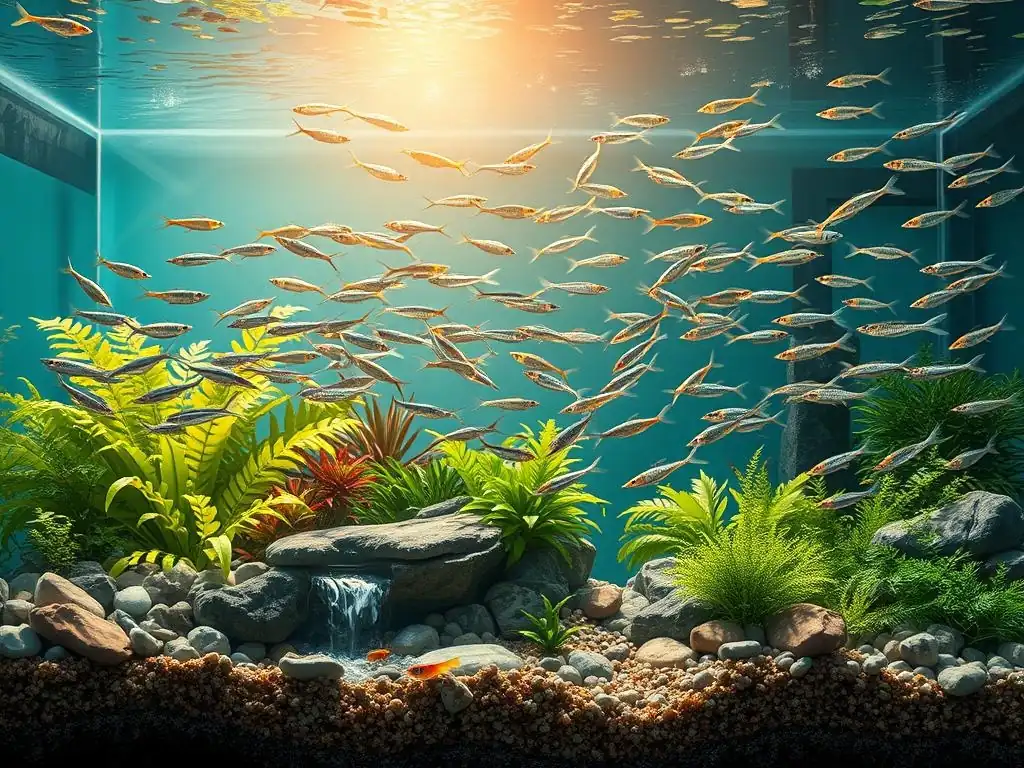
Ever been mesmerized by the shimmering elegance of a Longfin Zebra Danio? These graceful streamers can bring a touch of magic to your freshwater aquarium, but understanding their specific needs is key to their well-being. Intrigued to learn how to ensure your Longfin Zebra Danios thrive? Dive in and discover everything you need to know about Longfin Zebra Danio care, from optimal tank conditions to compatible tank mates, and unlock the secrets to keeping these vibrant fish happy and healthy. Let's get started!
- Introduction to Longfin Zebra Danios: A Beginner-Friendly Fish
- Longfin Zebra Danio Care: Essential Guidelines
- Setting Up the Perfect Longfin Zebra Danio Tank
- Longfin Zebra Danio Breeding: A Comprehensive Guide
- Longfin Zebra Danio Health and Disease Prevention
- Longfin Zebra Danio vs. Other Danio Varieties
- Troubleshooting Common Longfin Zebra Danio Issues
- Conclusion: Mastering Longfin Zebra Danio Care for a Thriving Aquarium
-
Frequently Asked Questions
- What are the key differences between regular Zebra Danios and Longfin Zebra Danios?
- What are the ideal water parameters for Longfin Zebra Danios?
- What should I feed my Longfin Zebra Danios?
- How much space do Longfin Zebra Danios need in an aquarium?
- What are some common health issues that affect Longfin Zebra Danios?
- Final Reflection: The Enduring Allure of Aquatic Grace
- Unleash the Beauty: Transform Your Tank Today!
Introduction to Longfin Zebra Danios: A Beginner-Friendly Fish
What are Longfin Zebra Danios and Why Choose Them?
Longfin Zebra Danios, scientifically known as Danio rerio var. longfin, are a highly popular and beloved freshwater fish in the aquarium hobby. Originating from the streams and ponds of South Asia, specifically India, Bangladesh, Nepal, and Bhutan, these active cyprinids are renowned for their distinctive horizontal stripes and, most notably, their elongated, flowing fins that elegantly trail behind them as they swim. Their constant motion and schooling behavior make them a captivating addition to any community tank.
Choosing Longfin Zebra Danios is an excellent decision for aquarists of all experience levels, particularly beginners. They are remarkably hardy, adapting well to a range of water conditions and proving quite forgiving of minor fluctuations, unlike some more delicate species. Their relatively small adult size, typically reaching about 2 inches (5 cm), allows them to comfortably inhabit moderate-sized aquariums, provided they are kept in a proper school. Their energetic disposition and vibrant appearance contribute significantly to the dynamism and visual appeal of an aquarium.
Understanding the Appeal of Longfin Varieties
The primary allure of the Longfin Zebra Danio lies in its enhanced aesthetic appeal compared to its wild-type counterpart. Through selective breeding, these fish have developed significantly elongated dorsal, anal, and caudal fins, which create a mesmerizing, graceful movement as they navigate the water. This genetic mutation transforms the streamlined agility of the standard Zebra Danio into an ethereal dance, making them a true focal point in an aquascape.
This unique visual characteristic greatly enhances the overall beauty of an aquarium. A school of Longfin Zebra Danios, with their shimmering stripes and flowing fins, adds a layer of elegance and constant activity. While standard Zebra Danios are appreciated for their robustness and classic patterns, the longfin variant is often preferred by aquarists seeking a more ornamental and visually striking fish, making their longfin zebra danio care a rewarding endeavor.
Longfin Zebra Danio Care: Essential Guidelines
Optimal Tank Conditions for Longfin Zebra Danios
Water Parameters: Temperature, pH, and Hardness for Thriving Danios
Maintaining stable and appropriate water parameters is fundamental to successful longfin zebra danio care. The ideal temperature range for these fish is between 64-74°F (18-23°C). While they can tolerate slightly cooler or warmer temperatures for short periods, consistency within this range is crucial for their metabolic functions, immune system health, and overall well-being. Sudden temperature swings can cause significant stress, making them susceptible to disease.
Regarding pH, Longfin Zebra Danios thrive in a range of 6.5-7.5, which is slightly acidic to neutral. Water hardness (GH) should ideally be maintained between 5-19 dGH (89-338 ppm). While they are adaptable, ensuring that these parameters remain stable rather than trying to hit a precise number is often more important. Consistent water chemistry reduces stress, promotes vibrant coloration, and contributes to their typical lifespan of 2-3 years, with some individuals living up to 5 years under optimal longfin zebra danio care.
Maintaining Pristine Water Quality: Filtration and Water Changes
Robust filtration is a cornerstone of effective longfin zebra danio care. A reliable hang-on-back (HOB) filter or a canister filter equipped for mechanical, biological, and chemical filtration is highly recommended. Biological filtration, provided by beneficial bacteria colonizing filter media, is particularly vital as it converts toxic ammonia and nitrite into less harmful nitrates, which are then removed through water changes.
Regular water changes are indispensable for maintaining pristine water quality. It is advisable to perform weekly or bi-weekly water changes of 25-30% of the tank volume. This routine helps to dilute accumulated nitrates, replenish essential minerals, and remove organic waste that can degrade water quality. During water changes, using a gravel vacuum to remove detritus from the substrate further contributes to a clean and healthy environment, which is paramount for comprehensive longfin zebra danio care.
Longfin Zebra Danio Diet and Feeding Habits
What to Feed Longfin Zebra Danios: A Balanced Diet
Longfin Zebra Danios are omnivorous, meaning their diet should consist of both plant and animal matter. A high-quality flake food or micro-pellets specifically formulated for tropical fish should serve as their staple diet. It is essential to choose foods rich in protein to support their active lifestyle, promote healthy growth, and maintain the integrity and vibrancy of their long, delicate fins.
To ensure a well-rounded diet, supplement their staple food with live or frozen options a few times a week. Excellent choices include brine shrimp, daphnia, and bloodworms, all of which provide vital proteins, vitamins, and minerals. Finely crushed spirulina flakes or blanched vegetables can also be offered periodically to provide necessary plant matter. A varied diet significantly enhances their overall health and contributes to successful longfin zebra danio care.
Feeding Schedule and Avoiding Overfeeding
Consistency in feeding is crucial for Longfin Zebra Danios. It is best to feed them small amounts 2-3 times a day. The key is to provide only what they can consume completely within 2-3 minutes. This practice prevents overfeeding, which is a common pitfall in aquarium keeping. Overfeeding leads to excess uneaten food decaying in the tank, contributing to poor water quality, elevated ammonia and nitrite levels, and potentially harmful algae blooms.
Furthermore, overfeeding can lead to health issues in the fish themselves, such as digestive problems or swim bladder disorders. Observing their feeding behavior closely allows aquarists to fine-tune the quantity of food provided. By adhering to a strict feeding schedule and avoiding the temptation to overfeed, aquarists can maintain optimal water parameters and ensure the long-term health of their fish, a critical component of effective longfin zebra danio care.
Setting Up the Perfect Longfin Zebra Danio Tank
Tank Size and Aquascaping for Longfin Zebra Danios
Choosing the Right Tank Size for a School of Longfin Danios
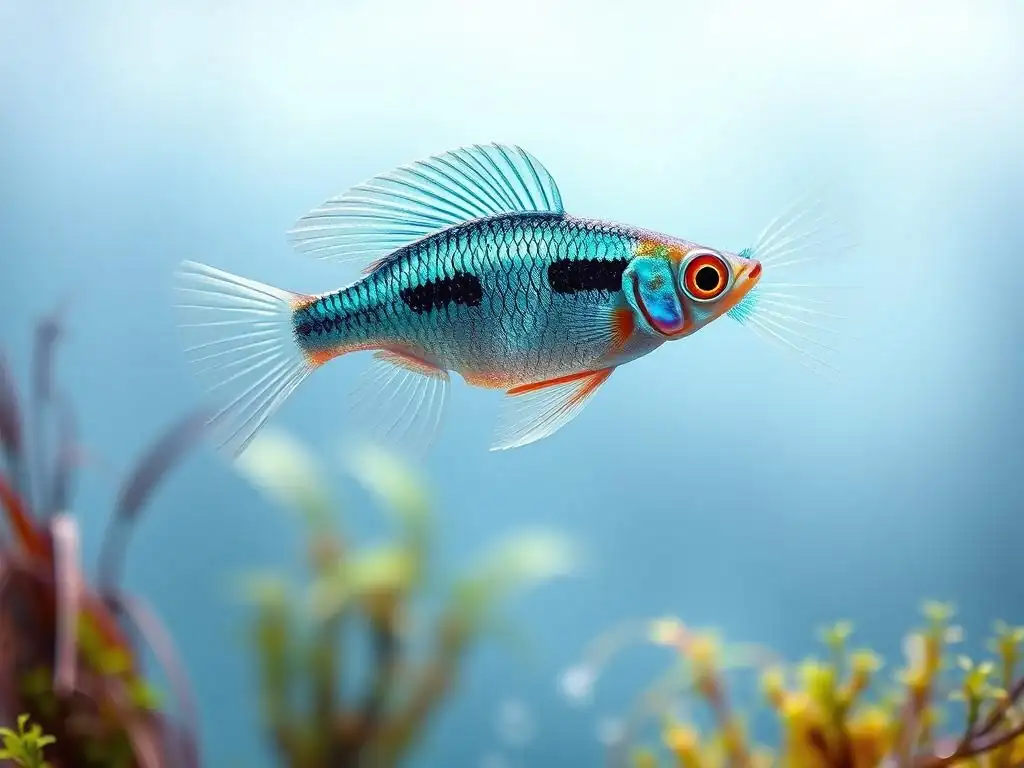
Due to their highly active and schooling nature, Longfin Zebra Danios thrive best when kept in groups of at least 6-10 individuals. For a healthy school of this size, a minimum tank size of 20 gallons (approximately 75 liters) is recommended. A 20-gallon long tank, for instance, provides ample horizontal swimming space which is greatly appreciated by these energetic swimmers. Larger tanks, such as 30 gallons or more, are even better as they offer more swimming room and contribute to greater water parameter stability.
Keeping Longfin Zebra Danios in tanks smaller than 20 gallons can lead to several problems. Restricted swimming space causes stress, which can suppress their immune systems and make them more susceptible to disease. Smaller tanks also experience more rapid fluctuations in water parameters, which are detrimental to fish health. For example, a 10-gallon tank is entirely insufficient for a healthy, thriving school of Danios, often resulting in stunted growth, increased aggression, or lethargy. Adequate space is a non-negotiable aspect of proper longfin zebra danio care.
Aquascaping Ideas to Mimic Their Natural Habitat
To ensure the comfort and well-being of Longfin Zebra Danios, it is beneficial to aquascape their tank to mimic their natural habitat: slow-moving streams and ponds with dense vegetation. Incorporating live plants such as Java Fern ( Microsorum pteropus), Anubias species, and Ludwigia provides not only aesthetic beauty but also crucial hiding spots and a sense of security for the fish. A substrate of fine gravel or sand is suitable, as they do not typically dig.
While providing plenty of plant cover, it is equally important to leave open swimming areas, particularly in the front or center of the tank. This allows the Longfin Zebra Danios to exhibit their natural schooling behavior and dart around freely, which is a joy to observe. Adding driftwood or smooth, non-abrasive rocks can provide additional visual interest and structure. Crucially, ensure that all décor items lack sharp edges that could potentially snag or damage their delicate, flowing fins, a specific consideration for longfin zebra danio care.
Selecting Tank Mates for Longfin Zebra Danios
Compatible Fish Species for a Peaceful Community Tank
Selecting appropriate tank mates is vital for a harmonious Longfin Zebra Danio aquarium. They are peaceful and generally do well with other similarly sized, non-aggressive community fish. Excellent compatible species include other small Tetras like Neon Tetras ( Paracheirodon innesi) or Cardinal Tetras ( Paracheirodon axelrodi), various Rasboras such as Harlequin Rasboras ( Trigonostigma heteromorpha), and bottom-dwellers like Corydoras catfish ( Corydoras spp.) or Otocinclus catfish ( Otocinclus vittatus). Peaceful dwarf cichlids, such as Dwarf Gouramis ( Trichogaster lalius) or German Blue Rams ( Mikrogeophagus ramirezi), can also be suitable.
The key criteria for compatibility are shared water parameter requirements, a non-aggressive temperament, and a size that ensures the Danios won't be seen as prey, nor will they bother their tank mates. A well-chosen community promotes a healthy, low-stress environment where all inhabitants can thrive. This careful selection of tank mates is a significant component of successful longfin zebra danio care.
Fish to Avoid: Incompatible Tank Mates
Certain fish species are entirely unsuitable as tank mates for Longfin Zebra Danios and should be avoided. This category primarily includes large, aggressive, or known fin-nipping species. For instance, Tiger Barbs ( Puntius tetrazona) are notorious fin-nippers that will almost certainly harass and damage the elegant, flowing fins of Longfin Zebra Danios, leading to stress, injury, and potential infection. Larger, predatory cichlids like Oscars ( Astronotus ocellatus) or Jack Dempseys ( Rocio octofasciata) will view Danios as food.
Additionally, very small, slow-moving fish or those with equally long fins might be stressed by the active nature of Danios or become targets for nipping, even if the Danios are not typically aggressive. The risks associated with incompatible tank mates include chronic stress for the Danios, which weakens their immune system, leading to disease susceptibility, and physical harm from nipping or predation. Therefore, careful consideration of tank mates is a crucial element of comprehensive longfin zebra danio care.
Longfin Zebra Danio Breeding: A Comprehensive Guide
Creating a Breeding Setup for Longfin Zebra Danios
Preparing the Breeding Tank: Plants, Substrate, and Water Conditions
To successfully breed Longfin Zebra Danios, setting up a dedicated breeding tank is highly recommended. A small aquarium, typically 5-10 gallons (19-38 liters), is sufficient. The tank should have a bare bottom or be equipped with a layer of marbles, a mesh, or spawning mops (made of synthetic yarn) to protect the eggs from being eaten by the parent fish once laid. Dense, fine-leaved plants like Java Moss ( Taxiphyllum barbieri) or artificial spawning mops are crucial as they provide the ideal substrate for the eggs to adhere to during spawning.
Water parameters in the breeding tank should be slightly adjusted to encourage spawning. Aim for the lower end of their temperature range, around 70-72°F (21-22°C), and slightly softer, slightly acidic water (pH 6.5-7.0). Ensure the water is exceptionally clean and well-aerated, perhaps with a gentle sponge filter or an air stone. These specific conditions create an optimal environment that signals to the fish that it is safe and conducive for reproduction, a key aspect of longfin zebra danio care for breeders.
The Breeding Process: Spawning and Egg Care
Before introducing them to the breeding tank, condition the breeding pair (or a group of 2 males to 1 female) for about a week with a diet rich in high-protein live or frozen foods, such as brine shrimp or bloodworms. Introduce the conditioned fish to the breeding tank in the evening. Spawning typically occurs at dawn, often triggered by the rising light and slight temperature increase. The female will scatter numerous tiny, adhesive eggs (often 100-300 or more) among the plants or spawning mops, and the male will follow closely behind, fertilizing them.
Once spawning is complete, it is imperative to remove the parent fish immediately. Zebra Danios are notorious egg eaters, and leaving them in the tank will result in most, if not all, of the eggs being consumed. The eggs are minuscule and clear, making them difficult to spot. Depending on the water temperature, the eggs will typically hatch in approximately 48-72 hours. Maintaining dim lighting can help prevent fungal growth on the eggs during this crucial incubation period, a vital step in successful longfin zebra danio care for breeding.
Raising Longfin Zebra Danio Fry: From Hatching to Maturity
Feeding the Fry: First Foods and Growth
Upon hatching, Longfin Zebra Danio fry are incredibly small and will initially feed on their yolk sac for the first 24-48 hours. Once the yolk sac is absorbed, they require extremely tiny food sources. Infusoria, microscopic organisms, are an excellent first food for these delicate fry. After a few days, as the fry grow slightly, they can be transitioned to newly hatched brine shrimp nauplii or micro-worms, which are highly nutritious. It is crucial to feed them very small amounts multiple times a day, typically 4-5 times, to support their rapid growth.
As the fry continue to mature, usually within 4-6 weeks, they will be large enough to accept finely crushed high-quality flake food. Their growth rate is relatively fast, and consistent feeding of appropriate-sized, nutritious food is paramount for their survival and healthy development into juvenile fish. This meticulous attention to feeding is a cornerstone of successful longfin zebra danio care during the fry stage.
Maintaining Water Quality for Healthy Fry Development
Longfin Zebra Danio fry are exceptionally sensitive to water quality fluctuations and ammonia/nitrite buildup. Therefore, maintaining pristine water conditions in the fry tank is non-negotiable. Small daily water changes, typically 10-20% of the tank volume, are essential. Always use aged or thoroughly dechlorinated water that matches the tank's temperature to avoid shocking the delicate fry.
Avoid strong filtration that could inadvertently suck up the tiny fry. A gentle sponge filter is ideal for a fry tank as it provides effective biological filtration without creating strong currents that could harm the delicate fry. Monitor ammonia and nitrite levels closely using a liquid test kit, as any detectable levels can be lethal. Consistent water quality management is the most critical factor for successful fry rearing and overall longfin zebra danio care in a breeding setup.
Longfin Zebra Danio Health and Disease Prevention
Common Diseases Affecting Longfin Zebra Danios
Identifying and Treating Common Fish Diseases
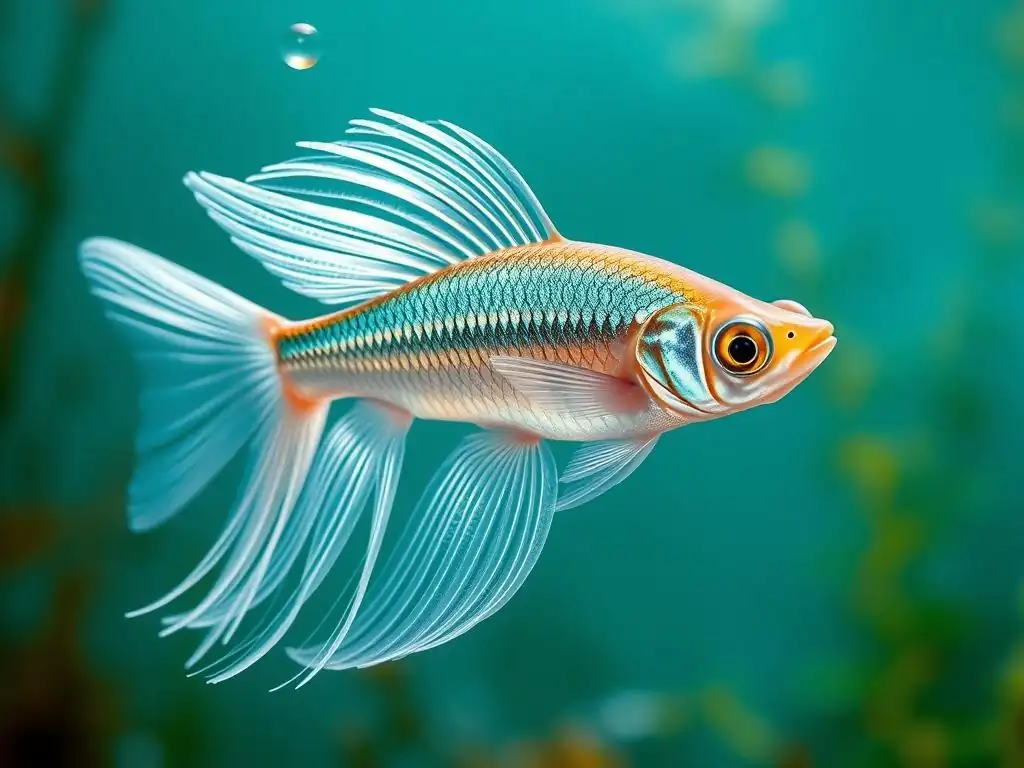
Like all aquarium fish, Longfin Zebra Danios can be susceptible to various common fish diseases, often triggered by stress, poor water quality, or improper longfin zebra danio care. Ich, caused by the parasite Ichthyophthirius multifiliis, is one of the most prevalent, manifesting as small white spots resembling salt grains on the fish's body and fins. Fin Rot, a bacterial infection, presents as frayed, ragged, or decaying fins. Velvet, caused by the dinoflagellate Oodinium, appears as a fine, gold or rust-colored dust coating the fish.
Early detection is crucial for effective treatment. Ich is often treated by gradually raising the water temperature (if compatible with other tank inhabitants) and using over-the-counter medications containing malachite green or formalin. Fin rot typically requires antibiotic treatments, while Velvet responds well to copper-based medications. Always follow product instructions carefully and address underlying causes such as poor water quality to prevent recurrence.
Preventing Illness: Proactive Care and Quarantine
Prevention is always superior to treatment when it comes to fish health. Proactive longfin zebra danio care significantly reduces the risk of illness. This involves consistently maintaining stable and optimal water parameters through regular testing and weekly 25-30% water changes, providing a balanced and varied diet, and avoiding overstocking the aquarium. A clean, stable, and low-stress environment inherently boosts the fish's immune system, making them more resilient to pathogens.
A crucial preventative measure is the quarantine process for all new fish. Any new Longfin Zebra Danio or other tank mate should be housed in a separate quarantine tank for 2-4 weeks before being introduced to the main aquarium. During this period, observe them closely for any signs of disease. If symptoms appear, treat them in the quarantine tank to prevent the introduction of pathogens to your established display aquarium. This diligent quarantine practice is a cornerstone of responsible and effective longfin zebra danio care.
Longfin Zebra Danio vs. Other Danio Varieties
Comparing Longfin Zebra Danios to Standard Zebra Danios
The most significant and visually striking difference between Longfin Zebra Danios and standard Zebra Danios lies in the length and flow of their fins. Longfin varieties have been selectively bred to possess considerably elongated and gracefully flowing dorsal, anal, and caudal fins, which create a captivating, almost ethereal movement in the water. In contrast, standard Zebra Danios retain the shorter, more natural fin length characteristic of their wild counterparts. This genetic trait is purely aesthetic and does not significantly alter their core behaviors.
In terms of fundamental longfin zebra danio care, temperament, and adult size, both varieties are virtually identical. Both are hardy, highly active, and strong schooling fish, typically reaching an adult length of about 2 inches (5 cm). However, the extended fins of the Longfin variety do introduce a slight consideration: they can be marginally more susceptible to fin nipping from aggressive tank mates or accidental injury from sharp aquarium décor. Therefore, while care requirements are largely the same, aquascaping and tank mate selection require a bit more attention for the longfin variant.
Exploring Other Danio Species for Your Aquarium
Beyond the popular Zebra and Longfin Zebra Danios, the genus Danio encompasses a variety of other fascinating species that can make excellent additions to a freshwater aquarium. Notable examples include the vibrant Glowlight Danio ( Danio choprae), known for its iridescent stripe, and the exquisitely patterned Celestial Pearl Danio ( Danio margaritatus), often referred to as the Galaxy Rasbora, which features striking spots reminiscent of a starry night. The Leopard Danio is another common variant, essentially a spotted morph of the Zebra Danio.
Each of these Danio species offers unique coloration and patterns, though they generally share the hardy and active schooling characteristics of the genus. For instance, Celestial Pearl Danios are much smaller, typically under 1 inch (2.5 cm), and prefer slightly cooler water, making them ideal for nano aquariums. While the core principles of longfin zebra danio care (schooling, diet, water quality) apply broadly, specific tank size recommendations for schooling, temperature ranges, or preferred diet components might vary slightly across different Danio species.
Troubleshooting Common Longfin Zebra Danio Issues
Addressing Fin Nipping and Aggression
Fin nipping among Longfin Zebra Danios or by other tank mates is a common issue that can arise. If the Danios themselves are nipping each other's fins, it often indicates insufficient schooling numbers. When kept in groups smaller than 6-10 individuals, they can become stressed and direct their natural schooling behavior into aggressive interactions within the group. The solution is to increase the size of their school to at least 10 individuals, which diffuses aggression and allows them to feel more secure.
If other fish species are observed nipping the elegant, long fins of your Danios, the culprit needs to be identified and addressed. This often points to incompatible tank mates, such as Tiger Barbs. The aggressive fish should be removed to a separate tank or rehomed. Additionally, ensuring the aquarium is not overstocked can reduce overall stress and aggression among all inhabitants. Providing ample hiding spots and open swimming space can also help mitigate stress and prevent fin nipping, enhancing the overall longfin zebra danio care experience.
Dealing with Water Quality Problems Affecting Longfin Danios
Water quality issues, specifically elevated levels of ammonia, nitrite, or nitrate, are among the most frequent problems affecting Longfin Zebra Danios and other aquarium fish. Symptoms of poor water quality often include lethargy, gasping at the surface, clamped fins, loss of appetite, or dull coloration. If any of these signs are observed, the first immediate step is to test the aquarium water parameters using a reliable liquid test kit.
Once a water quality issue is confirmed, an immediate and significant water change (50% or more, depending on the severity of the problem) using dechlorinated, temperature-matched water is crucial to dilute the toxins. Following this, a thorough review of the filtration system, feeding habits (to avoid overfeeding), and stocking levels is necessary. Consistent weekly water changes of 25-30% and regular gravel vacuuming are the best preventative measures to maintain optimal longfin zebra danio care and ensure a healthy aquatic environment.
Conclusion: Mastering Longfin Zebra Danio Care for a Thriving Aquarium
The Rewards of Keeping Longfin Zebra Danios
Mastering longfin zebra danio care brings immense rewards to any aquarist. These active, schooling fish, with their distinctive stripes and graceful, flowing fins, contribute dynamic beauty and constant motion to any freshwater aquarium. Their inherent hardiness and relatively low maintenance requirements, especially when compared to more sensitive species, make them an excellent choice for aquarists of all skill levels, from beginners seeking an engaging first fish to experienced hobbyists looking for a vibrant addition to a community tank.
The satisfaction derived from observing a healthy, thriving school of Longfin Zebra Danios is truly unparalleled. Their synchronized swimming and shimmering fins create a living tapestry within the aquarium, reflecting the dedication and proper longfin zebra danio care provided. With appropriate attention to water quality, diet, tank setup, and compatible tank mates, these resilient and beautiful fish can provide years of enjoyment and contribute significantly to a vibrant and engaging aquatic display.
Resources for Further Learning About Longfin Zebra Danio Care
For aquarists seeking to deepen their knowledge and refine their longfin zebra danio care practices, a wealth of resources is available. Engaging with reputable online aquarium forums and communities can provide invaluable insights, practical tips, and real-time troubleshooting advice from experienced hobbyists who share a passion for these fish. These platforms often host detailed discussions on specific challenges and successful breeding techniques.
Additionally, consulting comprehensive freshwater fish care guides and scientific literature can offer a more in-depth understanding of fish physiology, common diseases, and advanced breeding strategies. Visiting local fish stores and engaging with knowledgeable staff can also provide practical, localized advice tailored to regional water conditions and available products. Continuous learning is a hallmark of responsible aquarium keeping and ensures the best possible longfin zebra danio care.
Frequently Asked Questions
What are the key differences between regular Zebra Danios and Longfin Zebra Danios?
Longfin Zebra Danios are essentially a genetically modified version of the common Zebra Danio. The primary difference is the elongated fins, giving them a more flowing, graceful appearance.
What are the ideal water parameters for Longfin Zebra Danios?
Longfin Zebra Danios thrive in water temperatures between 72-78°F, with a pH level of 6.5-7.5. They prefer slightly acidic to neutral water conditions.
What should I feed my Longfin Zebra Danios?
They are omnivores and readily accept a variety of foods. Offer a balanced diet of high-quality flake food, supplemented with live or frozen foods like brine shrimp and daphnia.
How much space do Longfin Zebra Danios need in an aquarium?
These active fish require ample swimming space. A minimum tank size of 20 gallons is recommended for a small school of Longfin Zebra Danios to ensure optimal health and behavior.
What are some common health issues that affect Longfin Zebra Danios?
Like other fish, they can be susceptible to diseases such as Ich (white spot disease) and fin rot. Maintaining good water quality and providing a stress-free environment are crucial for prevention.
Final Reflection: The Enduring Allure of Aquatic Grace
The journey of understanding Longfin Zebra Danio care extends far beyond the confines of a glass aquarium. It reflects a broader appreciation for the delicate ecosystems that thrive beneath the surface and our responsibility to maintain their well-being, even in miniature. The popularity of these graceful streamers speaks volumes about our innate connection to the natural world and the tranquility we seek in observing its beauty.
The Longfin Zebra Danio, with its flowing fins and vibrant stripes, has captivated aquarists for generations. This enduring appeal underscores the importance of responsible fishkeeping, ensuring the health and longevity of these captivating creatures. In their world, all is orderly, all is symmetrical, all is in order.
- Jacques Cousteau. This quote reminds us that even within the seemingly simple act of caring for a fish, we are participating in a complex and interconnected web of life.
As you consider the information shared in this article, I invite you to reflect on your own role in promoting responsible pet ownership and environmental stewardship. Whether you are a seasoned aquarist or a curious beginner, remember that every action, no matter how small, can contribute to the well-being of these graceful streamers and the preservation of the aquatic world they represent. Let the elegance of the Longfin Zebra Danio inspire you to cultivate a deeper understanding and appreciation for the delicate balance of nature.
Unleash the Beauty: Transform Your Tank Today!
Thank you for diving into the world of Longfin Zebra Danios! We hope you've discovered the secrets to keeping these graceful streamers thriving. Now, it's time to bring that knowledge to life.
Here are some actionable steps you can take right now:
- Immediately assess your current tank setup. Are the water parameters optimal? Is there enough swimming space? Adjust accordingly to ensure your Danios thrive.
- Explore local aquarium clubs or online forums to share your experiences and learn from other Longfin Zebra Danio enthusiasts. Maybe you'll discover new tips or even make new friends!
- Consider photographing your Longfin Zebra Danios and sharing them on social media with the hashtag #LongfinDanioLove to inspire others to appreciate these beautiful fish!
Ready to create the perfect aquatic haven for your Longfin Zebra Danios?