
Infusoria to Microworms: Mastering First Foods for Tetra Fry Survival with Aquarium Mastery

Welcome to Aquarium Mastery!
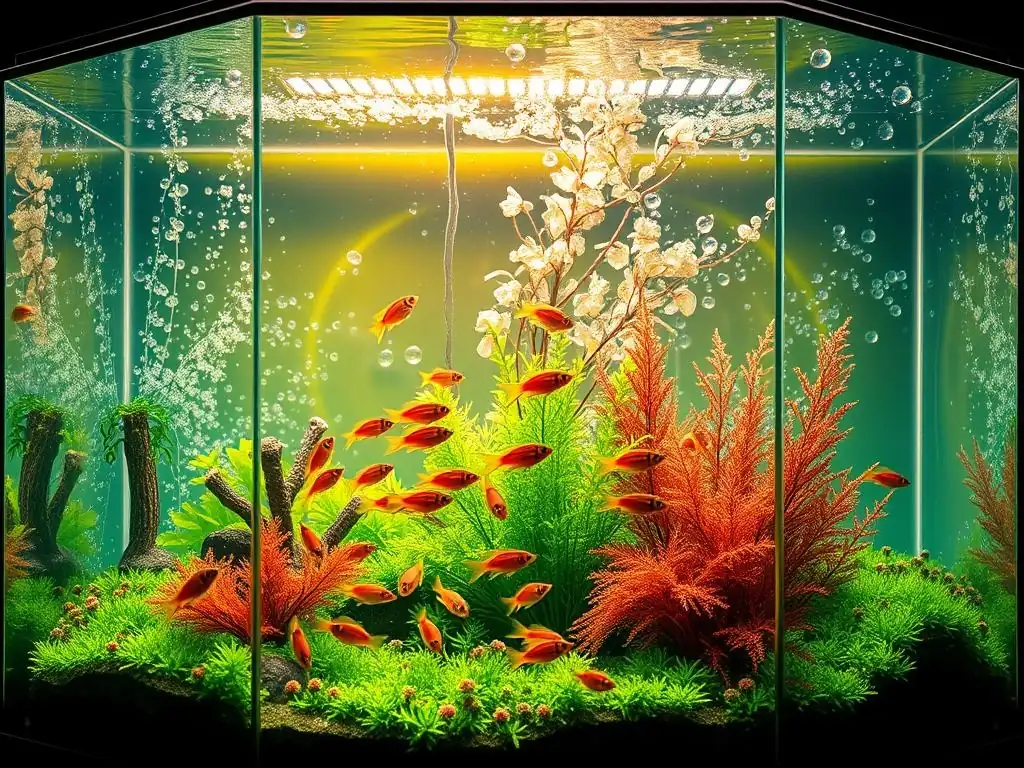
Ever wondered about the secret to raising healthy, vibrant Tetra fry? We understand the challenges! This article dives deep into the critical first foods that can dramatically improve your Tetra fry's survival rates. From infusoria to microworms, discover the techniques and tips you need to master feeding your tiny charges and unlock the full potential of your freshwater aquarium. Keep reading to uncover the secrets to Tetra fry first food success!
- Culturing Live Foods: Mastering First Foods for Neon Tetra Fry Survival with Aquarium Mastery
- Understanding the Critical First Stage: Neon Tetra Fry Nutrition
- Culturing Infusoria: A Beginner's Guide to Live Food
- Vinegar Eels: A Nutrient-Rich Alternative for Growing Fry
- Comparing Infusoria and Vinegar Eels: Which is Best for Your Neon Tetra Fry?
- Beyond Infusoria and Vinegar Eels: Other First Food Options for Neon Tetra Fry
- Optimizing Feeding Strategies for Neon Tetra Fry Growth and Health
- Preventing Common Problems When Feeding Neon Tetra Fry
- Transitioning Neon Tetra Fry to Larger Foods
- Advanced Techniques for Neon Tetra Fry Rearing: Combining First Foods with Other Methods
- Conclusion: Mastering First Foods for Thriving Neon Tetra Fry
- Frequently Asked Questions
- Final Reflection: Nurturing Life's Delicate Beginnings
- Nurture Your Tetra Fry: Unlock Their First Feast!
Culturing Live Foods: Mastering First Foods for Neon Tetra Fry Survival with Aquarium Mastery
Understanding the Critical First Stage: Neon Tetra Fry Nutrition
The Importance of Infusoria and Vinegar Eels for Neon Tetra Fry Survival
The initial days of a Neon Tetra fry's life are exceptionally delicate, with survival rates heavily dependent on the immediate availability of appropriately sized and nutritious Tetra fry first food. Unlike many larger fish species whose fry can consume newly hatched brine shrimp or microworms almost immediately, Neon Tetra fry are incredibly small, often measuring less than 3 millimeters upon hatching.
Their mouths are microscopic, necessitating food particles that are typically in the range of 5 to 50 microns. Without these minute food sources, such as infusoria or the similarly tiny vinegar eels, the fry will quickly starve, leading to significant losses within the first 48 to 72 hours post-hatch.
Infusoria, a collective term for various microscopic aquatic organisms like paramecium and rotifers, provide the essential protein and fatty acids critical for the rapid growth and organ development of newly hatched Neon Tetra fry. Similarly, vinegar eels, despite being nematodes, are also an excellent Tetra fry first food due due to their slender, wriggling bodies (typically 1-3 mm long but very thin) and non-aquatic nature, meaning they won't foul the water if uneaten. Both live food sources stimulate the fry's natural hunting instincts and provide a constant supply of nutrition without rapidly degrading water quality, which is a common issue with many commercial powdered fry foods.
Why Neon Tetra Fry Need Specialized First Foods
Neon Tetra fry emerge from their eggs with very little yolk sac reserve, making their first few meals crucial for energy and growth. Their digestive systems are underdeveloped, requiring easily digestible nutrients that are present in live microscopic organisms. Commercial powdered fry foods, while convenient, often contain larger particles that are indigestible or too big for the fry to consume, leading to starvation or severe water quality degradation if left uneaten. For instance, a common commercial fry food might have particles averaging 100-200 microns, whereas a Neon Tetra fry's mouth opening is often less than 70 microns.
Furthermore, the natural swimming and hunting behavior of live foods like infusoria and vinegar eels stimulates the fry's feeding response. This constant movement in the water column makes them more attractive and accessible than static, sinking powdered foods. The high protein content, typically ranging from 40-60% in these microorganisms, supports the rapid cellular division and tissue development necessary for the fry to double their size within the first week. This specialized Tetra fry first food approach is paramount for ensuring a high survival rate and robust development of your Neon Tetra fry.
Size Matters: Matching Food Particle Size to Tiny Fry
The success of rearing Neon Tetra fry hinges almost entirely on providing a Tetra fry first food that perfectly matches their minuscule mouthparts. Newly hatched Neon Tetra fry are incredibly small, often just 2-3 millimeters in length, and their oral gape is proportionately tiny, typically less than 70 microns in diameter. This means that even finely powdered commercial fry foods, which might seem small to the naked eye, are often too large for the fry to ingest, leading to an inability to feed and subsequent starvation.
Infusoria, which range in size from 10 to 50 microns, are ideal for these delicate early stages, providing a perfectly sized meal. Vinegar eels, while longer (1-3 mm), are exceptionally thin (around 0.05 mm in diameter), making them also suitable for the fry to consume, especially as they grow slightly.
The active, wiggling motion of these live foods also encourages the fry to feed, as their instinct is to hunt moving prey. Without this precise size match, even the most nutritious food source is useless, underscoring why mastering the culturing of these microscopic organisms is a cornerstone of successful Neon Tetra breeding.
Culturing Infusoria: A Beginner's Guide to Live Food
What are Infusoria? A Microscopic World of Nutrition
Infusoria refers to a broad group of microscopic aquatic organisms, primarily protozoa (like Paramecium, Stylonychia, and Euglena) and rotifers, that thrive in stagnant water rich in decaying organic matter. These single-celled or simple multicellular organisms are invisible to the naked eye, typically ranging from 10 to 500 microns in size, with many common species like Paramecium caudatum being around 170-330 microns, and smaller species like Paramecium aurelia being 50-100 microns. For newly hatched Neon Tetra fry, the smaller species are particularly vital as a Tetra fry first food.
These microorganisms serve as a critical food source because they are perfectly sized for the fry's tiny mouths and provide a highly digestible, nutrient-rich diet. They are packed with essential proteins, amino acids, and fatty acids that are crucial for the rapid growth and development of fry in their initial days. Culturing infusoria essentially means creating an environment where these beneficial microorganisms can multiply rapidly, providing a continuous, sustainable supply of live Neon Tetra fry food directly from your home.
Setting Up an Infusoria Culture: Step-by-Step
Culturing infusoria is a relatively simple process that can be achieved with common household items. The goal is to create a nutrient-rich, stagnant environment where these microscopic organisms can flourish. Here's a step-by-step guide:
- Prepare the Container: Use a clean, clear glass jar or plastic bottle (1-2 liter capacity works well). Avoid soap residues.
- Add Water: Fill the container with aged aquarium water or dechlorinated tap water. Avoid using chlorinated water directly, as it can inhibit microbial growth.
- Introduce Organic Matter: This is the food source for the infusoria. Common options include:
- Dried Banana Peel: A small piece (1 square inch) of dried banana peel is highly effective.
- Hay/Straw: A pinch of dried, untreated hay or straw. Boil it briefly to sterilize and release nutrients.
- Lettuce/Cabbage Leaf: A small piece of boiled lettuce or cabbage leaf.
- Rice Water: A tablespoon of water from rinsing rice, or a few grains of cooked rice.
- Yeast: A tiny pinch (less than 0.1g) of active dry yeast can kickstart a culture, but use sparingly to avoid foul odors.
- Add a Starter Culture (Optional but Recommended): If you have access, a few milliliters of water from an established aquarium filter or a pond can introduce the initial infusoria. Otherwise, they will naturally colonize from airborne spores, but this takes longer.
- Placement: Place the culture in a warm spot, ideally between 70-80°F (21-27°C), away from direct sunlight to prevent excessive algae growth.
- Patience: The culture will typically become cloudy within 2-3 days as bacteria consume the organic matter. Infusoria will then feed on these bacteria and multiply. Within 5-7 days, the water should clear slightly, and you might see a shimmering cloud of infusoria when held up to a light source. This indicates a thriving culture ready to serve as
Tetra fry first food.
Maintaining a Healthy Infusoria Culture: Tips and Tricks
Maintaining a healthy infusoria culture ensures a continuous supply of Tetra fry first food for your delicate fry. Once established, regular observation and minor adjustments are key. The most important aspect is to avoid overfeeding the culture, as this can lead to anaerobic conditions and a crash. Add only small amounts of organic matter (e.g., a tiny piece of banana peel, or a few drops of yeast solution) every 3-5 days, or when the water starts to clear significantly, indicating that the existing food source has been consumed.
Temperature stability is also crucial; fluctuations can stress the microorganisms. Aim for a consistent temperature around 75°F (24°C). While aeration is generally not required for basic infusoria cultures, gentle air movement near the surface can help oxygenate the water and prevent surface film. If a thick surface film develops, gently break it with a clean stirring stick. Having multiple cultures on rotation (e.g., three jars started a few days apart) is a highly recommended strategy. If one culture crashes, you'll still have others producing, ensuring a constant supply of this vital first food for Neon Tetra fry.
Harvesting Infusoria for Your Neon Tetra Fry
Harvesting infusoria effectively ensures that your Neon Tetra fry receive this vital Tetra fry first food without introducing too much organic debris into their tank. The most common method involves using a clean pipette or turkey baster to siphon water from just below the surface of the culture, where infusoria tend to congregate due to higher oxygen levels. Aim for the clearest water possible, avoiding the decaying organic matter at the bottom.
Alternatively, a light source can be used to concentrate the infusoria. Shine a flashlight on one side of the culture jar for 10-15 minutes. The infusoria will migrate towards the light, making it easier to collect a dense concentration. Once collected, gently squirt the infusoria-rich water directly into the fry tank near where the fry are schooling. Feed small amounts multiple times a day (e.g., 3-5 times) rather than one large feeding to maintain water quality and ensure constant availability of Neon Tetra fry food.
Identifying and Avoiding Infusoria Culture Problems
Several issues can arise when culturing infusoria, leading to a diminished supply of this essential Tetra fry first food. One common problem is an unpleasant odor, which often indicates anaerobic conditions caused by too much organic matter decomposing without sufficient oxygen. If your culture smells foul, reduce the amount of organic material, gently stir the water, or consider starting a new culture with less initial food.
Another issue is a culture crash, where the water suddenly clears completely and no shimmering cloud of infusoria is visible. This can be due to extreme temperature changes, introduction of contaminants (e.g., soap residue), or simply running out of food for the infusoria. To avoid crashes, maintain stable temperatures, use clean equipment, and replenish organic matter regularly but sparingly. If a culture fails, do not despair; simply clean the container thoroughly and restart the process. Having multiple cultures in different stages of development significantly mitigates the risk of running out of first food for Neon Tetra fry.
Vinegar Eels: A Nutrient-Rich Alternative for Growing Fry
What are Vinegar Eels? A Closer Look
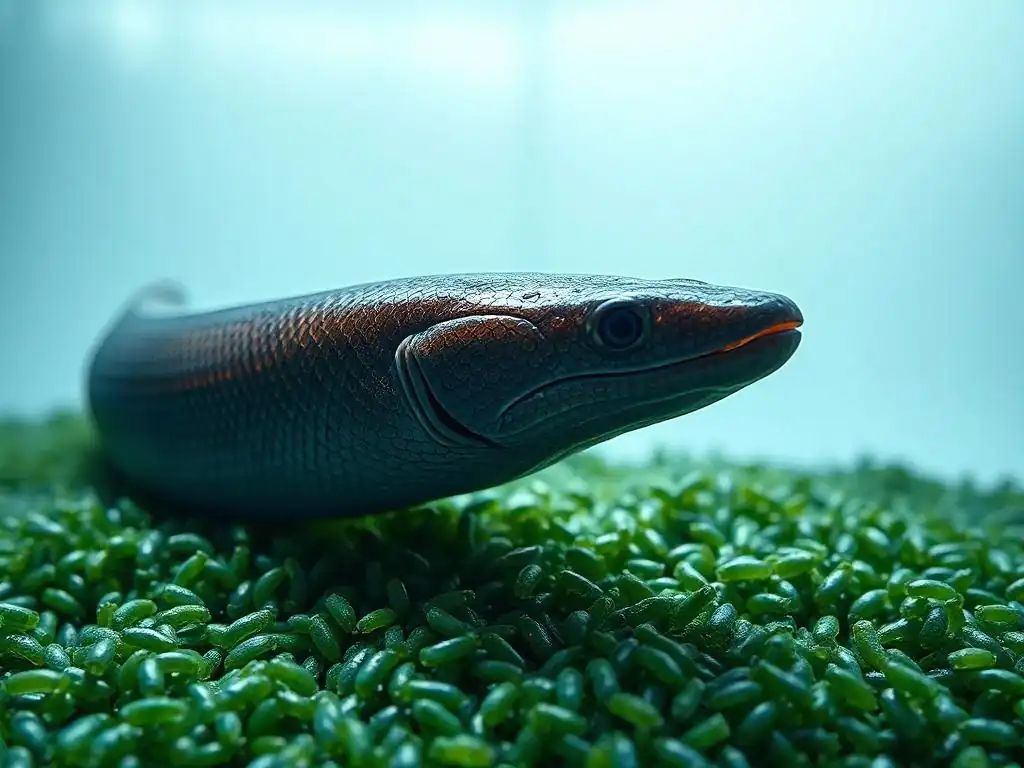
Vinegar eels (Turbatrix aceti) are not true eels but rather free-living nematodes, a type of roundworm. They are microscopic, typically measuring between 1 and 3 millimeters in length, but incredibly slender, often less than 0.1 mm in diameter. This exceptionally thin body makes them an ideal Tetra fry first food, as even the smallest fry can consume them. Unlike many other live foods, vinegar eels are unique in that they are obligate aerobes, meaning they require oxygen, and thrive in acidic environments, specifically diluted acetic acid solutions like vinegar.
They are an excellent nutritional source for growing fry, providing a good balance of protein (around 40-50%) and fats, essential for rapid development. Their continuous, wiggling movement in the water column also makes them highly attractive to fry, stimulating their natural hunting instincts. Furthermore, because they are non-aquatic organisms, they can survive in the fry tank for extended periods without dying and fouling the water, making them a very forgiving Neon Tetra fry food option compared to some other live cultures.
Creating a Vinegar Eel Culture: The Easy Method
Culturing vinegar eels is remarkably simple and requires minimal maintenance, making them an ideal Tetra fry first food for busy aquarists. Here’s a straightforward method:
- Prepare the Solution: Mix equal parts (e.g., 1 cup each) of unpasteurized apple cider vinegar (which contains the "mother" culture, beneficial for starting) and dechlorinated water in a clean, clear glass jar or bottle. Some aquarists prefer a 1:2 vinegar to water ratio for less acidity.
- Add a Food Source: Drop a small piece of apple or a few apple slices into the solution. The sugars in the apple provide a slow-release food source for the bacteria that the vinegar eels feed upon.
- Introduce Starter Culture: The most crucial step is to introduce an existing vinegar eel culture. You can purchase starter cultures online or obtain them from fellow aquarists. Pour the starter culture directly into your prepared vinegar solution.
- Cover and Store: Cover the jar loosely with a lid or a piece of cloth secured with a rubber band to allow for air exchange while preventing contaminants. Store the culture at room temperature, ideally between 68-75°F (20-24°C), away from direct sunlight.
- Patience: Within a week to two weeks, you should see a milky cloudiness or a shimmering effect near the surface of the liquid, indicating a thriving population of vinegar eels. They tend to congregate near the surface where oxygen levels are highest, making them easy to harvest as
first food for Neon Tetra fry.
Feeding Vinegar Eels to Neon Tetra Fry: Best Practices
Feeding vinegar eels to Neon Tetra fry requires a method to separate the eels from the acidic culture medium, which would be harmful to your fish. The most common and effective method is the "water bridge" or "cotton ball" technique:
- Preparation: Take a clean, narrow-necked bottle or vial. Pour some of the vinegar eel culture into it.
- Water Layer: Carefully pour dechlorinated aquarium water on top of the vinegar eel culture, creating a distinct layer. The water should be about 1-2 inches deep.
- Cotton Ball/Filter Floss: Gently place a small, loose ball of filter floss or a cotton ball at the neck of the bottle, allowing it to bridge the vinegar layer and the freshwater layer. The vinegar eels, being aerobic, will migrate upwards through the cotton into the freshwater layer in search of oxygen.
- Harvesting: After 30 minutes to an hour, or once a significant number of eels are visible in the freshwater layer, use a clean pipette or baster to draw up the eels from the freshwater.
- Feeding: Gently squirt the collected vinegar eels directly into the fry tank. Because vinegar eels are non-aquatic and can survive for prolonged periods in freshwater, you can feed them multiple times a day without significant water quality concerns from uneaten food. This makes them an excellent, long-lasting
Neon Tetra fry food.
Maintaining a Healthy Vinegar Eel Culture
Maintaining a healthy vinegar eel culture is straightforward, primarily focusing on consistency and minimal intervention. Unlike infusoria, vinegar eel cultures can last for several months, even up to a year or more, without needing a full restart if properly cared for. The key is to keep the culture covered loosely to allow for air exchange but prevent evaporation and contamination. If the liquid level drops significantly due to evaporation, simply top it off with a 50/50 mix of unpasteurized apple cider vinegar and dechlorinated water.
Periodically, perhaps every 2-3 months, you may notice the culture becoming less productive or developing a significant layer of sediment at the bottom. At this point, it's beneficial to start a new culture. Simply transfer a portion of the old culture (the part rich with eels, usually near the top) into a fresh 50/50 vinegar-water solution with a new apple slice. This proactive approach ensures a continuous supply of this reliable Tetra fry first food.
Troubleshooting Common Vinegar Eel Culture Issues
While vinegar eel cultures are robust, certain issues can arise. A common problem is a lack of eel production, which often indicates that the culture has run out of food (the apple slice has fully decomposed) or has become too old and acidic. If this occurs, try adding a fresh apple slice or, if the culture is very old, start a new one using a portion of the existing culture as a starter in fresh solution.
Another issue can be contamination, where mold or other unwanted organisms begin to grow. This is often due to improper sterilization of the container or the use of pasteurized vinegar. Always use clean, sterilized containers and unpasteurized apple cider vinegar. If contamination is severe, it's best to discard the entire culture and start fresh to avoid introducing harmful elements into your fry tank. Maintaining a consistent temperature and avoiding direct sunlight can also help prevent these issues, ensuring a steady supply of this valuable first food for Neon Tetra fry.
Comparing Infusoria and Vinegar Eels: Which is Best for Your Neon Tetra Fry?
Nutritional Value: Infusoria vs. Vinegar Eels
Both infusoria and vinegar eels are excellent Tetra fry first food options, providing essential nutrients for the early development of Neon Tetra fry. Infusoria, being a diverse group of microorganisms, offer a broad spectrum of proteins, amino acids, and fatty acids. Their nutritional profile can vary slightly depending on the specific organic matter used to culture them, but generally, they are rich in highly digestible proteins (often 40-60% dry weight), which are critical for the rapid cell division and tissue growth in newly hatched fry.
Vinegar eels, on the other hand, are nematodes that also boast a high protein content, typically around 40-50% on a dry weight basis, along with beneficial lipids. While specific comparative studies on their exact fatty acid profiles for Neon Tetra fry are limited, both are considered complete and highly beneficial Neon Tetra fry food sources. The key advantage of vinegar eels is their ability to survive for extended periods in the fry tank without fouling the water, ensuring a continuous food supply, whereas infusoria are consumed more rapidly or die off.
Ease of Culture: A Side-by-Side Comparison
When comparing the ease of culture for these two vital Tetra fry first food sources, both have their distinct advantages. Infusoria cultures are incredibly simple to start, often requiring just aged aquarium water and a piece of decaying organic matter like a banana peel or hay. They typically become productive within 5-7 days. However, infusoria cultures can be somewhat temperamental; they can crash if overfed, if temperatures fluctuate significantly, or if they run out of food, necessitating frequent monitoring and sometimes restarting.
Vinegar eel cultures, conversely, are remarkably robust and low-maintenance once established. They require a simple 50/50 mix of unpasteurized apple cider vinegar and water with an apple slice, and can last for several months, even up to a year, with minimal intervention beyond occasional topping off. The primary challenge with vinegar eels is the initial acquisition of a starter culture, as they don't spontaneously appear like infusoria. However, their longevity and resilience make them a highly convenient and reliable first food for Neon Tetra fry for long-term breeding projects.
Fry Preference: Do Neon Tetra Fry Prefer One Over the Other?
The preference of Neon Tetra fry between infusoria and vinegar eels as a Tetra fry first food is often less about taste and more about particle size and movement. In their earliest stages, particularly within the first 48-72 hours post-hatch, the microscopic size of infusoria (10-50 microns) makes them more immediately accessible and digestible for the incredibly tiny fry. Their slow, meandering movement can also be easier for newly mobile fry to target.
As the Neon Tetra fry grow slightly, typically within 3-5 days, their mouths become large enough to comfortably consume the slender vinegar eels (1-3 mm long, but very thin). The constant, wriggling motion of vinegar eels often elicits a strong feeding response, as their active movement makes them highly visible and stimulating prey. Many experienced breeders choose to start with infusoria for the absolute youngest fry and then transition to or supplement with vinegar eels as the fry grow, often by day 3-5, to provide a slightly larger and more continuously available Neon Tetra fry food source.
Availability and Cost: Which is More Accessible?
Considering availability and cost, infusoria generally have the edge as a Tetra fry first food because they can be cultured from ubiquitous household items. All you need is a jar, aged water, and a piece of fruit peel or hay. The initial investment is virtually zero, making it an incredibly accessible option for any aquarist. The "starter culture" often comes from the air or existing aquarium water, so no purchase is typically required.
Vinegar eels, while easy to maintain, usually require an initial purchase of a starter culture. These cultures are readily available online from various suppliers or can be obtained from local aquarium clubs or fellow hobbyists for a small fee or trade. Once acquired, the cost to maintain the culture is minimal (apple cider vinegar and apples). Therefore, while infusoria are "free" to start, vinegar eels offer a long-lasting, reliable first food for Neon Tetra fry for a modest initial investment.
Beyond Infusoria and Vinegar Eels: Other First Food Options for Neon Tetra Fry
Liquid Fry Food: A Convenient Option
Liquid fry foods are commercially prepared solutions designed to provide nutrition for the smallest fry, often marketed as Tetra fry first food. These products typically consist of a suspension of very fine particles, often derived from egg, spirulina, or other concentrated nutrients. Their primary advantage is convenience; they are ready to use directly from the bottle, eliminating the need for culturing live foods.
However, liquid fry foods also come with significant drawbacks. The particles, while small, can still be too large for the absolute youngest Neon Tetra fry, leading to indigestibility. More critically, any uneaten liquid food quickly fouls the water, leading to dangerous ammonia and nitrite spikes in the delicate fry tank. This necessitates extremely small, frequent feedings and diligent water changes, often multiple times a day, to prevent high mortality rates. For example, feeding just 0.5 ml too much in a 5-gallon fry tank can cause ammonia levels to rise from 0 to 0.25 ppm within hours, which is lethal to fry. Therefore, while convenient, they require careful management to be an effective Neon Tetra fry food.
Powdered Fry Food: Considerations and Selection
Powdered fry foods are another commercial alternative to live Tetra fry first food. These products are essentially finely ground flakes or pellets, often containing high protein content from ingredients like fish meal, spirulina, or brine shrimp. They are more readily available and easier to store than live cultures. When selecting a powdered fry food for Neon Tetras, it is crucial to look for products specifically labeled for "egg-laying fry" or "micro-fry" with particle sizes of 50 microns or less.
Even with the finest grind, the primary challenge remains particle size and water pollution. Many powdered foods still contain particles too large for newly hatched Neon Tetra fry. Additionally, like liquid foods, they contribute to rapid water degradation if uneaten. A common issue is that a significant portion of the powder will sink to the bottom, becoming inaccessible to the mid-water dwelling fry and decomposing. For example, if 30% of a powdered feeding settles within 10 minutes, it can quickly lead to an ammonia spike in a small, uncycled fry tank. Therefore, while a potential Neon Tetra fry food, it must be used with extreme caution, in very small amounts, and in conjunction with robust water quality management.
Egg Yolk: Proceed with Caution
Hard-boiled egg yolk is a traditional Tetra fry first food that some aquarists use due to its high protein and fat content. To prepare it, a tiny piece of hard-boiled egg yolk is mashed into a fine paste with a few drops of water, and then a minuscule amount is introduced into the fry tank. The particles can be made very small, potentially suitable for fry.
However, egg yolk is notoriously difficult to manage and is generally not recommended as a primary Neon Tetra fry food. It is incredibly rich and easily pollutes the water, causing rapid ammonia spikes and bacterial blooms. Even a pinhead-sized amount can quickly turn a 5-gallon fry tank cloudy and toxic within hours. The uneaten yolk decomposes extremely fast, leading to high mortality rates if not meticulously controlled through constant monitoring and immediate water changes. Due to these significant water quality risks, it is considered a last resort or a highly risky option compared to live cultures or even commercial fry foods.
Optimizing Feeding Strategies for Neon Tetra Fry Growth and Health
Feeding Frequency and Quantity: Avoiding Overfeeding
Optimizing feeding strategies for Neon Tetra fry is paramount for their survival and rapid growth, with a strong emphasis on avoiding overfeeding. Due to their tiny size and undeveloped digestive systems, fry require a constant supply of appropriately sized Tetra fry first food. This typically translates to feeding small amounts 4-6 times a day, or even more frequently for the first week. For example, for a clutch of 50-100 Neon Tetra fry in a 5-gallon tank, you might introduce 5-10 ml of dense infusoria culture or 1-2 pipettes of concentrated vinegar eels every 3-4 hours during daylight hours.
The key is to provide just enough food for the fry to consume within 10-15 minutes. Any food remaining after this period will begin to decompose, rapidly degrading water quality. Overfeeding is the single most common cause of fry mortality, as it leads to spikes in ammonia and nitrite, which are highly toxic to delicate fry. It's always better to underfeed slightly and feed more frequently than to overfeed once. This meticulous approach ensures the fry receive continuous nutrition without compromising their fragile environment, making the first food for Neon Tetra fry truly beneficial.
Observing Fry Behavior: Signs of Healthy Eating
Observing the behavior of your Neon Tetra fry is crucial for determining if your Tetra fry first food strategy is effective. Healthy, well-fed fry will exhibit active swimming patterns, often schooling together and continuously "picking" at the water column. Their bellies should appear slightly rounded, indicating successful ingestion of food. You might even notice a faint, yellowish tint in their tiny translucent bodies if they are consuming a lot of, for example, infusoria or vinegar eels.
Conversely, fry that are not eating sufficiently will appear listless, often sink to the bottom, or struggle to swim. Their bellies will look pinched or concave. If you notice a significant number of fry exhibiting these signs, it's a strong indicator that they are either not finding the food, the food particles are too large, or the quantity of Neon Tetra fry food is insufficient. Adjust your feeding amounts and frequency accordingly, and ensure the food is distributed throughout the tank where the fry are located.
Water Quality: Maintaining Optimal Conditions During Feeding
Maintaining pristine water quality is non-negotiable when rearing Neon Tetra fry, especially when introducing Tetra fry first food. The delicate fry are extremely sensitive to ammonia, nitrite, and nitrate. Even small amounts of uneaten food can rapidly decompose, leading to dangerous spikes in these compounds. For instance, ammonia levels above 0.1 ppm can be lethal to fry. Therefore, frequent, small water changes are essential.
Daily water changes of 10-20% are often recommended for fry tanks, carefully siphoning detritus from the bare bottom. It's crucial to use aged or dechlorinated water that matches the temperature and pH of the fry tank to avoid shocking the fry. Implementing a mature sponge filter in the fry tank also helps to biologically filter the water and provide a gentle current without disturbing the fry. This combination of diligent feeding practices and rigorous water quality management ensures that the first food for Neon Tetra fry nourishes them without creating a toxic environment.
Supplementing with Vitamins and Minerals for Enhanced Growth
While infusoria and vinegar eels provide excellent base nutrition, supplementing the Tetra fry first food with additional vitamins and minerals can significantly enhance Neon Tetra fry growth, color development, and overall health. Many commercial fry foods or specialized fish vitamins contain essential micronutrients that might be less abundant in live cultures, especially if the cultures themselves are not optimized.
A common method is to add a few drops of a liquid fish vitamin supplement directly to the fry tank water during water changes, or to enrich the live food cultures themselves. For example, some aquarists will add a very dilute vitamin solution to their infusoria culture water. It's important to use products specifically designed for aquarium use and follow dosage instructions carefully to avoid over-supplementation. This extra boost ensures the fry receive a comprehensive nutritional profile, leading to more robust and vibrant adult Neon Tetras, maximizing the benefits of their Neon Tetra fry food diet.
Preventing Common Problems When Feeding Neon Tetra Fry
Avoiding Water Pollution from Uneaten Food
Water pollution from uneaten Tetra fry first food is the leading cause of mortality in Neon Tetra fry tanks. Their tiny size and underdeveloped immune systems make them incredibly vulnerable to ammonia and nitrite spikes. When live foods like infusoria or vinegar eels die, or when commercial liquid/powdered foods are not consumed, they quickly decompose, releasing toxic compounds into the water. For instance, a single unconsumed feeding of powdered food in a 2-gallon tank can raise ammonia from undetectable levels to 0.5 ppm within 4-6 hours, which is lethal.
To mitigate this, feed extremely small amounts multiple times a day (e.g., 5-7 times), providing only what the fry can consume within 10-15 minutes. Observe the fry closely after feeding to ensure all food is consumed. Additionally, employ daily small water changes (10-20%) using a fine air line tubing to gently siphon any visible detritus or uneaten food from the bare bottom of the fry tank. A mature sponge filter provides biological filtration, but manual removal of waste is critical to maintain pristine water quality for your first food for Neon Tetra fry to be effective.
Dealing with Algae Blooms in Infusoria Cultures
Algae blooms are a common occurrence in infusoria cultures, often appearing as a green tint or slimy film. While some microalgae can actually serve as a food source for certain infusoria, excessive blooms can compete for nutrients, block light, and potentially lead to a crash of the desired infusoria population. This would disrupt the supply of vital Tetra fry first food. Algae blooms are typically caused by too much light exposure combined with excess nutrients.
To prevent and manage algae blooms, position your infusoria culture in an area with indirect or subdued light, avoiding direct sunlight. If a bloom occurs, you can try moving the culture to a darker spot for a day or two. Alternatively, you can gently skim off excessive surface algae or use a clean pipette to remove clumps. If the bloom is severe and the culture appears to be struggling, it's often best to start a fresh culture, perhaps with less initial organic matter and in a less brightly lit location, to ensure a consistent supply of Neon Tetra fry food.
Preventing Contamination in Vinegar Eel Cultures
Contamination in vinegar eel cultures, often appearing as mold or other unwanted microbial growth, can compromise the culture and pose a risk to your Tetra fry first food supply. This typically occurs due to unsterilized equipment, using pasteurized vinegar, or insufficient acidity. For instance, if the initial vinegar-to-water ratio is too low (e.g., less than 1:1 or 1:2), the solution may not be acidic enough to deter harmful bacteria and fungi.
To prevent contamination, always use thoroughly cleaned and preferably sterilized glass jars or plastic containers. Opt for unpasteurized apple cider vinegar, as it contains the beneficial "mother" culture which helps establish a healthy microbial balance. Ensure the culture is loosely covered to allow for air exchange but prevent airborne contaminants from entering. If mold develops, especially on the apple slice, it's usually best to discard the entire culture and start fresh to avoid introducing any pathogens into your fry tank when feeding first food for Neon Tetra fry.
Transitioning Neon Tetra Fry to Larger Foods
When to Introduce Larger Food Particles
The transition from microscopic Tetra fry first food to larger food particles is a critical developmental stage for Neon Tetra fry, typically occurring when they reach a size of approximately 5-7 millimeters in length, usually around 2-3 weeks post-hatch. At this point, their mouths will have grown sufficiently to comfortably consume larger live foods like newly hatched brine shrimp (Artemia nauplii), microworms, or finely crushed high-quality flake foods.
Observing the fry's behavior is key: if they are actively chasing and attempting to eat the existing tiny foods with ease, and their bellies appear full, it's a good sign they are ready for the next step. Introducing larger foods too early can lead to starvation, as the fry won't be able to ingest them, while delaying too long can hinder their growth rate. A gradual introduction allows them to adapt to the new food source.
Gradual Transition: A Step-by-Step Approach
A gradual transition is vital to ensure Neon Tetra fry successfully adapt to larger Neon Tetra fry food and maintain their growth trajectory. This process should ideally span several days to a week:
- Introduce New Food Alongside Old: For the first few days of the transition, continue to offer their primary
Tetra fry first food(infusoria or vinegar eels) but also introduce small amounts of the new, larger food (e.g., newly hatched brine shrimp or microworms) during separate feedings or simultaneously. This allows the fry to discover and experiment with the new food while still having their familiar, reliable source. - Increase New Food, Decrease Old: Over the next few days, gradually increase the quantity and frequency of the new, larger food while slowly reducing the amount of the original
first food for Neon Tetra fry. For example, if you were feeding infusoria five times a day, you might reduce it to three times and introduce brine shrimp twice a day. - Monitor Consumption and Growth: Closely observe the fry's feeding behavior. Ensure they are actively consuming the new food and that their bellies appear full. Healthy growth (noticeable increase in size) indicates a successful transition.
- Full Transition: Once the fry are consistently and readily consuming the larger food, you can fully transition them off the microscopic
Tetra fry first food. This typically happens around 3-4 weeks post-hatch, depending on the growth rate and initial feeding success.
Suitable Second Foods for Growing Neon Tetra Fry
Once Neon Tetra fry have successfully transitioned from their initial microscopic Tetra fry first food, a range of larger, highly nutritious options become suitable for their continued growth. The most popular and effective choices include:
- Newly Hatched Brine Shrimp (Artemia nauplii): These are considered a gold standard for growing fry. They are highly nutritious, readily available, easy to hatch, and their jerky swimming motion stimulates a strong feeding response. They are typically around 400-500 microns in size, making them perfect for fry that are 5mm or larger.
- Microworms: These small nematodes (typically 0.5-3 mm long) are another excellent live food option. They are easy to culture, reproduce rapidly, and provide continuous nutrition. Their wiggling motion also attracts fry.
- Finely Crushed High-Quality Flake Food: As the fry grow larger (e.g., 1 cm), they can begin to accept very finely powdered adult flake food, especially those rich in protein and spirulina. Grind it to a dust-like consistency using a mortar and pestle or a coffee grinder.
- Decapsulated Brine Shrimp Eggs: These are brine shrimp eggs that have had their indigestible outer shell removed, making them digestible and eliminating the need for hatching. They are a convenient option but do not offer the same feeding stimulation as live nauplii.
The goal is to continue providing a varied and highly nutritious diet to support their rapid development into vibrant adult Neon Tetras.
Advanced Techniques for Neon Tetra Fry Rearing: Combining First Foods with Other Methods
Integrating Live Foods with Water Changes
Integrating the use of Tetra fry first food with meticulous water change routines is a cornerstone of advanced Neon Tetra fry rearing. While live foods like infusoria and vinegar eels reduce water pollution compared to commercial alternatives, regular water changes are still critical to maintain pristine conditions. Instead of viewing them as separate tasks, consider them as complementary. For instance, immediately after performing a 10-20% water change in the fry tank, which removes accumulated waste and replenishes trace elements, is an ideal time to introduce a fresh batch of Neon Tetra fry food.
This timing ensures that the fry are feeding in the cleanest possible environment, maximizing nutrient absorption and minimizing stress from poor water quality. Use a fine airline tubing to gently siphon detritus from the bare bottom before refilling with aged, temperature-matched water. This systematic approach, combining frequent, small feedings with immediate waste removal and fresh water, significantly boosts survival rates beyond what either method could achieve alone.
Using Sponge Filters to Maximize Fry Survival
Sponge filters are an indispensable tool in advanced Neon Tetra fry rearing, complementing the use of Tetra fry first food by maintaining water quality and providing a safe environment. Unlike power filters or hang-on-back filters, sponge filters produce a gentle current that won't harm delicate fry, preventing them from being sucked in or stressed by strong flow. The sponge material itself provides a large surface area for beneficial bacteria to colonize, establishing biological filtration that breaks down harmful ammonia and nitrite, byproducts of uneaten Tetra fry first food and fry waste.
Furthermore, the sponge surface often becomes a grazing ground for micro-organisms and detritus, offering an additional, albeit minor, food source for the fry. To maximize their effectiveness, it's highly recommended to "seed" the sponge filter by placing it in an established adult tank for a few weeks prior to use in the fry tank. This ensures a robust population of beneficial bacteria is present from day one, providing immediate biological filtration and contributing to higher survival rates for your Neon Tetra fry.
Utilizing a Bare-Bottom Tank for Easier Cleaning
For advanced Neon Tetra fry rearing, a bare-bottom tank is a highly recommended setup that significantly simplifies cleaning and maintenance, thereby enhancing the effectiveness of Tetra fry first food delivery and water quality. Unlike tanks with substrate, a bare bottom allows for easy visual identification and removal of uneaten food particles and fry waste. This is crucial because even tiny amounts of decaying organic matter can rapidly foul the water and lead to lethal ammonia spikes in a small fry tank.
With a bare bottom, you can use a fine airline tubing or a small pipette to precisely siphon off any detritus or unconsumed Neon Tetra fry food multiple times a day without disturbing the fry. This proactive removal of pollutants is far more efficient and less stressful than trying to clean a tank with gravel. The ease of maintaining pristine water conditions directly translates to higher survival rates and healthier growth for the delicate Neon Tetra fry, making it an essential technique for serious breeders.
Conclusion: Mastering First Foods for Thriving Neon Tetra Fry
Key Takeaways for Successful Neon Tetra Fry Rearing
Mastering the provision of Tetra fry first food is the single most critical factor for successful Neon Tetra fry rearing. The tiny size of newly hatched fry necessitates microscopic food sources like infusoria or vinegar eels, which provide essential, digestible nutrients in the right particle size. Without these specialized live foods, survival rates plummet within the first 48-72 hours. Culturing these organisms at home is a straightforward, cost-effective process that ensures a continuous, high-quality food supply.
Beyond the food itself, diligent feeding practices—small amounts fed frequently (4-6 times daily)—and meticulous water quality management (daily small water changes, bare-bottom tanks, sponge filtration) are equally vital. These combined efforts prevent water pollution, which is the leading cause of fry mortality. As the fry grow, a gradual transition to larger Neon Tetra fry food like newly hatched brine shrimp or microworms will support their continued development. By focusing on these core principles, aquarists can significantly increase the survival and thriving of their Neon Tetra fry.
Resources for Further Learning on Neon Tetra Fry Nutrition
For aquarists dedicated to mastering the art of Neon Tetra fry rearing and their specific nutritional needs, a wealth of information exists beyond the scope of this article. Online forums and dedicated breeding communities, such as those found on popular aquarium hobby websites or specialized fish breeding forums, often contain detailed threads and personal experiences regarding Tetra fry first food culturing techniques and feeding schedules. These platforms provide invaluable real-world insights and troubleshooting tips from experienced breeders.
Additionally, reputable books on freshwater fish breeding and specific species profiles for characins often dedicate chapters to fry care, detailing various Neon Tetra fry food options and advanced rearing strategies. While this article provides a comprehensive overview, continuous learning and adaptation based on your specific tank conditions and fry behavior will always yield the best results. Exploring these resources will further enhance your understanding and success in raising healthy, vibrant Neon Tetra fry.
Frequently Asked Questions
What is the best first food for Tetra fry?
The best first food for Tetra fry often depends on the fry's size, but common options include infusoria, microworms, or commercially available liquid fry food. These provide the necessary nutrients for early growth.
Where can I find or culture infusoria for my Tetra fry?
Infusoria can be cultured at home using various methods, such as using vegetable matter in water. AquariumMastery.com offers guides on culturing infusoria effectively.
How do microworms compare to other first foods for Tetra fry?
Microworms are a great option due to their small size and ease of culture. They offer a nutritious protein source and are often easier to manage than infusoria cultures for consistent feeding.
How often should I feed Tetra fry with their first food?
Tetra fry require frequent feedings, typically 2-3 times per day, with small portions. Monitor water quality closely as uneaten food can quickly degrade the tank environment.
What are some common mistakes to avoid when feeding Tetra fry their first food?
Overfeeding is a common mistake, leading to poor water quality. Also, ensure the food is the right size for the fry to ingest. AquariumMastery.com provides troubleshooting tips for common feeding issues.
Final Reflection: Nurturing Life's Delicate Beginnings
The journey from microscopic infusoria to cultivating thriving microworm colonies highlights a profound truth: even the smallest acts of care can have monumental impact on the survival of new life. In the context of aquarium keeping, mastering the art of providing appropriate first foods for Tetra fry isn't just about fishkeeping; it's about understanding the delicate balance of ecosystems and the responsibility we bear in nurturing them.
This exploration into the world of Tetra fry first foods has undoubtedly deepened our appreciation for the intricate web of life within our aquariums. The dedication required to successfully raise these tiny creatures mirrors the dedication needed to foster growth and potential in any field. The creation of something new is not accomplished by the intellect but by the play instinct arising from inner necessity. The creative mind plays with the objects it loves.
- Carl Jung. This quote resonates deeply, reminding us that the passion and care we invest in our hobbies, like aquarium keeping, can unlock unexpected creativity and fulfillment.
Now, as you close this article, consider the lessons learned. How can you apply the patience, observation, and dedication required to nurture Tetra fry to other areas of your life? Embrace the challenge of fostering growth, whether in your aquarium, your garden, or your own personal development. Remember, even the smallest acts of care can cultivate extraordinary results.
Nurture Your Tetra Fry: Unlock Their First Feast!
Thank you for exploring the crucial world of first foods for tetra fry. You've now gained valuable insights into ensuring their healthy start. Ready to put that knowledge into action and see your tiny tetras thrive?
- Cultivate Your Own Infusoria Culture: Dive in and start your own live food culture today! This ensures a constant, nutritious supply perfectly sized for your fry.
- Explore microworms as a complementary food source. They are easily cultured and provide a different nutritional profile to support robust growth.
- Share your successes (and challenges!) in culturing live foods in the comments below. Let's learn from each other and build a community of thriving tetra keepers!
What unique setup will you use to ensure a stable infusoria culture for your demanding tetra fry?