
Leopard Danio Demystified: Variant, Species, and Essential Care Facts

Welcome to Aquarium Mastery!
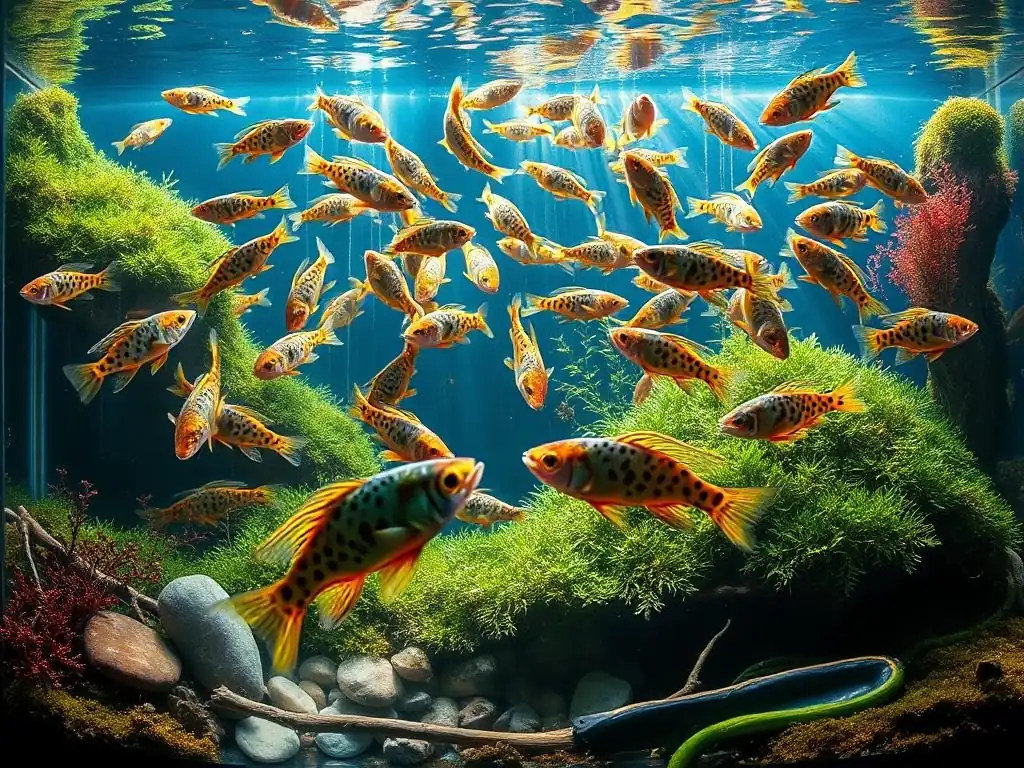
Ever wondered if you're providing the perfect environment for your dazzling Leopard Danios? Dive in and discover the secrets to unlocking their full potential! This article demystifies Leopard Danio care requirements, uncovering everything you need to know about their unique needs and ensuring your finned friends thrive. Prepare to be amazed by these captivating fish and embark on a journey to aquarium mastery! Ready to learn more?
- Leopard Danio Demystified: Species and Essential Care Facts
- Understanding the Leopard Danio: An Introduction
- Leopard Danio Care Requirements: Essential Guidelines
- Leopard Danio Breeding: A Comprehensive Guide
- Leopard Danio Health: Common Diseases and Prevention
- Leopard Danio Varieties and Mutations: Exploring Different Forms
- Leopard Danio: Frequently Asked Questions and Common Issues
- Conclusion: Mastering Leopard Danio Care for a Vibrant Aquarium
- Frequently Asked Questions
- Final Reflection: Unveiling the Beauty of Leopard Danios
- Ignite Your Danio Dreams!
Leopard Danio Demystified: Species and Essential Care Facts
Understanding the Leopard Danio: An Introduction
What is a Leopard Danio? Defining Danio frankei
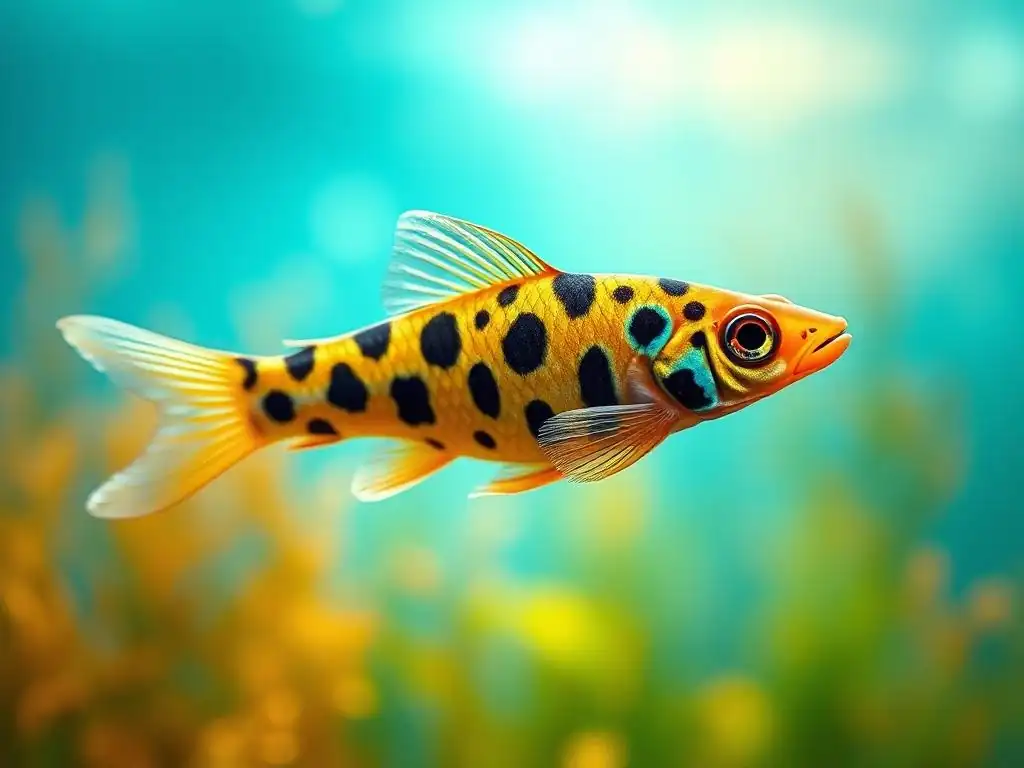
The Leopard Danio, scientifically known as Danio frankei, is a captivating and popular freshwater fish belonging to the family Cyprinidae. While often considered a variant of the Zebra Danio ( Danio rerio) due to their similar body shape and active nature, the Leopard Danio is distinguished by its unique spotted pattern, which resembles leopard spots rather than stripes. This species is highly valued for its hardiness, energetic swimming, and vibrant appearance, making it a favorite among both novice and experienced aquarists.
Originating from the streams and rivers of South Asia, particularly in regions like India and Bangladesh, Danio frankei thrives in environments with moderate currents and lush vegetation. Its natural habitat often features clear, well-oxygenated waters, which is a key consideration for their successful keeping in home aquariums. These small, torpedo-shaped fish typically reach an adult size of about 2 to 2.5 inches (5 to 6.5 cm), making them ideal for a variety of tank sizes as part of a lively community.
Leopard Danio vs. Pearl Danio: Identifying the Differences
While both Leopard Danios and Pearl Danios are small, active cyprinids popular in the aquarium hobby, they possess distinct visual characteristics that differentiate them. The Leopard Danio, as its name suggests, is recognized by its irregular, dark spots scattered across a silvery-gold or yellowish body. These spots give it a unique, almost abstract pattern, setting it apart from other danio species. Its fins are typically clear or slightly tinted.
In contrast, the Pearl Danio ( Danio albolineatus) exhibits a more iridescent, pearlescent sheen over its body, often with a faint, horizontal stripe that can appear blue or purple under certain lighting conditions. Instead of spots, the Pearl Danio's coloration is more uniform and shimmery, giving it a delicate, almost ethereal appearance. While both species share a similar active swimming style and preference for schooling, their primary distinguishing feature lies in these fundamental differences in body patterning and coloration.
The Appeal of Leopard Danios in Freshwater Aquariums
Leopard Danios are highly appealing to freshwater aquarists for a multitude of reasons, making them a staple in many community tank setups. Their dynamic schooling behavior is particularly captivating; watching a group of 6-10 Leopard Danios darting synchronously around the tank adds an incredible sense of movement and vitality to any aquarium. This constant activity, combined with their striking spotted patterns, ensures they are always a focal point.
Beyond their aesthetic appeal, Leopard Danios are renowned for their robust nature and adaptability. They are considered one of the hardier species for beginners, tolerating a range of water conditions more readily than some delicate fish. Their peaceful temperament also makes them excellent candidates for community tanks, coexisting well with a wide variety of non-aggressive species. These qualities, coupled with relatively straightforward Leopard Danio care requirements, contribute significantly to their enduring popularity in the aquarium hobby.
Leopard Danio Care Requirements: Essential Guidelines
Leopard Danio Tank Size: Creating the Ideal Habitat
When considering Leopard Danio care requirements, providing an appropriate tank size is paramount for their well-being and active lifestyle. Due to their energetic schooling behavior and need for ample swimming space, a minimum tank size of 10 gallons (approximately 38 liters) is recommended for a small group of 5-6 Leopard Danios. However, for a larger, more robust school of 8-10 individuals, a 20-gallon (around 76 liters) long tank is significantly better.
The "long" dimension of the tank is particularly beneficial as it provides more horizontal swimming room, which these active fish utilize extensively. While they are small, their constant motion means they can quickly outgrow cramped conditions, leading to stress and reduced lifespan. Adequate space not only accommodates their schooling instincts but also helps in maintaining stable water parameters, a critical aspect of overall Leopard Danio care requirements.
Water Parameters for Leopard Danios: Temperature, pH, and Hardness
Maintaining precise water parameters is a cornerstone of effective Leopard Danio care requirements, directly impacting their health and longevity. These adaptable fish thrive in a temperature range of 64°F to 74°F (18°C to 23°C), making them suitable for unheated tanks in temperate climates, though a heater is often recommended for stability. Sudden temperature fluctuations can cause stress and susceptibility to disease.
Regarding pH levels, Leopard Danios prefer slightly acidic to neutral water, ideally between 6.5 and 7.5. While they can tolerate a slightly wider range, consistency is key; drastic swings should be avoided. Water hardness (GH) should be kept in the soft to medium range, approximately 5-19 dGH (80-320 ppm). Regular testing of these parameters is crucial, as stable and appropriate water chemistry is fundamental to meeting the Leopard Danio care requirements and preventing health issues.
Leopard Danio Diet: Feeding Habits and Nutritional Needs
A balanced and varied diet is a vital component of Leopard Danio care requirements, ensuring their vibrant coloration, active behavior, and overall health. These omnivorous fish are not particularly picky eaters, readily accepting a wide range of foods. In their natural habitat, they would consume small insects, larvae, crustaceans, and some plant matter. Replicating this diversity in the aquarium is essential for optimal nutrition.
Providing a mix of high-quality dry foods, along with live or frozen options, will meet their comprehensive nutritional needs. A diet rich in protein and some vegetable matter supports their energetic metabolism and immune system. Neglecting dietary diversity can lead to dull coloration, lethargy, and increased susceptibility to diseases, highlighting the importance of a thoughtful feeding strategy as part of Leopard Danio care requirements.
Best Foods for Leopard Danios: A Balanced Approach
For the best Leopard Danio care requirements concerning diet, a combination of flake foods, pellets, and supplemental options is recommended. High-quality flake foods formulated for tropical fish should form the base of their diet, providing essential vitamins and minerals. Look for flakes that list fish meal or spirulina as primary ingredients. Small, sinking pellets can also be offered periodically to ensure all fish, including shyer ones, get enough to eat.
To supplement their diet and provide crucial proteins and natural foraging stimulation, offer live or frozen foods several times a week. Excellent choices include brine shrimp, daphnia, bloodworms, and mosquito larvae. These foods are highly palatable and provide concentrated nutrients that enhance coloration and breeding readiness. Occasionally, finely crushed blanched vegetables like spinach or spirulina flakes can be added to provide necessary plant matter, rounding out their nutritional intake.
Feeding Frequency and Portion Control for Healthy Leopard Danios
Proper feeding frequency and portion control are critical aspects of Leopard Danio care requirements, preventing both underfeeding and overfeeding, which can lead to health problems and poor water quality. It is generally recommended to feed Leopard Danios small amounts two to three times a day. Each feeding should consist of only what they can consume within two to three minutes. This prevents uneaten food from decaying and polluting the tank water.
Overfeeding is a common mistake that can lead to digestive issues in fish, such as bloating, and significantly contribute to elevated ammonia and nitrite levels in the aquarium. These water quality issues are detrimental to fish health and can cause stress and disease. By adhering to small, frequent feedings and observing how quickly the food is consumed, aquarists can ensure their Leopard Danios receive adequate nutrition without compromising water parameters, thus upholding vital Leopard Danio care requirements.
Leopard Danio Tank Mates: Choosing Compatible Species
Selecting appropriate tank mates is a crucial consideration for Leopard Danio care requirements, as their peaceful nature and schooling behavior make them susceptible to fin nipping or stress from overly aggressive or large fish. They thrive in a community setting with other active yet docile species that share similar water parameter preferences. Compatibility ensures a harmonious environment and reduces stress for all inhabitants.
When planning a community tank, focus on fish that are roughly the same size or slightly larger but are known for their calm temperament. Avoid any species that are known fin-nippers or predatory towards smaller fish. A well-chosen group of tank mates will complement the Leopard Danios' energetic movements and enhance the overall visual appeal of the aquarium, contributing positively to their overall well-being and fulfilling a key aspect of Leopard Danio care requirements.
Ideal Tank Mates for Leopard Danios: Community Tank Harmony
Ideal tank mates for Leopard Danios include a variety of peaceful, similarly sized fish that appreciate similar water conditions. Other small, schooling cyprinids like Neon Tetras, Cardinal Tetras, Harlequin Rasboras, and other Danio species (e.g., Zebra Danios, Celestial Pearl Danios) are excellent choices, as they often school together or share the same mid-to-upper water column. This creates a vibrant and active display.
Bottom dwellers such as Corydoras catfish (e.g., Panda Cory, Bronze Cory) and Otocinclus catfish are also highly compatible, as they occupy different parts of the tank and are entirely non-aggressive. Small, peaceful gouramis (e.g., Honey Gourami) or Dwarf Gouramis can also coexist well, provided the tank is sufficiently large to accommodate their individual territories. These combinations foster a balanced ecosystem, ensuring the Leopard Danio care requirements for social interaction and safety are met.
Fish to Avoid: Incompatible Tank Mates for Leopard Danios
To maintain optimal Leopard Danio care requirements and prevent stress or injury, certain fish species should be strictly avoided as tank mates. Any large, predatory fish, such as Cichlids (e.g., Oscar, Jack Dempsey) or large Gouramis (e.g., Kissing Gourami), will view Leopard Danios as a food source. Their small size makes them vulnerable to being eaten by bigger, more aggressive species.
Additionally, fish known for fin-nipping, such as certain Barbs (e.g., Tiger Barbs, unless kept in very large schools where they might focus on each other) or some larger Tetras, can cause significant stress and physical damage to the active, free-swimming Leopard Danios. Even semi-aggressive fish can intimidate Danios, leading to hiding behavior and reduced activity. Prioritizing peaceful cohabitation is essential for meeting Leopard Danio care requirements.
Leopard Danio Tank Setup: Creating a Thriving Environment
A meticulously planned tank setup is fundamental to meeting Leopard Danio care requirements, replicating aspects of their natural habitat to promote health and comfort. The environment should provide a balance of open swimming areas, hiding spots, and appropriate substrate. This not only enhances their well-being but also allows their natural behaviors, such as schooling and foraging, to flourish.
Consideration for lighting, filtration, and water flow are equally important. Leopard Danios are active fish that appreciate a well-oxygenated environment with some current. A thoughtful setup reduces stress, prevents disease, and encourages their vibrant coloration and energetic disposition. Every element, from the substrate to the filtration system, plays a role in creating an optimal habitat for these captivating fish.
Substrate and Decorations for Leopard Danios: Replicating Their Natural Habitat
For Leopard Danio care requirements concerning tank setup, the choice of substrate and decorations can significantly impact their comfort and behavior. A fine-grained substrate, such as sand or small gravel, is ideal. While Danios are mid-to-upper water column dwellers and do not typically burrow, a smooth substrate is easier to clean and prevents injuries to bottom-dwelling tank mates. Darker substrates can also help to bring out their vibrant colors.
Decorations should include a mix of natural elements that provide both cover and open spaces. Smooth river rocks, driftwood, and resin ornaments that mimic natural structures offer excellent hiding spots and visual breaks. Arrange these elements to create clear swimming lanes in the mid-to-upper tank, as Leopard Danios are highly active. Avoid sharp or abrasive decorations that could potentially injure their delicate fins, ensuring their physical safety as part of their Leopard Danio care requirements.
Plants for Leopard Danios: Enhancing the Aquarium Ecosystem
Incorporating live plants is highly beneficial for meeting Leopard Danio care requirements, as they significantly enhance the aquarium ecosystem. Plants provide natural filtration by absorbing nitrates, help oxygenate the water, and offer essential hiding spots and resting places for the fish. Leopard Danios, being active schooling fish, appreciate a planted environment that mimics their natural, vegetated habitats.
Good plant choices include hardy species like Java Fern, Anubias, and various types of Cryptocoryne, which can thrive in a range of lighting conditions. Floating plants such as Water Lettuce or Frogbit can also be used to diffuse light and provide additional cover, which can make the Danios feel more secure. Ensure that plants are arranged to leave ample open swimming space in the mid-to-upper tank, balancing cover with their need for activity.
Filtration and Water Changes for Leopard Danio Health
Effective filtration and regular water changes are non-negotiable Leopard Danio care requirements, crucial for maintaining pristine water quality. A good filtration system, such as a hang-on-back (HOB) filter or a canister filter, is essential to remove physical debris, chemical pollutants (like ammonia and nitrite), and support beneficial bacterial colonies that process nitrogenous waste. Ensure the filter provides adequate biological and mechanical filtration for the tank size.
In addition to robust filtration, weekly water changes are vital. A 25-30% water change every week is a standard recommendation to dilute nitrates, replenish essential minerals, and maintain stable water parameters. Always use a dechlorinator when adding new water to remove harmful chlorine and chloramines. Consistent water quality management through filtration and routine water changes is perhaps the most critical aspect of preventing disease and ensuring the long-term health of your Leopard Danios.
Leopard Danio Breeding: A Comprehensive Guide
Setting Up a Breeding Tank for Leopard Danios
Leopard Danio Spawning Process: What to Expect
Leopard Danio Health: Common Diseases and Prevention
Identifying Common Leopard Danio Diseases: Symptoms and Treatments
Ich (White Spot Disease) in Leopard Danios: Causes and Remedies
Fin Rot in Leopard Danios: Causes, Symptoms, and Treatment
Preventing Diseases in Leopard Danios: Maintaining Optimal Water Quality
Leopard Danio Varieties and Mutations: Exploring Different Forms
Longfin Leopard Danio: An Elegant Variation
Leopard Danio: Frequently Asked Questions and Common Issues
Why is my Leopard Danio losing color? Troubleshooting Color Loss
Are Leopard Danios schooling fish? Importance of Schooling
Conclusion: Mastering Leopard Danio Care for a Vibrant Aquarium
Frequently Asked Questions
What are the ideal water parameters for Leopard Danios?
Leopard Danios thrive in slightly acidic to neutral water with a pH of 6.5 to 7.5. The ideal temperature range is between 68°F and 78°F (20°C to 26°C). Maintaining good water quality through regular water changes is crucial.
What is the best tank size for a group of Leopard Danios?
A minimum of a 20-gallon tank is recommended for a small school of Leopard Danios (at least 6 fish). They are active swimmers and need adequate space to school and explore.
What should I feed my Leopard Danios?
Leopard Danios are omnivores and will accept a variety of foods. A high-quality flake food should form the base of their diet, supplemented with live or frozen foods like brine shrimp and daphnia.
Are Leopard Danios compatible with other fish species?
Leopard Danios are generally peaceful and can be kept with other community fish that share similar water parameters. Avoid keeping them with aggressive or fin-nipping species.
What are some common health problems that affect Leopard Danios?
Leopard Danios are generally hardy, but can be susceptible to common freshwater fish diseases like ich (white spot disease) and fin rot. Maintaining clean water and a stable environment is the best way to prevent illness.
Final Reflection: Unveiling the Beauty of Leopard Danios
The journey into understanding the Leopard Danio's care requirements reveals more than just the specifics of aquarium maintenance; it highlights the responsibility we undertake when bringing any living creature into our homes. The ease with which these vibrant fish can thrive, when provided with the correct environment, underscores the importance of informed and conscientious pet ownership.
The allure of the Leopard Danio, with its captivating patterns and active nature, has undeniably contributed to its popularity in the aquarium hobby. This popularity, however, necessitates a deeper understanding of their needs, ensuring their well-being and preventing common pitfalls. The greatness of a nation and its moral progress can be judged by the way its animals are treated.
- Mahatma Gandhi. This quote resonates deeply when considering the ethical implications of keeping any animal, including the Leopard Danio, and emphasizes the need for responsible care.
Now, as you embark on your own journey with these fascinating fish, remember that knowledge is the key to their flourishing. Take the insights shared here and apply them diligently, creating a thriving ecosystem where your Leopard Danios can display their full beauty and vitality. Let us all strive to be responsible stewards of the aquatic world, ensuring a bright future for these captivating creatures.
Ignite Your Danio Dreams!
Thank you for diving into the captivating world of Leopard Danios! Now that you're equipped with the knowledge to appreciate their vibrant beauty and unique care needs, it's time to put that enthusiasm into action.
- Set up the perfect Danio habitat: Make sure your aquarium offers the ideal conditions to keep your Danios healthy and active.
- Spread the Danio love: Share this article with fellow aquarium enthusiasts to help them unlock the secrets of Leopard Danios!
- Consider a unique twist: Research compatible tankmates with unexpected color contrasts for your Leopard Danios, adding a personal touch to your aquascape.
What fascinating color morph or unusual behavior have you observed in your Leopard Danios? Share your insights in the comments below!