
Tiger Barb Schooling Secrets: Why Group Size Matters for Peace and Play


Welcome to Aquarium Mastery!
Ever wondered if your tiger barbs are truly happy? Dive into our latest article, "Tiger Barb Schooling Secrets: Why Group Size Matters for Peace and Play," and unlock the key to a thriving and harmonious aquarium. Discover the crucial role of tiger barb schooling group size in their social behavior and overall well-being. Ready to create the perfect dynamic in your freshwater tank? Let's explore!
- Understanding Tiger Barb Social Behavior: The Importance of Schooling
- Optimal Tiger Barb Schooling Group Size: Finding the Sweet Spot
- Benefits of a Proper Tiger Barb Schooling Group Size
- Potential Problems with Insufficient Tiger Barb Schooling Group Size
- Creating the Ideal Environment for a Tiger Barb School
- Choosing the Right Tank Mates for Tiger Barbs: Compatibility and Temperament
- Monitoring Your Tiger Barb School: Observing Behavior and Addressing Issues
- Breeding Tiger Barbs: Considerations for Schooling Dynamics
-
Frequently Asked Questions
- What is the ideal schooling group size for Tiger Barbs in an aquarium?
- Why is having a small group of Tiger Barbs problematic?
- How does a larger school of Tiger Barbs affect their behavior?
- Besides group size, what other factors contribute to Tiger Barb aggression?
- What are the benefits of keeping Tiger Barbs in a well-established school?
- Final Reflection: The Harmony of the School
- Unleash the Vibrant Potential of Your Tiger Barbs!
Why Tiger Barbs Need a School: Natural Instincts and Aquarium Wellbeing
Tiger barbs (Puntigrus tetrazona) are naturally gregarious fish, meaning they thrive in groups. In their native habitats, such as the clear streams and tributaries of Sumatra and Borneo, they form large schools as a primary survival mechanism. This schooling behavior provides safety in numbers, making it more difficult for predators to single out individuals, and also aids in efficient foraging and reproduction. When these instincts are not met in an aquarium environment, individual barbs can become stressed, displaying unnatural behaviors.
Replicating this natural schooling dynamic within an aquarium is paramount for the well-being of Tiger Barbs. A proper Tiger barb schooling group size provides a sense of security, allowing them to exhibit their full range of natural behaviors, from synchronized swimming to playful chasing. Without the comfort of a school, a lone Tiger Barb or one kept in a small group will often appear withdrawn, skittish, and prone to illness, significantly reducing its quality of life and lifespan.
The Link Between Tiger Barb School Size and Reduced Aggression
Tiger Barbs are well-known for their energetic and sometimes nippy personalities. However, this aggression is largely mitigated when they are kept in a sufficiently large school. The "safety in numbers" principle applies not only to predator avoidance but also to internal social dynamics. When there are numerous individuals in the group, their inherent boisterousness and tendency to establish a pecking order are diffused amongst many fish, rather than being concentrated on a few weaker individuals or, worse, on other tank mates.
A larger Tiger barb schooling group size allows the fish to direct their playful aggression and territorial squabbles primarily towards each other within the school. This internal redirection significantly reduces the likelihood of them fin-nipping or harassing other species in the community tank. For instance, in a group of 10 or more, the constant chasing and mock-fighting are typically confined to the barb school itself, leading to a much more peaceful co-existence with other fish.
Optimal Tiger Barb Schooling Group Size: Finding the Sweet Spot
Minimum Number of Tiger Barbs for a Healthy School: Preventing Fin-Nipping
To establish a functional and healthy school, a minimum of six Tiger Barbs is generally recommended. Below this threshold, their notorious fin-nipping behavior, which is often directed at each other in a larger group, is more likely to be aimed at tank mates, particularly those with long, flowing fins like Angelfish or Bettas. A group of five or fewer often results in one or two dominant individuals relentlessly harassing the others, leading to chronic stress, fin damage, and even death for the weaker fish.
For example, keeping just three Tiger Barbs in a tank often creates a highly unstable social dynamic where one fish becomes the constant aggressor, relentlessly chasing and stressing the other two. This not only causes physical harm but also prevents the stressed individuals from feeding properly and displaying their natural coloration. Ensuring a Tiger barb schooling group size of at least six provides enough individuals to spread out the aggression and establish a more stable, albeit dynamic, pecking order.
While six is the minimum, an ideal Tiger barb schooling group size typically starts at eight to ten individuals, and even larger groups of 12-15 or more are highly beneficial if tank size permits. In these larger schools, Tiger Barbs exhibit their most natural and captivating behaviors. Their vibrant orange and black stripes intensify, and they engage in synchronized swimming patterns, darting and weaving as a cohesive unit.
The increased number of individuals in a larger school further diffuses potential aggression, leading to a much calmer overall disposition for the entire group. This robust social structure reduces individual stress levels significantly, as each fish feels more secure within the large collective. Observing a large, active school of Tiger Barbs is a truly rewarding experience, showcasing their full potential for lively interaction and stunning visual appeal.
Tiger Barb Schooling Group Size and Tank Size: Finding the Right Balance
The optimal Tiger barb schooling group size is intrinsically linked to the available aquarium space. While a larger school is always preferable for their well-being, it must be proportionate to the tank volume to prevent overcrowding and maintain stable water parameters. For a minimum school of six to eight Tiger Barbs, a 20-gallon long aquarium is often considered the bare minimum, providing adequate horizontal swimming space.
However, for an ideal school of eight to ten individuals, a 30-gallon or 40-gallon breeder tank is much more suitable, offering ample room for their energetic swimming and social interactions. If you plan to keep a substantial Tiger barb schooling group size of 12-15 fish or more, a 55-gallon aquarium or larger is highly recommended. Overcrowding, even with a proper school, can lead to increased stress, poor water quality, and heightened aggression due to limited personal space.
Benefits of a Proper Tiger Barb Schooling Group Size

Reduced Stress and Increased Activity Levels in Larger Tiger Barb Schools
When Tiger Barbs are kept in a well-sized school, their stress levels are significantly reduced. This sense of security, derived from being part of a larger group, allows them to feel more confident and less vulnerable. Consequently, they spend less time hiding or exhibiting skittish behavior and instead become more active and outgoing, confidently exploring their environment. This reduced stress directly translates to a stronger immune system, making them less susceptible to common aquarium diseases such as Ich (white spot disease), which frequently afflicts stressed fish.
A thriving Tiger barb schooling group size encourages vigorous and continuous swimming, which is essential for their overall health and vitality. Instead of lethargically hovering or darting erratically due to fear, a large school will often engage in synchronized, energetic movements across the tank. This increased activity not only makes them more enjoyable to observe but also contributes to better muscle development and a more robust physiological state, potentially extending their lifespan from an average of 3-5 years to 5-7 years or more.
Improved Coloration and Natural Behavior in Well-Sized Tiger Barb Schools
One of the most striking benefits of maintaining an appropriate Tiger barb schooling group size is the enhancement of their natural coloration. Stressed or solitary Tiger Barbs often display faded, dull stripes, reflecting their unhealthy state. In contrast, healthy, secure fish within a large school will exhibit intensely vibrant orange and black stripes, showcasing their true beauty. This vivid coloration is a clear indicator of their comfort and well-being within the aquarium environment.
Beyond color, a proper school allows Tiger Barbs to engage in their full repertoire of natural behaviors. This includes complex social interactions, playful chasing within the group, and synchronized swimming formations that are truly captivating to watch. They will establish a dynamic social hierarchy amongst themselves, which, in a large group, rarely results in severe harm to individuals. This natural interaction within the school fulfills their instinctual needs, leading to a more content and authentic display of their species-specific traits.
A Harmonious Aquarium Environment: The Impact of Tiger Barb Schooling on Tank Mates
Perhaps the most significant benefit of a proper Tiger barb schooling group size for the broader aquarium community is the dramatic reduction in their tendency to harass other fish. When Tiger Barbs are in a sufficiently large school, their boisterous energy and natural inclination to nip fins are almost entirely directed inward, towards their fellow barbs. This internal focus means they are far less likely to bother or injure other species sharing the tank.
For instance, in a group of 10 or more Tiger Barbs, delicate, long-finned fish like Angelfish or Gouramis are significantly safer than they would be with a smaller, more outwardly aggressive group of barbs. Similarly, smaller, peaceful schooling fish like various Tetras (e.g., Neon Tetras, Rummy Nose Tetras) will experience less stress and aggression from a well-established barb school. This harmonious integration makes Tiger Barbs viable inhabitants for a diverse community aquarium, provided their schooling needs are met.
Potential Problems with Insufficient Tiger Barb Schooling Group Size
Increased Aggression and Fin-Nipping: The Consequences of Small Groups
One of the most immediate and detrimental consequences of an insufficient Tiger barb schooling group size is a marked increase in aggression, particularly fin-nipping. When there are too few individuals, the natural pecking order cannot be properly diffused. This often leads to one or two dominant barbs relentlessly harassing the weaker members of their own small group, causing constant stress, physical injury, and even death. This internal aggression can be so severe that weaker fish may die from stress-induced illness or starvation because they are too afraid to eat.
Furthermore, without enough of their own kind to redirect their boisterous energy, these frustrated Tiger Barbs will turn their attention to other, often more vulnerable, tank mates. Fish with long, flowing fins such as Angelfish, Bettas, Guppies, and Gouramis are prime targets for their nipping behavior, leading to shredded fins, chronic stress, and susceptibility to bacterial infections. A group of only 2-4 Tiger Barbs can quickly turn a peaceful community tank into a stressful environment for all its inhabitants.
Stressed and Skittish Behavior: Identifying Signs of an Unhappy Tiger Barb
Tiger Barbs kept in small groups or, worse, as solitary individuals, often display clear signs of chronic stress. Their vibrant colors may fade significantly, appearing dull and washed out. They might clamp their fins close to their bodies, a classic sign of discomfort. Instead of actively swimming and exploring, stressed barbs will often hide constantly, perhaps behind décor or plants, or remain motionless in a corner of the tank, only darting out quickly to grab food before retreating.
This skittish behavior is a direct result of feeling vulnerable and insecure without the protection of a large school. Chronically stressed fish are also far more susceptible to disease. Their immune systems are compromised, making them easy targets for common pathogens like Ich, Columnaris, and fin rot. An unhappy Tiger Barb will not only exhibit poor health but will also have a significantly reduced lifespan, often living only 1-2 years compared to the 5-7 years possible in a healthy school.
The Domino Effect: How Stress Affects the Entire Aquarium Ecosystem
The problems stemming from an insufficient Tiger barb schooling group size do not remain isolated to the barbs themselves; they can create a detrimental "domino effect" throughout the entire aquarium ecosystem. Stressed and diseased Tiger Barbs are more likely to introduce pathogens into the water, potentially infecting other, previously healthy fish species. A stressed fish also produces more stress hormones, which can further impact the water quality and the well-being of other inhabitants.
Moreover, the constant aggression and fin-nipping from a small group of barbs can stress other fish in the tank, making them equally susceptible to illness. For example, if Angelfish are constantly harassed, their immune systems weaken, and they become more prone to developing fin rot or fungal infections. This creates a vicious cycle where the initial stress from the Tiger Barbs leads to widespread health issues, destabilizes the tank's biological balance, and can ultimately lead to a complete breakdown of the aquarium's harmony.
Creating the Ideal Environment for a Tiger Barb School
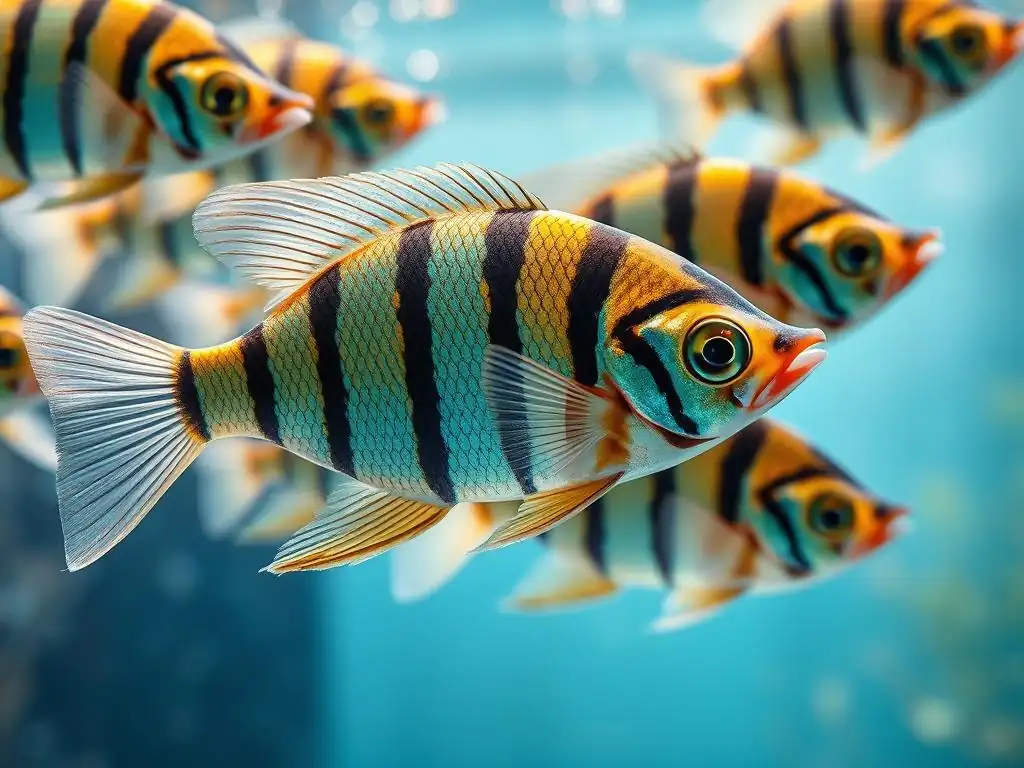
Tank Size Considerations for Tiger Barb Schools: Space Requirements for Active Swimmers
Providing adequate space is paramount for a thriving Tiger barb schooling group size. While a 20-gallon long tank might suffice for the absolute minimum of six barbs, a 30-gallon or 40-gallon breeder tank is far more appropriate for an ideal school of 8-10 individuals, offering more horizontal swimming room. For larger schools of 12-15 or more, a 55-gallon aquarium or even larger is highly recommended. Tiger Barbs are highly active swimmers, and they require ample open space to dart and weave, which is integral to their schooling behavior.
Insufficient tank size, even with a proper Tiger barb schooling group size, can lead to overcrowding, which negates many of the benefits of schooling. Overcrowding contributes to increased aggression due to limited personal territory, elevated stress levels, and rapid deterioration of water quality. Ensuring enough gallons per fish allows for proper waste dilution, stable water parameters, and provides the necessary physical space for their energetic antics without causing undue stress.
Aquascaping for Tiger Barbs: Providing Shelter and Open Swimming Areas
Effective aquascaping for a Tiger barb schooling group size involves a balanced approach, combining ample open swimming areas with sufficient hiding spots. Tiger Barbs, despite their bold nature, appreciate dense planting or decor that offers retreats when they feel threatened or simply want a moment of solitude. Tall, robust plants like Amazon Swords, Java Ferns, or Anubias can create natural visual barriers and provide cover.
However, it's equally crucial to ensure there are large, unobstructed areas in the mid-water column for the school to perform its characteristic synchronized swimming. A common strategy is to plant heavily along the back and sides of the tank, leaving the front and center open. This setup allows the Tiger Barbs to feel secure knowing shelter is nearby, while simultaneously providing them with the vast open space they need to display their full schooling potential.
Water Parameters and Filtration: Maintaining a Healthy Habitat for Tiger Barbs
Maintaining pristine water parameters and robust filtration is critical for the health of any Tiger barb schooling group size. These fish thrive in slightly acidic to neutral water with a pH range of 6.0-7.5, and a moderate hardness (kH 4-10). The ideal temperature range for Tiger Barbs is between 72-78°F (22-26°C). Consistent water quality prevents stress and disease, allowing them to display their best colors and behaviors.
Due to their active metabolism and the bioload generated by a sizable school, a powerful and efficient filtration system is essential. Canister filters or robust hang-on-back filters with excellent mechanical, biological, and chemical filtration capabilities are highly recommended. Regular partial water changes, typically 25% weekly, are also crucial to remove nitrates and replenish essential minerals, ensuring the water remains healthy and stable for your energetic Tiger Barb school.
Choosing the Right Tank Mates for Tiger Barbs: Compatibility and Temperament
Peaceful Community Fish: Selecting Companions for a Tiger Barb School
Selecting appropriate tank mates for a Tiger barb schooling group size is crucial for a harmonious community aquarium. When kept in a sufficiently large school, Tiger Barbs are far less likely to harass other species, but compatibility is still key. Ideal tank mates are fast-moving, robust fish that can either hold their own or are too large to be bothered by the barbs' playful nips. Good choices include various species of Corydoras catfish, which occupy the bottom layer and are too armored to be targets.
Other suitable companions are medium to large Tetras, such as Congo Tetras, Black Skirt Tetras, or Red Serpae Tetras, which are active and can withstand the barbs' energy. Similarly, various species of Rainbowfish, known for their active swimming and vibrant colors, make excellent tank mates. Plecostomus and other non-aggressive, larger bottom dwellers are also generally safe. The key is to choose species that are not slow-moving, do not have long, delicate fins, and are not easily intimidated.
Avoiding Aggressive Tank Mates: Preventing Stress and Injury to Tiger Barbs
While a proper Tiger barb schooling group size significantly reduces their aggression towards other fish, it's equally important to avoid tank mates that might stress or injure the barbs themselves. Highly aggressive or territorial cichlids, for example, could easily bully and injure Tiger Barbs, regardless of their school size. Even certain "peaceful" community fish, if too slow or delicate, can become targets for nipping, leading to stress and injury for those specific species.
Conversely, fish that are extremely slow-moving or possess long, flowing fins are generally poor choices, as they remain irresistible targets for even a well-behaved Tiger Barb school. This includes species like Bettas, smaller Angelfish, and some Gouramis. The goal is to create a balanced environment where all fish feel secure and can thrive. Introducing fish that are either overly aggressive or too vulnerable will inevitably lead to stress, injury, and a breakdown of the peaceful community dynamic.
Monitoring Your Tiger Barb School: Observing Behavior and Addressing Issues
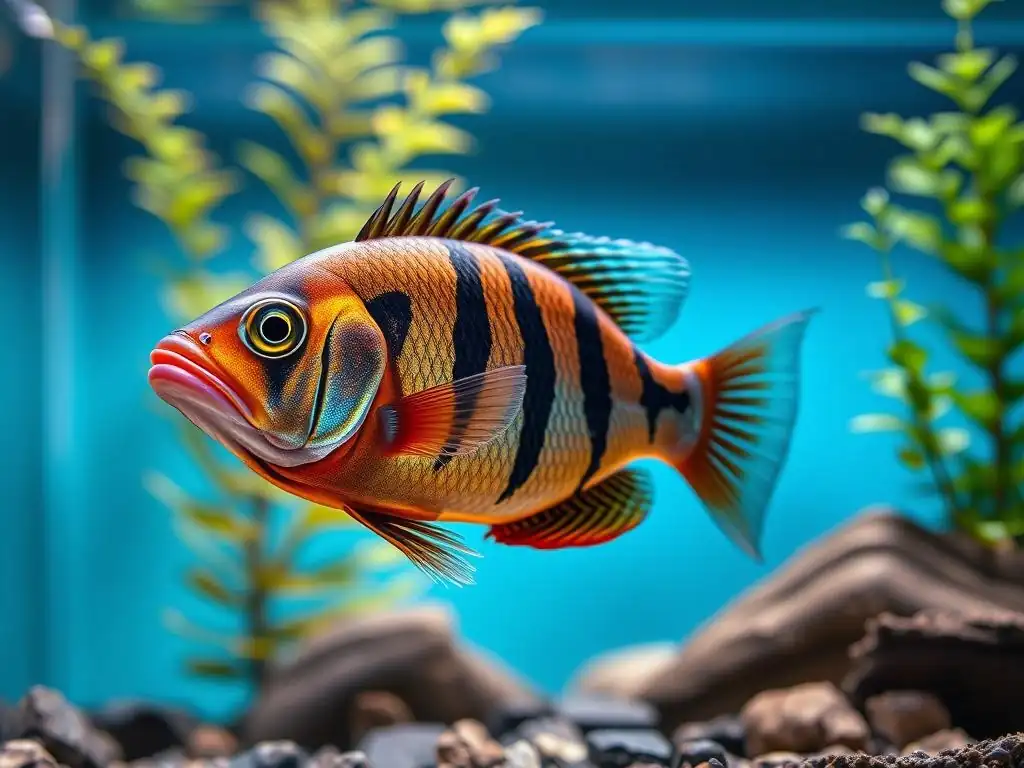
Identifying Signs of Stress or Aggression within the Tiger Barb School
Regularly observing your Tiger barb schooling group size is essential to ensure their continued well-being. Look for specific behavioral cues that might indicate stress or internal aggression. Signs include individuals with consistently faded colors, clamped fins, or those that spend an unusual amount of time hiding or isolated from the main school. While some playful chasing is normal, persistent, aggressive pursuit of one or two specific individuals, resulting in visible fin damage, is a clear red flag.
Pay attention during feeding times: are all barbs getting enough food, or are some being bullied away from meals? A healthy school will feed enthusiastically and collectively. If you notice a decline in activity, increased lethargy, or signs of physical injury like torn fins on multiple individuals, it's time to investigate. These observations are crucial for early detection of problems, allowing you to intervene before issues escalate and impact the entire school's health.
Adjusting School Size and Tank Environment: Troubleshooting Behavioral Problems
If you identify signs of stress or aggression within your Tiger barb schooling group size, several interventions can be considered. The first and often most effective solution is to increase the school size. If you initially started with the minimum six barbs and are observing excessive nipping or stress, adding 2-4 more individuals can often diffuse the aggression effectively by spreading it among more fish. However, ensure your tank size can comfortably accommodate the additional bioload.
Beyond school size, review your tank's aquascaping. Adding more hiding spots, creating visual barriers with plants or decor, or rearranging the layout to break up lines of sight can help reduce perceived territories and provide retreats for less dominant fish. Finally, double-check your water parameters; poor water quality can itself be a significant stressor, leading to increased aggression and susceptibility to disease. Addressing any deficiencies in pH, temperature, or nitrate levels can significantly improve the school's overall health and temperament.
Breeding Tiger Barbs: Considerations for Schooling Dynamics
Breeding Tiger Barbs and School Behavior
While Tiger Barbs are schooling fish, their breeding behavior typically involves a temporary deviation from the school. When ready to spawn, a male and female Tiger Barb will often pair off and separate from the main group, seeking out a secluded area with fine-leaved plants to lay and fertilize eggs. A healthy, well-established Tiger barb schooling group size in a stable environment is more likely to produce individuals that are in prime condition for breeding, signaling their overall well-being.
For successful breeding and to protect the eggs and fry, it is highly recommended to set up a separate breeding tank. This allows the breeding pair to focus on spawning without the stress or interference from the rest of the school, and critically, prevents the adult barbs (including the parents) from consuming the eggs and fry. Once spawning is complete, the breeding pair should be removed from the breeding tank and gently reintroduced to their main school.
Maintaining a Healthy School Post-Breeding
After a breeding attempt, whether successful or not, it is important to carefully reintegrate the breeding pair back into the main Tiger barb schooling group size. Observe them closely for any signs of stress or aggression, both from the returning pair and from the existing school members. Generally, if the school is large and well-established, the returning fish will seamlessly rejoin the group, benefiting once again from the security and social structure it provides.
It is crucial to maintain the stability of the overall Tiger barb schooling group size during and after breeding endeavors. Removing too many individuals for extended periods, or failing to reintroduce them, can disrupt the social hierarchy and potentially lead to the very issues of aggression and stress that a proper school is designed to prevent. The strength of the large group ensures that individual fish, even those temporarily isolated for breeding, can return to a stable and supportive environment.
Frequently Asked Questions
What is the ideal schooling group size for Tiger Barbs in an aquarium?
The recommended minimum schooling group size for Tiger Barbs is at least six. This helps to reduce aggression and allows them to exhibit more natural, playful behaviors.
Why is having a small group of Tiger Barbs problematic?
Smaller groups of Tiger Barbs (less than six) often lead to increased aggression and fin-nipping. Without a sufficient school, they tend to single out individual fish and harass them.
How does a larger school of Tiger Barbs affect their behavior?
A larger school promotes a more peaceful and natural social dynamic. They're more likely to focus on each other rather than bothering other fish in the tank.
Besides group size, what other factors contribute to Tiger Barb aggression?
Overcrowding, inadequate tank space, and poor water quality can exacerbate aggression. Ensuring proper tank parameters and enough room to swim are also crucial.
What are the benefits of keeping Tiger Barbs in a well-established school?
A well-established school of Tiger Barbs displays vibrant colors, active swimming, and a reduction in stress. It creates a more enjoyable and visually stunning aquarium environment.
Final Reflection: The Harmony of the School
The insights shared throughout this article on Tiger Barb schooling behavior are more than just aquarium tips; they highlight the profound impact of social dynamics on individual well-being, even in the seemingly simple world of fishkeeping. Understanding the critical role of group size in maintaining peace and encouraging natural behaviors in Tiger Barbs offers a microcosm of the broader principles governing social harmony in any community.
This exploration of Tiger Barb social structures has deeply resonated with me, reminding us that the health of the individual is inextricably linked to the health of the group. Witnessing the difference between a stressed, solitary Tiger Barb and a thriving school underscores the importance of belonging and social interaction. As the saying goes: Alone we can do so little; together we can do so much.
This holds true not only for these vibrant fish but also for ourselves.
Now, consider the lessons learned from the Tiger Barbs and their need for a proper schooling group size. How can you apply these principles of community and belonging to your own life? Reflect on the groups you belong to, the communities you participate in, and ask yourself: are you contributing to a harmonious environment where everyone can thrive? Let the vibrant energy of a well-balanced Tiger Barb school inspire you to cultivate stronger, more supportive connections in your own world.
Unleash the Vibrant Potential of Your Tiger Barbs!
Thank you for diving into the fascinating world of tiger barb behavior! We hope you now understand the crucial role group size plays in their well-being and vibrant personalities. Ready to create a thriving community in your aquarium?
Here are some actionable steps you can take right away:
- Prioritize increasing your tiger barb shoal to a minimum of six individuals. Observe the positive changes in their behavior – reduced aggression, increased activity, and more natural schooling.
- Explore creative tank setups to provide ample space for your barbs to swim and interact. Consider adding more plants or driftwood for enrichment.
- Share your tiger barb schooling experiences and insights with fellow hobbyists on social media – let's build a collaborative community!
What unique strategies will you implement to enhance the social dynamics of your tiger barbs?