
Choosing Your Peacock: A Guide to Popular Aulonocara Varieties & Their Care

Welcome to Aquarium Mastery!
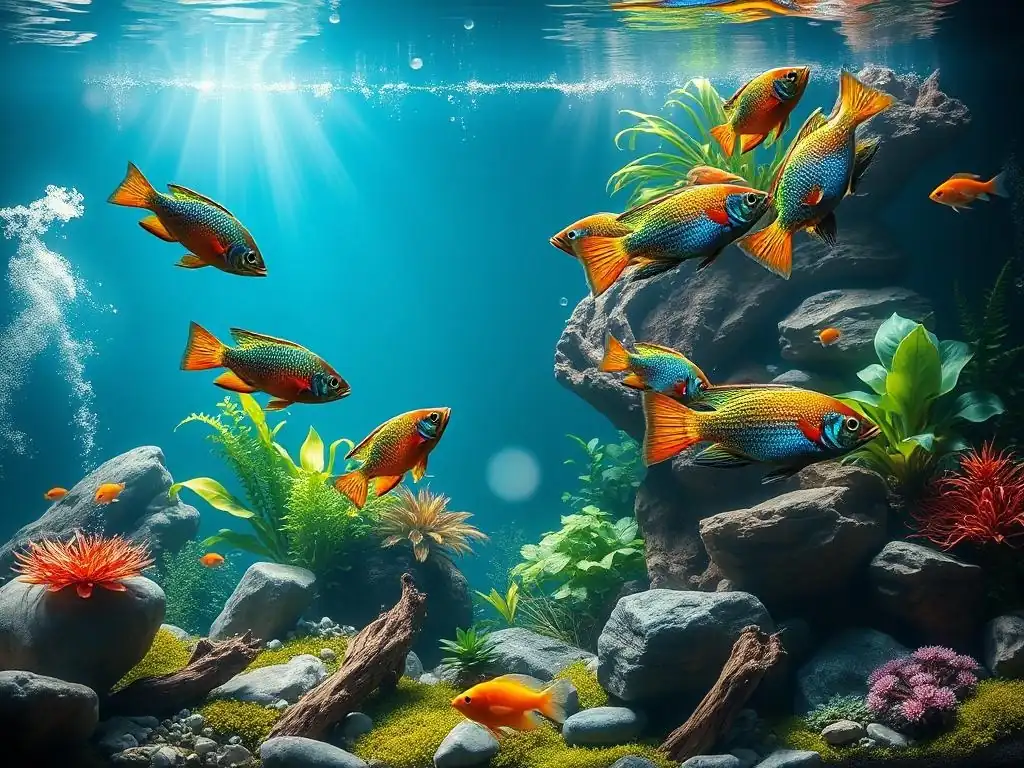
Ever been captivated by the vibrant hues of a Peacock Cichlid? These stunning freshwater fish can truly transform your aquarium into a living masterpiece. Dive in, and discover essential Peacock Cichlid care tips to help you choose the perfect Aulonocara variety, understand their unique needs, and create a thriving environment for these aquatic jewels. Ready to unlock the secrets to keeping these beauties happy and healthy? Let's explore!
- Understanding Peacock Cichlids: An Introduction to Aulonocara
-
Popular Peacock Cichlid Varieties: A Visual Guide
- The Sunshine Peacock (Aulonocara baenschi): Appearance and Temperament
- The Dragon Blood Peacock (Aulonocara sp. "Dragon Blood"): Characteristics and Care
- The Red Rubin Peacock (Aulonocara sp. "Red Rubin"): Maintaining Vibrant Colors
- The OB Peacock (Aulonocara sp. "OB"): Understanding the "Orchid Blossom" Trait
- The German Red Peacock (Aulonocara sp. "German Red"): Selecting a Quality Specimen
- Other Notable Peacock Cichlid Species:
- Setting Up the Ideal Peacock Cichlid Tank: Creating the Right Environment
- Peacock Cichlid Diet and Feeding: Nutritional Needs for Optimal Health
- Peacock Cichlid Tank Mates: Compatibility Considerations
- Common Peacock Cichlid Diseases and Treatments: Recognizing and Addressing Health Issues
- Breeding Peacock Cichlids: A Step-by-Step Guide
- Maintaining a Healthy and Vibrant Peacock Cichlid Aquarium: Long-Term Care
- Troubleshooting Common Peacock Cichlid Issues: Addressing Problems Effectively
- Conclusion: Mastering Peacock Cichlid Care for a Stunning Aquarium
- Frequently Asked Questions
- Final Reflection: Embracing the Vibrant World of Peacock Cichlids
- Unleash Your Inner Aquarist: Start Your Peacock Paradise!
Understanding Peacock Cichlids: An Introduction to Aulonocara
What are Peacock Cichlids? Exploring the Aulonocara Genus
Peacock cichlids belong to the Aulonocara genus, a group of incredibly vibrant freshwater fish native to Lake Malawi in East Africa. These stunning cichlids are renowned for the dazzling array of colors displayed by the males, ranging from electric blues and fiery reds to brilliant yellows and oranges. They are primarily found in the sandy and intermediate zones of the lake, often near rocky outcrops, where they sift through the substrate for small invertebrates.
The Aulonocara genus encompasses approximately 22 scientifically recognized species, along with numerous localized variants and naturally occurring hybrids, each with unique color patterns. Unlike their more aggressive Mbuna cousins, Peacocks are generally less pugnacious, making them a popular choice for aquarists seeking to create a colorful, dynamic African cichlid display without extreme aggression. Understanding their natural behaviors and needs is the first step in providing excellent Peacock Cichlid care tips.
Why Choose Peacock Cichlids for Your Aquarium? Benefits and Considerations
One of the primary reasons aquarists choose Peacock cichlids is their breathtaking coloration. Males exhibit an iridescent spectrum of hues that rival marine fish, creating a spectacular focal point in any appropriately sized aquarium. Beyond their beauty, Peacocks are also known for their engaging personalities; they are active swimmers and display interesting behaviors, particularly during breeding or territorial displays. Their relatively moderate size, typically ranging from 4 to 6 inches (10-15 cm) for males, makes them suitable for larger home aquariums, generally starting from 55-75 gallons (208-284 liters).
However, choosing Peacock cichlids also comes with specific considerations. While generally more peaceful than Mbuna, males can still be territorial and aggressive towards each other, especially in smaller tanks or if not properly stocked. They require specific water parameters – hard, alkaline water with a stable temperature – that mimic their natural Lake Malawi environment. Providing optimal Peacock Cichlid care tips, including suitable tank size, proper diet, and compatible tank mates, is crucial to ensure their long-term health, vibrant coloration, and harmonious cohabitation.
Peacock Cichlid Care Tips: Key Factors for Success
Successful Peacock Cichlid care tips hinge on maintaining stable and appropriate water parameters. These fish thrive in hard, alkaline water with a pH range of 7.8 to 8.6, a general hardness (GH) of 10-20 dGH, and a consistent temperature between 76-82°F (24-28°C). Regular monitoring of ammonia, nitrite, and nitrate levels is essential, with ammonia and nitrite always at 0 ppm and nitrates kept below 20 ppm. Robust filtration, often involving a powerful canister filter, is necessary to handle their bioload and maintain water clarity.
Beyond water quality, providing an appropriate diet and a well-designed habitat are paramount. A high-quality cichlid pellet or flake food, supplemented with frozen or freeze-dried protein sources like bloodworms or Mysis shrimp, ensures their nutritional needs are met. The tank itself should be spacious, ideally 75 gallons or larger for a small group, with a fine sand substrate and strategically placed rockwork to create territories and hiding spots. Adhering to these fundamental Peacock Cichlid care tips will promote vibrant health and minimize common issues.
Popular Peacock Cichlid Varieties: A Visual Guide
The Sunshine Peacock (Aulonocara baenschi): Appearance and Temperament
The Sunshine Peacock ( Aulonocara baenschi) is one of the most recognizable and sought-after varieties, originating from Ndumbi in Lake Malawi. Males are characterized by a brilliant, almost fluorescent yellow body, often adorned with striking blue accents on the face, fins, and sometimes the lower body. Their dorsal fin typically exhibits a distinct blue margin, enhancing their radiant appearance. Females, in contrast, are generally a more subdued silver or brown, with faint markings.
In terms of temperament, the Sunshine Peacock is considered one of the more peaceful Aulonocara species, making it an excellent choice for a mixed Peacock cichlid community tank. While males will display to each other and establish territories, outright aggression is less common than with some other varieties. Providing ample hiding spots and open swimming areas is a key Peacock Cichlid care tip for this species, allowing them to feel secure and reducing potential stress, which in turn helps maintain their vibrant coloration.
The Dragon Blood Peacock (Aulonocara sp. "Dragon Blood"): Characteristics and Care
The Dragon Blood Peacock ( Aulonocara sp. "Dragon Blood") is a captivating hybrid variety, not found in the wild, but selectively bred for its intense and unique coloration. These fish are celebrated for their striking red-orange to deep pink bodies, often overlaid with irregular black blotches, a trait sometimes referred to as "OB" (Orange Blotch). This blotching gives each individual a distinct, marbled appearance, contributing to their high demand among aquarists.
Caring for Dragon Blood Peacocks is similar to other Aulonocara varieties, emphasizing stable, hard, alkaline water and a high-quality diet. To maintain and enhance their vibrant red and orange hues, it is beneficial to feed them foods rich in color enhancers like astaxanthin and carotenes, such as spirulina-fortified pellets. Their robust nature, often a characteristic of hybrids, makes them relatively hardy. Providing these specific Peacock Cichlid care tips helps ensure their remarkable colors remain brilliant throughout their lifespan.
The Red Rubin Peacock (Aulonocara sp. "Red Rubin"): Maintaining Vibrant Colors
The Red Rubin Peacock ( Aulonocara sp. "Red Rubin") is a stunning cultivated strain, often derived from Aulonocara stuartgranti populations found near Ngara or Chiloelo in Lake Malawi. Males of this variety develop an incredibly intense, fiery red-orange coloration that overlays a metallic blue base, creating an iridescent, glowing effect. As they mature, their colors deepen dramatically, making them one of the most visually impressive Peacock cichlids.
Maintaining the vibrant colors of the Red Rubin Peacock requires particular attention to diet and water quality. A staple diet of high-quality cichlid pellets or flakes should be supplemented with foods specifically formulated for color enhancement, rich in natural pigments like spirulina, krill, and astaxanthin. For instance, feeding a spirulina-based flake or pellet three times a week can significantly boost their red tones. Additionally, consistent water parameters and low stress levels contribute to their overall health and color intensity, making these crucial Peacock Cichlid care tips for this magnificent variety.
The OB Peacock (Aulonocara sp. "OB"): Understanding the "Orchid Blossom" Trait
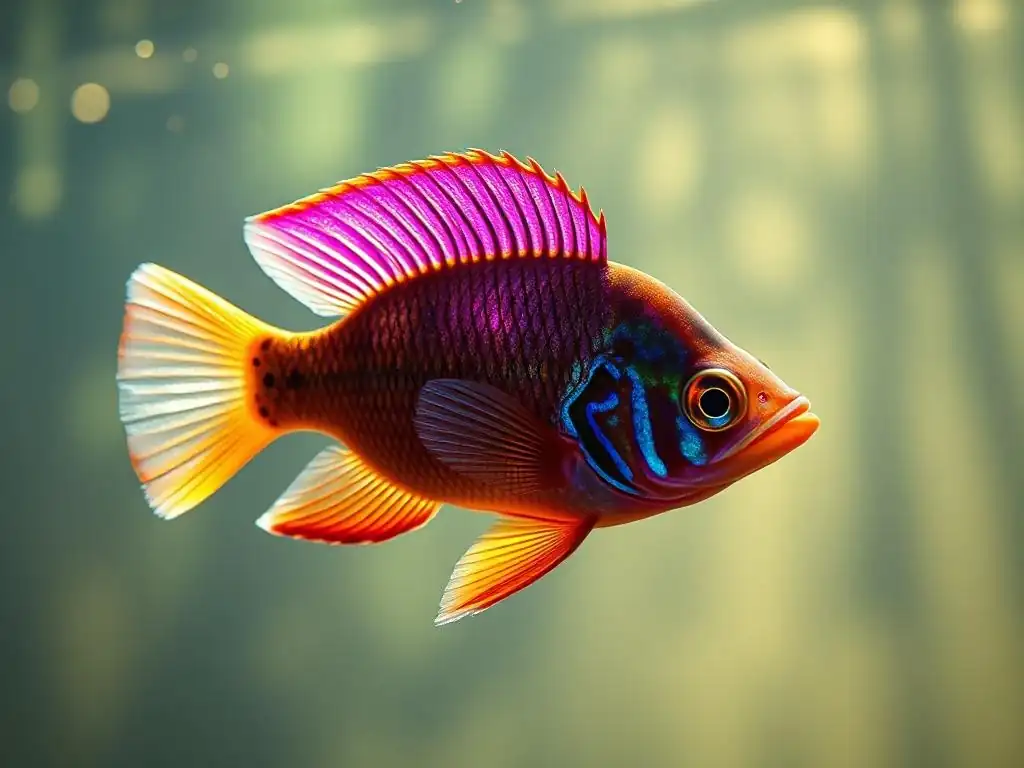
The "OB" in OB Peacock stands for "Orange Blotch" or "Orchid Blossom," a genetic trait characterized by irregular, splotchy black markings over a base color that can be red, orange, blue, or yellow. This trait is a mutation that originated in Mbuna cichlids and has since been selectively bred into Aulonocara lines, resulting in highly unique and visually striking individuals. Each OB Peacock has a distinct pattern, making them highly prized by collectors.
The OB trait is not a specific species but rather a genetic characteristic that can manifest in various Peacock cichlid varieties, often seen in hybrids. Care requirements for OB Peacocks are identical to their non-OB counterparts, focusing on pristine water conditions, an appropriate diet, and a suitable environment. While some purists prefer naturally occurring species, the OB Peacock offers a captivating aesthetic. Understanding this genetic variation and applying standard Peacock Cichlid care tips ensures these uniquely patterned fish thrive in the aquarium.
The German Red Peacock (Aulonocara sp. "German Red"): Selecting a Quality Specimen
The German Red Peacock ( Aulonocara sp. "German Red") is another popular cultivated strain, often developed from Aulonocara stuartgranti or similar red-line Peacocks. Males are distinguished by their deep, rich red body coloration, which can sometimes extend to their fins, often with subtle blue or purple highlights on the face or leading edges of the fins. Their robust color makes them a standout in any cichlid tank.
When selecting a German Red Peacock, look for specimens with strong, uniform coloration across their body, avoiding fish with faded or patchy color, which can indicate stress or poor health. Observe their behavior: healthy fish should be active, alert, and exhibit natural swimming patterns. Fins should be intact and erect, not clamped. Sourcing from reputable breeders or fish stores known for their high standards of Peacock Cichlid care tips is vital to acquire healthy, genetically robust specimens that will display their full potential in your aquarium.
Other Notable Peacock Cichlid Species:
The Stuartgranti Maleri (Aulonocara stuartgranti "Maleri"): Striking Blue and Yellow Hues
The Aulonocara stuartgranti "Maleri" originates from Maleri Island in Lake Malawi and is celebrated for its stunning dual coloration. Males typically exhibit a brilliant metallic blue body, often transitioning to a vibrant yellow or orange on the dorsal fin, caudal fin, and sometimes the lower half of the body. This striking contrast makes them an eye-catching addition to a Peacock cichlid collection.
Care for the Maleri Peacock involves providing a tank with both open sand areas for sifting and some rock structures for security and territorial establishment, mimicking their natural habitat. Maintaining stable water parameters within the typical Peacock cichlid range (pH 7.8-8.6, temperature 76-82°F) is essential for their overall health and to ensure their colors remain intense. These Peacock Cichlid care tips help bring out the best in this beautiful variety.
The Lwanda Peacock (Aulonocara korneliae): Deep Red Coloration
The Lwanda Peacock ( Aulonocara korneliae) hails from the region of Lwanda, Tanzania, along the shores of Lake Malawi. Males are highly prized for their incredibly deep, rich red body color, often with a metallic sheen that can appear almost purplish in certain lighting. They may also display subtle blue accents on their face or fins, adding to their allure.
Like other red-colored Aulonocara varieties, the Lwanda Peacock's color intensity benefits greatly from a diet rich in color-enhancing ingredients, such as spirulina, krill, and astaxanthin. They are generally considered peaceful for a cichlid, making them good candidates for a mixed Peacock tank with other similarly tempered species. Consistent water quality and a low-stress environment are fundamental Peacock Cichlid care tips that contribute to their longevity and the brilliance of their deep red hues.
The Usisya Flavescent Peacock (Aulonocara sp. "Usisya"): Vibrant Yellow and Blue
The Usisya Flavescent Peacock ( Aulonocara sp. "Usisya") originates from the Usisya region of Lake Malawi. Males of this species are characterized by a vibrant yellow body, often adorned with distinct blue vertical bars or markings, particularly on the head and fins. The contrast between the bright yellow and iridescent blue creates a visually dynamic display.
These fish appreciate a well-structured tank with open swimming areas, as well as rockwork that provides visual breaks and potential hiding spots. Maintaining pristine water conditions is paramount for keeping their colors vibrant and ensuring their overall health, as poor water quality can lead to faded colors and increased susceptibility to disease. Adhering to these general Peacock Cichlid care tips will help the Usisya Flavescent Peacock thrive and showcase its striking yellow and blue patterns.
Setting Up the Ideal Peacock Cichlid Tank: Creating the Right Environment
Tank Size Recommendations for Peacock Cichlids: Space Requirements and Stocking Levels
For a small group of Peacock cichlids, such as one male and three to four females, a 55-gallon (approximately 208 liters) tank is often considered the absolute minimum. However, a 75-gallon (approximately 284 liters) or larger tank is highly recommended. Larger tanks provide more stable water parameters, reduce aggression by allowing fish to establish larger territories, and offer ample swimming space, leading to more natural and dynamic behavior. For a diverse community of multiple Aulonocara species, a 125-gallon (approximately 473 liters) tank or even larger is ideal to accommodate several males without excessive conflict.
When considering stocking levels, it's important to balance density with aggression management. A common approach in Peacock Cichlid care tips is to maintain a "harem" setup, with one male and three or more females for each species you wish to keep. This dilutes male aggression, as the male's attention is spread among multiple females rather than being focused on a single target or rival males.
Avoid housing multiple males of the same species in tanks under 100 gallons unless the tank is heavily aquascaped with numerous visual breaks. While "overstocking" can sometimes diffuse aggression in cichlid tanks, it places significant strain on filtration and requires diligent maintenance.
Substrate and Decor for Peacock Cichlids: Mimicking Their Natural Habitat
A fine sand substrate is crucial for Peacock cichlids, as they are naturally adapted to sift through sand to find food particles and small invertebrates. A depth of at least 2-3 inches (5-7.5 cm) of fine sand (such as pool filter sand or specialized aquarium sand) allows them to engage in this vital natural behavior. This not only aids in their feeding but also contributes to their overall well-being and reduces stress. Coarse gravel should be avoided as it can damage their delicate gills and mouths when sifting.
While Peacock cichlids are open-water dwellers, they still appreciate rock formations that provide caves, crevices, and visual breaks. Use inert rocks like lace rock, Texas holey rock, or slate to create stable structures. Arrange these rocks to form distinct territories and numerous hiding spots, especially beneficial for subdominant males or females seeking refuge.
Ensure all rock structures are securely placed directly on the bottom glass to prevent them from toppling over due to digging. Live plants are generally not recommended as they may be uprooted, but hardy, epiphyte species like Anubias or Java Fern, attached to rocks or driftwood, can sometimes be successful additions, following these Peacock Cichlid care tips for habitat design.
Water Parameters for Peacock Cichlids: Maintaining Optimal Water Quality
Peacock cichlids originate from Lake Malawi, a rift lake known for its hard, alkaline water. Replicating these conditions is paramount for their health and vibrant coloration. The ideal pH range for Peacock cichlids is 7.8 to 8.6, with a general hardness (GH) between 10-20 dGH (179-358 ppm) and carbonate hardness (KH) of 10-18 dKH (179-322 ppm). Consistency in these parameters is more important than hitting exact numbers, so avoid drastic fluctuations. Utilizing crushed coral or aragonite sand as part of the substrate or in a filter bag can help buffer the pH and provide essential minerals.
The water temperature should be maintained stably between 76-82°F (24-28°C). Fluctuations outside this range can cause stress, making fish susceptible to disease. Regular testing with accurate liquid test kits for pH, GH, KH, ammonia, nitrite, and nitrate is indispensable. Ammonia and nitrite should always be at 0 ppm, while nitrates should be kept below 20 ppm through consistent water changes. These precise Peacock Cichlid care tips for water parameters are foundational to a thriving aquarium.
Filtration and Aeration for Peacock Cichlids: Essential Equipment
Peacock cichlids, like most cichlids, produce a significant bioload due to their size and feeding habits, necessitating robust and efficient filtration. A combination of mechanical, biological, and chemical filtration is ideal. Canister filters are highly recommended for their large media capacity and powerful flow rates, often supplemented with large sponge filters or hang-on-back (HOB) filters for additional mechanical and biological filtration. Aim for a filtration system that turns over the entire tank volume at least 5-10 times per hour; for example, a 75-gallon tank would benefit from a filter rated for at least 375-750 gallons per hour (1420-2840 LPH).
Adequate aeration is equally crucial for Peacock cichlids, as high oxygen levels support their metabolism and overall health. Ensure vigorous surface agitation through the filter outputs, or consider adding powerheads or air stones. Good oxygenation not only benefits the fish directly but also supports the beneficial bacteria in the biological filter, which are essential for processing harmful ammonia and nitrite. Neglecting proper filtration and aeration is a common pitfall, highlighting these as critical Peacock Cichlid care tips for a healthy aquatic environment.
Peacock Cichlid Diet and Feeding: Nutritional Needs for Optimal Health
What to Feed Your Peacock Cichlids: Recommended Food Types
Peacock cichlids are micro-predators and omnivores in their natural habitat, primarily sifting through sand for small invertebrates like insect larvae and crustaceans. In the aquarium, a high-quality commercial cichlid pellet or flake food specifically formulated for African cichlids should form the staple of their diet. Look for foods that are low in fat and contain a balanced ratio of protein and vegetable matter, such as spirulina.
Brands like Hikari Cichlid Gold or New Life Spectrum Cichlid Formula are often recommended for their balanced nutritional profiles. Avoid foods high in terrestrial animal fats or excessive protein, as these can lead to digestive issues like Malawi Bloat.
To provide variety and additional nutrients, supplement their staple diet with frozen or freeze-dried foods a few times a week. Excellent choices include bloodworms, brine shrimp, Mysis shrimp, and daphnia. These provide essential amino acids and stimulate their natural foraging instincts. Occasional offerings of blanched vegetables, such as finely chopped spinach or spirulina flakes, can also be beneficial, providing necessary fiber. Diversifying their diet is a key Peacock Cichlid care tip for promoting vibrant colors and robust health.
Feeding Schedule for Peacock Cichlids: Frequency and Portion Control
For adult Peacock cichlids, feeding 1-2 times per day is generally sufficient. Younger, growing fish may benefit from 2-3 smaller feedings daily to support their faster metabolism and development. It is often more beneficial to offer smaller, more frequent meals rather than one large feeding, as this reduces the amount of uneaten food decaying in the tank and helps maintain water quality.
Portion control is paramount in Peacock Cichlid care tips to prevent overfeeding, which is a leading cause of obesity, poor water quality, and the dangerous condition known as Malawi Bloat. Offer only what your fish can consume entirely within 2-3 minutes. Any uneaten food should be promptly removed from the tank to prevent its decomposition from polluting the water. Observing your fish during feeding will help you gauge the appropriate amount, ensuring they receive adequate nutrition without excess.
Supplementing Your Peacock Cichlid's Diet: Vitamins and Minerals
While high-quality commercial cichlid foods are typically fortified with essential vitamins and minerals, occasional supplementation can further boost the immune system and enhance the vibrant coloration of your Peacock cichlids. Liquid vitamin preparations designed for fish can be added to the water during water changes or used to soak frozen foods before feeding. This can be particularly beneficial during periods of stress, recovery from illness, or when trying to maximize color intensity.
Ensuring adequate mineral content is primarily achieved by maintaining the correct water hardness and alkalinity, as these parameters provide essential calcium and magnesium. Some aquarists choose to use specialized Malawi salt mixes or cichlid buffers to guarantee a consistent supply of these minerals, especially if their tap water is naturally soft. These supplements contribute to strong bone structure, healthy scales, and overall vitality, making them valuable Peacock Cichlid care tips for long-term well-being.
Peacock Cichlid Tank Mates: Compatibility Considerations
Best Tank Mates for Peacock Cichlids: Peaceful Community Fish
The most ideal tank mates for Peacock cichlids are often other Aulonocara species, particularly when maintaining a "harem" setup (one male with multiple females of the same species) or a diverse group of various Peacock cichlids in a spacious aquarium. This allows for a stunning display of color while minimizing inter-species aggression. Other relatively peaceful Lake Malawi cichlids, such as certain Copadichromis (Haps) or Protomelas species, can also be compatible if they are similar in size and temperament and share similar dietary and water parameter needs. Always research specific species thoroughly before introduction.
For those looking to diversify beyond cichlids, some robust, peaceful non-cichlid species can coexist with Peacocks. These might include larger rainbowfish (e.g., Boeseman's Rainbowfish), certain species of Synodontis catfish (e.g., Synodontis eupterus or Synodontis multipunctatus), or even a larger, peaceful pleco such as a Bristlenose Pleco. It is crucial that any potential tank mate can tolerate the hard, alkaline water conditions required by Peacocks and is not small enough to be viewed as a food source. Integrating these Peacock Cichlid care tips ensures a harmonious community.
Fish to Avoid with Peacock Cichlids: Aggressive or Predatory Species
It is strongly advised to avoid housing Peacock cichlids with highly aggressive Lake Malawi cichlids, most notably Mbuna species ( Maylandia, Pseudotropheus, Labeotropheus, Melanochromis). Mbuna are typically far more territorial and pugnacious than Peacocks, especially males, and will often relentlessly harass, injure, or even kill the more docile Aulonocara. Furthermore, Mbuna are primarily herbivorous grazers, making their dietary needs incompatible with the omnivorous Peacocks, which can lead to digestive issues for both groups.
Similarly, do not introduce predatory fish that might view Peacocks as prey, nor very small, delicate fish that could be bullied or eaten. Goldfish are unsuitable due to their vastly different water parameter requirements and their high waste production. Slow-moving or long-finned fish, such as Angelfish or Bettas, are also poor choices, as their fins can become targets for nipping, even from relatively peaceful Peacocks. Adhering to these crucial Peacock Cichlid care tips regarding incompatible species will prevent stress, injury, and potential fatalities in your aquarium.
Managing Aggression in a Peacock Cichlid Tank: Strategies for a Harmonious Environment
Aggression in Peacock cichlids, while generally lower than Mbuna, can still occur, especially among males. Providing adequate tank size is the most effective strategy; a larger tank (75+ gallons) allows males to establish territories without constant conflict. Incorporate plenty of rock formations, caves, and visual breaks in the aquascape. These structures help to diffuse aggression by breaking lines of sight and providing numerous hiding spots for subdominant individuals to retreat. Ensure there are more hiding spots than fish to prevent bullying.
Another effective strategy, highlighted in comprehensive Peacock Cichlid care tips, is proper stocking ratios. Keeping a male-to-female ratio of at least 1:3 for each species helps to dilute male aggression, as their breeding instincts are directed towards multiple females. If housing multiple male Peacocks of different species, ensure the tank is very large (100+ gallons) and introduce all fish at once if possible, allowing them to establish a pecking order simultaneously. Regularly observing fish behavior and intervening (e.g., temporary separation, rehoming) if severe aggression occurs is vital for maintaining a harmonious environment.
Common Peacock Cichlid Diseases and Treatments: Recognizing and Addressing Health Issues
Identifying Common Peacock Cichlid Diseases: Symptoms to Watch For
Malawi Bloat is arguably the most prevalent and dangerous disease affecting African cichlids, including Peacocks. Symptoms typically include a loss of appetite, lethargy, significant swelling of the abdomen, white and stringy feces, rapid breathing, and eventually loss of balance and death. This condition is often triggered by an improper diet (too much protein/fat, insufficient fiber) or consistently poor water quality.
Beyond bloat, other common ailments include Ich (Ichthyophthirius multifiliis), characterized by small, white, salt-like spots on the body and fins, accompanied by scratching against decor and clamped fins. Fin Rot presents as frayed, discolored, or disintegrating fins, often with a reddish base. Bacterial infections can cause ulcers, cloudy eyes, red streaks, or general listlessness. Early identification of these symptoms is a critical aspect of Peacock Cichlid care tips, allowing for prompt intervention and increasing the chances of successful treatment.
Treating Common Peacock Cichlid Ailments: Medications and Quarantine Procedures
For Malawi Bloat, if caught in its early stages, treatment with Metronidazole (often sold as Flagyl) is the most common approach. This medication can be administered orally by soaking food or directly into the water, depending on the severity and the fish's willingness to eat. Simultaneously, it is crucial to address the underlying cause, usually by correcting the diet and improving water quality. Severely affected fish may unfortunately not recover.
For Ich, gradually raising the tank temperature to 82-86°F (28-30°C) over 24 hours, combined with an Ich medication (e.g., malachite green, formalin, or copper-based treatments), is effective. Fin Rot and general bacterial infections often respond well to broad-spectrum antibacterial medications. Always use a separate quarantine tank for treating sick fish to prevent the spread of disease to healthy tank mates and to provide a less stressful environment for the patient. Following dosage instructions precisely and performing necessary water changes during treatment are essential Peacock Cichlid care tips.
Preventing Diseases in Your Peacock Cichlid Tank: Proactive Measures
The most effective strategy for preventing diseases in your Peacock cichlid tank is maintaining consistently pristine water quality. Regular weekly water changes of 25-50%, depending on stocking density and filtration efficiency, are paramount to remove accumulated nitrates and other pollutants while replenishing essential minerals. Ensure your filtration system is adequately sized for your tank's bioload and is regularly maintained, with filter media cleaned or replaced as needed.
Beyond water quality, providing a proper diet and minimizing stress are crucial preventative Peacock Cichlid care tips. Feed a high-quality, balanced diet appropriate for African cichlids, avoiding overfeeding and foods that are too high in fat or protein. Minimize stress by ensuring adequate tank size, compatible tank mates, and plenty of hiding spots. Quarantining all new fish for a period of 2-4 weeks in a separate tank before introducing them to the main display aquarium is a highly recommended practice to prevent the introduction of pathogens.
Breeding Peacock Cichlids: A Step-by-Step Guide
Setting Up a Breeding Tank for Peacock Cichlids: Creating a Suitable Environment
While Peacock cichlids can and often do breed in a well-maintained community tank, setting up a dedicated breeding tank significantly increases the success rate of spawning and the survival of fry. A 20-40 gallon (75-150 liter) tank is typically sufficient for one male and two to three females. The breeding tank should feature a fine sand substrate, as females prefer to lay eggs on a flat surface or a depression they dig in the sand. Include a few flat rocks or pieces of slate to serve as potential spawning sites.
Filtration in a breeding tank should be gentle to avoid harming delicate fry. A sponge filter or a small, baffled hang-on-back filter is ideal. Maintain the same optimal water parameters as the main tank: pH 7.8-8.6 and a stable temperature of 78-80°F (25.5-26.5°C). Excellent water quality with regular, small water changes is crucial to encourage spawning and ensure the health of the parents and future fry. These specific Peacock Cichlid care tips for breeding environments contribute to successful reproduction.
Identifying Male and Female Peacock Cichlids: Sexual Dimorphism
Identifying male and female Peacock cichlids is relatively straightforward due to pronounced sexual dimorphism, particularly as they mature. Males are significantly more vibrantly colored, displaying the stunning blues, reds, yellows, and oranges that make these fish so popular. Females, in contrast, are typically much duller, often presenting in shades of silver-brown or grey, though some may show faint hints of color depending on the species and their condition.
Beyond coloration, males generally grow larger than females, often reaching 5-6 inches (12-15 cm) compared to females at 3-4 inches (7.5-10 cm). Males also tend to have more pointed dorsal and anal fins, while females possess rounder fins. Mature males may also develop a nuchal hump (a fatty deposit on the forehead) and have more prominent, numerous, and brightly colored egg spots on their anal fin, which play a role in their unique mouthbrooding breeding process. Observing these characteristics is a key Peacock Cichlid care tip for successful breeding.
The Breeding Process of Peacock Cichlids: Spawning and Incubation
Peacock cichlids are maternal mouthbrooders, meaning the female carries the fertilized eggs and fry in her mouth until they are free-swimming. The breeding process begins with the male displaying intensely to a female, flaring his fins and shaking his body to entice her. He will then lead her to a chosen spawning site, usually a flat rock or a depression he has dug in the sand.
The female lays a small batch of eggs, which the male quickly fertilizes. She then immediately scoops the eggs into her mouth for incubation. This process repeats until all eggs are laid and collected.
The female will hold the eggs in her buccal cavity (mouth) for approximately 21-28 days, depending on the water temperature. During this incubation period, she will not eat and may appear withdrawn or hide more frequently. It is crucial not to disturb her excessively, as stress can cause her to spit out or even swallow the eggs.
Some experienced breeders may choose to "strip" the eggs (gently remove them from the female's mouth) after about 10-14 days and transfer them to a specialized egg tumbler for higher fry survival rates, but this requires specific equipment and knowledge. Providing a calm environment is a vital Peacock Cichlid care tip for successful incubation.
Raising Peacock Cichlid Fry: Caring for the Young
Once the incubation period is complete, the female will release the free-swimming fry. At this stage, the fry are tiny replicas of their parents, about 1/4 to 1/2 inch (0.6-1.2 cm) in length. If in a dedicated breeding tank, the female can be returned to the main aquarium, or left with the fry for a few more days, as she may continue to guard them, taking them back into her mouth if threatened.
Initially, Peacock cichlid fry should be fed newly hatched brine shrimp or finely crushed high-quality flake food 3-4 times a day. As they grow, transition them to finely ground cichlid pellets. Maintaining excellent water quality in the fry tank is paramount for their rapid growth and health; perform daily small water changes (10-20%) using temperature-matched, dechlorinated water. Consistent feeding and pristine conditions are essential Peacock Cichlid care tips for raising healthy, vibrant fry.
Maintaining a Healthy and Vibrant Peacock Cichlid Aquarium: Long-Term Care
Regular Water Changes for Peacock Cichlids: Maintaining Water Quality
Regular water changes are the cornerstone of long-term Peacock Cichlid care tips and are perhaps the single most important practice for maintaining a healthy and vibrant aquarium. They effectively remove accumulated nitrates, phosphates, and other dissolved organic pollutants that build up over time from fish waste and decaying food. Simultaneously, water changes replenish essential minerals and trace elements that are utilized by the fish or removed by filtration.
For a moderately stocked Peacock cichlid tank, a weekly water change of 25-30% is generally recommended. Heavily stocked tanks or those with larger fish may benefit from more frequent or larger changes, such as 40-50% weekly.
When performing water changes, always use a reliable dechlorinator for tap water to neutralize chlorine and chloramines, which are harmful to fish and beneficial bacteria. Ensure the new water is temperature-matched to the aquarium water to prevent shocking the fish. Use a gravel vacuum to siphon debris from the substrate, removing uneaten food and waste before it can break down and contribute to water quality issues. Consistent water changes prevent the buildup of toxins that can stress fish, suppress their immune systems, and lead to disease, thereby ensuring the longevity and brilliance of your Peacock cichlids.
Monitoring Water Parameters for Peacock Cichlids: Testing and Adjustments
Beyond regular water changes, routine monitoring of water parameters is crucial for proactive Peacock Cichlid care tips. Use a reliable liquid test kit (more accurate than test strips) to regularly check pH, ammonia, nitrite, and nitrate levels. Ammonia and nitrite should consistently read 0 ppm, indicating a healthy and fully cycled biological filter. Nitrate levels should be kept below 20 ppm through diligent water changes. Additionally, periodically test general hardness (GH) and carbonate hardness (KH) to ensure the water remains hard and adequately buffered, which is vital for the health of Lake Malawi cichlids.
If any water parameters are off, it's important to identify the underlying cause and make appropriate adjustments. High ammonia or nitrite indicates a problem with the nitrogen cycle, possibly due to overfeeding, overstocking, or a filter malfunction. High nitrates suggest insufficient water changes. If the pH is drifting too low, the tank may lack sufficient buffering capacity, which can be remedied by adding crushed coral or aragonite to the substrate or filter media. Prompt identification and correction of water quality issues prevent stress and disease, contributing significantly to the long-term health of your Peacock cichlids.
Observing Your Peacock Cichlids' Behavior: Identifying Potential Problems Early
Daily observation of your Peacock cichlids' behavior is an invaluable aspect of long-term care, enabling you to identify potential problems early before they escalate. Spend a few minutes each day watching your fish for any changes in their normal swimming patterns, such as lethargy, rapid breathing, flashing (rubbing against decor), or unusual darting movements. Pay attention to their appetite; a refusal to eat or a significant reduction in feeding can be an early indicator of illness.
Also, look for any changes in their physical appearance. Faded colors, clamped fins, bloating, ulcers, cloudy eyes, or white spots are all signs that something may be amiss. Subtle behavioral cues, like a normally dominant male hiding more often or increased aggression among tank mates, can indicate underlying stress or illness. Early detection of these signs allows for prompt intervention, whether it's a simple water change, a diet adjustment, or the start of medication. This proactive approach to observation is among the most effective Peacock Cichlid care tips for maintaining a thriving and vibrant aquarium.
Troubleshooting Common Peacock Cichlid Issues: Addressing Problems Effectively
Dealing with Aggression in Peacock Cichlids:
Overcrowding and Territoriality
Problem: Overcrowding in a Peacock cichlid tank often leads to increased aggression, as fish cannot establish sufficient individual territories. This manifests as constant chasing, nipping, and bullying, particularly among males of similar size or coloration. Subdominant fish may become chronically stressed, leading to faded colors, clamped fins, and increased susceptibility to disease. Solution: The most effective solution is to increase the tank size or reduce the overall number of fish.
For example, if a 55-gallon tank is experiencing excessive aggression, upgrading to a 75-gallon or 125-gallon tank provides more space. Alternatively, rehome some fish to lower the population density. Adding more visual breaks and hiding spots with strategically placed rockwork can also help diffuse aggression by breaking up lines of sight and providing escape routes, a critical Peacock Cichlid care tip for managing territoriality.
Introducing New Fish
Problem: Introducing new fish to an established Peacock cichlid tank can trigger significant aggression from existing residents who perceive newcomers as intruders. This is especially true if the new fish are smaller, weaker, or of a similar species or coloration to dominant males already present. The established pecking order can be severely disrupted, leading to stress and potential injury for the new arrivals.
Solution: Always quarantine new fish for 2-4 weeks in a separate tank to ensure they are healthy and free of disease before introducing them to the main display. When ready to introduce, try rearranging the tank decor just before adding the new fish; this disrupts established territories and makes all fish feel "new" to the environment, forcing them to re-establish their pecking order.
Introducing multiple new fish at once, if appropriate for stocking levels, can also help spread out aggression. Adding new fish at night or dimming the lights can reduce initial stress and make the transition smoother, providing effective Peacock Cichlid care tips for integration.
Dominance Displays
Problem: Male Peacock cichlids naturally engage in dominance displays, which involve flaring fins, shimmering, and chasing. While some level of chasing and territorial behavior is normal and indicates a healthy social hierarchy, excessive or sustained bullying targeting one individual can be problematic, leading to chronic stress, injury, or even death for the harassed fish. Solution: Ensure a proper male-to-female ratio, ideally at least 1 male to 3+ females for each species, to dilute male aggression by providing multiple targets for breeding interest.
In a mixed-sex tank, maintaining a "harem" of females for each male can redirect their attention away from other males. If one male is consistently harassing another to the point of injury or severe stress, consider temporarily separating them using a tank divider or permanently rehoming one of the aggressive individuals.
Sometimes, adding a dither fish (a fast-moving, peaceful species) can help reduce aggression by making the cichlids feel less exposed. These Peacock Cichlid care tips address complex social dynamics for a harmonious tank.
Addressing Water Quality Problems in Peacock Cichlid Tanks:
Ammonia Spikes
Problem: Ammonia (NH3) is a highly toxic compound that rapidly damages fish gills, causes severe stress, and can quickly lead to death. Ammonia spikes typically occur in newly set up tanks (known as "new tank syndrome"), after a filter crash, or due to severe overfeeding or overstocking. Symptoms include rapid gill movement, lethargy, gasping at the surface, and red streaks on fins or gills. Solution: Immediately perform a large water change (50-70%) to dilute the ammonia concentration. Add a liquid ammonia detoxifier or binder to the water, which temporarily neutralizes ammonia's toxicity.
Check your filter for any blockages or malfunctions and ensure it's functioning optimally. Reduce feeding significantly or cease entirely for 24-48 hours. Test water daily until ammonia levels consistently read 0 ppm. Maintaining a robust biological filter and avoiding overfeeding are crucial preventative Peacock Cichlid care tips.
High Nitrate Levels
Problem: While less immediately toxic than ammonia or nitrite, chronically high nitrate levels (above 20 ppm) can lead to suppressed immune systems, stunted growth, faded colors, and increased susceptibility to disease in Peacock cichlids. Nitrates accumulate over time from the breakdown of fish waste and decaying organic matter in the aquarium. Solution: Increase the frequency and/or volume of your regular water changes.
For instance, if you're currently performing a 25% weekly water change, consider increasing it to 50% weekly or doing 25% twice a week. Ensure your mechanical filtration media (e.g., filter floss, sponges) is cleaned regularly to physically remove particulate matter before it breaks down into nitrates.
Reduce overfeeding and avoid overstocking your tank, as these contribute significantly to nitrate buildup. Adding fast-growing live plants (if compatible with cichlids, such as Anubias or Java Fern tied to rocks) can also help absorb nitrates, supporting overall Peacock Cichlid care tips for water health.
pH Imbalance
Problem: Peacock cichlids require stable, high pH levels (7.8-8.6) to thrive, mimicking their natural Lake Malawi environment. A sudden drop in pH or a consistent low pH can severely stress fish, making them susceptible to disease, inhibiting their natural behaviors, and causing their vibrant colors to fade. This often occurs in tanks without sufficient buffering capacity in the water.
Solution: To raise and stabilize pH, use pH buffers specifically designed for African cichlids, or incorporate buffering substrates like crushed coral or aragonite sand into your tank or filter. These materials slowly dissolve, releasing carbonates and calcium that raise and maintain both pH and hardness.
Avoid using chemical pH "down" products, as these can cause rapid and dangerous pH swings that are highly detrimental to fish health. Consistent water changes with appropriately buffered source water are the safest and most effective way to manage pH, a core component of Peacock Cichlid care tips.
Solving Feeding Issues with Peacock Cichlids:
Finicky Eaters
Problem: Some Peacock cichlids, particularly new additions to the tank or individuals under stress, may refuse to eat or exhibit finicky eating habits. This can lead to malnourishment, weakened immune systems, and a general decline in health and vibrancy over time. Solution: Try offering a variety of high-quality foods to tempt them. Sometimes, simply switching to a different brand or type of pellet or flake food can stimulate their appetite.
Frozen foods like bloodworms, Mysis shrimp, or brine shrimp are often highly palatable and can encourage reluctant eaters. Ensure water quality is pristine, as poor conditions can suppress appetite. Reduce any potential stressors in the tank, such as aggression from tank mates or inadequate hiding spots. Observing their feeding behavior and making small, consistent adjustments is a useful Peacock Cichlid care tip for addressing finicky eaters.
Bloat from Overfeeding
Problem: Overfeeding, especially with foods that are too high in protein or fat, is the primary cause of Malawi Bloat in Peacock cichlids. This severe digestive disorder can quickly become fatal. Symptoms include a swollen abdomen, white stringy feces, lethargy, and a general loss of balance. Solution: If you suspect bloat, immediately cease feeding for 2-3 days. If symptoms persist or worsen, treatment with Metronidazole is often necessary.
More importantly, adjust your long-term feeding regimen to prevent recurrence. Feed smaller portions 1-2 times daily, offering only what your fish can consume completely within 2-3 minutes. Ensure their staple diet is a high-quality cichlid food with a balanced protein-to-vegetable ratio, specifically formulated for African cichlids. These preventative Peacock Cichlid care tips are crucial for avoiding this deadly disease.
Competition for Food
Problem: In community tanks, faster, larger, or more aggressive fish may outcompete slower or more submissive Peacock cichlids for food. This can lead to some individuals being consistently underfed, resulting in malnourishment, stunted growth, faded colors, and increased stress levels for the less dominant fish. Solution: To ensure all fish receive adequate nutrition, distribute food widely across the tank to allow multiple fish to access it simultaneously. Consider feeding at multiple points or using multiple feeding rings.
If applicable, use different food types simultaneously (e.g., sinking pellets for bottom feeders, floating flakes for mid-water fish) to cater to various feeding styles. Ensure the tank is not overcrowded, as high density exacerbates competition. Observing how all fish feed and adjusting your method accordingly is a practical Peacock Cichlid care tip for promoting equitable feeding.
Conclusion: Mastering Peacock Cichlid Care for a Stunning Aquarium
Mastering Peacock Cichlid care tips involves a holistic approach that encompasses understanding their natural behaviors, providing optimal water parameters, offering a balanced and appropriate diet, and carefully selecting compatible tank mates. These Aulonocara species, with their dazzling array of colors and engaging personalities, are truly rewarding fish for dedicated aquarists. Their relatively peaceful nature, compared to other African cichlids, makes them an accessible yet spectacular choice for those looking to create a vibrant freshwater display.
By diligently adhering to the detailed Peacock Cichlid care tips outlined, from tank setup and water quality management to diet, disease prevention, and even breeding, you can ensure the long-term health and vitality of these magnificent fish. The consistent effort invested in their well-being will be amply rewarded with a breathtaking display of color and activity, transforming an ordinary aquarium into a stunning aquatic masterpiece. The joy of a thriving Peacock cichlid tank is a testament to diligent care and attention to detail, promising years of visual pleasure.
Frequently Asked Questions
How difficult is it to care for Peacock Cichlids?
Peacock Cichlids are generally considered moderately easy to care for, making them suitable for aquarists with some experience. However, maintaining stable water parameters and providing a proper diet are crucial.
What size tank is recommended for Peacock Cichlids?
A tank size of at least 75 gallons is recommended for a small group of Peacock Cichlids. They need ample space to establish territories and exhibit their natural behaviors.
What water parameters are ideal for Peacock Cichlids?
Peacock Cichlids thrive in slightly alkaline water with a pH between 7.8 and 8.6. Maintain a temperature between 78°F and 82°F and ensure excellent water quality through regular water changes.
What should I feed my Peacock Cichlids?
A varied diet is essential for Peacock Cichlids. Offer a combination of high-quality cichlid pellets or flakes, along with occasional treats like frozen or live foods (e.g., bloodworms, brine shrimp).
Are Peacock Cichlids aggressive?
Peacock Cichlids are generally less aggressive than some other African cichlids, but aggression can still occur, especially during breeding or if the tank is overcrowded. Provide plenty of hiding places and maintain a proper male-to-female ratio to minimize conflict.
Final Reflection: Embracing the Vibrant World of Peacock Cichlids
The journey into the world of Peacock Cichlids, as we've explored, is a testament to the beauty and complexity that exists within our aquariums. Understanding their specific needs is not just about keeping fish alive; it's about creating a thriving ecosystem that reflects the vibrant colors and dynamic personalities of these magnificent creatures. In a world increasingly disconnected from nature, nurturing these aquatic gems offers a tangible connection to the natural world, right within our homes.
The allure of Peacock Cichlids extends beyond their stunning appearance. Their intricate social dynamics and specific care requirements teach us patience, observation, and a deeper appreciation for the delicate balance of life. In the end, we will conserve only what we love; we will love only what we understand; and we will understand only what we are taught.
- Baba Dioum. This quote resonates deeply, reminding us that responsible fishkeeping is an act of conservation, fueled by knowledge and a genuine love for these aquatic wonders.
Now, as you embark or continue on your Peacock Cichlid journey, I encourage you to reflect on the knowledge shared and apply it with passion and dedication. Let your aquarium be more than just a display; let it be a vibrant testament to your commitment to responsible fishkeeping and a celebration of the breathtaking beauty of the Peacock Cichlid. Embrace the challenge, relish the rewards, and contribute to the well-being of these remarkable creatures.
Unleash Your Inner Aquarist: Start Your Peacock Paradise!
Thank you for diving into the vibrant world of Aulonocara! We hope this guide has sparked your excitement and prepared you to create a stunning peacock cichlid aquarium. Now, it's time to bring that vision to life!
- Visit your local aquarium store this weekend to see different Aulonocara varieties in person and get expert advice on selecting the perfect fish for your tank.
- Explore online forums and communities dedicated to peacock cichlids; share your dream tank setup and get feedback from experienced keepers.
- Commit to learning one new thing about Aulonocara care each week – dive into specific research on diet, breeding, or disease prevention.
Ready to take the plunge? Which Aulonocara variety has captured your heart, and what are your initial plans for setting up its ideal habitat?