
Maintaining Optimal Health for Your Longfin Danio Varieties: Special Care Tips

Welcome to Aquarium Mastery!
Intrigued by the graceful dance of Longfin Danios? We understand! These shimmering beauties can truly elevate your freshwater aquarium. Dive in to discover our essential Longfin Danio care tips and unlock the secrets to keeping these active fish thriving. Ready to learn more and ensure your Danios live their best, longest lives? Let's get started!
- Understanding Longfin Danio Needs for a Thriving Aquarium
- Essential Longfin Danio Care Tips: Creating the Perfect Habitat
- Longfin Danio Diet and Nutrition: Ensuring a Balanced Regimen
- Longfin Danio Tank Mates: Choosing Compatible Species
- Longfin Danio Health Issues and Disease Prevention
- Breeding Longfin Danios: A Step-by-Step Guide
- Longfin Danio Behavior and Enrichment: Keeping Them Happy
- Troubleshooting Common Longfin Danio Problems
- Longfin Danio Care Checklist: A Quick Reference Guide
-
Frequently Asked Questions
- How often should I perform water changes for my Longfin Danios?
- What is the ideal tank size for a group of Longfin Danios?
- What type of food should I feed my Longfin Danios?
- What are some common health issues that affect Longfin Danios and how can I prevent them?
- Are Longfin Danios compatible with other fish species?
- Final Reflection: The Grace of Longfin Danios and the Art of Care
- Ignite Your Longfin Danio's Vitality!
Understanding Longfin Danio Needs for a Thriving Aquarium
Introduction to Longfin Danios: A Beginner's Guide
Longfin Danios, a popular ornamental variant of the classic Zebra Danio ( Danio rerio), are cherished by aquarists for their vibrant colors, energetic swimming, and, most notably, their elegantly flowing fins. These resilient freshwater fish are native to the Ganges region of India, Bangladesh, and Nepal, typically inhabiting streams and rivers. Their hardiness and active nature make them an excellent choice for both novice and experienced aquarists looking for dynamic schooling fish.
One of the key Longfin Danio care tips is understanding their natural behavior and environmental preferences. They are fast swimmers and thrive in well-oxygenated water with moderate flow, mimicking their natural riverine habitats. Their typical lifespan in a well-maintained aquarium can range from 2 to 3 years, with some individuals living up to 5 years under optimal conditions. Achieving optimal health for your Longfin Danio varieties requires attention to detail, especially concerning their unique fin structure.
Longfin Danio Varieties: Identifying Colors and Patterns
While the classic Longfin Danio often sports the distinctive horizontal blue and silver stripes of its wild counterpart, selective breeding has introduced a stunning array of color morphs and fin variations. Beyond the standard longfin, you might encounter Longfin Leopard Danios, which feature spots instead of stripes, or even Longfin Gold Danios, bred for their striking golden hue. Each variety retains the characteristic long, flowing dorsal, anal, and caudal fins that give them their name.
Another popular variant is the Longfin GloFish Danio, genetically modified to display fluorescent colors like electric green, starfire red, and cosmic blue under black light. Regardless of the specific color or pattern, all Longfin Danio varieties share similar basic care requirements, though their elongated fins necessitate particular attention to tank decor and compatible tank mates to prevent damage. Understanding these variations helps aquarists choose the perfect addition to their community tank while focusing on specialized Longfin Danio care tips.
Essential Longfin Danio Care Tips: Creating the Perfect Habitat
Longfin Danio Tank Size: How Much Space Do They Need?
Longfin Danios are incredibly active and fast-swimming fish, requiring ample space to dart around. While a minimum tank size of 10 gallons (approximately 38 liters) is often cited for a small school of 5-6 individuals, a 20-gallon long tank (approximately 76 liters) or larger is highly recommended. This provides sufficient horizontal swimming room, which is crucial for these energetic schooling fish. For instance, a school of 8-10 Longfin Danios would thrive much better in a 20-gallon long tank, allowing them to exhibit their natural schooling behavior without feeling cramped.
Overcrowding not only stresses Longfin Danios but also rapidly deteriorates water quality, leading to increased ammonia and nitrite levels that can be detrimental to their health. Consider that each adult Longfin Danio, which typically reaches about 2 inches (5 cm) in length, contributes to the bioload. Providing more space than the absolute minimum is one of the most effective Longfin Danio care tips for ensuring their long-term well-being and vibrant activity.
Water Parameters for Longfin Danios: Maintaining Ideal Conditions
Achieving Optimal Water Chemistry: pH, Ammonia, Nitrite, and Nitrate Levels
Maintaining stable and appropriate water parameters is paramount for the health of Longfin Danios. They thrive in slightly acidic to neutral water with a pH range of 6.5 to 7.5. The water hardness should ideally be between 5-19 dGH (degrees of General Hardness). Crucially, ammonia and nitrite levels must always be at 0 ppm (parts per million), as even trace amounts can be toxic. Nitrate levels should be kept below 20 ppm, ideally closer to 10 ppm, to prevent long-term stress and health issues.
Regular testing with a reliable liquid test kit, such as the API Freshwater Master Test Kit, is essential. For example, testing water weekly allows for early detection of parameter shifts. If ammonia or nitrite are detected, immediate action, such as a 25-50% water change, is necessary. Consistent monitoring of these parameters is a cornerstone of effective Longfin Danio care tips, ensuring a stable environment that mimics their natural habitat.
Importance of Regular Water Changes for Longfin Danio Health
Regular water changes are perhaps the single most critical aspect of maintaining pristine water quality and, consequently, the health of your Longfin Danios. A weekly water change of 20-25% is generally recommended for a well-established and moderately stocked aquarium. For example, in a 20-gallon tank, this equates to removing and replacing 4-5 gallons of water weekly. This routine dilutes accumulated nitrates, replenishes essential minerals, and removes organic waste that filtration alone cannot fully eliminate.
Neglecting water changes leads to a buildup of nitrates and other pollutants, which can suppress the fish's immune system, making them susceptible to diseases like fin rot, a particular concern for Longfin Danios due to their delicate fins. Always use a dechlorinator when adding new tap water to neutralize chlorine and chloramines, which are harmful to fish. Adhering to a consistent water change schedule is a non-negotiable Longfin Danio care tip for preventing disease and promoting vitality.
Choosing the Right Substrate and Decorations for Longfin Danios
Live Plants for Longfin Danio Tanks: Benefits and Recommendations
Incorporating live plants into a Longfin Danio tank offers numerous benefits beyond aesthetic appeal. Plants contribute to water quality by absorbing nitrates, releasing oxygen, and providing natural filtration. They also offer hiding spots and a sense of security for the fish, reducing stress. Given the active swimming nature of Longfin Danios, robust, stem-based plants or those that can be anchored securely are ideal.
Excellent choices include Java Fern ( Microsorum pteropus), Anubias species ( Anubias barteri), and various Cryptocoryne species ( Cryptocoryne wendtii). Floating plants like Water Lettuce ( Pistia stratiotes) or Frogbit ( Limnobium laevigatum) can also be beneficial, providing shade and further nitrate absorption. For instance, a 20-gallon tank could comfortably house 3-4 Anubias plants attached to driftwood and a few bunches of Java Fern, creating a lush, healthy environment that enhances Longfin Danio care tips.
Avoiding Sharp Decorations: Protecting Their Delicate Fins
One of the most crucial Longfin Danio care tips, especially for their distinct long fins, is the careful selection of tank decorations. Their extended, flowing fins are beautiful but also highly susceptible to tearing and damage from rough or sharp objects. Avoid decorations with jagged edges, abrasive surfaces, or narrow crevices where fins could get snagged. This includes certain types of natural rock formations or artificial ornaments with pointed features.
Instead, opt for smooth rocks, driftwood with rounded edges, and soft-leaved plants. For example, rather than sharp lava rock, consider smooth river stones or well-sanded Malaysian driftwood. Even plastic plants should be scrutinized for rough seams. A torn fin can lead to secondary bacterial infections, so prevention is key. Ensuring a fin-safe environment is paramount for maintaining the pristine beauty and health of your Longfin Danio varieties.
Longfin Danio Diet and Nutrition: Ensuring a Balanced Regimen
What Do Longfin Danios Eat? A Comprehensive Feeding Guide
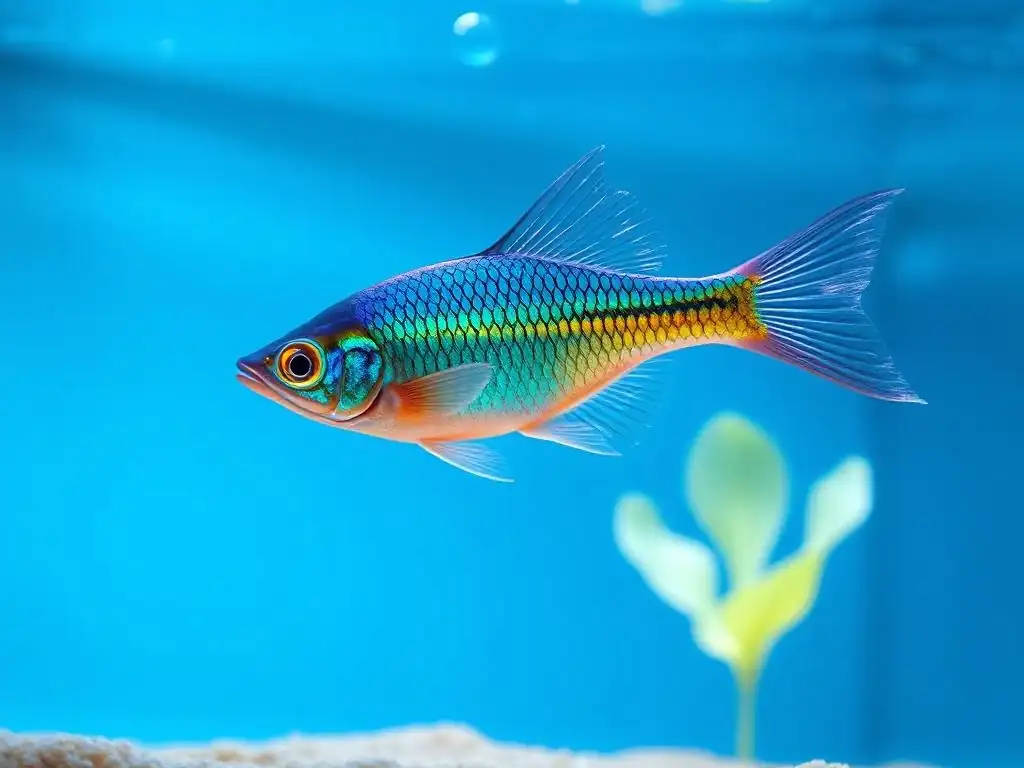
Longfin Danios are omnivorous, meaning their diet in the wild consists of a mix of small insects, larvae, crustaceans, and plant matter. To ensure their optimal health and vibrant colors in an aquarium setting, a varied and balanced diet is essential. Relying solely on one type of food can lead to nutritional deficiencies over time. Their small mouths necessitate appropriately sized food particles.
A comprehensive feeding guide for Longfin Danios emphasizes variety. This includes high-quality flake foods as a staple, supplemented with frozen or live foods, and occasional vegetable matter. For instance, a daily feeding routine might involve a high-protein flake in the morning, followed by a small portion of frozen bloodworms or brine shrimp in the evening, ensuring they receive a full spectrum of nutrients.
Recommended Foods: Flakes, Pellets, and Live/Frozen Options
For daily feeding, high-quality flake foods specifically formulated for tropical omnivores are an excellent base. Look for flakes with a crude protein content of 35% or higher. Small, sinking pellets can also be offered periodically to ensure they get a varied diet and to cater to any individuals that might prefer foraging near the bottom. Brands like Hikari Tropical Sinking Wafers or TetraMin Tropical Flakes are often recommended.
To supplement their diet and provide essential nutrients, live or frozen foods should be incorporated 2-3 times a week. Brine shrimp, daphnia, bloodworms, and mosquito larvae are all excellent choices. For example, feeding a small cube of frozen brine shrimp every other day can significantly boost their vitality and immune system. These protein-rich options mimic their natural diet and enhance their growth and coloration, contributing to robust Longfin Danio care tips.
Feeding Frequency and Portion Control: Preventing Overfeeding
Overfeeding is a common mistake in aquarium keeping and can quickly lead to deteriorated water quality, promoting algae growth and potentially causing digestive issues in fish. Longfin Danios have small stomachs, and it's better to feed them small amounts more frequently than large amounts infrequently. A good rule of thumb is to feed them 2-3 times a day, offering only what they can consume within 2-3 minutes.
For instance, for a school of six Longfin Danios, a pinch of flake food that disperses quickly and is consumed within 60 seconds is usually sufficient per feeding. Any uneaten food should be promptly removed from the tank to prevent it from decaying and fouling the water. Consistent portion control is a vital aspect of Longfin Danio care tips, ensuring both the fish's health and the stability of the aquarium ecosystem.
Longfin Danio Tank Mates: Choosing Compatible Species
Best Tank Mates for Longfin Danios: Peaceful and Active Companions
Choosing appropriate tank mates is crucial for the well-being of Longfin Danios, particularly given their delicate fins. They are schooling fish and thrive in groups of at least 6-8 individuals, which helps reduce stress and allows them to display their natural schooling behavior. Ideal tank mates should be similarly peaceful, active, and not prone to fin-nipping. They should also prefer similar water parameters.
Excellent companions include other small, non-aggressive schooling fish like Neon Tetras, Rummy Nose Tetras, Harlequin Rasboras, and other small, peaceful Cyprinids. Bottom dwellers such as Corydoras Catfish or Otocinclus Catfish also make good tank mates, as they occupy a different part of the water column and are generally docile. For example, a 20-gallon tank could comfortably house a school of 8 Longfin Danios and 6 Corydoras, creating a harmonious and active community.
Fish to Avoid: Aggressive or Fin-Nipping Species
To protect the flowing fins of Longfin Danios, it is absolutely essential to avoid tank mates known for aggression or, more specifically, fin-nipping behavior. Fish that are naturally territorial, highly aggressive, or those that have a reputation for nipping at the long fins of other species pose a significant threat. These interactions can lead to severe fin damage, stress, and secondary infections, compromising the Longfin Danio's health.
Species to avoid include many types of Barbs (e.g., Tiger Barbs, unless kept in very large schools where they might nip each other instead), some Cichlids (even dwarf varieties can be territorial), and certain Gouramis. Even some typically peaceful fish, if overcrowded or stressed, might nip. For instance, a solo Angelfish, though often peaceful, might be tempted by the long, flowing fins of a Longfin Danio. Careful selection of tank mates is a paramount Longfin Danio care tip to prevent injury and stress.
Longfin Danio Health Issues and Disease Prevention
Common Longfin Danio Diseases: Identification and Treatment
Recognizing Early Signs of Illness: Behavior and Physical Symptoms
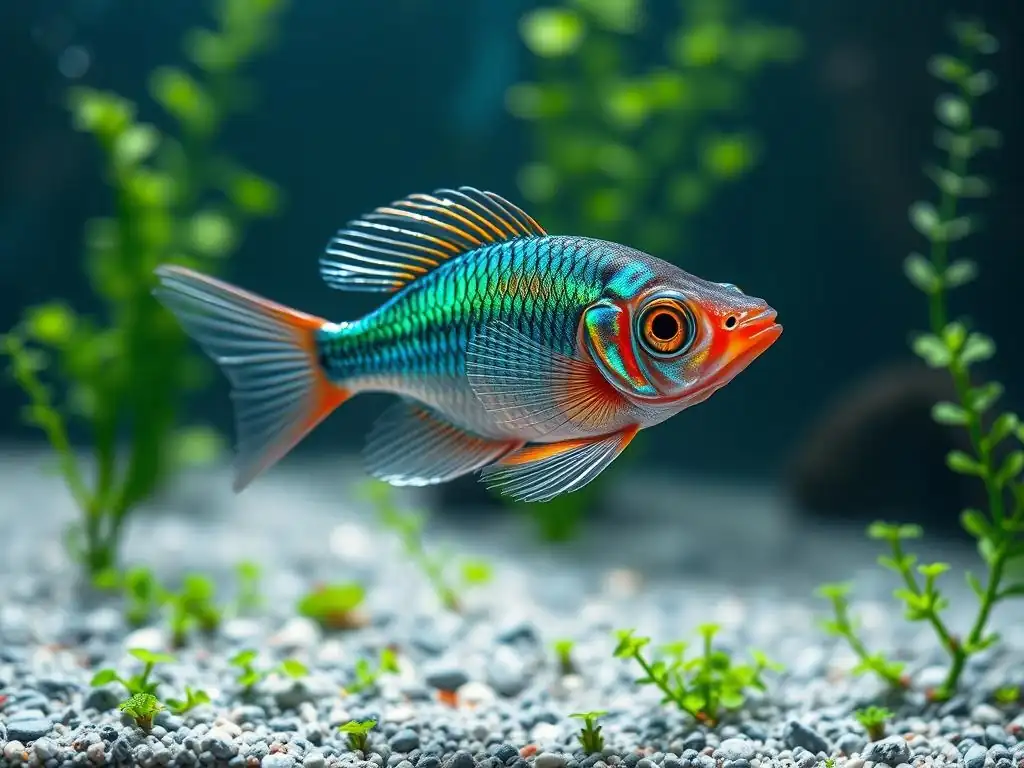
Early detection of illness is critical for successful treatment and preventing the spread of disease within your aquarium. Healthy Longfin Danios are active, energetic, and exhibit strong schooling behavior, darting around the tank. Any deviation from this normal behavior should raise a red flag. Look for signs such as lethargy, hiding excessively, clamped fins, erratic swimming, or rubbing against objects.
Physical symptoms can include white spots (Ich), fuzzy growths (fungus), frayed or ragged fins (fin rot), bloating, or changes in coloration. For example, a Longfin Danio with Ich might have small, salt-like white spots scattered across its body and fins, accompanied by rapid breathing. Observing your fish daily for a few minutes allows you to quickly identify these subtle changes, making timely intervention possible and improving Longfin Danio care tips.
Treating Common Diseases: Ich, Fin Rot, and Bacterial Infections
Common diseases in Longfin Danios, often triggered by poor water quality or stress, include Ich (White Spot Disease), fin rot, and various bacterial infections. Ich is characterized by small white spots and can be treated by gradually raising the water temperature to 82-86°F (28-30°C) over 24-48 hours (if compatible with tank mates) and using an Ich medication like malachite green or formalin-based treatments. A 50% water change before treatment is often recommended.
Fin rot, often caused by bacterial infection in poor water conditions, manifests as frayed or disintegrating fins. It can be treated with broad-spectrum antibiotics or antibacterial medications like Furan-2, alongside significant water changes (e.g., 25-50% daily for several days) and improved water quality. For example, if 3 out of 10 Longfin Danios develop fin rot, isolating them in a hospital tank for treatment can prevent spread. Always follow medication instructions precisely, and address underlying water quality issues for effective Longfin Danio care tips.
Preventing Diseases: Quarantine and Water Quality Management
The best approach to fish health is prevention. A strict quarantine protocol for all new fish is perhaps the most effective disease prevention strategy. New Longfin Danios, or any new aquatic inhabitants, should be kept in a separate quarantine tank for at least 2-4 weeks before being introduced to the main display tank. This allows you to observe them for any signs of illness and treat them in isolation, preventing the introduction of pathogens to your established community.
Beyond quarantine, impeccable water quality management is paramount. This includes regular water changes, consistent parameter monitoring (pH, ammonia, nitrite, nitrate), and proper filtration. Overfeeding should be avoided as it contributes to waste. For instance, a 20-gallon tank housing 8 Longfin Danios should undergo a 25% water change weekly to keep nitrates below 10 ppm. These proactive Longfin Danio care tips significantly reduce stress and bolster your fish's immune system, making them less susceptible to disease.
Breeding Longfin Danios: A Step-by-Step Guide
Setting Up a Breeding Tank for Longfin Danios
Breeding Longfin Danios can be a rewarding experience due to their relatively straightforward spawning process. A dedicated breeding tank, typically 5-10 gallons (19-38 liters), is highly recommended. This tank should be bare-bottomed or have a layer of marbles or a spawning mop to protect the eggs from being eaten by the parents. The water should be soft (4-8 dGH) and slightly acidic (pH 6.5-7.0), with a temperature of around 78°F (25.5°C).
A simple sponge filter or air stone will provide gentle aeration without strong currents that could scatter eggs. For example, a 5-gallon tank with a layer of glass marbles covering the bottom and a small air stone is an ideal setup. Conditioning the breeding pair or trio (one female, two males) with high-protein live or frozen foods for a week prior, such as bloodworms or brine shrimp, stimulates spawning. This specialized setup is a key component of Longfin Danio care tips for successful breeding.
Spawning Behavior and Egg Care
Longfin Danios are egg scatterers and typically spawn at dawn. The male will chase the female, nudging her side, and they will release eggs and sperm simultaneously. The eggs are non-adhesive and will fall to the bottom, ideally through the marbles or into the spawning mop, making them inaccessible to the parents. A single spawning event can yield anywhere from 100 to 500 eggs, though typically around 200-300.
Once spawning is complete (usually within an hour or two), the adult Longfin Danios should be removed from the breeding tank to prevent them from consuming the eggs. The eggs are transparent and very small, about 1mm in diameter. They usually hatch within 2-3 days at 78°F (25.5°C). Keeping the tank dimly lit can help prevent fungus growth on the eggs, and a tiny amount of methylene blue can be added as an anti-fungal if needed.
Raising Longfin Danio Fry: Feeding and Growth
Longfin Danio fry are incredibly tiny and require specialized care. Upon hatching, the fry will absorb their yolk sac for the first 24-48 hours and then become free-swimming. At this stage, they need microscopic food. Infusoria, which can be cultured at home, is an ideal first food. After a few days, as they grow, they can be transitioned to newly hatched brine shrimp nauplii.
For example, for the first week, feed infusoria 3-4 times a day. By day 5-7, introduce newly hatched brine shrimp. As they continue to grow (around 1-2 weeks old), finely crushed high-quality flake food can be introduced. Consistent, small feedings are crucial for their rapid growth. Performing small water changes (10-15%) daily or every other day, siphoning carefully to avoid sucking up fry, is also vital to maintain water quality in the fry tank. These detailed feeding strategies are essential Longfin Danio care tips for successful fry rearing.
Longfin Danio Behavior and Enrichment: Keeping Them Happy
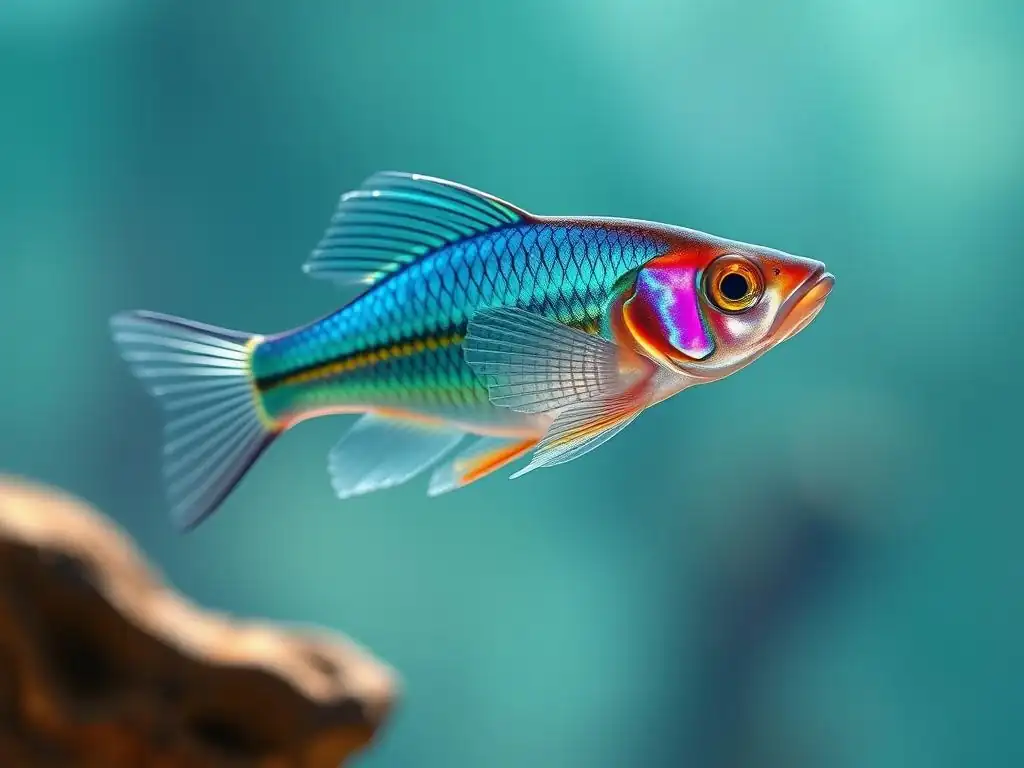
Longfin Danios are quintessential schooling fish, and their social behavior is a cornerstone of their well-being. They feel most secure and display their natural behaviors when kept in groups of at least 6-8 individuals, preferably more. In a sufficiently sized school, they will actively swim together, darting and weaving in synchronized patterns, which is a mesmerizing sight. This schooling instinct is a defense mechanism in the wild, providing safety in numbers.
When kept in smaller groups (fewer than six), Longfin Danios can become stressed, shy, or even aggressive towards each other or other tank mates. They may lose their vibrant coloration and spend more time hiding. For instance, a group of 3 Longfin Danios in a 10-gallon tank might appear listless compared to a group of 8 in a 20-gallon tank that exhibits constant, energetic schooling. Providing ample numbers is a fundamental Longfin Danio care tip for their psychological health.
Providing Enrichment: Hiding Places and Exploration
While Longfin Danios are active open-water swimmers, providing environmental enrichment through hiding places and varied tank layouts enhances their well-being and allows them to express natural behaviors. Although they may not hide often, having secure spots to retreat to reduces stress, especially if they feel threatened or need a break from constant activity. Plants, driftwood, and smooth rock formations offer visual barriers and exploration opportunities.
Creating different zones within the tank, such as densely planted areas and open swimming spaces, provides variety. For example, a tank could have a thicket of Java Fern on one side for cover, a large piece of driftwood in the center for exploration, and an open area for schooling. This balance of open space and cover makes the environment more stimulating and secure, contributing significantly to optimal Longfin Danio care tips for their overall happiness.
Troubleshooting Common Longfin Danio Problems
Fin Nipping: Causes and Solutions
Fin nipping, particularly problematic for Longfin Danios due to their elongated fins, can stem from several causes:
- Incompatible Tank Mates: The most common cause. Aggressive or naturally fin-nipping species (e.g., some barbs, specific cichlids) will target their flowing fins.
- Insufficient School Size: When Longfin Danios are kept in groups too small (fewer than 6), they can become stressed and may nip at each other or other tank mates out of anxiety or to establish dominance.
- Overcrowding: A crowded tank increases stress and territorial disputes, leading to nipping.
Solutions:
- Re-evaluate Tank Mates: Immediately remove any known fin-nipping species. Research compatibility thoroughly before adding new fish.
- Increase School Size: If your Longfin Danio school is small, consider adding more individuals to reach a minimum of 8-10. This disperses aggression and strengthens their schooling instinct.
- Address Overcrowding: Ensure your tank size is appropriate for your fish population. A 20-gallon long tank is suitable for a school of 8-10 Longfin Danios.
- Provide Enrichment: More hiding places and visual breaks can reduce stress and potential nipping.
If fins are nipped, maintain pristine water quality to prevent secondary bacterial infections, which are common complications. This is a critical Longfin Danio care tip.
Loss of Color: Causes and Solutions
A noticeable loss of vibrant coloration in Longfin Danios is often an indicator of underlying stress or health issues. Healthy Longfin Danios exhibit bright, well-defined stripes or patterns. Common causes include:
- Poor Water Quality: High levels of ammonia, nitrite, or nitrate, or unstable pH, are major stressors that can dull colors.
- Stress: This can be due to incompatible tank mates, insufficient school size, overcrowding, or sudden environmental changes (e.g., large, infrequent water changes).
- Improper Diet: A diet lacking essential vitamins and nutrients can lead to faded colors and weakened immunity.
- Disease: Many diseases, even in their early stages, can cause fish to lose color as their body struggles to fight off infection.
- Aging: Older fish may naturally show some fading in color over time.
Solutions:
- Test Water Parameters: Perform thorough water tests immediately. Address any imbalances with appropriate water changes (e.g., 25% weekly) and filtration.
- Optimize Environment: Ensure the tank is appropriately sized, not overcrowded, and houses compatible tank mates. Increase school size if necessary.
- Improve Diet: Offer a varied diet of high-quality flakes, pellets, and regular frozen or live foods (e.g., brine shrimp, bloodworms) rich in spirulina or color-enhancing ingredients.
- Observe for Disease: Look for any other symptoms of illness (e.g., clamped fins, spots, abnormal swimming) and treat accordingly.
- Reduce Stress: Provide ample hiding spots and maintain a stable, consistent environment.
Addressing these issues promptly will usually see your Longfin Danios regain their vibrant hues, reinforcing the importance of diligent Longfin Danio care tips.
Longfin Danio Care Checklist: A Quick Reference Guide
- Tank Size: Minimum 10 gallons for a small school, 20 gallons long or larger highly recommended for optimal activity.
- School Size: Keep in groups of at least 6-8, preferably 10+.
- Water Temperature: 72-78°F (22-26°C).
- pH Level: 6.5-7.5.
- Water Hardness (dGH): 5-19 dGH.
- Ammonia & Nitrite: 0 ppm.
- Nitrate: Below 20 ppm, ideally 10 ppm or less.
- Filtration: Adequate filtration for tank size, providing moderate flow.
- Water Changes: 20-25% weekly, using dechlorinator.
- Diet: High-quality flakes/pellets daily, supplemented with frozen/live foods (brine shrimp, bloodworms) 2-3 times per week. Feed small amounts 2-3 times daily, consumed within 2-3 minutes.
- Substrate: Fine gravel or sand.
- Decorations: Smooth rocks, driftwood, live plants (e.g., Java Fern, Anubias). Avoid sharp or abrasive items.
- Tank Mates: Peaceful, non-fin-nipping schooling fish (e.g., Neon Tetras, Corydoras). Avoid aggressive or notorious fin-nippers.
- Quarantine New Fish: Always quarantine new fish for 2-4 weeks.
- Observation: Daily observation for signs of stress or illness.
Frequently Asked Questions
How often should I perform water changes for my Longfin Danios?
Regular water changes are essential for Longfin Danio health. Aim for a 25% water change every one to two weeks to maintain optimal water quality.
What is the ideal tank size for a group of Longfin Danios?
Longfin Danios are active fish and need space. A 20-gallon tank is generally recommended for a small group of 5-6, allowing them ample room to swim and explore.
What type of food should I feed my Longfin Danios?
Offer a varied diet to keep your Longfin Danios healthy. Include high-quality flake food, live or frozen foods like daphnia and bloodworms, and occasional vegetable matter.
What are some common health issues that affect Longfin Danios and how can I prevent them?
Common issues include Ich and fin rot. Preventing these involves maintaining excellent water quality, quarantine new fish, and observing your Danios for any signs of illness.
Are Longfin Danios compatible with other fish species?
Longfin Danios are generally peaceful and can coexist with other similarly sized, peaceful fish. Avoid housing them with aggressive or fin-nipping species.
Final Reflection: The Grace of Longfin Danios and the Art of Care
The journey into understanding the nuances of Longfin Danio care reveals more than just aquatic husbandry; it underscores the importance of responsible pet ownership and the dedication required to ensure the well-being of any living creature. These shimmering, graceful fish, with their flowing fins, demand a commitment that extends beyond simply providing food and water. Their vibrant health is a direct reflection of our attentiveness and understanding of their specific needs.
The delicate beauty of Longfin Danios has captivated aquarists for years, and their popularity continues to grow. This enduring appeal highlights the responsibility we bear to provide them with the best possible environment, mirroring their natural habitat and catering to their unique sensitivities. The greatness of a nation and its moral progress can be judged by the way its animals are treated.
- Mahatma Gandhi. This quote resonates deeply when considering the care we provide to these captivating creatures, urging us to strive for excellence in their welfare.
As you embark on, or continue, your journey as a Longfin Danio keeper, remember that your dedication directly impacts their quality of life. Let this knowledge inspire you to continually learn, adapt, and refine your care practices. By embracing the principles outlined in this article, you not only ensure the health and happiness of your Longfin Danios but also contribute to a more compassionate and informed approach to aquatic life. Let the shimmering dance of your healthy Longfin Danios be a testament to your commitment and a source of endless joy.
Ignite Your Longfin Danio's Vitality!
Thanks for diving into the world of Longfin Danios! Now that you're armed with specialized care tips, it's time to put your knowledge into action and watch your fish thrive.
Here are a few things you can do right now to ensure their well-being:
- Immediately review your tank setup to confirm it meets the specific needs discussed for Longfin Danios, paying special attention to water flow and available swimming space.
- Share this article with fellow aquarium enthusiasts who keep (or are considering keeping) Longfin Danios – helping them provide the best possible care!
- Begin documenting your Longfin Danio's behaviors and appearances weekly – creating a personalized health log to monitor their long-term well-being.
What specific adjustment will you make to your Longfin Danio's tank environment this week, based on what you've learned today?