
*Neolamprologus signatus*: Unveiling the Secrets of This Striped Shell Dweller

Welcome to Aquarium Mastery!
Intrigued by the mesmerizing world of shell-dwelling cichlids? Dive in and discover the secrets to successfully keeping Neolamprologus signatus, the fascinating striped shell dweller. This Neolamprologus signatus care guide unlocks everything you need to know about their unique needs, from optimal tank conditions to breeding strategies. Are you ready to create a thriving habitat for these captivating fish? Let's explore!
- Introduction to Neolamprologus signatus: A Captivating Shell Dweller
- Neolamprologus signatus Care Guide: Essential Information
- Setting Up the Perfect Neolamprologus signatus Tank
- Neolamprologus signatus Diet and Feeding
- Neolamprologus signatus Behavior and Compatibility
- Breeding Neolamprologus signatus: A Rewarding Experience
- Common Neolamprologus signatus Health Issues and Prevention
- Maintaining a Healthy Neolamprologus signatus Aquarium
- Troubleshooting Common Neolamprologus signatus Problems
- Neolamprologus signatus: Advanced Care Tips
- Conclusion: Mastering Neolamprologus signatus Care
-
Frequently Asked Questions
- How difficult is it to care for Neolamprologus signatus compared to other cichlids?
- What is the ideal tank setup for Neolamprologus signatus, focusing on their shell-dwelling behavior?
- What are the key water parameters to maintain for a healthy Neolamprologus signatus aquarium?
- What should I feed my Neolamprologus signatus to ensure their optimal health and vibrant colors?
- What are some common health issues that Neolamprologus signatus might face, and how can I prevent them?
- Final Reflection: Appreciating the Intricacies of a Miniature World
- Embark on Your Shell Dweller Journey!
Introduction to Neolamprologus signatus: A Captivating Shell Dweller
Discover the Allure of the Neolamprologus signatus in the Aquarium Hobby
The Neolamprologus signatus, often referred to as the Striped Shell Dweller, presents a unique and captivating addition to the freshwater aquarium. Its relatively small size, typically reaching about 2.5 inches (6.5 cm) for males and slightly smaller for females, makes it suitable for aquarists with limited space, yet it offers an abundance of fascinating behaviors. These cichlids are renowned for their intricate social structures and their absolute reliance on empty snail shells for shelter, breeding, and territorial defense, providing a constant source of observation and enjoyment for the dedicated hobbyist.
Beyond their practical size, the Neolamprologus signatus showcases a subtle yet attractive coloration, typically featuring a light body adorned with distinct vertical stripes that vary in intensity depending on the fish's mood and health. Their active digging and curious exploration of their shell homes add dynamic movement to the tank. For those seeking a species that offers more than just visual appeal, mastering the Neolamprologus signatus care guide allows for a deeply rewarding experience, observing their natural instincts unfold in a captive environment.
Origin and Natural Habitat of the Striped Lamprologus
The Neolamprologus signatus originates exclusively from the vast and ancient Lake Tanganyika in East Africa, one of the oldest and deepest freshwater lakes in the world. This specific species is primarily found in the sandy, open areas of the lake, particularly in shallow to moderate depths where an abundance of empty Neothauma snail shells litter the lakebed. These shells are not just casual resting spots but are integral to the fish's survival and reproductive strategy.
In their natural habitat, Neolamprologus signatus inhabit a highly stable environment characterized by hard, alkaline water with consistent temperatures. They are micro-predators, sifting through the sand for tiny invertebrates and crustaceans. Their life revolves around their chosen shell, which serves as a sanctuary from predators and a secure nursery for their fry. Understanding these natural conditions is paramount for anyone looking to provide optimal Neolamprologus signatus care within an aquarium setting.
Neolamprologus signatus Care Guide: Essential Information
Understanding Neolamprologus signatus Tank Requirements
Providing an appropriate tank setup is the cornerstone of a successful Neolamprologus signatus care guide. While relatively small, these fish are territorial and active, requiring space for individual territories and exploration. A minimum tank size of 10 gallons (approximately 38 liters) is often cited for a single pair, but a 20-gallon (around 75 liters) long aquarium is highly recommended for a pair or a small colony to allow for more natural behavior, reduce potential aggression, and ensure stable water parameters.
The tank must be designed to mimic their natural sandy, shell-strewn environment. A fine sand substrate is crucial, allowing them to engage in their natural digging and sifting behaviors. Adequate filtration is necessary to maintain pristine water quality, though strong currents should be avoided as Neolamprologus signatus prefer calmer waters around their shell homes. Consistent water temperature and parameters are vital for their long-term health.
Water Parameters for Optimal Signatus Health: pH, Temperature, and Hardness
Maintaining precise water parameters is a critical component of any comprehensive Neolamprologus signatus care guide, directly impacting their health, coloration, and breeding success. These fish thrive in conditions that closely replicate their native Lake Tanganyika environment. The ideal pH range for Neolamprologus signatus is between 7.8 and 9.0, reflecting the highly alkaline nature of the lake. Consistency within this range is more important than hitting a specific number, as sudden fluctuations can cause significant stress.
Temperature stability is equally crucial, with an optimal range of 23-27°C (73-81°F). Temperatures outside this range can weaken their immune system or inhibit natural behaviors. Furthermore, the water should be moderately to very hard, typically ranging from 10 to 20 dGH (degrees of General Hardness), with a high carbonate hardness (KH) to ensure pH buffering. Regular testing of these parameters using reliable aquarium test kits is essential to prevent issues and ensure the well-being of your Neolamprologus signatus.
The Importance of Shells: Providing a Natural Habitat for Neolamprologus signatus
Shells are not merely decorative elements but are absolutely indispensable for the survival and psychological well-being of Neolamprologus signatus. In their natural Lake Tanganyika habitat, these cichlids utilize empty Neothauma snail shells as primary shelters, breeding sites, and territorial markers. Without a sufficient number and variety of shells, Neolamprologus signatus will become stressed, exhibit unnatural behavior, and fail to thrive or reproduce.
For the aquarium, providing ample shells is a non-negotiable aspect of Neolamprologus signatus care. While authentic Neothauma shells are ideal, clean escargot shells or similar-sized empty snail shells (e.g., from apple snails, though smaller) can serve as suitable alternatives. It is vital to offer more shells than fish, ideally at least two to three shells per fish, scattered across the sandy substrate. This abundance allows each fish to select its preferred home, establishes clear territories, and minimizes aggression, particularly during breeding when females will select a specific shell for spawning.
Setting Up the Perfect Neolamprologus signatus Tank
Choosing the Right Aquarium Size for Your Signatus Colony
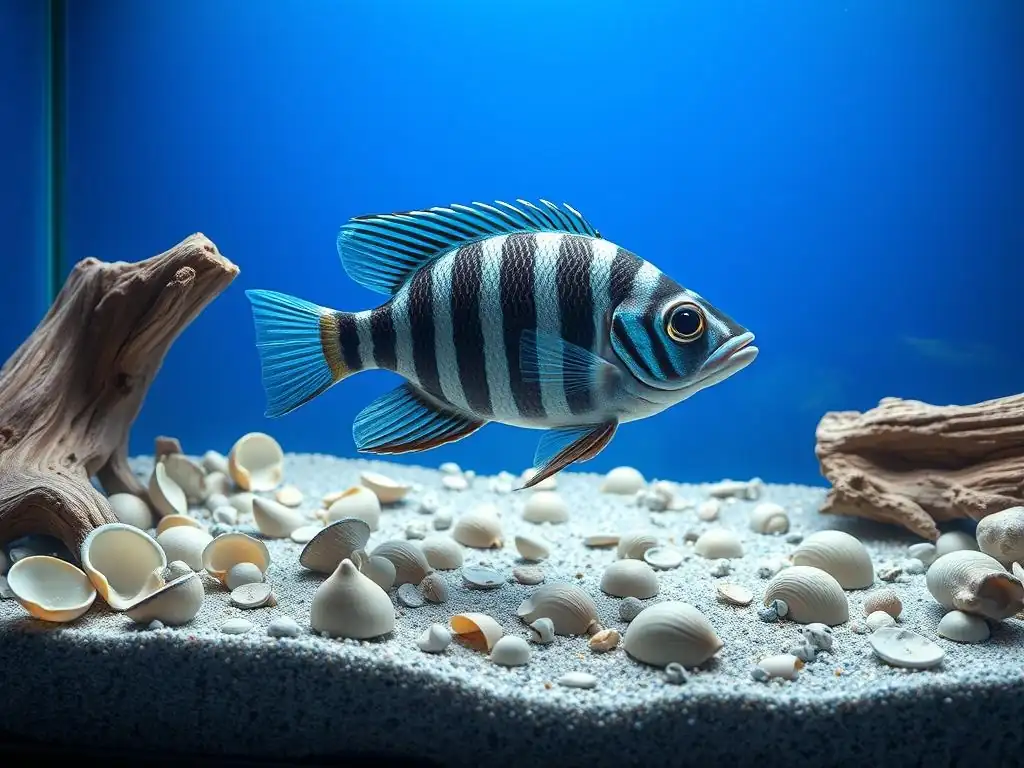
Selecting the appropriate aquarium size is a fundamental decision when planning a Neolamprologus signatus setup. For a single breeding pair, a 10-gallon (approximately 38 liters) tank can be sufficient, provided it is a "long" style tank that offers more floor space rather than height. However, to truly observe their fascinating behaviors and minimize potential territorial disputes, a 20-gallon long (around 75 liters) or even a 30-gallon (around 113 liters) tank is highly recommended for a pair or a small group.
For those aspiring to keep a larger colony or integrate Neolamprologus signatus into a Tanganyikan community setup, a 40-gallon (approximately 150 liters) or larger aquarium is advisable. The increased footprint provides ample room for multiple territories and numerous shells, which is crucial for diffusing aggression among individuals. Adequate space is a critical factor in ensuring the long-term health and stability of your Neolamprologus signatus colony, allowing them to exhibit their natural digging and social dynamics without undue stress.
Substrate Selection for a Neolamprologus signatus Biotope
The substrate is arguably the most critical element in replicating the natural habitat of Neolamprologus signatus and is a key focus in any detailed Neolamprologus signatus care guide. These cichlids are natural diggers and sifters, constantly moving sand to create burrows around their shells or search for food. Therefore, a fine, soft sand substrate is absolutely essential for their well-being. Materials like play sand, pool filter sand, or specialized aquarium sand are excellent choices, as they are smooth and won't abrade the fish's delicate barbels or fins.
Avoid using coarse gravel or sharp substrates, as these can injure the fish during their digging activities and prevent them from engaging in natural behaviors. The sand layer should be at least 2-3 inches (5-7.5 cm) deep in areas where shells will be placed, allowing the fish to bury and arrange the shells to their liking. This deep, fine substrate facilitates their natural instincts, reduces stress, and provides a more authentic and functional environment for your striped shell dwellers.
Decorating the Signatus Tank: Creating a Natural and Functional Environment
When decorating a Neolamprologus signatus tank, the primary focus should be on functionality and replicating their natural biotope, with shells taking center stage. As previously emphasized, a generous supply of clean, empty snail shells (such as escargot shells or Neothauma shells) is paramount. These should be scattered across the sandy substrate, providing numerous options for shelter, territory establishment, and breeding sites. Ensure there are more shells than fish to reduce competition and stress.
Beyond shells, you can incorporate flat, smooth rocks to create visual barriers and additional territories, especially in larger tanks. These rocks should be stable and placed directly on the tank bottom before adding sand, to prevent them from shifting and potentially trapping or injuring fish due to their digging activities. While Neolamprologus signatus tanks are typically sparse in live plants due to the fish's digging, hardy options like Anubias or Java Fern can be anchored to rocks or driftwood if desired, adding a touch of green without being uprooted.
Neolamprologus signatus Diet and Feeding
What to Feed Your Striped Shell Dweller: Nutritional Needs
Understanding the nutritional requirements of Neolamprologus signatus is fundamental to their long-term health and vibrancy, making it a crucial section of any comprehensive Neolamprologus signatus care guide. In their natural Lake Tanganyika habitat, these shell dwellers are primarily micro-predators, meaning their diet consists of small invertebrates, crustaceans, and insect larvae found by sifting through the sandy substrate. Therefore, a high-protein diet that mimics these natural food sources is essential for their captive well-being.
A varied diet not only ensures they receive all necessary vitamins and minerals but also stimulates their natural foraging behaviors. Relying solely on one type of food can lead to nutritional deficiencies and a lack of interest in feeding. Protein content should be a priority, but a balance of fats and carbohydrates is also important for energy and overall physiological function. A healthy, well-fed Neolamprologus signatus will display vibrant coloration, active behavior, and increased resistance to disease.
Recommended Foods for Neolamprologus signatus: Live, Frozen, and Flake Options
To meet the dietary needs of Neolamprologus signatus, offering a diverse range of high-quality foods is key. Live foods are often the most enthusiastically accepted and provide excellent nutritional value, mimicking their natural diet. Options include newly hatched brine shrimp nauplii, daphnia, cyclops, and grindal worms. These small, wiggling organisms stimulate their predatory instincts and are highly palatable.
Frozen foods are another excellent staple and are more convenient than live cultures. Mysis shrimp, brine shrimp, and cyclops are highly recommended. While bloodworms can be offered sparingly as a treat, they are rich and can sometimes lead to digestive issues if fed too frequently. High-quality cichlid flakes or small pellets formulated for carnivorous fish should also be part of their daily diet, providing a balanced nutritional base. Look for foods with a high protein content (e.g., above 40%). Rotating between these different food types ensures a comprehensive and engaging feeding regimen for your Neolamprologus signatus.
Feeding Frequency and Portion Control for Healthy Signatus
Proper feeding frequency and portion control are vital aspects of effective Neolamprologus signatus care, directly impacting water quality and the fish's health. Due to their small size and active metabolism, it is generally best to feed Neolamprologus signatus small meals multiple times a day rather than one large feeding. Offering food 2 to 3 times daily is ideal, mimicking their continuous foraging behavior in the wild.
The key to portion control is to provide only what your fish can consume within 1 to 2 minutes. Overfeeding is a common mistake that can lead to numerous problems, including uneaten food decaying and polluting the water, which in turn can cause ammonia and nitrite spikes, promoting algae growth, and potentially leading to health issues like bloat in the fish. Observing your Neolamprologus signatus during feeding will help you gauge the appropriate amount, ensuring they are well-nourished without compromising water quality.
Neolamprologus signatus Behavior and Compatibility
The social dynamics of Neolamprologus signatus are among their most captivating traits and are central to understanding their care requirements. These cichlids are known to form strong, often monogamous, pair bonds in the aquarium. Within a pair, the male and female will typically share a territory centered around one or more chosen shells, which they fiercely defend against perceived intruders. This territoriality is a natural instinct, essential for protecting their breeding sites and fry.
While pairs are common, Neolamprologus signatus can also be kept in colonies in sufficiently large aquariums with an abundance of shells and visual breaks. In a colony setting, multiple pairs or individuals will establish their own territories, leading to intricate interactions and a fascinating display of social hierarchy. However, overcrowding or insufficient shells can lead to increased aggression, with dominant individuals harassing weaker ones, underscoring the importance of proper tank setup in any Neolamprologus signatus care guide.
Tank Mates for Neolamprologus signatus: Compatible Species
Choosing appropriate tank mates is crucial for the peaceful coexistence of your Neolamprologus signatus and overall tank harmony. Given their territorial nature, especially around their shells, Neolamprologus signatus are often best kept in a species-specific setup. This allows them to exhibit their natural behaviors without undue stress from other fish. However, if a community tank is desired, careful selection of tank mates is paramount.
Compatible species should ideally be other small, peaceful Tanganyikan cichlids that occupy different levels of the water column or have similar behavioral requirements but do not compete directly for shells. Good choices include small Julidochromis species like Julidochromis transcriptus or Julidochromis dickfeldi, dwarf Altolamprologus such as Altolamprologus compressiceps 'Gold Head' or 'Kigoma', and some peaceful Synodontis catfish like Synodontis petricola. Avoid large, boisterous, or overly aggressive fish that could intimidate or outcompete your Neolamprologus signatus for resources or territory.
Avoiding Aggression: Minimizing Conflicts in the Signatus Tank
Aggression can be a challenge in any cichlid tank, and Neolamprologus signatus are no exception, despite their relatively small size. Minimizing conflicts is a key aspect of successful Neolamprologus signatus care. The most effective strategy is to provide ample space and resources. As previously mentioned, ensuring a generous supply of shells – ideally more than one per fish – distributed throughout the tank helps to establish clear territories and reduce direct competition for prime real estate.
Beyond shells, incorporating visual barriers like small rock formations or carefully placed driftwood can break up sightlines and allow subordinate fish to escape the view of dominant individuals. Avoid overcrowding the tank, as this inevitably leads to increased stress and aggression. When introducing new fish, doing so simultaneously or rearranging the tank decor can sometimes help reset territorial boundaries. Closely observing your Neolamprologus signatus for signs of stress or excessive bullying allows for early intervention, such as isolating overly aggressive individuals if necessary, to maintain a peaceful environment.
Breeding Neolamprologus signatus: A Rewarding Experience
Creating Ideal Breeding Conditions for Striped Lamprologus
Breeding Neolamprologus signatus can be a highly rewarding experience for the dedicated aquarist, as they are prolific and excellent parents. The first step in creating ideal breeding conditions is ensuring the pair is healthy, well-fed, and mature, typically reaching sexual maturity around 6-8 months of age. Stable, pristine water parameters are crucial; maintaining the recommended Lake Tanganyika conditions (pH 7.8-9.0, GH 10-20 dGH, and temperature 26-27°C / 79-81°F) will encourage spawning.
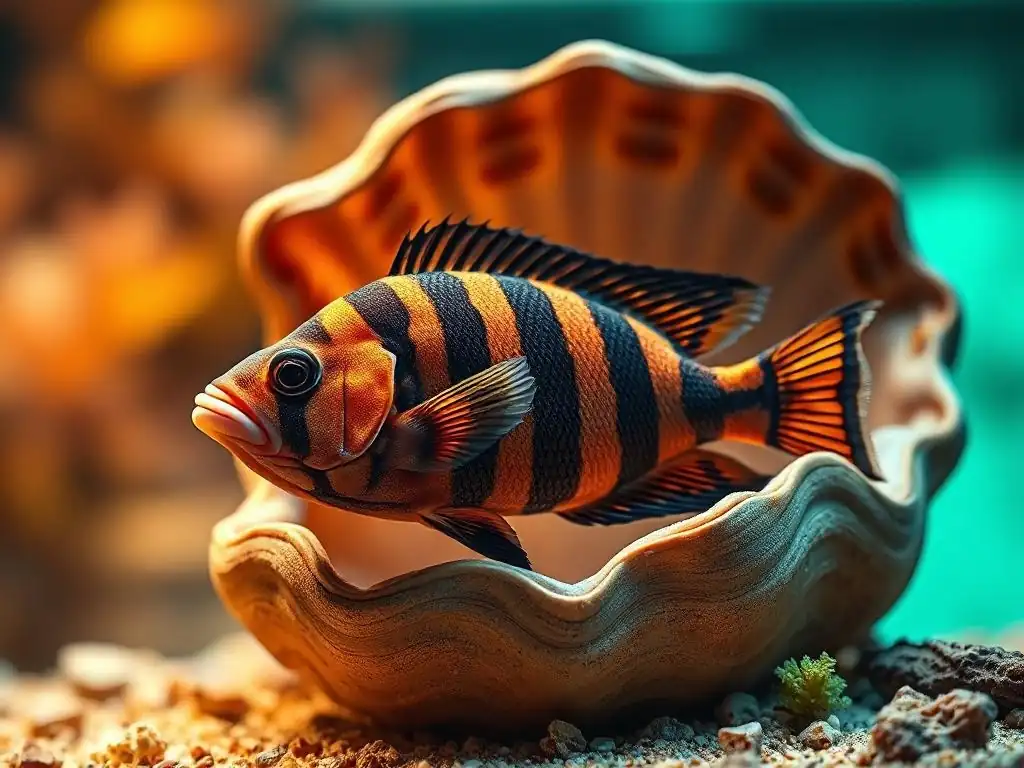
The presence of numerous suitable shells is non-negotiable. The female will carefully select a shell that she deems secure for laying her eggs, often burying or partially burying it in the sand to her liking. A fine sand substrate is therefore essential for this natural behavior. A quiet tank environment with minimal disturbances also contributes to a successful breeding attempt. Consistent maintenance, including regular small water changes, helps to keep the water quality high, signaling to the fish that conditions are optimal for reproduction.
The Signatus Breeding Process: Courtship, Spawning, and Parental Care
The breeding process of Neolamprologus signatus is a fascinating display of cichlid behavior. Courtship typically involves the male displaying to the female, often flaring his fins and attempting to entice her towards a chosen shell. Once the female accepts, she will enter the shell and lay her small, adhesive eggs on the inner surface. The male will then position himself at the entrance of the shell and fertilize the eggs. A single clutch can range from 10 to 40 eggs, depending on the female's size and age.
After spawning, both parents exhibit strong parental care. The female primarily guards the eggs within the shell, often fanning them to ensure proper oxygenation and remove debris. The male patrols the immediate territory around the shell, fiercely defending it from any potential threats. The eggs typically hatch within 3-4 days at 26°C, and the tiny fry become free-swimming about 7-10 days later. This dedicated parental investment continues for several weeks, with the parents guiding their offspring and protecting them from danger, showcasing the intricate social structure that defines Neolamprologus signatus care.
Raising Neolamprologus signatus Fry: Tips and Techniques
Raising Neolamprologus signatus fry is relatively straightforward due to the excellent parental care exhibited by the adults. Once the fry become free-swimming, they will emerge from the shell, often in a small cloud, and begin to forage under the watchful eyes of their parents. Their initial diet should consist of extremely small, high-protein foods. Newly hatched brine shrimp nauplii are an ideal first food, providing essential nutrients for rapid growth. If live brine shrimp are not available, finely powdered high-quality flake food or specialized fry foods can be used.
Maintaining pristine water quality is paramount for the delicate fry. Small, frequent water changes (e.g., 10-15% every few days) are preferable to large, infrequent ones, as they minimize stress and prevent parameter swings. The fry will continue to grow, and as they get larger, they can transition to finely crushed flakes and eventually frozen cyclops or daphnia.
The parents will typically continue to guard the fry for several weeks, often moving them to different shells or safer spots within the tank. Once the fry reach about 0.5 inches (1.2 cm), they can be safely removed to a grow-out tank if you wish to raise a larger number, or left with the parents in a spacious tank where some may survive to adulthood.
Common Neolamprologus signatus Health Issues and Prevention
Recognizing Signs of Illness in Your Striped Shell Dweller
Vigilant observation is a critical aspect of providing comprehensive Neolamprologus signatus care, as early detection of illness can significantly improve treatment outcomes. Healthy Neolamprologus signatus are active, alert, and display vibrant coloration. They will actively dig, explore shells, and interact with tank mates or their pair. Any deviation from these normal behaviors can be a sign of underlying health issues.
Common indicators of illness include lethargy or listlessness, where the fish spends an unusual amount of time hiding or remaining motionless. Loss of appetite, refusal to eat, or spitting out food are also red flags. Physical signs may include clamped fins (fins held tightly against the body), rapid or labored breathing, faded or dull coloration, visible spots (like white spots from Ich), fuzzy growths (fungus), or ulcers. Swelling, particularly abdominal bloating, or erratic swimming patterns are also serious symptoms that warrant immediate investigation.
Preventing Common Diseases in Neolamprologus signatus
Prevention is always the best approach in fishkeeping, and this holds true for Neolamprologus signatus care. The vast majority of common diseases in aquarium fish, including cichlids, are stress-related or stem from poor water quality. Therefore, maintaining a stable and pristine environment is the most effective preventative measure. This involves performing regular water changes (e.g., 20-30% weekly), ensuring robust filtration, and consistent monitoring of water parameters (pH, temperature, ammonia, nitrite, nitrate).
A balanced and varied diet, as discussed previously, strengthens their immune system and overall vitality. Avoiding overcrowding helps reduce stress and aggression, which can compromise a fish's health. Furthermore, practicing proper quarantine procedures for all new fish, plants, and even decorations for at least 2-4 weeks before introducing them to the main tank can prevent the introduction of pathogens. By adhering to these preventative strategies, you significantly reduce the risk of your Neolamprologus signatus succumbing to common ailments.
Treating Signatus Health Problems: Medications and Treatments
Despite the best preventative measures, Neolamprologus signatus can occasionally fall ill, requiring prompt treatment. The specific treatment depends on the diagnosed ailment. For parasitic infections like Ich (white spot disease), which manifests as small white spots resembling salt grains on the body and fins, treatment typically involves elevating the tank temperature slightly (if compatible with tank mates and the fish's tolerance, e.g., to 29-30°C for short periods) and using an anti-parasitic medication, strictly following the manufacturer's instructions.
Bacterial infections, often presenting as fin rot (frayed fins), body sores, or lethargy, usually require broad-spectrum antibacterial or antibiotic treatments. Fungal infections, which appear as cotton-like growths, can be treated with antifungal medications. Bloat, often diet-related or indicative of internal bacterial issues, may sometimes respond to fasting the fish for a day or two, followed by easily digestible foods, or specific medications if severe.
It is crucial to always remove activated carbon from your filter before administering any medication, as carbon will absorb the treatment, rendering it ineffective. Accurate diagnosis is key, so consulting with an experienced aquarist or veterinarian is advisable if you are unsure.
Maintaining a Healthy Neolamprologus signatus Aquarium
Water Changes: Maintaining Water Quality for Your Signatus
Regular water changes are arguably the most critical ongoing maintenance task for ensuring the long-term health and vitality of your Neolamprologus signatus. Even with efficient filtration, nitrates, phosphates, and other dissolved organic compounds accumulate over time, degrading water quality. Frequent water changes dilute these harmful substances, replenish essential minerals, and maintain the stable, pristine conditions that Neolamprologus signatus require.
For a healthy Neolamprologus signatus tank, a weekly water change of 20-30% of the tank volume is generally recommended. Always use a reliable water conditioner to neutralize chlorine and chloramines from tap water, and ensure the new water is matched as closely as possible in temperature and pH to the tank water to prevent shock. During water changes, lightly vacuum the top layer of the sandy substrate to remove any accumulated detritus without disturbing the beneficial bacteria too deeply. Consistent water changes are a non-negotiable element of a successful Neolamprologus signatus care guide.
Filtration and Aeration: Essential Components for a Thriving Signatus Tank
Effective filtration and adequate aeration are indispensable for creating and maintaining a thriving environment for Neolamprologus signatus. A robust filtration system is necessary to process waste products and maintain clear water. Canister filters or hang-on-back (HOB) filters are excellent choices for Neolamprologus signatus tanks, providing mechanical filtration to remove particulate matter, chemical filtration to absorb impurities, and most importantly, biological filtration for the conversion of toxic ammonia and nitrite into less harmful nitrate.
While strong water currents can stress these fish, ensuring proper water circulation and oxygenation is vital. The outflow of the filter can be directed to create a gentle ripple on the surface, which aids in gas exchange. Alternatively, an air stone connected to an air pump can provide additional aeration, ensuring high dissolved oxygen levels, which are crucial for the metabolic processes of Neolamprologus signatus. A well-filtered and aerated tank contributes significantly to the overall health and longevity of your striped shell dwellers.
Regular Maintenance Tasks: Keeping Your Signatus Tank Clean and Healthy
Beyond weekly water changes, a routine of regular maintenance tasks is essential for keeping your Neolamprologus signatus aquarium clean, healthy, and visually appealing. Daily observation is key: spend a few minutes checking on your fish's behavior, coloration, and activity levels, and ensure the temperature and equipment are functioning correctly. This daily check allows for early detection of any potential issues.
On a weekly basis, in addition to water changes, clean the inner surfaces of the aquarium glass to remove algae buildup, which improves visibility and light penetration. Check and gently rinse pre-filter sponges or filter floss in old tank water (never tap water, as chlorine can kill beneficial bacteria) to maintain filter efficiency. Monthly or bi-monthly, a more thorough, but still gentle, cleaning of filter media may be required, again using old tank water.
Avoid deep cleaning the entire substrate or all filter media at once, as this can disrupt the beneficial bacteria colony and lead to a mini-cycle. Consistency in these tasks is paramount for providing optimal Neolamprologus signatus care.
Troubleshooting Common Neolamprologus signatus Problems
Addressing Aggression Issues in Your Signatus Colony
Aggression, while a natural part of cichlid behavior, can become problematic in a Neolamprologus signatus tank if not managed correctly. If you observe excessive chasing, fin nipping, or a particular fish being constantly harassed, it's time to intervene. The primary cause of aggression is usually insufficient space or a lack of adequate hiding and territorial options. Re-evaluating your tank size to ensure it's appropriate for the number of fish you keep is a first step; a larger footprint often diffuses aggression.
Increasing the number of shells and strategically placing them can help. Provide more shells than fish, scattering them to create multiple potential territories rather than clustering them. Adding visual barriers, such as small rock piles or pieces of driftwood, can break up sightlines and allow weaker fish to escape the view of dominant ones.
If a specific individual is consistently aggressive, temporarily removing it to a separate tank for a few days can sometimes reset the pecking order upon reintroduction. In severe cases, permanent removal of an overly aggressive fish might be necessary to maintain harmony in your Neolamprologus signatus community.
Dealing with Water Quality Problems Affecting Your Signatus
Water quality problems are among the most common and detrimental issues affecting Neolamprologus signatus health. High levels of ammonia, nitrite, or nitrate can lead to stress, disease, and even death. If tests reveal ammonia or nitrite spikes, immediate action is required. Perform a large (50% or more) emergency water change using temperature-matched, dechlorinated water. Check your filtration system to ensure it's functioning properly and not clogged. Reduce feeding significantly or cease feeding for a day or two to lessen the bioload.
Persistent high nitrates, even with zero ammonia/nitrite, indicate a need for more frequent or larger water changes. If pH is unstable or consistently too low for Neolamprologus signatus, check your source water's pH and hardness. Using a buffer specifically designed for Tanganyikan cichlids can help maintain the desired alkaline conditions. Avoid over-cleaning the substrate vigorously, as this can release pockets of hydrogen sulfide and disrupt beneficial bacteria. Regular testing and prompt corrective actions are crucial for effective Neolamprologus signatus care.
Identifying and Resolving Signatus Breeding Challenges
While Neolamprologus signatus are generally willing breeders, aquarists may sometimes encounter challenges. If a pair is not spawning, the first step is to review their environment and diet. Ensure water parameters are stable and within the optimal range for breeding (e.g., slightly elevated temperature of 26-27°C). A high-protein diet rich in live or frozen foods can condition the fish for breeding, signaling that conditions are favorable for raising offspring. Confirm that there are plenty of suitable, clean shells available, as the female needs to feel secure in her chosen spawning site.
If fry are not surviving, consider potential causes. While Neolamprologus signatus are excellent parents, in a community tank, other fish might predate on the fry. If this is the case, a species-specific breeding tank is advisable.
Ensure the fry have access to appropriate first foods like newly hatched brine shrimp nauplii immediately after becoming free-swimming. Poor water quality is also a common cause of fry mortality, so meticulous maintenance with small, frequent water changes is crucial. Sometimes, a specific pair simply isn't compatible, and introducing a new mate or allowing a group of juveniles to pair naturally may be the solution for successful Neolamprologus signatus breeding.
Neolamprologus signatus: Advanced Care Tips
Optimizing Water Chemistry for Enhanced Signatus Coloration
Beyond maintaining basic water parameters, optimizing water chemistry can significantly enhance the natural coloration and overall vitality of your Neolamprologus signatus. Lake Tanganyika's water is not just hard and alkaline; it also contains a unique blend of minerals that contribute to the health and vibrancy of its inhabitants. Replicating these specific mineral profiles can lead to more intense colors and robust health for your striped shell dwellers.
Consider using specialized Tanganyika buffer salts, such as those offered by aquarium chemical manufacturers. These products are formulated to replicate the precise mineral composition of Lake Tanganyika, helping to maintain a stable pH between 8.0 and 9.0 and providing essential trace elements. Regularly testing your water's General Hardness (GH) and Carbonate Hardness (KH) will allow you to fine-tune mineral additions. Additionally, a diet rich in natural pigments, such as carotenoids found in spirulina-enriched foods or specific cichlid pellets, can further boost the vibrant hues of your Neolamprologus signatus, making them truly shine in your aquarium.
Creating a Sustainable Signatus Ecosystem in Your Aquarium
Creating a sustainable Neolamprologus signatus ecosystem in your aquarium goes beyond basic maintenance; it involves fostering a balanced biological environment that minimizes intervention while maximizing fish health. Focus on robust biological filtration, allowing beneficial bacteria to efficiently process waste. For larger setups, incorporating a sump or refugium can add significant biological volume, enhance water stability, and provide a space for cultivating beneficial microorganisms.
Consider adding a small population of detritivorous snails, such as Malaysian Trumpet Snails, to the substrate. These snails burrow through the sand, aerating it and consuming decaying organic matter, mimicking natural processes in the lakebed. This helps prevent anaerobic pockets and keeps the substrate cleaner. A truly sustainable Neolamprologus signatus environment is characterized by consistent water parameters, a healthy balance of microfauna, and minimal reliance on chemical interventions, leading to a more resilient and self-regulating aquarium that thrives for years.
Observing and Learning from Your Neolamprologus signatus
Advanced Neolamprologus signatus care involves a deep level of observation and continuous learning from your fish. Spend dedicated time each day simply watching their behaviors: their intricate social interactions, their methodical digging and re-arranging of shells, their courtship rituals, and their diligent parental care. These observations offer invaluable insights into their well-being and can help you detect subtle signs of stress, illness, or changes in their environment before they become major problems.
Keeping a detailed logbook of water parameters, feeding schedules, and any notable behaviors or breeding events can help you identify patterns and correlations. For example, you might notice that a slight temperature increase triggers spawning, or a specific food type enhances coloration. Understanding the nuanced cues your Neolamprologus signatus provide – from fin clampedness to changes in activity levels – is the hallmark of an experienced aquarist. This continuous process of observation and adjustment is what truly elevates Neolamprologus signatus care from a routine task to a deeply engaging and rewarding hobby.
Conclusion: Mastering Neolamprologus signatus Care
The Joys of Keeping Neolamprologus signatus
Keeping Neolamprologus signatus is an immensely rewarding experience that offers a unique window into the fascinating world of Lake Tanganyika cichlids. Their relatively small size, combined with their intricate social behaviors, diligent parental care, and captivating reliance on shells, makes them a standout species for any dedicated aquarist. Observing a pair defend their territory, meticulously arrange their shell home, or guide a cloud of tiny fry is a testament to the wonders of the aquatic world and provides endless hours of enjoyment.
Beyond their aesthetic appeal and engaging behaviors, the process of providing optimal Neolamprologus signatus care fosters a deeper understanding of aquatic ecosystems and the specific needs of these remarkable fish. Successfully breeding them and raising their fry brings a profound sense of accomplishment. A well-maintained Neolamprologus signatus setup becomes more than just a tank; it transforms into a living, dynamic ecosystem that serves as a captivating centerpiece and a source of continuous learning.
Further Resources for Neolamprologus signatus Enthusiasts
For those passionate about mastering Neolamprologus signatus care, the journey of learning is continuous and enriching. While this guide provides a comprehensive foundation, the world of aquarists is vast and collaborative. We highly encourage enthusiasts to seek out reputable online forums and dedicated cichlid communities where experienced hobbyists share their insights, troubleshoot problems, and discuss advanced techniques.
Local fish clubs often provide invaluable resources, offering opportunities to connect with fellow enthusiasts, attend informative presentations, and even acquire healthy specimens. Consulting specialized books and scientific articles on Lake Tanganyika cichlids can also deepen your understanding of their natural history and specific requirements. By actively engaging with these resources and continuously applying new knowledge, you can ensure your Neolamprologus signatus thrive, making your aquarium a true testament to successful shell-dweller husbandry.
Frequently Asked Questions
How difficult is it to care for Neolamprologus signatus compared to other cichlids?
Neolamprologus signatus are generally considered relatively easy to care for, especially compared to more demanding cichlid species. They are hardy and adaptable, making them a good choice for intermediate aquarists.
What is the ideal tank setup for Neolamprologus signatus, focusing on their shell-dwelling behavior?
The ideal tank setup should prioritize plenty of empty snail shells for breeding and shelter. A sandy substrate is also crucial as they enjoy digging and rearranging the substrate around their shells.
What are the key water parameters to maintain for a healthy Neolamprologus signatus aquarium?
Maintaining stable water parameters is essential. Aim for a pH between 7.8 and 9.0, a water hardness of 10-20 dGH, and a temperature between 76°F and 82°F (24°C to 28°C).
What should I feed my Neolamprologus signatus to ensure their optimal health and vibrant colors?
Feed them a varied diet consisting of high-quality flake food, small granules, and frozen or live foods like brine shrimp and daphnia. This ensures they receive essential nutrients for color and growth.
What are some common health issues that Neolamprologus signatus might face, and how can I prevent them?
Common issues include ich and other parasitic infections, often caused by poor water quality. Preventative measures include regular water changes, proper filtration, and quarantining new fish.
Final Reflection: Appreciating the Intricacies of a Miniature World
The journey into understanding Neolamprologus signatus reveals more than just the specifics of aquarium keeping; it highlights the profound connection between responsible stewardship and the preservation of biodiversity. By delving into the nuances of their care, we become active participants in safeguarding a small piece of the intricate tapestry of life within Lake Tanganyika. The knowledge gained is not merely about maintaining a healthy aquarium, but about fostering a deeper appreciation for the delicate balance of ecosystems and the role we play in their survival.
This exploration has underscored the importance of informed and ethical practices in the aquarium hobby. It's easy to view these tiny creatures as mere decorations, but they are complex beings with specific needs and behaviors. In the end, we will conserve only what we love; we will love only what we understand; and we will understand only what we are taught.
- Baba Dioum. This quote resonates deeply, reminding us that understanding, fueled by accurate information and responsible action, is the cornerstone of conservation.
Now, as you embark on your own journey with Neolamprologus signatus, remember that you are not just an aquarist, but a guardian of a miniature world. Let the knowledge you've gained inspire you to create a thriving habitat, to observe with curiosity, and to share your understanding with others. By embracing responsible care practices, you contribute to the well-being of these fascinating fish and become an advocate for the preservation of their natural environment. Let your aquarium be a testament to the power of informed action and a beacon of hope for the future of biodiversity.
Embark on Your Shell Dweller Journey!
Thank you for diving into the fascinating world of Neolamprologus signatus! Now that you've uncovered the secrets of this captivating shell dweller, it's time to bring that knowledge to life.
Here are a few ways to further explore the world of Neolamprologus signatus:
- Transform your aquarium: Carefully plan and create a biotope-accurate habitat replicating Lake Tanganyika's shell beds. This will not only benefit your fish but also provide an engaging focal point in your home.
- Join online communities and share your Neolamprologus signatus experiences with fellow enthusiasts. Offer advice, ask questions, and learn from others to deepen your understanding.
- Seek out less common color variations of Neolamprologus signatus from reputable breeders. Start a small breeding project to help preserve and share the unique beauty of this species.
What's the first detail you'll focus on when setting up your Neolamprologus signatus biotope: substrate, shells, or water parameters? Share your thoughts!