
Pearl Gourami Fry Care: Raising the Next Generation of Aquatic Gems

Welcome to Aquarium Mastery!
Dive into the fascinating world of aquarium keeping! Ever wondered how to successfully raise delicate Pearl Gourami fry into thriving aquatic gems? You've come to the right place! Get ready to unlock the secrets to optimal Pearl Gourami Fry Care, and discover the essential tips and tricks that will help you nurture these beautiful fish from tiny fry to stunning adults. Read on to learn more and begin your journey to aquarium mastery!
- Introduction to Pearl Gourami Fry Care
- Setting Up the Ideal Fry Tank for Pearl Gourami
- Feeding Pearl Gourami Fry: A Nutritional Guide
- Maintaining Optimal Water Quality for Pearl Gourami Fry
- Preventing and Treating Common Diseases in Pearl Gourami Fry
- Promoting Growth and Development in Pearl Gourami Fry
- Pearl Gourami Fry Care: Troubleshooting Common Issues
- Conclusion: Ensuring a Thriving Pearl Gourami Population
- Frequently Asked Questions
- Final Reflection: Nurturing Aquatic Life and Patience
- Ignite Your Passion: Raise Thriving Pearl Gourami Fry!
Introduction to Pearl Gourami Fry Care
Understanding the Delicate Nature of Pearl Gourami Fry
Pearl gourami fry, often barely visible to the naked eye upon hatching, are exceptionally delicate creatures that demand precise and attentive care. Measuring only about 1-2 millimeters in length, they are highly susceptible to even minor fluctuations in water parameters, temperature, and food availability. Unlike the more robust fry of some livebearers or cichlids, Pearl Gourami fry possess very limited energy reserves and require constant access to appropriate microscopic food sources. Their rapid metabolism means that a lack of food for even a few hours can be detrimental, leading to significant mortality rates.
Their tiny size also makes them vulnerable to strong currents, aggressive filtration, and the presence of larger tank inhabitants, including their own parents if not separated. Many novice aquarists underestimate the specialized environment and feeding regimen required, often leading to high losses in the initial days and weeks. This fragility underscores why diligent Pearl Gourami Fry Care Tips are not just beneficial, but absolutely essential for their survival and healthy development into vibrant adult fish.
Why Proper Care is Crucial for Pearl Gourami Fry Survival
The survival rate of Pearl Gourami fry is directly correlated with the quality of care they receive from the moment they hatch. Without meticulous attention to their specific needs, it is common for over 80% of a spawn to perish within the first week. However, with optimal Pearl Gourami Fry Care Tips, including pristine water conditions, a stable environment, and a consistent supply of appropriate food, survival rates can be dramatically improved, often exceeding 60-70% of the initial hatch.
Proper care is not merely about keeping them alive; it's about fostering their healthy development. Well-cared-for fry grow faster, exhibit stronger coloration, and are more resilient to diseases as they mature. Conversely, fry that experience stress or nutritional deficiencies during their critical early stages may suffer from stunted growth, deformities, and weakened immune systems, even if they manage to survive. Investing the time and effort into providing the best possible care for Pearl Gourami fry ensures that you are raising robust, beautiful aquatic gems that can thrive for years to come.
Setting Up the Ideal Fry Tank for Pearl Gourami
Choosing the Right Size Tank for Gourami Fry
Selecting the appropriate tank size is a foundational Pearl Gourami Fry Care Tip. For the initial weeks, a smaller tank, typically 5 to 10 gallons (approximately 19 to 38 liters), is ideal for a single spawn of Pearl Gourami fry, which can number from 50 to over 200 individuals.
The advantage of a smaller tank is that it allows for easier monitoring of the fry and, crucially, helps concentrate the microscopic food particles, ensuring that the tiny fry can readily find and consume them. A larger volume of water would dilute the food too much, making it difficult for the fry to feed effectively.
As the fry grow, which typically occurs rapidly with proper feeding, they will eventually require more space to prevent stunting and maintain water quality. Once they reach approximately 0.5 to 0.75 inches (1.2 to 1.9 cm) in length, usually around 3-4 weeks old, they should be transferred to a larger grow-out tank, such as a 20-gallon (76-liter) or even a 30-gallon (114-liter) tank, depending on the number of surviving fry. Overcrowding can quickly lead to stress, increased waste production, and inhibited growth, making the transition to a larger tank a vital step in their development.
Essential Equipment for a Pearl Gourami Fry Tank: Heater, Filter, and Lighting
The proper equipment is paramount for successful Pearl Gourami fry care. A reliable heater is non-negotiable, as Pearl Gourami fry thrive in stable temperatures between 78-82°F (25.5-27.8°C). Consistent temperature prevents stress and supports their rapid metabolism and growth. Fluctuations of even a few degrees can be highly detrimental, leading to illness or death. Therefore, a high-quality, submersible heater with an accurate thermostat is essential to maintain this critical thermal stability.
Filtration must be gentle yet effective. Strong filters, such as hang-on-back or canister filters, can easily suck in tiny fry or create currents too powerful for them to navigate, leading to exhaustion and mortality. Instead, gentle options like sponge filters are universally recommended. Lighting should be subdued and follow a natural day-night cycle, typically 10-12 hours of light per day. Intense or prolonged lighting can stress the fry and promote excessive algae growth, which might compete for oxygen or obscure the fry.
Sponge Filters: The Best Filtration Option for Pearl Gourami Fry
Sponge filters are overwhelmingly considered the gold standard for filtering Pearl Gourami fry tanks, making them a top Pearl Gourami Fry Care Tip. These filters operate by drawing water through a porous sponge, which provides both mechanical and biological filtration. Mechanically, the sponge traps particulate matter and uneaten food, preventing it from decomposing and fouling the water. Biologically, the vast surface area of the sponge provides an ideal substrate for beneficial nitrifying bacteria to colonize. These bacteria are crucial for converting toxic ammonia and nitrite into less harmful nitrates, maintaining a stable and safe environment for the delicate fry.
The primary advantage of sponge filters for fry tanks is their extremely gentle flow. Powered by a small air pump, they produce a slow, consistent bubbling action that causes minimal water disturbance, ensuring that the tiny fry are not swept around or sucked into the filter. Furthermore, the sponge itself can become a host for microscopic organisms and infusoria, providing an additional, albeit minor, food source for newly hatched fry. Their ease of cleaning and low maintenance also make them practical for the frequent cleaning often required in fry tanks.
Preparing the Fry Tank: Water Parameters and Cycling
Proper preparation of the fry tank is a critical first step in Pearl Gourami Fry Care. The water parameters must be carefully managed to replicate the conditions in which Pearl Gouramis naturally thrive. Ideal pH levels for fry range from 6.0 to 7.5, with soft to moderately hard water (GH 4-10 dGH, KH 3-8 dKH). Extreme deviations from these parameters can cause significant stress and inhibit growth. It is crucial to use a reliable liquid test kit to monitor pH, general hardness (GH), and carbonate hardness (KH) regularly.
More importantly, the fry tank must be fully cycled before the fry are introduced. This means establishing a robust colony of beneficial bacteria capable of processing ammonia and nitrite, both of which are highly toxic to fish, especially delicate fry.
A common strategy is to set up the fry tank several weeks in advance, allowing it to cycle naturally, or to "seed" the new tank with established filter media or a handful of substrate from a mature, healthy aquarium. Introducing fry into an uncycled tank, where ammonia and nitrite levels can spike, is a primary cause of high mortality rates and should be avoided at all costs.
Feeding Pearl Gourami Fry: A Nutritional Guide
The Importance of Infusoria and Microorganisms for Newly Hatched Fry
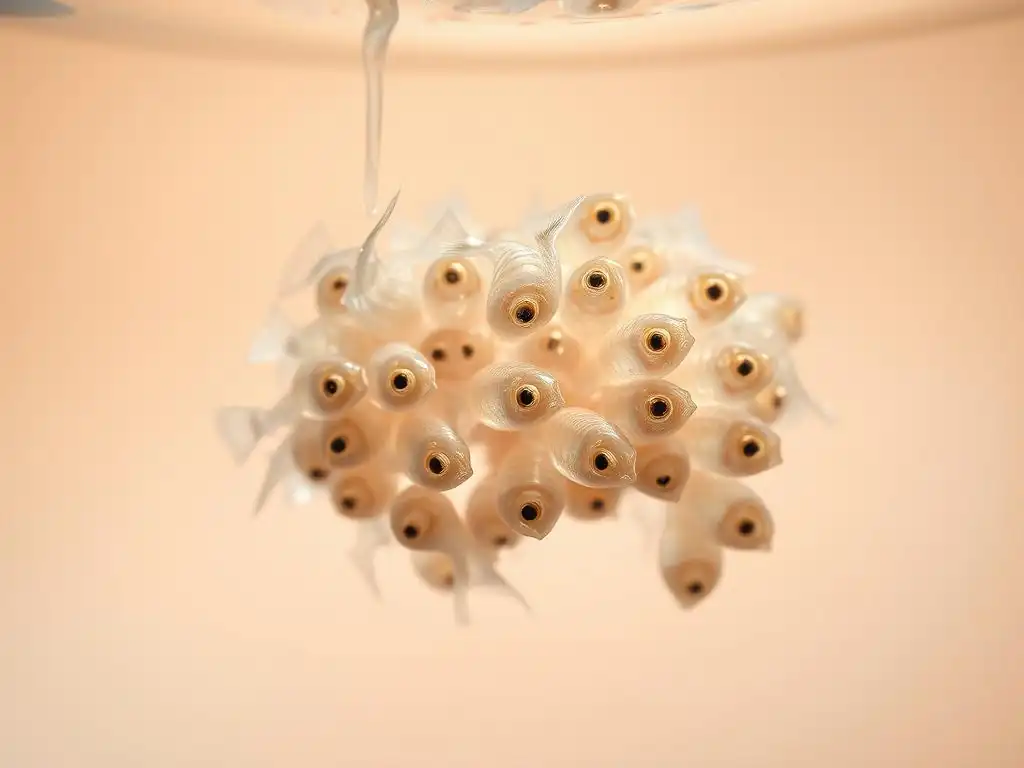
For the first 3 to 5 days after hatching, Pearl Gourami fry are incredibly small, possessing mouths too tiny to consume anything but the most microscopic food particles. During this critical period, infusoria and other microorganisms become their primary, and often sole, source of nutrition. Infusoria are single-celled organisms, such as paramecia, that naturally occur in water rich with decaying organic matter. They are so small that they are almost invisible to the naked eye, making them the perfect initial food for newly hatched fry.
Many successful Pearl Gourami Fry Care Tips emphasize culturing infusoria in advance. This can be done by placing a few pieces of decaying lettuce, banana peel, or even a small amount of established aquarium plant matter in a jar of aerated tank water a few days before the fry hatch. The decomposition process encourages the growth of these beneficial microorganisms. Without a consistent supply of infusoria during their first few days, the fry will quickly starve, leading to a near 100% mortality rate, highlighting the absolute necessity of this specialized feeding.
Transitioning to Baby Brine Shrimp and Microworms
Once Pearl Gourami fry are approximately 3 to 5 days old and have consumed their yolk sacs, they will have grown sufficiently to accept slightly larger food items. This marks a crucial transition phase in their diet, and the introduction of baby brine shrimp (Artemia nauplii) and microworms is highly recommended.
Baby brine shrimp are an excellent choice due to their high nutritional value, protein content (around 60%), and their live, swimming nature, which stimulates the fry's feeding instincts. A single spawn of Pearl Gourami fry can consume hundreds of thousands of newly hatched brine shrimp over their first few weeks.
Microworms, another live food, are also a superb option. They are easy to culture at home and provide a rich source of protein and essential fatty acids, contributing significantly to the fry's rapid growth. While baby brine shrimp tend to stay suspended in the water column, making them easily accessible, microworms tend to sink, requiring the fry to forage closer to the bottom. Offering a combination of both ensures a varied and complete diet during this crucial growth phase, making these among the most effective Pearl Gourami Fry Care Tips for nutrition.
Culturing Baby Brine Shrimp: A Step-by-Step Guide
Culturing baby brine shrimp is a fundamental skill for anyone serious about Pearl Gourami Fry Care, as it provides an indispensable live food source. To begin, you'll need a simple hatchery (a cone-shaped container or even an inverted plastic bottle works well), an air pump with an air stone, non-iodized salt (aquarium salt or rock salt, not table salt), and good quality brine shrimp eggs (cysts). A common setup involves filling the hatchery with dechlorinated water and adding salt to achieve a specific gravity of around 1.020-1.025, which translates to roughly 2 tablespoons of salt per liter of water.
Next, add 1/4 to 1/2 teaspoon of brine shrimp eggs per liter of saltwater. Ensure vigorous aeration using the air stone, as continuous movement prevents the eggs from clumping and ensures proper oxygenation, both vital for hatching. Maintain a consistent temperature of approximately 80°F (26.7°C) for optimal hatching rates, which typically occur within 24-36 hours.
Once hatched, turn off the air pump and allow the shells to settle at the bottom and unhatched eggs to float to the top. The orange, swimming nauplii will congregate towards a light source, allowing you to siphon them out easily for feeding. Always rinse the harvested brine shrimp in a fine mesh net with fresh water before feeding to remove excess salt, which can be harmful to freshwater fry.
Feeding Frequency and Quantity for Optimal Growth
The feeding frequency and quantity for Pearl Gourami fry are critical components of effective Pearl Gourami Fry Care Tips. Due to their rapid metabolism and small size, newly hatched fry require almost constant access to food. This translates to feeding them small amounts 4 to 6 times a day, or even more frequently, every 2-3 hours, especially during their first week. The goal is to ensure that there is always some food available for them to graze on, without overfeeding to the point of fouling the water.
As the fry grow, their stomachs enlarge, and they can consume larger quantities at each feeding, allowing for a slight reduction in frequency to 3-4 times a day by the time they are 2-3 weeks old. The quantity per feeding should be just enough for the fry to consume within 5-10 minutes. Any food left uneaten beyond this time will begin to decompose, rapidly degrading water quality. Observing the fry's bellies can also guide feeding: full, rounded bellies indicate sufficient feeding, while sunken bellies suggest underfeeding.
Avoiding Overfeeding: Maintaining Water Quality
While frequent feeding is essential for Pearl Gourami fry, avoiding overfeeding is equally, if not more, important for maintaining optimal water quality and preventing health issues. Overfeeding is one of the quickest ways to foul a fry tank, leading to a cascade of problems. Uneaten food quickly decomposes, releasing ammonia and nitrite into the water, which are highly toxic to delicate fry. Even small spikes in these compounds can cause significant stress, organ damage, and ultimately, mass mortality.
Beyond direct toxicity, excessive organic matter from overfeeding can lead to bacterial blooms, which cloud the water and deplete oxygen levels, further stressing the fry. It can also promote the growth of undesirable algae and fungi. To avoid overfeeding, feed very small amounts at a time, observing how quickly the fry consume the food. If there's any food remaining on the substrate or in the water column after 10-15 minutes, you've likely fed too much. This vigilance is a key Pearl Gourami Fry Care Tip that directly impacts their survival and health.
Maintaining Optimal Water Quality for Pearl Gourami Fry
Regular Water Changes: How Often and How Much?
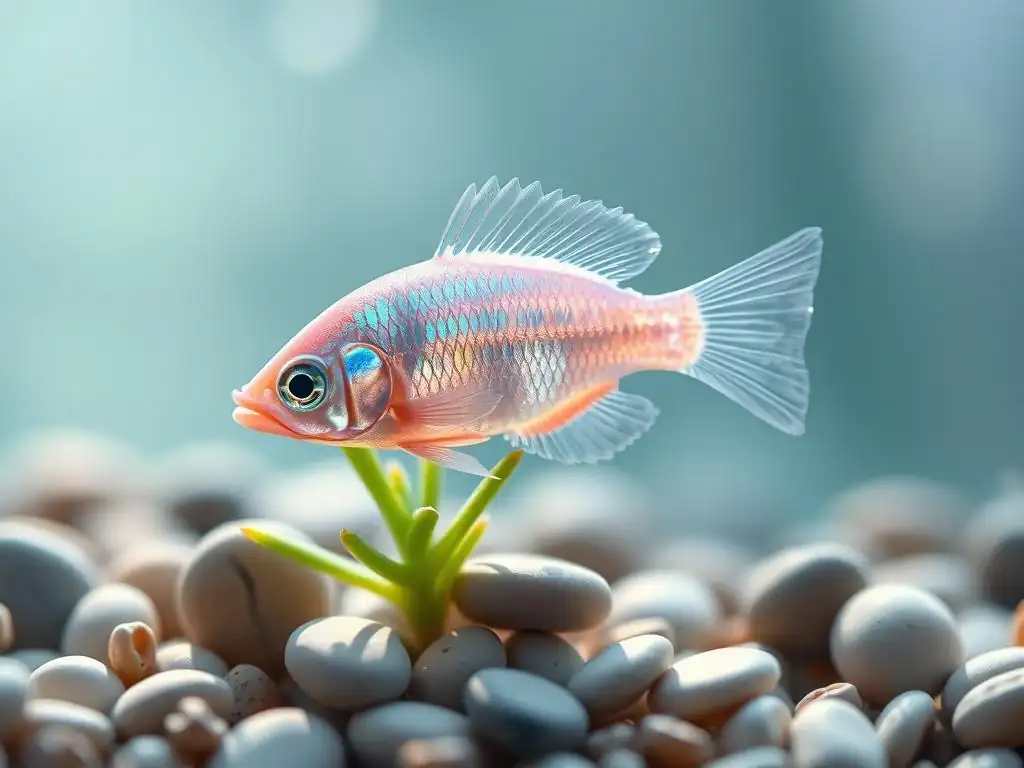
Maintaining pristine water quality is arguably the most critical aspect of Pearl Gourami Fry Care. Due to their high metabolism and the frequent feeding required, fry tanks accumulate waste rapidly. Therefore, regular water changes are absolutely essential. For newly hatched fry in a small tank, daily water changes of 10-20% are often necessary. As the fry grow and are moved to larger tanks, the frequency might be reduced to every other day or every third day, but the percentage changed might increase slightly, perhaps to 20-25%.
When performing water changes, always use dechlorinated water that is temperature-matched to the tank water to prevent thermal shock, which can be fatal to fry. The process must be gentle: use a small airline tube or a thin siphon to slowly remove water, paying attention to vacuuming any uneaten food or waste from the bottom without disturbing or sucking up the tiny fry. This diligent approach to water changes is a non-negotiable Pearl Gourami Fry Care Tip for high survival rates.
Monitoring Water Parameters: Ammonia, Nitrite, and Nitrate Levels
Continuous monitoring of water parameters is a non-negotiable component of successful Pearl Gourami Fry Care. Ammonia and nitrite levels must remain at zero parts per million (ppm) at all times. Even trace amounts of these compounds are highly toxic to delicate fry, causing gill damage, stress, and death.
Nitrates, while less toxic, should also be kept as low as possible, ideally below 20 ppm. Regular testing, using reliable liquid test kits (which are generally more accurate than test strips), should be performed daily or every other day, especially during the first few weeks when the biological filter is still maturing.
If ammonia or nitrite levels are detected, it indicates a problem with the biological filter or an issue with overfeeding/under-cleaning. Immediate action is required: perform a significant water change (e.g., 50%) to dilute the toxins, assess feeding amounts, and ensure consistent cleaning. Proactive monitoring prevents crises, making it one of the most vital Pearl Gourami Fry Care Tips to ensure a healthy environment.
The Role of Live Plants in a Fry Tank
Live plants play a beneficial, though not strictly essential, role in a Pearl Gourami fry tank, contributing to overall Pearl Gourami Fry Care. Plants like Java moss, Hornwort, and Anacharis are excellent choices because they are hardy, require minimal light, and provide numerous advantages. Firstly, they offer countless hiding spots and a sense of security for the tiny fry, reducing stress. This is particularly important as fry can be quite skittish.
Secondly, live plants help to absorb nitrates from the water, contributing to better water quality by acting as natural filters. They also release oxygen during photosynthesis, which can be beneficial, especially in small, densely populated fry tanks. Lastly, the surfaces of live plants can host microscopic organisms and infusoria, providing a supplementary grazing source for newly hatched fry, particularly in the initial days when their primary food source is infusoria. Ensuring plants are free of pests before introduction is crucial.
Preventing and Treating Common Diseases in Pearl Gourami Fry
Identifying Signs of Illness in Young Gouramis
Early identification of illness is a critical Pearl Gourami Fry Care Tip, as young fish are highly susceptible to rapid disease progression. Daily, careful observation of your fry is paramount. Healthy Pearl Gourami fry will be active, swimming freely, and constantly foraging for food. Their fins should be erect and clear, and their bodies should appear plump and free of any visible spots or growths.
Signs of illness include lethargy, where fry remain motionless at the bottom or surface for extended periods, or erratic swimming patterns like darting, flashing, or struggling to swim. Physical symptoms might include clamped fins, a dusty or fuzzy appearance on the body (indicating Velvet or fungal infections), white spots (Ich), frayed or deteriorating fins (Fin Rot), or noticeable changes in coloration or body shape. Any deviation from normal behavior or appearance warrants immediate investigation and action, as diseases can spread rapidly through a dense fry population.
Common Fry Diseases: Ich, Fin Rot, and Velvet
Pearl Gourami fry, like all young fish, are vulnerable to common aquarium diseases, making disease prevention a key Pearl Gourami Fry Care Tip. Three of the most frequently encountered ailments are Ich, Fin Rot, and Velvet. Ich (Ichthyophthirius multifiliis), often called white spot disease, manifests as small, salt-like white spots on the body and fins. Fry afflicted with Ich may rub themselves against tank surfaces due to irritation. It's highly contagious and can be fatal if not treated promptly.
Fin Rot, typically a bacterial infection, causes the fins to appear ragged, frayed, or to completely disintegrate. It often results from poor water quality, overcrowding, or stress. Velvet (Oodinium), caused by a dinoflagellate parasite, gives the fish a dusty, gold or brownish coating, sometimes resembling velvet, hence its name. Fry with Velvet often exhibit rapid gill movements, difficulty breathing, and may "flash" or scratch against objects. All three diseases can spread quickly through a fry tank and require swift, appropriate intervention to prevent widespread mortality.
Natural Treatments and Medications for Fry Ailments
When dealing with diseases in Pearl Gourami fry, a cautious approach to treatment is essential, as fry are much more sensitive to medications than adult fish. For common parasitic infections like Ich, a natural Pearl Gourami Fry Care Tip involves gradually increasing the tank temperature to 82-86°F (27.8-30°C) over 24 hours, combined with daily gravel vacuuming and water changes.
This speeds up the Ich life cycle, allowing the free-swimming stage to be killed by the heat or removed through water changes. Adding aquarium salt (non-iodized) at a concentration of 1 tablespoon per 5 gallons (19 liters) can also be beneficial, but use with extreme caution and monitor fry closely for signs of stress.
For bacterial issues like Fin Rot, improving water quality through rigorous daily water changes is the first line of defense. In severe cases, very mild doses of broad-spectrum antibacterial medications, often at half the recommended adult dosage, might be considered, but always with caution. For Velvet, increasing temperature and using a dim light or keeping the tank dark can help inhibit the parasite. Natural remedies like Melafix or Pimafix can sometimes be used, but their efficacy for severe fry infections is limited. Always prioritize pristine water conditions as the best preventative measure against all diseases.
Promoting Growth and Development in Pearl Gourami Fry
Providing a Stress-Free Environment
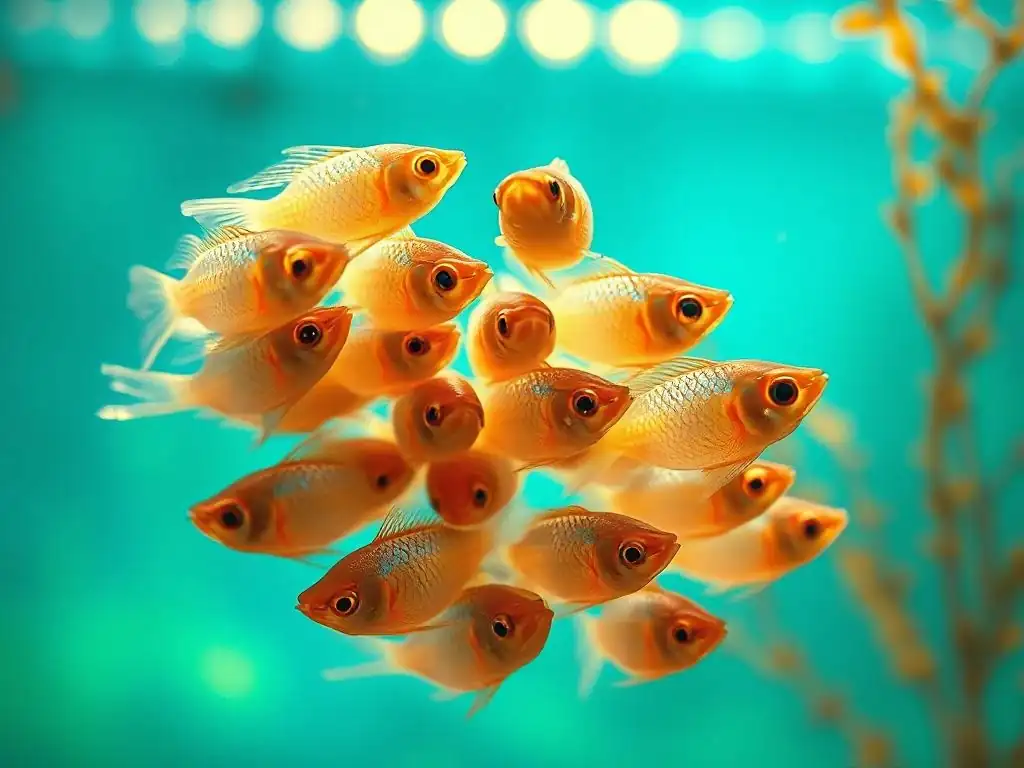
A stress-free environment is paramount for promoting optimal growth and development in Pearl Gourami fry, making it a cornerstone of effective Pearl Gourami Fry Care Tips. Stress can significantly inhibit growth, weaken the immune system, and make fry more susceptible to diseases. Key elements of a stress-free environment include maintaining stable water parameters (temperature, pH, ammonia, nitrite, nitrate), avoiding sudden fluctuations. Consistency is more important than achieving exact numbers, as long as they are within the acceptable range.
Furthermore, ensuring a gentle water flow, providing ample hiding spots with live plants like Java moss or floating plants, and minimizing external disturbances are crucial. Avoid sudden loud noises, rapid movements near the tank, or abrupt changes in lighting. Overcrowding is another major stressor; as fry grow, ensure they have adequate space by moving them to larger grow-out tanks. A calm, stable environment allows the fry to dedicate their energy to growth and development rather than coping with environmental challenges.
Gradual Acclimation to Larger Tanks
As Pearl Gourami fry grow, typically reaching about 0.5 to 0.75 inches (1.2 to 1.9 cm) in length around 3-4 weeks of age, they will outgrow their initial fry tank and require transfer to a larger grow-out tank. This transition must be done gradually to minimize stress and prevent shock, making gradual acclimation a vital Pearl Gourami Fry Care Tip. The new tank should already be fully cycled and have water parameters (temperature, pH, hardness) that closely match those of the fry tank.
The preferred method for acclimation is drip acclimation. This involves placing the fry in a container with their current tank water and slowly dripping water from the new grow-out tank into the container using airline tubing, over a period of 1-2 hours. This gradual mixing allows the fry to slowly adjust to the new water chemistry and temperature.
Alternatively, small amounts of water from the new tank can be added to the fry container every 10-15 minutes until the volume has doubled. Once acclimated, gently net the fry and release them into their new, larger home, ensuring minimal stress during the transfer.
Introducing Fry to a Community Tank: Size, Temperament, and Tank Mate Compatibility
Introducing Pearl Gourami fry to a community tank is the final stage of their development in captivity, and it requires careful consideration of size, temperament, and tank mate compatibility. This step should only occur when the fry are large enough to not be considered a food source by other fish, typically when they are at least 1.5 to 2 inches (3.8 to 5 cm) in length, or even larger depending on the tank mates. Introducing them too early is a common mistake that leads to their demise.
Even at an adequate size, the choice of tank mates is crucial. Pearl Gouramis are generally peaceful fish, and their juveniles should be placed with equally docile species. Good companions include small, peaceful tetras (like Neon Tetras or Ember Tetras), Corydoras catfish, Otocinclus catfish, or other small, non-aggressive rasboras. Avoid any fin-nipping species, overly boisterous fish, or those with predatory tendencies. Always observe the newly introduced gouramis closely for the first few days to ensure they are integrating well and not being bullied, making this a critical Pearl Gourami Fry Care Tip for their long-term well-being.
Pearl Gourami Fry Care: Troubleshooting Common Issues
Fry Not Eating: Possible Causes and Solutions
When Pearl Gourami fry are not eating, it's an immediate cause for concern and requires prompt troubleshooting, as starvation can occur rapidly. One of the primary reasons newly hatched fry refuse food is incorrect food size; their mouths are incredibly tiny, and they can only consume microscopic infusoria for the first few days. If you're offering baby brine shrimp too early, they simply can't ingest it. The solution is to ensure a consistent supply of infusoria for the first 3-5 days.
Another common cause is poor water quality, particularly the presence of ammonia or nitrite, which can stress fry and suppress their appetite. Test water parameters immediately and perform a significant water change if toxins are detected. Stress from temperature fluctuations, strong currents, or overcrowding can also lead to a lack of appetite. Ensure a stable, calm environment. If older fry (e.g., 1-2 weeks old) are not eating, try varying their diet with both baby brine shrimp and microworms to stimulate their interest. Observing their behavior and the tank environment carefully will help pinpoint the exact issue.
High Fry Mortality Rate: Identifying and Addressing the Problem
A high mortality rate among Pearl Gourami fry is a distressing but common issue for new breeders, indicating a fundamental problem in the Pearl Gourami Fry Care regimen. The most frequent culprits are poor water quality (ammonia/nitrite spikes), insufficient or inappropriate food, and unstable environmental conditions. If you're losing a significant number of fry daily, immediately test your water for ammonia, nitrite, and nitrate. Even trace amounts of ammonia or nitrite are lethal to fry. If detected, perform a large (50% or more) water change immediately and ensure your biological filter is functioning adequately.
Secondly, reassess your feeding strategy. Are you providing infusoria for the first few days? Are you feeding baby brine shrimp or microworms frequently enough (4-6 times a day) and in sufficient quantity for older fry? Starvation is a silent killer. Lastly, check for temperature stability (78-82°F or 25.5-27.8°C) and ensure there are no strong currents or excessive light stressing the fry. Overcrowding can also contribute to high mortality by increasing waste and stress. Addressing these core Pearl Gourami Fry Care Tips will typically resolve most mortality issues.
Slow Growth Rate: Nutritional Deficiencies and Environmental Factors
A slow growth rate in Pearl Gourami fry, where they appear to be lagging behind expected development, is typically a sign of nutritional deficiencies or suboptimal environmental factors. The most common cause is insufficient feeding or a lack of variety in their diet.
If fry are not receiving enough high-protein, easily digestible live foods like baby brine shrimp and microworms multiple times a day, their growth will be stunted. For example, well-fed Pearl Gourami fry can grow from virtually microscopic to 1 inch (2.5 cm) in 6-8 weeks, while underfed fry might only reach 0.5 inches (1.2 cm) in the same period.
Environmental factors also play a significant role. Suboptimal water parameters, even if not immediately lethal, can chronically stress fry and divert energy from growth towards coping with poor conditions. Elevated nitrates (above 20 ppm), fluctuating temperatures, or inadequate space due to overcrowding will all hinder development. Ensuring pristine water quality through regular water changes, maintaining a stable temperature, and providing adequate space as they grow are crucial Pearl Gourami Fry Care Tips that directly impact their growth trajectory.
Conclusion: Ensuring a Thriving Pearl Gourami Population
Recap of Essential Pearl Gourami Fry Care Tips
Successfully raising Pearl Gourami fry is a rewarding endeavor that culminates in a thriving population of these exquisite fish. It hinges on a meticulous and consistent application of several key Pearl Gourami Fry Care Tips. Paramount among these is maintaining impeccable water quality: a fully cycled tank with zero ammonia and nitrite, low nitrates (below 20 ppm), and stable temperature (78-82°F or 25.5-27.8°C). Regular, gentle water changes are non-negotiable.
Equally crucial is a precise feeding regimen. Newly hatched fry absolutely require infusoria for their first few days, transitioning to nutrient-rich live foods like baby brine shrimp and microworms fed frequently (4-6 times daily) in small amounts. Avoiding overfeeding is vital to prevent water fouling. Lastly, providing a stress-free environment with gentle filtration (sponge filters are ideal), ample hiding spots, and adequate space as they grow ensures their healthy development. Diligence in these areas will dramatically increase survival rates and foster robust growth.
The Rewards of Successfully Raising Pearl Gourami Fry
The journey of raising Pearl Gourami fry, from their almost invisible hatching to their vibrant adulthood, is one of the most fulfilling experiences in the aquarium hobby. The initial challenges of providing specialized Pearl Gourami Fry Care Tips are quickly overshadowed by the profound satisfaction of witnessing these delicate creatures transform into magnificent, iridescent fish. Each successful batch represents a testament to your dedication and understanding of aquatic life cycles.
Beyond the personal gratification, successfully raising your own Pearl Gourami fry contributes to the sustainability of the hobby, reducing reliance on wild-caught specimens. You'll have a self-sustaining population, ensuring a continuous supply of healthy, genetically diverse fish. The beauty of a mature Pearl Gourami, with its intricate patterns and flowing fins, is a sight to behold, and knowing you nurtured them from their most vulnerable stage makes their presence in your aquarium all the more special.
Frequently Asked Questions
How often should I feed my Pearl Gourami fry?
Pearl Gourami fry need frequent feedings, typically five to six times a day, due to their rapid growth. Offer small portions of infusoria or liquid fry food to avoid overfeeding and maintain water quality.
What is the ideal water temperature for Pearl Gourami fry?
Maintaining a stable water temperature is crucial. The ideal temperature for Pearl Gourami fry is between 82-86°F (28-30°C) to promote healthy growth and prevent disease. Regular monitoring is essential.
What type of food is best for newly hatched Pearl Gourami fry?
Newly hatched fry are very small and require specialized food. Start with infusoria or commercially available liquid fry food specifically designed for egg-laying fish fry. Gradually introduce baby brine shrimp as they grow.
How often should I perform water changes in a Pearl Gourami fry tank?
Regular water changes are vital for maintaining water quality. Perform small, frequent water changes (around 10-15%) every other day to remove waste and keep the water parameters stable. This prevents ammonia buildup.
What size tank is recommended for raising Pearl Gourami fry?
While they are small, a 10-gallon tank can work initially. However, as they grow, a larger tank (20 gallons or more) is recommended to provide ample space and prevent overcrowding. Overcrowding can stunt their growth.
Okay, here's a final reflection tailored for your article "Pearl Gourami Fry Care: Raising the Next Generation of Aquatic Gems," aiming to rank for the keyword "Pearl Gourami Fry Care Tips," and following the structure you provided:
Final Reflection: Nurturing Aquatic Life and Patience
The journey of raising Pearl Gourami fry, as we've explored, is a testament to the delicate balance of life within our aquariums and a powerful reminder of the dedication required to foster new beginnings. This isn't just about providing the right food and water parameters; it's about cultivating an environment where these tiny aquatic gems can thrive, mirroring the care and attention needed to nurture any form of life.
The impact of successfully raising Pearl Gourami fry extends beyond the personal satisfaction of a thriving aquarium. It contributes to a deeper understanding and appreciation for the intricacies of aquatic ecosystems. This experience has profoundly shaped my perspective on the interconnectedness of life, reminding me that even the smallest creatures deserve our respect and careful stewardship. The best way to observe a fish is to become a fish.
- Jacques Cousteau. This quote encapsulates the empathy and understanding required to truly excel in the art of fishkeeping, especially when nurturing fragile fry.
Now, as you close this article, I encourage you to reflect on the lessons learned. Consider how the patience, observation, and dedication required for Pearl Gourami fry care can be applied to other aspects of your life. Embrace the challenge of nurturing growth, whether it's within your aquarium or within yourself. Let the delicate beauty of these aquatic gems inspire you to cultivate patience and care in all your endeavors, creating a more vibrant and thriving world around you.
Ignite Your Passion: Raise Thriving Pearl Gourami Fry!
Thank you for diving into the world of Pearl Gourami fry care! We hope you've gained the knowledge and confidence to nurture these tiny treasures. Now, let's put that knowledge into action and watch your aquatic family flourish.
Ready to take the plunge? Here's what you can do:
- Embrace the challenge and create a dedicated fry tank: This is your primary mission! Set up a safe and nurturing environment where your Pearl Gourami fry can thrive.
- Explore beyond the brine shrimp: Research and experiment with alternative first foods like infusoria or microworms for optimal fry development.
- Share your fry-raising journey: Post photos and updates in aquarium forums or social media groups. Inspire others to embark on this rewarding experience!
What innovative feeding technique will you try first to ensure your Pearl Gourami fry get the best start in life?