
The Unique Needs of Boraras Species (Chili, Dwarf, Phoenix Rasboras)

Welcome to Aquarium Mastery!
Intrigued by the dazzling world of tiny, vibrant fish? Ever wondered if you're truly meeting the specific needs of these little aquatic gems? Dive in and discover the fascinating and sometimes surprising Boraras fish care requirements. From water parameters to ideal tank mates, we'll unlock the secrets to keeping these Chili, Dwarf, and Phoenix Rasboras thriving in your freshwater aquarium. Ready to embark on this captivating journey? Let's explore!
- Boraras Species (Chili, Dwarf, Phoenix Rasboras): A Comprehensive Care Guide
- Introduction: Tiny Jewels of the Aquarium
- Identifying Boraras Species
- Setting Up the Ideal Boraras Tank
- Diet and Feeding
- Maintaining a Healthy Aquarium
- Tank Mates: Choosing Compatible Species
- Breeding Boraras Rasboras
- Advanced Care: Tips and Tricks
- Conclusion: Mastering Boraras Care
-
Frequently Asked Questions
- What are the general water parameter requirements for Boraras species?
- What is the ideal tank size for keeping a school of Boraras fish?
- What type of food should I feed my Boraras fish?
- How often should I perform water changes in a Boraras tank?
- Are Boraras fish compatible with other aquarium inhabitants?
- Final Reflection: Appreciating the Delicate Balance
- Unleash the Vibrant Beauty of Your Boraras!
Boraras Species (Chili, Dwarf, Phoenix Rasboras): A Comprehensive Care Guide
Introduction: Tiny Jewels of the Aquarium
Understanding the Appeal of Boraras Rasboras
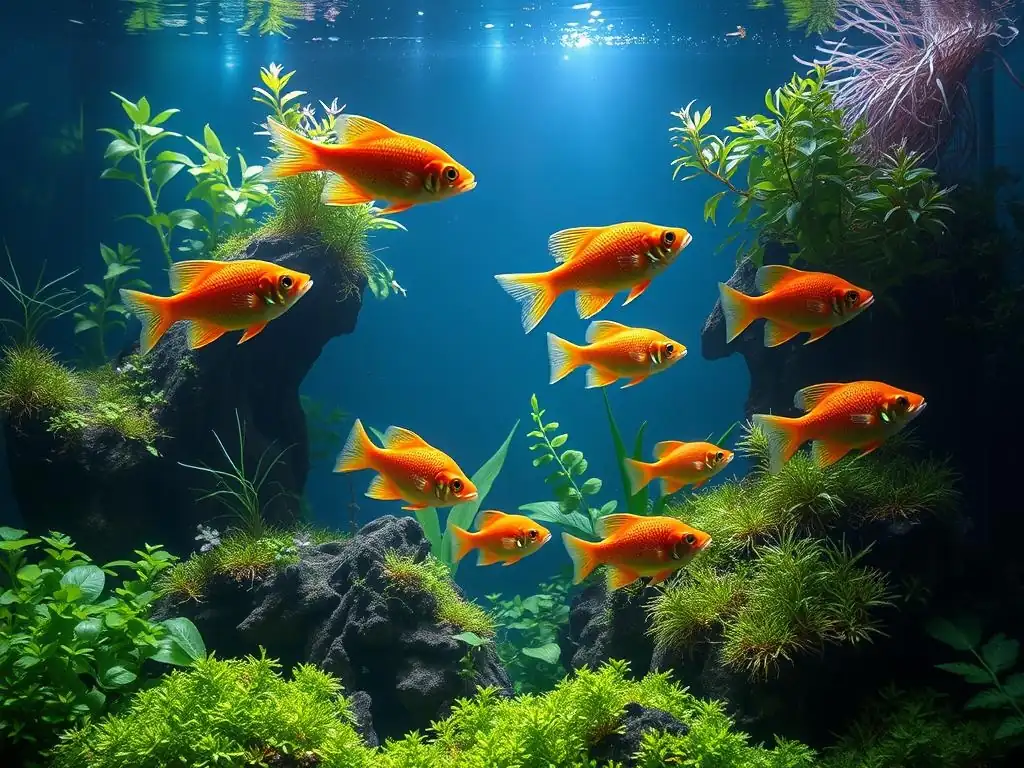
Boraras rasboras, including the popular Chili, Dwarf, and Phoenix species, are miniature freshwater fish cherished by aquarists for their vibrant coloration, peaceful demeanor, and suitability for smaller aquariums. Despite their diminutive size, typically ranging from 0.6 to 1 inch (1.5 to 2.5 cm), these schooling cyprinids add a dynamic splash of color, transforming a simple tank into a living mosaic. Their active yet graceful swimming patterns and tight schooling behavior make them a captivating focal point in heavily planted nano tanks or larger community setups with similarly peaceful inhabitants.
Their appeal extends beyond their aesthetic charm; Boraras species are often sought after for their minimal bioload, making them excellent choices for aquarists keen on maintaining pristine water conditions. They thrive in environments that mimic their natural blackwater habitats, characterized by soft, acidic water and dense vegetation. This specific habitat preference allows for the creation of stunning biotope-style aquariums, further enhancing the natural beauty and well-being of these tiny jewels.
Why Boraras Care Differs from Other Aquarium Fish
The delicate nature of Boraras species necessitates a more specialized approach to their care compared to many other common aquarium fish. Their small size means they are highly sensitive to fluctuations in water parameters, requiring stable and mature tank conditions. Unlike hardier species, Boraras can quickly succumb to stress or illness if water quality is compromised, or if they are housed with aggressive or boisterous tank mates. Understanding these unique Boraras fish care requirements is paramount for their long-term health.
Furthermore, their tiny mouths and shy feeding habits mean they can easily be outcompeted for food by larger or more aggressive tank mates. Successful Boraras fish care involves providing a consistent diet of appropriately sized foods and ensuring they have ample hiding spots within a densely planted environment to feel secure. Achieving the right balance of water chemistry, tank setup, and compatible tank mates is crucial to allow these fish to thrive and display their full potential, distinguishing their care from that of more robust aquarium inhabitants.
Identifying Boraras Species
Distinguishing Chili Rasboras (Boraras brigittae)
The Chili Rasbora, scientifically known as Boraras brigittae, is arguably the most popular of the Boraras species, renowned for its intense red body adorned with a distinctive black spot or stripe, often edged with a shimmering orange or iridescent blue line. These tiny fish typically reach a maximum adult size of about 0.7 inches (1.8 cm), making them one of the smallest available in the hobby. Native to the blackwater streams and peat swamps of Borneo, particularly in Indonesia, their vibrant coloration is most pronounced when kept in soft, acidic water with a dark substrate and ample plant cover.
Their behavior is characterized by active schooling, constantly darting through vegetation and open water, especially when kept in groups of 10 or more. The intensity of their red coloration serves as an indicator of their health and comfort; stressed or unhealthy individuals will appear duller. This species thrives in conditions that mimic their natural habitat, requiring stable water parameters, a low flow environment, and an abundance of fine-grained foods to meet their specific Boraras fish care requirements.
Identifying Dwarf Rasboras (Boraras maculatus)
Boraras maculatus, commonly known as the Dwarf Rasbora, is another captivating member of the genus, characterized by its slightly larger size and distinct spotting pattern. Adult Dwarf Rasboras can reach up to 1 inch (2.5 cm) in length, making them marginally larger than their Chili counterparts. Their body coloration typically ranges from a golden-brown to a reddish hue, punctuated by three to five prominent black spots along their flanks, often with a hint of red or orange in their fins. These spots are usually more rounded and less elongated than the markings seen on Chili or Phoenix Rasboras.
Originating from various blackwater habitats across Southeast Asia, including Malaysia, Singapore, and Sumatra, B. maculatus shares similar water parameter preferences with other Boraras species, favoring soft, acidic conditions. While their overall coloration might be less intensely red than the Chili Rasbora, their unique spotting pattern provides a different kind of visual appeal. Like all Boraras, they are best kept in large schools to encourage natural behavior and enhance their sense of security within the aquarium environment.
Recognizing Phoenix Rasboras (Boraras merah)
The Phoenix Rasbora, or Boraras merah, is often confused with the Chili Rasbora due to its reddish body, but distinct features allow for proper identification. B. merah typically exhibits a reddish-orange body color, which can vary in intensity, and a prominent, often larger, central black spot compared to B. brigittae. This spot can sometimes have a subtle blue-green sheen, differentiating it from the more distinct orange halo found on the Chili Rasbora's marking. Phoenix Rasboras generally grow to about 0.6 to 0.8 inches (1.5 to 2 cm), placing them in a similar size range to Chilis.
Native to Borneo, particularly found in the peat swamp forests, B. merah thrives in the same soft, highly acidic blackwater conditions as other Boraras species. Their coloration, while vibrant, tends to be a more uniform reddish-orange across the body, with less of the stark contrast seen in Chili Rasboras. Observing the specific shape and placement of the black body spot is key to distinguishing B. merah from its close relatives, ensuring aquarists can tailor their Boraras fish care requirements to the exact species.
Setting Up the Ideal Boraras Tank
Tank Size Recommendations for Boraras Schools
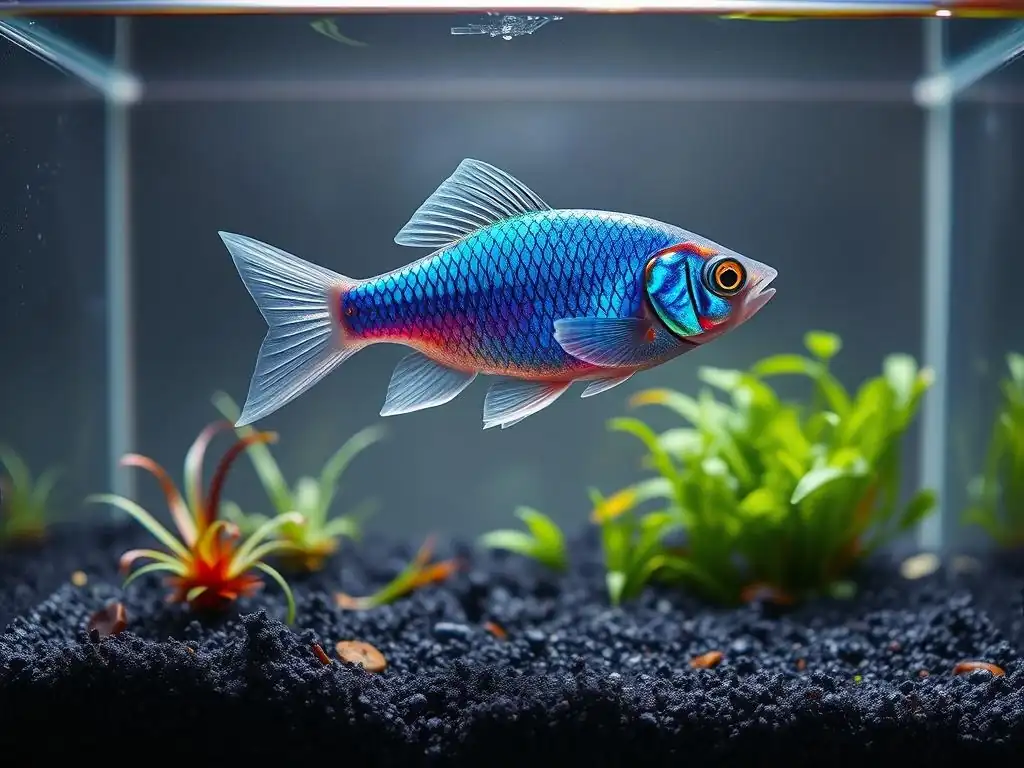
Despite their tiny stature, Boraras species are active schooling fish that benefit significantly from horizontal swimming space rather than vertical depth. For a small school of 6-10 Boraras, a minimum tank size of 5 gallons (approximately 19 liters) is often recommended, provided the tank is well-established, heavily planted, and boasts stable water parameters. However, to truly observe their natural schooling behaviors and ensure optimal long-term health, a 10-gallon (38-liter) tank is a more suitable starting point for such a group. This larger volume offers greater stability in water chemistry and more room for exploration.
For aquarists aiming to keep a larger, more impactful school of 15-20 Boraras, a 15 to 20-gallon (57 to 76-liter) aquarium is highly recommended. This increased space allows for a more pronounced schooling display and reduces potential stress from overcrowding, even among these small fish. Larger tanks also offer more room for aquascaping with dense plant cover, which is crucial for Boraras' sense of security and their vibrant coloration. Adhering to these tank size guidelines is a fundamental aspect of meeting Boraras fish care requirements effectively.
Water Parameters: Achieving Optimal Conditions
Temperature and pH Levels
Maintaining precise and stable water parameters is paramount for the health and vitality of Boraras species, reflecting their specific Boraras fish care requirements. These fish thrive in warm, tropical conditions, with an ideal temperature range of 72-82°F (22-28°C). Consistency within this range is more critical than hitting an exact number, as sudden temperature fluctuations can cause significant stress and weaken their immune systems. A reliable aquarium heater with a thermostat is essential to prevent such swings.
Regarding pH, Boraras species are naturally found in highly acidic blackwater environments. An optimal pH range for them is typically between 4.0 and 7.0, with many successful aquarists aiming for slightly acidic conditions around 5.5 to 6.5. Achieving and maintaining such low pH levels often involves the use of driftwood, Indian almond leaves (which release tannins), or specialized buffering substrates. Regular monitoring with a quality test kit is crucial to ensure pH stability, as drastic shifts can be detrimental to their delicate systems.
Water Hardness Considerations
Complementing their preference for acidic pH, Boraras species also require very soft water to truly flourish. Their natural habitats are characterized by extremely low mineral content, meaning a general hardness (GH) of 1-5 dGH (18-90 ppm) is ideal. Keeping them in water that is too hard can lead to chronic stress, dull coloration, and susceptibility to disease, as their osmoregulation systems are not adapted to high mineral concentrations. Carbonate hardness (KH) should also be low, typically 0-3 dKH, as high KH can buffer pH and make it difficult to achieve the desired acidity.
To achieve and maintain these soft water conditions, aquarists often employ reverse osmosis (RO) or deionized (DI) water, remineralized to the appropriate GH levels with specific salts. The use of peat filtration, humic substances from driftwood, and leaf litter can also naturally soften the water and provide beneficial tannins. Consistent monitoring of both GH and KH using accurate test kits is vital to ensure these Boraras fish care requirements are consistently met, contributing significantly to their long-term well-being.
Substrate and Aquascaping: Replicating Natural Habitat
Choosing the Right Substrate
The choice of substrate plays a significant role in creating a comfortable and natural environment for Boraras species, aligning with their specific Boraras fish care requirements. A dark, fine-grained substrate such as sand or very fine gravel is highly recommended. Darker substrates help to reduce reflection, which can stress these shy fish, and also enhance their vibrant coloration, making them appear more brilliant against a muted background. Furthermore, a fine substrate prevents injury to their delicate barbels if they occasionally forage near the bottom.
Beyond aesthetics and safety, a fine substrate can also support the growth of beneficial microorganisms and detritus, which Boraras might graze on as a supplemental food source, mimicking their natural foraging behaviors. It's important to select a substrate that does not significantly alter water parameters or leach unwanted chemicals into the water. Regular, gentle siphoning of the substrate during water changes will help maintain cleanliness without disturbing the beneficial bacterial colonies critical for a healthy ecosystem.
Incorporating Plants and Decorations
Replicating the dense, vegetated environments of their natural blackwater habitats is essential for the psychological and physical well-being of Boraras species. Heavy planting provides crucial hiding spots, reduces stress, and offers a sense of security, encouraging these shy fish to display their full range of natural behaviors and vibrant colors.
Plants like Java Moss, Christmas Moss, Anubias nana, Cryptocoryne species, and various stem plants (e.g., Rotala, Ludwigia) are excellent choices, providing both cover and foraging opportunities. Floating plants, such as Dwarf Water Lettuce or Frogbit, are also highly beneficial as they diffuse light, creating a dimmer, more natural ambiance that Boraras appreciate.
In addition to live plants, incorporating natural decorations like driftwood and Indian almond leaves (catappa leaves) further enhances the biotope feel and provides immense benefits for Boraras fish care requirements. Driftwood releases tannins, which subtly stain the water a tea-like color, lowering pH and contributing to soft water conditions. Indian almond leaves also release beneficial humic substances and have mild antibacterial properties, creating a healthier environment and mimicking the leaf litter found in their native streams. These elements not only make the tank aesthetically pleasing but are vital for the fish's overall health and comfort.
Diet and Feeding
Providing a Balanced Diet
Recommended Foods
Due to their extremely small mouths and delicate nature, providing an appropriate and balanced diet is a critical aspect of Boraras fish care requirements. Their primary diet should consist of high-quality, finely crushed flakes or micro pellets specifically designed for small schooling fish. However, for optimal health and vibrant coloration, a varied diet that includes live and frozen foods is highly recommended. Excellent choices for these tiny fish include newly hatched brine shrimp, daphnia, cyclops, and microworms, all of which are small enough for them to consume.
Freeze-dried options like daphnia or bloodworms (crushed into tiny pieces) can also be offered occasionally, ensuring they are adequately hydrated before feeding to prevent digestive issues. The key is to offer a diverse range of foods to ensure they receive all necessary nutrients. Observing their feeding response to different foods will help tailor the diet to their specific preferences, ensuring that all members of the school are receiving adequate nutrition.
Feeding Frequency and Portion Control
Given their small size and high metabolism, Boraras species benefit from frequent, small feedings throughout the day rather than one large meal. Feeding them 2-3 times a day, in tiny portions that can be consumed within 2-3 minutes, is ideal. This approach prevents overfeeding, which can quickly foul the water and lead to health issues, and also ensures that all fish, even the shyer ones, have an opportunity to eat. Overfeeding is a common mistake that can lead to elevated nitrate levels and algae blooms, directly impacting water quality.
It is crucial to monitor their bellies to ensure they are not becoming overly plump, which indicates overfeeding, or appearing sunken, which suggests underfeeding. If food remains uneaten after a few minutes, it indicates that too much was offered; uneaten food should be promptly removed to maintain water quality. Adjusting portion sizes based on the number of fish and their activity level is an ongoing process that contributes significantly to successful Boraras fish care requirements.
Addressing Feeding Challenges
Boraras species, while generally active, can be quite shy, especially when first introduced to a new environment or if housed with more assertive tank mates. This shyness can translate into feeding challenges, as they may hesitate to come out and eat, or be outcompeted by faster fish. To mitigate this, consider feeding them after the main tank lights have been on for a while, allowing them to feel secure, or even briefly dimming the lights during feeding time.
Target feeding with a pipette, directing food to their schooling area, can also ensure they receive their share. Providing ample plant cover also makes them feel safer, encouraging them to forage more openly.
Another common challenge is their finickiness with certain dry foods. Some Boraras may initially refuse flakes or pellets, especially if they were previously accustomed to live or frozen fare. If this occurs, try soaking dry foods briefly in tank water or a vitamin supplement before feeding to soften them and enhance their palatability.
Gradually introducing new foods alongside familiar ones can help them adapt. Persistency and variety are key; if one type of food is consistently refused, try a different brand or form. Ensuring a diverse diet ultimately contributes to meeting their specific Boraras fish care requirements and promoting their overall health.
Maintaining a Healthy Aquarium
Regular Water Changes and Tank Cleaning
Maintaining pristine water quality is perhaps the most critical aspect of Boraras fish care requirements, given their sensitivity to pollutants. Regular partial water changes are indispensable. A recommended schedule involves changing 10-20% of the tank's water weekly, depending on the bioload and filtration system. It is vital to use dechlorinated water that matches the tank's temperature and parameters (pH, GH) as closely as possible to avoid shocking the fish. Gradual water changes minimize stress and maintain a stable environment.
Beyond water changes, gentle tank cleaning is necessary. Siphoning detritus from the substrate during water changes helps remove accumulated organic waste. Filter maintenance should be performed judiciously; clean filter media in old tank water to preserve beneficial bacterial colonies, and avoid replacing all media at once. Wiping down the inside of the glass to remove algae also contributes to a cleaner, healthier environment. These routine maintenance tasks are non-negotiable for the long-term well-being of Boraras species.
Monitoring Water Quality
Consistent monitoring of water quality is a foundational pillar of successful Boraras fish care requirements. Regular testing for key parameters such as ammonia, nitrite, and nitrate is crucial. Ammonia and nitrite levels should always be undetectable (0 ppm) in a cycled aquarium, as even trace amounts can be highly toxic to these delicate fish. Nitrate levels should be kept as low as possible, ideally below 10-20 ppm, and consistent weekly water changes are the primary method for controlling them.
In addition to nitrogenous compounds, monitoring pH, general hardness (GH), and carbonate hardness (KH) is equally important, especially given Boraras' preference for soft, acidic water. Using reliable liquid test kits provides more accurate results than test strips. Keeping a log of test results helps identify trends and allows for proactive adjustments before parameters deviate significantly. Early detection of issues through diligent monitoring can prevent stress and disease outbreaks in a Boraras aquarium.
Preventing and Treating Common Diseases
Recognizing Early Signs of Illness
Preventing disease is always preferable to treating it, and for Boraras species, this primarily involves maintaining optimal water quality and providing a stress-free environment. However, even in well-maintained tanks, illness can occur. Recognizing early signs of illness is crucial for prompt intervention. Common indicators include changes in behavior such as lethargy, hiding excessively, difficulty swimming, or unusual flashing against objects. Physical symptoms might include clamped fins, dull or faded coloration, white spots (Ich), fuzzy growths (fungus), bloating, or frayed fins.
Any deviation from their normal active schooling and feeding behavior should prompt a thorough investigation of water parameters. Stress, often induced by poor water quality, unstable temperatures, or aggressive tank mates, is the leading cause of weakened immune systems in Boraras, making them susceptible to various pathogens. A keen eye for these subtle changes can significantly improve the chances of successful recovery and is a vital part of Boraras fish care requirements.
Treatment Options
When illness is detected, prompt and appropriate treatment is essential, though Boraras species can be sensitive to many medications. The first line of defense should always be a large water change (e.g., 30-50%) using properly conditioned water, followed by a re-evaluation of all water parameters to identify and correct any underlying issues. For external parasites like Ich, a gradual increase in tank temperature (if within their tolerance range, e.g., to 80-82°F / 27-28°C) combined with increased aeration can sometimes help.
If medication is necessary, it is often advisable to treat in a separate quarantine tank to avoid harming beneficial bacteria in the main aquarium or stressing other inhabitants. Always choose medications specifically formulated for sensitive fish or half-dose standard medications, carefully observing the fish's reaction. Natural remedies, such as adding Indian almond leaves (catappa leaves) for their mild antiseptic properties, can also support recovery by improving water quality and providing a more natural environment. Consulting with an experienced aquarist or veterinarian is recommended for persistent or severe cases.
Tank Mates: Choosing Compatible Species
Selecting Peaceful Companions
Choosing appropriate tank mates is a critical aspect of Boraras fish care requirements, as these species are incredibly timid and easily stressed by larger, more active, or aggressive fish. The ideal companions are those that are equally peaceful, have similar water parameter preferences, and are comparable in size or even smaller. Overly boisterous fish can outcompete Boraras for food, leading to malnutrition, or simply intimidate them into hiding, preventing them from displaying their natural behaviors and vibrant colors.
Focus on species that occupy different levels of the water column to minimize direct competition for space. For instance, bottom-dwelling invertebrates or small, peaceful catfish can coexist harmoniously. The goal is to create a serene environment where Boraras feel secure enough to school openly and thrive, rather than constantly being on edge. Any potential tank mate should be thoroughly researched to ensure its temperament aligns with the delicate nature of Boraras species.
Avoiding Fish That Outcompete for Food
One of the most significant challenges when selecting tank mates for Boraras species is their slow and deliberate feeding habits. Unlike many faster, more opportunistic feeders, Boraras will take their time to pick at food particles. This means that even generally peaceful fish can become problematic if they are quick eaters and consume all the food before the Boraras have a chance to feed. Examples of fish to avoid include many livebearers (like Guppies or Platies) and some faster-swimming tetras, which, while not aggressive, can easily outcompete Boraras at meal times.
It is crucial to observe potential tank mates' feeding behavior before introducing them, or to be prepared to implement targeted feeding strategies. If tank mates are too competitive, the Boraras will suffer from malnutrition and stress, leading to faded colors, stunted growth, and increased susceptibility to disease. Ensuring every fish in the tank gets adequate nutrition is a cornerstone of responsible Boraras fish care requirements.
Ideal Tank Mate Examples
Given their specific Boraras fish care requirements for peaceful, soft-water conditions, selecting the right tank mates is crucial. Ideal companions are typically other micro-species that share similar environmental needs and temperaments. Excellent choices include other Boraras species, allowing for a diverse "Boraras-only" tank that highlights the subtle differences between them. Pygmy Corydoras ( Corydoras pygmaeus, C. hastatus, C. habrosus) are superb bottom-dwelling options, as they are peaceful, tiny, and won't bother the Boraras while cleaning up uneaten food.
Another fantastic choice is the Otocinclus catfish, a peaceful algae eater that stays small and thrives in similar soft, acidic water conditions. For invertebrate enthusiasts, various species of peaceful dwarf shrimp, such as Neocaridina (Cherry Shrimp) or Caridina (Crystal Red Shrimp), can coexist wonderfully, adding another layer of interest to the aquarium. These shrimp are excellent cleaners and rarely pose a threat to adult Boraras, though caution should be exercised with very young fry. The key is to select tank mates that enhance the Boraras' environment without causing stress or competition.
Breeding Boraras Rasboras
Setting Up a Dedicated Breeding Tank
Breeding Boraras species, while challenging due to their small size and specific requirements, is a rewarding endeavor for dedicated aquarists. Setting up a dedicated breeding tank significantly increases success rates and is a key part of advanced Boraras fish care requirements. A small tank, typically 2-5 gallons (7.5-19 liters), is sufficient. This tank should be bare-bottomed or have a thin layer of spawning substrate like marbles or a spawning mop (made of synthetic yarn) to protect the eggs from being eaten by the parents.
Filtration should be very gentle, such as a small sponge filter, to prevent fry from being sucked in and to maintain stable water conditions without strong currents. The water in the breeding tank should be exceptionally soft and acidic, mimicking their natural blackwater breeding grounds, with a pH typically between 5.0 and 6.0 and a GH of 1-3 dGH. Dim lighting is also beneficial, as it helps create a secure environment for spawning.
Identifying Male and Female
Distinguishing between male and female Boraras species can be subtle, especially when they are not in breeding condition. However, with careful observation, particularly when conditioned with high-quality foods, differences become more apparent. Males are generally more slender and exhibit more intense and vibrant coloration, especially when displaying for a female or during the breeding process. Their colors will deepen significantly, making them stand out.
Females, on the other hand, tend to be rounder and plumper, particularly when gravid (carrying eggs). Their body shape will appear noticeably fuller, especially when viewed from above. Observing the fish from various angles and comparing individuals within a healthy, well-fed school often helps in identifying the sexes. Providing a rich diet of live foods like microworms or newly hatched brine shrimp for a week or two prior to attempting breeding can help condition both sexes, making their distinguishing features more pronounced.
Triggering Spawning and Protecting Eggs
To trigger spawning in Boraras species, conditioning the breeding pair or group with a high-quality, varied diet, particularly live and frozen foods, is paramount. Gradually raising the water temperature in the breeding tank to the upper end of their preferred range, around 78-80°F (25-27°C), can also encourage spawning. Spawning typically occurs in the early morning, often at dawn, with the male chasing the female into dense vegetation or a spawning mop where eggs are scattered. Boraras are egg scatterers and offer no parental care.
Once spawning is observed or suspected (evidenced by a noticeably slimmer female), the adult fish should be promptly removed from the breeding tank. This is crucial because Boraras, like many small cyprinids, are avid egg eaters and will consume their own progeny if given the opportunity. The spawning mop or other egg-catching material can also be transferred to a separate, even smaller "hatching" tank if desired. Protecting the delicate eggs from predation is a critical step in successful Boraras fish care requirements for breeding.
Raising Boraras Fry
Raising Boraras fry presents a unique challenge due to their incredibly tiny size and specific feeding needs. Boraras eggs typically hatch within 24-48 hours, depending on temperature. The fry are almost microscopic and remain attached to surfaces or the bottom for a few days before becoming free-swimming, usually within 3-5 days post-hatch. At this stage, their mouths are too small for most conventional fry foods.
Initial feeding requires infusoria, which can be cultured or purchased, or specialized liquid fry food formulated for very small fry. After about a week, as they grow slightly, they can transition to newly hatched brine shrimp nauplii or microworms. Feeding should be done multiple times a day in very small amounts.
Maintaining pristine water quality in the fry tank is paramount; frequent, tiny water changes (e.g., 10% daily) using a gentle airline tubing siphon are necessary to prevent the buildup of nitrates and ensure their delicate systems are not stressed. Gradual introduction of larger foods as they grow is key to their development, fulfilling a specialized aspect of Boraras fish care requirements.
Advanced Care: Tips and Tricks
Enhancing Coloration
Achieving the most vibrant coloration in Boraras species is a hallmark of successful Boraras fish care requirements and involves a holistic approach that goes beyond basic maintenance. Firstly, maintaining stable and optimal water parameters – soft, acidic water (e.g., pH 5.5-6.5, GH 1-3 dGH) and a consistent temperature (75-78°F / 24-26°C) – is foundational, as stress from unsuitable conditions will dull their colors. Incorporating tannins through the use of driftwood and Indian almond leaves not only replicates their natural blackwater habitat but also subtly enhances their reds and oranges against the tea-stained water.
Secondly, providing a varied, high-quality diet rich in carotenoids is crucial. Regularly feeding live foods like newly hatched brine shrimp, daphnia, cyclops, and microworms, alongside high-quality micro pellets or flakes containing color-enhancing ingredients, will significantly intensify their hues. Lastly, the tank environment itself plays a role; a dark substrate and dense planting provide security and reduce reflection, allowing the fish to feel comfortable enough to display their most brilliant colors. A large school (10+ individuals) also encourages natural behavior and stronger coloration.
Promoting Natural Behaviors
Promoting the full spectrum of natural behaviors in Boraras species is a rewarding aspect of advanced Boraras fish care requirements, allowing aquarists to observe these tiny fish at their best. The most critical factor is keeping them in a sufficiently large school, ideally 10 or more individuals. In larger groups, Boraras feel more secure and will exhibit tighter schooling patterns, darting and weaving in unison, which is a mesmerizing sight. A small number of individuals, conversely, will often be shy and hide.
The aquarium environment should be designed to mimic their natural habitat: densely planted with plenty of hiding spots among fine-leaved plants and driftwood, interspersed with open swimming areas. A gentle water flow, achieved with a sponge filter or baffled filter outflow, is preferred, as strong currents can stress these small fish. Dim lighting, perhaps diffused by floating plants, further encourages them to explore and forage openly, displaying their natural curiosity and activity levels. A stable, mature tank with minimal disturbances allows them to thrive and exhibit all their inherent charm.
Troubleshooting Common Issues
Even with diligent Boraras fish care requirements, aquarists may encounter common issues. One frequent concern is fading coloration or increased shyness. This is almost always a sign of stress, often stemming from poor water quality (elevated nitrates, pH swings), unsuitable tank mates (too large, aggressive, or active), or insufficient hiding spots. The first step is to test water parameters immediately and perform a partial water change if needed. Reassessing tank mates and adding more dense planting or leaf litter can help alleviate stress and encourage them to show their true colors and behaviors.
Another common issue is a reluctance to eat or visible wasting. If water parameters are optimal, this might indicate an internal parasite or simply finickiness with food. Try offering a variety of live or frozen foods (e.g., microworms, brine shrimp) to stimulate appetite. If wasting persists despite good feeding, a gentle, broad-spectrum dewormer might be considered, though always with caution due to their sensitivity. Observing individual fish closely and addressing the root cause, whether environmental or dietary, is key to resolving these challenges and ensuring the long-term health of your Boraras.
Conclusion: Mastering Boraras Care
The Importance of Understanding Unique Needs
Mastering the care of Boraras species, be it the Chili, Dwarf, or Phoenix Rasbora, truly hinges on a deep understanding and diligent application of their unique Boraras fish care requirements. These miniature aquatic jewels, while undeniably captivating, are not as forgiving as some of their hardier aquarium counterparts. Their sensitivity to water parameters, preference for soft, acidic blackwater conditions, need for a highly stable and mature environment, and specific dietary demands differentiate them significantly.
Recognizing that their small size belies a complex set of needs is the first step towards success. From carefully selected tank mates that won't outcompete or intimidate them, to an aquascape rich in plants and tannins that provides security and mimics their natural habitat, every element plays a crucial role. This detailed approach ensures that these shy yet vibrant fish not only survive but truly thrive, displaying their full coloration and natural schooling behaviors.
The rewards of providing such specialized care are immense. A well-maintained Boraras aquarium becomes a living testament to the aquarist's dedication, showcasing the stunning beauty and intricate behaviors of these tiny cyprinids. Observing a large, healthy school of Chili Rasboras, for instance, flashing their intense reds against a backdrop of green plants and dark substrate, is a truly mesmerizing experience. By meticulously meeting their unique Boraras fish care requirements, aquarists can enjoy these delicate, jewel-like fish for years, turning a simple tank into a vibrant, dynamic ecosystem.
Frequently Asked Questions
What are the general water parameter requirements for Boraras species?
Boraras fish generally prefer soft, slightly acidic water. Ideal parameters include a pH of 6.0-7.0 and a KH (carbonate hardness) between 1-5 dKH.
What is the ideal tank size for keeping a school of Boraras fish?
A minimum of 5-10 gallons is recommended for a small school. Larger tanks allow for more stable water parameters and provide ample swimming space for these active fish.
What type of food should I feed my Boraras fish?
Boraras have small mouths, so they require tiny foods. Offer them high-quality flake food that has been crushed, micro worms, or baby brine shrimp.
How often should I perform water changes in a Boraras tank?
Regular partial water changes are crucial for maintaining water quality. Aim for 25% water changes every 1-2 weeks, monitoring water parameters closely.
Are Boraras fish compatible with other aquarium inhabitants?
Boraras are peaceful fish and should be housed with other small, non-aggressive species. Avoid keeping them with larger or boisterous fish that may bully or outcompete them for food.
Final Reflection: Appreciating the Delicate Balance
The intricacies of Boraras fish care, as we've explored, are not merely about maintaining a tank; they're about understanding and respecting the delicate ecosystems these tiny creatures require. This understanding is increasingly vital as the popularity of nano aquariums grows, demanding a more informed and conscientious approach to fishkeeping. Ignoring the specific needs of these miniature marvels can lead to unnecessary suffering, highlighting the responsibility we bear as custodians of their well-being.
The subtle beauty and captivating behavior of Boraras have undoubtedly enriched the aquascaping world, but their survival hinges on our commitment to providing optimal conditions. My own journey into keeping these fish has underscored the importance of patience, observation, and continuous learning. The greatness of a nation and its moral progress can be judged by the way its animals are treated.
- Mahatma Gandhi. This quote resonates deeply when considering the ethical implications of keeping any animal, especially one as vulnerable as the Boraras.
Now, as you close this article, I encourage you to reflect on your own role in the aquatic ecosystem. Consider how you can apply the principles of responsible Boraras fish care to other aspects of your life, fostering a greater appreciation for the interconnectedness of all living things. Let's strive to create not just beautiful aquariums, but thriving havens where these miniature jewels can truly flourish.
Unleash the Vibrant Beauty of Your Boraras!
Thank you for diving deep into the fascinating world of Boraras! We hope you've gained valuable insights into caring for these tiny jewels. Now, let's transform that knowledge into action and create an even better home for your Boraras.
Here are some steps you can take right now:
- Implement one specific tip from this article into your Boraras tank within the next week. Whether it's adjusting the lighting, tweaking the water flow, or adding new plants, take that concrete step to improve their environment.
- Share your Boraras setup and experiences! Post a photo or video of your tank on social media using #AquariumMasteryBoraras and tag us @AquariumMastery. Let's inspire others with the beauty of these little fish.
- Explore unconventional Boraras tankmates. Research species known for their peaceful nature and similar environmental needs. Who knows, you might discover the perfect addition to your community tank!
What surprising behavior have you observed in your Boraras, and what do you think it means about their well-being? Share your insights in the comments below!