
Penguin Tetra Charm: The Unique Oblique Swimmers – Care and Ideal Tank Setup

Welcome to Aquarium Mastery!
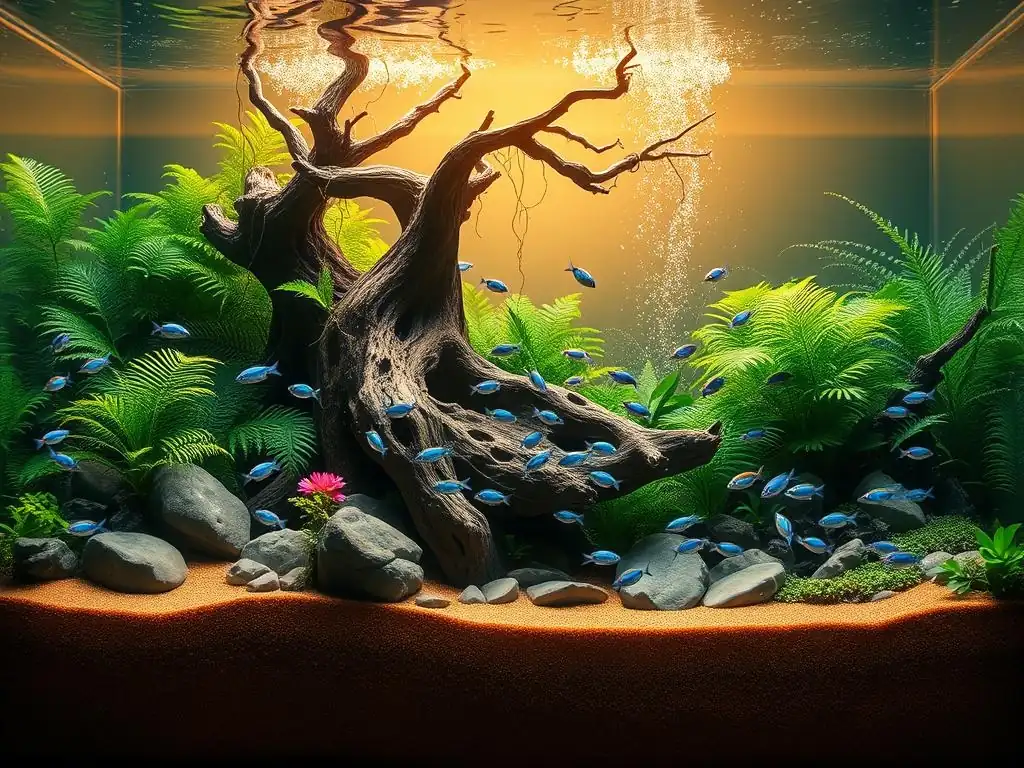
Ever been captivated by the seemingly choreographed dance of Penguin Tetras, their distinctive oblique swimming style a mesmerizing sight? This article dives deep into the secrets of a thriving Penguin tetra tank setup, uncovering the ideal conditions, tank mates, and care tips to unlock their full potential. Intrigued? Let's explore how to create the perfect aquatic haven for these charming swimmers!
- Understanding the Penguin Tetra: A Comprehensive Guide for Aquarium Keepers
- Penguin Tetra Care: Essential Guidelines for a Healthy School
- Penguin Tetra Tank Setup: Designing the Ideal Environment
- Penguin Tetra Tank Mates: Compatibility and Community Tank Considerations
- Penguin Tetra Health: Identifying and Addressing Common Issues
- Breeding Penguin Tetras: A Challenging but Rewarding Endeavor
- Penguin Tetra Behavior: Understanding Their Unique Swimming Style
- Advanced Penguin Tetra Keeping: Tips and Tricks for Experienced Aquarists
- Troubleshooting Common Penguin Tetra Problems
- Conclusion: Enjoying the Charm of Penguin Tetras in Your Aquarium
-
Frequently Asked Questions
- What is the ideal tank size for a Penguin Tetra tank setup?
- What are the key water parameters to maintain in a Penguin Tetra tank?
- What type of substrate and decorations are best for a Penguin Tetra tank setup?
- What are some suitable tank mates for Penguin Tetras?
- How often should I perform water changes in my Penguin Tetra tank?
- Final Reflection: Embracing the Penguin Tetra's Unique Dance
- Embrace the Penguin Tetra's Quirk: Start Your School Today!
Understanding the Penguin Tetra: A Comprehensive Guide for Aquarium Keepers
Introduction to Thayeria boehlkei: The Penguin Tetra's Appeal
The Penguin Tetra, scientifically known as Thayeria boehlkei, is a captivating freshwater fish renowned for its distinctive swimming posture. Unlike most fish that swim horizontally, the Penguin Tetra maintains an oblique, head-up, tail-down orientation, typically at an angle of about 45 degrees.
This unique characteristic, combined with its peaceful temperament and striking silver body accented by a prominent black stripe running from its gill plate to the lower lobe of its caudal fin, makes it a fascinating addition to many community aquariums. Originating from the Amazon River basin in South America, particularly in regions of Brazil and Peru, these fish thrive in well-maintained environments that mimic their natural habitat.
Growing to an average adult size of approximately 2.5 inches (6.5 cm), Thayeria boehlkei are relatively small and hardy, making them suitable for aquarists of various experience levels. Their lifespan in a properly managed penguin tetra tank setup can range from 3 to 5 years, and sometimes even longer with optimal care. Their schooling behavior is not only aesthetically pleasing but also crucial for their well-being, as they feel more secure and display their natural behaviors more readily when kept in groups of six or more.
Why Choose Penguin Tetras for Your Freshwater Aquarium?
Choosing Penguin Tetras for your freshwater aquarium offers several compelling advantages, chief among them being their unique visual appeal and dynamic schooling behavior. Their characteristic oblique swimming posture provides a constant source of fascination, adding an unusual and engaging element to the overall tank scape that differentiates them from other commonly kept tetra species. When observed in a well-established school, their synchronized movements create a mesmerizing display, enhancing the visual depth and activity of the aquarium. This natural schooling instinct also contributes to a more vibrant and active community tank.
Beyond their aesthetic contributions, Penguin Tetras are celebrated for their generally peaceful disposition, making them excellent candidates for a diverse community tank. They are not prone to aggression towards other species and can coexist harmoniously with a wide range of similarly sized, non-aggressive fish. Furthermore, their moderate care requirements and adaptability to a range of water parameters, within acceptable limits, contribute to their popularity among both novice and experienced aquarists. This hardiness, combined with their relatively low bioload compared to larger species, makes them an ideal choice for a stable and thriving freshwater penguin tetra tank setup.
Penguin Tetra Care: Essential Guidelines for a Healthy School
Water Parameters for Penguin Tetras: Maintaining Optimal Conditions
Maintaining optimal water parameters is paramount for the health and longevity of Penguin Tetras. These fish thrive in conditions that closely mimic their native Amazonian habitats, which typically feature soft, slightly acidic water. Ideal water temperatures for Penguin Tetras range from 72 to 79°F (22 to 26°C), ensuring their metabolic processes function efficiently without causing undue stress.
A stable pH level between 6.0 and 7.5 is recommended, with a slight preference for the acidic side, while general hardness (GH) should ideally be kept between 5 and 15 dGH. Consistency in these parameters is more critical than hitting exact numbers, as sudden fluctuations can be highly detrimental.
Regular testing of water parameters using reliable aquarium test kits is essential to monitor ammonia, nitrite, and nitrate levels, in addition to pH and hardness. Ammonia and nitrite should always be undetectable (0 ppm), as even trace amounts can be toxic. Nitrates, the end product of the nitrogen cycle, should be kept below 20 ppm through consistent partial water changes, typically 25% weekly. Stable water chemistry significantly reduces stress, boosts the fish's immune system, and minimizes susceptibility to common diseases, contributing to a thriving and vibrant penguin tetra tank setup.
Penguin Tetra Diet and Feeding: What to Feed Your Oblique Swimmers
Penguin Tetras are omnivorous, and a varied, high-quality diet is crucial for their health, coloration, and vitality. Their natural diet in the wild consists of small insects, crustaceans, and plant matter, which should be replicated as closely as possible in the aquarium. A staple diet of high-quality flake food or micro-pellets specifically designed for small omnivorous fish should form the foundation of their feeding regimen. Look for foods with a protein content of at least 40-50% to support their growth and energy needs.
Supplementing their dry food with frozen or live foods is highly beneficial and encourages natural foraging behaviors. Excellent options include bloodworms, brine shrimp, daphnia, and mosquito larvae, which provide essential proteins, vitamins, and minerals. Feeding should occur 2-3 times per day in small amounts that can be consumed within 2-3 minutes to prevent overfeeding and maintain water quality. A varied diet not only ensures complete nutrition but also enhances their vibrant colors and overall vigor within the penguin tetra tank setup.
Tank Size and Setup: Creating the Perfect Penguin Tetra Habitat
Creating the perfect habitat for Penguin Tetras involves selecting an appropriate tank size and setting up the environment to cater to their specific needs. Given their schooling nature and active swimming habits, a 20-gallon long aquarium (approximately 30 inches in length) is generally considered the minimum size for a small school of 6-8 Penguin Tetras. While they are not large fish, their preference for horizontal swimming space makes a longer tank much more suitable than a taller, narrower one of the same volume. This provides ample room for them to school and exhibit their natural behaviors comfortably.
An ideal penguin tetra tank setup should incorporate elements that mimic their natural South American river environments. This includes a substrate of fine gravel or sand, which is gentle on their barbels if they occasionally forage near the bottom. Providing plenty of live plants, driftwood, and rocks creates a complex and enriching environment with numerous hiding spots and visual barriers. These elements help reduce stress, enhance their sense of security, and allow them to display their best colors and behaviors, truly making the tank a thriving home.
Penguin Tetra Tank Setup: Designing the Ideal Environment
Choosing the Right Tank Size for a School of Penguin Tetras
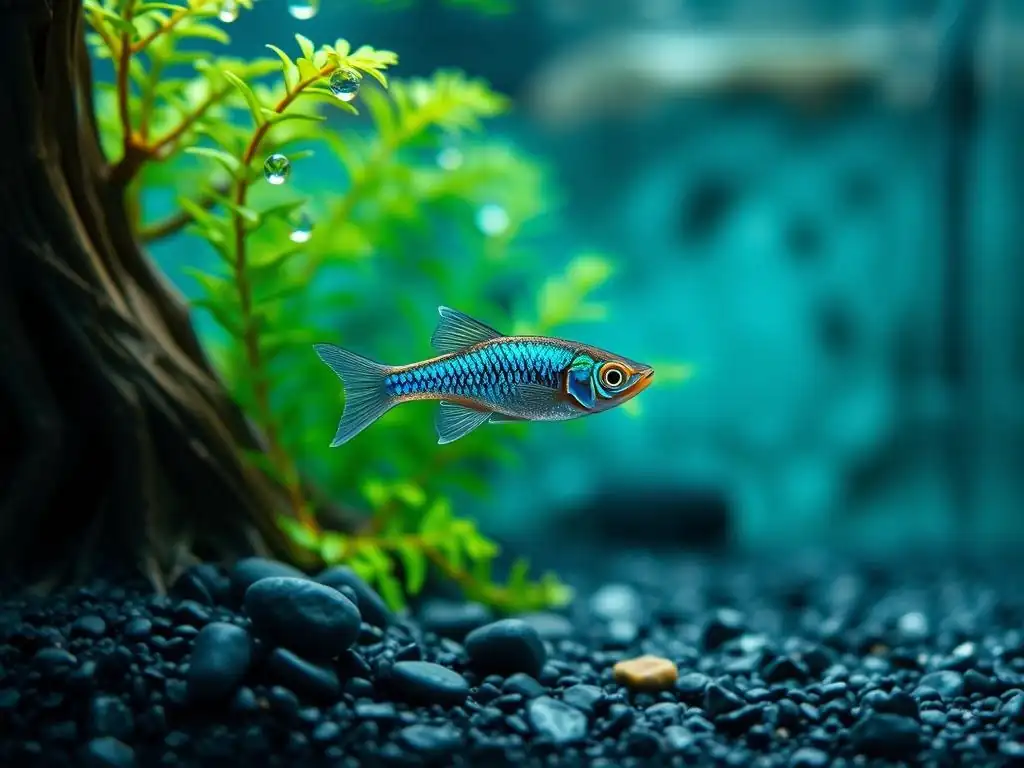
When designing an ideal penguin tetra tank setup, the first critical decision is selecting the right tank size, which directly impacts the health and behavior of these schooling fish. For a minimum school of six to eight Penguin Tetras, a 20-gallon long aquarium is highly recommended.
The "long" aspect is crucial because, despite their relatively small individual size (up to 2.5 inches), Penguin Tetras are active swimmers that benefit immensely from horizontal swimming space rather than vertical height. A 20-gallon long tank, typically measuring around 30 inches in length, provides ample room for them to form a cohesive school and dart around freely, mimicking their natural migratory patterns in rivers.
For larger schools, which are highly beneficial for their social dynamics and display, a 30-gallon or 40-gallon breeder tank offers even more generous swimming room and stability. For instance, a 30-gallon tank can comfortably house a school of 10-12 Penguin Tetras, allowing them to exhibit more pronounced schooling behaviors and reducing potential stress. Overcrowding, even with small fish, can lead to increased aggression, poor water quality, and stunted growth, underscoring the importance of providing adequate space in any successful penguin tetra tank setup.
Substrate, Décor, and Plants: Replicating Their Natural Habitat
The choice of substrate, décor, and live plants plays a pivotal role in replicating the natural habitat of Penguin Tetras and enhancing their well-being in a well-designed penguin tetra tank setup. A dark, fine-grained substrate like sand or smooth, small gravel is ideal. Darker substrates not only highlight the fish's vibrant silver and black coloration but also help reduce their stress levels by mimicking the dimly lit, tannin-stained waters they inhabit in the wild. A lighter substrate can sometimes make them feel exposed and anxious.
Incorporating natural décor such as driftwood and smooth river rocks provides essential hiding spots and visual breaks, contributing to a sense of security for the schooling fish. Live plants are equally vital; species like Java Fern ( Microsorum pteropus), Anubias ( Anubias barteri), and Amazon Sword ( Echinodorus amazonicus) are excellent choices due to their hardiness and ability to thrive in similar conditions.
Floating plants, such as Dwarf Water Lettuce ( Pistia stratiotes) or Red Root Floaters ( Phyllanthus fluitans), can further diffuse overhead lighting, creating dappled shadows that mimic their natural canopy-covered environments and make the fish feel more at ease.
Filtration and Aeration: Essential Components for a Healthy Tank
Effective filtration and adequate aeration are non-negotiable components for maintaining a healthy and stable penguin tetra tank setup. A robust filtration system is essential for processing biological waste, removing particulate matter, and ensuring crystal-clear water. For Penguin Tetras, a hang-on-back (HOB) filter or a canister filter are excellent choices, provided they offer sufficient biological, mechanical, and chemical filtration.
It is advisable to choose a filter rated for a tank size 1.5 to 2 times larger than your actual aquarium volume to ensure optimal performance. While a strong flow can be beneficial for oxygenation, ensure that the current is not overly powerful, as these fish prefer moderately flowing water.
Aeration is equally important, as it ensures proper gas exchange at the water surface, replenishing dissolved oxygen and expelling carbon dioxide. While surface agitation from a filter outflow can provide some aeration, an air stone connected to an air pump is a simple and effective way to boost oxygen levels, especially in heavily planted tanks or those with a high bioload.
Adequate oxygenation is critical for the fish's respiration and overall metabolic health, preventing stress and susceptibility to diseases. A well-oxygenated environment also supports beneficial bacteria crucial for the nitrogen cycle, maintaining the pristine water quality necessary for a thriving penguin tetra tank setup.
Penguin Tetra Tank Mates: Compatibility and Community Tank Considerations
Ideal Tank Mates for Penguin Tetras: Peaceful Community Fish
Selecting ideal tank mates for Penguin Tetras is crucial for creating a harmonious and stress-free community aquarium. Due to their peaceful and schooling nature, Penguin Tetras thrive best with other similarly sized, non-aggressive fish that share similar water parameter requirements. Excellent companions include other peaceful tetra species such as Neon Tetras ( Paracheirodon innesi), Rummy Nose Tetras ( Hemigrammus bleheri), and Ember Tetras ( Hyphessobrycon amandae), which also enjoy schooling and contribute to the tank's vibrant activity.
Bottom-dwelling fish like Corydoras catfish ( Corydoras spp.) are perfect additions as they occupy a different water column, preventing competition for space. Species such as the Panda Cory ( Corydoras panda) or the Pygmy Cory ( Corydoras pygmaeus) are particularly well-suited due to their small size and peaceful demeanor.
Other suitable tank mates include small rasboras (e.g., Harlequin Rasboras, Trigonostigma heteromorpha), Otocinclus catfish ( Otocinclus spp.) for algae control, and even peaceful dwarf cichlids like German Blue Rams ( Mikrogeophagus ramirezi), provided the tank is sufficiently large and offers ample hiding spots. Maintaining a balanced penguin tetra tank setup with compatible species ensures that all inhabitants can thrive without aggression or undue stress.
Fish to Avoid: Incompatible Tank Mates for Penguin Tetras
When planning your penguin tetra tank setup, it is equally important to identify and avoid incompatible tank mates that could pose a threat or cause stress to your Penguin Tetras. Any large or overtly aggressive fish should be strictly avoided. Predatory species, such as large cichlids (e.g., Oscars, Astronotus ocellatus, or Jack Dempseys, Rocio octofasciata), will view Penguin Tetras as a food source, leading to predation and significant stress for the tetras. Even semi-aggressive fish that are significantly larger than Penguin Tetras can intimidate them and prevent them from schooling naturally or accessing food.
Fin-nipping species, such as Tiger Barbs ( Puntigrus tetrazona) or Serpae Tetras ( Hyphessobrypus eques), should also be approached with caution. While some aquarists have success with these pairings in very large, heavily planted tanks, their propensity to nip fins can cause significant stress and injury to the delicate fins of Penguin Tetras. Furthermore, species with vastly different water parameter requirements, such as certain brackish water fish or those requiring very hard, alkaline water, are unsuitable as tank mates, as attempting to accommodate both will compromise the health of one or both groups.
Maintaining a Balanced Ecosystem: Preventing Aggression and Stress
Maintaining a balanced ecosystem within a penguin tetra tank setup is key to preventing aggression and stress among its inhabitants. The primary strategy involves ensuring appropriate stocking levels and providing ample space. Overcrowding is a leading cause of stress and aggression, as it limits swimming room, increases competition for resources, and can quickly degrade water quality. For a school of 8-10 Penguin Tetras, a 20-gallon long tank is a minimum, but larger tanks (30-40 gallons) are preferable for more dynamic schooling and the inclusion of other peaceful species.
Beyond adequate space, environmental enrichment plays a crucial role. A heavily planted aquarium with numerous hiding spots, driftwood, and rock formations provides areas for fish to retreat if they feel threatened or need a break from social interaction. Consistent water quality, achieved through regular partial water changes (e.g., 25% weekly) and effective filtration, minimizes physiological stress. Furthermore, a varied and nutritious diet ensures all fish receive adequate sustenance, reducing competition and promoting overall vitality. By addressing these factors proactively, aquarists can cultivate a peaceful and thriving community where Penguin Tetras can exhibit their natural, charming behaviors.
Penguin Tetra Health: Identifying and Addressing Common Issues
Recognizing Signs of Illness in Penguin Tetras
Early detection of illness is crucial for the successful treatment of Penguin Tetras and maintaining a healthy penguin tetra tank setup. A healthy Penguin Tetra typically exhibits active schooling behavior, vibrant coloration, a consistent oblique swimming posture, and a strong appetite. Any deviation from these norms should prompt immediate investigation. Common signs of illness include lethargy, where the fish becomes unusually still or hides excessively, and a loss of color or dulling of their characteristic silver and black markings.
Other noticeable symptoms include clamped fins, where the fins are held close to the body rather than fanned out, and erratic swimming patterns such as darting, spiraling, or rubbing against tank decorations. Physical signs like white spots resembling salt grains (Ich), fuzzy growths (fungus), red streaks on fins or body (bacterial infection), bloating, or frayed fins are clear indicators of disease. Rapid or labored breathing, indicated by fast gill movements, can signify poor water quality or oxygen deprivation. Observing these signs promptly allows for timely intervention, significantly increasing the chances of recovery.
Common Diseases Affecting Penguin Tetras and Their Treatment
Penguin Tetras, like all freshwater fish, can be susceptible to common aquarium diseases, particularly if water quality is poor or they are stressed. One of the most prevalent is Ich (White Spot Disease), caused by the parasite Ichthyophthirius multifiliis, which manifests as tiny white spots on the body and fins. Treatment typically involves gradually raising the water temperature to 82-84°F (28-29°C) over 24 hours (if compatible with tank mates) and using an Ich-specific medication for 7-10 days, alongside increased aeration.
Bacterial infections, such as Fin Rot or Columnaris (Cottonmouth disease), can cause frayed fins, lesions, or white, cotton-like growths around the mouth or body. These often stem from poor water quality or injury and require broad-spectrum antibacterial medications, often combined with daily partial water changes. Fungal infections, appearing as white, fuzzy patches, are usually secondary to injury or other illnesses and can be treated with antifungal medications.
Dropsy, characterized by a bloated body and scales sticking out like a pinecone, is often a symptom of internal bacterial infection or organ failure and is notoriously difficult to treat, often requiring isolation and strong antibiotics. Prompt diagnosis and adherence to treatment protocols are vital for successful recovery in a penguin tetra tank setup.
Preventive Measures: Keeping Your Penguin Tetras Healthy
Preventive measures are the cornerstone of keeping your Penguin Tetras healthy and ensuring a thriving penguin tetra tank setup. The most critical aspect is maintaining pristine and stable water quality. This involves performing regular partial water changes, typically 20-30% of the tank volume weekly, to dilute nitrates and replenish essential minerals. Consistent monitoring of water parameters (ammonia, nitrite, nitrate, pH, temperature) using reliable test kits helps identify potential issues before they escalate.
Quarantining new fish for a period of 2-4 weeks in a separate tank is highly recommended before introducing them to the main aquarium. This practice prevents the introduction of diseases and parasites into your established community. Providing a varied and nutritious diet strengthens their immune system, making them more resilient to pathogens.
Avoiding overcrowding and ensuring compatible tank mates reduce stress, which is a major factor in disease susceptibility. Lastly, maintaining a consistent lighting schedule and avoiding sudden changes in temperature or environment further contribute to a stable and stress-free habitat, promoting the long-term health and vibrancy of your Penguin Tetras.
Breeding Penguin Tetras: A Challenging but Rewarding Endeavor
Creating Breeding Conditions: Stimulating Spawning
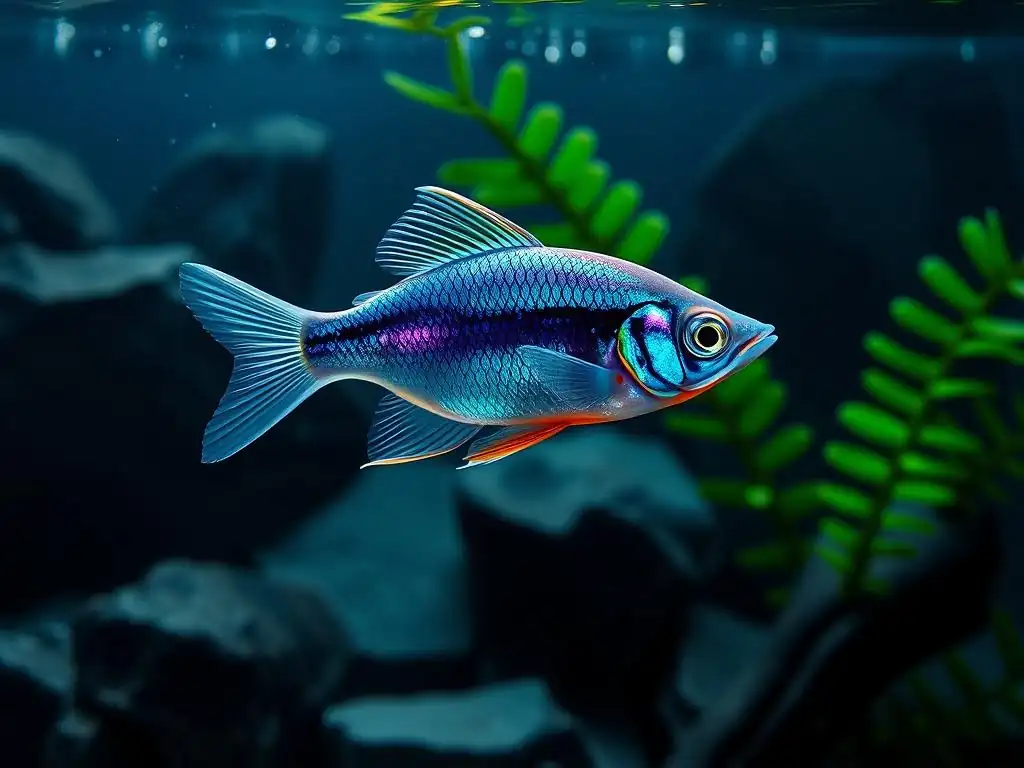
Breeding Penguin Tetras can be a challenging but rewarding endeavor for the dedicated aquarist, requiring specific conditions to stimulate spawning. These fish are egg scatterers, and successful breeding often hinges on replicating the soft, acidic water conditions found in their natural breeding grounds.
To encourage spawning, it is recommended to set up a dedicated breeding tank with very soft water (GH 2-6 dGH) and a slightly acidic pH (6.0-6.5), which can be achieved using RO water mixed with a small amount of tap water or by adding peat filtration. The water temperature should be maintained slightly cooler than typical community tank temperatures, around 72-75°F (22-24°C), to mimic seasonal changes that trigger breeding.
Conditioning the prospective breeding pair or group with a diet rich in live and frozen foods, such as bloodworms, brine shrimp, and daphnia, for several weeks prior to introduction to the breeding tank is also crucial. This high-protein diet helps the fish become robust and encourages egg development in females. Introducing a well-conditioned pair or a small group (e.g., two males to one female) into the prepared breeding tank, often with dim lighting, can stimulate spawning, which typically occurs in the early morning hours.
Caring for Penguin Tetra Fry: Ensuring Their Survival
Caring for Penguin Tetra fry is a delicate process, as they are very small and require specific attention to ensure their survival. Once spawning has occurred, and the eggs have been laid (often scattered among fine-leaved plants or a spawning mop), the adult fish should be promptly removed from the breeding tank. Penguin Tetras, like many other tetras, are not parental and will readily consume their own eggs and fry. The eggs are tiny and translucent, typically hatching within 24-36 hours at optimal temperatures.
Upon hatching, the fry are even smaller and remain immobile for the first 3-5 days, surviving on their yolk sacs. Once they become free-swimming, they require extremely fine, nutritious food. Initial feeding should consist of infusoria or liquid fry food for the first few days, followed by newly hatched brine shrimp nauplii or microworms as they grow larger. Feeding small amounts frequently throughout the day is crucial, as their tiny stomachs require constant replenishment. Maintaining pristine water quality with gentle filtration (like a sponge filter) and performing very small, frequent water changes are vital for their delicate development.
Breeding Tank Setup: A Dedicated Space for Reproduction
A dedicated breeding tank setup is essential for successful Penguin Tetra reproduction, providing a controlled environment optimized for spawning and fry rearing. A small aquarium, typically 5-10 gallons, is sufficient for a single breeding pair or a small group. The tank should be bare-bottomed to facilitate easy cleaning and prevent eggs from being lost in the substrate, or it can have a layer of marbles or a spawning mop to protect eggs from being eaten by the parents.
Fine-leaved plants such as Java Moss ( Taxiphyllum barbieri) or hornwort ( Ceratophyllum demersum) can also be added to provide a natural spawning medium. Filtration should be very gentle; a small, air-driven sponge filter is ideal, as it provides biological filtration without creating strong currents that could harm delicate eggs or fry. Lighting should be dim to simulate their natural breeding environment and reduce stress. This specific penguin tetra tank setup for breeding maximizes the chances of successful egg laying and ensures the safety and proper development of the vulnerable fry.
Penguin Tetra Behavior: Understanding Their Unique Swimming Style
The Oblique Swimming Behavior: What Makes Penguin Tetras Unique?
The most defining characteristic of Penguin Tetras is their unique oblique swimming behavior, which sets them apart from virtually all other commonly kept aquarium fish. Instead of swimming horizontally, Thayeria boehlkei maintain a constant head-up, tail-down posture, typically angled at about 45 degrees relative to the water surface. This distinctive swimming style is not merely an aesthetic quirk but is believed to be an evolutionary adaptation to their natural environment in the Amazon basin.
One theory suggests that this posture aids in foraging for food, allowing them to easily pick insects or small organisms from the water surface or from vertical plant stems. Another hypothesis is that it serves as a form of camouflage, enabling them to blend seamlessly with submerged aquatic plants or driftwood, making them less conspicuous to predators. Whatever the precise reason, this consistent oblique swimming behavior is a hallmark of a healthy and comfortable Penguin Tetra, and observing it is a constant source of fascination in any well-designed penguin tetra tank setup.
Penguin Tetras are quintessential schooling fish, and observing their schooling dynamics provides fascinating insights into their social interactions and overall well-being. In their natural habitat, schooling offers protection against predators, enhances foraging efficiency, and reduces individual stress.
In the aquarium, this instinct remains strong, and they thrive when kept in groups of at least six individuals, with larger schools of 10 or more often exhibiting the most cohesive and dynamic schooling patterns. When kept in insufficient numbers, Penguin Tetras can become shy, stressed, and may even display atypical behaviors such as aggression or fin-nipping towards other tank mates due to insecurity.
Within a healthy school, individuals will typically move together in a synchronized manner, especially when they feel threatened or during feeding times. They communicate through subtle body language and fin movements, maintaining a comfortable distance from each other while moving as a collective unit. Observing their tight formations as they navigate the penguin tetra tank setup is a clear indicator of their comfort and security. A breakdown in schooling behavior, such as individuals isolating themselves or erratic swimming, can often be a sign of stress, illness, or inappropriate tank conditions, prompting the aquarist to investigate further.
Recognizing Stress Signals: Addressing Behavioral Issues
Recognizing stress signals in Penguin Tetras is vital for addressing potential behavioral issues and maintaining their overall health within the aquarium. Stress can manifest in various ways, often indicating underlying problems with water quality, tank mates, or environmental conditions. One common sign is a noticeable loss of schooling behavior; instead of moving cohesively, stressed Penguin Tetras may scatter, hide excessively, or swim erratically. Their vibrant silver and black coloration might also dull or fade significantly, serving as a visual indicator of discomfort.
Other stress indicators include rapid gill movement (indicating poor oxygenation or high toxins), clamped fins, and a loss of appetite. If you observe these behaviors, the first step is to thoroughly test your water parameters for ammonia, nitrite, and nitrate levels, as poor water quality is a frequent culprit.
Checking for aggressive tank mates or insufficient hiding spots is also important. Addressing the root cause, whether it's through partial water changes, providing more cover, or adjusting tank mates, will help alleviate stress and encourage your Penguin Tetras to return to their natural, charming behaviors in the penguin tetra tank setup.
Advanced Penguin Tetra Keeping: Tips and Tricks for Experienced Aquarists
Optimizing Water Chemistry for Enhanced Coloration
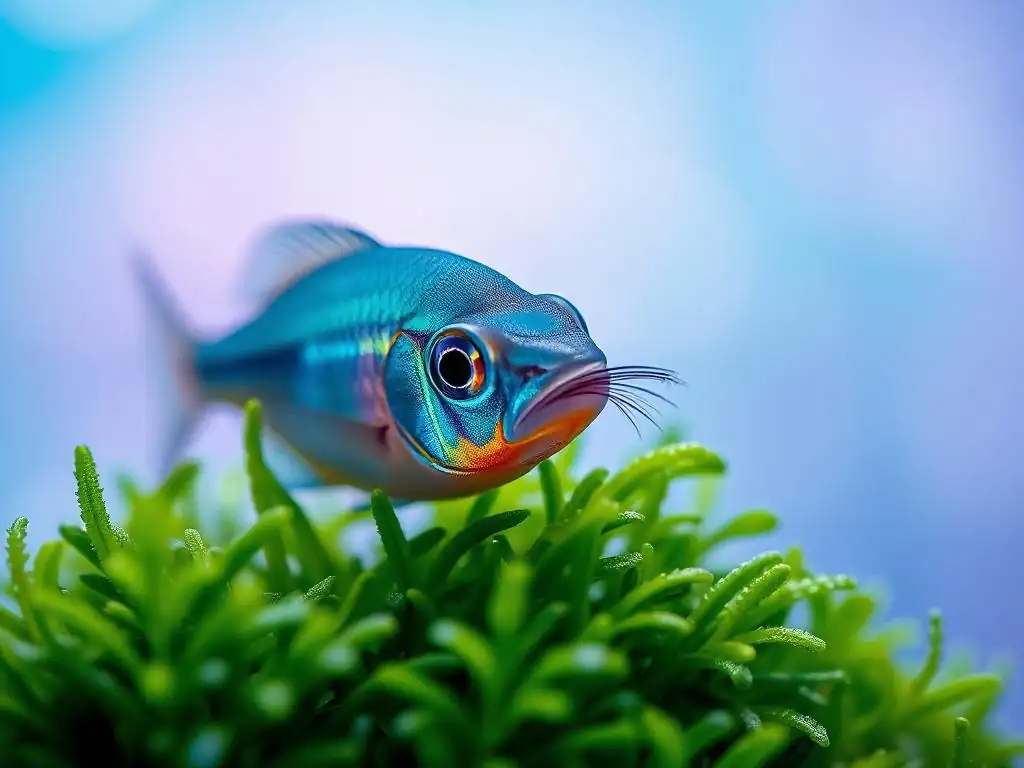
For experienced aquarists aiming to bring out the absolute best in their Penguin Tetras, optimizing water chemistry beyond basic parameters can significantly enhance their coloration and overall vibrancy. While these fish are adaptable, replicating their soft, slightly acidic Amazonian blackwater conditions often yields the most stunning results.
Aiming for a pH range of 6.0-6.8 and a general hardness (GH) between 3-8 dGH can greatly intensify their silver sheen and sharpen the contrast of their iconic black stripe. This can be achieved by using a reverse osmosis (RO) system to purify water and then remineralizing it to the desired parameters, or by utilizing peat filtration or adding blackwater extracts.
The presence of tannins, released from driftwood or Indian Almond leaves, not only contributes to the desired water chemistry but also creates a more natural, dimly lit environment that reduces stress and encourages bolder displays of color. These tannins also have mild antibacterial and antifungal properties, further contributing to the fish's health. Consistent monitoring of these refined parameters is crucial, as stability is key to maintaining peak coloration and vitality in a sophisticated penguin tetra tank setup.
Advanced Feeding Techniques: Promoting Growth and Vitality
To promote optimal growth, vitality, and breeding readiness in Penguin Tetras, experienced aquarists can employ advanced feeding techniques that go beyond a simple daily flake regimen. While high-quality flakes and pellets remain staples, incorporating a wider variety of live and frozen foods on a regular basis is paramount. Culturing live foods such as daphnia, microworms, or even small grindal worms at home ensures a constant supply of highly nutritious, protein-rich sustenance that stimulates their natural predatory instincts and provides essential amino acids often scarce in processed foods.
Consider a feeding schedule that includes a "fasting day" once a week to aid digestion and prevent overfeeding. On other days, rotate between different types of food to ensure a balanced nutritional intake. For instance, offer live foods three times a week, high-quality flakes on other days, and occasionally supplement with frozen bloodworms or brine shrimp. Some aquarists also lightly dust foods with a high-quality fish vitamin supplement a few times a week, further boosting their immune system and enhancing their long-term health and vibrant appearance within the penguin tetra tank setup.
Long-Term Care Strategies: Ensuring a Thriving Penguin Tetra School
Ensuring a thriving Penguin Tetra school over the long term requires consistent dedication to advanced care strategies beyond routine maintenance. One crucial aspect is the continuous evaluation of the penguin tetra tank setup itself.
As the fish mature, or if the school expands, re-evaluating the tank size to provide ample swimming space and prevent overcrowding becomes important; for instance, upgrading from a 20-gallon long to a 40-gallon breeder can significantly improve their quality of life and reduce stress over many years. Regular observation for subtle behavioral changes or early signs of illness allows for prompt intervention, preventing minor issues from escalating into widespread problems.
Implementing a robust quarantine protocol for all new fish, plants, and even decorations before introduction to the main tank is vital for preventing the transmission of pathogens, especially when maintaining a long-term, stable community. Furthermore, enriching the environment with diverse plant arrangements and varied décor keeps the fish engaged and reduces boredom. With diligent care, a well-established school of Penguin Tetras can live a full lifespan of 3-5 years, and sometimes up to 6 years, continuing to display their unique charm and dynamic schooling behaviors for years to come.
Troubleshooting Common Penguin Tetra Problems
Addressing Fin Nipping and Aggression
Fin nipping and aggression are occasional behavioral issues that can arise in a penguin tetra tank setup, often signaling underlying problems that need to be addressed. While Penguin Tetras are generally peaceful, they can become nippy if kept in insufficient numbers.
A school of fewer than six individuals can lead to increased stress and displaced aggression, causing them to nip the fins of slower-moving or long-finned tank mates. The first step in troubleshooting is to ensure your Penguin Tetra school comprises at least 8-10 individuals, as this allows them to feel more secure and direct their social interactions within their own group.
Another common cause of fin nipping is inappropriate tank mates. If your Penguin Tetras are housed with very large or overly boisterous fish, they may become stressed and lash out. Conversely, if they are paired with extremely delicate or slow-moving fish, their natural schooling energy might be perceived as aggression. Overcrowding in the tank can also heighten stress levels and lead to territorial disputes. Addressing these factors—increasing the school size, ensuring compatible tank mates, and providing ample space and hiding spots—will significantly reduce instances of fin nipping and promote a harmonious environment.
Dealing with Water Quality Issues
Water quality issues are among the most common problems encountered in any aquarium, and they can severely impact the health of Penguin Tetras. Symptoms of poor water quality often include lethargy, gasping at the surface, clamped fins, cloudy water, or excessive algae growth. The primary culprits are usually elevated levels of ammonia, nitrite, or nitrate, resulting from insufficient filtration, overfeeding, or infrequent water changes. An ammonia reading above 0.25 ppm or nitrite above 0.5 ppm requires immediate action, as these compounds are highly toxic to fish.
To troubleshoot, immediately perform a significant partial water change, typically 50%, to dilute the toxins. Test the water parameters again after an hour. If levels are still high, perform another 25% water change. In the long term, ensure your filtration system is adequately sized and functioning correctly, clean filter media regularly (but not too thoroughly, to preserve beneficial bacteria), and reduce feeding amounts to prevent excess waste. Establishing a consistent schedule of weekly 20-30% partial water changes is crucial for maintaining stable and healthy water parameters in your penguin tetra tank setup.
Preventing and Treating Diseases Effectively
Effective disease prevention and treatment are critical for the long-term health of Penguin Tetras. Prevention is always superior to treatment, as stressed or diseased fish can quickly decline. The cornerstone of disease prevention lies in maintaining consistently pristine water quality through regular water changes and robust filtration, providing a balanced and varied diet, and avoiding overcrowding. Quarantining all new fish for 2-4 weeks in a separate tank before introducing them to your main penguin tetra tank setup is perhaps the single most effective preventive measure against introducing pathogens like Ich, Velvet, or bacterial infections.
Should disease occur, prompt and accurate identification is key. Observe your fish closely for any changes in behavior or appearance, as detailed earlier. Once a diagnosis is made, select the appropriate medication and follow the manufacturer's instructions precisely, including dosage and duration.
Many common freshwater diseases, such as Ich, fin rot, and fungal infections, are treatable with readily available aquarium medications. Always remove activated carbon from your filter during medication, as it will absorb the treatment. Addressing the root cause of the disease, such as poor water quality or stress, alongside treatment, is essential for a full recovery and preventing recurrence.
Conclusion: Enjoying the Charm of Penguin Tetras in Your Aquarium
The Enduring Appeal of These Unique Swimmers
The enduring appeal of Penguin Tetras lies in their captivating blend of unique aesthetics and engaging behavior, making them a truly special addition to any freshwater aquarium. Their distinctive oblique swimming posture sets them apart, offering a constant visual spectacle that adds an unusual dynamic to the tank. This, combined with their striking silver body highlighted by a sharp black lateral stripe, creates a subtle yet elegant beauty that shines in a well-planted environment. Beyond their looks, their strong schooling instinct ensures a lively and cohesive display, providing a sense of natural harmony within the aquatic landscape.
Their relatively hardy nature and peaceful temperament further solidify their appeal, making them accessible to a wide range of aquarists, from beginners to seasoned enthusiasts. With proper care and a well-designed penguin tetra tank setup, these charming fish can thrive for many years, becoming a beloved and central feature of a community aquarium. Their low maintenance needs, coupled with their fascinating characteristics, ensure that the joy of keeping Penguin Tetras is both long-lasting and profoundly rewarding for those who appreciate their subtle yet profound charm.
Resources for Further Learning about Penguin Tetras
For aquarists eager to delve deeper into the fascinating world of Penguin Tetras and enhance their understanding, a wealth of information can be found through various educational resources. Consulting reputable aquarium books and scientific journals specializing in ichthyology can provide detailed insights into their natural habitats, specific physiological needs, and advanced breeding techniques. Many comprehensive aquarium care guides offer dedicated sections on tetra species, often including specific profiles for Thayeria boehlkei.
Participating in online aquarium forums and communities dedicated to freshwater fishkeeping can also be highly beneficial. These platforms allow for direct interaction with experienced aquarists, enabling the exchange of practical tips, troubleshooting advice, and shared experiences regarding penguin tetra tank setup and care. By leveraging these diverse resources, enthusiasts can continuously expand their knowledge, refine their husbandry practices, and ensure their Penguin Tetras thrive, enjoying a fulfilling and enduring presence in their home aquariums.
Frequently Asked Questions
What is the ideal tank size for a Penguin Tetra tank setup?
The ideal tank size for a school of Penguin Tetras is at least 20 gallons. This allows them ample swimming space and helps maintain stable water parameters. Remember, they are active fish!
What are the key water parameters to maintain in a Penguin Tetra tank?
Penguin Tetras thrive in slightly acidic water with a pH between 6.0 and 7.0. Maintain a temperature between 72°F and 82°F and ensure excellent water quality through regular water changes.
What type of substrate and decorations are best for a Penguin Tetra tank setup?
A dark substrate will help showcase their colors and make them feel more secure. Include plenty of live plants and driftwood to mimic their natural habitat and provide hiding places.
What are some suitable tank mates for Penguin Tetras?
Penguin Tetras are peaceful and do well with other community fish of similar size and temperament. Corydoras catfish, rasboras, and other small tetras make excellent tank mates.
How often should I perform water changes in my Penguin Tetra tank?
Perform weekly water changes of approximately 25% of the tank volume. This helps remove nitrates and maintain a healthy environment for your Penguin Tetras.
Final Reflection: Embracing the Penguin Tetra's Unique Dance
The preceding exploration of Penguin Tetra care and optimal tank setup highlights not just the practicalities of fishkeeping, but also the profound joy of observing nature's artistry in our own homes. These oblique swimmers, with their distinctive markings and captivating behavior, offer a daily reminder of the beauty and complexity that exists beyond our immediate surroundings. Understanding their needs and creating a thriving environment is an act of appreciation and responsibility.
The Penguin Tetra, though small, represents a larger connection to the natural world. Their delicate existence in our aquariums underscores the importance of responsible pet ownership and the broader need for environmental conservation. In the end, we will conserve only what we love; we will love only what we understand; and we will understand only what we are taught.
- Baba Dioum. This quote resonates deeply, reminding us that knowledge and understanding are the cornerstones of genuine appreciation and protection.
Now, as you consider your own potential Penguin Tetra tank setup, I invite you to reflect on the profound impact even small actions can have. Embrace the opportunity to create a miniature ecosystem, a haven where these unique creatures can thrive. Let their captivating dance inspire you to cultivate a deeper connection with nature and to champion the well-being of all living things, both within and beyond the glass walls of your aquarium.
Embrace the Penguin Tetra's Quirk: Start Your School Today!
Thank you for diving into the fascinating world of Penguin Tetras! We hope you've discovered just how unique and captivating these oblique swimmers can be. Now, it's time to transform that knowledge into action and bring the charm of the Penguin Tetra to your own aquarium.
Here's how you can continue your journey with these captivating fish:
- Establish your Penguin Tetra school! Research reputable breeders or local fish stores and introduce at least six Penguin Tetras to a well-cycled and appropriately sized tank. This is the most impactful step you can take to ensure their well-being and showcase their mesmerizing shoaling behavior.
- Dive deeper into their world by exploring unique plant pairings that mimic their natural habitat. Consider adding unconventional plants like Anubias or Java Fern to create a truly captivating aquascape.
- Share your new-found Penguin Tetra knowledge! Engage with fellow aquarium enthusiasts on forums or social media and share your own experiences, tips, and captivating photos of your Penguin Tetra school.
What unique aquascaping idea will you implement to showcase the beauty of your Penguin Tetra school?