
Quarantine Protocol: The NonNegotiable Step for Healthy Tetra Additions

Welcome to Aquarium Mastery!
Ever wonder how seasoned aquarists consistently maintain vibrant, thriving tetra tanks? The secret often lies in a step many overlook. But what if we told you there's a proven method to drastically reduce the risk of disease and ensure your new tetras integrate seamlessly into your existing ecosystem? Dive into our comprehensive guide on Healthy Tetra Quarantine Protocol and unlock the key to a healthier, happier aquarium. Let's get started!
- Quarantine Protocol: A Vital Step for Healthy Neon Tetra Additions
- Why a Neon Tetra Quarantine Protocol is Essential for Your Aquarium
-
Setting Up Your Neon Tetra Quarantine Tank: A Step-by-Step Guide
- Choosing the Right Quarantine Tank Size for Neon Tetras
- Essential Equipment for a Neon Tetra Quarantine Setup: Heater, Filter, Sponge Filter
- Water Parameters for Neon Tetra Quarantine: Achieving Optimal Stability - Soft, Acidic Water
- Substrate and Decorations: Keeping the Quarantine Tank Stress-Free - Bare Bottom, Few Plants
-
The Quarantine Process: Observing Your New Neon Tetras
- Initial Observation Period: What to Look For in Newly Acquired Neon Tetras - Behavior, Appearance
- Signs of Illness in Neon Tetras: Identifying Common Diseases - Neon Tetra Disease, Ich
- Quarantine Feeding Schedule: Ensuring Proper Nutrition - High-Quality Flake Food, Live/Frozen Food
- Water Changes During Quarantine: Maintaining Water Quality - Small, Frequent Changes
-
Treating Sick Neon Tetras During Quarantine: Medication and Care
- Identifying and Diagnosing Common Neon Tetra Ailments - Fin Rot, Columnaris
- Selecting the Right Medications for Neon Tetra Diseases - Antibiotics, Anti-Parasitics
- Administering Medication Safely and Effectively - Following Dosage Instructions
- Monitoring Treatment Progress and Adjusting as Needed - Observing Fish Behavior
- Post-Quarantine Integration: Introducing Healthy Neon Tetras to Your Main Tank
- Troubleshooting Quarantine Issues: Common Problems and Solutions
- Beyond Quarantine: Maintaining Long-Term Neon Tetra Health
-
Frequently Asked Questions
- How long should I quarantine new tetras before introducing them to my main tank?
- What size quarantine tank is appropriate for a small group of tetras?
- What are the key signs of illness I should be looking for during the quarantine period?
- What water parameters are crucial to monitor in the quarantine tank?
- What if my tetras show signs of illness during quarantine?
- Final Reflection: Safeguarding Aquatic Ecosystems
- Ignite Your Tetra Tank: The Ultimate 3-Day Quarantine Challenge!
Quarantine Protocol: A Vital Step for Healthy Neon Tetra Additions
Why a Neon Tetra Quarantine Protocol is Essential for Your Aquarium
Preventing Neon Tetra Disease: Protecting Your Existing Fish
Introducing new fish to an established aquarium without a proper quarantine period is one of the leading causes of disease outbreaks. Even seemingly healthy neon tetras can carry dormant pathogens, parasites, or bacterial infections that become active under the stress of transport and a new environment. These unseen threats can rapidly spread to your existing, otherwise healthy fish, potentially wiping out an entire community tank. A diligent healthy tetra quarantine protocol acts as a crucial barrier, safeguarding your entire aquatic ecosystem.
The financial and emotional toll of a tank-wide disease outbreak can be substantial. Replacing dozens of fish, purchasing expensive medications, and spending countless hours on treatments and water changes can be disheartening. For instance, a single outbreak of Ich ( Ichthyophthirius multifiliis) can affect 100% of susceptible fish in an untreated tank within days, leading to significant losses. Prevention through a stringent quarantine procedure is far more cost-effective and humane than attempting to cure a widespread infection.
Minimizing Stress: Acclimation and Observation in a Safe Environment
New neon tetras undergo immense stress during their journey from supplier to fish store, and then to your home. This stress weakens their immune systems, making them highly susceptible to opportunistic infections. A dedicated quarantine tank provides a calm, stable environment where these fish can recover, acclimate, and regain their strength without the added pressure of competition or aggression from established tank mates. This period of recovery is vital for their long-term well-being.
Moreover, a quarantine setup allows for uninterrupted, close observation. In a bustling display tank, it's easy to miss subtle signs of illness such as clamped fins, labored breathing, or changes in coloration. In a bare-bottom quarantine tank with minimal distractions, any deviations from normal behavior or appearance become immediately apparent. This focused observation is a cornerstone of any effective healthy tetra quarantine protocol, enabling early detection and intervention.
Understanding the Risks: Common Neon Tetra Diseases and Parasites
Neon tetras, while beautiful, are susceptible to several common diseases and parasites. The most infamous is Neon Tetra Disease (NTD), caused by the spore-forming parasite Pleistophora hyphessobryconis, which leads to loss of color, erratic swimming, and spinal deformities. Other prevalent issues include Ich (white spot disease), Fin Rot, Columnaris ( Flavobacterium columnare), and various internal worms or protozoans. Many of these pathogens are highly contagious and can remain latent until fish are stressed.
The devastating impact of these diseases, particularly NTD which is incurable, underscores the non-negotiable nature of quarantine. For example, Ich can rapidly multiply, with one parasite capable of producing hundreds of offspring in just a few days at typical aquarium temperatures (e.g., 75-78°F / 24-26°C). By isolating new additions, you prevent these highly transmissible diseases from ever reaching your main display tank, thereby ensuring the longevity and health of your entire fish collection.
Setting Up Your Neon Tetra Quarantine Tank: A Step-by-Step Guide
Choosing the Right Quarantine Tank Size for Neon Tetras
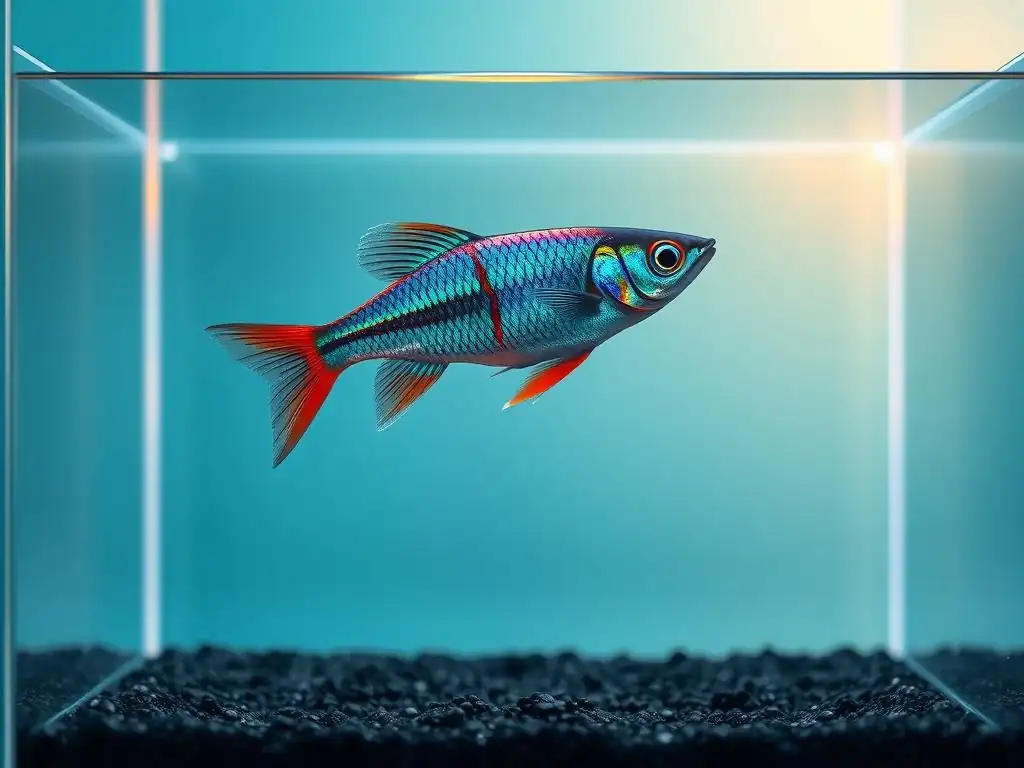
For a small school of neon tetras (typically 6-12 individuals), a 5-10 gallon (approximately 19-38 liter) aquarium serves as an ideal quarantine tank. This size is large enough to provide adequate swimming space and minimize rapid fluctuations in water parameters, yet small enough to allow for precise medication dosing and easy observation. A larger tank, such as a 20-gallon long (around 76 liters), could be considered if you plan to quarantine a very large school or multiple batches of fish simultaneously.
The primary benefit of a dedicated, appropriately sized quarantine tank is its isolation. It prevents the need to treat your main display tank, which could be detrimental to live plants, invertebrates (like snails or shrimp), or beneficial bacteria in the main filter. Furthermore, using a smaller tank reduces the volume of water that needs to be medicated, significantly cutting down on the cost of treatments and simplifying the process of water changes.
Essential Equipment for a Neon Tetra Quarantine Setup: Heater, Filter, Sponge Filter
A basic yet effective quarantine setup requires a few key pieces of equipment. First, a reliable aquarium heater is crucial to maintain a stable temperature, ideally between 75-78°F (24-26°C), which is optimal for neon tetras and can also help accelerate the life cycle of some parasites like Ich. For a 5-10 gallon tank, a 25-50 watt submersible heater is typically sufficient.
Second, a simple air-driven sponge filter is highly recommended. Unlike power filters that might contain activated carbon (which absorbs medications), a sponge filter provides excellent biological filtration and gentle water movement, ideal for delicate tetras. It should be paired with an air pump and airline tubing.
If possible, "seed" the sponge filter by placing it in your established main tank for a week or two before use, allowing beneficial bacteria to colonize it. This helps establish a nitrogen cycle quickly, preventing dangerous ammonia spikes during the healthy tetra quarantine protocol. A tight-fitting lid is also essential to prevent escape and reduce evaporation.
Water Parameters for Neon Tetra Quarantine: Achieving Optimal Stability - Soft, Acidic Water
Maintaining stable and appropriate water parameters is paramount for reducing stress and supporting the immune system of new neon tetras. Neon tetras originate from soft, acidic waters in South America. Therefore, aim for a pH range of 6.0 to 7.0 and a General Hardness (GH) between 1-5 dGH (18-90 ppm). Keeping these parameters consistent throughout the quarantine period will significantly aid their recovery and adaptation.
To achieve these parameters, you might need to use a mix of reverse osmosis (RO) water and tap water, or utilize RO water reconstituted with specific mineral additives designed for soft water fish. Regular water testing with reliable liquid test kits for pH, ammonia, nitrite, and nitrate is non-negotiable. During quarantine, ammonia and nitrite levels should always be at 0 ppm, and nitrates kept below 20 ppm through diligent water changes.
Substrate and Decorations: Keeping the Quarantine Tank Stress-Free - Bare Bottom, Few Plants
For a quarantine tank, a bare-bottom setup is highly advantageous. The absence of substrate makes it incredibly easy to observe fish waste, uneaten food, and any visible parasites (like Ich cysts) that fall off the fish. It also simplifies the cleaning process and ensures that medications are not absorbed by gravel or sand, maximizing their effectiveness.
To provide security and reduce stress for the newly introduced tetras, include a few simple, inert decorations. PVC pipes, ceramic caves, or smooth, fish-safe plastic plants offer essential hiding spots without complicating observation or cleaning. These items should be easy to remove and disinfect. Avoid anything ornate or porous that could harbor pathogens or absorb medications, as the goal is a sterile, easy-to-manage environment for a successful healthy tetra quarantine protocol.
The Quarantine Process: Observing Your New Neon Tetras
Initial Observation Period: What to Look For in Newly Acquired Neon Tetras - Behavior, Appearance
Upon introducing your new neon tetras to the quarantine tank, the first 3-5 days should be dedicated solely to observation. Look for normal and active schooling behavior, consistent swimming patterns, and a healthy appetite. Healthy neon tetras typically swim in a tight group, explore their surroundings, and eagerly accept food. Any signs of lethargy, hiding excessively, rapid gill movement, or erratic swimming (e.g., darting, spiraling) are immediate red flags.
Carefully inspect each fish's physical appearance. Check their fins for any signs of clamping, fraying, or tears. The body should be free of any spots, growths, fuzz, or discoloration. Their characteristic iridescent blue and red stripe should be vibrant and unbroken. Gills should be pink and not inflamed or covered in mucus. A thorough daily visual inspection is a fundamental component of a robust healthy tetra quarantine protocol.
Signs of Illness in Neon Tetras: Identifying Common Diseases - Neon Tetra Disease, Ich
Recognizing specific signs of illness is crucial for timely intervention. For Neon Tetra Disease (NTD), look for a fading of the vibrant blue and red stripes, often starting from the head and progressing backward. Affected fish may exhibit erratic swimming, difficulty schooling, or a bent spine. White, cystic lumps might appear on their bodies, and they may become emaciated despite eating.
Another common ailment is Ich, characterized by small, white, salt-grain-like spots visible on the body and fins. Fish with Ich often "flash" or rub themselves against tank decorations to relieve itching. Fin Rot manifests as frayed, tattered, or deteriorating fins, sometimes with a white or reddish edge. Columnaris, a bacterial infection, can appear as white, cottony growths, often around the mouth ("mouth rot") or on the body, sometimes resembling fungus. Any of these symptoms warrant immediate attention within your healthy tetra quarantine protocol.
Quarantine Feeding Schedule: Ensuring Proper Nutrition - High-Quality Flake Food, Live/Frozen Food
Proper nutrition is vital for bolstering the immune systems of new neon tetras and helping them recover from the stress of transport. Feed small amounts of high-quality flake food 1-2 times daily, only what they can consume within 2-3 minutes. Overfeeding will quickly foul the water in a small quarantine tank, leading to ammonia spikes and further stress.
Supplement their diet with live or frozen foods such as daphnia, brine shrimp, or micro worms a few times a week. These foods are highly palatable, packed with essential nutrients, and encourage natural foraging behaviors, which can help reduce stress. A varied and nutritious diet ensures that your neon tetras are strong and resilient, better equipped to fight off any potential ailments during their healthy tetra quarantine protocol.
Water Changes During Quarantine: Maintaining Water Quality - Small, Frequent Changes
Maintaining pristine water quality is absolutely critical in a quarantine tank, especially since it may not have a fully cycled biological filter. Even with a seeded sponge filter, small, frequent water changes are essential to prevent the buildup of ammonia, nitrite, and nitrates. Aim for small daily water changes of 10-20%, or 25-30% every other day, depending on the bioload and water test results.
Always use dechlorinated water that is temperature-matched to the quarantine tank to prevent temperature shock. Siphon any uneaten food or fish waste from the bare bottom during water changes. Regularly test the water parameters for ammonia, nitrite, and nitrate using a liquid test kit. Consistently excellent water quality minimizes stress on the fish and prevents secondary infections, solidifying the effectiveness of your healthy tetra quarantine protocol.
Treating Sick Neon Tetras During Quarantine: Medication and Care
Identifying and Diagnosing Common Neon Tetra Ailments - Fin Rot, Columnaris
Accurate identification of the ailment is the first step in effective treatment. For Fin Rot, observe if the fin edges are becoming ragged, discolored, or disappearing entirely. This is often a bacterial infection. Columnaris, sometimes mistaken for fungus, appears as white or grayish patches, often with a fuzzy or cotton-like texture, particularly around the mouth or on the body. These are distinct from the pinpoint white spots of Ich.
Observing the progression of symptoms and consulting reliable fish disease identification guides is crucial. For instance, a fish with Columnaris might also show rapid breathing or lethargy, indicating a more systemic infection. Early and precise diagnosis within the quarantine period significantly increases the chances of successful treatment, preventing the spread of these issues to your main aquarium.
Selecting the Right Medications for Neon Tetra Diseases - Antibiotics, Anti-Parasitics
Once a diagnosis is made, selecting the appropriate medication is paramount. For bacterial infections like Fin Rot or Columnaris, broad-spectrum antibiotics such as those containing Furan-2 (nitrofurazone) or Maracyn (erythromycin) are often effective. For parasitic infestations like Ich, anti-parasitic medications containing malachite green, formalin, or methylene blue are commonly used.
It is vital to research the specific medication's suitability for sensitive fish like neon tetras, as some treatments can be harsh. Always read the product label carefully to ensure it targets the identified pathogen and is safe for use in freshwater aquariums. Avoid using medications designed for general pond use, as their concentrations may be too high for a small aquarium, undermining your healthy tetra quarantine protocol.
Administering Medication Safely and Effectively - Following Dosage Instructions
Safe and effective medication administration requires precision. First, ensure any activated carbon filtration is removed from the quarantine tank, as carbon will absorb medications and render them ineffective. Calculate the exact dosage based on the actual volume of water in your quarantine tank, not just its advertised size (e.g., a 10-gallon tank rarely holds a full 10 gallons of water once substrate and decorations are added, though a bare-bottom quarantine tank will be closer to its stated volume).
If the medication is in powder form, dissolve it thoroughly in a small amount of tank water before adding it to ensure even distribution. Administer the medication slowly and directly into the water, ensuring it disperses throughout the tank. Adhere strictly to the manufacturer's dosage instructions and treatment duration. Overdosing can be fatal to fish, while underdosing can lead to resistant pathogens and ineffective treatment.
Monitoring Treatment Progress and Adjusting as Needed - Observing Fish Behavior
During the medication period, continuous and meticulous observation of your neon tetras is essential. Monitor for improvement in symptoms: are the white spots of Ich disappearing? Is fin regrowth visible for Fin Rot? Is the fish's breathing normalizing? Also, watch for any adverse reactions to the medication, such as increased stress, erratic swimming, or loss of appetite.
If symptoms worsen or new ones appear despite treatment, re-evaluate your diagnosis and treatment plan. This might involve consulting with an experienced aquarist or fish veterinarian. Sometimes, a different medication or a combination of treatments may be necessary after a significant water change to remove residual medication. Documenting the progress, including dates and medication doses, can be invaluable for successful recovery and refining your healthy tetra quarantine protocol.
Post-Quarantine Integration: Introducing Healthy Neon Tetras to Your Main Tank
Gradual Acclimation: Avoiding Shock and Stress - Drip Acclimation
After a successful quarantine period, typically 4-6 weeks with no signs of illness, your neon tetras are ready to join your main display tank. However, simply dropping them in can cause severe shock due to differences in water parameters (temperature, pH, hardness, nitrates). Drip acclimation is the safest and most effective method to gradually equalize these parameters, preventing osmotic shock and minimizing stress.
To drip acclimate, place the fish in a clean bucket or container with their quarantine water. Use an airline tube to siphon water from your main display tank into the bucket, tying a knot in the tubing or using an airline valve to control the drip rate (e.g., 1-2 drops per second). Allow the volume of water in the bucket to slowly double or triple over 1-2 hours. Once acclimated, gently net the fish into your main tank, discarding the water from the bucket to prevent transferring any lingering pathogens.
Monitoring for Signs of Disease After Introduction - Daily Observation
Even after a thorough healthy tetra quarantine protocol, vigilance remains key. For at least the first week after introducing your neon tetras to the main tank, continue to observe them closely on a daily basis. Look for any signs of stress, such as hiding, clamped fins, or rapid breathing. Also, watch for any recurrence of disease symptoms or the development of new ones.
The stress of being introduced to a new environment, even a healthy one, can sometimes trigger dormant issues or make fish more susceptible to existing low-level pathogens in the main tank. Early detection allows you to address any problems quickly, potentially isolating the affected fish back into the quarantine tank for treatment, thereby preventing a wider outbreak in your established aquarium.
Maintaining a Healthy Aquarium Environment: Long-Term Prevention - Regular Water Changes
The foundation of long-term neon tetra health lies in maintaining an optimal and stable aquarium environment. This includes performing regular water changes—typically 25-30% weekly—to remove accumulated nitrates and replenish essential minerals. Consistent water quality minimizes stress, which is a primary trigger for many fish diseases.
Beyond water changes, ensure your filtration system is adequate for your tank's bioload, avoid overfeeding, and maintain stable water parameters (temperature, pH, hardness) within the ideal range for neon tetras. A well-maintained tank reduces the likelihood of disease outbreaks, complementing the initial healthy tetra quarantine protocol and ensuring your tetras thrive for years.
Promoting a Balanced Ecosystem for Neon Tetras
A balanced aquarium ecosystem significantly contributes to the long-term well-being of your neon tetras. This includes having a healthy population of beneficial bacteria in your filter and substrate, which efficiently processes fish waste. Live plants are also highly beneficial, as they absorb nitrates, provide oxygen, and offer natural hiding spots, reducing stress for schooling fish like tetras.
Avoid overstocking your main tank, as this increases the bioload and competition, leading to stress and compromised water quality. Choose peaceful tank mates that have similar water parameter requirements and do not pose a threat to the small, delicate neon tetras. A thriving, balanced ecosystem, built on a foundation of proper setup and a rigorous healthy tetra quarantine protocol, creates a resilient and beautiful home for your fish.
Troubleshooting Quarantine Issues: Common Problems and Solutions
Dealing with Ammonia Spikes in the Quarantine Tank - Water Changes, Seeding Filter
A common challenge in new or uncycled quarantine tanks is the rapid buildup of ammonia and nitrite, which are highly toxic to fish. Symptoms of ammonia poisoning include rapid gill movement, lethargy, gasping at the surface, and red streaks on the body. This occurs because the beneficial bacteria needed to convert these toxins have not yet established in sufficient numbers.
Immediate action involves performing large, daily water changes (50% or more) to dilute the ammonia and nitrite. To prevent future spikes, "seed" the quarantine tank's sponge filter with beneficial bacteria by squeezing a sponge from your established main tank's filter into the quarantine water, or by placing the quarantine filter media in the main tank for a week prior. Using a high-quality bottled nitrifying bacteria supplement can also accelerate the cycling process and is a crucial part of a proactive healthy tetra quarantine protocol.
Addressing Fin Rot and Other Bacterial Infections - Antibiotics, Clean Water
Fin Rot and other bacterial infections, often secondary to stress or poor water quality, manifest as frayed, clamped, or deteriorating fins, sometimes with a white or reddish edge. Early signs might also include cloudy eyes or a general dullness in color. These infections can quickly worsen if left untreated.
The first line of defense is to ensure impeccable water quality in the quarantine tank. Perform daily small water changes (20-30%) and ensure stable temperature and parameters. If the infection persists or progresses, administer a broad-spectrum aquarium antibiotic designed for bacterial infections, such as those containing nitrofurazone or erythromycin. Always follow the manufacturer's dosage instructions precisely and complete the full course of treatment, even if symptoms improve, to ensure complete eradication of the bacteria.
Managing Parasitic Infestations in Quarantine - Anti-Parasitic Medications
Parasitic infestations like Ich (white spot disease) are among the most common issues encountered during quarantine. Ich appears as small, white, salt-grain-like spots on the fish's body and fins, often accompanied by flashing or rubbing against objects. Other parasites might cause excessive slime coat, rapid breathing, or visible worms.
For Ich, a common and effective approach is to gradually raise the quarantine tank temperature to 80-82°F (27-28°C) over 24 hours, if the tetras tolerate it, as this speeds up the parasite's life cycle. Concurrently, use an anti-parasitic medication containing malachite green, formalin, or a combination. Ensure the medication is safe for sensitive fish. For other parasitic issues, specific medications targeting internal or external parasites may be required. Always complete the full treatment cycle, typically 7-14 days, to eliminate all life stages of the parasite.
Addressing False Neon Tetra Disease
"False Neon Tetra Disease" is a common term used by aquarists to describe bacterial infections (like Columnaris) or other ailments that mimic the symptoms of true Neon Tetra Disease (NTD), such as loss of color, lethargy, or erratic swimming. True NTD, caused by Pleistophora hyphessobryconis, is a specific, incurable parasitic infection. Distinguishing between the two is critical, as treatment approaches differ significantly.
If symptoms resemble NTD but are not definitively confirmed (which often requires microscopic examination), it's prudent to treat as a suspected bacterial infection. Isolate the affected fish immediately and administer a broad-spectrum antibiotic. If true NTD is confirmed, especially if multiple fish are affected and show the classic bent spine or cystic lumps, humane euthanasia is generally recommended to prevent further spread, as there is no known cure. This highlights the absolute necessity of a healthy tetra quarantine protocol to prevent the introduction of such devastating diseases into your main aquarium.
Beyond Quarantine: Maintaining Long-Term Neon Tetra Health
Providing Optimal Tank Conditions for Neon Tetras - Stable Water Parameters
Long-term health for neon tetras hinges on consistently providing optimal and stable tank conditions. This means maintaining their preferred soft, acidic water parameters: a pH typically between 6.0 and 7.0, and a General Hardness (GH) of 1-5 dGH (18-90 ppm). Temperature should remain stable within their ideal range of 72-78°F (22-26°C). Sudden fluctuations in any of these parameters are major stressors that can compromise their immune system.
Beyond water chemistry, ensure your display tank offers a suitable environment. A well-planted aquarium provides security, hiding spots, and enrichment for these schooling fish. Adequate lighting (moderate intensity, 8-10 hours daily) supports plant growth and fish well-being. Avoid overstocking, as this increases bioload and competition, leading to chronic stress and susceptibility to disease.
Proper Neon Tetra Diet and Feeding Practices - Variety of Foods
A varied and high-quality diet is fundamental to the long-term vitality of neon tetras. While high-quality flake food can serve as a staple, regularly supplement their diet with small, varied meals of frozen or live foods such as daphnia, micro worms, and brine shrimp. These provide essential vitamins, minerals, and proteins that flakes alone may not fully supply, boosting their coloration and immune response.
Feed small amounts 2-3 times daily, only what they can consume completely within 2-3 minutes. Neon tetras have small mouths and stomachs, so overfeeding is a common mistake that leads to digestive issues and, more critically, pollutes the water. Uneaten food decomposes, contributing to ammonia and nitrate buildup, which can negatively impact water quality and fish health.
Regular Water Testing and Maintenance - Weekly Water Changes
Consistent and diligent water testing and maintenance are the cornerstones of a healthy aquarium ecosystem. Perform weekly water tests for ammonia, nitrite, nitrate, and pH using a reliable liquid test kit to monitor water quality trends. This helps identify issues before they become critical.
Complement testing with regular maintenance, primarily weekly water changes of 25-30%. This routine removes accumulated nitrates, replenishes essential trace elements, and keeps the water clean and clear. During water changes, use a gravel vacuum to remove detritus from the substrate, and gently clean filter media in old tank water as needed to preserve beneficial bacteria. Consistent adherence to this routine, combined with the initial healthy tetra quarantine protocol, ensures a thriving environment.
Promoting a Balanced Ecosystem for Neon Tetras
A truly balanced aquarium ecosystem is a powerful ally in maintaining long-term neon tetra health. Live plants are invaluable; they absorb nitrates, provide oxygen, and offer natural cover and security for schooling fish, significantly reducing their stress levels. A healthy substrate and filter media harbor a robust population of beneficial bacteria, efficiently converting toxic ammonia and nitrite into less harmful nitrates.
Careful selection of tank mates is also crucial. Choose peaceful species that thrive in similar water parameters and will not outcompete or bully your delicate neon tetras. Avoid aggressive or fin-nipping fish. A well-balanced bioload, where the number of fish is appropriate for the tank size and filtration capacity, minimizes stress and supports the natural resilience of your neon tetras, allowing them to live out their full lifespan (typically 5-10 years with optimal care) in a thriving environment.
Frequently Asked Questions
How long should I quarantine new tetras before introducing them to my main tank?
You should quarantine new tetras for a minimum of four to six weeks. This allows sufficient time to observe them for signs of disease or parasites before introducing them to your established aquarium.
What size quarantine tank is appropriate for a small group of tetras?
A 5-10 gallon tank is generally suitable for quarantining a small group of tetras (6-8 individuals). Ensure it's cycled and has appropriate filtration to maintain water quality.
What are the key signs of illness I should be looking for during the quarantine period?
Watch for signs like fin rot, ich (white spots), clamped fins, lethargy, difficulty swimming, and unusual behavior. Observe their feeding habits as well.
What water parameters are crucial to monitor in the quarantine tank?
Maintaining stable water parameters is essential. Regularly test for ammonia, nitrite, and nitrate, and perform water changes to keep them within safe levels, ideally 0 ammonia and nitrite.
What if my tetras show signs of illness during quarantine?
Immediately begin treatment with appropriate medications based on the diagnosed illness. Research effective treatments for common tetra diseases and follow the instructions carefully, documenting the process.
Final Reflection: Safeguarding Aquatic Ecosystems
The principles outlined in this article, detailing a healthy tetra quarantine protocol, are not merely suggestions for hobbyists, but rather a vital component in responsible aquarium keeping. In a world increasingly aware of interconnected ecosystems, the health of our home aquariums directly impacts the broader aquatic environment. Neglecting quarantine protocols can introduce devastating diseases, jeopardizing not only the lives of our beloved tetras but also potentially spreading pathogens to other aquatic inhabitants.
The practice of quarantine, though seemingly simple, represents a profound commitment to ethical and sustainable aquarium practices. It's a tangible demonstration of our respect for these delicate creatures and a recognition of our role as stewards of their well-being. The greatness of a nation and its moral progress can be judged by the way its animals are treated.
- Mahatma Gandhi. This quote, though often applied to larger animals, resonates deeply within the context of aquarium keeping, reminding us that compassion and responsibility extend to all living beings, regardless of their size.
As you consider adding new tetras to your aquarium, remember that the implementation of a healthy tetra quarantine protocol is more than just a checklist; it's an investment in the long-term health and vitality of your aquatic ecosystem. Let this guide serve as a reminder that responsible aquarium keeping begins with a commitment to prevention, observation, and a deep respect for the delicate balance of life within your tank. Embrace the power of proactive care, and together, we can ensure a thriving and healthy future for our aquatic companions.
Ignite Your Tetra Tank: The Ultimate 3-Day Quarantine Challenge!
Thanks for diving into the essential world of tetra quarantine! We hope you’ve gained valuable insights into protecting your established aquarium and ensuring the long-term health of your new tetra additions. Now, let’s put that knowledge into action.
- First and foremost, commit to the unwavering 3-day quarantine period for every new tetra you bring home. This is non-negotiable for a thriving tank!
- Explore your local aquarium society or online forum and share your quarantine setup and experiences to help fellow hobbyists.
- As a surprising next step, consider documenting your quarantine process with photos or a short video to track your tetras' health and behavior.
What’s one small adjustment you can make today to elevate your tetra quarantine process and guarantee a healthier, happier aquarium environment?