
Planted Tanks for Swordtails & Variatus: Creating a Natural Paradise

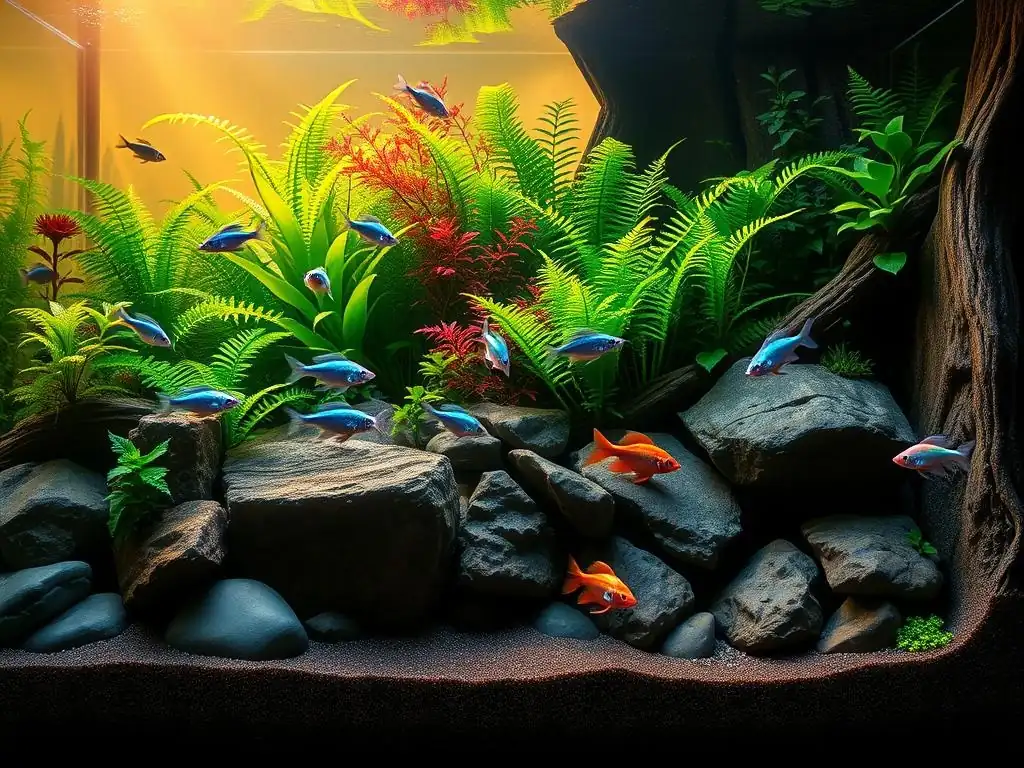
Welcome to Aquarium Mastery!
Ever wondered how to create a vibrant, thriving underwater world for your swordtails and variatus? Dive into the fascinating world of planted swordtail tank ecosystems and unlock the secrets to a truly natural paradise. What if your aquarium could be more than just a tank, but a miniature, self-sustaining ecosystem? Keep reading to discover how!
- Introduction: Building a Thriving Planted Swordtail Tank Ecosystem
- Planning Your Planted Swordtail and Variatus Aquarium
- Selecting Plants for Your Swordtail and Variatus Paradise
- Setting Up Your Planted Swordtail and Variatus Tank: A Step-by-Step Guide
- Introducing Swordtails and Variatus to Their Planted Home
- Maintaining a Healthy Planted Swordtail Tank Ecosystem
- Swordtail and Variatus Breeding in a Planted Tank
- Common Issues and Troubleshooting in Planted Swordtail Tanks
- Advanced Techniques for Planted Swordtail and Variatus Aquariums
- The Benefits of a Planted Tank for Swordtail and Variatus: A Summary
- Conclusion: Enjoying Your Planted Swordtail and Variatus Paradise
-
Frequently Asked Questions
- How do planted tanks benefit swordtails and variatus?
- What types of plants are best suited for a planted swordtail tank ecosystem?
- What size tank is recommended for a thriving planted swordtail tank ecosystem?
- How do I maintain proper water chemistry in a planted swordtail tank?
- What are some common problems to watch out for in a planted swordtail tank, and how can I troubleshoot them?
- Final Reflection: Cultivating Aquatic Harmony
- Cultivate Your Underwater Oasis!
Introduction: Building a Thriving Planted Swordtail Tank Ecosystem
The Appeal of Natural Aquariums for Swordtails and Variatus
Creating a natural aquarium for swordtails (Xiphophorus hellerii) and variatus (Xiphophorus variatus) is more than just an aesthetic choice; it's about replicating their native environments found in Central America and Mexico. These fish thrive in conditions that mimic their natural river and stream habitats, often characterized by dense vegetation, moderate water flow, and ample hiding spots.
A well-designed planted tank offers this crucial environmental enrichment, reducing stress and promoting natural behaviors such as foraging, exploring, and courtship displays. The visual appeal of lush green plants against the vibrant colors of swordtails and variatus also transforms an ordinary tank into a captivating living art piece, making it a focal point in any room.
Beyond the immediate visual pleasure, a natural planted swordtail tank ecosystem fosters a sense of tranquility and connection to nature for the aquarist. It allows for a deeper appreciation of the intricate balance within an aquatic environment, observing how fish interact with their surroundings and how plants contribute to the overall health of the system. This type of setup provides mental stimulation for the fish, preventing boredom and aggression often seen in barren tanks. The dynamic interplay between flora and fauna creates a self-sustaining miniature world, offering an enriching experience for both the fish and their keeper.
Why a Planted Tank Benefits Swordtails & Variatus Health and Wellbeing
A planted tank offers significant health benefits for swordtails and variatus by contributing to superior water quality and providing a stress-reducing environment. Live plants actively absorb harmful nitrates, nitrites, and ammonia, which are byproducts of fish waste and decaying organic matter.
For instance, fast-growing plants like Water Wisteria (Hygrophila difformis) or Hornwort (Ceratophyllum demersum) can absorb up to 10-20 ppm of nitrates per week in a moderately stocked tank, significantly reducing the frequency of large water changes and stabilizing the water chemistry. This natural filtration process minimizes the risk of ammonia and nitrite poisoning, common causes of stress and disease in freshwater fish.
Furthermore, plants release oxygen into the water through photosynthesis, especially during the day, which is vital for the respiration of fish and beneficial bacteria. This increased oxygenation supports a more robust biological filtration process and contributes to the overall vigor of your swordtails and variatus. The dense foliage provides essential hiding spots and territories, which is particularly beneficial for livebearers known for their active breeding and occasional aggression, especially among male swordtails. Studies show that fish in enriched environments with cover exhibit lower stress hormone levels (e.g., cortisol) compared to those in barren tanks, leading to stronger immune systems and a reduced susceptibility to common ailments like ich or fin rot. A thriving planted swordtail tank ecosystem truly underpins the long-term health and vitality of your fish.
Planning Your Planted Swordtail and Variatus Aquarium
Tank Size Considerations for Swordtails and Variatus in a Planted Setup
When planning a planted aquarium for swordtails and variatus, tank size is a critical factor influencing both fish health and the success of your planted swordtail tank ecosystem. Swordtails, in particular, are active swimmers and can grow quite large, with males reaching up to 4 inches (10 cm) and females up to 5-6 inches (12-15 cm) in length, excluding their sword. Variatus, while smaller at 2-3 inches (5-7 cm), are also energetic.
For a small group of 3-5 swordtails or variatus, a minimum tank size of 20 gallons (approximately 75 liters) is generally recommended. However, for a thriving community with diverse plant life and adequate swimming space, a 30-gallon (113-liter) long tank or larger is significantly more beneficial. The longer footprint provides ample horizontal swimming room, which these fish prefer, and allows for more intricate aquascaping with varied plant heights and open areas.
For those considering a mixed-sex group, especially with swordtails, a larger tank (40 gallons or more) is highly advisable to mitigate potential aggression among males and to provide sufficient hiding places for females to escape constant male attention. A 40-gallon breeder tank, with its wider base (36" x 18" footprint), offers excellent surface area for gas exchange and ample space for a lush planted environment without sacrificing swimming room.
While plants occupy some volume, their benefits in terms of water quality and shelter far outweigh the minor reduction in open water. Prioritizing a larger tank from the outset ensures a stable and spacious environment, promoting the natural behaviors and long-term well-being of your swordtails and variatus within their planted home.
Essential Equipment for a Planted Aquarium: Lighting, Filtration, and CO2
Establishing a successful planted swordtail tank ecosystem requires careful selection of essential equipment, primarily focusing on lighting, filtration, and potentially CO2 supplementation. Lighting is paramount for plant growth, dictating the types of plants you can keep and their vigor. For a low-tech planted tank with undemanding plants like Anubias or Java Fern, a moderate light intensity of 15-25 PAR (Photosynthetically Active Radiation) at the substrate level, running for 8-10 hours daily, is sufficient. For more demanding plants or a high-tech setup, PAR values of 50-80+ are often required, necessitating specialized LED fixtures with customizable spectrums and intensity controls. A common choice is a full-spectrum LED light with a color temperature around 6500K-7000K, which mimics natural daylight and enhances plant photosynthesis.
Filtration for a planted tank should prioritize biological and mechanical filtration while providing gentle water flow. Canister filters or hang-on-back (HOB) filters with adjustable flow rates are excellent choices, as they provide efficient water circulation without uprooting delicate plants or stressing active fish like swordtails. Sponge filters can also be effective for smaller tanks or as supplemental filtration.
While not always strictly essential for a low-tech planted swordtail tank, carbon dioxide (CO2) supplementation significantly boosts plant growth and health, especially for high-light, densely planted setups. Options range from simple liquid carbon supplements (e.g., glutaraldehyde-based products) for beginners to more advanced pressurized CO2 injection systems with regulators and diffusers for experienced aquarists. A balanced approach to these three elements ensures a thriving environment for both your plants and your swordtails and variatus.
Substrate Selection: Choosing the Right Foundation for Planted Swordtail Tanks
The substrate forms the foundation of your planted swordtail tank ecosystem, providing both a rooting medium for plants and a habitat for beneficial bacteria. The choice of substrate significantly impacts plant growth, water chemistry, and the overall health of your aquarium. For a truly thriving planted swordtail tank, a nutrient-rich substrate is often preferred. Products like ADA Aqua Soil, Fluval Stratum, or CaribSea Eco-Complete are designed to release essential nutrients (e.g., iron, potassium, magnesium) slowly over time, directly benefiting plant roots. These substrates also have a high Cation Exchange Capacity (CEC), meaning they can absorb nutrients from the water column and release them back to plant roots as needed, acting as a nutrient buffer. While more expensive, they can dramatically reduce the need for constant liquid fertilization, especially in the initial months.
Alternatively, a simpler and more cost-effective approach involves using an inert substrate like fine gravel (2-3 mm grain size) or sand, topped with a layer of specialized aquarium plant substrate, or by burying root tabs directly into the gravel beneath heavy root feeders like Amazon Swords or Cryptocorynes. Sand provides an excellent rooting medium and looks natural, but it can compact over time, potentially leading to anaerobic pockets if not regularly disturbed or if a robust detritivore cleanup crew (like Malaysian Trumpet Snails) is not present. Gravel, on the other hand, allows for better water circulation through the substrate.
Regardless of the choice, ensure the substrate layer is at least 2-3 inches (5-7.5 cm) deep to allow for adequate root development. A well-chosen substrate lays the groundwork for lush plant growth and a stable environment for your swordtails and variatus.
Selecting Plants for Your Swordtail and Variatus Paradise
Best Plant Species for Swordtails: Balancing Beauty and Function
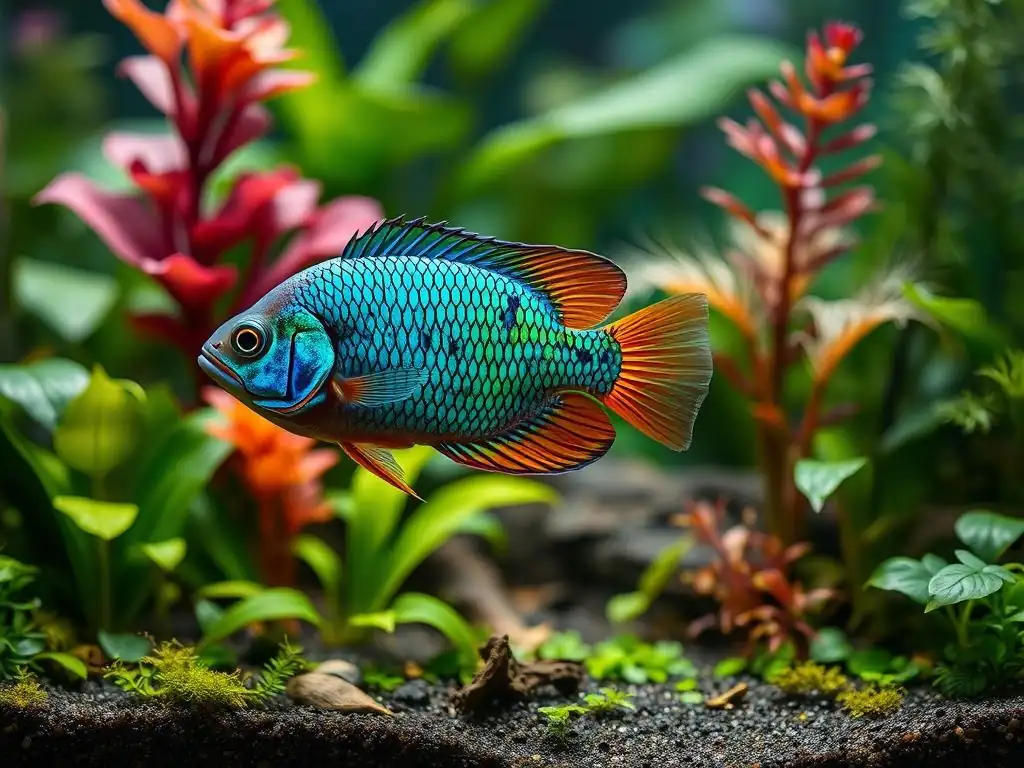
When selecting plant species for your planted swordtail tank ecosystem, it's essential to choose varieties that are not only aesthetically pleasing but also functional in supporting the health and natural behaviors of swordtails and variatus. Robust, fast-growing plants are ideal as they quickly absorb excess nutrients, helping to maintain stable water parameters. Good choices include the resilient Amazon Sword (Echinodorus amazonicus), which provides large, broad leaves offering excellent cover and foraging surfaces. Cryptocoryne species, such as Cryptocoryne wendtii or Cryptocoryne beckettii, are another excellent option; they are hardy, come in various colors and sizes, and form dense bushes providing ideal hiding spots, especially for breeding females and fry.
Floating plants like Dwarf Water Lettuce (Pistia stratiotes) or Red Root Floaters (Phyllanthus fluitans) are also highly beneficial. They offer shade, which can reduce algae growth by blocking light, and provide additional cover for fry and shy fish. For the midground and background, consider stem plants like Water Wisteria (Hygrophila difformis) or Rotala species (e.g., Rotala rotundifolia).
These plants grow quickly and can be pruned to create dense thickets, further enhancing the natural feel of the tank and providing security for the fish. When choosing plants, consider their mature size and light requirements to ensure they thrive in your specific setup, contributing to a vibrant and healthy environment for your swordtails and variatus.
Low-Maintenance Plant Options for Beginners Keeping Swordtails and Variatus
For beginners setting up a planted swordtail tank ecosystem, selecting low-maintenance plant options can significantly ease the learning curve and ensure a successful start. These plants typically tolerate a wide range of water parameters, do not require intense lighting, and generally do not need CO2 injection to thrive. Anubias species, such as Anubias barteri var. nana or Anubias coffeefolia, are prime examples of beginner-friendly plants. They are incredibly hardy, grow slowly, and can be attached to driftwood or rocks rather than being planted in the substrate, making placement flexible. Their tough leaves are also less likely to be nibbled by curious fish.
Another excellent choice is Java Fern (Microsorum pteropus), which, like Anubias, can be tied to hardscape elements and tolerates various conditions. It provides great texture and shelter. Vallisneria (e.g., Vallisneria spiralis or Vallisneria gigantea) is a fantastic background plant that grows tall and propagates readily via runners, creating a natural curtain effect.
Java Moss (Taxiphyllum barbieri) is incredibly versatile; it can be spread over substrate, tied to decor, or left to float, providing excellent cover for fry and a foraging ground. These low-tech plants are resilient and forgiving, allowing new aquarists to focus on the overall health of their swordtails and variatus while still enjoying the benefits of a lush, natural aquarium.
Creating a Visually Stunning Planted Tank with Variatus in Mind
Designing a visually stunning planted swordtail tank ecosystem for variatus involves thoughtful aquascaping principles that highlight the fish while providing a functional habitat. Variatus are smaller than swordtails, often displaying iridescent blues, reds, and golds, which can be beautifully accentuated against a backdrop of varied green foliage. Employing the "Rule of Thirds" can help create a balanced and dynamic layout, placing focal points (e.g., a prominent piece of driftwood or a dense cluster of red-leafed plants) off-center to draw the eye. Utilizing plants of varying heights and textures adds depth and visual interest.
For the foreground, low-growing plants like Dwarf Hairgrass (Eleocharis parvula) or Monte Carlo (Micranthemum tweediei) can create a lush carpet, though these often require higher light and CO2. Alternatively, a simple sand or fine gravel foreground with scattered small rocks can provide open swimming areas that variatus enjoy. The midground can feature medium-height plants such as Cryptocoryne species or Bucephalandra, offering structure and visual breaks.
The background should be filled with tall, dense plants like Vallisneria or Rotala, providing a sense of security and a striking green wall. Incorporating natural hardscape elements like smooth river stones or twisted driftwood not only adds to the aesthetic but also provides additional surfaces for beneficial bacteria and places for fish to explore. The goal is to create a harmonious blend of open spaces and dense vegetation, allowing the variatus to display their natural behaviors while making the planted tank a true centerpiece.
Setting Up Your Planted Swordtail and Variatus Tank: A Step-by-Step Guide
Preparing the Substrate and Hardscape for Your Planted Aquarium
The initial setup of your planted swordtail tank ecosystem begins with meticulous preparation of the substrate and hardscape, which are fundamental to the tank's long-term success and aesthetic appeal. First, thoroughly rinse any inert gravel or sand to remove dust and fine particles, which can cloud the water. If using a nutrient-rich substrate, follow the manufacturer's instructions, as some do not require rinsing. Layer the substrate evenly across the bottom of the tank, aiming for a depth of at least 2-3 inches (5-7.5 cm) to allow for robust root development for your plants. You can create a gentle slope from back to front, making the tank appear deeper and providing better visibility of the foreground.
Next, carefully place your hardscape elements, such as driftwood and rocks. Rinse driftwood thoroughly and, if it's new, soak it for several days to weeks to leach out tannins that can stain the water and to ensure it sinks. Arrange hardscape in a way that creates visual interest and provides hiding spots or natural territories for your swordtails and variatus.
Consider creating caves or overhangs with rocks. Before adding water, place a plastic bag or plate on the substrate and pour water onto it slowly to prevent disturbing your meticulously arranged substrate and hardscape. Fill the tank about one-third to halfway, just enough to submerge the substrate, which will make the initial planting much easier.
Planting Techniques: Ensuring Plant Health and Growth in Your Swordtail Tank
Proper planting techniques are crucial for the health and vigorous growth of plants in your planted swordtail tank ecosystem. Once the tank is partially filled, begin planting. For rooted plants like Amazon Swords and Cryptocorynes, use long-handled tweezers to gently insert the roots into the substrate, ensuring the crown (the point where leaves meet roots) remains above the substrate level. Burying the crown can lead to rot. For stem plants like Rotala or Water Wisteria, plant individual stems or small bunches (2-3 stems) a few inches apart to allow for proper light penetration and water circulation, which encourages bushier growth. Trim any damaged or yellowing leaves before planting.
Epiphytic plants such as Anubias and Java Fern should not be planted in the substrate. Instead, attach them to driftwood or rocks using fishing line or super glue (cyanoacrylate gel). Ensure the rhizome (the thick horizontal stem from which leaves and roots grow) is exposed to the water column, as burying it will cause it to rot.
For carpeting plants, if you choose to use them, plant small portions closely together. After all plants are in place, slowly fill the remainder of the tank, again using a plastic bag or plate to minimize disturbance to the substrate and newly planted flora. This careful approach to planting will help ensure your plants establish quickly and thrive, creating a lush environment for your swordtails and variatus.
Water Parameters: Achieving the Ideal Environment for Swordtails, Variatus and Plants
Achieving and maintaining the ideal water parameters is paramount for a healthy planted swordtail tank ecosystem, benefiting both your fish and your plants. Swordtails and variatus are relatively adaptable livebearers, but they thrive in slightly alkaline to neutral water with moderate hardness, mimicking their natural Central American habitats. The ideal pH range for these fish is generally between 7.0 and 8.0. For hardness, aim for a General Hardness (GH) of 10-20 dGH (degrees of General Hardness) and a Carbonate Hardness (KH) of 10-20 dKH (degrees of Carbonate Hardness). This moderate hardness provides essential minerals for both fish health and plant growth, particularly calcium and magnesium.
Temperature should be maintained between 72-82°F (22-28°C). Most common aquarium plants also thrive within these ranges, though some delicate species might prefer slightly cooler temperatures. Regularly testing your water parameters with a reliable liquid test kit is crucial. Monitor ammonia and nitrite levels closely during the initial cycling phase (which typically takes 4-6 weeks) to ensure they remain at zero.
Nitrate levels should be kept below 20 ppm through regular water changes and efficient plant absorption. Maintaining stable parameters is more important than hitting exact numbers, as fluctuating conditions can stress both fish and plants. Consistent monitoring and adjustments, such as adding a GH/KH booster if your tap water is too soft, will ensure a thriving environment for your swordtails, variatus, and the lush plant life within your aquarium.
Introducing Swordtails and Variatus to Their Planted Home
Acclimation Process: Minimizing Stress for Your Fish
Introducing new swordtails and variatus to your established planted swordtail tank ecosystem requires a careful acclimation process to minimize stress and prevent shock. A sudden change in water parameters (temperature, pH, hardness) can severely impact fish health, potentially leading to disease or even death. The drip acclimation method is highly recommended as it gradually equalizes the water parameters between the bag water and your tank water. Begin by floating the sealed bag containing your fish in your aquarium for 15-20 minutes. This allows the water temperature in the bag to slowly match that of your tank.
After temperature equalization, open the bag and pour the fish and their water into a clean bucket or container. Using an air line tube and an airline valve (or a knot in the tube), create a slow drip from your main aquarium into the bucket. Aim for a drip rate of about 1-2 drops per second. Allow this process to continue for 45 minutes to 1.5 hours, or until the volume of water in the bucket has quadrupled.
This slow introduction of tank water ensures a gradual adjustment to your tank's pH, GH, and KH levels. Once complete, gently net the fish and transfer them to your planted tank, discarding the bucket water. Avoid pouring the bag water directly into your tank, as it may contain undesirable pathogens or ammonia.
Monitoring Water Quality After Introducing Fish
After successfully introducing your swordtails and variatus to their new planted swordtail tank ecosystem, diligent monitoring of water quality is paramount. Even in a well-cycled tank, the addition of new fish increases the bioload, which can cause temporary spikes in ammonia and nitrite, especially if the beneficial bacteria colony is not yet robust enough to handle the increased waste. For the first two to three weeks post-introduction, test your water parameters daily or every other day using a reliable liquid test kit. Pay particular attention to ammonia, nitrite, and nitrate levels. Ammonia and nitrite should remain at 0 ppm. If you detect any ammonia or nitrite, perform a small 10-20% water change immediately and reduce feeding.
Nitrate levels should ideally stay below 20 ppm. While plants absorb nitrates, the initial increase in bioload might overwhelm their capacity temporarily. Consistent monitoring allows you to catch any potential issues early and take corrective action, such as performing small, targeted water changes or reducing feeding. Observe your fish closely for any signs of stress, such as clamped fins, lethargy, or rapid gill movement. A healthy planted swordtail tank ecosystem is a dynamic environment, and continuous vigilance ensures its stability and the well-being of its inhabitants. Once parameters stabilize consistently for a few weeks, you can reduce testing frequency to once or twice a week.
Maintaining a Healthy Planted Swordtail Tank Ecosystem
Regular Water Changes and Filtration Maintenance
Maintaining a healthy planted swordtail tank ecosystem hinges on consistent water changes and diligent filtration maintenance. Even with a lush plant population absorbing nitrates, regular water changes are indispensable for replenishing essential trace elements, removing accumulated organic waste, and ensuring stable water parameters. A weekly water change of 25-30% is generally recommended for a moderately stocked planted tank. This frequency helps keep nitrate levels low (ideally below 20 ppm) and prevents the buildup of other dissolved organic compounds that can inhibit plant growth and stress fish. Always use a dechlorinator or water conditioner to treat tap water before adding it to the tank, as chlorine and chloramines are toxic to fish and beneficial bacteria.
Filtration maintenance is equally vital. Mechanical filter media (like sponges or filter floss) should be rinsed weekly or bi-weekly in old tank water (never tap water, as chlorine can kill beneficial bacteria) to remove trapped debris and prevent blockages. Biological filter media (ceramic rings, bio-balls) should only be cleaned if flow is significantly reduced, and then very gently, again using old tank water, to preserve the beneficial bacterial colonies. Chemical filtration (activated carbon) should be replaced every 3-4 weeks as it becomes saturated. Neglecting filter maintenance can lead to reduced water flow, inefficient waste removal, and ultimately, a decline in water quality that directly impacts the health of your swordtails, variatus, and the entire planted swordtail tank ecosystem.
Fertilizing Your Plants: Providing Essential Nutrients
While swordtails and variatus contribute some nutrients through their waste, a thriving planted swordtail tank ecosystem often requires supplemental fertilization to ensure lush plant growth. Plants need both macro-nutrients (Nitrogen, Phosphorus, Potassium - NPK) and micro-nutrients (Iron, Manganese, Boron, Zinc, Copper, Molybdenum, Chlorine). The specific fertilization regimen depends on the type of substrate, plant density, and lighting intensity. For tanks with inert substrates like gravel or sand, root tabs are essential for heavy root feeders such as Amazon Swords and Cryptocorynes. These tabs slowly release nutrients directly into the substrate and typically need to be replaced every 3-6 months, depending on the brand.
Liquid fertilizers are crucial for plants that absorb nutrients primarily through their leaves (e.g., stem plants, Anubias, Java Fern). Many liquid fertilizers come in "all-in-one" formulations, providing a balanced mix of macro and micro-nutrients. For instance, a common dosing schedule might involve adding 5-10 ml of a comprehensive liquid fertilizer per 10 gallons of water 2-3 times a week, adjusted based on plant growth and algae presence. In high-tech setups with intense lighting and CO2 injection, more advanced dosing methods like the Estimative Index (EI) or PPS-Pro systems might be employed, which involve daily or every-other-day dosing of individual macro and micro-nutrient solutions. Consistent and appropriate fertilization prevents nutrient deficiencies in plants, which can manifest as yellowing leaves (iron deficiency), stunted growth (nitrogen/phosphorus deficiency), or holes in leaves (potassium deficiency), thereby ensuring a vibrant and healthy planted swordtail tank ecosystem.
Controlling Algae Growth in a Planted Swordtail and Variatus Aquarium
Controlling algae growth is a common challenge in any planted swordtail tank ecosystem, but it's crucial for both aesthetics and the health of your plants and fish. Algae often indicate an imbalance in the tank, typically related to excess nutrients, too much light, or insufficient CO2. A common issue is green spot algae, which often signifies low phosphate levels, while green hair algae might point to an imbalance in nitrates and phosphates or too much light. Brown diatom algae, prevalent in new tanks, usually resolves as the tank matures. The key to control is prevention and identifying the underlying cause rather than relying solely on chemical treatments, which can harm plants or fish.
Here are key strategies:
- Optimize Lighting: Limit light duration to 8-10 hours per day. If you have intense lighting, consider reducing intensity or duration. Too much light is a primary driver of algae.
- Nutrient Balance: Ensure your plants are adequately fertilized. Ironically, nutrient deficiencies in plants can lead to algae outbreaks because the plants aren't utilizing available nutrients efficiently, leaving them for algae. Test your water parameters regularly to ensure nitrates are between 5-20 ppm and phosphates are detectable (0.1-0.5 ppm).
- CO2 Levels: If using CO2, ensure stable and adequate levels (20-30 ppm). Fluctuating CO2 or insufficient CO2 can stress plants, making them less competitive against algae.
- Water Changes: Regular 25-30% weekly water changes help remove excess nutrients and organic waste.
- Cleanup Crew: Introduce algae-eating inhabitants like Amano shrimp (Caridina multidentata), Nerite snails (Neritina spp. ), or Otocinclus catfish (Otocinclus affinis). For example, a group of 5-10 Amano shrimp can effectively graze on various algae types in a 20-gallon tank.
- Manual Removal: Physically remove large patches of algae with a scraper or by hand during water changes.
By addressing these factors, you can create a balanced planted swordtail tank ecosystem where plants outcompete algae, maintaining a clean and beautiful environment for your swordtails and variatus.
Swordtail and Variatus Breeding in a Planted Tank
Providing Breeding Grounds Within the Planted Environment
A well-designed planted swordtail tank ecosystem naturally provides ideal breeding grounds for swordtails and variatus, which are prolific livebearers. These fish do not lay eggs but give birth to live, free-swimming fry. To maximize the survival rate of the fry, dense vegetation is crucial, as it offers immediate shelter from adult fish, who may prey on their offspring. Floating plants like Guppy Grass (Najas guadalupensis), Hornwort (Ceratophyllum demersum), or Water Sprite (Ceratopteris thalictroides) are exceptionally effective. Their intricate root systems and dense foliage create a natural labyrinth where fry can hide and forage for microscopic food particles.
In addition to floating plants, densely planted areas in the midground and background of the tank are highly beneficial. Clumps of Java Moss (Taxiphyllum barbieri) or various Cryptocoryne species provide excellent cover. For instance, a 4-inch by 4-inch clump of Java Moss can offer sanctuary for dozens of newborn fry. The presence of such cover also reduces stress on pregnant females, who can find solace and deliver their fry in a more secure environment. This natural setup eliminates the need for separate breeding traps, which can be stressful for the female and restrict her movement. By providing ample natural cover, your planted swordtail tank ecosystem becomes a self-sustaining nursery, allowing a certain percentage of fry to survive and grow.
Fry Care in a Planted Aquarium: Protection and Nutrition
Caring for swordtail and variatus fry in a planted swordtail tank ecosystem is significantly simplified compared to barren setups, primarily due to the natural protection and food sources provided by the plants. As soon as fry are born, they instinctively seek shelter among the dense foliage, hiding from larger tank inhabitants. Plants like Java Moss and Hornwort are particularly effective at providing this immediate sanctuary. The intricate surfaces of plants also accumulate infusoria and other microscopic organisms, which serve as an initial food source for the newly born fry, especially in the first few hours or days.
While plants offer a baseline of nutrition, supplemental feeding is crucial for optimal growth and survival. For the first few days, fine-powdered fry food or liquid fry food can be dispersed near the densely planted areas where the fry are hiding. After a few days, newly hatched brine shrimp nauplii are an excellent, highly nutritious food source that encourages rapid growth and vibrant coloration. Feed small amounts multiple times a day (3-5 times) to ensure all fry get enough, as they have small stomachs and high metabolisms. As the fry grow, they can transition to finely crushed flake food or micro-pellets. The planted swordtail tank ecosystem not only offers protection but also contributes to a stable water environment, which is vital for the delicate fry, reducing the need for constant water changes and making their early life significantly safer and more productive.
Common Issues and Troubleshooting in Planted Swordtail Tanks
Plant Deficiencies and Solutions
Plant deficiencies are common issues in a planted swordtail tank ecosystem and can manifest in various ways, indicating a lack of specific nutrients. Identifying the symptoms is the first step towards a solution. For instance, yellowing of older leaves, especially starting from the tips, often points to a nitrogen deficiency. Stunted growth, small new leaves, or dark green leaves can indicate a phosphorus deficiency. Yellowing between the veins of new leaves (chlorosis) suggests an iron deficiency, which is very common in planted tanks. Holes in older leaves or yellowing around the edges might signal a potassium deficiency.
Solutions involve targeted fertilization and balancing nutrient levels.
- Nitrogen (N): Increase protein-rich food for fish (more waste), or dose with a nitrate-based fertilizer (e.g., potassium nitrate).
- Phosphorus (P): Dose with a phosphate-based fertilizer (e.g., monopotassium phosphate).
- Iron (Fe): Use a liquid iron supplement or iron-rich root tabs for heavy root feeders. Chelated iron is best as it remains available in the water column longer.
- Potassium (K): Dose with a potassium supplement (e.g., potassium sulfate).
It's crucial to test your water parameters and observe plant growth closely after implementing changes. Sometimes, an imbalance of one nutrient can make it difficult for plants to absorb others. Ensuring adequate CO2 and light levels also helps plants utilize available nutrients more efficiently, preventing deficiencies and fostering a robust planted swordtail tank ecosystem.
Addressing Fish Health Problems in a Planted Environment
Addressing fish health problems in a planted swordtail tank ecosystem requires a careful approach, as some medications can harm beneficial bacteria or sensitive plants. The first and most crucial step is always observation: early detection of symptoms like clamped fins, white spots (ich), frayed fins, lethargy, or unusual swimming patterns is vital. If possible, isolate the affected swordtail or variatus in a dedicated quarantine tank. This prevents the spread of disease to other fish and allows for targeted treatment without impacting the main planted display. A 5-10 gallon quarantine tank with a simple sponge filter and heater is an invaluable tool for any aquarist.
If isolation isn't feasible or the entire tank is affected, consider plant-safe treatments. For common issues like Ich (white spot disease), increasing the tank temperature gradually to 82-84°F (28-29°C) for 10-14 days can often effectively eradicate the parasite, as its life cycle speeds up and it cannot reproduce at higher temperatures. Adding aquarium salt (1 tablespoon per 5 gallons, dissolved slowly) can also aid in recovery from mild bacterial infections or fin rot, but be cautious with salt in planted tanks as some plants (e.g., Cryptocorynes) are sensitive. Always perform thorough water changes before and after treatment to remove residual medication. Maintaining pristine water quality, a balanced diet, and a stress-free environment within your planted swordtail tank ecosystem are the best preventative measures against most fish diseases.
Dealing with Pest Snails and Other Unwanted Guests
Pest snails, primarily bladder snails (Physa acuta), ramshorn snails (Planorbella trivolvis), and Malaysian Trumpet Snails (Melanoides tuberculata), are common unwanted guests in a planted swordtail tank ecosystem. While some, like Malaysian Trumpet Snails, can be beneficial by aerating the substrate and consuming detritus, their populations can explode if left unchecked, especially if overfeeding occurs. An uncontrolled snail population can become an eyesore and compete with fish for food. Beyond snails, other unwanted guests might include hydra or planaria, often introduced with new plants or live foods.
Dealing with pest snails primarily involves manual removal and addressing the root cause: overfeeding.
- Manual Removal: Regularly pick out snails by hand. You can also bait them by placing a blanched piece of lettuce or zucchini in the tank overnight; snails will congregate on it, allowing for easy removal.
- Reduce Feeding: Overfeeding is the number one reason for snail population booms. Feed your swordtails and variatus only what they can consume in 2-3 minutes, once or twice a day. Any uneaten food becomes a feast for snails.
- Biological Control: Introduce snail-eating predators. Assassin Snails (Clea helena) are highly effective at controlling other snail populations without harming plants or fish. One Assassin Snail per 5-10 gallons can significantly reduce pest snail numbers. However, be aware they might also consume beneficial snails like Nerites if food is scarce.
- Avoid Chemicals: Chemical snail removers are generally not recommended as they can be harmful to fish, shrimp, and sensitive plants, and often lead to a massive die-off of snails, causing an ammonia spike.
For hydra or planaria, maintaining excellent water quality and reducing feeding are key. For severe hydra infestations, some medications like Fenbendazole (found in dog dewormers) can be used, but research plant and fish safety carefully. By addressing the source of the problem and employing sustainable control methods, you can maintain the balance and beauty of your planted swordtail tank ecosystem.
Advanced Techniques for Planted Swordtail and Variatus Aquariums
Aquascaping Principles for a Natural Look
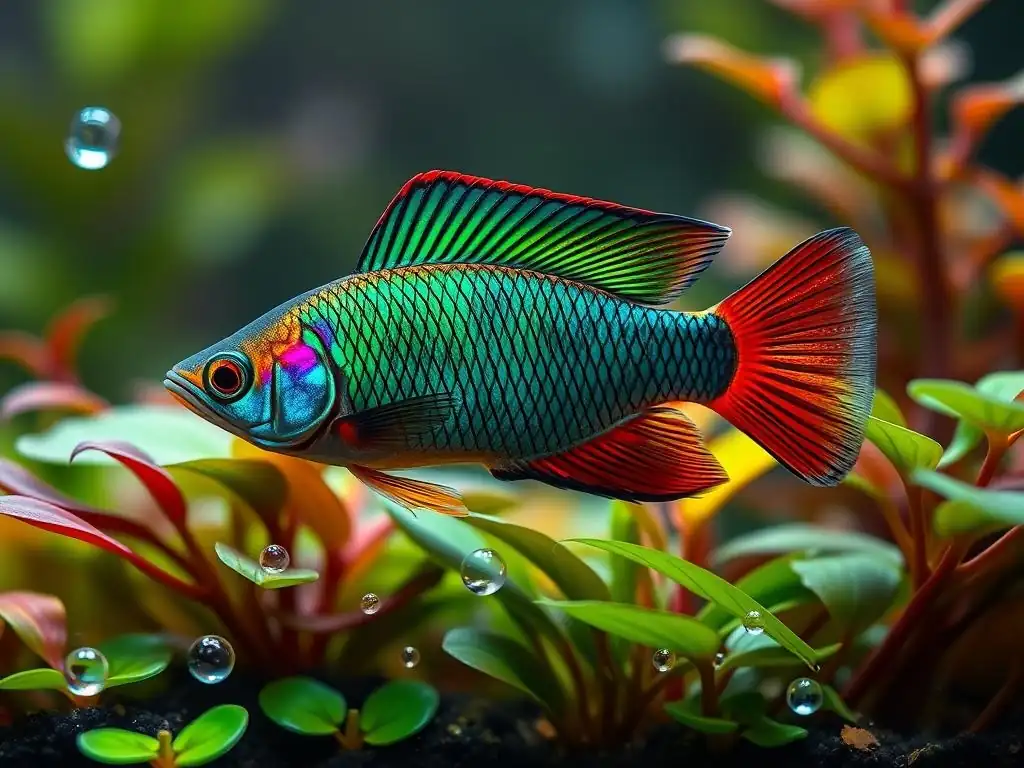
Applying advanced aquascaping principles can elevate your planted swordtail tank ecosystem from a collection of plants and fish to a breathtaking, naturalistic underwater landscape. The goal is to create a harmonious and balanced composition that mimics nature while providing a functional habitat. Key principles include:
- Rule of Thirds/Golden Ratio: Divide your tank visually into a 3x3 grid. Placing focal points (e.g., a striking piece of driftwood, a large rock, or a vibrant plant cluster) at the intersections of these lines creates a more dynamic and pleasing composition than placing them dead center.
- Negative Space: Don't fill every inch of the tank with plants or hardscape. Open areas of substrate or water provide visual relief and crucial swimming space for active fish like swordtails and variatus. These "negative spaces" draw the eye to the more detailed areas.
- Focal Points: Create one or two strong focal points that attract attention. This could be a unique rock formation, a gnarled piece of driftwood, or a particularly vibrant plant.
- Perspective and Depth: Use taller plants in the background, medium-height plants in the midground, and shorter plants or open substrate in the foreground to create an illusion of depth. Sloping the substrate upwards towards the back also enhances this effect.
- Flow and Movement: Arrange elements to guide the viewer's eye through the scape. This can be achieved with lines created by driftwood branches, rock formations, or the arrangement of plants. This also provides natural flow paths for fish.
Popular aquascaping styles include the "Nature Aquarium" (mimicking terrestrial landscapes), "Iwagumi" (rock-focused with minimal plants), and "Dutch Aquascape" (dense, colorful plant arrangements). While the latter two might be too dense for swordtails, incorporating elements of the Nature Aquarium style will create an ideal and visually stunning planted swordtail tank ecosystem that benefits both the fish and the observer.
CO2 Injection Systems: Maximizing Plant Growth
For aquarists seeking to maximize plant growth and achieve a truly lush planted swordtail tank ecosystem, a CO2 injection system is an advanced but highly effective technique. Carbon dioxide is a crucial component for photosynthesis, and in a closed aquarium environment, ambient CO2 levels are often insufficient to support vigorous plant growth, especially under high lighting. By supplementing CO2, plants can photosynthesize more efficiently, leading to faster growth, vibrant colors, and increased robustness, allowing them to outcompete algae for available nutrients.
There are primarily two types of CO2 injection systems:
- DIY CO2: These systems typically use a yeast and sugar mixture to produce CO2 through fermentation. They are inexpensive to set up but offer inconsistent CO2 output, require frequent refills (every 1-3 weeks), and are generally only suitable for smaller tanks (under 20 gallons) or very low-light, undemanding plant setups.
- Pressurized CO2: This is the preferred method for serious planted tank enthusiasts. It involves a CO2 cylinder, a regulator (which reduces cylinder pressure to a usable level and controls flow), a solenoid valve (for automated on/off control with a timer), a bubble counter (to monitor CO2 dosing rate, e.g., 1-3 bubbles per second), and a diffuser (to dissolve CO2 into fine bubbles for absorption). Pressurized systems offer precise and consistent CO2 delivery, making them ideal for medium to large tanks and high-light, demanding plant species.
When implementing CO2 injection, monitor CO2 levels using a drop checker (aim for green, indicating 20-30 ppm CO2) and observe fish behavior closely, as too much CO2 can cause respiratory distress. Integrating a CO2 system requires careful balancing of light, nutrients, and CO2 for optimal plant health and a thriving planted swordtail tank ecosystem.
Using Fertilizers Effectively for Vibrant Plant Life
Effective fertilization is an advanced technique crucial for cultivating vibrant plant life in a planted swordtail tank ecosystem, especially in high-tech setups with intense lighting and CO2 injection. While basic low-tech tanks might thrive with occasional liquid fertilizers and root tabs, demanding plants require a more precise and comprehensive nutrient strategy. The goal is to provide all essential macro and micro-nutrients in adequate amounts without causing deficiencies or encouraging excessive algae growth.
Two popular advanced dosing methods are:
- Estimative Index (EI): This method involves "non-limiting" nutrient dosing. You add excess amounts of macro-nutrients (Nitrogen, Phosphorus, Potassium) and micro-nutrients (trace elements) throughout the week, ensuring plants always have more than enough. Weekly large water changes (50% or more) are then performed to reset nutrient levels and prevent excessive buildup. For example, a typical EI dosing schedule for a 20-gallon tank might involve adding 1/8 teaspoon of KNO3 (potassium nitrate), 1/32 teaspoon of KH2PO4 (monopotassium phosphate), and 1/2 teaspoon of K2SO4 (potassium sulfate) three times a week, plus a comprehensive trace mix three times a week on alternating days. This method is robust and forgiving, as slight overdosing doesn't typically lead to issues due to the large weekly water change.
- PPS-Pro (Perpetual Preservation System - Proportional): This method focuses on daily, proportional dosing of nutrients based on the tank's size and plant mass, aiming to keep nutrient levels consistently low but always present. It typically involves two solutions: one for macros and one for micros. For instance, a daily dose of 1 ml per 10 gallons from each solution might be recommended. This method requires less frequent large water changes, often 25% weekly, and relies on precise measurement.
Regardless of the method chosen, consistency is key. Observe your plants for signs of deficiency or excess, and adjust dosing accordingly. Regular water testing (especially for nitrates) helps confirm nutrient levels. With effective fertilization, you can unlock the full potential of your plants, creating an incredibly vibrant and healthy planted swordtail tank ecosystem.
The Benefits of a Planted Tank for Swordtail and Variatus: A Summary
Enhanced Water Quality and a Healthier Environment
The primary benefit of a planted swordtail tank ecosystem is the significant enhancement of water quality, leading to a healthier and more stable environment for your fish. Live plants act as natural biological filters, actively absorbing harmful nitrogenous compounds such as ammonia, nitrites, and nitrates produced by fish waste and decaying organic matter. For example, a densely planted tank can effectively reduce nitrates from 40 ppm to under 10 ppm within a week, significantly lowering the risk of nitrate poisoning. This natural filtration minimizes the accumulation of toxins, reducing the frequency of large water changes needed to maintain optimal parameters.
Furthermore, plants release oxygen into the water during photosynthesis, particularly during daylight hours. This increased oxygenation is vital for the respiration of swordtails and variatus, promoting their general health and vitality. It also supports a robust population of beneficial nitrifying bacteria, which are crucial for the nitrogen cycle. The presence of plants creates a more stable pH by utilizing dissolved CO2, and some plants can even absorb heavy metals or other pollutants from the water. This comprehensive natural purification system translates directly into less stress for your fish, stronger immune systems, and a reduced susceptibility to common diseases, making the planted swordtail tank ecosystem a cornerstone of fish well-being.
Natural Behavior and Breeding Opportunities
A planted swordtail tank ecosystem provides an environment that closely mimics the natural habitats of swordtails and variatus, encouraging them to exhibit their full range of natural behaviors. In a bare tank, these active fish can become stressed, leading to darting, glass surfing, or even aggression. However, in a planted setup, the dense foliage offers numerous hiding spots, which are crucial for reducing stress, especially for females seeking refuge from persistent males or for shyer individuals. This sense of security allows them to explore their surroundings more confidently, display vibrant coloration, and engage in natural foraging activities among the leaves and substrate.
Beyond general well-being, a planted tank significantly enhances breeding opportunities and fry survival. Swordtails and variatus are livebearers, and the intricate network of plant leaves and stems provides immediate, natural shelter for newborn fry, protecting them from predation by adult fish. Plants like Java Moss or Guppy Grass are particularly effective, creating dense thickets where fry can hide and forage for microscopic organisms. This natural protection vastly increases the survival rate of offspring compared to a barren tank, allowing for the natural perpetuation of your swordtail and variatus population within a self-sustaining planted swordtail tank ecosystem.
Creating a Beautiful and Sustainable Aquarium
One of the most compelling benefits of a planted swordtail tank ecosystem is its unparalleled aesthetic appeal, transforming an ordinary glass box into a vibrant, dynamic piece of living art. The lush greens, reds, and browns of various aquatic plants, combined with the active, colorful movements of swordtails and variatus, create a captivating display that can be a source of relaxation and fascination. Aquascaping allows for endless creativity, enabling aquarists to design miniature underwater landscapes that evoke natural scenes, from dense jungle rivers to serene underwater meadows. The visual richness of a well-maintained planted tank is unmatched by artificial decorations.
Beyond beauty, a planted tank fosters a more sustainable and self-sufficient aquarium environment. The plants contribute to a balanced nitrogen cycle, reducing the reliance on frequent, large water changes to manage nitrates. They provide natural food sources for micro-organisms that fry can graze on, and their presence helps to stabilize water parameters, leading to fewer chemical interventions. This natural balance creates a more resilient ecosystem that requires less external input once established, making it not only a joy to behold but also a more environmentally friendly and lower-maintenance system in the long run. The planted swordtail tank ecosystem is a testament to the symbiotic relationship between fish and plants, culminating in a beautiful, thriving, and sustainable aquatic paradise.
Conclusion: Enjoying Your Planted Swordtail and Variatus Paradise
Frequently Asked Questions
How do planted tanks benefit swordtails and variatus?
Planted tanks offer natural hiding places for swordtails and variatus, reducing stress. They also help maintain water quality by consuming nitrates and providing oxygen. Plants contribute to a more natural and stimulating environment.
What types of plants are best suited for a planted swordtail tank ecosystem?
Plants like Amazon Swords, Java Fern, and Anubias are excellent choices because they are hardy and tolerant of a wide range of water conditions. They also provide ample cover and surface area for grazing. Fast-growing plants help with nutrient control.
What size tank is recommended for a thriving planted swordtail tank ecosystem?
A minimum of 20 gallons is recommended for a small group of swordtails and variatus. Larger tanks, like 40 gallons or more, will provide more space for the fish to swim and for the plants to grow, creating a more stable ecosystem.
How do I maintain proper water chemistry in a planted swordtail tank?
Regular water changes (25-50% weekly) are crucial to remove excess nutrients and maintain water quality. Testing the water parameters regularly (pH, ammonia, nitrite, nitrate) is also important to ensure the levels are within the acceptable range. Consider using aquarium-safe fertilizers for plant growth.
What are some common problems to watch out for in a planted swordtail tank, and how can I troubleshoot them?
Algae blooms can occur if there is an imbalance of nutrients and light. Introduce algae eaters, adjust lighting, and perform water changes. Plant deficiencies can be addressed with appropriate fertilizers. Watch for signs of fish disease and quarantine affected fish.
Final Reflection: Cultivating Aquatic Harmony
The journey of creating a planted swordtail tank ecosystem extends far beyond simply arranging plants and introducing fish. It's about understanding the delicate interplay of life within a confined space and striving to replicate the beauty and balance of nature itself. This pursuit, as we've explored, is not only aesthetically rewarding but also deeply enriching for both the aquarist and the inhabitants of the tank.
This endeavor has profoundly influenced how we view our role in the natural world. It's a constant reminder that even in a small, controlled environment, our actions have significant consequences. The best way to observe a fish is to become the water.
This quote, often attributed to Japanese wisdom, encapsulates the essence of creating a thriving planted tank: understanding the needs of its inhabitants and fostering an environment where they can truly flourish.
Now, consider the lessons learned in crafting your own planted swordtail tank. How can you apply this understanding of interconnectedness and careful cultivation to other aspects of your life? Embrace the patience, observation, and dedication required to nurture a thriving ecosystem, and you'll find that the principles of balance and harmony can extend far beyond the glass walls of your aquarium, enriching your world in countless ways.
Cultivate Your Underwater Oasis!
Thank you for diving into the world of planted tanks for swordtails and variatus! We hope you’ve discovered inspiring ideas to transform your aquarium into a thriving ecosystem. Now, let's bring those visions to life!
Here's how you can take action today:
- Start planning your dream aquascape: Research compatible plants and hardscape materials to create a balanced and beautiful environment for your swordtails and variatus.
- Share your vision! Post a sketch of your ideal planted tank design on social media using #AquariumMastery, and inspire other aquarists.
- Seek out a local aquascaping group and exchange tips and tricks with fellow hobbyists to expand your knowledge.
What small, impactful change will you implement this week to nurture a more natural paradise for your finned friends?