
Introducing New Cichlids to an Established Tank: A StepbyStep Guide

Welcome to Aquarium Mastery!
Ever wondered how to successfully introduce new Cichlids into your established aquarium without causing chaos (or worse!)? You're in the right place! This guide provides a step-by-step walkthrough on Cichlid introduction established aquarium tank, uncovering the secrets to a harmonious and healthy aquatic environment. Ready to dive in and learn the key techniques? Keep reading!
- Understanding Cichlid Compatibility Before Introduction
- Preparing for the Cichlid Introduction Process
- Step-by-Step Guide: Introducing Cichlids to Your Established Aquarium
- Post-Introduction Cichlid Care and Monitoring
- Troubleshooting Common Cichlid Introduction Problems
- Long-Term Cichlid Tank Management
-
Frequently Asked Questions
- How crucial is quarantine when introducing new cichlids to an established aquarium?
- What are the essential water parameter considerations when introducing cichlids?
- What's the best way to acclimate new cichlids to the established tank's water?
- How should I monitor the cichlids after introduction to the established tank?
- What if the new cichlids are significantly smaller than the existing fish in the established tank?
- Final Reflection: Harmonizing New Life in Established Waters
- Unlock a Thriving Cichlid Community!
Understanding Cichlid Compatibility Before Introduction
Assessing the Existing Cichlid Tank Community
Before considering any new cichlid introduction to an established aquarium tank, a thorough assessment of your current aquatic community is paramount. Observe the existing cichlids' behaviors, noting their individual temperaments, territorial boundaries, and social hierarchy. Some cichlid species, such as Maylandia estherae (Red Zebra Cichlid) or Melanochromis cyaneorhabdos (Maingano Cichlid), are known for their assertive nature and may not tolerate newcomers easily, especially if they are already well-established in their territories. Pay close attention to the dominant individuals and how they interact with other tank mates during feeding and throughout the day.
Documenting these existing behaviors is crucial because an established social structure can be significantly disrupted by the addition of new fish, potentially leading to increased stress or aggression directed at the new arrivals. For instance, if a dominant male Aulonocara stuartgranti (Ngara Flametail Peacock) has claimed a significant portion of the tank, introducing another male Peacock cichlid of similar size could result in immediate, intense territorial disputes. Understanding these dynamics helps in predicting potential conflicts and planning a smoother cichlid introduction established aquarium tank process.
Identifying Compatible Cichlid Species for Your Aquarium
Compatibility extends beyond just species; it encompasses size, diet, and water parameters. When planning a cichlid introduction established aquarium tank, it's vital to select species that share similar environmental needs and temperament. For instance, most African Rift Lake cichlids, such as Mbuna and Peacock cichlids, thrive in hard, alkaline water with a pH range typically between 7.8 and 8.6 and temperatures around 78-82°F (25.5-27.8°C). Mixing cichlids from different lakes or even continents (e.g., African with South American) is generally not recommended due to disparate water chemistry requirements and aggression levels.
Furthermore, consider the dietary needs of the new cichlids. Mbuna cichlids are primarily herbivorous or omnivorous, requiring a diet high in spirulina and vegetable matter to prevent issues like Malawi bloat. Peacock cichlids, while also omnivorous, benefit from a higher protein content in their diet.
Introducing a new cichlid with vastly different dietary needs can lead to health problems for the new fish or even the existing community if an inappropriate food source contaminates the water. For successful cichlid introduction, aim for species that naturally coexist in the wild or have proven compatibility in captive environments, often requiring a similar temperament profile.
Considering Cichlid Aggression Levels and Tank Size
Aggression is a primary concern when introducing new cichlids, as these fish are inherently territorial. The size of your established aquarium tank plays a critical role in mitigating aggression. A smaller tank, such as one under 55 gallons, offers limited space for territories and escape routes, often exacerbating territorial disputes among cichlids. For many African cichlid setups, a tank of 75 gallons or more is often recommended for a community, allowing sufficient space for multiple territories and reducing the likelihood of a single fish dominating the entire environment.
Moreover, species-specific aggression levels must be carefully considered for a successful cichlid introduction established aquarium tank. Some cichlids, like the Pseudotropheus demasoni, are highly aggressive towards conspecifics in small groups but can be successfully kept in larger groups (e.g., 12 or more) in appropriately sized tanks (e.g., 55 gallons or larger for a species-only tank), as aggression is diffused among many individuals.
Conversely, certain species like the Nimbochromis livingstonii (Livingstoni Cichlid) can grow quite large and are predatory, making them unsuitable for smaller, more peaceful cichlid communities. Always research the specific aggression profile and adult size of any cichlid you plan to introduce.
Preparing for the Cichlid Introduction Process
Quarantining New Cichlids: A Crucial First Step
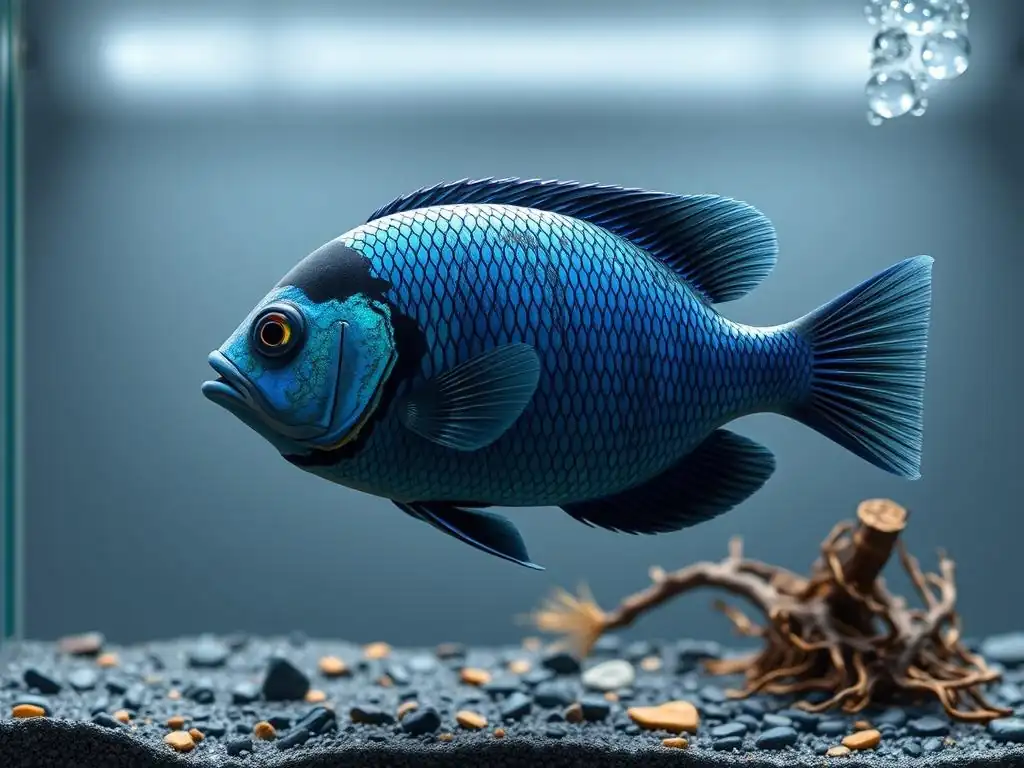
Quarantining new cichlids is an absolutely crucial first step before introducing them to an established aquarium tank. This process involves isolating new fish in a separate, dedicated tank for a period of 4 to 8 weeks. This isolation period allows you to observe the new cichlids for any signs of disease, parasites, or other health issues without risking the well-being of your existing, healthy fish. Many common fish ailments, such as Ich (white spot disease), Velvet, or various bacterial infections, can be asymptomatic for a period, only manifesting symptoms days or weeks after exposure.
Skipping the quarantine process can have catastrophic consequences for your established cichlid introduction aquarium tank. An infected newcomer can rapidly transmit pathogens to your entire community, potentially leading to widespread illness or even a complete tank wipeout. Even fish purchased from reputable sources can carry dormant diseases or parasites due to stress from transport or previous exposure. A thorough quarantine period safeguards your investment in your existing fish and ensures that any new cichlid addition is as healthy as possible before integrating into the main display.
Quarantine Tank Setup for New Cichlids
A proper quarantine tank setup is relatively simple yet highly effective. For most cichlids, a bare-bottom 10 to 20-gallon tank is sufficient, depending on the size and number of fish being quarantined. Essential equipment includes a reliable heater to maintain a stable temperature (matching your main tank's temperature), a thermometer, and a simple sponge filter.
A sponge filter is ideal because it provides biological filtration and is easy to clean and sterilize. If possible, "seed" the sponge filter by running it in your main tank for a week or two beforehand to establish beneficial bacteria, or use a cycled sponge filter from another established tank.
Minimal decor should be included in the quarantine tank, primarily PVC pipes, terracotta pots, or simple plastic plants, which provide necessary hiding spots for the new cichlids and are easy to sanitize thoroughly. Avoid substrate, as it can harbor parasites and make cleaning difficult. Crucially, use separate equipment—nets, buckets, siphon hoses—for the quarantine tank to prevent any cross-contamination with your main cichlid introduction established aquarium tank. This meticulous approach minimizes the risk of introducing pathogens.
Monitoring New Cichlids for Diseases and Parasites
During the quarantine period, diligent daily monitoring of your new cichlids for diseases and parasites is paramount. Observe their behavior closely for any abnormalities such as clamped fins, labored breathing, darting or "flashing" against tank decor, loss of appetite, or lethargy. Visually inspect their bodies for external signs like white spots (Ich), fuzzy patches (fungus), red streaks (bacterial infections), or torn fins. Note any unusual swimming patterns, such as spiraling or listing.
If any symptoms appear, prompt diagnosis and treatment are essential. For example, if Ich is suspected, a common treatment involves gradually raising the temperature (if compatible with the specific cichlid species, often to 86°F/30°C for African cichlids, if tolerated by all fish) and using an appropriate medication.
It is often advisable to treat the quarantine tank proactively with a broad-spectrum anti-parasitic and anti-bacterial medication, even if no symptoms are visible, as a precautionary measure before a full cichlid introduction established aquarium tank. A healthy quarantine period is the best guarantee for a smooth and successful integration into your main tank.
Step-by-Step Guide: Introducing Cichlids to Your Established Aquarium
Step 1: Acclimating New Cichlids to Tank Water Parameters
Temperature Acclimation for Cichlids
The first critical step in introducing new cichlids to an established aquarium tank is proper temperature acclimation. Sudden temperature changes can shock fish, weakening their immune systems and making them susceptible to disease. The most common method involves placing the sealed bag containing the new cichlids directly into the main display tank. Allow the bag to float for approximately 15 to 20 minutes. This duration allows the water temperature inside the bag to gradually equalize with the temperature of the main tank water, minimizing thermal shock to the fish.
For very large temperature differences, which should ideally be avoided by keeping your quarantine tank at a similar temperature to your main tank, a longer floating period might be considered. However, generally, a 15-20 minute float is sufficient for most scenarios, ensuring that the temperature difference is minimal—ideally no more than 2-3°F (1-1.5°C)—before proceeding. This simple but vital step prepares the cichlids for the next stage of the cichlid introduction established aquarium tank process.
pH Acclimation for Cichlids
Acclimating new cichlids to the main tank's pH and other water parameters (like GH and KH) is equally, if not more, important due to their sensitivity to sudden shifts. The drip acclimation method is highly recommended for this purpose. Begin by placing the new cichlids and their water into a clean bucket or container. Use an air line tubing with a knot or valve to create a slow drip from your main tank into the container. Aim for a drip rate of about 2-3 drops per second.
Allow this drip acclimation to continue for 1 to 2 hours, or until the volume of water in the container has at least doubled. This slow, gradual introduction of the main tank water allows the cichlids to adjust to the new pH, hardness, and other dissolved solids without experiencing osmotic shock.
African Rift Lake cichlids, in particular, thrive in stable, high pH environments (e.g., 7.8-8.6), and a rapid pH change of even 0.5-1.0 unit can cause severe stress or even death. Once acclimation is complete, net the cichlids carefully into your established aquarium tank, discarding the old water from the container; never add this water to your main tank.
Step 2: Minimizing Aggression During Cichlid Introduction
Rearranging the Aquarium Decor Before Introduction
A highly effective strategy to minimize aggression during a cichlid introduction established aquarium tank is to rearrange the aquarium decor just before adding the new fish. Cichlids are highly territorial, and they establish specific territories around rocks, caves, and other decorations. By moving these elements around, you disrupt the existing cichlids' established claims, forcing them to re-evaluate and re-establish their territories. This creates a "neutral" environment where existing residents are preoccupied with finding new spots, giving the new cichlids a crucial opportunity to explore and find their own hiding places without immediate, overwhelming aggression.
For African cichlids, which are often kept in densely decorated tanks with extensive rockwork, creating new visual breaks and hiding spots is particularly beneficial. This strategy effectively "resets" the pecking order and provides multiple escape routes and individual territories, which are vital for reducing stress and conflict. Consider adding new caves or rearranging existing ones to offer more distinct hiding spots than the number of cichlids you have, ensuring every fish has a sanctuary.
Introducing New Cichlids During Lights Out
Introducing new cichlids just before the tank lights go out for the night, or keeping the lights off for several hours after their introduction, is another effective tactic to minimize aggression. Cichlid aggression is often visually stimulated; by adding the new fish in darkness, you prevent immediate visual confrontation between the newcomers and the established residents. This allows the new cichlids to explore their surroundings, find hiding spots, and begin to settle in without being instantly targeted.
When the tank lights come on the next morning, the existing cichlids will encounter the newcomers as if they have "always been there," making them less likely to perceive them as immediate threats or invaders. This period of darkness provides a crucial head start for the new fish, allowing them to acclimate to the physical environment and reduce their initial stress levels before the full social dynamics of the cichlid introduction established aquarium tank resume.
Step 3: Gradual Introduction and Observation
Monitoring Cichlid Behavior After Introduction
After the initial cichlid introduction, vigilant and continuous monitoring of cichlid behavior is paramount for the first few days to weeks. Observe the interactions between the new fish and the established residents closely. Look for signs of persistent chasing, fin nipping, or any fish being relentlessly harassed. Pay particular attention during feeding times to ensure that the new cichlids are getting enough food and are not being outcompeted or bullied away from the food source by more dominant individuals.
Note specific behaviors: Are the new fish constantly hiding, or are they attempting to explore and integrate? Are their colors vibrant, or are they faded and dull (a common sign of stress)? For example, if a new Labidochromis caeruleus (Electric Yellow Cichlid) is constantly being chased by a dominant Pseudotropheus socolofi (Pindani Cichlid), it indicates a significant aggression issue. Early identification of these problems allows for timely intervention, which is crucial for the survival and well-being of the new cichlids in your established aquarium tank.
Identifying Signs of Aggression and Stress in Cichlids
Identifying clear signs of aggression and stress in cichlids is vital for timely intervention. Physical signs of aggression include torn fins, missing scales, or visible bite marks. Behavioral indicators of stress include clamped fins (held close to the body), rapid breathing, faded coloration, the appearance of vertical "stress bars" (in some species), constant hiding, or refusal to eat. Fish that are being severely bullied may also exhibit erratic swimming patterns, swim at the surface gasping for air, or remain perpetually at the bottom, attempting to blend into the substrate.
Even subtle signs, such as constant fin-flaring or repeated, non-damaging nipping, can indicate underlying stress or a developing dominance struggle. If a newly introduced Copadichromis borleyi (Red Fin Borleyi) consistently displays clamped fins and faded colors while being pursued by an existing Sciaenochromis fryeri (Electric Blue Ahli), it signals significant distress. Promptly identifying these signs allows you to take corrective measures, such as adding more hiding spots, rearranging decor again, or even temporarily removing the aggressor or the bullied fish from the cichlid introduction established aquarium tank.
Post-Introduction Cichlid Care and Monitoring
Adjusting Feeding Schedules for New and Established Cichlids
After a cichlid introduction to an established aquarium tank, adjusting feeding schedules is often necessary to ensure all fish, especially the newcomers, receive adequate nutrition. New cichlids may be timid initially and might not compete effectively for food against established, dominant individuals. Consider feeding smaller amounts of food more frequently throughout the day, or distributing the food widely across the tank's surface to encourage all fish to feed. For particularly shy new arrivals, feeding after the main lights have been off for a short period can allow them to eat without the intense competition.
It's important to remember that stress can suppress a fish's appetite. If new cichlids are not eating after 24-48 hours, it's a significant cause for concern and may indicate high stress levels or illness. Ensure the diet provided is appropriate for all species in the tank; for instance, Mbuna cichlids require a predominantly vegetable-based diet (e.g., high-quality spirulina flakes), while Peacock cichlids can tolerate more protein. Overfeeding, however, can quickly degrade water quality, so a balanced approach is key to maintaining a healthy cichlid introduction established aquarium tank.
Maintaining Optimal Water Quality After Cichlid Introduction
Adding new fish to an established aquarium tank increases the bioload on your filtration system, potentially leading to spikes in ammonia and nitrite, which are highly toxic to fish. Therefore, maintaining optimal water quality becomes even more critical immediately following a cichlid introduction. Monitor your water parameters—ammonia, nitrite, nitrate, and pH—daily for the first week, then regularly thereafter. Even a small increase in bioload can disrupt the delicate balance of beneficial bacteria in your filter.
To counteract this potential imbalance, consider increasing the frequency of your water changes for the first few weeks. Instead of a weekly 25% water change, you might perform a 20% water change every 2-3 days. This helps dilute any accumulating toxins, maintain stable water chemistry, and reduce overall stress on the fish. Consistent water changes are paramount for the long-term health and stability of your cichlid introduction established aquarium tank.
Addressing Potential Cichlid Health Issues
Even with a thorough quarantine process, the stress of being introduced into a new environment can weaken a cichlid's immune system, making them more susceptible to opportunistic infections. Continue to observe all cichlids for any signs of illness in the weeks following their introduction. Be prepared to act quickly if a fish shows symptoms. It is highly advisable to have a small hospital tank ready for immediate isolation and treatment if a fish becomes ill.
Common health issues that might emerge post-introduction include Malawi bloat (often linked to diet or stress in African cichlids), fin rot, or secondary bacterial infections. For instance, if a cichlid develops bloat, characterized by a swollen abdomen and white stringy feces, immediate isolation and treatment with specific medications like Metronidazole are often necessary. Prompt action and a well-equipped fish-keeping toolkit are essential for effectively addressing potential health issues in your cichlid introduction established aquarium tank.
Troubleshooting Common Cichlid Introduction Problems
Dealing with Excessive Aggression in Cichlids
Excessive aggression is one of the most common and challenging problems encountered during a cichlid introduction established aquarium tank. If a specific cichlid is relentlessly bullying newcomers or other tank mates, several strategies can be employed. One effective method is to temporarily remove the aggressor to a separate tank for a few days (e.g., 3-5 days). This "time-out" period can help to reset its dominance, and upon reintroduction, it may be perceived as a new fish, diffusing its prior territorial claims.
Alternatively, if aggression persists, consider adding more visual breaks and hiding spots within the main tank. More rockwork, caves, and even tall, robust plants (if compatible with cichlids) can help segment the tank and provide ample escape routes, reducing direct confrontations.
In some cases, increasing the stocking density slightly can paradoxically diffuse aggression by spreading it out among more individuals, but this requires robust filtration and careful planning to avoid overstocking and subsequent water quality issues. If all else fails, permanently removing the aggressor or the bullied fish from the cichlid introduction established aquarium tank may be the only solution to ensure the well-being of the community.
Managing Territorial Disputes Among Cichlids
Territorial disputes are inherent to cichlid behavior, but they can become problematic when a new cichlid introduction disrupts the established hierarchy. If a new fish is struggling to find or maintain a territory, or if certain areas of the tank are constantly contested, consider another rearrangement of the aquarium decor. This can effectively "shuffle the deck" once more, giving all fish a fresh chance to claim new territories.
Ensure there are more hiding spots and distinct territories than the number of cichlids in your tank. For example, in a 75-gallon African cichlid tank with 15 fish, aim for at least 20-25 distinct caves or rock structures.
Sometimes, the issue is not just aggression but a lack of suitable territory for the new fish. For instance, if you've introduced a new rock-dwelling Mbuna into a tank dominated by other rock-dwellers, ensure there are enough crevices and caves that are appropriately sized for the new fish. Creating varied sizes and shapes of hiding spots can cater to different species' preferences. Consistent observation will help you identify which areas are most contested and how best to modify them to reduce stress and promote a more harmonious cichlid introduction established aquarium tank.
Preventing and Treating Cichlid Diseases After Introduction
Preventing disease after a cichlid introduction is primarily achieved through a stringent quarantine process and maintaining pristine water quality. Stress from being introduced to a new environment can significantly weaken a cichlid's immune system, making it highly susceptible to opportunistic infections that might have been dormant or present in the water column. Always keep the tank temperature stable, as sudden fluctuations can also induce stress and compromise fish health.
Should disease appear, rapid and accurate identification is crucial for effective treatment. For example, if "hole-in-the-head" disease (often linked to poor water quality, diet, or internal parasites like Hexamita) develops, immediate treatment with specific medications such as Metronidazole, coupled with significant improvements in water quality and diet, is essential. Always treat sick fish in a separate hospital tank if possible to avoid medicating the entire main cichlid introduction established aquarium tank and to allow for more precise dosing and observation. Regular water testing and proactive maintenance are your best defense against post-introduction health issues.
Long-Term Cichlid Tank Management
Maintaining a Balanced Cichlid Ecosystem
Maintaining a balanced cichlid ecosystem in the long term involves more than just keeping the fish alive; it ensures they thrive. This dynamic balance depends on consistent water parameters, appropriate stocking levels for the tank size, and a stable, albeit sometimes subtly aggressive, social hierarchy. Regular observation is crucial to identify any subtle shifts in fish behavior, water quality, or aggression levels before they escalate into major problems. A balanced ecosystem minimizes stress, which is a primary contributor to disease in cichlids.
Furthermore, a varied and appropriate diet tailored to the specific needs of your cichlid species is fundamental. For example, overfeeding protein to herbivorous Mbuna cichlids can lead to Malawi bloat, a common and often fatal condition. Conversely, carnivorous or omnivorous Peacock cichlids require sufficient protein for their growth and coloration. Understanding the natural diet and social structure of your cichlids and replicating it as closely as possible within your cichlid introduction established aquarium tank is key to long-term success.
Regular Water Changes and Tank Maintenance for Cichlids
Regular water changes and consistent tank maintenance are the cornerstones of a healthy cichlid aquarium. For a well-stocked cichlid tank, a weekly water change of 25-30% is generally recommended. This routine removes accumulating nitrates, replenishes essential minerals, and helps to maintain the stable water chemistry that cichlids, particularly African Rift Lake species, require. Neglecting water changes can lead to a buildup of dissolved organic compounds and nitrates, which stress fish and can lead to disease.
Beyond water changes, other maintenance tasks are crucial. This includes regular vacuuming of the substrate (if applicable, though many cichlid tanks use sand or are bare-bottom for easier cleaning), wiping down the tank glass to prevent algae buildup, and periodically cleaning filter media. When cleaning filter media, always do so in old tank water removed during a water change to preserve the beneficial bacteria colony, which is vital for the nitrogen cycle in your cichlid introduction established aquarium tank.
Ensuring Proper Filtration for a Healthy Cichlid Tank
Given their often high bioload and sometimes aggressive nature, cichlids require robust and efficient filtration. Ensuring proper filtration is non-negotiable for a healthy cichlid tank in the long term. Many experienced aquarists recommend oversizing filtration, using a canister filter rated for 2-3 times the tank volume, or employing multiple filters (e.g., a powerful hang-on-back filter combined with a canister filter) to handle the significant waste produced by cichlids.
Effective filtration encompasses three types: mechanical (removes particulate matter), chemical (removes dissolved organic compounds, like activated carbon), and biological (converts toxic ammonia and nitrite into less harmful nitrate). Biological filtration is the most critical for cichlids, as it processes the nitrogenous waste that is highly toxic to fish. Ensure that your filter media is cleaned regularly but never sterilized (e.g., with tap water and chlorine), as this would destroy the beneficial bacteria. A properly filtered cichlid introduction established aquarium tank will have crystal clear water, stable parameters, and healthy, thriving fish.
Frequently Asked Questions
How crucial is quarantine when introducing new cichlids to an established aquarium?
Quarantine is extremely important. It allows you to observe new fish for any signs of disease and prevent them from introducing pathogens into your established tank. This protects your existing fish population.
What are the essential water parameter considerations when introducing cichlids?
Matching water parameters is vital for success. Ensure temperature, pH, and water hardness are similar in both the quarantine tank and the established aquarium to minimize stress on the new cichlids.
What's the best way to acclimate new cichlids to the established tank's water?
Drip acclimation is highly recommended. Slowly introduce water from the established tank into the bag or container holding the new cichlids over several hours to gradually adjust them to the new water chemistry and temperature.
How should I monitor the cichlids after introduction to the established tank?
Closely observe the new and existing cichlids for signs of aggression or disease. Be prepared to separate individuals if necessary to prevent injury or further spread of illness.
What if the new cichlids are significantly smaller than the existing fish in the established tank?
Smaller cichlids can be vulnerable to aggression. Provide plenty of hiding places and monitor feeding to ensure they get enough food. Consider temporarily separating them with a tank divider if needed to allow them to acclimate safely.
Final Reflection: Harmonizing New Life in Established Waters
The intricacies of introducing new cichlids into an established aquarium, as we've explored, are more than just a checklist of steps; they represent a delicate dance of life and balance. Understanding the nuances of cichlid behavior and the established ecosystem is paramount to ensuring a successful integration and preventing disruption. This knowledge, applied thoughtfully, can transform a potentially stressful event into a harmonious addition to your aquatic world.
This journey into the world of cichlid introductions has highlighted the profound impact we, as aquarists, have on the lives within our tanks. It reminds us that responsible fishkeeping extends beyond mere maintenance; it requires empathy, observation, and a commitment to creating a thriving environment for all. The best way to observe a fish is to become a fish.
- Jacques Cousteau. This quote encapsulates the need to understand the cichlid's perspective, their social dynamics, and their needs within the established aquarium.
Now, as you stand before your established tank, contemplating the introduction of new cichlids, remember the lessons we've shared. Let patience be your guide, observation your tool, and empathy your motivation. Embrace the challenge, learn from the experience, and contribute to the flourishing ecosystem you've so carefully cultivated. Your dedication will not only enrich the lives of your cichlids but also deepen your connection to the captivating world beneath the surface.
Unlock a Thriving Cichlid Community!
Thank you for diving into the world of Cichlid introductions! We hope this guide has equipped you with the knowledge to successfully integrate new members into your aquatic family. Now, it's time to take action and witness the harmonious interactions within your tank.
Here’s what you can do next:
- Plan and execute a carefully monitored introduction of a new Cichlid to your tank, using the quarantine and observation techniques discussed, taking notes on interactions for future reference.
- Research and consider adding a unique, compatible "dither fish" to your tank, observing how it impacts the overall dynamics and reduces aggression.
- Share your Cichlid introduction experiences and any surprising discoveries with fellow enthusiasts in online forums or your local aquarium club.
What's the one surprising behavior you've observed during Cichlid introductions, and what steps did you take to address it?