
Raising ShowQuality Tetras: Aquarium Mastery's Grooming & Selection Tips

Welcome to Aquarium Mastery!
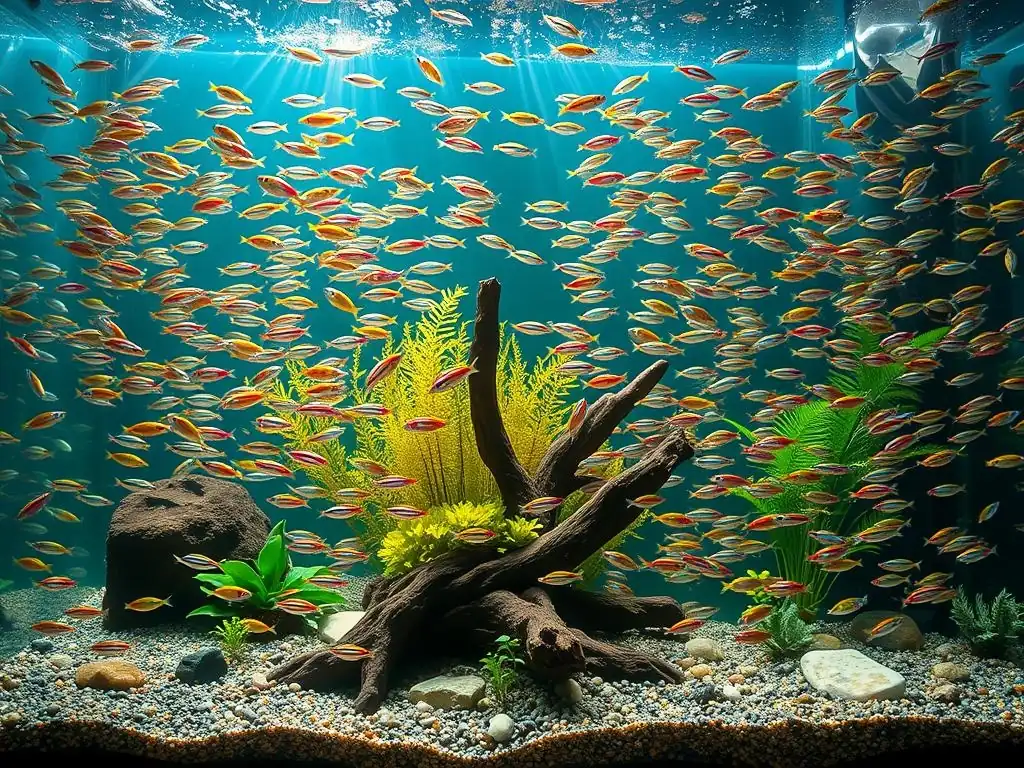
Ever wondered what it takes to raise tetras that truly shine? You've come to the right place! Dive into our comprehensive guide on Show Quality Tetra Care, where we unlock the secrets to selecting, grooming, and maintaining tetras that will be the envy of every aquarist. Ready to transform your tetra tank from ordinary to extraordinary? Let's get started!
- Raising Show-Quality Neon Tetras: Aquarium Mastery's Grooming & Selection Tips
- Understanding Show-Quality Neon Tetra Standards
- Selecting Your Show-Quality Neon Tetras: A Discerning Eye
- Show-Quality Neon Tetra Care: Creating the Ideal Environment
- Grooming Techniques for Show-Quality Neon Tetras
- Maintaining Show-Quality Neon Tetra Coloration
- Breeding for Show-Quality Neon Tetra Traits
- Advanced Neon Tetra Care: Beyond the Basics
-
Frequently Asked Questions
- What are the key characteristics of show-quality tetras?
- How do I select the best tetras for showing from a group?
- What are the specific water parameters needed for show-quality tetra care?
- What kind of diet promotes the best coloration and health in show-quality tetras?
- What are some common health issues that can affect show-quality tetras, and how can I prevent them?
- Final Reflection: Cultivating Aquatic Excellence
- Unleash Your Inner Tetra Expert!
Raising Show-Quality Neon Tetras: Aquarium Mastery's Grooming & Selection Tips
Understanding Show-Quality Neon Tetra Standards
Defining "Show-Quality" in Neon Tetras
"Show-quality" in Neon Tetras refers to specimens that exemplify the ideal characteristics of the species, meeting stringent criteria for color, form, and health, far beyond what is typically seen in a pet store. These fish are judged on their adherence to a recognized standard, where every aspect from the vibrancy of their stripes to the symmetry of their fins is scrutinized. Unlike common aquarium fish, show-quality tetras represent the pinnacle of selective breeding and meticulous show quality tetra care, reflecting the dedication of their aquarist.
Judges at competitive events, such as those organized by regional aquarium societies or specialized fish associations, evaluate these fish based on a points system. For instance, a common breakdown might allocate 40% of points to color intensity and coverage, 30% to body shape and size, 20% to finnage integrity and form, and 10% to overall health and deportment. This rigorous assessment ensures that only the most exceptional specimens are recognized, pushing the boundaries of what is achievable in home aquariums.
Key Characteristics of Prize-Winning Neon Tetras
Prize-winning Neon Tetras exhibit an unbroken, brilliant iridescent blue-green stripe running from the tip of their nose to the adipose fin, coupled with a deep, vibrant red stripe extending from the mid-body to the base of the caudal fin. The blue stripe should be so intense it appears to glow, while the red should be a rich crimson, not a faded orange or patchy hue. Their body shape is a perfect torpedo, sleek and full, without any visible deformities, measuring typically between 3 to 4 centimeters (approximately 1.2 to 1.6 inches) for a mature adult.
Beyond color and form, the finnage of a prize-winning Neon Tetra must be flawless. All fins—dorsal, caudal, anal, pectoral, and pelvic—should be fully extended, without any tears, nips, or signs of fin rot. The caudal fin, in particular, should be perfectly forked and symmetrical. Furthermore, these fish must display alert, active schooling behavior, showing no signs of stress or disease, swimming with confidence and grace within their environment, a testament to superior show quality tetra care.
Genetic Considerations for Superior Neon Tetra Specimens
The foundation of superior Neon Tetra specimens lies in their genetics. Show-quality traits like intense coloration, robust body shape, and disease resistance are often hereditary, passed down through generations of selective breeding. Sourcing fish from dedicated breeders who prioritize genetic purity and specific desirable traits is paramount, as opposed to purchasing mass-bred fish that may carry latent genetic weaknesses or be prone to inbreeding depression. A reputable breeder will often be able to provide information on the lineage of their fish, indicating a commitment to quality.
Genetic lines can significantly impact the long-term health and aesthetic appeal of your show quality tetras. For instance, some lines are known for consistently producing fish with brighter, more stable blue iridescence, while others might excel in the depth of their red pigmentation. Conversely, poor genetic management can lead to issues such as faded colors, susceptibility to common diseases, or subtle deformities in the spine or fins. Breeders aiming for show-quality status often meticulously track breeding pairs and their offspring for five or more generations to ensure the propagation of the most desirable traits and to maintain genetic vigor.
Selecting Your Show-Quality Neon Tetras: A Discerning Eye
Identifying Healthy and Vibrant Neon Tetra Candidates
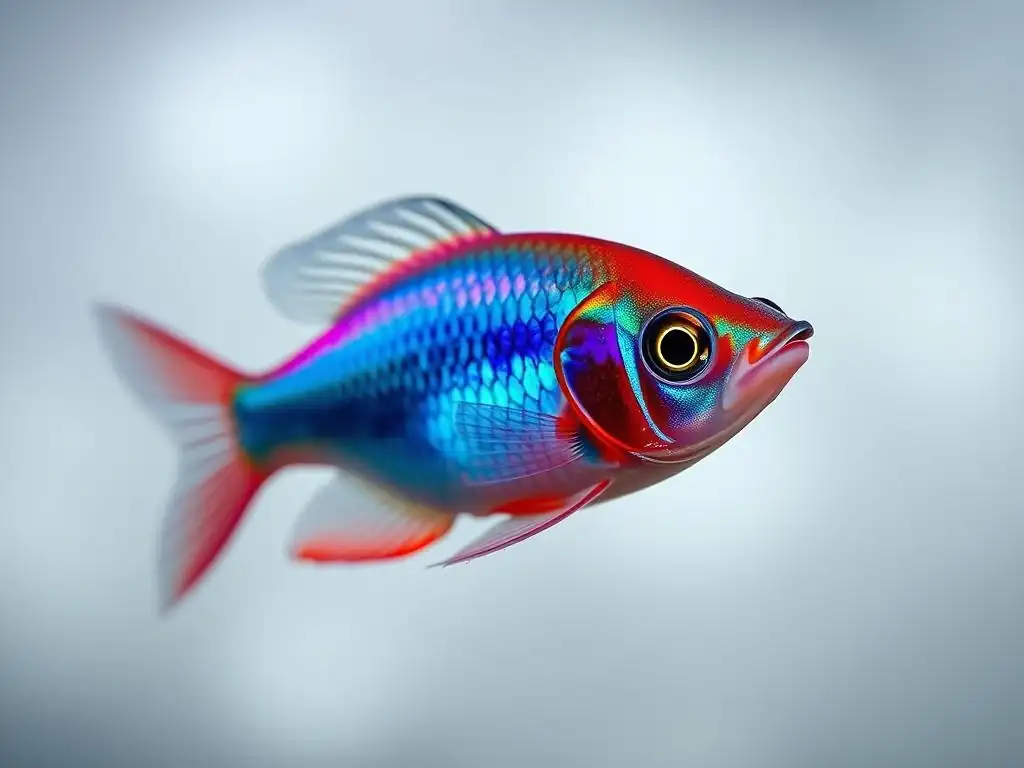
When selecting Neon Tetra candidates for show-quality potential, keen observation is crucial. Look for fish that are actively swimming in a school, demonstrating alert and natural behavior. Their fins should be fully erect and spread, never clamped against their bodies, which is a common sign of stress or illness. Inspect each fish closely for any visible spots (like Ich), frayed fins, cloudy eyes, or any signs of bloating or a sunken belly, as these indicate poor health and are immediate disqualifiers for show potential.
Beyond physical appearance, observe their responsiveness. Healthy show quality tetras will react promptly to stimuli, such as the presence of food or gentle movement near the tank. Avoid any fish that are lethargic, hiding excessively, or displaying erratic swimming patterns, such as darting uncontrollably or swimming with a nose-up or tail-down orientation. Rapid gilling, often exceeding 100 breaths per minute, can also signify stress or poor water quality, indicating that the fish may not have received optimal show quality tetra care.
Recognizing Desirable Traits: Coloration, Body Shape, and Finnage
The hallmark of a show-quality Neon Tetra is its coloration. The iridescent blue stripe should be a brilliant, almost electric hue, consistently vibrant from the eye to the base of the caudal fin, without any breaks or dull patches. The red stripe must be a deep, rich crimson, extending clearly and evenly from the middle of the body to the tail. Any paleness, patchiness, or orange tint in the red stripe is considered a flaw. The contrast between these two stripes should be sharp and striking.
Body shape is equally critical; the fish should possess a streamlined, torpedo-like form, indicative of vitality and proper development. There should be no signs of spinal curvature or any other deformities. Finnage must be pristine: all fins should be complete, without nips, tears, or signs of disease like fin rot. The caudal fin, in particular, should be perfectly forked and symmetrical, contributing to the overall balanced appearance. These precise characteristics are what separate a good tetra from a truly show-grade specimen.
To acquire premium Neon Tetra stock with show-quality potential, direct sourcing from dedicated breeders is often the most reliable method. These breeders specialize in cultivating specific lines of fish, focusing on genetic purity, desired traits, and optimal health. Unlike mass-produced fish from large commercial farms, fish from reputable breeders often come with known lineage and a higher guarantee of health, having experienced less stress from transit and handling. Many offer a 48-hour live arrival guarantee, reflecting their confidence in their stock.
Beyond individual breeders, specialized online forums, local aquarium clubs, and high-end independent fish stores that maintain close relationships with aquaculturists can be excellent resources. These venues often provide access to fish that have received superior show quality tetra care from birth. It is generally advisable to avoid large chain pet stores for show-quality specimens, as their stock is typically bred for quantity rather than specific aesthetic or genetic standards, making it less likely to find truly exceptional examples.
Show-Quality Neon Tetra Care: Creating the Ideal Environment
Optimizing Water Parameters for Neon Tetra Health and Color Enhancement
Maintaining Stable Water Chemistry for Neon Tetra Well-being
Maintaining stable water chemistry is paramount for the health and vibrant coloration of show-quality Neon Tetras. These fish thrive in soft, acidic water, with an ideal pH range of 5.5 to 7.0 and a general hardness (GH) between 1 to 5 dGH (equivalent to 18-90 ppm). The water temperature should be consistently maintained between 72-78°F (22-26°C). Fluctuations in these parameters are highly detrimental, causing stress that can dull colors and weaken the fish's immune system, making them susceptible to disease.
To achieve and maintain these specific conditions, regular small water changes are essential. Weekly water changes of 20-25% using reverse osmosis (RO) or deionized (DI) water, re-mineralized to the target parameters, are highly recommended. This approach helps to keep nitrate levels low (ideally below 5-10 ppm) and prevents the accumulation of dissolved solids that can impact water hardness and pH. Such meticulous show quality tetra care ensures a pristine environment that allows their natural colors to truly pop.
The Importance of Proper Filtration for Show Neon Tetras
Proper filtration is a cornerstone of show quality tetra care, crucial for maintaining crystal-clear water and stable, healthy conditions. For breeding tanks or smaller setups, gentle sponge filters are ideal as they provide excellent biological filtration without creating strong currents that can stress fry or adult fish. For larger display tanks, hang-on-back (HOB) or canister filters are effective, provided they offer robust biological, mechanical, and chemical filtration. The primary focus should always be on biological filtration, which converts harmful ammonia and nitrites into less toxic nitrates.
The clarity of the water, achieved through efficient filtration, directly impacts the visual appeal and health of show-quality Neon Tetras. Pristine water reduces the likelihood of bacterial infections and fin rot, ensuring that their colors remain vibrant and unmarred. Many aquarists caring for show-grade fish opt for "over-filtration," meaning they use a filter rated for a tank size significantly larger than their actual aquarium (e.g., a filter rated for 50 gallons on a 20-gallon tank). This ensures superior water quality and a greater margin of safety against parameter fluctuations.
Tank Setup and Aquascaping for Show-Quality Neon Tetras
Choosing the Right Substrate and Decorations
The choice of substrate and decorations plays a significant role in showcasing the vibrant colors of Neon Tetras and providing a stress-free environment. A dark substrate, such as fine black sand or dark gravel, is highly recommended. This helps to reduce light reflection from the bottom of the tank, which can stress the fish and cause their colors to appear dull. Against a dark background, the iridescent blue and red stripes of the show quality tetras will stand out with striking contrast.
Decorations should be smooth and non-abrasive to prevent any damage to the delicate fins of the tetras. Natural elements like driftwood, which can also release beneficial tannins to mimic their natural blackwater habitat, and smooth river stones are excellent choices. Ceramic caves or small, smooth rock formations can provide additional hiding spots, contributing to the fish's sense of security. Avoid sharp plastic plants or rough ornaments that could snag fins, ensuring the fish remain in top condition for show. A 20-gallon long tank, for example, provides ample swimming space while allowing for effective aquascaping.
Plant Selection to Enhance Neon Tetra Coloration and Provide Cover
Dense live planting is not only aesthetically pleasing but also serves a vital function in show quality tetra care, enhancing their coloration and providing crucial cover. A heavily planted tank mimics their natural Amazonian habitat, offering security and reducing stress, which directly translates to more vibrant colors. Live plants also contribute to water quality by absorbing nitrates and providing oxygen.
Specific plant choices can further benefit Neon Tetras. Java Moss, Anubias species, and Cryptocoryne varieties are excellent choices as they thrive in similar water conditions (soft, acidic water) and are relatively low-maintenance. Amazon Swords and various Rotala species can also add lushness and depth to the aquascape. The rich green backdrop provided by these plants creates a stunning contrast that makes the red and blue stripes of the show-quality tetras appear even more intense and brilliant, allowing them to truly shine.
Neon Tetra Nutrition: Feeding for Color, Growth, and Vitality
The Best Diet for Show-Quality Neon Tetra Development
A varied and high-quality diet is fundamental for the optimal growth, vitality, and vibrant coloration of show-quality Neon Tetras. Their primary diet should consist of premium flake foods or small sinking pellets specifically formulated for small tropical fish, such as Hikari Micro Pellets or TetraMin Pro Crisps. Look for formulations that list spirulina, astaxanthin, and krill as key ingredients, as these naturally enhance red and blue pigments.
Feeding should occur 2-3 times a day in small amounts that can be consumed within a few minutes, preventing uneaten food from decaying and polluting the water. Overfeeding is a common pitfall in show quality tetra care, as it can lead to digestive issues and poor water quality. Ensuring all fish in the school receive adequate nutrition without excess is crucial for their uniform development and consistent color saturation.
Supplementing Neon Tetra Diets for Enhanced Color and Health
To truly unlock the full color potential and boost the vitality of show-quality Neon Tetras, supplementing their diet with live and frozen foods is essential. Live or frozen bloodworms, daphnia, and brine shrimp are excellent choices. These foods provide a rich source of essential proteins, healthy fats, and natural pigments that intensify their red and blue hues. For example, the astaxanthin found in brine shrimp is a powerful carotenoid that directly contributes to the richness of their red stripe.
Offering these supplemental foods 2-3 times per week can significantly improve the fish's overall health, immune response, and color saturation. Newly hatched brine shrimp are particularly beneficial for younger fish and can aid in rapid, healthy growth. Daphnia also serve as a mild laxative, aiding in digestive health. This targeted nutritional approach is a key component of advanced show quality tetra care, ensuring your fish are in peak condition for competition.
Grooming Techniques for Show-Quality Neon Tetras
Regular Tank Maintenance for Pristine Conditions
Regular and meticulous tank maintenance is non-negotiable for maintaining show-quality Neon Tetras in pristine condition. Weekly water changes of 25-30% are critical for diluting nitrates and replenishing essential minerals. During these changes, thorough gravel vacuuming is necessary to remove accumulated detritus, uneaten food, and fish waste from the substrate, which can otherwise decompose and negatively impact water quality. Wiping down the tank glass to prevent algae buildup also ensures optimal viewing of your prized specimens.
Filter maintenance is equally important; mechanical filter media (like sponges or floss) should be rinsed in old tank water every 2-4 weeks to remove trapped debris while preserving beneficial bacterial colonies. It is crucial never to replace all filter media at once, as this can crash the nitrogen cycle. Consistent, disciplined cleaning routines prevent stress and disease outbreaks, allowing the show quality tetras to display their most vibrant colors and maintain their robust health, crucial for any competition.
Addressing Common Neon Tetra Health Issues Proactively
Proactive health management is a cornerstone of show quality tetra care. Prevention begins with strict quarantine protocols for all new fish, ideally for 2-4 weeks, in a separate tank. This allows time to observe for any signs of disease without risking the health of your established show stock. Maintaining stable water parameters and avoiding overcrowding are also vital in preventing stress, which is a primary contributor to weakened immune systems. Daily observation of your fish for any changes in behavior, appetite, or physical appearance (e.g., lethargy, clamped fins, white spots, or faded colors) is essential for early detection.
While many common issues like Ich (white spot disease) can be treated with specific medications and by slightly raising the water temperature to 82°F (28°C), more serious conditions like Neon Tetra Disease (NTD) are often incurable. Early intervention for any illness is critical. For instance, if fin rot is observed, immediate water changes and the addition of aquarium salt (1 teaspoon per 5 gallons) or an appropriate antibacterial medication can often halt its progression and preserve the fish's pristine finnage.
Safe Handling and Acclimation Procedures for Show Neon Tetras
Safe handling and precise acclimation procedures are vital to minimize stress and prevent injury to sensitive show-quality Neon Tetras. When introducing new fish, drip acclimation is the preferred method, slowly matching the new water's parameters to the tank's over 1-2 hours. This gradual process minimizes osmotic shock, which can be fatal to delicate fish. Floating the bag for 15-20 minutes to equalize temperature is a good first step, followed by the slow drip.
When it comes to handling, always use a fine mesh net to scoop the fish, as coarser nets can damage their delicate fins and scales. Minimize the time the fish spends out of water. If moving fish for a show or between tanks, using a dark container or covering the transport vessel can significantly reduce stress by mimicking a secure, dim environment. For short transports, a 5-gallon bucket with ample tank water is often less stressful than a small bag, ensuring the show quality tetras arrive in top condition.
Maintaining Show-Quality Neon Tetra Coloration
Light Spectrum's Influence on Neon Tetra Color
The light spectrum used in an aquarium significantly influences the vibrancy and intensity of Neon Tetra coloration. Full-spectrum LED lighting, particularly those with a color temperature around 6500K (daylight spectrum), is ideal as it closely mimics natural sunlight and promotes healthy plant growth, which in turn benefits the fish. This type of lighting allows the full range of their iridescent blues and deep reds to be appreciated, making the show quality tetras truly stand out.
Maintaining a consistent light cycle of 8-10 hours per day is crucial. Too much light can lead to excessive algae growth and stress the fish, potentially dulling their colors. Conversely, insufficient lighting can also result in faded hues. Some advanced aquarists strategically use LEDs with a slightly higher red spectrum for a few hours a day, specifically designed to make red pigments in fish "pop," further enhancing the visual appeal of their show-grade specimens.
Avoiding Stressors That Can Dull Neon Tetra Colors
To maintain the brilliant coloration of show-quality Neon Tetras, it is paramount to avoid stressors that can lead to faded hues. Common stressors include unstable water parameters (sudden shifts in pH, temperature, or hardness), overcrowding, aggressive tank mates, loud noises, and sudden movements around the tank. When fish are stressed, their natural response is often to "wash out" their colors as a defense mechanism, making them appear dull and lifeless.
To mitigate these stressors, ensure a stable environment by performing consistent maintenance and regular water parameter checks. Neon Tetras are schooling fish, so keeping them in a group of at least 6-10 individuals provides security and reduces individual stress. A 20-gallon long tank can comfortably house 10-12 adult show quality tetras, allowing ample space for schooling and reducing territorial disputes. Providing plenty of hiding spots through dense planting and appropriate decorations also contributes to their sense of security and overall well-being.
Using Blackwater Extracts to Enhance Neon Tetra Color
Mimicking the natural blackwater habitats of Neon Tetras is an effective strategy for enhancing their coloration and overall health. Blackwater extracts, derived from materials like peat, catappa leaves (Indian almond leaves), or alder cones, release tannins and humic acids into the water. These compounds naturally lower the pH and soften the water, creating conditions highly conducive to the vibrant display of their colors. The slight amber tint these extracts impart to the water further accentuates the iridescent blues and deep reds of the fish.
Beyond color enhancement, these natural extracts offer additional benefits for show quality tetra care. Tannins possess mild antiseptic properties, which can help prevent bacterial and fungal infections, reducing stress and boosting the fish's natural immunity. Products like Seachem Betta Basics or API Proper pH 6.5 can also be used to achieve similar water conditions. Aim for a light amber tint, not a dark tea color, to ensure optimal aesthetic appeal while providing the beneficial compounds for your show-grade tetras.
Breeding for Show-Quality Neon Tetra Traits
Setting Up a Neon Tetra Breeding Tank for Optimal Results
Setting up a dedicated breeding tank is crucial for achieving optimal results when breeding for show-quality Neon Tetra traits. A 5-10 gallon tank is typically sufficient for a single breeding pair. The water parameters must be meticulously controlled: very soft (1-3 dGH) and acidic (pH 5.5-6.5), which mimics their natural spawning conditions. A gentle sponge filter is essential to provide biological filtration without creating strong currents that could harm delicate eggs or fry.
The tank should be dimly lit, as Neon Tetra eggs are light-sensitive. The bottom can be bare or covered with a dark substrate, but it is critical to provide spawning media where eggs can fall and be protected from the parents. Spawning mops made from nylon yarn or dense clumps of Java moss are excellent choices. Maintaining a consistent temperature around 75-78°F (24-26°C) can encourage spawning. This specialized setup maximizes the chances of successful spawning and healthy fry development, laying the groundwork for future show quality tetras.
Identifying and Selecting Breeding Pairs with Desirable Traits
Identifying and selecting the ideal breeding pairs is paramount to propagating show-quality Neon Tetra traits. Choose the most exceptional individuals from your existing stock: those with the most vibrant, unbroken coloration, perfect torpedo-shaped bodies, and flawless finnage. Females are generally plumper than males, especially when gravid (full of eggs), while males are typically more slender. Observe their behavior; active, healthy, and non-aggressive individuals are preferred.
To maintain and enhance specific show-quality characteristics, it is advisable to select pairs that complement each other's strengths. For instance, if one fish has exceptional red, pair it with one strong in blue. While line breeding (mating closely related individuals) can intensify desirable traits, it's crucial to be mindful of potential inbreeding depression, which can lead to reduced vigor, smaller size, or faded colors over generations. Keeping detailed breeding logs helps track lineage and ensures the consistent production of top-tier show quality tetras.
Raising Neon Tetra Fry to Show-Quality Potential
Raising Neon Tetra fry to show-quality potential requires meticulous care and attention to detail. After spawning, the adult fish should be removed from the breeding tank, as they will readily consume their own eggs. Fry typically hatch within 24-36 hours and will be free-swimming within 3-5 days. For the first few days, their diet should consist of infusoria or specialized liquid fry food, as their mouths are incredibly tiny.
Once the fry are slightly larger, typically after a week, they can be transitioned to newly hatched brine shrimp or microworms, which provide essential protein for rapid growth and color development. Small, frequent water changes (e.g., 10% daily) are crucial to maintain pristine water conditions, as fry are extremely sensitive to nitrates and ammonia. Consistent feeding and impeccable water quality are the cornerstones of ensuring the fry develop into robust, vibrantly colored show-grade specimens, ready to showcase their inherited show quality tetra traits.
Advanced Neon Tetra Care: Beyond the Basics
Preventing and Treating Neon Tetra Disease
Neon Tetra Disease (NTD) is a highly contagious and often fatal parasitic infection that can devastate a collection of show-quality tetras. Prevention is the most effective strategy, as there is no universally effective cure. Strict quarantine protocols (a minimum of 4 weeks) for all new fish are non-negotiable to prevent introducing the parasite into your main display tank. Maintaining pristine water quality, avoiding overcrowding, and providing a stress-free environment are also crucial in bolstering the fish's natural immunity.
Symptoms of NTD include a fading of the characteristic iridescent blue stripe, erratic swimming, difficulty schooling, and in later stages, spinal deformities or visible cysts/lumps. If a fish is suspected of having NTD, it should be immediately isolated and, if confirmed, humanely euthanized to prevent the spread of the disease to the rest of your valuable show quality tetra collection. Early detection and decisive action are paramount to protect the entire school.
Understanding Neon Tetra Genetics and Selective Breeding
A deep understanding of Neon Tetra genetics is essential for advanced show quality tetra care and successful selective breeding. This involves recognizing how dominant and recessive genes influence traits such as color intensity, fin shape, and body form. Aquarists often employ line breeding, a method of mating closely related individuals that possess desired traits, to intensify specific characteristics over generations. For example, consistently breeding fish with the brightest red stripe can lead to offspring with even more saturated coloration.
Conversely, outcrossing, which involves introducing new, unrelated bloodlines, can be used to improve genetic diversity, increase vigor, and prevent the negative effects of inbreeding depression, such as reduced size or increased susceptibility to disease. Meticulous record-keeping of breeding pairs, offspring traits, and health histories is indispensable. This systematic approach allows breeders to track genetic progress, identify strong genetic lines, and make informed decisions to consistently produce top-tier show quality tetras.
Preparing Neon Tetras for Shows and Competitions
Preparing show-quality Neon Tetras for competitions involves a specialized conditioning regimen to ensure they are in peak condition. Approximately 2-4 weeks before a show, intensify the quality and frequency of their feeding. This includes daily offerings of live or high-quality frozen foods like bloodworms and brine shrimp, which boost their vitality and color saturation. During this period, maintain optimal water parameters with even greater diligence, performing slightly larger or more frequent water changes to ensure the water is absolutely pristine. Minimize any potential stressors in the tank environment.
For transport to the show, use breathable bags with minimal water and ample air space. Darkening the bag can significantly reduce stress during transit. Ensure the water temperature remains stable throughout the journey, using insulated containers if necessary. Practice handling your fish with a fine mesh show net to familiarize them with the process, reducing stress on the day of the competition. A short fast (12-24 hours) before transport can also help keep the water in the bag cleaner, ensuring your show quality tetras arrive in their best form.
Frequently Asked Questions
What are the key characteristics of show-quality tetras?
Show-quality tetras exhibit vibrant colors, a perfect body shape without deformities, and excellent finnage (no tears or fraying). These fish also display active, healthy behavior.
How do I select the best tetras for showing from a group?
Look for tetras with the most intense coloration and the most symmetrical bodies. Observe their swimming patterns; choose individuals that are active and alert, not lethargic or hiding.
What are the specific water parameters needed for show-quality tetra care?
Maintaining pristine water quality is crucial. Aim for a pH appropriate for the species (typically slightly acidic), stable temperature, and zero ammonia/nitrite levels. Regular water changes are essential.
What kind of diet promotes the best coloration and health in show-quality tetras?
A varied diet is key. Offer high-quality flake food, supplemented with live or frozen foods like brine shrimp and daphnia. Ensure the food is rich in the nutrients needed for color enhancement.
What are some common health issues that can affect show-quality tetras, and how can I prevent them?
Common issues include Ich and fin rot. Prevent these by maintaining excellent water quality, avoiding overcrowding, and quarantining new fish. Promptly treat any signs of illness with appropriate medication.
Final Reflection: Cultivating Aquatic Excellence
The journey to achieving show quality tetras is more than just a technical exercise; it’s a testament to the dedication and artistry involved in aquarium keeping. As we've explored the nuances of selection, grooming, and environmental control, it becomes clear that the pursuit of aquatic perfection demands a profound understanding of these delicate creatures and a commitment to providing them with the optimal conditions to thrive and showcase their inherent beauty.
This dedication resonates deeply within the aquarium community, shaping not only the aesthetic standards of the hobby but also fostering a greater appreciation for the intricate ecosystems we strive to replicate. The pursuit of show quality, while seemingly focused on aesthetics, ultimately pushes us to become better aquarists, more attentive to the needs of our fish, and more responsible stewards of their well-being. The best way to observe a fish is to become a fish.
- Jacques Cousteau. This sentiment underscores the importance of empathy and understanding in achieving true mastery.
Now, as you embark on your own journey to raise show quality tetras, remember that the true reward lies not just in the accolades, but in the profound connection you forge with these captivating creatures. Embrace the challenges, celebrate the small victories, and let the pursuit of aquatic excellence inspire you to cultivate not only beautiful fish, but also a deeper understanding of the delicate balance of life within your aquarium.
Unleash Your Inner Tetra Expert!
Thanks for diving into the world of show-quality Tetras with us! We hope you've discovered some valuable insights to elevate your aquarium game. Now, let's put that knowledge into action!
- Start selecting potential show-quality Tetras in your aquarium now. Pay close attention to color, finnage, and overall health.
- Share your Tetra grooming secrets with other aquarium enthusiasts on forums or social media!
- Brainstorm three new aquarium layout ideas inspired by your ideal Tetra display.
What unique approach will you take to nurture your Tetras' potential?