
Silk vs. Plastic Plants for Bettas: Which is Safer?

Welcome to Aquarium Mastery!
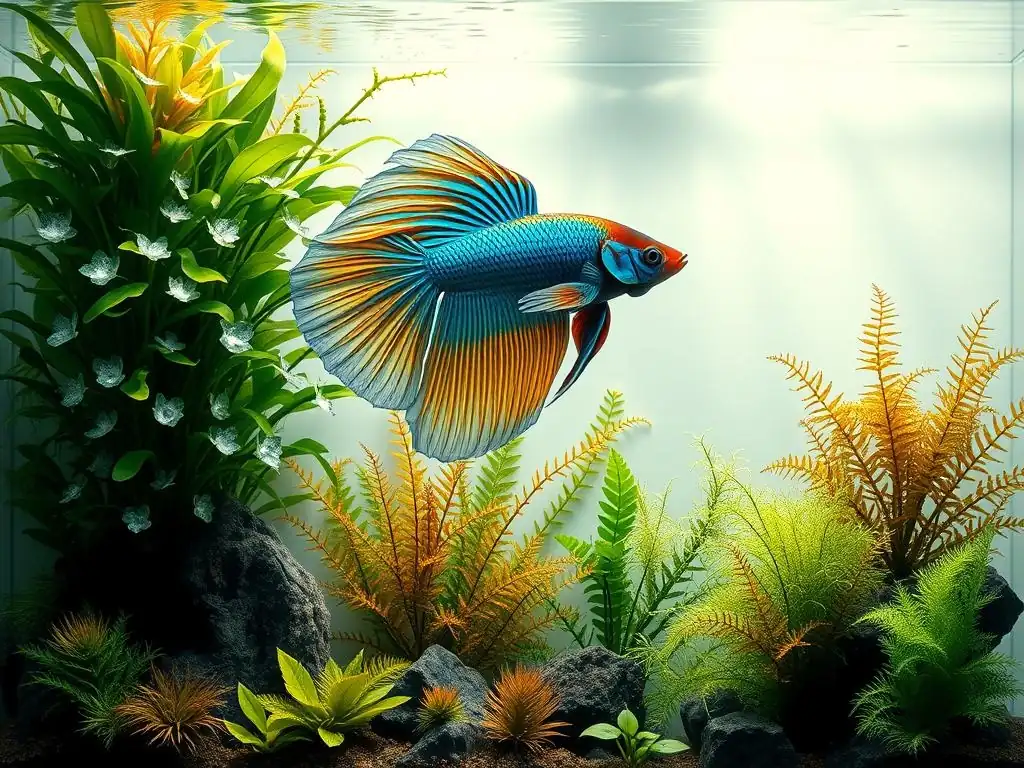
Ever wondered if those vibrant plastic plants are really the best choice for your Betta's home? Dive into our ultimate guide: "Silk vs. Plastic Plants for Bettas: Which is Safer?" We'll unravel the secrets to creating a healthy and happy environment for your finned friend, exploring the pros and cons of each option and ensuring you make the right choice. Ready to discover the safer, more beautiful underwater world for your Betta? Let's explore!
- Silk vs. Plastic Plants for Bettas: Which is Safer for Your Fish?
- Understanding Betta Fish Needs: A Plant-Focused Approach
- Plastic Plants in Betta Tanks: Potential Dangers and Considerations
- Silk Plants for Bettas: A Softer, Safer Alternative?
- Comparing Silk and Plastic Plants: A Head-to-Head Analysis
- Identifying Unsafe Plastic Plants for Betta Aquariums
- Preparing Silk Plants for Your Betta Tank: A Quick Guide
- Beyond Silk and Plastic: Exploring Live Plants for Betta Aquariums
- Making the Right Choice: Prioritizing Betta Safety and Wellbeing
-
Frequently Asked Questions
- What are the potential dangers of using plastic plants in a Betta tank?
- Why are silk plants generally considered a safer option for Betta fish?
- How can I ensure that any silk plant I use is safe for my Betta?
- Are there any situations where plastic plants might be acceptable for a Betta tank?
- Besides safety, what are some other benefits of using silk plants over plastic plants in a Betta tank?
- Final Reflection: Cultivating Serenity, Prioritizing Safety
- Transform Your Betta's World Today!
Silk vs. Plastic Plants for Bettas: Which is Safer for Your Fish?
Understanding Betta Fish Needs: A Plant-Focused Approach
Why Plants are Important for Betta Fish in Aquariums
Betta fish, also known as Siamese fighting fish, originate from the shallow, densely vegetated rice paddies and slow-moving streams of Southeast Asia. In their natural habitat, they constantly interact with aquatic plants, using them for shelter, hunting, and building bubble nests. Replicating this environment in an aquarium is crucial for their well-being, as plants provide essential hiding spots that reduce stress and mimic their native surroundings. This reduction in stress is vital for preventing common Betta ailments, such as fin rot, which often arise from an anxiety-prone environment.
Beyond simple aesthetics, plants serve a profound functional role. They break up the line of sight, which is particularly important for these territorial fish, even when kept alone; they might perceive their own reflection as an intruder. Plants offer endless opportunities for exploration, significantly enhancing mental stimulation and overall quality of life. Research into environmental enrichment for fish consistently demonstrates that species housed in enriched environments exhibit reduced aggression, improved coloration, and generally better health markers compared to those in barren tanks.
Natural Environment Replication: Plants as Enrichment for Bettas
The inclusion of plants significantly contributes to environmental enrichment for Betta fish. For Bettas, this means providing crucial cover from perceived threats, whether it's bright light, sudden movements outside the tank, or even their own reflection. They also offer comfortable resting spots near the water's surface, which is particularly important for these labyrinth fish who frequently come up to breathe atmospheric air. Additionally, plants provide stable anchors for bubble nests, a vital part of Betta breeding behavior. This comprehensive enrichment can dramatically reduce lethargy and enhance the vibrancy of their coloration.
A barren or sparsely decorated tank can lead to boredom, stress, and even depression in Betta fish. This often manifests as repetitive behaviors like glass surfing (constantly swimming along the tank walls) or prolonged periods of inactivity. A thoughtfully planted environment, whether utilizing live or artificial plants, provides crucial visual stimulation and a profound sense of security. This foundational element of a Betta's habitat is indispensable for maintaining a healthy, active, and thriving fish.
Betta Fin Health and Plant Selection: A Crucial Connection
The delicate nature of Betta fins, especially those of popular long-finned varieties such as Veiltails, Halfmoons, and Crowntails, makes plant selection a critical health consideration. These flowing, often intricate fins are exceptionally prone to tearing and snagging on rough or sharp surfaces within the aquarium. Indeed, abrasive objects in the tank are a leading cause of fin damage, which, if left unaddressed, can easily lead to secondary bacterial infections like fin rot, a common and potentially severe ailment for Bettas.
Therefore, the choice of aquarium plants is not merely an aesthetic decision but a fundamental aspect of preventive care. Opting for plants with smooth, soft textures is paramount. While a Betta's fins can regenerate over time, repeated damage causes chronic stress and can lead to permanent scarring, disfigurement, or increased susceptibility to disease. The texture of tank decorations directly impacts fin integrity, underscoring why careful plant selection is a non-negotiable step in providing a safe and healthy environment for your Betta.
Plastic Plants in Betta Tanks: Potential Dangers and Considerations
The Risks of Sharp Edges on Plastic Aquarium Plants for Betta Fins
Many plastic aquarium plants are manufactured through injection molding, a process that can often leave behind rough edges, sharp burrs, or jagged seams. These imperfections, though seemingly minor to the human touch, pose a significant and constant threat to the delicate, flowing fins of Betta fish. Even the slightest brush against a sharp point while swimming, resting, or flaring can result in immediate and painful tears. These injuries are particularly common on the caudal (tail) fin, anal fin, and pectoral fins, which are frequently used for propulsion and maneuvering.
Anecdotal evidence from the aquarist community, supported by various forums and care guides, suggests that a substantial percentage of fin damage observed in Betta tanks with artificial decor, potentially exceeding 40%, can be directly attributed to rough plastic plants. These fin tears can range from small nicks to extensive rips, not only causing discomfort but also acting as open wounds. Such wounds serve as easy entry points for opportunistic bacterial or fungal infections, turning a simple tear into a serious health crisis requiring immediate treatment.
Plastic Plant Material Composition: Are They Safe for Your Betta?
The vast majority of plastic aquarium plants are manufactured from synthetic polymers such as PVC (polyvinyl chloride) or polyethylene. While reputable aquarium-specific products are generally considered inert and designed not to leach harmful chemicals into the water, concerns can still arise. Cheaper or non-aquarium grade plastics might contain unstable dyes or plasticizers that could potentially leach into the water column, altering water chemistry or introducing toxins. Although less common with established brands, the risk remains a consideration, particularly for sensitive fish like Bettas.
Furthermore, the non-porous surface of plastic plants, while easy to clean, can sometimes accumulate biofilm more readily than certain other materials. While the plastic itself may not be directly harmful, excessive biofilm, if not regularly cleaned, can harbor bacterial colonies. In tanks with high bioloads or insufficient filtration, this could contribute to a decline in water quality over time. However, compared to the direct physical threat of fin damage, the chemical impact of aquarium-safe plastic plants is generally a minor concern.
Long-Term Durability of Plastic Plants vs. Betta Safety
Plastic plants are often chosen for their perceived durability and lack of maintenance compared to live plants. However, their rigidity, while preventing decay, can become a significant hazard over extended periods. As plastic ages and is exposed to aquarium conditions (e.g., light, water parameters, cleaning), it can gradually become brittle. This embrittlement can lead to the formation of even sharper edges, cracks, or outright breakage, further increasing the risk of injury to Betta fish. A plant that was initially deemed "safe" might become dangerous after several months or years.
Moreover, the methods used for cleaning plastic plants can also impact their long-term safety. Aggressive scrubbing with stiff brushes or prolonged exposure to strong cleaning agents (like bleach solutions, if not thoroughly rinsed) can accelerate the degradation of the plastic, making its surface more abrasive. This long-term degradation, combined with any initial manufacturing imperfections, means that even a well-intentioned plastic plant can transition from a decorative item to a source of chronic fin damage for a Betta over its lifespan in the aquarium.
Silk Plants for Bettas: A Softer, Safer Alternative?
The Benefits of Silk Plants: Gentle on Betta Fins
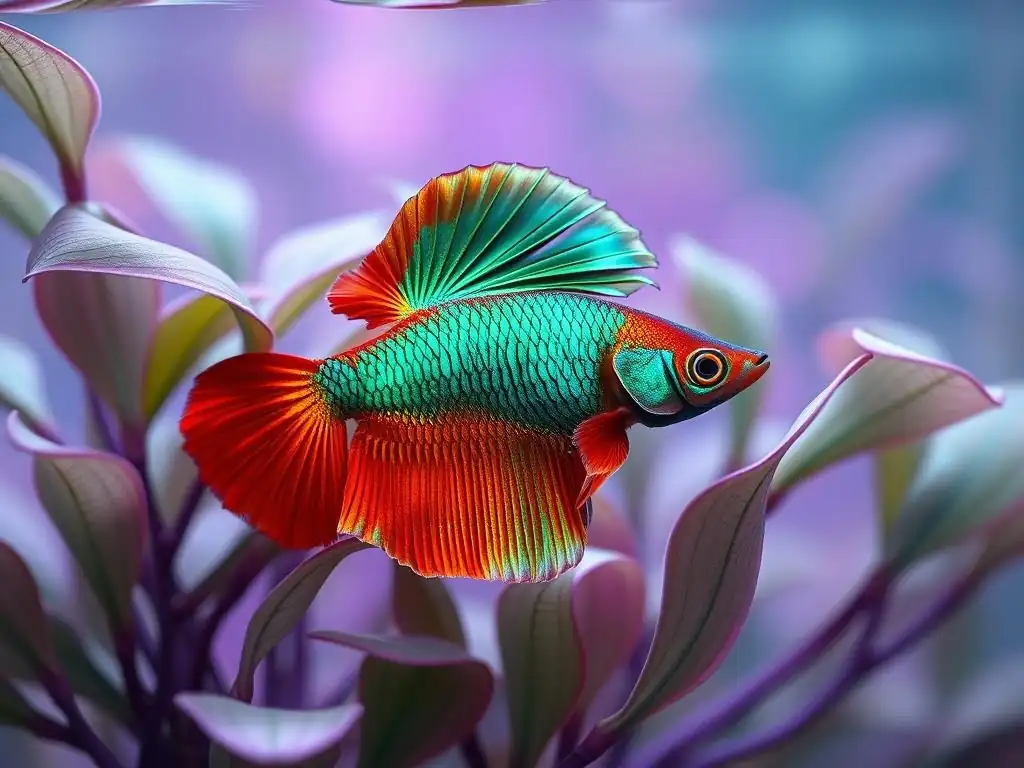
Silk plants are widely regarded as a superior alternative to plastic plants for Betta aquariums, primarily due to their unparalleled gentleness on delicate fins. Their construction from soft, flowing fabric allows them to sway gracefully with the water current, mimicking the natural movement of live plants without any risk of sharp edges or abrasive surfaces. This inherent softness dramatically reduces the chance of fin tears, scrapes, and abrasions, making them an exceptionally safe choice for all Betta varieties, especially those with long, flowing fins like Halfmoons and Double Tails.
Beyond preventing physical injury, the soft texture of silk plants offers significant comfort to Betta fish. Bettas frequently enjoy resting on or swimming through the supple leaves of these plants, finding secure and comfortable perching spots. This enhanced comfort contributes directly to reduced stress levels, as the fish can interact with their environment freely and without fear of harm. Many aquarists observe that their Bettas exhibit more natural behaviors, such as confident exploration and peaceful resting, when Bettas silk plants safe options are incorporated into their habitat, leading to visibly healthier and happier fish.
Silk Plant Composition and Water Quality: Minimizing Risks
Aquarium-specific silk plants are typically manufactured from synthetic fabrics such as polyester, often colored with non-toxic dyes. Reputable brands design these materials to be inert in aquatic environments, meaning they should not leach harmful chemicals or significantly alter water parameters like pH, hardness, or ammonia levels. This inertness is a crucial safety feature, ensuring that the plant itself does not compromise the water quality that is so vital for Betta health.
While generally safe, it is important to exercise caution with generic or non-aquarium specific silk decorations. Some cheaper products might use unstable dyes that could bleed into the water, potentially causing discoloration or, in rare cases, affecting water chemistry. However, this is largely mitigated by purchasing products specifically marketed for aquarium use from trusted manufacturers. A thorough rinsing of new silk plants before introduction into the tank is always recommended to remove any manufacturing residues or loose particles, further minimizing any potential risks and ensuring a clean start for your Betta.
Aesthetic Appeal and Realism: Silk Plants as a Decorative Choice
One of the significant advantages of silk plants, in addition to their safety, is their superior aesthetic appeal and realism compared to many plastic alternatives. The fabric construction allows for more natural, flowing shapes and softer, more nuanced color variations that closely mimic the appearance of live aquatic plants. When placed in an aquarium, silk plants sway gently with the water current, creating a dynamic and lifelike visual effect that enhances the overall naturalistic feel of the aquascape.
This realistic appearance allows aquarists to create lush, vibrant, and natural-looking environments without the complexities and specific care requirements often associated with live planted tanks. For many Betta enthusiasts, striking a balance between creating a visually appealing habitat and ensuring the utmost safety for their fish is key. Bettas silk plants safe options fulfill both criteria admirably, offering a beautiful and secure decorative choice that contributes positively to both the tank's visual harmony and the Betta's well-being.
Comparing Silk and Plastic Plants: A Head-to-Head Analysis
Fin Nipping and Injury Prevention: Silk vs. Plastic Plants
When it comes to the crucial aspect of fin integrity and injury prevention, silk plants unequivocally outperform plastic plants for Betta aquariums. Silk plants, with their soft, pliable fabric construction, virtually eliminate the risk of fin tearing, snagging, or abrasion. Bettas can confidently swim through, rest upon, and interact with silk foliage without any threat to their delicate fins, providing a genuinely safe and comfortable environment. This is paramount for preventing the stress and potential infections that often follow fin damage.
Conversely, plastic plants, even those marketed as "soft," frequently possess rigid points, sharp edges, or rough textures left over from the manufacturing process. These imperfections are notorious for causing significant fin damage, particularly in long-finned Betta varieties. A single sharp burr on a plastic leaf can lead to a severe rip, which can quickly escalate into a bacterial or fungal infection if not promptly addressed. Therefore, for the sake of your Betta's fin health and overall well-being, Bettas silk plants safe options are a far superior choice.
Water Chemistry Impact: Comparing the Effects of Plant Materials
In terms of their impact on water chemistry, both aquarium-grade silk and plastic plants are designed to be largely inert. Reputable manufacturers ensure that the materials and dyes used do not leach harmful chemicals, alter pH levels, or introduce toxins into the aquarium water. This inertness is a significant advantage, as it means neither type of artificial plant should noticeably affect the critical water parameters necessary for a Betta's health, unlike some natural decorations that might release tannins or minerals.
However, potential issues can arise with very low-quality or non-aquarium-specific products. Some cheaply made plastic or silk items might contain unstable dyes or plasticizers that could, in rare instances, slowly leach into the water. While this is less common with products from established aquarium brands, it's always a consideration. Generally, any measurable impact on water chemistry from either silk or plastic plants is negligible compared to other factors like overfeeding, insufficient filtration, or improper water changes, provided they are thoroughly rinsed and specifically designed for aquarium use.
Maintenance and Cleaning: Silk vs. Plastic Plant Upkeep
The maintenance and cleaning routines for silk and plastic plants share similarities but also have key differences influenced by their material composition. Both types of artificial plants require periodic cleaning to remove accumulated algae, biofilm, and detritus, which can otherwise contribute to poor water quality. Plastic plants, due to their rigid nature, can typically withstand more vigorous scrubbing with an aquarium brush to dislodge stubborn algae.
Silk plants, while also requiring cleaning, demand a gentler approach to prevent damage to their delicate fabric. A soft brush or simply swishing them gently in a bucket of siphoned tank water is usually sufficient to remove most debris. While plastic plants might appear more "durable" in terms of resisting aggressive cleaning, their rigidity means they can become brittle and potentially develop sharper edges over time. Silk plants, when handled gently during cleaning, maintain their soft texture and flexibility. For Bettas silk plants safe options, gentle handling ensures their longevity and continued safety for your fish.
Identifying Unsafe Plastic Plants for Betta Aquariums
Examining Plant Texture: What to Look for in Plastic Plant Safety
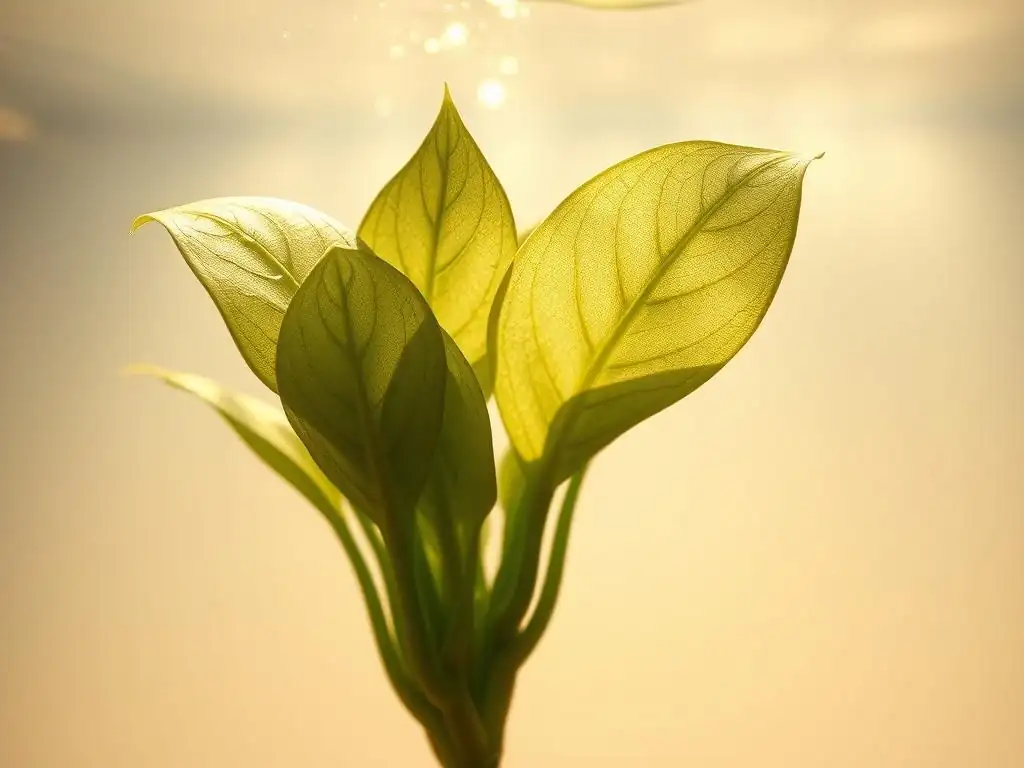
When considering plastic plants for a Betta aquarium, a meticulous examination of their texture is paramount. Begin by thoroughly running your fingers along every edge of the plant, paying particular attention to the tips of leaves, the points where leaves meet stems, and any molded seams. You are specifically looking for any rough patches, sharp burrs, jagged points, or remnants from the manufacturing process. Even a seemingly insignificant imperfection can cause substantial damage to a Betta's delicate, flowing fins, which are far more sensitive than human skin.
Hold the plastic plant up to a strong light source and inspect it from various angles. This can help reveal translucent, sharp protrusions that might be less apparent to the touch. The objective is to identify anything that feels even slightly abrasive or has the potential to snag. If a plastic plant feels rough or sharp to your finger, it will undoubtedly be even harsher on a Betta's fragile fins, making it an unacceptable and unsafe choice for their habitat.
The "Nylon Stocking Test": A Simple Way to Assess Plant Roughness
For a definitive assessment of a plastic plant's safety for Betta fins, the "nylon stocking test" is an invaluable and simple method. Take a clean, unused nylon stocking or a piece of pantyhose and gently rub it over all surfaces of the plastic plant, mimicking how a Betta's fins might brush against it. If the nylon stocking snags, catches, tears, or shows any signs of fraying, the plant is unequivocally too rough and unsafe for a Betta tank.
This test is highly effective because the fine, delicate mesh of the nylon stocking is designed to be extremely sensitive to even the most minute imperfections on a surface. It accurately simulates the vulnerability of a Betta's fins, providing a clear indication of potential hazards. This inexpensive and quick test empowers aquarists to make informed decisions, ensuring they avoid plastic decor that could injure their fish and instead opt for genuinely Bettas silk plants safe alternatives or other smooth options.
Alternatives to Sharp Plastic Plants: Safe Decor Options for Betta Tanks
Beyond the choice between silk and plastic, a variety of other safe and enriching decor options exist for Betta aquariums. Live aquarium plants are the gold standard, offering not only beauty but also natural filtration and vital environmental enrichment. For those preferring artificial options, high-quality silk plants remain the top recommendation due to their inherent softness. When selecting hardscape elements, smooth, natural driftwood (always pre-soaked to prevent leaching and ensure it sinks) provides excellent hiding spots and a natural aesthetic without the risk of fin damage.
Similarly, smooth, non-abrasive rocks that are aquarium-safe (e.g., slate, river rocks, avoiding calcareous rocks that alter pH) can create interesting structures and hiding places. The primary concern when selecting any decor should always be the Betta's safety. Prioritize materials that are inherently smooth and non-abrasive. If considering any hard decor, meticulously inspect it to ensure there are absolutely no sharp edges or rough surfaces that could potentially injure your fish.
Preparing Silk Plants for Your Betta Tank: A Quick Guide
Rinsing and Cleaning New Silk Plants: Removing Potential Contaminants
Before introducing any new silk plants into your Betta aquarium, a thorough rinsing and cleaning process is essential. This step helps to remove any dust, manufacturing residues, or loose dyes that might be present on the fabric from packaging or production. It's crucial to perform this rinse under cool, running tap water. Never use soaps, detergents, or any household cleaning agents, as these contain chemicals that are highly toxic to fish and can leave behind dangerous residues that will harm your Betta.
To effectively clean, gently swish the silk plants in a clean bucket filled with dechlorinated water or hold them under a slow, steady stream of cool tap water for several minutes. Inspect them closely to ensure no lingering debris or particles remain. While Bettas silk plants safe options are generally designed to be inert, this initial cleansing ritual minimizes any potential risks to your water quality and ensures a pristine start for your aquatic environment.
Arranging Silk Plants for Optimal Betta Comfort and Shelter
The strategic arrangement of silk plants is key to creating an optimal habitat that promotes Betta comfort and security. Place plants to provide ample hiding spots and resting places, mimicking the thick vegetation found in their natural rice paddy environments. Create dense clusters where your Betta can retreat and feel secure, especially if they are shy or easily stressed. It is also important to ensure there are still open swimming spaces for your Betta to explore and move freely.
Bettas particularly appreciate plants that offer broad leaves or dense foliage near the water's surface, as they are labyrinth fish and frequently come up to breathe air. These surface-level plants provide ideal resting perches and can also serve as anchors for bubble nests. In a typical 5-gallon Betta tank, a few well-placed, lush silk plants can provide sufficient cover and enrichment. For larger tanks, you can incorporate more plants to create a richly stimulating and visually appealing environment that caters to your Betta's natural instincts.
Monitoring Betta Behavior: Adjusting Plant Placement as Needed
After introducing and arranging silk plants in your Betta's tank, it is crucial to closely observe your fish's behavior over the following days and weeks. Pay attention to any signs of stress, such as excessive hiding, lethargy, loss of appetite, or persistent glass surfing. While highly unlikely with Bettas silk plants safe options, also keep an eye out for any unexpected fin damage, which could indicate an unforeseen rough spot or an issue with the plant's base.
If your Betta appears uncomfortable, struggles to navigate through the foliage, or seems overly stressed, consider adjusting the plant placement. Perhaps a particular plant is too dense in one area, or there isn't enough open space for your fish to swim freely. The goal is to create an environment where your Betta feels secure, can exhibit natural behaviors like exploring and resting, and has easy access to food and the surface. Continuous monitoring allows for fine-tuning the aquascape to best suit your individual Betta's personality and needs.
Beyond Silk and Plastic: Exploring Live Plants for Betta Aquariums
Benefits of Live Plants for Betta Health and Water Quality
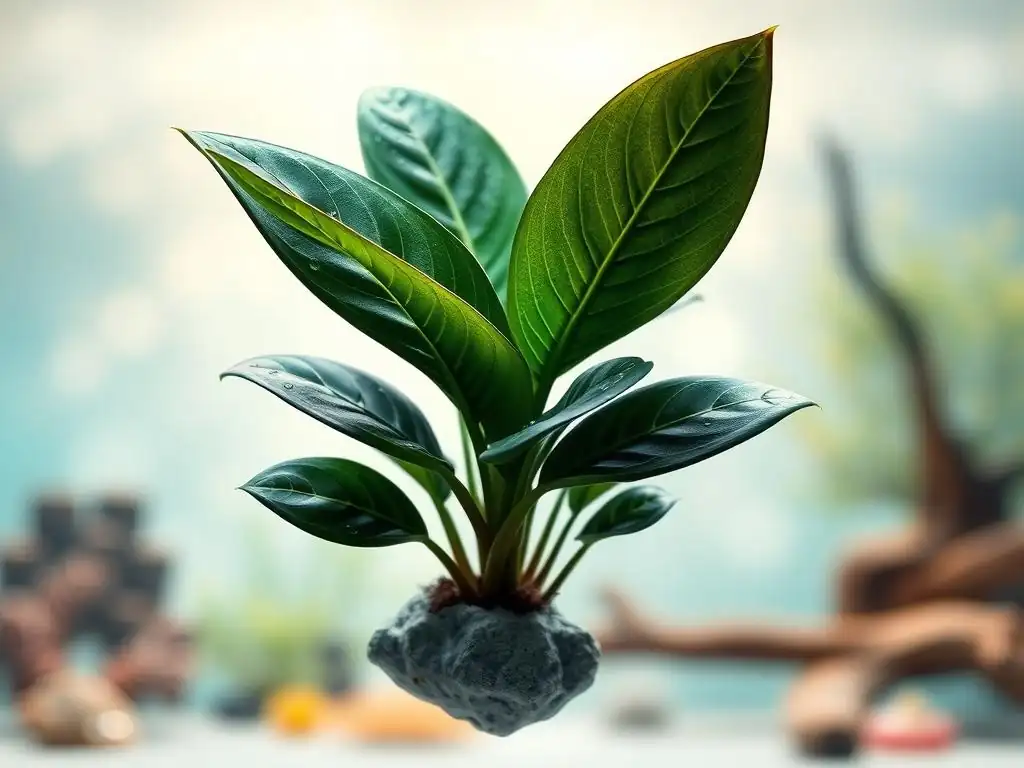
While artificial plants offer convenience, live aquatic plants provide unparalleled benefits for Betta health and overall water quality. Live plants act as natural biofilters, efficiently absorbing harmful nitrates, ammonia, and nitrites from the water column. This natural filtration significantly contributes to a more stable and healthier aquatic environment, reducing the workload on your aquarium filter and helping to prevent common water quality issues like algae blooms. They create a truly balanced ecosystem.
Beyond their filtering capabilities, live plants offer superior environmental enrichment. They provide natural, dynamic hiding spots, encouraging natural behaviors and reducing stress. Many species, such as Anubias or Java Fern, have broad leaves that serve as comfortable resting spots for Bettas, mimicking their natural perching habits. Furthermore, live plants release oxygen during photosynthesis, subtly benefiting the water's dissolved oxygen levels, especially during daylight hours, contributing to a more vibrant and natural habitat for your Betta.
Easy-to-Care-For Live Plants for Beginner Betta Keepers: Anubias, Java Fern, and Amazon Sword
For aquarists new to live plants, several hardy and low-maintenance species are perfect for Betta tanks. Anubias nana and Java Fern (Microsorum pteropus) are excellent choices, known for their resilience and minimal light requirements. These plants do not need to be planted in substrate; instead, their rhizomes can be attached to driftwood or rocks, making them incredibly versatile. They thrive in a wide range of water parameters and are highly tolerant of beginner mistakes.
Another robust option is the Amazon Sword (Echinodorus amazonicus), which, while preferring a nutrient-rich substrate, is also relatively easy to care for and grows into a lush, impressive plant. These recommended species do not typically require CO2 injection or intense specialized lighting, making them suitable for standard Betta setups. They provide both the aesthetic appeal of a natural environment and the functional benefits of natural filtration, enriching your Betta's home without demanding extensive upkeep.
Integrating Live Plants with Silk or Plastic Plants: A Balanced Approach
Aquarists often find success by combining live plants with artificial ones, creating a balanced and aesthetically pleasing environment. This hybrid approach allows you to leverage the natural benefits of live plants while using silk plants (or very carefully selected, smooth plastic plants) to achieve immediate fullness, specific color accents, or provide additional, easily placed resting spots. For instance, live plants can form the foundational aquascape, while silk plants are strategically added to fill gaps or offer extra dense cover where desired.
When integrating different plant types, ensure that live plants receive adequate lighting and nutrients without overshadowing your Betta's open swimming areas. This balanced approach allows you to harness the superior water purification and natural feel of live plants, while artificial options, particularly Bettas silk plants safe choices, can instantly enhance the visual appeal and provide immediate soft, secure resting places. It's a flexible way to create a lush, safe, and stimulating environment tailored to your Betta's needs and your personal aesthetic preferences.
Making the Right Choice: Prioritizing Betta Safety and Wellbeing
Key Considerations for Choosing Safe Aquarium Plants for Bettas
When selecting any type of plant for a Betta aquarium, the paramount consideration must always be the fish's fin health and overall safety. This means making a conscious choice to use only soft, non-abrasive materials that will not cause tears, scrapes, or stress. Live plants are unequivocally the safest and most beneficial option, followed closely by high-quality silk plants. If one absolutely must use plastic, it is imperative that each plant passes the "nylon stocking test" without exception, ensuring no sharp edges are present.
Regardless of the plant type chosen, a thorough physical inspection before introduction into the tank is non-negotiable. Run your fingers over every surface, stem, and leaf tip. For Bettas silk plants safe options, double-check for any loose threads or rigid plastic components at the base that could pose a risk. For live plants, inspect for pests or diseases. Prioritizing safety over mere aesthetics will prevent countless potential injuries and health issues for your Betta.
Balancing Aesthetics and Functionality: Creating a Healthy Betta Habitat
While the visual appeal of an aquarium is important to the aquarist, the functionality of the tank environment for the Betta is of far greater importance. A beautiful tank that inadvertently harms or stresses the fish is counterproductive to responsible pet ownership. The chosen plants, whether live or artificial, should primarily serve to provide ample cover, comfortable resting spots, and enriching structures that contribute positively to the Betta's physical and mental well-being.
Design the aquascape from your Betta's perspective. Ask yourself: Do they have sufficient places to hide and feel secure? Can they easily swim through the plants without snagging their delicate fins? Is there enough open water for them to explore and move freely? A truly successful Betta tank is one that strikes a harmonious balance, being both visually appealing and a safe, stimulating, and stress-free habitat where your Betta can thrive and exhibit natural behaviors.
Long-Term Care and Monitoring: Ensuring a Safe Plant Environment for Your Betta
Ensuring a safe plant environment for your Betta is not a one-time check but an ongoing commitment. Over time, even initially safe artificial plants can degrade, becoming brittle or developing sharper edges due to age, exposure to water chemistry, or aggressive cleaning. Similarly, live plants can grow too dense, or their leaves might harden, potentially creating new snag points if not properly pruned. Regularly inspect all tank decor during routine maintenance, checking for any changes that could pose a risk to your Betta.
Consistent monitoring of your Betta's fin condition is also crucial. Any new tears, frayed edges, or signs of fin rot should immediately prompt a thorough inspection of all tank decor and a review of water parameters. By consistently prioritizing Bettas silk plants safe choices, performing regular maintenance, and maintaining a vigilant eye on your fish's health and environment, aquarists can ensure their Betta enjoys a long, healthy, and happy life in a safe and enriching habitat.
Frequently Asked Questions
What are the potential dangers of using plastic plants in a Betta tank?
Plastic plants can sometimes have sharp edges that can damage a Betta's delicate fins. Additionally, some plastics can leach harmful chemicals into the water, negatively impacting water quality.
Why are silk plants generally considered a safer option for Betta fish?
Silk plants are typically much softer and gentler than plastic plants, reducing the risk of fin tears. They are also less likely to release toxic substances into the aquarium water.
How can I ensure that any silk plant I use is safe for my Betta?
Always purchase silk plants specifically designed for aquariums to ensure they are non-toxic and free of dyes that could harm your fish. Give the plant a thorough rinse before adding it to the tank.
Are there any situations where plastic plants might be acceptable for a Betta tank?
If you choose plastic plants, carefully inspect them for any sharp edges or rough spots. You can try filing down any potentially harmful areas to make them safer.
Besides safety, what are some other benefits of using silk plants over plastic plants in a Betta tank?
Silk plants often look more natural and realistic than plastic plants, enhancing the aesthetic appeal of the aquarium. They also tend to be more durable and last longer than cheaper plastic options.
Final Reflection: Cultivating Serenity, Prioritizing Safety
The choice between silk and plastic plants for betta aquariums, seemingly a minor detail, underscores a larger principle: responsible pet ownership demands informed decisions. The health and well-being of our aquatic companions hinge on our understanding of their needs and the potential impact of our choices, even down to the seemingly innocuous decorations we introduce to their environment.
This exploration has highlighted the nuanced differences between silk and plastic plants, revealing that the pursuit of aesthetic appeal should never compromise the safety and comfort of our bettas. The greatness of a nation and its moral progress can be judged by the way its animals are treated.
- Mahatma Gandhi. This quote, while broad, resonates deeply here, reminding us that our responsibility extends to even the smallest creatures under our care.
As you consider the environment you create for your betta, remember that every detail matters. Let this exploration inspire you to delve deeper into the needs of your aquatic friend, to research thoroughly, and to prioritize their well-being above all else. By making informed choices, you contribute to a happier, healthier life for your betta and cultivate a deeper appreciation for the delicate balance of their underwater world.
Transform Your Betta's World Today!
Thanks for diving into the world of Betta plant safety! We hope you now feel equipped to create a thriving and beautiful environment for your finned friend. Now, let's put that knowledge into action!
Here are a few things you can do right now:
- Immediately inspect any plastic plants currently in your Betta's tank for sharp edges and replace them with safer alternatives like silk or live plants.
- Explore different types of easy-to-care-for live plants that can enhance your Betta's habitat naturally.
- Share this article with fellow Betta enthusiasts and discuss your plant choices and tank setups!
What exciting new addition will you bring to your Betta's tank this week to enhance their happiness and well-being?