
Shell Dweller Diseases: Prevention, Identification, and Treatment


Welcome to Aquarium Mastery!
Ever wondered how to keep your shell dwellers thriving and vibrant? Shell disease can be a serious threat to these fascinating fish, but fear not! Dive into our comprehensive guide on shell disease aquarium treatment, where we unravel the mysteries of prevention, identification, and effective solutions. Curious to learn how to protect your shell dwellers and ensure a healthy, happy aquarium? Let's explore!
- Understanding Shell Dweller Health in the Aquarium
- Preventing Shell Dweller Diseases: A Proactive Approach
- Identifying Shell Dweller Diseases: Recognizing the Symptoms
- Shell Disease Aquarium Treatment: Effective Methods and Medications
- Post-Treatment Care for Shell Dwellers
- Advanced Shell Dweller Health Management
-
Frequently Asked Questions
- What is shell disease in shell dwelling aquarium fish, and what are the primary causes?
- How can I identify shell disease in my shell dweller aquarium fish?
- What are the key steps in treating shell disease in an aquarium?
- How can I prevent shell disease from occurring in my shell dweller aquarium?
- What medications are commonly used for shell disease aquarium treatment, and are they safe for all inhabitants?
- Final Reflection: Protecting Our Underwater Worlds
- Nurture Healthy Shell Dwellers!
Understanding Shell Dweller Health in the Aquarium
The Unique Needs of Shell Dwellers in Captivity
Shell dwellers, primarily cichlids from Lake Tanganyika such as Neolamprologus multifasciatus and Lamprologus ocellatus, possess distinct requirements that directly impact their health in an aquarium setting. Their natural habitat is characterized by hard, alkaline water with a pH typically ranging from 7.8 to 9.0 and high mineral content. Crucially, they depend on empty snail shells, predominantly Neothauma shells, for shelter, breeding, and establishing territories, which is fundamental to their behavioral and physiological well-being.
This reliance on shells and specific water chemistry means that any deviation from these conditions can induce significant stress, making them susceptible to various ailments. For instance, inadequate shell availability can lead to heightened aggression and stress-related illnesses, while soft, acidic water can compromise their osmoregulation and overall immune response. Understanding these foundational needs is the first step in preventing the need for extensive shell disease aquarium treatment.
Common Health Challenges in Shell Dweller Aquariums
Despite their hardy nature when kept in optimal conditions, shell dwellers can face several common health challenges in captivity. These often stem from environmental deficiencies, poor water quality, nutritional imbalances, or the introduction of pathogens. Bacterial infections, parasitic infestations like Ich, and fungal growths are frequently observed issues, often manifesting as a result of a weakened immune system.
Stress, whether from overcrowding, aggressive tank mates, or unstable water parameters, is a primary catalyst for disease in these fish. A stressed shell dweller is far more likely to succumb to opportunistic pathogens that would otherwise be harmless. Therefore, recognizing these common health challenges and their underlying causes is crucial for effective prevention and successful shell disease aquarium treatment.
Preventing Shell Dweller Diseases: A Proactive Approach
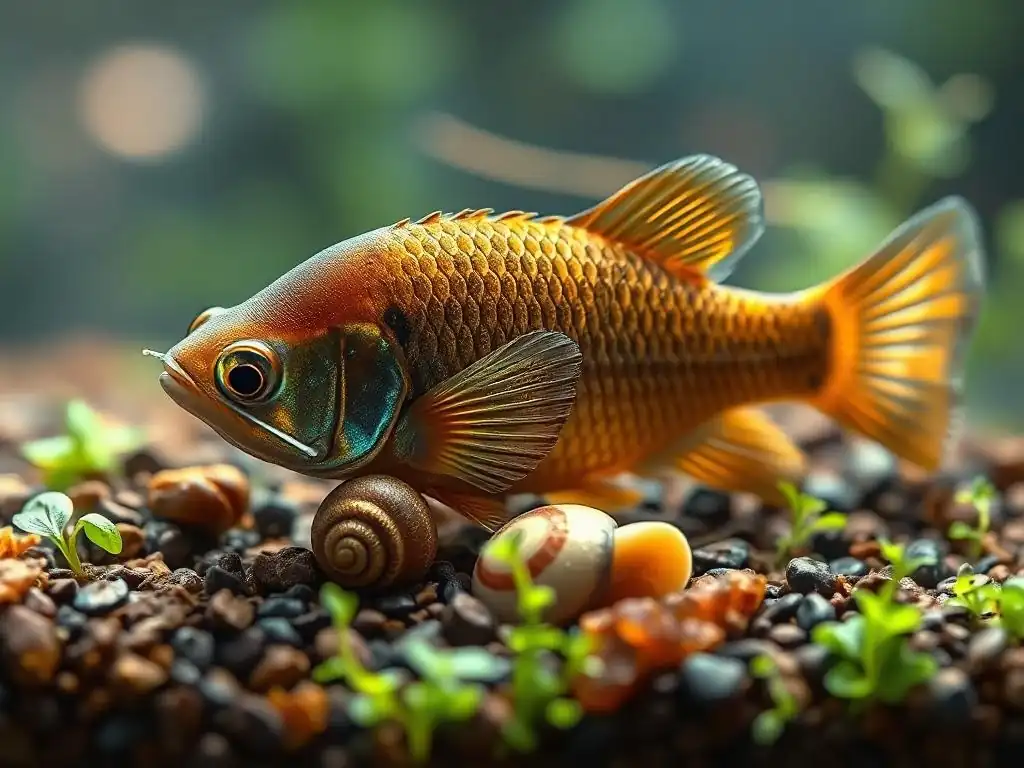
Maintaining Optimal Water Quality for Shell Dwellers
Optimal water quality is the cornerstone of shell dweller health, directly influencing their immune system and resistance to disease. For Tanganyikan cichlids, this means maintaining a stable pH between 7.8 and 9.0, a general hardness (GH) of 10-20 dGH, and a carbonate hardness (KH) of 10-20 dKH. Ammonia and nitrite levels must consistently remain at 0 ppm, while nitrates should be kept below 20 ppm to prevent chronic stress and toxin buildup.
Consistent monitoring and adjustment of these parameters are vital. Fluctuations, even minor ones, can cause significant osmotic stress, weakening the fish's natural defenses and making them highly vulnerable to infections that necessitate shell disease aquarium treatment. A proactive approach to water quality minimizes the need for reactive interventions.
The Importance of Regular Water Changes for Shell Dwellers
Regular water changes are arguably the most impactful practice for maintaining pristine water quality in a shell dweller aquarium. Performing weekly water changes of 25-30% effectively dilutes accumulated nitrates and other dissolved organic compounds, which can become toxic over time. This routine also replenishes essential minerals that are consumed or depleted during the biological processes within the tank.
Beyond toxin removal, regular water changes help stabilize pH and hardness, preventing the gradual acidification that can occur in established aquariums. This consistent refreshing of the water column significantly reduces environmental stress on shell dwellers, bolstering their immune systems and drastically lowering the likelihood of disease outbreaks requiring intensive shell disease aquarium treatment.
Achieving Proper Water Parameters for Shell Dweller Health
To achieve and maintain the specific water parameters required by shell dwellers, aquarists often employ several strategies. Using a substrate like crushed coral or aragonite sand can help buffer the water, naturally raising and stabilizing pH, GH, and KH. Additionally, specialized Tanganyika buffer salts can be added during water changes to precisely adjust parameters to the desired range, mimicking their natural lake environment.
Testing water parameters regularly—at least once a week—is non-negotiable. This allows for early detection of any shifts and prompt correction, preventing prolonged exposure to unsuitable conditions. Consistent, stable water parameters are paramount for preventing stress-related illnesses and ensuring the long-term vitality of shell dwellers, thereby reducing the need for shell disease aquarium treatment.
Selecting Healthy Shell Dwellers: What to Look For
The health of your shell dwellers begins with their selection. When purchasing new fish, observe them carefully for signs of vitality. Healthy shell dwellers should be active, alert, and exhibit their typical coloration. Their fins should be fully extended and free from tears, fraying, or white spots, and their bodies should appear plump, without any visible lesions, swelling, or emaciation.
Avoid fish that are lethargic, hiding excessively, gasping at the surface, or showing any clamped fins. These are all indicators of stress or illness. Inspect the entire tank they are housed in for any signs of disease among other fish, as pathogens can quickly spread. Choosing robust, healthy specimens significantly reduces the risk of introducing diseases that might require comprehensive shell disease aquarium treatment later on.
Quarantining New Shell Dwellers to Prevent Disease Spread
Quarantining new shell dwellers is a critical, non-negotiable step in preventing the introduction of diseases into an established aquarium. A dedicated quarantine tank, typically a 10-20 gallon setup with a heater, filter, and a few shells, should be used for a minimum of 2-4 weeks. During this period, new fish can be observed for any signs of illness without risking the health of existing tank inhabitants.
During quarantine, it's advisable to perform preventative treatments, such as a mild aquarium salt bath or a broad-spectrum anti-parasitic treatment, if deemed necessary based on observation or origin. This proactive measure ensures that any latent pathogens are addressed before the fish are introduced to the main display tank, thereby safeguarding the entire ecosystem and preventing the need for widespread shell disease aquarium treatment.
Providing a Stress-Free Environment for Shell Dwellers
Stress is a major contributor to disease in aquarium fish, weakening their immune systems and making them vulnerable to opportunistic infections. For shell dwellers, common stressors include aggressive tank mates, insufficient hiding places, and inadequate territory. A constantly stressed fish will exhibit dull coloration, reduced appetite, and often succumb to illnesses that a healthy fish would easily fight off.
Creating a serene and stable environment is paramount for their long-term health. This involves careful planning of tank size, stocking levels, and decor to mimic their natural habitat and provide ample security. A stress-free environment fosters natural behaviors, promotes robust health, and significantly reduces the incidence of diseases, minimizing the need for reactive shell disease aquarium treatment.
Avoiding Overcrowding in Shell Dweller Tanks
Overcrowding is a significant source of stress and disease in shell dweller aquariums. Too many fish in a limited space lead to increased aggression, competition for resources (shells, food), and a rapid accumulation of waste products, which degrade water quality. While shell dwellers are relatively small, their territorial nature means that each individual or pair requires adequate personal space to thrive.
As a general guideline, aim for at least 1-2 gallons of water per adult shell dweller, depending on the species and its territoriality. Proper stocking levels ensure that the bioload is manageable, water parameters remain stable, and stress levels are minimized. This proactive measure prevents the onset of stress-related illnesses and reduces the likelihood of needing shell disease aquarium treatment.
Ensuring Adequate Hiding Places and Territory
Shell dwellers derive their name from their absolute dependence on shells for security, breeding, and establishing their individual territories. Providing an abundance of shells, ideally more shells than fish (e.g., 1.5 to 2 shells per fish), is crucial for their well-being. Neothauma shells are ideal, but escargot shells or similar alternatives can be used.
These shells act as vital hiding places, allowing fish to retreat from perceived threats or aggressive tank mates, thereby reducing stress. They also serve as essential breeding sites, encouraging natural behaviors and promoting a sense of security. A tank rich in appropriate shells contributes significantly to a stress-free environment, which is fundamental in preventing diseases and avoiding the necessity of shell disease aquarium treatment.
Identifying Shell Dweller Diseases: Recognizing the Symptoms
Recognizing Early Signs of Illness in Shell Dwellers
Early detection of illness is crucial for successful shell disease aquarium treatment. Shell dwellers, like many fish, can be subtle in their initial manifestations of disease. Aquarists should observe their fish daily for any changes in behavior, appearance, or appetite. Subtle cues include slight dullness in coloration, reduced activity levels, or an increased tendency to hide more than usual.
Other early indicators might involve changes in swimming patterns, such as listlessness or unusual darting movements, or a slight decrease in appetite. Any deviation from their normal feeding enthusiasm or social interactions within the tank warrants closer inspection. Prompt recognition of these subtle signs can allow for intervention before an illness becomes severe and more challenging to treat.
Common Shell Dweller Diseases: Symptoms and Identification
Shell dwellers can suffer from various common aquarium fish diseases, each with distinct symptoms. Accurate identification is paramount for effective shell disease aquarium treatment, as different ailments require specific approaches. Misdiagnosis can lead to ineffective or even harmful treatments, prolonging suffering and potentially leading to fatalities.
Understanding the characteristic signs of the most prevalent diseases will equip aquarists to respond swiftly and appropriately. This section details the symptoms of common illnesses that affect shell dwellers, guiding you towards an accurate diagnosis and the correct course of action for shell disease aquarium treatment.
Ich (White Spot Disease) in Shell Dwellers
Ich, caused by the parasite Ichthyophthirius multifiliis, is one of the most common and recognizable fish diseases. In shell dwellers, symptoms include the appearance of small, white, salt-like spots scattered across the body, fins, and sometimes the gills. Affected fish may also exhibit rapid breathing, increased gill movement, and "flashing" or rubbing their bodies against tank decorations or substrate in an attempt to dislodge the parasites.
Ich is highly contagious and often triggered by sudden temperature fluctuations or stress from poor water quality. If left untreated, the parasites multiply rapidly, leading to severe gill damage and eventual death. Prompt identification and initiation of shell disease aquarium treatment are essential to prevent a widespread outbreak.
Fin Rot in Shell Dwellers: Causes and Symptoms
Fin rot is a bacterial infection, often caused by opportunistic bacteria like Pseudomonas or Aeromonas species, that primarily affects the fins. In shell dwellers, the fins will appear frayed, tattered, or have a ragged edge, as if they are disintegrating. In advanced cases, the infection can progress to the fin base and even the body, sometimes accompanied by redness or a white, necrotic edge.
This condition is almost always a secondary infection, meaning it occurs when a fish's immune system is compromised, typically by poor water quality, overcrowding, injury, or stress. Addressing the underlying environmental issues is as crucial as the shell disease aquarium treatment itself for successful recovery.
Fungal Infections in Shell Dwellers: Identifying and Understanding
Fungal infections, commonly caused by opportunistic fungi such as Saprolegnia, present as white, cotton-like growths on the body, fins, or mouth of shell dwellers. These growths often appear on areas where the fish has sustained an injury, experienced scale loss, or is already weakened by another illness or poor water conditions. The fungus may resemble a fuzzy patch that grows outwards from the fish's skin.
These infections are rarely primary pathogens; instead, they typically take advantage of compromised skin or mucous membranes. Therefore, while treating the fungal growth is important, identifying and rectifying the underlying cause—such as poor water quality, inadequate diet, or physical injury—is critical for preventing recurrence and ensuring effective shell disease aquarium treatment.
Dropsy in Shell Dwellers: Recognizing the Signs
Dropsy is not a disease itself but rather a symptom of severe internal organ failure, most commonly the kidneys or liver, often due to a bacterial infection. The most prominent sign of dropsy in shell dwellers is severe abdominal swelling, giving the fish a bloated appearance. As the swelling progresses, the scales may begin to protrude outwards, creating a distinct "pinecone" effect.
Other accompanying symptoms include lethargy, loss of appetite, pale gills, and sometimes cloudy eyes. Unfortunately, by the time dropsy is evident, the underlying organ damage is often extensive, making prognosis poor. Early detection of any general lethargy or reduced appetite, combined with pristine water quality, offers the best chance of preventing this severe condition and the need for challenging shell disease aquarium treatment.
Gill Flukes in Shell Dwellers: Identification and Treatment
Gill flukes are monogenean trematodes ( Dactylogyrus species) that attach themselves to the gills of fish. In shell dwellers, an infestation manifests as rapid gill movement or heavy breathing, even when the water is well-oxygenated. Fish may also be seen rubbing their gill covers against tank objects ("flashing"), exhibiting lethargy, or gasping at the water surface. In severe cases, the gills may appear swollen, inflamed, or pale.
These parasites irritate the gills, impairing the fish's ability to absorb oxygen and making them susceptible to secondary bacterial infections. Gill flukes are highly contagious, and if identified, the entire tank typically requires shell disease aquarium treatment to eradicate the parasites effectively.
Diagnosing Shell Dweller Illnesses: A Step-by-Step Guide
Accurate diagnosis is the foundation of effective shell disease aquarium treatment. The process begins with careful observation of the affected fish: note all visible symptoms, changes in behavior, and any recent alterations to the tank environment or care routine. Immediately test your aquarium water parameters (ammonia, nitrite, nitrate, pH, GH, KH) as poor water quality is a common underlying factor for many illnesses.
If possible, isolate the affected fish in a hospital tank to prevent disease spread and facilitate focused treatment. Consult reliable resources, such as detailed fish health guides or online forums from reputable aquarist communities, to cross-reference symptoms and narrow down potential diagnoses. Only after a confident diagnosis should you proceed with specific shell disease aquarium treatment, ensuring the chosen method directly targets the identified pathogen or condition.
Shell Disease Aquarium Treatment: Effective Methods and Medications
Treating Ich (White Spot Disease) in Shell Dwellers
Prompt and thorough shell disease aquarium treatment is essential for Ich due to its highly contagious nature and rapid life cycle. One common approach involves gradually raising the aquarium temperature to 82-84°F (28-29°C) over 24-48 hours, provided the shell dwellers can tolerate it. This accelerates the Ich parasite's life cycle, forcing it into its free-swimming stage where it is vulnerable to medication.
Treatment should continue for several days after all visible white spots have disappeared, typically 7-10 days, to ensure all life stages of the parasite are eradicated. Consistent aeration is crucial, especially at higher temperatures, as warmer water holds less dissolved oxygen.
Medications for Ich in Shell Dweller Aquariums
Several effective medications are available for Ich shell disease aquarium treatment. Common active ingredients include malachite green, formalin, or copper-based compounds. Products such as API Super Ick Cure or Seachem Paraguard (a broad-spectrum aldehyde-based medication) are frequently used. When using copper, exercise caution and monitor levels, as cichlids can be sensitive.
Always read and follow the manufacturer's instructions precisely regarding dosage and duration. It is crucial to remove activated carbon from the filter during treatment, as it will absorb the medication, rendering it ineffective. After the treatment course, perform a large water change and reintroduce fresh activated carbon to remove residual medication.
Natural Treatments for Ich in Shell Dweller Tanks
For mild cases of Ich or as an initial approach for sensitive fish, natural shell disease aquarium treatment methods can be considered. The elevated temperature method (82-84°F) combined with increased aeration is often effective on its own for early infestations. Additionally, adding non-iodized aquarium salt can support the fish's osmoregulation and help combat the parasite.
A common dosage for aquarium salt in Ich treatment is 1-2 teaspoons per gallon, added gradually over a few hours. While these methods can be successful, they require diligent observation and are less potent than chemical medications for severe or advanced Ich outbreaks. Always ensure your shell dwellers tolerate the increased temperature well.
Treating Fin Rot in Shell Dwellers
The primary step in fin rot shell disease aquarium treatment is to address the underlying cause, which is almost always poor water quality. Begin with aggressive water changes, performing 50% daily for several days, accompanied by thorough gravel vacuuming to remove accumulated organic waste. Ensure ammonia and nitrite levels are zero, and nitrates are below 20 ppm.
Consistent pristine water conditions are paramount for the fish's immune system to recover and for new fin tissue to regenerate. Without improving water quality, any other treatment will likely be ineffective or only provide temporary relief, leading to recurrence.
Antibiotics for Fin Rot in Shell Dwellers
For moderate to severe cases of fin rot, where fin damage is significant or the infection is spreading to the body, a broad-spectrum antibiotic is often required as part of the shell disease aquarium treatment. Medications containing active ingredients like nitrofurazone (e.g., Furan-2) or erythromycin (e.g., Maracyn) are commonly used and effective against the bacteria typically responsible for fin rot.
It is often advisable to treat the affected fish in a separate hospital tank to avoid harming the beneficial bacterial colony in the main display tank. Follow the medication instructions precisely, including the full duration of the treatment, even if symptoms improve, to prevent antibiotic resistance.
Improving Water Quality to Combat Fin Rot
Improving water quality is not just a preliminary step but a continuous commitment when combating fin rot and other bacterial infections. Regularly test your water parameters to ensure they are within the optimal range for shell dwellers. This means maintaining stable pH, zero ammonia, zero nitrite, and low nitrates. Overfeeding should be avoided, as excess food quickly decomposes and fouls the water.
Proper filtration maintenance, including regular cleaning or replacement of filter media, is also crucial. A clean, stable, and well-oxygenated environment significantly reduces the bacterial load in the water, allowing the fish's immune system to focus on healing and preventing future outbreaks of fin rot, thereby minimizing the need for ongoing shell disease aquarium treatment.
Treating Fungal Infections in Shell Dwellers
Treating fungal infections in shell dwellers requires a two-pronged approach: addressing the visible fungal growth and rectifying the underlying conditions that predisposed the fish to the infection. Begin by performing significant water changes and thoroughly cleaning the tank to remove decaying organic matter, which can fuel fungal growth. Ensure your filtration system is functioning optimally and that water parameters are stable and within the ideal range for shell dwellers.
Improving overall tank hygiene is critical, as fungi are opportunistic and thrive in less-than-ideal environments. This proactive environmental adjustment sets the stage for successful shell disease aquarium treatment.
Antifungal Medications for Shell Dweller Aquariums
For active fungal infections, specific antifungal medications are necessary as part of the shell disease aquarium treatment. Products containing active ingredients such as methylene blue or phenoxyethanol are effective against common aquatic fungi. Examples include API Fungus Cure or Seachem KanaPlex, which can also address secondary bacterial infections that often accompany fungal issues.
Administer medications strictly according to the manufacturer's instructions. It is often beneficial to treat the affected fish in a separate hospital tank to prevent medication from impacting the main tank's biological filter or sensitive invertebrates. Continue monitoring the fish and the tank environment even after the visible fungus disappears to ensure complete eradication and prevent recurrence.
Maintaining a Clean Tank to Prevent Fungal Growth
Maintaining a consistently clean and well-managed aquarium is the best defense against fungal infections. Regular substrate vacuuming to remove uneaten food and waste, coupled with routine water changes, prevents the buildup of organic matter that fungi feed on. Avoid overfeeding, as excess nutrients contribute to poor water quality.
Ensure proper water flow and aeration throughout the tank, as stagnant areas can become breeding grounds for fungi. By diligently adhering to a rigorous maintenance schedule and providing a pristine environment, you significantly reduce the chances of your shell dwellers developing fungal infections, thereby minimizing the need for any shell disease aquarium treatment related to fungi.
Treating Dropsy in Shell Dwellers
Dropsy is a challenging condition to treat in shell dwellers, as it is typically a symptom of severe internal organ failure, often due to an advanced bacterial infection. By the time the characteristic "pinecone" appearance is visible, the prognosis is often poor. Immediate isolation of the affected fish in a hospital tank is crucial to prevent potential spread of any underlying infectious agent, though dropsy itself is not contagious.
Focus on supportive care and attempting to address the bacterial cause if suspected. Unfortunately, even with aggressive shell disease aquarium treatment, recovery rates for dropsy are low, and humane euthanasia may be the most compassionate option if the fish shows no signs of improvement.
Understanding the Challenges of Treating Dropsy
The primary challenge in treating dropsy lies in its nature as a symptom rather than a standalone disease. It indicates that a fish's internal organs, particularly the kidneys, are failing, leading to fluid retention and the characteristic swelling. The underlying cause is often a systemic bacterial infection that has progressed significantly before external signs become apparent.
Because the internal damage is typically extensive by the time dropsy is diagnosed, effective shell disease aquarium treatment is difficult. Prevention through impeccable water quality, a balanced diet, and a stress-free environment is vastly more effective than attempting to cure this advanced stage of illness.
Epsom Salt Baths for Dropsy
While not a cure for the underlying cause of dropsy, Epsom salt (magnesium sulfate, not regular table salt) can help alleviate the fluid retention and swelling associated with the condition. Epsom salt helps draw out excess fluid from the fish's body, providing temporary relief from the pressure and discomfort.
To administer an Epsom salt bath as part of the shell disease aquarium treatment, use a separate hospital tank. The recommended dosage is 1-3 teaspoons of Epsom salt per 5 gallons of water, dissolved completely before adding to the tank. Monitor the fish closely during treatment. This method is a symptomatic relief and should ideally be combined with a broad-spectrum antibiotic if an internal bacterial infection is suspected as the cause.
Treating Gill Flukes in Shell Dwellers
Gill flukes are highly contagious parasites that can severely impact a shell dweller's ability to breathe, and if left untreated, can lead to widespread fatalities. Because their life cycle involves free-swimming larvae, the entire main display tank must be treated, not just the affected individuals, to ensure complete eradication. Ensure good aeration during treatment, as the fish's gills may already be compromised.
Thorough gravel vacuuming and water changes before and after treatment are also beneficial to reduce the parasite load in the environment. Consistent monitoring after treatment is vital to ensure no recurrence of this persistent parasite.
Praziquantel Treatment for Gill Flukes
Praziquantel is widely considered the most effective and safest shell disease aquarium treatment for gill flukes. It is highly specific to trematodes and tapeworms, making it generally safe for fish and the beneficial bacteria in the biological filter. Products like PraziPro (Praziquantel) are readily available and simple to use.
Follow the manufacturer's instructions precisely for dosage and duration. Often, multiple treatments spaced a week or two apart are recommended to target all life stages of the fluke, including eggs that may hatch after the initial treatment. Remove activated carbon during treatment, and perform water changes as advised by the product instructions.
Using Aquarium Salt for Shell Dweller Disease Treatment
Aquarium salt (non-iodized sodium chloride) is a valuable, mild, and readily available tool in shell disease aquarium treatment and general fish health management. It acts as a general tonic, reducing stress, aiding in osmoregulation (the balance of water and salts in the fish's body), and can help with slime coat production. It also possesses mild antiseptic properties and can be effective against some external parasites and bacterial infections.
For shell dwellers, which originate from hard, mineral-rich water, aquarium salt is generally well-tolerated and can be a beneficial addition during times of stress or mild illness, helping to bolster their natural defenses.
Safe Dosage of Aquarium Salt for Shell Dwellers
The safe dosage of aquarium salt for shell dweller disease treatment varies depending on the purpose. For general stress relief, promoting slime coat, or as a mild tonic, a concentration of 1 teaspoon per 5 gallons is often sufficient. For treating specific conditions like Ich or external bacterial infections, the dosage can be increased to 1-2 teaspoons per gallon, added gradually over a few hours to avoid shocking the fish.
Always dissolve the salt completely in a small amount of tank water before adding it to the aquarium to prevent direct contact with the fish. Monitor your fish closely for any adverse reactions, although shell dwellers typically tolerate these concentrations well. Remember that salt does not evaporate and will only be removed through water changes.
Benefits of Aquarium Salt for Shell Dweller Health
Aquarium salt offers several benefits for shell dweller health, particularly during periods of stress or illness. It helps to reduce osmotic stress, making it easier for sick or injured fish to maintain their internal salt and water balance, thus conserving energy for healing. The salt also stimulates the production of the fish's natural slime coat, which acts as a protective barrier against pathogens.
In higher concentrations, aquarium salt can directly interfere with the osmoregulation of certain external parasites, such as Ich, and inhibit the growth of some opportunistic bacteria. It serves as an accessible and effective first line of defense or an adjunct to other, more targeted shell disease aquarium treatment methods.
Post-Treatment Care for Shell Dwellers
Monitoring Shell Dweller Behavior After Treatment
After completing a shell disease aquarium treatment regimen, continuous and diligent monitoring of your shell dwellers is crucial for ensuring full recovery and preventing relapse. Observe their behavior closely for several weeks: look for a return to normal activity levels, enthusiastic feeding, vibrant coloration, and typical social interactions. Any lingering lethargy, clamped fins, or signs of stress could indicate that the illness was not fully eradicated or that underlying issues remain.
Pay particular attention to the regeneration of damaged fins or skin; healthy regrowth is a positive sign of recovery. Consistent daily observation allows for prompt detection of any recurrence, enabling immediate intervention.
Restoring the Aquarium Ecosystem After Medication
Many medications used in shell disease aquarium treatment can negatively impact the beneficial bacterial colony in the biological filter, which is essential for the nitrogen cycle. After the treatment period, perform several large water changes (e.g., 25-50%) to dilute and remove residual medication from the water. Reintroduce fresh activated carbon to your filter to further absorb any remaining chemicals.
Test your water parameters frequently (ammonia, nitrite, nitrate) for several weeks following treatment. If ammonia or nitrite levels rise, it indicates a compromised biological filter. Be prepared to perform additional daily water changes to manage these toxins until the beneficial bacteria re-establish themselves. Using a bacterial supplement can help expedite this process.
Preventing Recurrence of Shell Dweller Diseases
Preventing the recurrence of shell dweller diseases is paramount and involves a critical review and potential adjustment of your aquarium husbandry practices. Re-evaluate your water change schedule, ensuring it is frequent and thorough enough to maintain pristine water quality. Assess your feeding habits to avoid overfeeding, which contributes to waste accumulation.
Review tank mate compatibility to minimize stress and aggression. Most importantly, consistently adhere to a strict quarantine protocol for all new fish, plants, and even decorations to prevent the reintroduction of pathogens. By addressing any identified weaknesses in your care routine, you can create a more resilient and healthy environment for your shell dwellers, significantly reducing the chances of future disease outbreaks.
Advanced Shell Dweller Health Management
Understanding the Role of Diet in Shell Dweller Health
A high-quality, varied diet is a fundamental component of advanced shell dweller health management, directly impacting their immune system and overall vitality. Shell dwellers are primarily omnivores with a carnivorous leaning. Their diet should consist of a high-quality dry flake or pellet food formulated for cichlids, supplemented with spirulina flakes or pellets for plant matter.
Additionally, offer occasional live or frozen foods such as brine shrimp, daphnia, or bloodworms to provide essential proteins and variety. Avoid overfeeding, as excess food not only pollutes the water but can also lead to digestive issues and obesity in the fish. Feeding small amounts multiple times a day is generally preferred to one large meal. A well-nourished shell dweller is naturally more resistant to diseases and less likely to require shell disease aquarium treatment.
Probiotics and Supplements for Shell Dweller Immune Support
Beyond a balanced diet, certain probiotics and supplements can play a role in bolstering the immune system of shell dwellers, particularly during times of stress or recovery. Some high-quality fish foods now incorporate probiotics, which aid in digestion and gut health, directly contributing to a stronger immune response. Liquid supplements containing vitamins, minerals, or beneficial bacteria can also be added to the water or soaked into food.
These supplements can help fish better cope with environmental stressors, enhance their natural protective slime coat, and improve their ability to fight off opportunistic pathogens. While not a substitute for excellent husbandry, judicious use of probiotics and immune-boosting supplements can provide an extra layer of protection, potentially reducing the frequency and severity of illnesses that necessitate shell disease aquarium treatment.
When to Consult a Veterinarian for Shell Dweller Illnesses
While many common shell dweller ailments can be managed by experienced aquarists, there are instances where consulting an aquatic veterinarian becomes necessary. If your shell dwellers exhibit persistent symptoms despite appropriate over-the-counter shell disease aquarium treatment, or if you are unable to accurately diagnose the illness, professional veterinary advice is invaluable.
Aquatic veterinarians possess specialized knowledge and equipment to perform diagnostic tests, such as skin scrapes, gill biopsies, or fecal examinations, which can pinpoint the exact pathogen. They can also prescribe stronger, more targeted medications not readily available to the public, offering the best chance for recovery in complex or severe cases. Seeking professional help ensures the most effective and humane approach to your fish's health.
Frequently Asked Questions
What is shell disease in shell dwelling aquarium fish, and what are the primary causes?
Shell disease in shell dwellers is a bacterial or fungal infection affecting their shells. Poor water quality and physical injuries are the most common contributing factors.
How can I identify shell disease in my shell dweller aquarium fish?
Look for signs like shell erosion, discoloration, or visible lesions. Affected fish may also exhibit lethargy or loss of appetite.
What are the key steps in treating shell disease in an aquarium?
Treatment typically involves improving water parameters with frequent water changes, and administering antibacterial or antifungal medications specific to fish.
How can I prevent shell disease from occurring in my shell dweller aquarium?
Maintaining pristine water quality through regular testing and water changes is crucial. Also, avoid overcrowding and ensure adequate filtration.
What medications are commonly used for shell disease aquarium treatment, and are they safe for all inhabitants?
Common medications include antibiotics like tetracycline or erythromycin, or antifungal treatments. Always research medication compatibility with other tank inhabitants, including invertebrates and plants, before administering.
Final Reflection: Protecting Our Underwater Worlds
The prevalence of shell diseases in aquarium environments, as highlighted throughout this article, underscores the critical need for proactive care and informed intervention in maintaining the health of our aquatic companions. The information presented, from preventative measures to treatment options, serves as a vital resource for aquarists committed to the well-being of their shelled inhabitants.
This exploration into shell dweller diseases has illuminated the delicate balance within aquarium ecosystems and the profound impact our actions have on these miniature worlds. Understanding the nuances of shell disease, from early identification to appropriate treatment, is not merely about preserving individual specimens; it's about fostering a deeper appreciation for the interconnectedness of life within our tanks. The health of an aquarium is a reflection of the aquarist's dedication and knowledge.
This quote reminds us that responsible aquarium keeping is an ongoing commitment to learning and adapting.
As you navigate the complexities of aquarium management, remember that vigilance and informed action are your greatest allies. Let the knowledge gained from this article empower you to create thriving environments where shell dwellers can flourish. Consider how you can refine your practices, share your insights with fellow aquarists, and contribute to a future where shell diseases are minimized, and the beauty of our underwater worlds is preserved for generations to come.
Nurture Healthy Shell Dwellers!
Thank you for diving into the world of shell dweller health! We hope this information empowers you to keep your tiny underwater friends thriving. Now, let's put that knowledge into action!
- Immediately inspect your shell dwellers for any signs of disease outlined in the article. Early detection is key!
- Share this article with fellow aquarium enthusiasts to spread awareness about shell dweller health and build a stronger community of informed hobbyists.
- Consider creating a "shell dweller health journal" to track your fish's behavior, diet, and any changes you observe.
What specific steps will you take this week to ensure a healthier environment for your shell dwellers?