
Vacation Care for Your Large Cichlid Tank: Ensuring Peace of Mind While You're Away

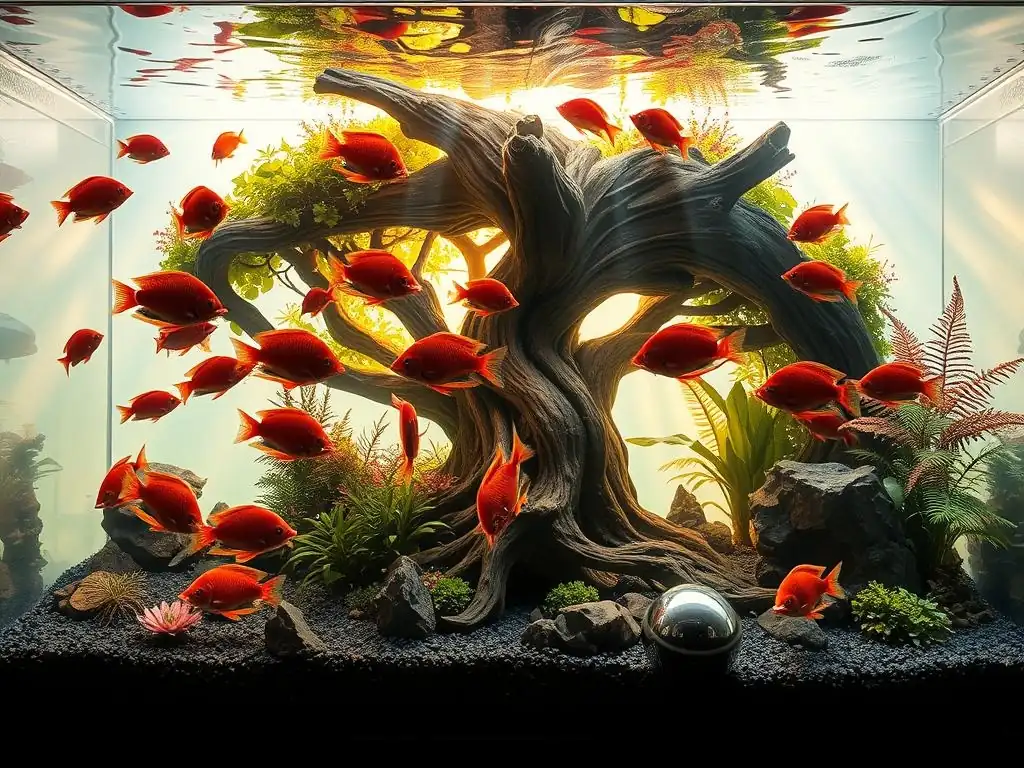
Welcome to Aquarium Mastery!
Planning a vacation but worried about your beloved large cichlids? Dive into our comprehensive guide on Large Cichlid Tank Care and discover the secrets to ensuring their health and happiness while you're away. Uncover the strategies for automated feeding, water quality maintenance, and emergency preparedness that will bring you peace of mind. Read on to learn how to keep your underwater world thriving, even when you're not around!
- Introduction: Planning for Your Large Cichlid Tank While on Vacation
- Pre-Vacation Preparations: Essential Steps for Large Cichlid Tank Care
- Choosing a Vacation Care Option for Your Large Cichlids
- Feeding Your Large Cichlids While You're Away
- Addressing Potential Problems in Your Absence
- Post-Vacation Care: Returning to Normal Tank Maintenance
- Long-Term Planning for Large Cichlid Tank Care
- Conclusion: Enjoy Your Vacation Knowing Your Cichlids Are in Good Hands
-
Frequently Asked Questions
- How often should I change the water in my large cichlid tank before going on vacation?
- What type of automatic feeder is best for large cichlids during my vacation?
- What should I do about the lighting in my large cichlid tank while I'm away?
- How important is it to have someone check on my large cichlid tank while I'm on vacation?
- What are some common warning signs my tank is unhealthy while I'm away that a caretaker should look out for?
- Final Reflection: Ensuring Tranquility in Your Cichlid Kingdom
- Safeguard Your Cichlids' Paradise Today!
Introduction: Planning for Your Large Cichlid Tank While on Vacation
Leaving your beloved large cichlid tank unattended, even for a short vacation, can be a source of anxiety for any aquarist. These magnificent fish, such as Oscars, Severums, or Flowerhorns, require stable water parameters and consistent feeding to thrive.
Neglecting proper vacation preparation can lead to significant stress, health issues, or even fatalities among your fish, undermining all your efforts in large cichlid tank care. This comprehensive guide will walk you through every essential step to ensure your cichlids remain healthy and your aquarium system functions flawlessly while you're away, allowing you to enjoy your trip with complete peace of mind.
Pre-Vacation Preparations: Essential Steps for Large Cichlid Tank Care
Water Quality Management Before Leaving
Maintaining pristine water quality is paramount for the health of large cichlids, especially before a period of reduced monitoring. A thorough water change, typically 30-50% of the tank volume, should be performed 1-2 days before your departure. This significantly reduces nitrate levels, which can accumulate over time and become toxic. For instance, if your 125-gallon cichlid tank usually has nitrate levels around 15 ppm before a weekly change, a large pre-vacation change can drop it to below 5 ppm, providing a healthier buffer.
Beyond nitrates, it's crucial to check and stabilize other key parameters. Ensure ammonia and nitrite levels are at 0 ppm, as any presence indicates a stressed biological filter, which is dangerous for large cichlids. Verify the pH is within the optimal range for your specific cichlid species – for many New World cichlids like Oscars, this is often between 6.5 and 7.5. Consistent water parameters minimize stress on your fish, making them more resilient during your absence and simplifying large cichlid tank care upon your return.
Feeding Strategies: Preparing Your Cichlids for Your Absence
While it might seem counterintuitive, slightly reducing feeding in the days leading up to your vacation can be beneficial. Large cichlids have robust digestive systems, and a slightly reduced intake means less waste produced while you're away, helping to maintain water quality. For instance, if you normally feed your Oscar twice a day, switch to once a day for 2-3 days before you leave. This also helps them adjust to potentially less frequent feeding if you opt for an automatic feeder or a fish sitter.
It's also wise to ensure your cichlids are well-fed with high-quality, nutrient-rich foods in the week before your departure. This builds up their reserves, allowing them to comfortably go without food for a short period (up to 3-4 days for healthy, adult cichlids) if necessary. Avoid introducing new foods right before you leave, as this could upset their digestive systems. Stick to their established diet to prevent any unexpected issues while you're focusing on large cichlid tank care.
Equipment Check: Ensuring Proper Functioning of Your Aquarium System
A thorough inspection of all aquarium equipment is non-negotiable before any extended absence. Start with your filtration system; clean or replace filter media as needed to ensure optimal biological and mechanical filtration. A clogged filter can lead to a rapid decline in water quality or even overflow. For example, a canister filter on a 150-gallon large cichlid tank should be fully serviced, including rinsing sponges and replacing carbon, to ensure maximum efficiency for at least two weeks.
Next, check heaters, air pumps, and lighting. Confirm heaters are functioning correctly and maintaining the desired temperature (e.g., 78°F - 82°F for many large cichlids) by observing a reliable thermometer. Ensure air stones are producing a steady stream of bubbles for adequate oxygenation. Finally, verify that your lighting timer is working accurately. A malfunctioning timer can lead to excessive algae growth from constant light or stress your cichlids with prolonged darkness. Addressing these elements proactively is fundamental to effective large cichlid tank care while you're away.
Choosing a Vacation Care Option for Your Large Cichlids
Option 1: Enlisting a Trustworthy Fish Sitter
Finding a Reliable Aquarium Sitter
Entrusting your large cichlid tank to another person requires careful consideration. Ideally, your fish sitter should be someone with prior aquarium experience, even if it's just basic fishkeeping. Family, close friends, or even a professional pet-sitting service specializing in aquariums are good candidates. When interviewing potential sitters, ask about their experience with fish, particularly large species, and observe their attentiveness. A good sitter will ask questions about your routine and the specific needs of your cichlids. For example, if you have a pair of breeding Flowerhorns, they'll need to understand the nuances of their behavior.
Consider having your chosen sitter come over for a "training session" a week or two before you leave. This allows them to observe your routine, understand the layout of your large cichlid tank, and practice feeding under your supervision. This hands-on experience drastically reduces the chance of mistakes and builds their confidence, ensuring your large cichlid tank care continues seamlessly.
Providing Clear Instructions for Your Fish Sitter
Detailed, unambiguous instructions are vital for any fish sitter. Write down everything, even if you’ve explained it verbally. Include:
- Your contact information and emergency contacts.
- The type and amount of food for each feeding (e.g., "Feed 10 large cichlid pellets once a day, skip Sunday").
- The location of food, nets, and any emergency supplies.
- Instructions on what not to do (e.g., "Do not clean the filter," "Do not add any chemicals").
- A clear schedule for feeding and observation.
- What to do in case of a power outage or equipment malfunction (e.g., "Call emergency contact if heater light is off").
Consider creating a checklist for each visit, so they can mark off tasks as they complete them. This minimizes errors and ensures consistent large cichlid tank care. Place these instructions prominently near the aquarium, perhaps laminated for durability.
Option 2: Automated Solutions for Cichlid Tank Management
Automatic Fish Feeders: Selecting the Right Model for Large Cichlids
For large cichlids, choosing the right automatic feeder is crucial due to their size and feeding requirements. Look for models with large capacity hoppers that can hold enough food for the duration of your trip, typically 1-2 weeks. Feeders like the Eheim Everyday Feeder or the Fish Mate F14 can hold substantial amounts of flakes or pellets and dispense multiple times a day.
Ensure the feeder can accommodate the size of your cichlids' food – large pellets or sticks might jam smaller feeder openings. Test the feeder for several days before your departure to ensure it dispenses the correct amount and doesn't clog.
While convenient for large cichlid tank care, automatic feeders are not foolproof. They can jam, run out of batteries, or dispense too much food if not set correctly. Always have a backup plan, such as a neighbor who can check in periodically, especially for longer vacations. Remember, even the best feeder cannot observe your fish for signs of illness or other issues.
Automated Water Changers: Considerations for Large Tanks
Automated water changing systems, while an advanced option, can significantly enhance large cichlid tank care during extended absences. These systems typically involve a reservoir of fresh, dechlorinated water and a pump that slowly adds new water while siphoning out old water. Systems like the Apex AWC or DIY setups using dosing pumps can perform small, frequent water changes (e.g., 1-2% daily). This helps maintain stable water parameters, especially nitrate levels, without manual intervention.
However, implementing an automated water changer for a large cichlid tank requires significant investment and careful setup. Issues like leaks, pump failures, or incorrect water level sensors can lead to disastrous outcomes. They are best suited for experienced aquarists who are comfortable with the technical aspects and have robust overflow prevention measures in place. For most vacation scenarios, a large pre-vacation water change combined with an automatic feeder is usually sufficient.
Option 3: Minimizing Intervention for Short Vacations
Adjusting Lighting Schedules for Reduced Algae Growth
For short vacations of up to 3-4 days, minimizing intervention can often be the safest approach, especially for established, healthy large cichlid tanks. One key adjustment is to reduce the duration of your aquarium lights. Algae thrive on light and nutrients. By shortening the photoperiod from a typical 8-10 hours to 4-6 hours per day, you can significantly slow down algae growth. This reduces the bioload from decaying algae and helps maintain water quality.
Most aquarium lights are on timers, making this adjustment simple. For instance, if your lights usually run from 10:00 AM to 8:00 PM, change it to 12:00 PM to 6:00 PM. This minor tweak ensures your cichlids still experience a day-night cycle without providing excessive energy for algae blooms, contributing positively to large cichlid tank care.
Pre-Vacation Water Change: Optimizing Water Parameters
For short absences, the most impactful action is a substantial pre-vacation water change. As mentioned earlier, changing 30-50% of the water 1-2 days before you leave dramatically lowers nitrate concentrations and replenishes essential minerals. This fresh water provides a stable environment for your large cichlids to thrive in your absence. For example, if your 100-gallon tank usually has nitrates around 20 ppm, a 40% water change can bring it down to 12 ppm or lower, providing a healthier buffer.
For an established large cichlid tank, skipping feeding for 2-3 days is generally safe and often recommended over using an automatic feeder for such short periods. This completely eliminates the risk of overfeeding and subsequent ammonia spikes, which are far more dangerous than a couple of missed meals for healthy, adult cichlids. This strategy simplifies large cichlid tank care for brief trips.
Feeding Your Large Cichlids While You're Away
Determining the Appropriate Feeding Schedule
The feeding schedule for your large cichlids while you're away largely depends on the duration of your vacation and the chosen care option. For trips under 4 days, adult cichlids can typically go without food. Their robust nature allows them to handle short periods of fasting without ill effects. For longer trips (5-14 days), an automatic feeder or a fish sitter becomes necessary. The general rule is to feed less frequently than you normally would. If you typically feed twice a day, aim for once a day, or even every other day, with an automatic feeder.
It's crucial to err on the side of underfeeding rather than overfeeding. Overfeeding is a common cause of water quality crashes due to uneaten food decaying and releasing ammonia. For example, an automatic feeder set to dispense a small portion of large cichlid pellets (e.g., 5-7 pellets for an adult Oscar) once every 24 hours is often sufficient for a week-long trip.
Types of Food Suitable for Vacation Feeding
When using an automatic feeder, dry foods are the most suitable option. High-quality cichlid pellets or flakes are ideal as they are less likely to spoil or clog the feeder. Choose a pellet size appropriate for your large cichlids to ensure they can consume it easily and it dispenses smoothly from the feeder. Avoid using highly perishable foods like frozen or live foods, as these will foul the water quickly if not consumed immediately.
Slow-release vacation feeder blocks are generally not recommended for large cichlid tanks. While they slowly dissolve, releasing food, they can significantly impact water quality by dissolving too quickly or not providing sufficient nutrition for large, active fish. They often contain binders that can cloud the water and elevate nitrates. Stick to high-quality, dry cichlid-specific diets for reliable large cichlid tank care during your absence.
Avoiding Overfeeding: A Common Mistake
Overfeeding is arguably the biggest risk to your large cichlid tank while you're away. Excess food decays rapidly, leading to dangerous spikes in ammonia and nitrite, which are highly toxic to fish. Even if you have a powerful filtration system, it can be overwhelmed by a sudden surge in organic waste. For instance, a single instance of a fish sitter dumping half a can of food into a 75-gallon tank can lead to a complete tank crash within 24-48 hours.
When using an automatic feeder, perform trials before you leave to set the exact portion size. Start small and observe how quickly your cichlids consume the food. If there's any food left after 5-10 minutes, reduce the portion. Emphasize to any fish sitter that "less is more" and provide a pre-measured daily portion if possible. A small, labelled container for each day's feeding can prevent accidental overfeeding, ensuring the continued success of your large cichlid tank care.
Addressing Potential Problems in Your Absence
Power Outages: Preparing for the Unexpected
Power outages are an unpredictable threat to any aquarium, especially large cichlid tanks that rely heavily on filtration and heating. During an outage, filters stop working, leading to rapid oxygen depletion and a buildup of toxins from decaying waste. Heaters cease functioning, causing potentially fatal temperature drops for tropical cichlids. For example, a 10-hour power outage in a cool room could drop a 120-gallon tank's temperature from 78°F to 70°F, stressing or even killing sensitive cichlids.
To mitigate this risk, consider investing in a battery-powered air pump with an air stone. This provides essential oxygenation to your large cichlids, which is critical for their survival during an outage. For longer outages, a UPS (Uninterruptible Power Supply) designed for computers can power a small filter and heater for a few hours. If you have a fish sitter, ensure they know where these items are and how to deploy them, and provide specific instructions on who to contact if the power remains off for an extended period.
Equipment Malfunctions: Identifying and Mitigating Risks
Even with a pre-vacation check, equipment can fail. A heater might stick on or off, a filter pump could seize, or an air pump might fail. These failures can lead to rapid deterioration of tank conditions. For instance, a stuck-on heater could raise the water temperature in a 90-gallon cichlid tank to 90°F or higher within a few hours, causing severe stress or death.
To mitigate these risks, ensure your fish sitter knows how to identify obvious malfunctions. For example, teach them to check if the heater's indicator light is on and if the filter is producing flow. Provide them with contact information for a local aquarium store or experienced aquarist who can offer emergency advice or even service if needed. Having spare, essential equipment like a small filter or heater on hand, even if just for emergencies, can be a lifesaver for your large cichlid tank care.
Fish Health Concerns: Recognizing Potential Issues
While you can't treat sick fish from afar, your fish sitter should be able to recognize obvious signs of distress or illness. These include:
- Lethargy: Fish staying at the bottom or top of the tank, not reacting to food.
- Rapid breathing: Gills moving quickly, indicating stress or low oxygen.
- Clamped fins: Fins held tightly against the body.
- Visible spots or sores: White spots (Ich), fuzzy patches (fungus), or open wounds.
- Abnormal swimming: Erratic movements, swimming upside down.
Instruct your sitter to immediately contact your emergency person (a trusted friend or local aquarium expert) if they observe any of these symptoms. While direct intervention might be limited, early detection can make a significant difference upon your return. Emphasize that prevention through proper large cichlid tank care before leaving is the best defense against health issues.
Post-Vacation Care: Returning to Normal Tank Maintenance
Gradual Reintroduction to Your Regular Routine
Upon your return, resist the urge to immediately overfeed your large cichlids. They may seem ravenous, but a sudden large meal can shock their digestive systems and pollute the water. Start with a smaller portion than usual on your first day back, then gradually increase to your normal feeding schedule over the next 2-3 days. For example, if you normally feed 15 pellets, give 5 on day one, 10 on day two, and 15 on day three.
Similarly, if you adjusted your lighting schedule, gradually increase the photoperiod back to its normal duration over a few days rather than flipping it back all at once. This gentle reintroduction minimizes stress on your fish and the aquarium ecosystem, making the transition back to regular large cichlid tank care smoother.
Monitoring Water Parameters After Your Return
The first and most critical step upon returning is to test your water parameters. Use a reliable liquid test kit to check for ammonia, nitrite, and nitrate. Even with careful planning, slight fluctuations can occur.
Ammonia: 0 ppmNitrite: 0 ppmNitrate: <20 ppm(or your usual baseline)
If ammonia or nitrite are detected, perform a 25-30% water change immediately and monitor daily until they return to zero. Elevated nitrates might also warrant a water change. For instance, if nitrates jumped from 15 ppm to 40 ppm, a 50% water change would be prudent. Consistent monitoring helps you quickly identify and address any issues that may have arisen in your absence, ensuring optimal large cichlid tank care.
Observing Your Cichlids for Signs of Stress
Spend ample time observing your large cichlids in the days following your return. Look for any signs of stress or illness that might have developed:
- Behavioral changes: Hiding more than usual, unusual aggression, or lethargy.
- Physical symptoms: Clamped fins, faded coloration, white spots, or signs of fin rot.
- Appetite: Are they eating normally and eagerly?
Early detection of these signs is crucial. If you notice any issues, research potential causes and appropriate treatments. Sometimes, simply returning to your normal routine and stable water parameters is enough to resolve minor stress-related issues. If symptoms persist or worsen, be prepared to take action, which might include medicating or isolating affected fish, maintaining the high standards of large cichlid tank care.
Long-Term Planning for Large Cichlid Tank Care
Implementing a Regular Maintenance Schedule
Consistent, proactive maintenance is the cornerstone of successful large cichlid tank care, especially when considering future vacations. Establish a weekly or bi-weekly maintenance schedule that includes:
- Water changes: Regular 25-30% water changes to keep nitrates low. For a 180-gallon cichlid tank, this means changing 45-54 gallons of water weekly.
- Filter cleaning: Rinsing mechanical filter media (sponges, filter floss) to prevent clogs and maintain flow.
- Substrate vacuuming: Removing detritus and uneaten food from the gravel or sand.
- Equipment checks: Visually inspecting heaters, pumps, and lights for proper function.
A well-maintained tank is inherently more stable and resilient, making it much easier to prepare for periods of absence. Regularity reduces the likelihood of emergencies and keeps your cichlids in peak health.
Investing in Reliable Aquarium Equipment
High-quality, reliable equipment is a long-term investment that pays dividends in peace of mind, particularly for large cichlid tanks. Skimping on essential components like heaters or filters can lead to costly failures and distressed fish. For example, a robust canister filter rated for 2-3 times your tank volume (e.g., a filter rated for 300-450 gallons for a 150-gallon tank) provides superior filtration and redundancy.
Consider having backup heaters or air pumps, especially if you live in an area prone to power outages or extreme temperature fluctuations. Investing in a quality automatic feeder that has a proven track record for reliability and capacity is also wise. These investments minimize the risk of equipment failure, which is a major concern for large cichlid tank care when you're not there to supervise.
Building a Relationship with a Local Aquarium Expert
Having a trusted local aquarium expert or a knowledgeable friend in the hobby can be an invaluable resource for long-term large cichlid tank care. This person can provide advice, offer emergency assistance, or even serve as a backup fish sitter. Many local fish stores have experienced staff who can offer guidance on troubleshooting or recommend specific products.
Consider joining local aquarium clubs or online forums dedicated to cichlids. These communities are excellent places to connect with experienced aquarists who understand the unique challenges of keeping large cichlids. Building these relationships ensures that even when you're away, you have a network of support to help ensure your large cichlid tank care remains top-notch.
Conclusion: Enjoy Your Vacation Knowing Your Cichlids Are in Good Hands
Frequently Asked Questions
How often should I change the water in my large cichlid tank before going on vacation?
A water change of 25-50% one to two days before leaving is highly recommended. This helps reduce the nitrate levels and ensures a healthier environment while you're gone.
What type of automatic feeder is best for large cichlids during my vacation?
Look for an automatic feeder that can handle larger food pellets suitable for cichlids. Choose a reliable model with adjustable portions to prevent overfeeding or underfeeding.
What should I do about the lighting in my large cichlid tank while I'm away?
Use a timer to regulate the lighting schedule. Maintaining a consistent day/night cycle helps minimize stress on your cichlids.
How important is it to have someone check on my large cichlid tank while I'm on vacation?
Having someone check on the tank, even briefly, is very important. They can ensure the equipment is functioning properly, and address any obvious issues like a dead fish or cloudy water.
What are some common warning signs my tank is unhealthy while I'm away that a caretaker should look out for?
Your caretaker should watch for cloudy water, fish gasping at the surface, or sudden changes in fish behavior. These can indicate problems that require immediate attention.
Final Reflection: Ensuring Tranquility in Your Cichlid Kingdom
The intricate dance of life within a large cichlid tank, so carefully cultivated and maintained, deserves unwavering attention, even when life pulls us away. The peace of mind that comes from knowing your aquatic ecosystem is thriving in your absence is invaluable. This article has explored the practical steps to achieve just that, ensuring your vibrant cichlids continue to flourish, undisturbed by your vacation.
The responsibility of caring for these magnificent creatures extends beyond daily feeding and water changes; it's about fostering a stable and enriching environment. The dedication required to maintain a large cichlid tank mirrors the dedication we should strive for in all aspects of our lives – a commitment to nurturing and protecting the delicate balances around us. The greatness of a nation and its moral progress can be judged by the way its animals are treated.
- Mahatma Gandhi. This quote, while often applied to land animals, resonates deeply with the care we provide to our aquatic companions.
Now, as you prepare for your next adventure, remember the lessons shared here. Take the time to implement these strategies, not just for the well-being of your cichlids, but also for your own peace of mind. Let the knowledge that your aquatic world is secure and thriving empower you to fully embrace your time away, returning refreshed and ready to once again marvel at the beauty and complexity of your large cichlid tank.
Safeguard Your Cichlids' Paradise Today!
Thank you for exploring our guide to vacation care for your cichlid tank. We hope you've gained valuable insights for ensuring your aquatic friends thrive in your absence. Now, let's put that knowledge into action!
Here are a few ways you can ensure your cichlids remain happy and healthy while you're away:
- Schedule a pre-vacation water change a few days before you leave. This proactive step will help maintain optimal water quality and minimize potential issues.
- Consider setting up an automated feeder. Test it thoroughly for a week before your vacation to ensure consistent and accurate food dispensing.
- Share a picture of your most colourful cichlid and your tank on our social media channels using #AquariumMasteryVacation. Let's see the beautiful setups our community maintains!
What's one small tweak you'll make to your pre-vacation routine to ensure a smoother, more carefree trip?