
Vegetables for Your Pleco & Ancistrus: Zucchini, Cucumber, and More!

Welcome to Aquarium Mastery!
Ever wondered if your Pleco is getting the nutrients it needs? Dive into our Pleco veggie feeding guide and unlock the secrets to a happy, healthy, and well-fed algae eater! Discover which vegetables your Pleco will devour, learn the best preparation methods, and troubleshoot common feeding challenges. Your Pleco will thank you for it! Read on to transform your freshwater aquarium experience.
- Vegetables for Plecos & Ancistrus: A Comprehensive Guide
- Understanding Pleco and Ancistrus Dietary Needs: A Vegetarian Supplement Guide
- Top Vegetable Choices for Plecos and Ancistrus: A Detailed Guide
- Preparing Vegetables for Your Pleco: Best Practices
- Feeding Schedule and Quantity: How Much Veggies for Your Pleco?
- Potential Problems and Solutions: Vegetable Feeding Troubleshooting
- Beyond Vegetables: A Balanced Pleco Diet
- Conclusion: Optimizing Your Pleco's Diet with Vegetables
- Frequently Asked Questions
- Final Reflection: Cultivating a Thriving Aquatic Ecosystem
- Unleash a Feast for Your Pleco!
Vegetables for Plecos & Ancistrus: A Comprehensive Guide
Understanding Pleco and Ancistrus Dietary Needs: A Vegetarian Supplement Guide
Why Supplement Pleco Diets with Vegetables?
Plecos and Ancistrus, members of the Loricariidae family, are primarily herbivorous in their natural habitats, which typically include the rivers and tributaries of South America. Their wild diet largely consists of grazing on algae, biofilm, and decaying wood. While commercial foods like algae wafers are formulated to provide essential nutrients, they often cannot replicate the full spectrum of vitamins, minerals, and fiber found in a natural, diverse diet. Supplementing with fresh vegetables helps bridge these nutritional gaps, preventing common deficiencies that can arise from a monotonous diet.
The inclusion of vegetables provides crucial benefits for your bottom-dwellers. They are an excellent source of essential vitamins, such as Vitamin C for immune system support and Vitamin A for healthy vision, along with vital minerals like potassium and magnesium. Crucially, vegetables are rich in dietary fiber, which is indispensable for maintaining a healthy digestive system in Plecos.
Fiber aids in gut motility, preventing issues like constipation and bloat, which are common concerns for captive Plecos fed diets lacking sufficient roughage. Furthermore, the act of rasping on vegetables helps wear down their continuously growing teeth, a natural process vital for their oral health.
Differences in Dietary Needs Between Plecos and Ancistrus
While both Plecos and Ancistrus are part of the Loricariidae family and share a predominantly herbivorous diet, there are subtle differences in their specific nutritional requirements and preferences. Ancistrus, commonly known as Bristlenose Plecos, are generally smaller and tend to be more strictly herbivorous, with a significant dietary reliance on algae and other plant matter. Their digestive systems are highly adapted to process plant fibers efficiently, making them excellent candidates for a vegetable-rich diet.
Larger Pleco species, such as the Common Pleco ( Pterygoplichthys species), can grow considerably larger and, while still primarily herbivorous, may exhibit a broader dietary spectrum in the wild, occasionally consuming detritus or even small invertebrates. However, in captivity, the core of their diet should remain plant-based. The Pleco veggie feeding guide applies broadly to both, but the size of the vegetable portions and the frequency might vary. Smaller Ancistrus might prefer softer, more easily digestible vegetables, while larger Plecos can handle denser, more fibrous options, often consuming a larger quantity in one sitting.
Top Vegetable Choices for Plecos and Ancistrus: A Detailed Guide
Zucchini for Plecos: A Nutritional Staple
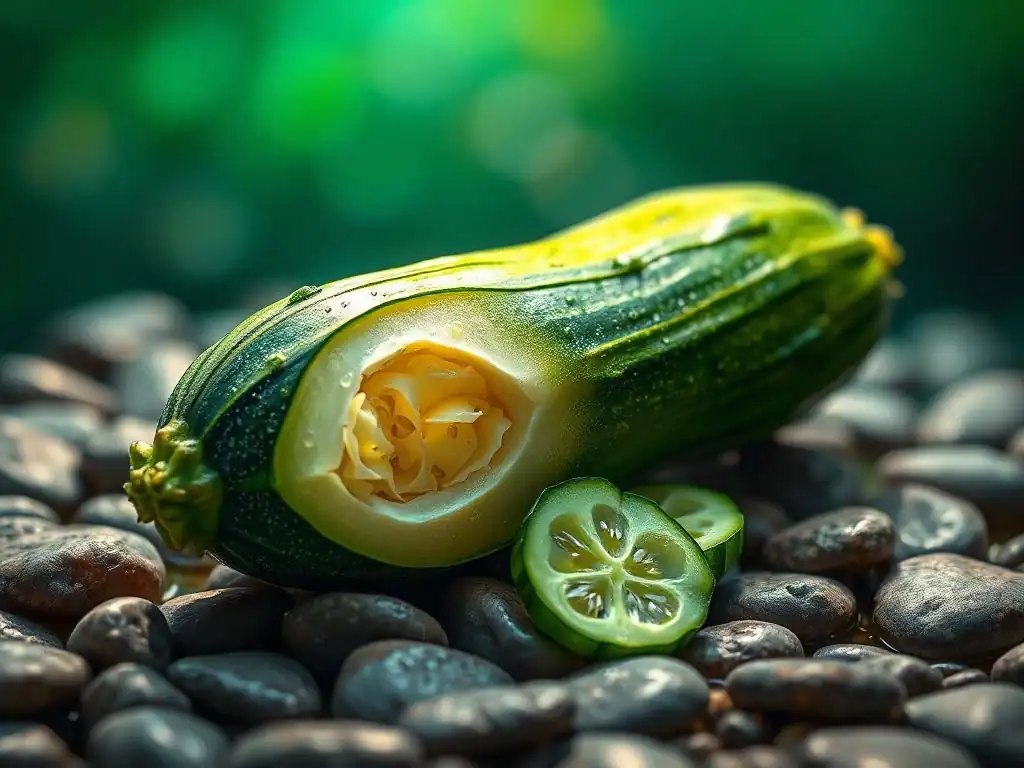
Zucchini is widely regarded as one of the best and most popular vegetables for Plecos and Ancistrus, making it a cornerstone of any effective Pleco veggie feeding guide. Its soft texture makes it easily digestible, and it is readily accepted by most species. Comprising approximately 95% water, zucchini offers excellent hydration, while also providing a good source of essential vitamins such as A, C, K, B6, and folate, alongside minerals like potassium, manganese, and magnesium. Its mild flavor contributes to its high palatability among aquarium inhabitants.
The fiber content in zucchini, roughly 1 gram per 100-gram serving, is beneficial for digestive health, aiding in the smooth passage of food through the gut. Being low in calories, it helps prevent overfeeding issues often associated with denser foods. Anecdotal evidence from aquarists frequently highlights the high acceptance rate of zucchini; a 3-inch long, 1/2-inch thick slice can often be completely consumed by a medium-sized Pleco within 24 hours, demonstrating its appeal and nutritional value as a regular dietary supplement.
Preparing Zucchini for Your Pleco: A Step-by-Step Guide
[ ]Select fresh zucchini. Opt for organic whenever possible to minimize exposure to pesticides and other chemical residues.[ ]Wash the zucchini thoroughly under cold running water. Use a vegetable brush if necessary to remove any surface dirt or contaminants.[ ]Cut the zucchini into appropriate sizes based on your fish's dimensions:- For small Ancistrus (1-3 inches): Thin slices, about 1/4 inch (0.6 cm) thick, or small, manageable chunks.
- For medium-sized Plecos (4-8 inches): Slices between 1/2 to 1 inch (1.2-2.5 cm) thick.
- For large Plecos (over 8 inches): Larger chunks or even halves of a smaller zucchini.
[ ]Blanching (optional but highly recommended): Briefly immerse the zucchini slices in boiling water for 30-60 seconds. This process softens the flesh, making it easier for your Pleco to rasp, and helps the vegetable sink more readily. Immediately transfer to an ice bath to stop the cooking process and retain nutrients.[ ]Allow the zucchini to cool completely to room temperature before introducing it into the aquarium. Placing warm food in the tank can cause sudden temperature fluctuations, stressing your fish.[ ]Use a vegetable clip or a clean, food-grade stainless steel fork to weigh the zucchini down, ensuring it sinks to the bottom where your Pleco can access it.
Cucumber for Plecos: Hydration and Palatability
Cucumber is another excellent choice for Plecos and Ancistrus, sharing many similarities with zucchini, particularly its exceptionally high water content (exceeding 95%) and soft texture. It serves as a great source of hydration and is often readily available. While its vitamin and mineral concentrations (such as Vitamin K, C, and B1, along with potassium and magnesium) are slightly lower than those found in zucchini, its palatability makes it an ideal option for fish that might be hesitant to try other vegetables.
The inherently soft flesh of cucumber is easy for the rasping mouths of Plecos and Ancistrus to consume, contributing to its widespread acceptance. Due to its very high water content and comparatively lower fiber, it is best offered as part of a varied vegetable rotation rather than as a sole dietary staple. Many aquarists report that a 2-inch (5 cm) slice of cucumber can be completely devoured by a group of small Ancistrus within a single day, highlighting its appeal and ease of consumption.
Serving Cucumber to Your Ancistrus: Tips and Tricks
- Peeling the cucumber is generally recommended, particularly if you are using non-organic varieties. The skin can potentially retain pesticide residues and is also tougher for smaller Ancistrus to digest.
- Slice the cucumber into thin, manageable discs, typically 1/4 to 1/2 inch (0.6-1.2 cm) thick. This size is ideal for smaller Ancistrus to easily grasp and consume.
- Blanching is less critical for cucumber due to its natural softness, but a brief dip in boiling water (around 15-30 seconds) can help it sink more quickly and make it even softer for very young or small fish.
- Always ensure the cucumber slices are completely cooled to room temperature before placing them into the aquarium to prevent any sudden temperature shocks to the water.
- Utilize a veggie clip or a small, inert, food-grade stainless steel weight (like a fork or spoon) to anchor the cucumber slice firmly to the bottom of the tank, making it accessible for your bottom-dwelling Ancistrus.
A diverse diet is paramount for maintaining the long-term health and vitality of your aquarium inhabitants. While zucchini and cucumber are excellent staples, introducing a variety of other vegetables ensures your Plecos and Ancistrus receive a broader spectrum of essential nutrients. This section of the Pleco veggie feeding guide aims to expand your options, providing alternative choices that can enhance your fish's diet and keep their feeding routine engaging.
These alternative vegetables offer distinct nutritional profiles that can complement the core diet. For instance, certain squash varieties are notably richer in Vitamin A, while green beans provide a higher fiber content. Rotating these different options can effectively prevent nutritional deficiencies, cater to individual fish preferences, and stimulate natural foraging behaviors, leading to healthier and more active fish.
Squash Varieties for Plecos: Butternut and Acorn Squash
Butternut and Acorn squash are excellent, nutrient-dense options, particularly well-suited for larger Pleco species due to their firmer texture. These squashes are significantly richer sources of Vitamin A (in the form of beta-carotene), Vitamin C, and various B vitamins, as well as essential minerals like potassium and manganese. For example, a 100-gram serving of cooked butternut squash can provide over 100% of the daily recommended Vitamin A intake for humans, illustrating its exceptional nutritional density.
Preparation of these squash varieties requires more thorough cooking than softer vegetables. They must be boiled or steamed until they are very soft and tender, as raw squash is too hard for Plecos to rasp effectively. After cooking, cut them into manageable pieces appropriate for your fish's size. Their relatively firm texture, even after being cooked, means they tend to hold up well in the tank for longer periods than softer vegetables, but prompt removal of any uneaten portions is still crucial to maintain water quality.
Green Beans for Plecos: A Fiber-Rich Option
Green beans are a valuable addition to a Pleco veggie feeding guide due to their excellent fiber content, along with being a good source of Vitamin C, Vitamin K, and folate. Their inclusion can significantly benefit your Pleco's digestive health, providing a different texture and nutritional profile compared to squashes or cucumbers. They are particularly useful for adding variety and ensuring regular, healthy gut function.
Green beans must always be blanched or lightly boiled until they are tender. Before cooking, ensure the ends are trimmed. For smaller Plecos and Ancistrus, whole green beans might be too large or difficult to manage; in such cases, consider splitting them lengthwise or chopping them into smaller, more accessible pieces. A single blanched green bean can provide a substantial and beneficial meal for a medium-sized Pleco, offering prolonged grazing opportunities.
Leafy Greens for Plecos: Romaine Lettuce and Spinach
Romaine lettuce and spinach can be offered as occasional treats to your Plecos and Ancistrus. Romaine is generally preferred over iceberg lettuce due to its higher nutritional value and softer texture, making it more readily accepted. Spinach is a highly nutrient-dense leafy green, rich in iron, Vitamin K, and Vitamin A. However, it's important to note that spinach contains oxalates, which can interfere with calcium absorption if consumed in very large quantities, so it should be used sparingly as part of a varied diet.
Both Romaine lettuce and spinach should be thoroughly washed before being introduced into the aquarium. Romaine can be offered raw, but a light blanching can help it sink more easily and soften its texture further. Spinach, due to its oxalate content, should always be blanched to help reduce these compounds. Given their delicate nature, these leafy greens can decompose quite rapidly in the tank, making the prompt removal of any uneaten portions crucial for maintaining optimal water quality and preventing ammonia spikes. A single large Romaine leaf can provide several hours of grazing for your fish.
Preparing Vegetables for Your Pleco: Best Practices
Organic vs. Non-Organic Vegetables: What's Best for Your Pleco?
When preparing vegetables for your Pleco, a critical consideration is whether to use organic or non-organic produce. The primary concern with non-organic vegetables is the potential presence of pesticide residues. While thorough washing can remove some surface chemicals, systemic pesticides, which are absorbed into the plant's tissues, are much harder to eliminate. These chemicals can be highly detrimental to sensitive aquatic life, potentially leading to stress, weakened immune systems, illness, or even fatality over time.
Therefore, whenever possible, it is strongly recommended to opt for organic produce to minimize your fish's exposure to harmful chemicals. If organic options are not readily available, emphasize rigorous washing of non-organic vegetables. For produce like cucumbers or zucchini, consider peeling them to remove the outermost layer where pesticide residues are most likely to concentrate. This proactive approach to sourcing and preparing vegetables is a crucial component of any responsible Pleco veggie feeding guide, ensuring the safety and well-being of your aquarium inhabitants.
Cooking Methods: Raw, Blanched, or Boiled Vegetables for Plecos?
Understanding the appropriate cooking methods for different vegetables is essential for ensuring they are both digestible and nutritious for your Plecos. Raw vegetables are suitable for inherently soft options like cucumber or tender leafy greens such as Romaine lettuce. However, many vegetables, including zucchini and most squashes, are too hard for Plecos to effectively rasp and consume in their raw state. The primary goal of cooking is to soften the plant's cell walls, making the nutrients more accessible and the vegetable easier for the fish to digest.
Blanching is generally the preferred method for most vegetables intended for Plecos (e.g., zucchini, green beans, spinach). This involves a brief dip in boiling water (typically 30-60 seconds), followed immediately by transfer to an ice bath. Blanching softens the vegetable sufficiently without leaching out too many vital nutrients.
Boiling for longer periods, as required for tougher vegetables like butternut or acorn squash, is necessary to make them soft enough. However, prolonged boiling can result in a greater loss of water-soluble vitamins. Regardless of the method, always ensure the vegetables are completely cooled to room temperature before introducing them to the aquarium to prevent sudden temperature shifts that could stress your fish.
Sinking Vegetables for Plecos: Weights and Methods
Since Plecos are primarily bottom-dwelling fish, it is imperative that any vegetables offered sink to the substrate, where they can be easily accessed. Many vegetables, especially after being blanched or boiled, will naturally become waterlogged and sink. However, some may initially float, requiring assistance to reach the tank bottom. Ensuring vegetables sink is a practical aspect that every Pleco veggie feeding guide must address.
There are several effective and safe methods to ensure your vegetables sink:
- Vegetable Clips: These are readily available aquarium accessories, typically featuring a suction cup that adheres to the tank glass and a clip to hold the vegetable. They keep the food anchored and prevent it from floating away.
- Stainless Steel Fork/Spoon: A clean, food-grade stainless steel fork or spoon can be gently impaled into a slice of vegetable to weigh it down. It's crucial to use only stainless steel to avoid the risk of rust or the leaching of harmful metals into the water.
- Blanching: As mentioned, the blanching process helps vegetables absorb water, increasing their density and often causing them to sink naturally.
- Small, Inert Rocks or Plant Weights: You can tie or secure the vegetable to a small, clean, inert rock using a piece of fishing line or a rubber band. Alternatively, lead-free plant weights can be used, though caution is advised to ensure they are truly inert and fish-safe.
Feeding Schedule and Quantity: How Much Veggies for Your Pleco?
Determining the Right Amount of Vegetables for Your Pleco
Determining the correct quantity of vegetables to offer your Pleco depends on several factors, including the fish's size, species, and the total number of fish in the tank. A good general starting point is to provide a piece of vegetable that your fish can reasonably consume within a 12-24 hour period. For instance, a medium-sized Ancistrus (around 3-4 inches) might find a 1/2-inch thick slice of zucchini sufficient for a day's grazing.
In contrast, a larger Common Pleco (10+ inches) could require a 2-3 inch slice of zucchini or even half a small cooked squash to satisfy its appetite. Offering too much food can lead to significant water quality issues.
Observing your fish's consumption habits is key to fine-tuning the quantity. If the vegetable is completely gone within a few hours, you can consider offering a slightly larger portion during the next feeding. Conversely, if a substantial amount remains after 24 hours, reduce the portion size. It's also important to monitor your fish's belly; it should appear full but not excessively distended or bloated. This observational, adaptive approach is crucial for tailoring an effective Pleco veggie feeding guide to your specific aquarium inhabitants.
Establishing a Consistent Pleco Veggie Feeding Schedule
Consistency in your Pleco's feeding schedule is important for their digestive health and overall well-being. For most Plecos and Ancistrus species, offering fresh vegetables 2-3 times per week is a good general guideline. This frequency effectively supplements their primary diet, which typically consists of high-quality algae wafers, sinking pellets, and any natural biofilm or algae present in the tank. Young, growing Plecos, which have higher metabolic rates, may benefit from slightly more frequent offerings to support their rapid development.
It is generally advisable to avoid feeding vegetables every single day, as relying solely on them can lead to an imbalanced diet if not meticulously managed, and it significantly increases the risk of water quality degradation due to rapid decomposition. Instead, integrate vegetables as a key component of a varied feeding regimen that also includes commercially formulated foods specifically designed for bottom-feeding herbivores. This balanced approach ensures your Plecos receive a comprehensive array of nutrients.
Removing Uneaten Vegetables: Preventing Tank Contamination
This step is arguably the most critical aspect of feeding fresh vegetables to your Plecos. Any organic matter left to decompose in an aquarium will rapidly break down, releasing harmful compounds such as ammonia and nitrites, both of which are highly toxic to fish. Even a seemingly small piece of decaying vegetable can significantly impact your tank's water parameters within 24 to 48 hours, leading to dangerous spikes in these compounds.
Therefore, it is absolutely essential to remove any uneaten vegetable matter from the tank within 24 hours of feeding. Ideally, for softer vegetables like cucumber or blanched spinach, removal within 12-18 hours is even better to minimize decomposition. Use a net or tongs to carefully retrieve all remnants. If left for too long, the water can become cloudy, develop an unpleasant odor, and, most critically, trigger ammonia and nitrite spikes, which can cause severe stress, illness, or even death to your fish. This crucial step cannot be overstressed in any comprehensive Pleco veggie feeding guide.
Potential Problems and Solutions: Vegetable Feeding Troubleshooting
Pleco Not Eating Vegetables: Possible Reasons and Solutions
If your Pleco or Ancistrus shows disinterest in the vegetables you offer, several factors could be at play. One common reason is simply that it's a new food item; fish can be wary of unfamiliar additions to their diet. Another possibility is that there's an abundance of preferred food sources, such as natural algae growth or commercial algae wafers, making them less inclined to try something new.
Stress or an underlying illness can also cause a fish to refuse food, indicating broader health concerns. Lastly, the type of vegetable or its preparation might not be appealing to your specific fish.
To address a Pleco not eating vegetables, patience and experimentation are key. Try leaving the vegetable in the tank for the full 24-hour safe window, as some fish are slow to approach new foods. If other food sources are plentiful, consider slightly reducing their quantity to encourage vegetable consumption. Experiment with different vegetable types; zucchini is often a good starting point due to its general palatability.
Ensure the preparation is correct – soft enough to rasp. Since many Plecos are nocturnal, try introducing the vegetable just before lights out. You can also "flavor" the vegetable by rubbing a small amount of a crushed algae wafer onto it initially to make it more enticing. Persistent offering, combined with these adjustments, will often encourage most Plecos to accept vegetables as part of their diet.
Vegetable Decomposition and Water Quality Issues
As highlighted throughout this Pleco veggie feeding guide, the decomposition of uneaten vegetables poses a significant threat to water quality. Even if you remove larger pieces, small particles can break off and contribute to the overall biological load in the aquarium. Signs that decaying vegetables are negatively impacting your water include cloudy water, an increase in undesirable algae growth (due to elevated nitrate levels from decomposition), and, most critically, detectable levels of ammonia and nitrite when testing your water parameters.
The most effective solution to prevent these water quality issues is the diligent and prompt removal of all uneaten vegetable matter, ideally within 12-24 hours. Beyond this, ensuring your aquarium has robust filtration (both mechanical to remove particles and biological to process waste) is crucial. Maintaining a regular water change schedule, typically 25-30% weekly, helps to dilute any accumulated pollutants and maintain stable water parameters. In cases of significant nutrient spikes, adding beneficial bacteria supplements can help the biological filter cope with the increased load.
While vegetables are an excellent source of fiber and beneficial for digestive health, improper feeding practices can sometimes lead to issues like bloat in Plecos. This can occur if a fish consumes too much too quickly, or if certain types of vegetables are fed in excessive quantities or are not prepared correctly. Symptoms of bloat include a visibly distended belly, lethargy, reduced activity, and a loss of appetite.
If your Pleco appears bloated, the immediate action should be to cease all feeding for 24-48 hours. During this fasting period, ensure that your tank's water quality is pristine, performing a small water change if necessary. For mild cases of bloat, this short fasting period often allows the fish's digestive system to recover. To prevent future occurrences, implement strict portion control, offering only amounts that can be consumed within the recommended timeframe.
Always ensure vegetables are prepared appropriately (e.g., blanched until soft) to facilitate easy digestion. Furthermore, maintain a varied diet, rotating different vegetables and complementing them with high-quality commercial foods, rather than relying on a single food type. Consistent observation of your fish's condition after feeding is also vital.
Beyond Vegetables: A Balanced Pleco Diet
The Importance of Algae Wafers and Other Food Sources
While a comprehensive Pleco veggie feeding guide emphasizes the invaluable role of fresh vegetables, it is crucial to understand that they are a supplement, not the sole food source. High-quality algae wafers and sinking pellets specifically formulated for bottom-feeding herbivores are indispensable components of a Pleco's diet.
These commercial foods are meticulously designed to provide a complete nutritional profile, including a balanced array of vitamins, minerals, and proteins that might be less abundant or optimally balanced in a diet consisting solely of fresh produce. Look for wafers that list Spirulina, Chlorella, and wood fiber as key ingredients, as these cater to the specific dietary needs of Loricariids.
Furthermore, many Pleco species, particularly those in the Panaque genus (often referred to as "wood-eating" Plecos), are xylivores. For these species, the presence of bogwood or driftwood in their tank is not merely decorative but a dietary necessity. They rasp on the wood, ingesting lignin and cellulose, which are vital for their digestion and overall health. Other species, like the smaller Otocinclus, rely heavily on the natural algae growth within the aquarium. A truly comprehensive Pleco veggie feeding guide acknowledges that vegetables are part of a broader, multi-faceted dietary strategy.
Complementing Vegetables with Commercial Pleco Food
The ideal diet for most Plecos and Ancistrus in a home aquarium is a strategic combination of high-quality commercial foods and fresh vegetable supplements. For instance, a common and effective feeding regimen involves offering algae wafers or sinking pellets daily or every other day, and then supplementing this with fresh, properly prepared vegetables 2-3 times per week. This integrated approach ensures that your fish receive both the complete, balanced nutrition provided by processed foods and the natural hydration, beneficial fiber, and diverse micronutrients from fresh produce.
It is important to observe your individual fish's preferences and overall condition. Some Plecos might show a greater enthusiasm for fresh vegetables, while others might consistently prefer their commercial wafers. Adjust the proportions and frequency of each food type accordingly, always prioritizing a balanced intake that supports their growth, coloration, and activity levels. This thoughtful, integrated feeding strategy is key to fostering healthier, more vibrant Plecos that thrive in your aquatic environment.
Conclusion: Optimizing Your Pleco's Diet with Vegetables
Incorporating fresh vegetables into the diet of your Plecos and Ancistrus is an invaluable practice for promoting their long-term health and vitality. These natural supplements provide essential vitamins, minerals, and crucial dietary fiber, which are vital for robust immune function, healthy digestion, and overall well-being. From widely accepted staples like zucchini and cucumber to diverse, nutrient-rich options such as various squash varieties, green beans, and select leafy greens, a varied vegetable offering ensures a comprehensive nutritional intake.
However, the benefits of fresh vegetables are maximized through proper application. Key takeaways from this Pleco veggie feeding guide include the importance of meticulous preparation (thorough washing, appropriate blanching or boiling), careful portioning to avoid overfeeding, adherence to a consistent feeding schedule, and, most critically, the diligent removal of all uneaten food within 12-24 hours to prevent detrimental water quality issues. By faithfully integrating these practices into your aquarium maintenance routine, you can significantly enhance the health, vibrancy, and longevity of your beloved bottom-dwellers, fostering a thriving and balanced aquatic environment.
Frequently Asked Questions
How often should I feed my Pleco vegetables?
You should offer vegetables to your Pleco 2-3 times per week. This provides a good balance alongside their algae-based diet and helps prevent nutrient deficiencies.
What are the best vegetables to feed my Pleco?
Excellent choices include zucchini, cucumber, and blanched spinach. These are readily accepted by most Plecos and offer essential vitamins and minerals.
How do I prepare vegetables for my Pleco?
Wash the vegetables thoroughly. For harder vegetables like zucchini, blanching them briefly makes them easier for your Pleco to eat.
How long should I leave vegetables in the aquarium?
Remove any uneaten vegetables after 24-48 hours to prevent water quality issues. This helps avoid the buildup of harmful bacteria.
Can I feed my Pleco fruit?
While some fruits are safe in small amounts, vegetables are generally a better choice. Fruits contain higher sugar content, which isn't ideal for a Pleco's diet.
Final Reflection: Cultivating a Thriving Aquatic Ecosystem
The information presented throughout this article, a Pleco veggie feeding guide, isn't just about providing a balanced diet for your aquatic companions; it's about understanding and actively participating in the creation of a thriving ecosystem within your aquarium. The health and well-being of your Plecos and Ancistrus are directly linked to the quality and variety of their diet, and by embracing the simple act of offering fresh vegetables, we're fostering a more natural and enriching environment for them.
This journey into the world of zucchini, cucumber, and other vegetable delights has, I hope, highlighted the profound impact even small changes can have on the lives of our aquatic friends. My own experience observing the vibrant colors and increased activity of my Plecos after introducing a diverse veggie menu has been incredibly rewarding, reinforcing the importance of mindful and informed care. The greatness of a nation and its moral progress can be judged by the way its animals are treated.
- Mahatma Gandhi. While Gandhi spoke of all animals, the sentiment rings true for our aquatic companions as well.
Now, I encourage you to take this knowledge and transform it into action. Experiment with different vegetables, observe your Plecos' preferences, and continue to learn and adapt your feeding strategies. By embracing this ongoing process of discovery and refinement, you'll not only ensure the health and happiness of your Plecos but also deepen your connection with the fascinating world beneath the surface of your aquarium. Let's all strive to be responsible and informed aquarists, creating thriving aquatic ecosystems, one vegetable slice at a time.
Unleash a Feast for Your Pleco!
Thank you for diving into the world of pleco-friendly veggies! We hope you've discovered some tasty and nutritious options to keep your algae eaters happy and healthy. Now, let's put that knowledge into action!
Here's how you can elevate your pleco's diet:
- Begin offering a small slice of blanched zucchini or cucumber to your pleco tonight! Observe their reaction and adjust the quantity based on their consumption.
- Share your pleco's favorite veggie recipe on social media using #PlecoFeast and inspire other aquarium enthusiasts!
- Research one new, less common vegetable that could be beneficial for your pleco and report back in the comments below.
What creative veggie skewers or feeding methods have you found work best for your bottom-dwelling buddies?