
Water Chemistry for Big Cichlids: The Science of Stability in Large Aquariums

Welcome to Aquarium Mastery!
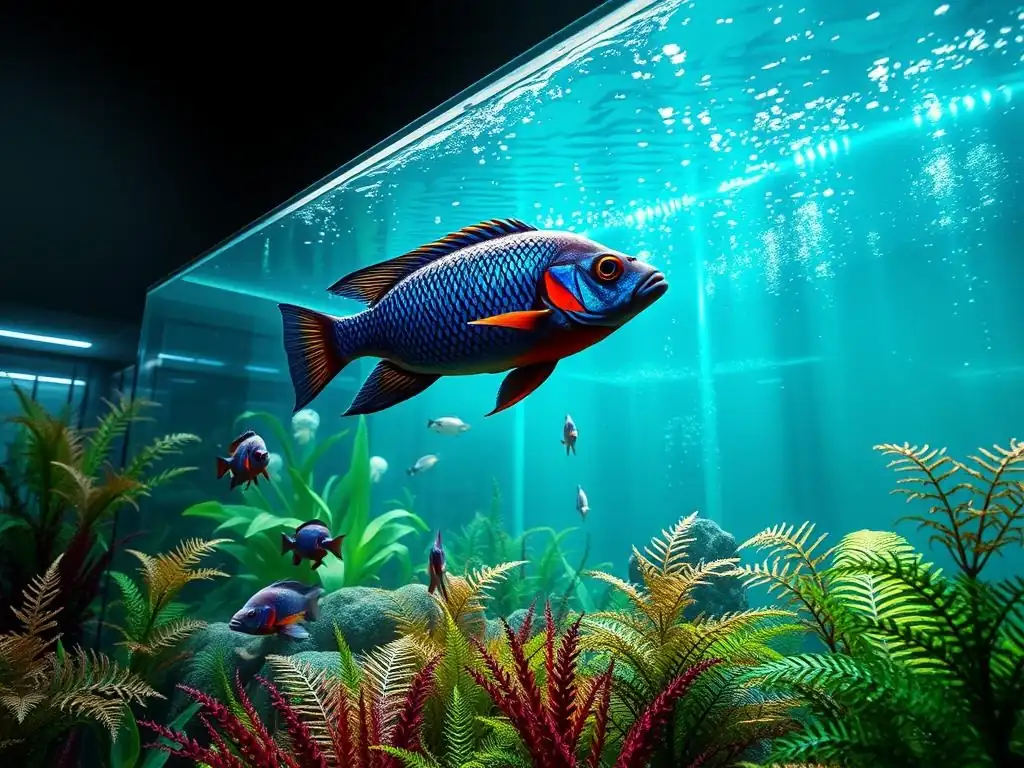
Ever wondered how the pros keep those stunning cichlids thriving? Unlocking the secrets of stable water chemistry is key, especially in larger tanks. Dive into our article, "Water Chemistry for Big Cichlids: The Science of Stability in Large Aquariums," and discover the vital balance needed to create a healthy and vibrant environment for your finned friends. What crucial elements are you missing? Let's find out!
- Water Chemistry for South American Cichlids: Achieving Stability in Large Aquariums
- Understanding South American Cichlid Water Chemistry Needs for Optimal Health
- Key Water Parameters for South American Cichlids in Large Aquariums
- Achieving Cichlid Water Chemistry Stability: A Step-by-Step Guide
- Maintaining Long-Term Cichlid Water Chemistry Stability
- Troubleshooting Common Cichlid Water Chemistry Problems
- Advanced Techniques for Optimizing Cichlid Water Quality
-
Frequently Asked Questions
- What makes water chemistry stability so crucial for large Cichlids?
- What are the key water parameters I need to monitor for Cichlid tanks?
- How often should I perform water changes in a Cichlid aquarium?
- What filtration methods are best for maintaining stable water chemistry in a Cichlid tank?
- What role do substrate and decorations play in Cichlid water chemistry?
- Final Reflection: The Enduring Balance of Cichlid Life
- Unlock Your Cichlid Paradise!
Water Chemistry for South American Cichlids: Achieving Stability in Large Aquariums
Understanding South American Cichlid Water Chemistry Needs for Optimal Health
Why Water Parameters Matter for South American Cichlids
Water parameters are the invisible architects of an aquarium's ecosystem, profoundly influencing the health and well-being of its inhabitants, especially large South American cichlids. These parameters, including temperature, pH, hardness (GH and KH), and nitrogenous compounds like ammonia, nitrite, and nitrate, directly impact a cichlid's physiological functions.
For instance, incorrect pH can disrupt a fish's ability to regulate its internal salt and water balance (osmoregulation), leading to severe stress and organ damage. High levels of ammonia, even at concentrations as low as 0.25 ppm, can burn gills, prevent oxygen uptake, and lead to irreversible organ damage or death, making diligent monitoring crucial for cichlid health.
Beyond immediate toxicity, suboptimal water chemistry can weaken a cichlid's immune system, making it more susceptible to common diseases like Ich or bacterial infections. For example, a sudden drop in temperature or a drastic pH swing can stress fish, causing them to flash against tank decor or develop clamped fins, clear indicators of discomfort. Understanding and maintaining the specific water chemistry requirements for species like Oscars, Discus, and Angelfish is not merely about survival; it's about fostering an environment where these magnificent fish can thrive, display their natural colors, and exhibit healthy behaviors.
The Importance of Stable Water Conditions for Cichlid Health and Longevity
While achieving ideal water parameters is a primary goal, maintaining consistent and stable conditions is arguably even more critical for the long-term health and longevity of South American cichlids. Rapid or significant fluctuations in temperature, pH, or hardness can be far more detrimental than slightly off but stable parameters.
Fish are highly sensitive to sudden environmental shifts, which can induce severe osmotic shock, compromise their immune response, and lead to rapid deterioration of health. For instance, a pH swing from 7.0 to 6.0 within a few hours can cause extreme stress, leading to lethargy, loss of appetite, and even death.
Achieving Cichlid water chemistry stability minimizes stress, allowing fish to allocate their energy to growth, vibrant coloration, and even breeding behaviors. A stable environment reduces the likelihood of disease outbreaks, as the fish's natural defenses are not constantly battling environmental stressors. This Cichlid water chemistry stability also supports the beneficial bacterial colonies that are essential for the nitrogen cycle, ensuring that toxic ammonia and nitrite are efficiently converted to less harmful nitrates. Consistent water parameters contribute significantly to a cichlid's lifespan, enabling them to live for their full potential, which for an Oscar can be 10-15 years, or for a Discus, 10 years or more, provided their environment remains consistently pristine.
Key Water Parameters for South American Cichlids in Large Aquariums
Temperature Requirements for Discus, Oscars, and Angelfish
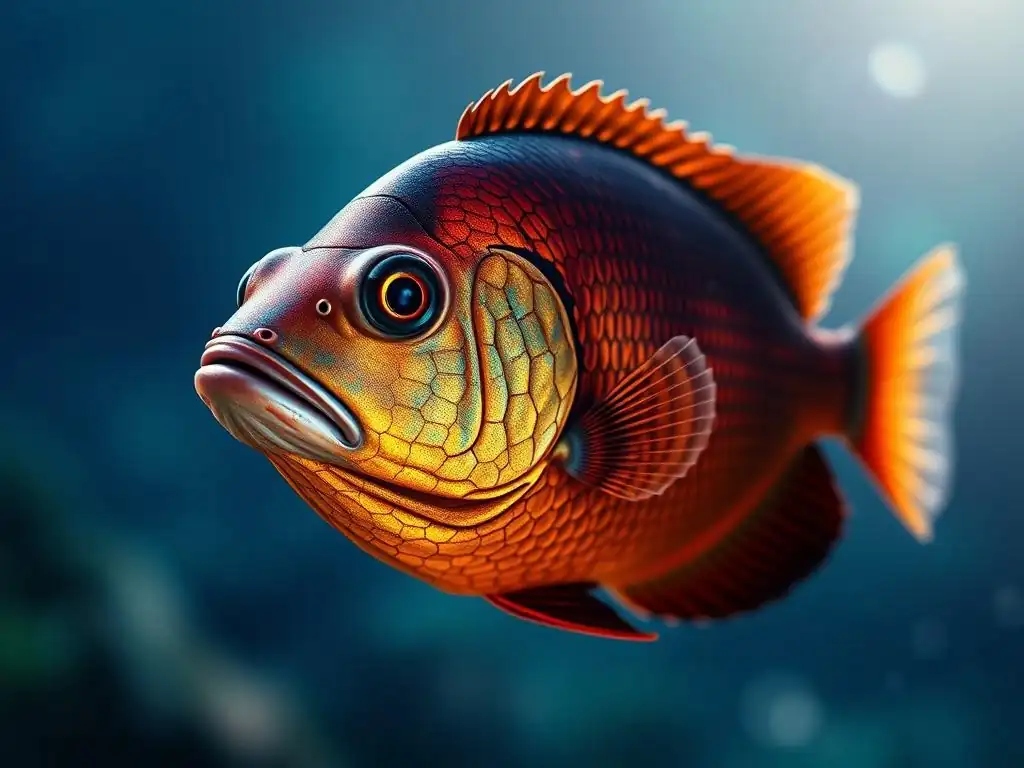
Temperature is a fundamental water parameter that significantly influences the metabolic rate, immune function, and overall well-being of South American cichlids. Different species within this group have distinct thermal preferences. Discus (Symphysodon spp. ), for instance, are renowned for their preference for warmer water, typically thriving in a range of 82-86°F (28-30°C). Maintaining this elevated temperature is crucial for their immune system and efficient digestion, as lower temperatures can suppress their appetite and make them vulnerable to diseases.
In contrast, Oscars (Astronotus ocellatus) and Angelfish (Pterophyllum scalare) are more tolerant of slightly cooler temperatures. Oscars generally prefer a range of 74-80°F (23-27°C), while Angelfish are comfortable between 75-82°F (24-28°C). Keeping temperatures within these species-specific ranges is vital. Temperatures outside these optimal zones can cause stress, reduce activity levels, and compromise the fish's ability to fight off pathogens. Consistent temperature management, often achieved with reliable heaters sized appropriately for large aquariums, is a cornerstone of Cichlid water chemistry stability.
pH Levels: Maintaining the Ideal Acidity for South American Cichlid Species
pH is a measure of the acidity or alkalinity of water, expressed on a scale of 0 to 14, where 7.0 is neutral. South American cichlids, originating from diverse river systems like the Amazon, generally prefer slightly acidic to neutral water. The ideal pH range for most South American cichlids falls between 6.0 and 7.5.
For instance, Discus are best kept in softer, more acidic water, with an optimal pH range of 6.0-7.0, especially for breeding purposes. Angelfish also prefer slightly acidic to neutral conditions, typically 6.5-7.5. Oscars are more adaptable but generally thrive in a pH range of 6.5-7.5.
Maintaining the correct pH is critical because it affects a cichlid's osmoregulation and the toxicity of nitrogenous waste products. For example, ammonia (NH3) is far more toxic at higher pH levels, converting into less harmful ammonium (NH4+) at lower pH. This means that a slight rise in pH in a tank with even minimal ammonia can become acutely dangerous. Consistent pH is also paramount for Cichlid water chemistry stability, as rapid pH swings can cause severe stress, damage gills, and even lead to fatalities. Regular monitoring and gradual adjustments are key to successful pH management.
Water Hardness (GH & KH): Understanding Mineral Content for Cichlids
Water hardness refers to the concentration of dissolved minerals, primarily calcium and magnesium, and is measured as General Hardness (GH) and Carbonate Hardness (KH). Both play distinct yet crucial roles in Cichlid water chemistry stability.
General Hardness (GH) and Cichlid Health
General Hardness (GH) quantifies the concentration of divalent metal ions, predominantly calcium (Ca2+) and magnesium (Mg2+). These minerals are essential for a cichlid's osmoregulation, bone development, and various metabolic functions. South American cichlids typically originate from regions with soft to moderately soft water. Ideal GH ranges for these species are generally between 2-10 dGH (degrees of General Hardness), which translates to approximately 35-175 ppm (parts per million). For example, Discus thrive in very soft water, often preferring GH levels of 1-5 dGH (17-85 ppm), which mimics their native Amazonian blackwater habitats.
Conversely, species like Oscars are more adaptable and can tolerate a slightly wider range, typically 5-12 dGH (85-210 ppm). Maintaining appropriate GH is vital for preventing issues such as osmotic stress, where fish struggle to regulate water balance within their bodies. Excessively hard water can strain a cichlid's kidneys, while extremely soft water can lead to mineral deficiencies. Regular testing of GH allows aquarists to ensure the mineral content is suitable for their specific cichlid species, contributing to overall Cichlid water chemistry stability.
Carbonate Hardness (KH) and pH Buffering for Stability
Carbonate Hardness (KH), also known as alkalinity, measures the concentration of bicarbonate and carbonate ions in the water. KH is arguably the most critical parameter for Cichlid water chemistry stability because it acts as a natural buffer, preventing drastic fluctuations in pH. These bicarbonate ions neutralize acids that naturally accumulate in an aquarium from fish waste, respiration, and the breakdown of organic matter. Without sufficient KH, the pH can "crash," meaning it drops rapidly and severely, often leading to immediate and fatal consequences for fish.
For most South American cichlids, an ideal KH range is typically 3-8 dKH (approximately 50-140 ppm). At levels below 3 dKH, the buffering capacity becomes dangerously low, making the tank highly susceptible to pH crashes. For instance, in a 150-gallon tank with a heavy bioload of adult Oscars, a KH below 3 dKH could lead to a pH crash overnight, especially if there's an accumulation of organic acids. Monitoring KH regularly, perhaps weekly or bi-weekly depending on tank stability, is essential to ensure adequate buffering capacity and prevent the catastrophic pH swings that undermine Cichlid water chemistry stability.
Ammonia, Nitrite, and Nitrate: The Nitrogen Cycle and Cichlid Safety
The nitrogen cycle is the cornerstone of a healthy aquarium and paramount for Cichlid water chemistry stability. It describes the biological process by which toxic fish waste products are converted into less harmful substances. This cycle involves three key compounds: ammonia, nitrite, and nitrate. Ammonia (NH3), produced from fish waste, uneaten food, and decaying organic matter, is highly toxic to fish, even at very low concentrations. For example, ammonia levels as low as 0.05 ppm can cause gill damage, lethargy, and increased susceptibility to disease in cichlids.
During the nitrogen cycle, beneficial bacteria (Nitrosomonas) convert ammonia into nitrite (NO2), which is also extremely toxic to fish, interfering with their blood's ability to carry oxygen. Nitrite levels should always be 0 ppm. Subsequently, another group of beneficial bacteria (Nitrobacter) converts nitrite into nitrate (NO3), which is significantly less toxic. While nitrates are less harmful, they accumulate over time and can still cause stress and health issues if levels become too high. For most South American cichlids, nitrate levels should ideally be kept below 20 ppm, and for sensitive species like Discus, below 10 ppm. A properly cycled tank with robust biological filtration ensures that ammonia and nitrite remain at undetectable levels, providing the foundation for long-term Cichlid water chemistry stability.
Achieving Cichlid Water Chemistry Stability: A Step-by-Step Guide
Step 1: Selecting the Right Aquarium Substrate for Water Chemistry
The substrate chosen for a large cichlid aquarium plays a significant role in influencing and maintaining Cichlid water chemistry stability. For most South American cichlids, which prefer soft, acidic to neutral water, selecting an inert substrate is crucial. Inert substrates do not leach minerals into the water, thereby preventing unwanted increases in pH or hardness. Excellent choices include natural silica sand, fine inert gravel, or specialized aquarium sands like CaribSea Super Naturals. These materials provide a natural aesthetic and are safe for bottom-dwelling cichlids like Oscars, which often sift through the substrate.
Conversely, substrates containing calcium carbonate, such as crushed coral, aragonite sand, or limestone rocks, should be strictly avoided unless you are specifically aiming for higher pH and hardness, which is generally not suitable for typical South American cichlids. These materials will continuously dissolve over time, raising both GH and KH, and consequently, the pH, making it difficult to maintain the soft, acidic conditions preferred by species like Discus or Angelfish. A 150-gallon tank filled with inert play sand, for instance, will provide a stable base that won't interfere with the delicate balance of Cichlid water chemistry stability.
Step 2: Choosing Filtration Systems for Large Cichlid Tanks
Large South American cichlids, due to their size and often voracious appetites, produce a substantial bioload, necessitating robust and efficient filtration systems. Adequate filtration is paramount for maintaining Cichlid water chemistry stability by effectively removing physical waste, detoxifying nitrogenous compounds, and clarifying the water. For tanks housing species like Oscars or Severums, which can reach lengths of 12-18 inches, canister filters are often the preferred choice due to their large media capacity and powerful flow rates. Many aquarists opt for multiple canister filters or a combination of canister and sumps for tanks exceeding 100 gallons to ensure comprehensive filtration.
A high-quality filtration system for a large cichlid tank should incorporate mechanical, biological, and potentially chemical filtration components. For example, a Fluval FX6 canister filter, rated for tanks up to 400 gallons, can process over 900 gallons per hour, making it an excellent option for a 180-gallon cichlid setup. The sheer volume of water turnover and media space provided by such systems are vital for handling the significant amount of waste produced by large cichlids, thus directly contributing to the long-term Cichlid water chemistry stability.
Mechanical Filtration for Clear Water
Mechanical filtration is the first line of defense in maintaining clear water and reducing the organic load in a large cichlid aquarium. Its primary function is to physically remove particulate matter, such as uneaten food, fish waste, and decaying plant material, from the water column. This is typically achieved using filter floss, sponges, or filter pads with varying pore sizes. By trapping these larger particles, mechanical filtration prevents them from breaking down and contributing to ammonia and nitrite spikes, which are detrimental to Cichlid water chemistry stability.
Regular maintenance of mechanical filter media is crucial. For instance, in a 125-gallon tank housing two adult Oscars, filter sponges and floss in a canister filter might need rinsing weekly or bi-weekly, depending on feeding habits and bioload. If left uncleaned, clogged mechanical media can reduce water flow, become a source of decaying organic matter itself, and hinder the efficiency of the entire filtration system. Prompt removal of solid waste ensures that the biological filtration components are not overwhelmed and can focus on the essential task of nitrogen cycle management.
Biological Filtration: The Foundation of Cichlid Water Chemistry Stability
Biological filtration is the absolute cornerstone of Cichlid water chemistry stability, especially in large aquariums housing substantial fish like South American cichlids. This type of filtration relies on beneficial nitrifying bacteria (primarily Nitrosomonas and Nitrobacter) that colonize porous media within the filter. These bacteria are responsible for the vital process of converting highly toxic ammonia (NH3) into less toxic nitrite (NO2), and then converting nitrite into relatively harmless nitrate (NO3). Without a robust biological filter, ammonia and nitrite would quickly accumulate to lethal levels.
Effective biological media provides a vast surface area for these bacteria to thrive. Examples include ceramic rings, bio-balls, sintered glass media (like Seachem Matrix), and even coarse filter sponges. For a 180-gallon cichlid tank, using 2-3 liters of high-quality bio-media in a large canister filter or sump is recommended to establish a sufficient bacterial colony. This ensures that the nitrogen cycle functions efficiently, keeping ammonia and nitrite at undetectable levels (0 ppm), which is non-negotiable for Cichlid water chemistry stability and the long-term health of your fish.
Chemical Filtration Options for Water Parameter Adjustments
Chemical filtration involves the use of specialized media that remove dissolved impurities, odors, discoloration, and specific chemical compounds from the water. While not always strictly necessary for basic Cichlid water chemistry stability, it can be highly beneficial for fine-tuning water quality or addressing specific issues. Activated carbon is a common chemical filter medium that effectively removes odors, yellowing pigments, and residual medications. However, its effectiveness typically diminishes after 3-4 weeks, requiring regular replacement.
Other advanced chemical media, such as Purigen or Chemi-Pure Elite, are excellent for removing organic waste, tannins, and precursors to ammonia, nitrite, and nitrate, thereby further enhancing water clarity and reducing the overall organic load. For those aiming to maintain softer, more acidic conditions for species like Discus, peat moss can be used as a chemical filter medium. When placed in a media bag within the filter, peat slowly releases humic acids and tannins, which can naturally lower pH and soften the water, contributing to the desired Cichlid water chemistry stability for these sensitive species.
Step 3: Regular Water Testing and Monitoring
Regular water testing and monitoring are indispensable practices for maintaining Cichlid water chemistry stability. It's impossible to manage what you don't measure, and visual cues alone are often insufficient to detect subtle but dangerous shifts in water parameters. Consistent testing allows aquarists to track trends, identify potential problems before they become critical, and make informed decisions about maintenance and adjustments. For example, testing pH, ammonia, nitrite, nitrate, GH, and KH weekly provides a comprehensive snapshot of the tank's health.
For a new 100-gallon cichlid tank undergoing its initial cycle, daily testing of ammonia and nitrite is crucial to track the progress of beneficial bacteria. Once the tank is established and stocked, weekly testing is generally sufficient for most parameters, with more frequent checks (e.g., daily for pH and KH) if you are attempting to adjust parameters or if fish show signs of stress. This proactive approach to monitoring water chemistry is far more effective than reacting to visible problems, which often indicate that conditions have already become detrimental to the fish.
Recommended Water Testing Kits for Cichlid Aquariums
When it comes to assessing Cichlid water chemistry stability, the accuracy and reliability of your testing equipment are paramount. Liquid reagent test kits are overwhelmingly recommended over test strips for their superior precision and consistency. The API Freshwater Master Test Kit, for example, is a widely popular and reliable choice among aquarists. It typically includes tests for pH, high range pH, ammonia, nitrite, and nitrate, covering the most critical parameters for the nitrogen cycle.
For South American cichlids, which often have specific hardness requirements, supplementary liquid test kits for General Hardness (GH) and Carbonate Hardness (KH) are also essential. Brands like API, Salifert, and Seachem offer accurate standalone GH and KH test kits. While test strips offer convenience, their results can be notoriously inaccurate and difficult to interpret precisely, making them unsuitable for the detailed monitoring required to ensure optimal Cichlid water chemistry stability. Investing in a good quality liquid test kit is a fundamental step for any serious cichlid keeper.
Interpreting Water Test Results: Identifying Potential Problems
Interpreting water test results correctly is as important as performing the tests themselves in maintaining Cichlid water chemistry stability. Understanding what specific readings signify allows for prompt intervention and prevents minor issues from escalating into major problems. For example, if your ammonia or nitrite test reads anything above 0 ppm, it indicates a serious problem with your biological filtration, potentially due to an uncycled tank, overfeeding, or a filter crash. Immediate action, such as a large water change (e.g., 50% or more), is required to dilute these toxins.
Similarly, consistently rising nitrate levels (e.g., above 20 ppm) suggest that your water change routine is insufficient for your tank's bioload, necessitating more frequent or larger water changes. A KH reading below 3 dKH signals dangerously low buffering capacity, putting your pH at risk of a sudden crash, especially in a heavily stocked 100-gallon cichlid tank. Conversely, a consistently high pH (above 7.5 for most SA cichlids) might indicate the presence of carbonate-leaching rocks or substrate, requiring their removal or the implementation of pH-lowering methods. Regular interpretation of these results empowers you to proactively safeguard your Cichlid water chemistry stability.
Step 4: Performing Regular Water Changes for Cichlid Health
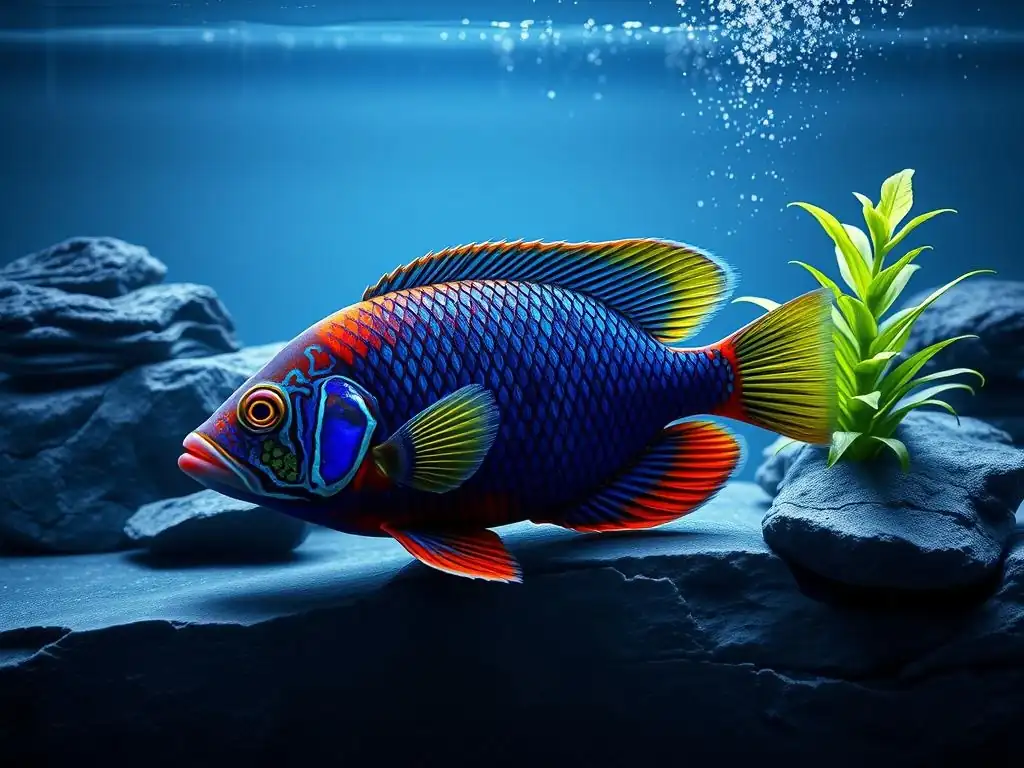
Regular water changes are arguably the single most effective and fundamental practice for maintaining Cichlid water chemistry stability and the overall health of your fish. This essential routine directly removes accumulated nitrates, phosphates, dissolved organic compounds, and other pollutants that build up over time. While filtration systems are excellent at processing waste, they cannot eliminate everything, particularly nitrates, which are the end product of the nitrogen cycle.
By replacing a portion of the old tank water with fresh, dechlorinated water, you effectively dilute these harmful substances, replenish essential trace elements, and stabilize parameters like pH and hardness. For instance, in a 150-gallon tank housing large South American cichlids like Oscars, nitrates can easily climb to 40-50 ppm within a week if water changes are neglected. Performing a substantial water change (e.g., 30-50%) weekly or bi-weekly is crucial to keep nitrate levels below 20 ppm, ensuring a consistently healthy environment and robust Cichlid water chemistry stability.
Water Change Frequency and Volume for Large Cichlid Tanks
The optimal frequency and volume of water changes for large cichlid tanks depend primarily on the bioload (number and size of fish), feeding habits, and the results of nitrate tests. For heavily stocked large cichlid aquariums (e.g., a 125-gallon tank with several adult Oscars or Severums), a minimum of 25-50% water change weekly is typically recommended. For more sensitive species like Discus, especially when kept in high numbers or during breeding, a 50% water change twice a week, or even daily smaller changes, might be necessary to maintain pristine water quality and Cichlid water chemistry stability.
Less heavily stocked tanks might get away with bi-weekly changes, but it's always best to let your nitrate test results guide your schedule. If nitrates consistently rise above 20 ppm between changes, increase the frequency or volume. For instance, if a 90-gallon tank with three juvenile cichlids shows nitrates at 15 ppm after one week, a 25% weekly change is likely sufficient. However, once those cichlids mature and nitrates hit 30 ppm, increasing to a 40-50% weekly change becomes critical for preventing long-term stress and ensuring Cichlid water chemistry stability.
Dechlorinating Water for Cichlid Aquariums: Protecting Your Fish
Dechlorinating tap water before adding it to your cichlid aquarium is an absolutely critical step that cannot be overlooked. Municipal tap water typically contains chlorine or chloramines, which are disinfectants used to make water safe for human consumption. However, these chemicals are highly toxic to fish, causing severe gill damage and respiratory distress even at very low concentrations. Furthermore, chlorine and chloramines are lethal to the beneficial nitrifying bacteria that are essential for the nitrogen cycle and, consequently, for Cichlid water chemistry stability.
Always use a high-quality water conditioner or dechlorinator (e.g., Seachem Prime, API Stress Coat) to neutralize these harmful chemicals. It's crucial to treat the entire volume of the tank water, not just the volume of new water being added, especially if using concentrated products like Seachem Prime that also detoxify ammonia and nitrite. For example, if you are performing a 50-gallon water change on a 100-gallon tank, you should add enough dechlorinator for 100 gallons, as the product needs to interact with any existing toxins in the tank. This simple step protects your fish and preserves the vital bacterial colonies that underpin Cichlid water chemistry stability.
Step 5: Adjusting Water Parameters Safely and Gradually
Adjusting water parameters in a large cichlid aquarium requires a slow, careful, and gradual approach to avoid shocking the fish. Rapid changes in pH, temperature, or hardness can induce severe stress, osmotic shock, and even death. The goal is to achieve Cichlid water chemistry stability, not to make swift, dramatic alterations.
Raising pH in Cichlid Tanks: Safe Methods and Considerations
Raising pH in South American cichlid tanks is generally not a common requirement, as most species prefer slightly acidic to neutral conditions. However, if your source water is unusually acidic (e.g., below pH 6.0) and you are keeping species that prefer a more neutral range (like some Oscars or Angelfish that tolerate up to 7.5), gradual adjustment might be considered.
The safest methods involve increasing the buffering capacity (KH) of the water, which in turn stabilizes pH at a slightly higher level. Products like Seachem Alkaline Buffer or crushed coral (used very sparingly in a filter bag) can slowly raise KH and pH.
Adding aeration can also slightly raise pH by driving off dissolved carbon dioxide, which forms carbonic acid in water. It is crucial to make any pH adjustments incrementally, over several days or even weeks, by adding small amounts of buffering agents during regular water changes. For example, if aiming to raise pH from 6.0 to 6.8 in a 100-gallon tank, you might add a small, measured dose of buffer only during a 25% weekly water change, monitoring the pH carefully over the subsequent days. Never use drastic chemical "pH up" solutions as they can lead to dangerous pH swings, undermining Cichlid water chemistry stability.
Lowering pH in Cichlid Tanks: Natural and Chemical Approaches
Lowering pH is a more common requirement for South American cichlid enthusiasts, particularly for species like Discus, which thrive in soft, acidic conditions (pH 6.0-7.0). Natural methods are generally preferred for their gentle and gradual effects, contributing to better Cichlid water chemistry stability. The introduction of driftwood (e.g., Malaysian, Mopani) and Indian almond leaves (catappa leaves) slowly releases tannins and humic acids into the water, which naturally lower pH and soften water while also providing beneficial antibacterial properties. Peat moss, placed in a media bag within the filter, is another effective natural method that both softens water and lowers pH.
For more precise or significant pH reduction, especially when dealing with very hard or alkaline source water, diluting tap water with Reverse Osmosis (RO) or Deionized (DI) water is the most controlled and effective chemical-free approach. RO/DI water has virtually no minerals and a neutral pH, allowing the aquarist to "build" the desired water parameters by re-mineralizing it appropriately. Direct chemical "pH down" products should be used with extreme caution, if at all, as they can cause rapid and dangerous pH crashes, severely compromising Cichlid water chemistry stability. For instance, to achieve a pH of 6.5 for Discus in a 100-gallon tank with tap water at pH 7.8, mixing 50% tap water with 50% RO water might be a necessary starting point, followed by the addition of driftwood.
Increasing Water Hardness (GH/KH): Products and Techniques
Increasing water hardness (both GH and KH) is less commonly required for most South American cichlids, as they typically prefer soft to moderately hard water. However, if your source water is exceptionally soft (e.g., less than 2 dGH or 3 dKH) and you are keeping species that prefer slightly harder conditions, or if your KH is too low to provide adequate pH buffering, adjustments may be necessary.
For increasing GH, products like Seachem Equilibrium or commercial GH boosters can be used to add essential minerals like calcium and magnesium. These products are specifically formulated for planted tanks but are safe for fish and can be used to raise GH without significantly impacting KH.
To increase KH and boost buffering capacity, products like Seachem Alkaline Buffer or API pH Up (which contains buffering salts) are effective. Crushed coral or aragonite can also be sparingly added to a filter bag or directly to the substrate, as they slowly dissolve and release carbonates, raising both KH and pH. It's crucial to make these additions gradually, perhaps by adding a small amount during each weekly water change, and monitoring the parameters closely to avoid sudden spikes. For example, if your 75-gallon tank's KH is consistently below 2 dKH, adding a tablespoon of crushed coral to a media bag in the filter could slowly raise it to a safer 4-5 dKH, enhancing Cichlid water chemistry stability.
Decreasing Water Hardness (GH/KH): Options for Softening Water
Decreasing water hardness (GH and KH) is often a key objective for South American cichlid enthusiasts, especially those keeping sensitive species like Discus or breeding specific types of angels that thrive in very soft, acidic water. The most effective and precise method for reducing both GH and KH is the use of Reverse Osmosis (RO) or Deionized (DI) water.
RO/DI units remove nearly all dissolved solids from tap water, producing pure water with virtually 0 GH and KH. This "blank slate" water can then be remineralized to the exact desired parameters by mixing it with a percentage of tap water or by adding specific mineral supplements.
Other methods for decreasing hardness include the use of peat filtration, which can slightly reduce both GH and KH while also lowering pH due to the release of humic acids. Ion-exchange resins, often found in specialized filter media, can also remove hardness ions. However, diluting with RO/DI water offers the most control and is the preferred method for achieving precise Cichlid water chemistry stability for demanding species. For instance, if your tap water is 15 dGH and you need 3 dGH for Discus in a 100-gallon tank, you might mix 80% RO water with 20% tap water, or simply use 100% RO water and remineralize with specific salts like Salty Shrimp GH/KH+ to the target hardness.
Maintaining Long-Term Cichlid Water Chemistry Stability
Preventing pH Crashes in Large Cichlid Aquariums
Preventing pH crashes is paramount for long-term Cichlid water chemistry stability in large aquariums. A pH crash occurs when the water's buffering capacity (KH) is depleted, allowing accumulated acids to rapidly drive down the pH, often to dangerously low levels. This can happen in heavily stocked tanks, tanks with insufficient water changes, or those using CO2 injection without adequate KH. The most effective strategy to prevent a pH crash is to ensure sufficient carbonate hardness. Regularly test your KH levels; for South American cichlids, maintaining a KH of at least 3-4 dKH (50-70 ppm) provides a safe buffer.
Regular and adequate water changes are also critical, as they remove accumulated organic acids and replenish bicarbonate ions, effectively "recharging" the buffer. For example, in a 180-gallon tank with a high bioload of large cichlids, performing a weekly 30-40% water change is essential to prevent the buildup of acids that would otherwise deplete the KH. Avoiding overfeeding and overstocking also reduces the organic load, lessening the acid production. Continuous monitoring of KH, especially if you notice fish acting lethargic or breathing heavily, is key to proactive management and safeguarding Cichlid water chemistry stability.
Avoiding Ammonia Spikes: Best Practices for Cichlid Tank Maintenance
Avoiding ammonia spikes is fundamental to maintaining Cichlid water chemistry stability and ensuring the survival of your fish. Ammonia spikes typically occur when the biological filtration system is overwhelmed or compromised, leading to a rapid accumulation of this highly toxic compound. Best practices include never overfeeding your cichlids; only offer what they can consume within 2-3 minutes, twice a day. Excess food decays, producing ammonia. Similarly, avoid overstocking your large cichlid tank, as more fish inherently produce more waste than the beneficial bacteria can process.
Regular and thorough maintenance is also crucial. Perform routine gravel vacuuming during water changes to remove uneaten food and detritus from the substrate, which are significant sources of ammonia. Clean filter media regularly, but avoid sterilizing biological media, as this kills beneficial bacteria.
For instance, rinsing filter sponges in old tank water during a water change preserves the bacterial colonies. Always ensure your tank has a robust and fully cycled biological filter that can handle the bioload. If an ammonia spike does occur (e.g., above 0 ppm), perform an immediate large water change (50% or more) and use a detoxifying water conditioner (like Seachem Prime) to temporarily neutralize the ammonia until the biological filter recovers.
Managing Nitrate Levels: Balancing Water Changes and Plant Uptake
Managing nitrate levels is a continuous process crucial for maintaining Cichlid water chemistry stability in large aquariums. While nitrates are the least toxic of the nitrogenous compounds, consistently high levels (above 20 ppm for most cichlids, or 10 ppm for sensitive species like Discus) can lead to chronic stress, weakened immune systems, and stunted growth. The primary method for nitrate removal is regular partial water changes, as beneficial bacteria convert ammonia and nitrite to nitrate but do not remove nitrate from the water.
The frequency and volume of water changes should be dictated by your tank's bioload and nitrate test results. For example, a 150-gallon tank with a heavy population of adult cichlids might require a 40-50% water change weekly to keep nitrates consistently below 20 ppm. Live plants also play a significant role in managing nitrates, as they absorb these compounds as a primary nutrient source for growth. Incorporating robust plant species like Amazon Swords (Echinodorus spp. ), Anubias, or Java Fern can help naturally reduce nitrate accumulation. However, even with plants, regular water changes remain indispensable for comprehensive Cichlid water chemistry stability.
The Role of Live Plants in Cichlid Water Chemistry
Live plants contribute significantly to Cichlid water chemistry stability in several ways, making them a valuable addition to many large cichlid aquariums, provided species compatibility is considered. Firstly, plants act as natural filters, actively absorbing nitrates, phosphates, and other dissolved organic waste products from the water column. This directly helps to reduce the bioload and keep nitrate levels in check, lessening the frequency or volume of necessary water changes. For instance, a heavily planted 75-gallon tank can show significantly lower nitrate accumulation compared to a bare-bottom tank with a similar fish load.
Secondly, during daylight hours, plants perform photosynthesis, releasing oxygen into the water, which is vital for fish respiration. They also consume carbon dioxide, which can help stabilize pH, especially in tanks with high CO2 levels from respiration or active injection. While some large cichlids, such as Oscars or Texas cichlids, are known for uprooting or eating plants, many South American species, like Discus, Angelfish, and Severums, coexist well with robust, rooted plants like Amazon Swords, Cryptocoryne, or Anubias attached to driftwood. These plants not only aid Cichlid water chemistry stability but also provide natural hiding spots and reduce stress for the fish.
Troubleshooting Common Cichlid Water Chemistry Problems
Cloudy Water in Cichlid Tanks: Causes and Solutions
Cloudy water in a large cichlid tank is a common issue that often signals an underlying water chemistry problem or imbalance. One frequent cause is a bacterial bloom, which typically occurs in newly set up tanks undergoing the nitrogen cycle, or in established tanks experiencing a sudden increase in organic load (e.g., overfeeding, decaying fish).
This bloom consists of a rapid proliferation of beneficial bacteria trying to process excess nutrients, making the water appear milky or hazy. The solution involves reducing feeding, ensuring adequate filtration, and performing small, frequent water changes (e.g., 20% daily for a few days) to dilute nutrients without disrupting the cycle.
Another cause of cloudy water can be an abundance of particulate matter, often due to insufficient mechanical filtration, inadequate gravel vacuuming, or substrate disturbance. If the cloudiness is more like fine dust, it suggests mechanical filtration needs improvement (e.g., adding filter floss, increasing flow). Algae blooms, particularly green water, can also cause cloudiness, indicating an excess of light and nutrients (nitrates/phosphates). Addressing these root causes, rather than relying on chemical clarifiers, is essential for long-term Cichlid water chemistry stability. For example, if a 100-gallon tank becomes cloudy after a large feeding, it points to overfeeding and potentially insufficient mechanical filtration, requiring reduced feeding and filter maintenance.
Algae Blooms: Addressing Nutrient Imbalances
Algae blooms are a common nuisance in cichlid aquariums and are almost always a direct indicator of nutrient imbalances in the water chemistry. Green water, stringy green algae, or brown diatom algae typically proliferate when there's an excess of light, high levels of nitrates and phosphates, or a combination of both. For instance, if your 150-gallon tank consistently tests high for nitrates (e.g., above 30 ppm) and is exposed to direct sunlight for several hours a day, a persistent algae problem is highly likely.
To address algae blooms and restore Cichlid water chemistry stability, a multi-pronged approach is necessary. First, reduce excess nutrients: perform larger and more frequent water changes (e.g., 50% weekly) to dilute nitrates and phosphates. Reduce feeding to prevent uneaten food from decaying and contributing to nutrient load. Second, control lighting: limit light duration to 8-10 hours per day and ensure the tank is not exposed to direct sunlight. Third, consider introducing live plants that compete with algae for nutrients, such as fast-growing stem plants or floating plants (if compatible with your cichlids). Scrubbing visible algae during maintenance is a temporary fix; addressing the underlying nutrient imbalance is the long-term solution for optimal Cichlid water chemistry stability.
Sudden Fish Deaths: Investigating Water Chemistry as a Potential Cause
Sudden fish deaths in a cichlid aquarium are alarming and, in many cases, point directly to a severe and rapid deterioration in water chemistry. When multiple fish die unexpectedly, water parameters should be the very first thing to investigate, even before considering disease. The most common culprits for acute fish fatalities are sudden spikes in highly toxic compounds or drastic shifts in pH or temperature.
Always test for ammonia, nitrite, and pH immediately. Any detectable levels of ammonia or nitrite (above 0 ppm) are extremely dangerous and can cause rapid death, especially in established tanks where these should be absent.
A sudden pH crash, often due to depleted carbonate hardness (KH), can also be fatal. For example, if a 90-gallon tank's KH drops to 1 dKH, a sudden pH drop from 7.0 to 5.0 overnight can instantly kill sensitive cichlids. Similarly, a significant and rapid temperature swing (e.g., a heater malfunction causing a 10-degree drop or rise) can induce fatal thermal shock. When investigating, also test your source water to rule out contaminants. If water parameters are confirmed to be off, perform an immediate large water change (50% or more) using dechlorinated, temperature-matched water, and address the root cause of the parameter imbalance to prevent further losses and re-establish Cichlid water chemistry stability.
Advanced Techniques for Optimizing Cichlid Water Quality
Using RO/DI Water for Precise Control
For aquarists seeking the utmost precision in Cichlid water chemistry stability, particularly for sensitive species like Discus or for specific breeding projects, the use of Reverse Osmosis (RO) or Deionized (DI) water is an advanced technique. RO/DI units filter tap water to remove nearly all dissolved solids, including minerals, chlorine, chloramines, and nitrates, resulting in water with virtually 0 GH, KH, and a neutral pH. This "blank slate" water allows the aquarist to precisely reconstruct the ideal water parameters by adding specific mineral supplements (re-mineralizers) or by mixing it with a controlled percentage of tap water.
For example, a Discus breeder might use 100% RO/DI water and then add a product like Seachem Equilibrium to achieve a precise GH of 3 dGH and a separate buffer (e.g., Seachem Acid Buffer/Alkaline Buffer combination) to maintain a stable pH of 6.5. This level of control is invaluable for species that are highly intolerant of fluctuations or specific mineral compositions. While investing in an RO/DI unit requires an upfront cost and ongoing maintenance, it provides unparalleled control over Cichlid water chemistry stability for the most demanding aquatic environments.
Implementing a Drip Acclimation System for New Cichlids
Implementing a drip acclimation system is an advanced but highly recommended technique for introducing new cichlids to an established aquarium, especially for sensitive or wild-caught specimens. This method minimizes the shock associated with sudden changes in water parameters (pH, temperature, hardness, and even salinity) between the transport bag water and the aquarium water. Instead of directly netting fish into the tank, the drip acclimation system slowly introduces tank water into the fish's transport bag or a separate container over an extended period, typically 1-3 hours.
To set up, place the new fish in a clean bucket or container with their original transport water. Use airline tubing to siphon water from the main aquarium into the bucket, regulating the flow with an airline valve to a slow drip (e.g., 1-2 drips per second). This gradual introduction allows the fish's physiology to slowly adjust to the new water chemistry. For example, a new wild-caught Discus being introduced to a 100-gallon tank with different pH and hardness should be drip acclimated for at least 2-3 hours, allowing the water in the bucket to slowly equalize with the tank water. This significantly reduces stress and enhances the chances of successful integration, contributing to overall Cichlid water chemistry stability for the new arrival.
Water Chemistry Considerations for Breeding Discus
Breeding Discus (Symphysodon spp.) is considered a pinnacle achievement in freshwater aquariology, largely due to their extremely specific water chemistry requirements during the spawning and fry-rearing phases. For successful breeding, Discus typically require very soft, acidic water, mimicking their native blackwater habitats.
Optimal parameters often fall within a pH range of 5.5-6.5, with General Hardness (GH) below 3 dGH (around 50 ppm) and Carbonate Hardness (KH) often below 1 dKH (17 ppm). This necessitates the use of Reverse Osmosis (RO) or Deionized (DI) water, which is then re-mineralized to precise levels using specific salts (e.g., Seachem Discus Trace, Salty Shrimp GH/KH+).
Maintaining Cichlid water chemistry stability during breeding is paramount. Even slight fluctuations in pH or hardness can cause eggs to fail to hatch or lead to the death of delicate fry. Many Discus breeders maintain dedicated breeding tanks, often smaller (20-40 gallons) and bare-bottomed for ease of cleaning, where water parameters can be meticulously controlled. Daily small water changes (e.g., 10-20%) with perfectly matched RO/DI water are common practice to ensure pristine conditions and optimal Cichlid water chemistry stability for egg and fry development, significantly increasing breeding success rates.
Frequently Asked Questions
What makes water chemistry stability so crucial for large Cichlids?
Unstable water parameters can cause significant stress to Cichlids, leading to weakened immune systems, increased susceptibility to disease, and even death. Maintaining stable conditions is especially important for large Cichlids due to their higher bioload and sensitivity.
What are the key water parameters I need to monitor for Cichlid tanks?
You should regularly test and monitor pH, ammonia, nitrite, and nitrate levels. Specifically, pH should be stable and within the preferred range for your specific Cichlid species, while ammonia and nitrite should always be at 0 ppm.
How often should I perform water changes in a Cichlid aquarium?
Water change frequency depends on your tank's size, the number of Cichlids, and their feeding habits. Generally, a 25-50% water change every 1-2 weeks is recommended to maintain water quality and prevent nitrate buildup.
What filtration methods are best for maintaining stable water chemistry in a Cichlid tank?
A combination of mechanical, biological, and chemical filtration is ideal. Mechanical filtration removes particulate matter, biological filtration converts harmful ammonia and nitrite, and chemical filtration can remove unwanted substances and stabilize pH.
What role do substrate and decorations play in Cichlid water chemistry?
Certain substrates, like crushed coral or aragonite, can help buffer the water and maintain a stable, higher pH, which is often preferred by many African Cichlids. Decorations should be aquarium-safe and not leach harmful substances into the water.
Final Reflection: The Enduring Balance of Cichlid Life
The intricate dance of water chemistry, as we've explored, is not merely a scientific exercise, but a vital lifeline for the majestic big cichlids we admire. Maintaining cichlid water chemistry stability is paramount, not just for their survival, but for the thriving ecosystem we strive to create within our aquariums. The principles of pH, buffering capacity, and nitrogen cycle management are not abstract concepts; they are the very foundation upon which a healthy and vibrant aquatic environment is built, reflecting our commitment to responsible fishkeeping.
This understanding of cichlid water chemistry extends far beyond the glass walls of our tanks. It's a microcosm of the larger ecological challenges we face on our planet, reminding us of the delicate balance required to sustain life. The lessons learned in managing the water parameters for these demanding fish translate to a greater appreciation for the interconnectedness of all living things and the importance of responsible stewardship. In water one sees one's own face; but in wine one beholds the heart of another.
- French Proverb. This proverb, while about wine, speaks to the clarity and understanding that comes from careful observation and management, just as we strive for in our aquariums.
Now, take a moment to reflect on your own role in this aquatic narrative. Consider how you can apply the principles of cichlid water chemistry stability to not only improve the lives of your fish, but also to cultivate a deeper understanding of the natural world. Let the knowledge you've gained inspire you to become a more informed and conscientious aquarist, ensuring that the vibrant world within your tank continues to flourish for generations to come.
Unlock Your Cichlid Paradise!
Thank you for diving into the fascinating world of water chemistry and discovering the secrets to a thriving big cichlid aquarium. Now that you're armed with this knowledge, let's put it into action!
- Strategically Adjust Your Water Parameters: Prioritize mastering your KH and pH for unparalleled stability.
- Explore Specialized Cichlid Buffers: Experiment with products designed to fine-tune your aquarium's chemistry.
- Share Your Successes (and Challenges!): Jump into our community forums at AquariumMastery.com and trade notes with fellow cichlid keepers.
What single water parameter shift are you most excited to implement in your aquarium this week?