
Water Wizardry for Variatus: Perfecting Parameters for Peak Condition

Welcome to Aquarium Mastery!
Ever wondered why your Variatus aren't showing off their vibrant colors? Unlock the secrets to creating the perfect aquatic environment with our Variatus water parameter troubleshooting guide. Dive in and discover how to fine-tune your tank, ensuring your fish thrive and flourish in optimal conditions. Let's transform your aquarium from good to great!
- Introduction to Variatus Water Quality Management
- Essential Water Parameters for Healthy Variatus
- Variatus Water Parameter Troubleshooting Guide
- Maintaining Perfect Water Quality for Variatus
- Advanced Variatus Water Chemistry Considerations
- Conclusion: The Art of Perfecting Variatus Water Chemistry
-
Frequently Asked Questions
- What are the ideal water parameters for Variatus fish in an aquarium?
- My Variatus are showing signs of stress, but my water tests normal. What else could be the problem?
- How often should I perform water changes in a Variatus aquarium to maintain optimal water quality?
- What are some common signs of poor water quality that I should watch out for in my Variatus tank?
- What type of filtration is best for maintaining stable water parameters in a Variatus aquarium?
- Final Reflection: The Ever-Flowing Quest for Aquatic Harmony
- Unlock the Secrets to a Thriving Variatus Paradise!
Introduction to Variatus Water Quality Management
Why Precise Water Parameters Matter for Variatus Health & Breeding
Maintaining precise water parameters is not merely a recommendation; it is the cornerstone of successful Variatus fish keeping, directly influencing their health, vitality, and reproductive success. Variatus, like all aquatic species, are highly sensitive to their environment. Deviations from their optimal water conditions can lead to chronic stress, weakened immune systems, and susceptibility to a myriad of diseases such as fin rot or ich. This stress compromises their ability to thrive, often manifesting as lethargy, loss of color, or erratic swimming patterns.
Furthermore, for aquarists interested in breeding Variatus, stable and appropriate water parameters are absolutely critical. Optimal conditions stimulate natural breeding behaviors, ensure the viability of eggs, and significantly increase the survival rate of fry. For instance, a consistent temperature within their preferred range encourages spawning, while stable pH and hardness levels support healthy egg development and prevent osmotic stress in newly hatched fry. Without diligent attention to these details, breeding efforts often prove futile, or the resulting offspring are weak and prone to early mortality.
Understanding the Natural Habitat of Variatus Fish
To truly master the water chemistry for your Variatus, understanding their natural habitat is paramount. Variatus ( Xiphophorus variatus ), commonly known as the Variable Platy or Variatus Platy, originate from freshwater systems in Central America, specifically Mexico. They are typically found in slow-moving rivers, streams, canals, and ditches, often amidst dense vegetation. These environments are characterized by relatively stable conditions, with consistent temperatures and moderate to hard water.
The water in their native Mexican habitats is generally alkaline, with pH levels often ranging from 7.0 to 8.0, and possesses a moderate to high mineral content, contributing to its hardness. This natural predisposition means that Variatus thrive best when their aquarium environment closely mimics these conditions. Attempting to keep them in very soft or acidic water, for example, can put undue stress on their osmoregulation system, leading to long-term health issues despite seemingly clean water. Replicating these natural Variatus water parameters is key to their long-term well-being.
Essential Water Parameters for Healthy Variatus
Temperature: Keeping Your Variatus Comfortable
Optimal Temperature Range for Variatus
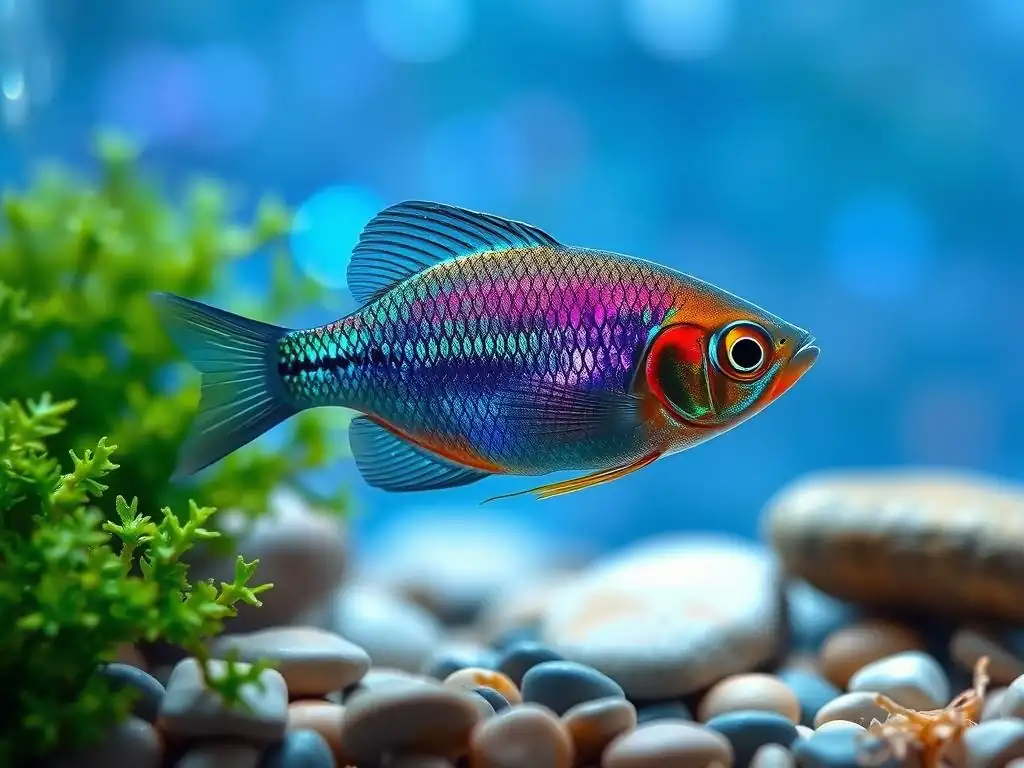
The ideal temperature range for Variatus fish is between 72°F and 78°F (22°C to 26°C). Maintaining a consistent temperature within this range is crucial for their metabolic processes, immune system function, and overall activity levels. Temperatures below this range can lead to sluggishness, reduced appetite, and increased susceptibility to common freshwater diseases like Ich (white spot disease), as their immune response is weakened. Conversely, temperatures significantly above 78°F can accelerate their metabolism to an unhealthy degree, leading to a shorter lifespan, reduced oxygen levels in the water, and increased stress.
For breeding Variatus, a temperature towards the higher end of this range, specifically around 76°F to 78°F (24°C to 26°C), is often recommended as it can encourage spawning activity. However, consistency is more important than absolute precision; rapid fluctuations are far more detrimental than a steady temperature slightly outside the optimal zone. A reliable aquarium heater with a thermostat is an indispensable tool for maintaining stable Variatus water parameters.
Avoiding Temperature Shock in Variatus Tanks
Temperature shock is a significant stressor for Variatus and can lead to immediate health complications or even death. This occurs when fish are exposed to rapid changes in water temperature, typically more than a few degrees Fahrenheit within a short period. The most common scenarios for temperature shock include introducing new fish without proper acclimation, or performing large water changes with water that is significantly colder or warmer than the tank water.
To prevent temperature shock, always use a thermometer to match the temperature of new water to the existing tank water during water changes. For instance, if your tank is at 75°F, ensure your replacement water is also within 1-2 degrees of this temperature. When adding new Variatus, float their transport bag in the aquarium for 15-20 minutes to allow the water temperatures to equalize before introducing them to the tank. This gradual acclimation minimizes stress and helps the fish adjust smoothly to their new environment, contributing to stable Variatus water quality.
pH Levels: Achieving the Ideal Acidity for Variatus
Understanding pH and Its Impact on Variatus
pH is a measure of the acidity or alkalinity of water, expressed on a scale from 0 to 14. A pH of 7 is neutral, values below 7 are acidic, and values above 7 are alkaline (or basic). For Variatus, pH is a critical Variatus water parameter because it directly affects their physiological processes, particularly their gill function and the efficiency of their enzymes.
Fish have evolved to thrive within a specific pH range, and significant deviations can cause severe osmotic stress, where their bodies struggle to regulate the balance of salts and water. This can lead to damage to gill tissues, making it difficult for them to breathe, and can even alter the toxicity of certain compounds like ammonia, making it more lethal at higher pH levels.
A stable pH is often more important than hitting an exact number within the acceptable range. Fluctuations, even within the ideal range, can stress fish. This is why understanding the buffering capacity of your water, measured by KH, is also crucial. Regular monitoring with a reliable pH test kit is essential to ensure the environment remains conducive to Variatus health.
Best pH Range for Variatus Fish
Variatus fish prefer slightly alkaline to neutral water, with an ideal pH range typically between 7.0 and 8.0. Some sources suggest they can tolerate up to 8.2, but aiming for the middle of this range, such as 7.2 to 7.8, is generally safest for long-term health and breeding success. This range closely mimics the conditions found in their natural habitats. Keeping the pH consistently within this zone supports optimal gill function, nutrient absorption, and overall metabolic efficiency for your Variatus.
If your tap water falls outside this range, adjustments may be necessary. For instance, if your water is too acidic, you might use crushed coral or aragonite in your filter or substrate to gradually raise the pH. If it's too alkaline, driftwood or peat moss can help lower it, though these methods require careful monitoring. Always make pH adjustments slowly over several days to avoid shocking your fish, as sudden changes are far more harmful than a slightly off but stable pH.
Water Hardness (GH & KH): Balancing Minerals for Variatus
General Hardness (GH) Explained for Variatus Keepers
General Hardness (GH) measures the concentration of dissolved mineral salts, primarily calcium and magnesium ions, in the water. These minerals are vital for fish osmoregulation, bone development, and various metabolic functions. For Variatus, which originate from areas with moderately hard water, an ideal GH range is typically between 10 to 25 dGH (degrees of General Hardness), or approximately 180 to 450 ppm (parts per million). Water that is too soft (low GH) can lead to osmotic stress, as the fish struggle to maintain their internal salt balance. This can manifest as lethargy, poor growth, and a dull coloration.
Conversely, excessively hard water, while generally better tolerated by Variatus than overly soft water, can still present challenges. Extremely high GH can sometimes contribute to mineral deposits on equipment and affect plant growth. Regular testing of your GH levels using a liquid test kit provides essential insights into your Variatus water parameters and helps determine if adjustments are necessary to replicate their natural environment.
Carbonate Hardness (KH) and pH Stability in Variatus Aquariums
Carbonate Hardness (KH), also known as alkalinity, measures the concentration of bicarbonate and carbonate ions in the water. These ions act as buffers, neutralizing acids and bases and thereby preventing drastic fluctuations in pH. For Variatus, a stable pH is crucial, and a sufficient KH level is the key to achieving this stability. An ideal KH range for Variatus is generally between 5 to 15 dKH (degrees of Carbonate Hardness), or approximately 90 to 270 ppm.
A low KH level (below 4 dKH) means the water has poor buffering capacity, making it susceptible to rapid and dangerous pH swings, especially in tanks with active biological filtration that produces nitric acid. This "pH crash" can be fatal to fish. If your KH is too low, you can safely increase it by adding buffering products specifically designed for aquariums, such as sodium bicarbonate (baking soda) in very small, controlled amounts, or commercial alkalinity boosters. Monitoring both GH and KH is vital for maintaining optimal Variatus water quality.
Ammonia, Nitrite, and Nitrate: The Nitrogen Cycle and Variatus
The Importance of a Fully Cycled Tank for Variatus
The nitrogen cycle is the single most critical biological process in any aquarium, converting toxic fish waste into less harmful compounds. Fish excrete ammonia (NH3), which is highly toxic even at low concentrations (e.g., above 0.0 ppm). Beneficial bacteria, primarily Nitrosomonas species, convert ammonia into nitrite (NO2), which is also extremely toxic (e.g., above 0.0 ppm). Finally, another group of bacteria, Nitrobacter species, converts nitrite into nitrate (NO3), which is significantly less toxic and can be removed through regular water changes or absorbed by live plants.
A "fully cycled" tank means that stable colonies of these beneficial bacteria have established themselves in the filter media and substrate, capable of processing the ammonia produced by the fish into nitrate efficiently. Introducing Variatus into an uncycled or partially cycled tank will expose them to lethal levels of ammonia and nitrite, leading to ammonia poisoning or nitrite poisoning, characterized by red gills, gasping at the surface, lethargy, and ultimately, death. It typically takes 4-6 weeks to fully cycle a new aquarium before adding fish, ensuring safe Variatus water parameters.
Acceptable Nitrate Levels for Variatus
While nitrate (NO3) is the least toxic compound in the nitrogen cycle, it is not entirely harmless and can accumulate to dangerous levels if not managed. For Variatus, acceptable nitrate levels should ideally be kept below 20 parts per million (ppm). Many experienced aquarists aim for even lower, often below 10 ppm, for optimal long-term health and to encourage breeding. Higher concentrations, especially above 40 ppm, can lead to chronic stress, weakened immune systems, stunted growth, and increased susceptibility to diseases.
Regular partial water changes are the primary method for reducing nitrate levels in an established aquarium. For example, a weekly 25-30% water change can effectively dilute accumulated nitrates. Live aquarium plants also play a significant role in nitrate removal, as they utilize nitrates as a primary nutrient source for their growth. Testing for nitrates weekly or bi-weekly is essential to monitor this crucial Variatus water parameter and ensure the tank remains healthy.
Variatus Water Parameter Troubleshooting Guide
Identifying Symptoms of Poor Water Quality in Variatus
Variatus Behavior Indicating Water Problems
Observing your Variatus's behavior is often the first and most critical step in identifying Variatus water parameter troubleshooting guide issues. Fish suffering from poor water quality will typically exhibit noticeable changes in their normal patterns. One common sign is lethargy or listlessness; instead of actively swimming and exploring, they may remain motionless at the bottom of the tank, hide excessively, or simply float aimlessly. Another clear indicator is gasping at the water surface, often referred to as "piping," which suggests a lack of oxygen or the presence of highly toxic compounds like ammonia or nitrite affecting their gills.
Erratic swimming, darting, or rubbing against tank decorations (known as "flashing") can also signal irritation due to poor water conditions or the onset of parasitic infections exacerbated by stress. Variatus might also exhibit clamped fins, where their fins are held tightly against their body rather than fanned out normally. A sudden decrease in appetite or complete refusal to eat is another strong behavioral clue that something is amiss with the Variatus water quality.
Physical Signs of Stress in Variatus Due to Water Issues
Beyond behavioral changes, poor Variatus water parameters can manifest in visible physical symptoms on the fish themselves. One of the most apparent signs is a loss of vibrant coloration; healthy Variatus are brightly colored, but stressed fish may appear pale or dull. The fins, particularly the tail and dorsal fins, might start to fray or develop ragged edges, a condition often indicative of fin rot, which is commonly triggered by high levels of ammonia or nitrite.
Gills may appear inflamed, reddish, or swollen, especially in cases of ammonia or nitrite poisoning, as these compounds directly damage gill tissue. Cloudy eyes or a general slime coat buildup can also be observed. In severe, prolonged cases of stress from inadequate water conditions, Variatus may develop secondary infections, such as fungal growths (appearing as white, cotton-like patches) or bacterial infections leading to sores or lesions on their bodies. Recognizing these physical cues early is vital for effective Variatus water parameter troubleshooting guide and intervention.
Common Water Parameter Problems and Solutions for Variatus
High Ammonia or Nitrite Levels: Causes and Remedies
High ammonia or nitrite levels are among the most dangerous Variatus water parameter troubleshooting guide issues and are almost always indicative of an incomplete nitrogen cycle or an overloaded biological filter. Common causes include:
- New tank syndrome: The tank is not fully cycled.
- Overfeeding: Excess food decomposes, producing ammonia.
- Overstocking: Too many fish produce too much waste for the filter to handle.
- Filter malfunction/clog: Beneficial bacteria are not processing waste effectively.
- Dead fish/decaying plant matter: Organic decomposition releases ammonia.
Remedies for High Ammonia/Nitrite:
- Immediate large water change: Perform a 50% water change immediately to dilute toxins. Use dechlorinated water at the correct temperature.
- Add ammonia/nitrite detoxifier: Use a commercial product that temporarily neutralizes ammonia and nitrite while the filter catches up.
- Increase aeration: Provide extra oxygen to help fish cope and support beneficial bacteria.
- Stop feeding: Do not feed your Variatus for 24-48 hours to reduce waste production.
- Clean filter (if clogged): Rinse filter media gently in old tank water (not tap water) to preserve bacteria.
- Add beneficial bacteria: Dose with a reputable bottled bacteria product to boost your biological filter.
- Address root cause: Reduce feeding, decrease stocking, or improve filtration long-term.
Unstable pH Levels: How to Stabilize Your Variatus Tank
Unstable pH levels, characterized by significant daily or weekly fluctuations, are often more detrimental to Variatus than a consistently slightly off pH. The primary cause of pH instability is usually low carbonate hardness (KH), meaning the water lacks sufficient buffering capacity. Other factors can include large, infrequent water changes with water of a different pH, or the presence of pH-altering decorations (e.g., certain rocks or wood that release acids).
How to Stabilize pH:
- Test KH: First, measure your KH. If it's below 4 dKH, this is likely the culprit.
- Increase KH: Gradually add a buffering agent. Sodium bicarbonate (baking soda) can be used carefully: start with 1/4 teaspoon per 10 gallons, dissolved in tank water, and add slowly over several hours, retesting pH and KH. Commercial pH buffers or alkalinity boosters are also available. Crushed coral or aragonite in the substrate or filter media can provide a long-term, slow release of buffering minerals.
- Consistent water changes: Perform regular, smaller water changes (e.g., 20-25% weekly) with water that has a consistent pH and KH to avoid shocking the system.
- Avoid pH-altering decorations: Be mindful of what you put in your tank. Some rocks can leach minerals that raise pH, while certain types of driftwood can lower it.
- Monitor CO2: If you use CO2 injection for plants, ensure it's stable, as fluctuating CO2 levels can cause pH swings. This Variatus water parameter troubleshooting guide emphasizes stability over specific numbers.
Hard Water vs. Soft Water: Adjusting Water Hardness for Variatus
Variatus prefer moderately hard to hard water (10-25 dGH, 5-15 dKH). If your tap water is significantly outside this range, adjustments may be necessary for optimal Variatus water quality.
Dealing with Soft Water (Low GH/KH):
- Causes: Naturally soft tap water, use of RO/DI water without remineralization, or aggressive filtration media that remove minerals.
- Solutions:
- Remineralizers: Add commercial GH/KH boosters specifically designed for aquariums. These products contain essential minerals like calcium, magnesium, and bicarbonates.
- Crushed Coral/Aragonite: Incorporate a small amount of crushed coral or aragonite into your substrate or filter bag. These calcium carbonate-based materials dissolve slowly, gradually increasing GH and KH.
- Dolomite Gravel: Similar to crushed coral, dolomite can also help raise hardness.
Dealing with Hard Water (High GH/KH):
- Causes: Naturally hard tap water, presence of mineral-leaching rocks (e.g., limestone) in the tank.
- Solutions:
- Dilution with RO/DI water: Mix your hard tap water with reverse osmosis (RO) or deionized (DI) water. RO/DI water is virtually free of minerals, allowing you to dilute the hardness to your desired level. Remember to add back essential trace minerals if using 100% RO/DI water.
- Peat Moss: Placing peat moss (aquarium-grade) in a filter bag can slowly lower both GH and pH. This method can stain the water a tea color.
- Driftwood: Certain types of driftwood (e.g., Malaysian, Mopani) release tannins that can slightly lower pH and soften water over time.
Always make hardness adjustments gradually, over several days or weeks, to prevent stress to your Variatus. Consistent monitoring with a reliable GH/KH test kit is crucial for managing these Variatus water parameters.
Variatus Water Parameter Testing: Tools and Techniques
Choosing the Right Water Testing Kit for Your Variatus Tank
Selecting the appropriate water testing kit is fundamental for accurate Variatus water parameter troubleshooting guide and maintenance. While test strips offer convenience, their accuracy can be questionable and they often have a short shelf life once opened. For reliable and precise readings, a liquid reagent test kit is highly recommended. These kits typically involve adding drops of various reagents to water samples and comparing the resulting color to a chart.
A comprehensive liquid test kit should include tests for at least:
- Ammonia (NH3/NH4+): Essential for new tanks and troubleshooting.
- Nitrite (NO2-): Also crucial for cycling and troubleshooting.
- Nitrate (NO3-): Important for ongoing maintenance and ensuring low levels.
- pH: For monitoring acidity/alkalinity.
- GH (General Hardness): To assess overall mineral content.
- KH (Carbonate Hardness/Alkalinity): To gauge buffering capacity and pH stability.
Some kits also include tests for phosphate, copper, or chlorine, which can be useful depending on your specific situation or tap water quality. Investing in a good quality liquid test kit, such as those from API or Salifert, will provide the most accurate data for maintaining ideal Variatus water quality.
Performing Accurate Water Tests: Step-by-Step Guide
Performing water tests accurately is as important as having the right kit. Follow these steps for reliable results:
- Read Instructions Carefully: Every test kit has specific instructions for each parameter. Read them thoroughly before beginning, paying attention to the number of drops, shaking times, and waiting periods.
- Gather Samples: Use a clean, dry test tube or container provided with the kit. Collect a water sample from your Variatus tank, ensuring it's not just surface water but representative of the main tank volume.
- Add Reagents Precisely: Hold dropper bottles vertically and add the exact number of drops specified. Do not guess or estimate.
- Shake/Mix as Directed: Follow instructions for shaking the test tube. Some tests require vigorous shaking, others gentle inversion.
- Observe Reaction Time: Allow the full reaction time specified before reading the results. Rushing this step can lead to inaccurate readings. For example, nitrate tests often require 5-10 minutes.
- Read Results Against Chart: Hold the test tube against the white background of the color chart in good, natural light. Compare the color of your sample to the chart to determine the parameter value.
- Record Data: Keep a logbook of your test results. This allows you to track trends, identify potential issues before they become critical, and evaluate the effectiveness of any changes you make to your Variatus water parameters.
- Clean Equipment: Rinse test tubes thoroughly with clean water after each use to prevent contamination.
Regular testing, such as weekly for established tanks and daily/every other day for new or troubleshooting tanks, is key to proactive Variatus water quality management.
Maintaining Perfect Water Quality for Variatus
Regular Water Changes: The Foundation of a Healthy Variatus Tank
How Often to Perform Water Changes for Variatus
Regular water changes are arguably the most crucial aspect of maintaining pristine Variatus water quality and are the cornerstone of any successful aquarium maintenance routine. For a moderately stocked Variatus tank, a weekly water change of 25-30% of the total tank volume is generally recommended. This frequency and volume are effective in diluting accumulated nitrates, replenishing essential trace minerals, and removing organic waste products that contribute to poor water quality.
In tanks that are heavily stocked, or those experiencing specific issues like persistent algae blooms or elevated nitrate levels, more frequent or larger water changes (e.g., 20% twice a week, or 40-50% once a week) might be necessary. Conversely, very lightly stocked tanks with abundant live plants might get away with slightly less frequent changes, but consistency is always key. Skipping water changes allows toxins to build up, leading to chronic stress and health problems for your Variatus.
The Correct Way to Perform a Water Change
Performing a water change correctly minimizes stress on your Variatus and maximizes the benefits for Variatus water parameters.
- Prepare New Water: Fill a clean bucket with tap water. Add a high-quality water conditioner/dechlorinator to neutralize chlorine, chloramines, and heavy metals. Use a thermometer to ensure the new water's temperature closely matches your tank water (within 1-2°F/1°C).
- Siphon Out Old Water: Use an aquarium siphon or gravel vacuum to remove the desired percentage of water from the tank. While siphoning, stir the substrate to lift detritus and vacuum it out. This removes trapped waste and prevents it from breaking down and polluting the water.
- Clean as Needed: While the water level is low, this is an ideal time to gently scrub any algae from the glass or clean filter intakes.
- Refill Slowly: Slowly add the prepared new water back into the tank. Pouring it onto a plate or decoration can help disperse the flow and prevent disturbing the substrate or stressing the fish with a strong current.
- Monitor Fish: Observe your Variatus during and after the water change for any signs of stress. If they appear stressed, pause and allow them to acclimate.
- Do Not Over-Clean: Avoid cleaning filter media with tap water during a water change, as this can kill beneficial bacteria. If filter media needs cleaning, rinse it gently in the old tank water you just siphoned out.
Filtration: Keeping the Water Clean and Clear for Variatus
Choosing the Right Filter for Your Variatus Aquarium
Selecting the appropriate filtration system is crucial for maintaining excellent Variatus water quality. A good filter provides mechanical, chemical, and biological filtration, each playing a vital role.
- Mechanical Filtration: Removes physical particles like uneaten food and detritus, keeping the water clear.
- Biological Filtration: The most important type, housing beneficial bacteria that convert toxic ammonia and nitrite into less harmful nitrate.
- Chemical Filtration: Uses media like activated carbon to remove dissolved organic compounds, odors, and discolorations.
For Variatus tanks, several filter types are suitable:
- Hang-on-Back (HOB) Filters: Popular for their ease of use, affordability, and effectiveness. They hang on the back of the tank and typically offer all three types of filtration. Choose one rated for a tank size larger than your actual tank for optimal performance.
- Canister Filters: Ideal for larger tanks (50+ gallons) or heavily stocked tanks. They sit under the aquarium and offer superior filtration capacity and customization for media.
- Sponge Filters: Excellent for smaller Variatus tanks, breeding tanks, or as supplemental filtration. They provide excellent biological filtration and are very gentle, making them safe for Variatus fry. They are air-driven and require an air pump.
Consider the tank size, stocking level, and your budget when choosing a filter. A filter that turns over the tank's volume at least 5-10 times per hour is a good general guideline.
Filter Maintenance for Optimal Water Quality
Proper filter maintenance is essential to ensure it continues to function effectively and support healthy Variatus water parameters. Over time, filter media can become clogged with detritus, reducing flow and impeding the work of beneficial bacteria.
- Mechanical Media (e.g., filter floss, sponges): These should be rinsed or replaced regularly (e.g., weekly or bi-weekly) to remove trapped debris. Crucially, rinse them in old tank water (siphoned out during a water change) to preserve the beneficial bacteria colony. Never use chlorinated tap water, as it will kill the bacteria.
- Biological Media (e.g., ceramic rings, bio-balls): These rarely need cleaning. If they become heavily clogged, gently swish them in old tank water. Avoid vigorous cleaning, as this is where the majority of your beneficial bacteria reside.
- Chemical Media (e.g., activated carbon): Activated carbon has a limited lifespan (typically 2-4 weeks) before it becomes saturated and stops absorbing impurities. It should be replaced regularly. If not replaced, it can start to leach absorbed substances back into the water.
Establishing a routine for filter maintenance, alongside your water change schedule, ensures your filtration system consistently performs at its best, maintaining stable and healthy Variatus water quality.
Live Plants: Natural Water Purifiers for Variatus Tanks
Best Live Plants for Variatus Aquariums
Integrating live plants into your Variatus aquarium is a highly effective way to naturally enhance Variatus water quality and provide a more enriching environment for your fish. Variatus are known to enjoy planted tanks, providing them with hiding spots and a sense of security. When choosing plants, consider species that thrive in similar water parameters to Variatus, specifically moderate to hard water and a pH of 7.0-8.0.
Excellent choices for Variatus tanks include:
- Java Fern (Microsorum pteropus): A hardy, low-light plant that attaches to driftwood or rocks. It's excellent for beginners and tolerates a wide range of water conditions.
- Anubias species (Anubias barteri, Anubias nana): Another robust, low-light plant that attaches to decor. Its broad leaves provide good resting spots and cover.
- Cryptocoryne species (Cryptocoryne wendtii, Cryptocoryne undulata): These are root feeders that establish well in the substrate and come in various colors and sizes. They prefer stable conditions once settled.
- Vallisneria species (Vallisneria spiralis, Vallisneria americana): Fast-growing background plants that reproduce readily, creating a lush, natural look. They are excellent nitrate consumers.
- Amazon Sword (Echinodorus amazonicus): A classic, larger rosette plant that requires a nutrient-rich substrate and moderate light. It's a heavy feeder and helps consume nitrates.
These plants are generally undemanding and will thrive alongside your Variatus, contributing significantly to a balanced ecosystem.
How Plants Help Maintain Water Quality
Live plants are powerful natural purifiers in an aquarium, playing a crucial role in maintaining optimal Variatus water parameters. Their primary contribution comes from their ability to absorb nitrates. As the final product of the nitrogen cycle, nitrates accumulate in the aquarium water. While regular water changes remove nitrates, plants actively consume them as a primary nutrient source for growth. A heavily planted tank can significantly reduce the rate at which nitrates build up, thereby reducing the frequency or volume of water changes needed to keep levels low.
Beyond nitrate absorption, plants also contribute to water quality in several other ways:
- Oxygenation: Through photosynthesis, plants release oxygen into the water during the day, which is vital for fish respiration and beneficial bacterial activity.
- Algae Control: By competing with algae for light and nutrients (especially nitrates and phosphates), healthy plant growth helps suppress unsightly algae blooms.
- Shelter and Stress Reduction: The physical presence of plants provides hiding spots and reduces stress for Variatus, leading to healthier, more vibrant fish.
- Heavy Metal Absorption: Some plants can absorb certain heavy metals from the water, further improving Variatus water quality.
Incorporating a variety of live plants creates a more stable, natural, and visually appealing environment for your Variatus.
Advanced Variatus Water Chemistry Considerations
Using Water Conditioners and Additives Safely
Understanding the Purpose of Water Conditioners
Water conditioners, also known as dechlorinators or water purifiers, are essential additives for nearly every freshwater aquarium, particularly when performing water changes for your Variatus tank. Their primary purpose is to neutralize harmful chemicals commonly found in municipal tap water. Most tap water contains chlorine or chloramines, which are disinfectants used to make water safe for human consumption but are highly toxic to fish. Chlorine can damage fish gills and mucous membranes, while chloramines are even more persistent and release ammonia upon breaking down.
A good quality water conditioner immediately neutralizes these substances, making tap water safe for your Variatus. Many conditioners also bind to and detoxify heavy metals (like copper, lead, and zinc) that can be present in tap water from plumbing. Some advanced formulas even include ingredients that reduce fish stress, enhance the natural slime coat (which protects fish from disease), or temporarily detoxify ammonia and nitrite during emergencies. Always use a reputable brand and follow the dosing instructions precisely to ensure the safety of your Variatus water parameters.
Choosing the Right Additives for Variatus Health
Beyond basic water conditioners, a range of additives exists, and choosing the right ones for Variatus water quality requires understanding their specific purposes. For Variatus, which prefer harder, alkaline water, additives that boost GH and KH can be beneficial if your tap water is naturally soft. Products containing calcium, magnesium, and bicarbonate salts help achieve the ideal mineral balance. However, avoid using general "pH up" or "pH down" products that don't address KH, as they can lead to unstable pH swings.
Trace element supplements can also be considered, especially in heavily planted tanks or if you are using RO/DI water, as these elements are crucial for fish health and plant growth. However, in most cases, regular water changes with good quality tap water and appropriate fish food provide sufficient trace elements for Variatus. Always research any additive thoroughly, understand its active ingredients and their impact on Variatus water parameters, and introduce new products cautiously. Overdosing or using unnecessary additives can do more harm than good, disrupting the delicate balance of your aquarium ecosystem.
Dealing with Algae Blooms in Variatus Tanks
Causes of Algae Blooms in Variatus Aquariums
Algae blooms, characterized by rapid and often unsightly growth of green, brown, or even red algae, are a common frustration for aquarists and often signal an imbalance in Variatus water parameters. The primary causes are an excess of nutrients (specifically nitrates and phosphates) and too much light.
- Excess Nutrients: This is the most frequent culprit. High nitrates can result from infrequent water changes, overfeeding (uneaten food decomposes), overstocking (too much fish waste), or insufficient biological filtration. Phosphates can enter the tank via tap water, fish food, or decaying organic matter.
- Excess Light: Leaving aquarium lights on for too long (more than 8-10 hours a day), direct sunlight hitting the tank, or excessively powerful lighting for the tank's setup can fuel algae growth.
- Lack of Competition: If there are too few live plants, algae face less competition for available nutrients, allowing them to proliferate.
- Poor Flow/Dead Spots: Areas with stagnant water can allow algae to settle and grow without being disturbed.
Addressing the root cause of the algae bloom is crucial for long-term control, rather than just treating the symptoms.
Effective Algae Control Methods
Effectively controlling algae in a Variatus tank involves a multi-pronged approach that addresses the underlying causes and restores balanced Variatus water quality.
- Reduce Nutrients:
- Increase Water Changes: Perform more frequent or larger (e.g., 30-50% weekly) water changes to dilute nitrates and phosphates.
- Reduce Feeding: Feed less frequently and only what your Variatus can consume in 2-3 minutes to prevent uneaten food from decomposing.
- Clean Substrate: Regularly vacuum the gravel to remove trapped detritus.
- Consider Phosphate Remover: If tap water is high in phosphates, use a chemical filter media specifically designed to absorb phosphates.
- Manage Lighting:
- Reduce Photoperiod: Limit aquarium lighting to 8-10 hours per day. Use a timer for consistency.
- Avoid Direct Sunlight: Place the tank away from windows where direct sunlight can promote algae growth.
- Introduce Live Plants: A well-planted tank will outcompete algae for nutrients. Choose fast-growing species that consume nitrates readily.
- Algae Eaters: Consider adding appropriate algae-eating tank mates, such as Nerite Snails or Otocinclus Catfish, if your tank size and Variatus water parameters allow. Research compatibility carefully.
- Manual Removal: Physically scrape algae from the glass and remove it from decorations during water changes.
While chemical algaecides exist, they should be used as a last resort and with extreme caution, as they can sometimes harm fish or beneficial bacteria, potentially worsening Variatus water quality in the long run.
The Impact of Tank Mates on Variatus Water Parameters
Choosing Compatible Tank Mates for Variatus
The choice of tank mates for your Variatus significantly impacts the overall Variatus water parameters and the stability of the aquarium ecosystem. Variatus are generally peaceful livebearers, but they thrive best with tank mates that share similar water parameter requirements (temperature 72-78°F, pH 7.0-8.0, moderate to hard water) and a calm temperament. Introducing fish that prefer vastly different conditions (e.g., very soft, acidic water) will inevitably lead to stress for one or both groups, as the tank cannot perfectly accommodate conflicting needs.
Good compatible tank mates for Variatus include other peaceful livebearers like Guppies, Mollies (ensure they are acclimated to similar hardness), and other Platy varieties. Small, peaceful tetras (like Neon Tetras or Ember Tetras, though check their pH preference), Corydoras Catfish, and Otocinclus Catfish are also excellent choices. Avoid aggressive or fin-nipping species, as well as very large fish that could intimidate or prey on Variatus. Researching the specific water needs and temperament of any potential tank mate is crucial to maintaining a harmonious and healthy Variatus water quality environment.
Managing Waste Production with Different Tank Mates
Every fish contributes to the biological load of an aquarium by producing waste, which directly impacts Variatus water parameters. Different species, especially those with varying sizes, diets, and metabolic rates, will produce different amounts and types of waste. For instance, a single adult Variatus produces a relatively small amount of waste, but adding a few larger, messier eaters like Common Plecos (which are generally too large for most Variatus tanks anyway) or overfeeding any species can quickly overwhelm the filtration system.
To manage waste production effectively:
- Avoid Overstocking: The most fundamental rule. Ensure your tank size is adequate for the total bioload of all inhabitants. A general guideline is 1 inch of adult fish per gallon, but this is a very rough estimate and should be adjusted for larger or messier species.
- Appropriate Feeding: Feed only what all fish can consume within a few minutes, once or twice a day. Overfeeding leads to uneaten food decomposing and increasing ammonia/nitrite levels.
- Efficient Filtration: Ensure your filter is appropriately sized for your total bioload and maintained regularly.
- Regular Water Changes: Consistent water changes are essential to dilute nitrates and other accumulated waste products.
- Live Plants: As discussed, live plants actively consume nitrates, helping to keep waste products in check.
By carefully selecting tank mates and diligently managing feeding and maintenance, you can ensure that the collective waste production does not compromise the stable Variatus water quality your fish need to thrive.
Conclusion: The Art of Perfecting Variatus Water Chemistry
Achieving Long-Term Success with Variatus Through Water Management
Achieving long-term success in keeping Variatus fish is an art form rooted deeply in the science of water chemistry. It's not about a single perfect reading, but rather about understanding the interconnectedness of temperature, pH, hardness, and the nitrogen cycle, and maintaining consistent stability within their optimal ranges.
By diligently monitoring Variatus water parameters through regular testing, performing consistent water changes, and ensuring robust filtration, aquarists create an environment where these vibrant livebearers can not only survive but truly thrive and display their full potential. This proactive approach minimizes stress, bolsters their immune systems, and dramatically reduces the likelihood of disease outbreaks, leading to a vibrant, healthy, and engaging aquarium.
The journey of perfecting Variatus water quality is an ongoing one, requiring patience, observation, and a willingness to learn. Each tank is unique, influenced by local tap water, stocking levels, and maintenance routines. However, by adhering to the principles outlined in this Variatus water parameter troubleshooting guide, aquarists empower themselves to diagnose issues, implement effective solutions, and cultivate a stable, healthy habitat. This dedication ultimately translates into the joy of watching healthy, active Variatus flourish, breed successfully, and bring life to the aquatic landscape for years to come.
Further Resources for Variatus Care and Water Quality
For aquarists seeking to deepen their understanding of Variatus water parameters and comprehensive Variatus care, numerous resources are available.
- Specialized Forums and Communities: Online forums and social media groups dedicated to livebearers or freshwater aquariums provide platforms to ask questions, share experiences, and learn from a global community of hobbyists. Many experienced keepers offer practical Variatus water parameter troubleshooting guide advice based on real-world scenarios.
- Aquarium Books and Guides: Comprehensive books on freshwater fish keeping, specifically those focusing on livebearers, offer in-depth scientific explanations and practical advice on water chemistry, breeding, and disease management.
- Academic and Research Papers: For those interested in the scientific underpinnings of aquatic biology, scholarly articles on fish physiology, water chemistry, and specific species profiles can provide detailed insights.
- Reliable Aquarium Websites: Websites like Aquarium Mastery (AquariumMastery.com) continuously update their content with detailed articles, species profiles, and troubleshooting guides, serving as a comprehensive resource for all aspects of aquarium keeping, including specific guidance on Variatus water quality and care.
Frequently Asked Questions
What are the ideal water parameters for Variatus fish in an aquarium?
Variatus prefer slightly alkaline water with a pH around 7.0-8.0. The ideal temperature range is between 68-78°F (20-26°C) and the water hardness should be moderate.
My Variatus are showing signs of stress, but my water tests normal. What else could be the problem?
Even with seemingly normal water tests, subtle fluctuations or the presence of undetectable toxins can stress Variatus. Consider performing a partial water change and checking for sources of contamination.
How often should I perform water changes in a Variatus aquarium to maintain optimal water quality?
Regular water changes are crucial. Aim for a 25-50% water change every 1-2 weeks, depending on the tank size and bioload, to remove accumulated nitrates and maintain stable water parameters.
What are some common signs of poor water quality that I should watch out for in my Variatus tank?
Signs include lethargy, loss of appetite, clamped fins, gasping at the surface, and increased susceptibility to diseases. Regular testing with a reliable test kit is essential for early detection.
What type of filtration is best for maintaining stable water parameters in a Variatus aquarium?
A combination of mechanical, chemical, and biological filtration is ideal. A good filter will remove debris, neutralize toxins, and establish a healthy bacteria colony to convert harmful ammonia and nitrites into less harmful nitrates.
Final Reflection: The Ever-Flowing Quest for Aquatic Harmony
The journey to understanding and perfecting water parameters for Variatus, as explored in this guide, is not merely a technical exercise, but a testament to our dedication to creating thriving aquatic ecosystems. The delicate balance we strive for reflects a deeper understanding of the interconnectedness of life, both within the aquarium and beyond.
This pursuit of optimal conditions has profoundly influenced how we perceive our role as custodians of these miniature worlds. It's a constant reminder that even seemingly small adjustments can have significant ripple effects, shaping the health and vitality of our aquatic companions. The best way to observe a fish is to become a fish.
- Jacques Cousteau. This quote encapsulates the empathy and dedication required to truly understand and meet the needs of our Variatus.
As you embark on your own journey of Variatus care, remember that the knowledge shared here is a foundation upon which to build. Let this guide inspire you to not only troubleshoot water parameters but to cultivate a deeper connection with your aquatic environment. May your efforts be rewarded with vibrant, healthy Variatus, and a profound appreciation for the delicate dance of life within your aquarium.
Unlock the Secrets to a Thriving Variatus Paradise!
Thank you for exploring the art of Variatus care with us! We hope you’ve gained valuable insights into creating the perfect environment for these vibrant fish. Now, let’s put that knowledge into action and watch your Variatus flourish!
Here are a few things you can do right now:
- Commit to testing your water parameters weekly for the next month. Document your findings and adjust your maintenance routine accordingly. This is the single most impactful step you can take.
- Explore a new plant variety suitable for Variatus tanks. Consider something with a unique texture like Anubias nana 'petite' to offer visual enrichment.
- Share your Variatus tank setup on social media using #AquariumMasteryVariatus and inspire other enthusiasts with your dedication.
Ready to transform your Variatus tank into a vibrant ecosystem? What specific water parameter are you most excited to optimize first?