
Breeding Freshwater Crayfish: From Mating Rituals to Raising Healthy Fry

Welcome to Aquarium Mastery!
Ever wondered about the secret lives of freshwater crayfish? Uncover the fascinating world of these captivating crustaceans with our comprehensive Freshwater Crayfish Breeding Guide. From understanding their intricate mating rituals to ensuring the healthy development of their fry, we'll equip you with the knowledge you need to successfully breed these unique invertebrates. Dive in and discover the rewarding experience of expanding your aquarium family!
- Freshwater Crayfish Breeding Guide: From Mating Rituals to Raising Healthy Fry
- Introduction to Freshwater Crayfish Breeding
- Selecting Your Crayfish Breeding Pair
- Preparing the Breeding Tank for Crayfish
- The Crayfish Mating Ritual
- Caring for the Berried Female Crayfish
- Hatching and Raising Crayfish Fry
- Common Challenges in Freshwater Crayfish Breeding
- Maintaining a Healthy Crayfish Colony
- Advanced Crayfish Breeding Techniques
- Conclusion: Mastering Freshwater Crayfish Reproduction
-
Frequently Asked Questions
- How do I know when my freshwater crayfish are ready to breed?
- What are the ideal water parameters for breeding freshwater crayfish?
- What should I feed my breeding crayfish and their young?
- How can I protect the crayfish fry from being eaten by the adults?
- What are some common challenges faced when breeding freshwater crayfish?
- Final Reflection: The Enduring Allure of Freshwater Crayfish
- Ignite Your Crayfish Breeding Journey!
Freshwater Crayfish Breeding Guide: From Mating Rituals to Raising Healthy Fry
Introduction to Freshwater Crayfish Breeding
Why Breed Freshwater Crayfish in Your Aquarium?
Breeding freshwater crayfish in your home aquarium offers a uniquely rewarding experience for aquarists. Beyond the inherent fascination of observing their complex social interactions and life cycle, successful breeding contributes to the hobby by providing a sustainable source of these captivating invertebrates. For instance, species like the Dwarf Mexican Crayfish ( Cambarellus patzcuarensis), known for its vibrant orange coloration and relatively peaceful nature, are highly sought after, and breeding them can offer a steady supply without relying solely on wild-caught specimens. This process allows hobbyists to delve deeper into the biology and behaviors of these fascinating crustaceans.
Furthermore, breeding freshwater crayfish can be an educational endeavor, particularly for younger aquarists, teaching valuable lessons about animal husbandry, genetics, and ecosystem balance. The relatively straightforward nature of freshwater crayfish breeding compared to some fish species makes it an accessible project for those looking to expand their aquarist skills. Successfully raising a clutch of 20 to 200 tiny crayfish, depending on the species and size of the parent, provides immense personal satisfaction and a deeper connection to the aquatic world.
Understanding the Basics of Crayfish Reproduction
Freshwater crayfish reproduction typically involves internal fertilization, where the male transfers spermatophores (sperm packets) to the female. Unlike some aquatic invertebrates with complex larval stages, crayfish exhibit direct development; the young hatch as miniature versions of the adults, bypassing a free-swimming larval phase. This simplifies the raising process significantly, as the fry are generally more robust and easier to feed from day one.
After successful mating, the female crayfish, often referred to as "berried," will extrude her eggs and attach them to her swimmerets (small appendages under her tail). She then fertilizes these eggs using the stored sperm. The incubation period varies by species and water temperature but generally ranges from 2 to 4 weeks. During this time, the female diligently fans her eggs, providing aeration and removing any unfertilized or fungal-infected eggs, showcasing remarkable maternal care in her aquatic environment.
Selecting Your Crayfish Breeding Pair
Choosing the Right Crayfish Species for Breeding
When embarking on a freshwater crayfish breeding guide journey, selecting an appropriate species is paramount. For beginners, the Dwarf Mexican Crayfish ( Cambarellus patzcuarensis) is an excellent choice due to its small size (typically 1.5-2 inches), relatively peaceful demeanor, and prolific breeding habits. They can comfortably breed in tanks as small as 10 gallons. Another popular option is the Blue Crayfish ( Procambarus alleni), which grows larger (up to 6 inches) and is more active, requiring a 20-gallon long tank or larger for a breeding pair. These species are widely available and their care requirements are well-documented.
For those seeking a larger, more robust species, the Red Claw Crayfish ( Cherax quadricarinatus), reaching up to 8-10 inches, is another possibility, though they require significantly larger tanks (50+ gallons for a pair) and can be more aggressive towards tank mates. Regardless of the species chosen, it's crucial to research their specific needs concerning tank size, water parameters, and temperament to ensure a successful crayfish reproduction environment and minimize stress for the breeding pair.
Identifying Male and Female Crayfish: Sexual Dimorphism
Accurately identifying the sex of your crayfish is a fundamental step in freshwater crayfish breeding. The most reliable method involves examining the underside of the crayfish, specifically the first pair of swimmerets (pleopods) located on the first segment of the tail near the walking legs. In male crayfish, these swimmerets are modified into hard, pointed structures called gonopods, which point forward towards the head and are used to transfer sperm.
Female crayfish, in contrast, have soft, feathery, and often smaller swimmerets in the same position, which point backward. Additionally, females possess a seminal receptacle, a small opening or indentation located between their third and fourth pairs of walking legs, where the male deposits the spermatophores. While males of some species, like Procambarus alleni, might exhibit larger claws, this is not always a definitive indicator, making the examination of the swimmerets the most precise method for sexing.
Ensuring Genetic Diversity in Your Crayfish Breeding Stock
To maintain healthy and robust offspring in your freshwater crayfish breeding program, ensuring genetic diversity within your breeding stock is crucial. Inbreeding, which occurs when closely related individuals are bred over successive generations, can lead to inbreeding depression. This manifests as reduced fertility, smaller clutch sizes, lower hatch rates, increased susceptibility to disease, and even physical deformities in the fry, such as stunted growth or malformed limbs.
To mitigate these risks, it is highly recommended to start with at least two or three unrelated pairs, or ideally, several individuals sourced from different reputable breeders or suppliers. If you plan to continue breeding through multiple generations, periodically introducing new bloodlines from outside your current colony every few generations can significantly improve the vitality and resilience of your crayfish fry. This proactive approach helps maintain a strong gene pool, ensuring the long-term health and success of your crayfish colony.
Preparing the Breeding Tank for Crayfish
Tank Size and Setup for Crayfish Breeding
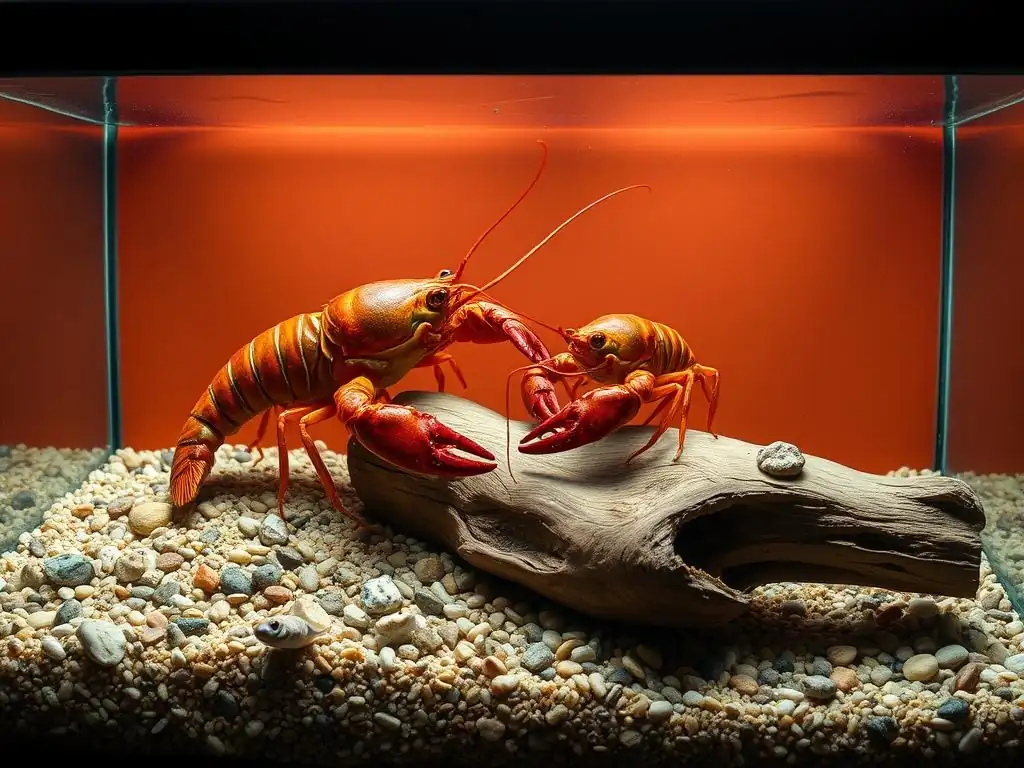
The appropriate tank size is a critical component of a successful freshwater crayfish breeding guide. For smaller species like the Dwarf Mexican Crayfish ( Cambarellus patzcuarensis), a 5 to 10-gallon aquarium can suffice for a single breeding pair, providing adequate space for them to establish territories and for the female to carry eggs. However, for larger species such as the Blue Crayfish ( Procambarus alleni), a minimum of a 20-gallon long tank is recommended for a pair, with 30 gallons or more being ideal to reduce aggression and provide ample room for the eventual crayfish fry.
A larger tank generally contributes to greater water stability, which is beneficial for all stages of crayfish reproduction. It also provides more space for hiding spots, which are essential for reducing stress, especially during molting and after mating. Ensure the tank has a tightly fitting lid, as crayfish are notorious escape artists and can easily climb out of an open aquarium, even through small gaps.
Essential Substrates and Hiding Places for Crayfish
The substrate in a crayfish breeding tank should be chosen carefully to support their natural behaviors and provide security. A fine gravel or sand substrate, at least 2-3 inches deep, is ideal. This allows crayfish to burrow, which is a natural behavior for many species and provides a sense of security, especially for the female during her berried period or for any crayfish undergoing a vulnerable molt. Avoid sharp or abrasive substrates that could injure their delicate undersides.
Hiding places are perhaps the most crucial element in a crayfish tank, especially for a breeding setup. Each crayfish, including the male and female, should have at least one dedicated cave or shelter where they can retreat. PVC pipes (1-2 inches in diameter for dwarf species, 3-4 inches for larger ones), ceramic logs, overturned flowerpots, driftwood, and stacks of smooth rocks create excellent secure retreats. These hiding spots not only reduce stress and aggression between the breeding pair but also provide essential shelter for the newly hatched crayfish fry, significantly reducing instances of cannibalism.
Water Parameters for Successful Crayfish Breeding: Temperature, pH, and Hardness
Maintaining stable and appropriate water parameters is paramount for successful freshwater crayfish breeding. Most common aquarium crayfish species thrive in temperatures ranging from 68-78°F (20-25°C). Temperatures within this range generally facilitate healthy metabolism and egg development. A stable pH level between 7.0 and 8.0 (neutral to slightly alkaline) is also preferred, as extreme fluctuations can cause significant stress.
Water hardness is particularly important for crayfish due to their need for calcium to build and maintain their exoskeletons. A general hardness (GH) of 8-15 dGH (degrees of General Hardness) and a carbonate hardness (KH) of 5-10 dKH are ideal. This moderate to hard water provides sufficient minerals for successful molting and robust shell development in both adults and crayfish fry. Consistent water parameters, rather than specific absolute values, are key; sudden changes can be detrimental to egg development and the overall health of the breeding pair.
Filtration and Aeration for a Crayfish Breeding Tank
Effective filtration and adequate aeration are vital components of a freshwater crayfish breeding guide. For a breeding tank, a gentle filtration system is preferred to avoid strong currents that can stress the berried female or sweep away delicate crayfish fry. Sponge filters are an excellent choice as they provide both mechanical and biological filtration, are inexpensive, and are completely safe for small fry. If using a hang-on-back (HOB) or canister filter, ensure the intake tube is covered with a pre-filter sponge to prevent fry from being sucked in.
Adequate aeration is equally important. Crayfish require good oxygen levels, especially during molting and when the female is carrying eggs. An air stone connected to an air pump will provide sufficient oxygenation and gentle water movement without creating turbulent currents. This consistent aeration helps prevent the growth of fungus on the eggs and ensures a healthy environment for the developing crayfish reproduction cycle.
The Crayfish Mating Ritual
Recognizing the Signs of Crayfish Courtship
The courtship and mating ritual of freshwater crayfish can be quite fascinating to observe. It often begins with the male actively pursuing the female, sometimes appearing somewhat aggressive. He may attempt to grasp her with his claws and flip her onto her back. While this might look violent to an untrained eye, it is typically a normal part of the crayfish mating process. The male's intent is to gain control of the female to position her for sperm transfer.
Once the male successfully flips the female, he will hold her firmly, often using his walking legs and claws, while aligning his gonopods (modified swimmerets) with her seminal receptacle. This "embrace" can last anywhere from a few minutes to over an hour, depending on the species and the individuals involved. Observing these specific behaviors is a clear indication that crayfish reproduction is underway in your aquarium.
Understanding the Crayfish Mating Process
During the mating embrace, the male crayfish uses his gonopods to transfer spermatophores, which are packets of sperm, into the female's seminal receptacle. These spermatophores are typically white or clear and can sometimes be seen as a small deposit on the female's underside after mating. It's important to note that the female does not immediately lay eggs after receiving the spermatophores. She stores the sperm, sometimes for days or even weeks, until she is ready to extrude her eggs.
The actual fertilization of the eggs occurs when the female extrudes them from her oviducts and passes them over the stored spermatophores, picking up sperm as they go. She then attaches these fertilized eggs to the swimmerets under her tail, where they will be carried and protected until hatching. This sophisticated internal fertilization and delayed egg extrusion mechanism is a key aspect of freshwater crayfish breeding.
What to Do After Crayfish Mating
After observing a successful mating event, it's crucial to monitor the pair closely. While mating is a natural process, some male crayfish can become overly aggressive towards the female post-mating, especially if she has not yet become "berried" (carrying eggs). If excessive aggression is noted, providing additional hiding spots or temporarily separating the male may be necessary to prevent injury to the female.
Once the female becomes berried, it is often advisable to move her to a dedicated breeding or nursery tank. This provides her with a stress-free environment, protects the eggs from potential predation by other tank inhabitants (including the male), and ensures optimal water conditions for egg development. During this period, continue to provide the female with a high-quality, protein-rich diet to support the energy demands of egg production and incubation, which is vital for successful crayfish reproduction.
Caring for the Berried Female Crayfish
Creating a Stress-Free Environment for Berried Crayfish
Once a female crayfish is "berried," meaning she is carrying eggs attached to her swimmerets, providing a stress-free environment is paramount for successful hatching. The ideal scenario is to move the berried female to a dedicated breeding tank, typically 5-10 gallons for dwarf species or 20+ gallons for larger ones. This isolation protects her and her precious cargo from potential harassment or predation by other tank mates, including the male crayfish, who may view the eggs as a food source.
Within this isolated tank, ensure an abundance of secure hiding spots. PVC pipes, ceramic caves, and dense live or artificial plants offer her places to retreat and feel safe. Dimming the lighting or providing shaded areas can also contribute to a calmer environment, as bright lights can sometimes stress berried females. A calm, undisturbed setting significantly increases the chances of the eggs developing successfully and the crayfish fry hatching.
Maintaining Optimal Water Quality for Egg Development
Pristine water quality is absolutely critical for the development of crayfish eggs and is a cornerstone of any effective freshwater crayfish breeding guide. Poor water conditions can lead to egg fungus, premature egg loss, or failure to hatch. Perform small, frequent water changes – for instance, 10-15% every 2-3 days – using dechlorinated water that is matched in temperature, pH, and hardness to the tank water. This minimizes stress and avoids sudden parameter shifts.
Excellent oxygenation is also vital. The berried female will constantly fan her eggs with her swimmerets to ensure proper water circulation and oxygen delivery, and to dislodge any debris or unfertilized eggs. A gentle air stone in the breeding tank will supplement this natural fanning, providing ample dissolved oxygen to both the female and the developing embryos, which is essential for healthy crayfish reproduction.
Feeding a Berried Female: Diet and Nutrition
Proper nutrition for a berried female crayfish is essential to support the demanding process of egg development and incubation. Her energy requirements increase significantly during this period, as she is not only maintaining her own body but also nourishing dozens, if not hundreds, of developing embryos. Provide a high-quality, protein-rich diet, offering food daily or even twice a day in smaller portions.
Excellent food choices include sinking invertebrate pellets, high-quality fish flakes or granules, and blanched vegetables such as spinach, zucchini, or peas. Supplementing with occasional live or frozen foods like bloodworms, brine shrimp, or chopped earthworms can also be highly beneficial. Crucially, ensure the diet includes sufficient calcium for the female's exoskeleton and for the developing shells of the crayfish fry. Adding a piece of cuttlebone to the tank or feeding calcium-fortified invertebrate foods can help meet this requirement. Always remove any uneaten food promptly to prevent water fouling.
Hatching and Raising Crayfish Fry
Recognizing Crayfish Egg Hatching
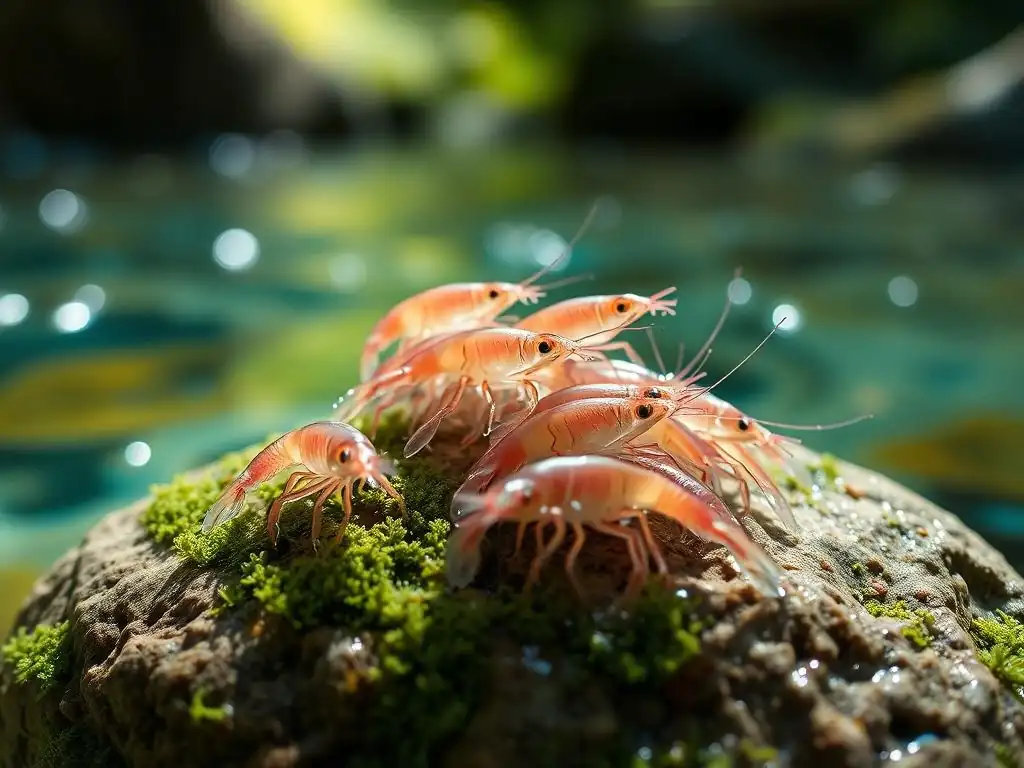
The incubation period for crayfish eggs varies depending on the species and water temperature, typically ranging from 2 to 4 weeks (e.g., Cambarellus patzcuarensis eggs usually hatch in about 3 weeks at 75°F). As the eggs mature, they will often change color, becoming darker, and with careful observation, you might even be able to discern tiny eyes developing within each egg. This darkening is a good indicator that hatching is imminent.
Hatching occurs gradually, with the crayfish fry emerging as miniature, fully formed versions of their parents. Initially, they will remain attached to the mother's swimmerets, drawing nourishment from their yolk sac. They may stay with her for a few days to a week, occasionally detaching and reattaching, before eventually becoming independent and venturing out on their own. The mother will typically release them once they are strong enough to fend for themselves, marking a successful stage in your freshwater crayfish breeding guide.
Setting Up a Nursery Tank for Crayfish Fry
Once the crayfish fry detach from their mother, transferring them to a dedicated nursery tank is highly recommended to maximize their survival rate. A 5 to 10-gallon tank is often sufficient for a large clutch of fry initially. The nursery tank should be set up with a mature sponge filter, as this provides gentle filtration without the risk of sucking up tiny fry and also offers a surface for beneficial bacteria and biofilm, which the fry can graze on.
Crucially, the nursery tank must be densely furnished with numerous small hiding spots. Fine-leaved plants like Java moss, Christmas moss, or guppy grass are excellent choices, as are small pieces of PVC pipe, ceramic rings, or even small, smooth rocks stacked to create crevices. These hiding places are essential for providing security and minimizing cannibalism among the rapidly growing fry, as some larger or faster-growing individuals may prey on their smaller siblings.
Feeding Crayfish Fry: First Foods and Growth Stages
Proper nutrition is vital for the rapid growth and development of crayfish fry. During their first few days, while still attached to the mother or newly independent, they primarily consume their yolk sac. Once they become free-swimming, they require very fine, protein-rich foods. Newly hatched brine shrimp nauplii are an excellent first food, providing essential nutrients and stimulating their natural hunting instincts.
Other suitable first foods include high-quality powdered fry food, spirulina powder, finely crushed flake food, or specialized invertebrate pellets. Offer small amounts multiple times a day (3-4 times) to ensure constant availability, as fry have high metabolic rates. As they grow (which happens quickly, with frequent molts), they can transition to finely crushed sinking pellets, small granules, and blanched vegetables like spinach or zucchini. Consistent feeding and high-quality food are key to preventing cannibalism and promoting healthy growth in your freshwater crayfish breeding colony.
Preventing Cannibalism Among Crayfish Fry
Cannibalism is a significant challenge when raising crayfish fry and can severely reduce the survival rate of a clutch. It is primarily driven by two factors: overcrowding and insufficient food. As fry grow, they will molt frequently, and during this vulnerable period, they are soft-bodied and highly susceptible to predation by their harder-shelled siblings.
To prevent cannibalism, ensure the nursery tank is not overcrowded; if you have a very large clutch, consider dividing them into multiple tanks. Most importantly, provide an abundance of hiding spots. Dense live plants like Java moss, stacks of small PVC pipes or ceramic logs, and even smooth rocks can offer vital refuge. Consistent and ample feeding is also crucial; well-fed fry are less likely to prey on their siblings. Regularly remove any deceased or visibly struggling fry, as they can quickly become targets.
Common Challenges in Freshwater Crayfish Breeding
Egg Fungus and Prevention
Egg fungus is a common and disheartening challenge in freshwater crayfish breeding, often leading to significant egg loss. It typically manifests as white, fuzzy growths on the eggs attached to the female's swimmerets. The primary causes are poor water quality (high nitrates, ammonia, or nitrites), insufficient aeration around the eggs, or the presence of unfertilized or dead eggs within the clutch, which provide a substrate for fungal growth.
Prevention is key. Maintain pristine water conditions in the breeding tank by performing small, frequent water changes (e.g., 10-15% every 2-3 days) and ensuring excellent filtration. Adequate oxygenation through an air stone helps prevent stagnant water around the eggs. The female crayfish herself plays a crucial role by constantly fanning her eggs and meticulously removing any unfertilized or infected ones. While some mild cases might respond to improved water quality, severe fungal infections are difficult to treat without stressing the berried female; therefore, focusing on preventative measures is the most effective strategy.
Molting Issues in Crayfish Fry
Molting is a critical process for all crayfish, including fry, as it allows them to grow. However, molting issues can be a significant hurdle in freshwater crayfish breeding, often leading to mortality. Fry getting "stuck" in their old exoskeleton, unable to shed it completely, or dying shortly after molting, are common signs of problems. The primary causes are often related to inadequate water parameters or nutritional deficiencies.
Insufficient calcium and iodine in the water or diet are common culprits. Calcium is essential for hardening the new exoskeleton, while iodine plays a role in the molting hormone process. To prevent molting issues, ensure your water has sufficient general hardness (GH 8-15 dGH) to provide ample calcium. Supplementing the diet with calcium-rich foods (e.g., cuttlebone, calcium-fortified pellets) and specialized invertebrate foods that contain iodine can be highly beneficial. Maintaining stable and clean water parameters also reduces stress, which can otherwise complicate the molting process.
Water Quality Problems Affecting Crayfish Breeding
Water quality problems are arguably the most common and impactful challenges in any freshwater crayfish breeding guide. Elevated levels of ammonia, nitrite, and nitrate are highly toxic to crayfish at all life stages, but particularly to sensitive eggs and fry. Ammonia and nitrite should always be undetectable (0 ppm), and nitrates should be kept below 20 ppm, ideally below 10 ppm, in a breeding setup. Poor water quality can lead to stress, lethargy, loss of appetite, failed molts, egg loss, and ultimately, death for both adults and fry.
The solution lies in consistent and diligent aquarium maintenance. Regular water testing using a reliable liquid test kit for ammonia, nitrite, nitrate, pH, and GH/KH allows you to monitor parameters effectively. Perform consistent water changes, typically 20-30% weekly for adult tanks, and more frequently (e.g., 10-15% every 2-3 days) for fry tanks, to dilute pollutants. Ensure your filtration system is adequately sized and properly maintained to handle the bioload and promote healthy bacterial colonies that break down waste.
Maintaining a Healthy Crayfish Colony
Regular Water Changes and Monitoring
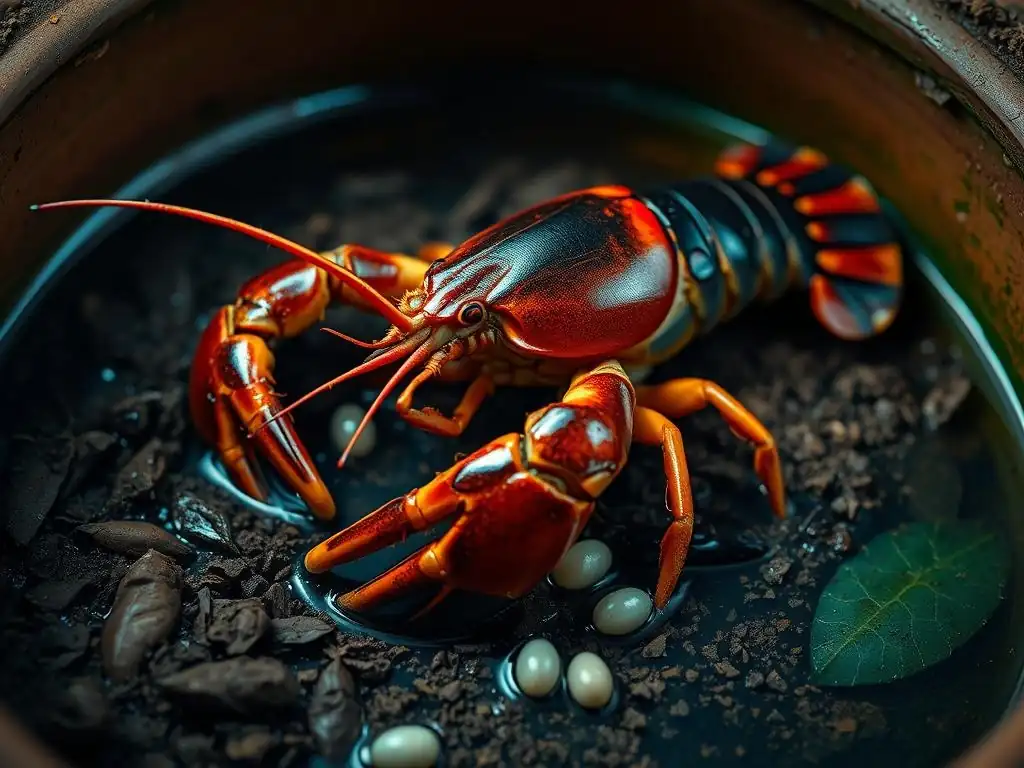
Regular water changes are the cornerstone of maintaining a healthy freshwater crayfish colony, especially when focusing on freshwater crayfish breeding. For adult tanks, a weekly water change of 20-30% is generally recommended. For nursery tanks housing delicate crayfish fry, more frequent, smaller water changes, such as 10-15% every 2-3 days, are often necessary due to their high metabolism and the sensitivity of developing young. Always use dechlorinated water that is temperature-matched to prevent shock.
Beyond water changes, consistent monitoring of water parameters is crucial. Invest in a quality liquid test kit to regularly check levels of ammonia, nitrite, nitrate, pH, and general hardness (GH) and carbonate hardness (KH). Documenting these readings can help identify trends and preempt potential problems before they escalate. Stable and pristine water conditions are fundamental for optimal growth, successful molting, and prolific crayfish reproduction.
Supplementing Diet for Optimal Growth and Reproduction
A varied and nutritious diet is essential for the optimal growth, vitality, and reproductive success of your crayfish colony. While sinking pellets designed for crustaceans (e.g., Hikari Crab Cuisine, Tetra ReptoMin) can form the base, they should be supplemented with a range of other foods. Blanched vegetables like spinach, zucchini, peas, and carrots provide necessary vitamins and fiber.
Protein sources are also vital, especially for breeding adults and growing crayfish fry. Offer occasional live or frozen foods such as bloodworms, brine shrimp, daphnia, or chopped earthworms. Crucially, ensure adequate calcium intake, as it is vital for strong exoskeletons and successful molting. This can be achieved through calcium-rich foods, adding a piece of cuttlebone to the tank, or using specialized invertebrate mineral supplements. A well-rounded diet directly correlates with healthier individuals and more successful freshwater crayfish breeding.
Identifying and Treating Crayfish Diseases
While generally hardy, freshwater crayfish can be susceptible to diseases, often as a result of poor water quality, stress, or inadequate nutrition. Common issues include bacterial infections (appearing as lethargy, loss of appetite, discoloration, or lesions), fungal infections (fuzzy growths, often on the gills or wounds), and "porcelain disease" (a chronic viral infection that causes muscle deterioration and a pale, "porcelain-like" appearance, for which there is no cure).
Identifying diseases early is key. Observe your crayfish daily for any changes in behavior, appearance, or activity levels. If a crayfish appears unwell, first check and correct water parameters, as this is often the root cause. For bacterial or fungal infections, some broad-spectrum aquarium medications may be used, but extreme caution is advised as many common fish medications contain copper, which is highly toxic to invertebrates. Always research medication ingredients thoroughly. Isolating affected individuals in a hospital tank can prevent the spread of disease within your freshwater crayfish breeding colony and allow for targeted treatment.
Advanced Crayfish Breeding Techniques
Selective Breeding for Color and Traits
For experienced aquarists looking to delve deeper into freshwater crayfish breeding, selective breeding offers an exciting opportunity to enhance desirable traits, particularly vibrant colors. Species like Procambarus alleni (Blue Crayfish) have been selectively bred to produce intense blue, white, and even orange color morphs. This technique involves carefully selecting individuals that exhibit the most pronounced desired traits and breeding them together.
The process requires meticulous record-keeping of lineage and patience, as it can take multiple generations to stabilize a specific color or physical characteristic. For instance, to achieve a consistently brilliant blue strain, only the bluest individuals from each clutch would be chosen as future breeders, with less vibrant offspring being culled or sold as regular stock. This method is a cornerstone of advanced crayfish reproduction and can lead to the development of unique and highly prized specimens within the hobby.
Egg Tumbling: A Method for Increasing Hatch Rates
Egg tumbling is an advanced technique used by some breeders to artificially incubate crayfish eggs, often employed in situations where the berried female is stressed, sick, or neglects her eggs. It involves carefully removing the eggs from the female's swimmerets and placing them in a specialized egg tumbler. An egg tumbler is typically a container (often a modified plastic bottle) where a gentle flow of aerated water keeps the eggs constantly agitated, mimicking the fanning action of the mother.
While this method can significantly increase the hatch rate by ensuring consistent aeration and preventing fungal growth, it is a delicate procedure that carries risks. It is highly stressful for the female to have her eggs removed, and improper handling can damage the eggs. Egg tumbling is generally considered a last resort for experienced freshwater crayfish breeding enthusiasts when natural incubation is compromised, rather than a routine practice for every clutch.
Conclusion: Mastering Freshwater Crayfish Reproduction
The Joys of Breeding Freshwater Crayfish
Mastering freshwater crayfish breeding is a deeply rewarding aspect of the aquarium hobby, offering a unique window into the fascinating world of aquatic invertebrates. From observing the intricate mating rituals to witnessing the emergence of countless miniature crayfish fry, the entire process is filled with discovery and satisfaction. Successfully raising a healthy clutch of crayfish brings immense personal joy and contributes to the sustainable availability of these captivating creatures within the aquarist community. It transforms your aquarium from a mere display into a vibrant, self-sustaining ecosystem where life cycles unfold before your eyes.
Beyond the visual appeal, the journey of breeding crayfish enhances your understanding of aquatic animal husbandry, water chemistry, and invertebrate biology. It teaches patience, meticulous observation, and the critical importance of maintaining pristine conditions. The knowledge gained from following a comprehensive freshwater crayfish breeding guide not only ensures the well-being of your current colony but also equips you with valuable skills applicable to other areas of the hobby, making you a more proficient and confident aquarist.
Further Resources for Crayfish Breeders
For those committed to excelling in freshwater crayfish breeding, continuous learning and engagement with the broader aquarist community are invaluable. Numerous online forums dedicated to crayfish and invertebrate keeping, such as those found on prominent aquarium websites, provide platforms for sharing experiences, asking questions, and troubleshooting challenges with experienced breeders. These communities often host detailed discussions on specific species, advanced care techniques, and even provide opportunities to source healthy breeding stock.
Additionally, joining local aquarium clubs can offer hands-on learning experiences, access to knowledgeable mentors, and the chance to view diverse crayfish species in person. Consulting specialized books and scientific articles on decapod crustaceans can further deepen your understanding of crayfish biology and reproductive physiology. By actively seeking out and utilizing these resources, you can refine your freshwater crayfish breeding guide practices and contribute to the collective knowledge of the hobby.
Frequently Asked Questions
How do I know when my freshwater crayfish are ready to breed?
Look for signs like increased courtship behavior and the female carrying eggs under her tail. Changes in water parameters can also trigger spawning behavior.
What are the ideal water parameters for breeding freshwater crayfish?
Maintain a stable temperature between 70-78°F, a pH level of 6.5-7.5, and ensure excellent water quality with regular water changes to minimize ammonia and nitrite levels.
What should I feed my breeding crayfish and their young?
Provide the adults with a varied diet of sinking pellets, vegetables, and occasional meaty treats. Fry can be fed crushed flake food, baby brine shrimp, or specialized fry food.
How can I protect the crayfish fry from being eaten by the adults?
Provide plenty of hiding places like plants, rocks, and caves. Separating the fry into a separate rearing tank is also a good option to increase survival rates.
What are some common challenges faced when breeding freshwater crayfish?
Challenges include egg fungus, cannibalism among fry, and difficulty maintaining optimal water parameters. Careful monitoring and proactive measures are key.
Final Reflection: The Enduring Allure of Freshwater Crayfish
The journey from understanding the delicate mating rituals of freshwater crayfish to successfully raising healthy fry underscores a profound connection between observation and nurturing. This connection, vital in aquaculture, mirrors the broader human experience of fostering growth and resilience in any environment. The intricate details of water parameters, diet, and habitat management, as explored in this guide, are not merely technical instructions, but rather a testament to the dedication required to support life in its most vulnerable stages.
This exploration into freshwater crayfish breeding has not only deepened our understanding of these fascinating creatures, but also highlighted the importance of responsible and sustainable practices in aquaculture. Witnessing the transformation from tiny eggs to miniature crayfish has been a humbling experience, reinforcing the delicate balance of ecosystems and the impact of our actions. In the end, we will conserve only what we love; we will love only what we understand; and we will understand only what we are taught.
- Baba Dioum. This quote resonates deeply, reminding us that knowledge and understanding are the cornerstones of conservation and responsible stewardship.
Now, armed with this knowledge of freshwater crayfish breeding, consider the broader implications of nurturing and fostering growth in your own life. Whether it's cultivating a garden, mentoring a young person, or simply creating a supportive environment for those around you, remember the lessons learned from these tiny crustaceans. Let the dedication and attention to detail required for successful crayfish breeding inspire you to cultivate your own "aquaculture" of growth and well-being, creating a thriving ecosystem of your own.
Ignite Your Crayfish Breeding Journey!
Thank you for diving into the fascinating world of freshwater crayfish breeding! We hope you’ve gained valuable insights into their unique mating rituals and the secrets to raising healthy fry. Now, it’s time to take action and put your newfound knowledge to use.
- Set up your dedicated breeding tank! This is the most crucial step to successfully raising crayfish fry. Ensure it mimics their natural environment with plenty of hiding spots.
- Document your crayfish breeding journey! Start a blog or online journal to share your experiences and learn from others in the community.
- Unexpected Action: Design a crayfish-themed enrichment toy or habitat feature and share the plans online!
What specific aspect of the breeding process will you focus on improving in your next attempt?