
SnailSafe Tank Mates: Choosing Companions That Won't Harm Your Shelled Friends

Welcome to Aquarium Mastery!
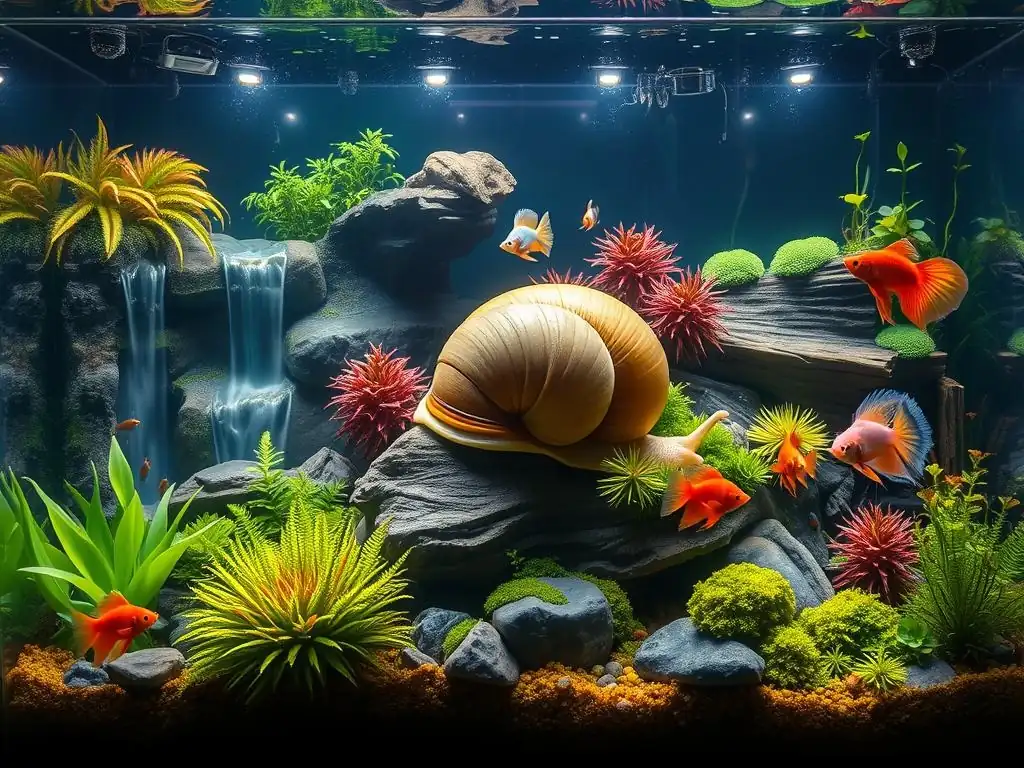
Curious about creating a thriving and safe underwater world for your snails? You've come to the right place! Our " SnailSafe Tank Mates Guide" dives deep into selecting the perfect companions for your shelled friends, ensuring a harmonious aquarium environment. Discover which fish and invertebrates play nice, and which ones you should definitely avoid. Let's unlock the secrets to a happy, healthy, and snail-friendly aquarium – keep reading to learn more!
- Understanding Snail Compatibility in Freshwater Aquariums
- Top Picks: Safe Snail Tank Mates for a Peaceful Aquarium
- Fish to Avoid: Potential Snail Predators and Bullies
- Creating a Snail-Friendly Aquarium Environment
- Recognizing and Addressing Snail Tank Mate Issues
- Beyond Fish: Other Considerations for Snail Tank Mates
- Expert Tips for a Thriving Snail Community
- Conclusion: Building a Harmonious Aquarium for Your Snails
- Frequently Asked Questions
- Final Reflection: Harmony in the Aquarium
- Empower Your Snail Haven: Choose Harmony!
Understanding Snail Compatibility in Freshwater Aquariums
Why Choosing Safe Tank Mates for Snails Matters
Choosing appropriate tank mates is paramount for the well-being and longevity of your aquarium snails. Snails, despite their hard shells, are surprisingly delicate creatures susceptible to stress and injury from aggressive or predatory fish. A healthy snail population, often living for 2 to 3 years for common species like Mystery Snails or Nerite Snails, significantly contributes to the aquarium's ecosystem by consuming algae and detritus, thereby maintaining water quality. Without a safe snail tank mates guide, these beneficial invertebrates can suffer shortened lifespans, sometimes succumbing within weeks or months due to constant harassment.
Furthermore, providing a secure environment for snails reflects responsible pet ownership. When snails are stressed, their natural behaviors, such as active grazing, burrowing, or even breeding, are suppressed. Chronic stress can weaken their immune systems, making them more vulnerable to diseases and shell erosion. Ensuring they coexist peacefully with their tank companions is not just about preventing physical harm but also about fostering a thriving, balanced aquatic community where all inhabitants can flourish.
Identifying Potential Threats to Snails in Your Aquarium
Potential threats to snails in an aquarium environment primarily stem from the chosen fish species. Direct predation is the most obvious danger, where fish actively hunt and consume snails. This includes species with specialized mouths for crushing shells or those that naturally feed on invertebrates in their wild habitats. Even fish not typically considered predatory can pose a threat if they are large enough to ingest smaller snails whole, or if they exhibit territorial aggression that leads to nipping at snail antennae or soft body parts.
Beyond direct physical harm, competition for food can also be a significant threat. Snails are slow eaters, and faster, more agile fish can easily outcompete them for sinking pellets or blanched vegetables, leading to malnutrition over time. Overly boisterous or large fish can also inadvertently stress snails by constantly bumping into them or creating turbulent water movement, causing the snails to withdraw into their shells frequently. This withdrawal, while a protective mechanism, prevents them from grazing and accessing food, ultimately impacting their health and vitality.
Understanding Snail Vulnerabilities: Shell Damage and Predation
Snail shells, primarily composed of calcium carbonate, are their main defense mechanism, yet they are highly vulnerable to physical damage. Aggressive fish can chip, crack, or even completely crush snail shells, especially those of smaller or thinner-shelled species. Once the shell is compromised, the snail's delicate internal organs are exposed, making it highly susceptible to bacterial infections, fungal growth, and parasitic infestations. For instance, a small crack can become infected within 24-48 hours, often leading to the snail's rapid decline and death.
Predation is another critical vulnerability. While the shell offers protection, many predatory fish have evolved methods to overcome it. Some loaches, for example, can suck snails directly out of their shells, while certain pufferfish possess specialized beaks or teeth designed to crush shells to access the soft body within.
Even if a fish doesn't consume the entire snail, repeated nipping at exposed antennae or the foot can cause severe injury, leading to chronic stress, infection, and an inability to feed or move effectively. This makes a comprehensive safe snail tank mates guide essential for any aquarist planning a community tank.
Top Picks: Safe Snail Tank Mates for a Peaceful Aquarium
Peaceful Fish Species: Ideal Companions for Snails
Selecting peaceful fish species is the cornerstone of a successful snail-friendly aquarium. These fish typically exhibit calm temperaments and do not possess a natural instinct to prey on or harass invertebrates. Their diet usually consists of flake food, small pellets, or frozen foods, rather than live snails or their eggs. They generally occupy different swimming levels in the tank, minimizing direct interaction and competition with bottom-dwelling or surface-grazing snails.
Ideal companions are those that are not overly territorial and do not grow to a size where they could accidentally or intentionally harm snails. These species allow snails to move freely, graze undisturbed, and exhibit their natural behaviors without fear of aggression. Incorporating these fish into your setup is a key component of any effective safe snail tank mates guide, ensuring a harmonious environment for all inhabitants.
Corydoras Catfish: Bottom-Dwelling Cleaners
Corydoras catfish, often referred to as "Corys," are among the most popular and gentle bottom-dwellers in the freshwater aquarium hobby. Species like the Bronze Cory (Corydoras aeneus) or Panda Cory (Corydoras panda) typically grow to about 1 to 3 inches and are entirely peaceful. They spend their time sifting through the substrate with their sensitive barbels, searching for leftover food bits and detritus, a process that does not disturb snails in any way.
These social fish thrive in groups of six or more, displaying charming schooling behaviors. Their mouth structure is adapted for scavenging small particles, making them incapable of harming even the smallest snail. Corydoras are a perfect example of a fish that fulfills a beneficial role in the tank (cleaning up uneaten food) without posing any threat to your shelled friends, solidifying their place in any safe snail tank mates guide.
Otocinclus Catfish: Algae Eaters that Coexist Peacefully
Otocinclus catfish, commonly known as "Otos," are small (typically 1.5 to 2 inches), peaceful, and highly effective algae eaters. They attach themselves to tank surfaces, such as glass, plants, and driftwood, using their specialized sucker mouths to graze on biofilm and soft algae. Their diet and mouth shape mean they have no interest in consuming snails or their eggs, making them an excellent choice for a snail-centric tank.
Otos are shy and do best in groups of three to five or more. They are sensitive to water quality and require stable, well-oxygenated conditions. Their constant, gentle grazing activity helps keep the tank clean, and their small size ensures they pose absolutely no threat to snails of any size, from tiny juveniles to large Mystery Snails. They are a staple recommendation in any comprehensive safe snail tank mates guide for their beneficial habits and non-aggressive nature.
Small Tetras: Adding Color without Aggression
Many species of small tetras are excellent choices for a community tank shared with snails. Neon Tetras (Paracheirodon innesi, up to 1.5 inches), Cardinal Tetras (Paracheirodon axelrodi, up to 2 inches), and Ember Tetras (Hyphessobrycon amandae, up to 0.8 inches) are all peaceful, schooling fish that primarily inhabit the mid-water column. They feed on small flakes or pellets and are generally uninterested in bottom-dwelling snails.
These vibrant fish add significant visual appeal to the aquarium. Keeping them in schools of six or more helps reduce stress and promotes their natural schooling behavior, further minimizing any potential for individual aggression. While some larger or more boisterous tetra species might occasionally nip, the smaller, more common varieties are widely regarded as safe companions, making them a colorful addition to a safe snail tank mates guide.
Invertebrate Allies: Safe Shrimp and Other Snails
Expanding beyond fish, several invertebrate species make excellent and completely safe tank mates for snails. These creatures often share similar environmental needs and contribute to the tank's ecosystem in complementary ways, such as further algae control or detritus consumption. Their presence can enhance the biodiversity and aesthetic appeal of your aquarium without posing any threat to your shelled friends.
When selecting invertebrate allies, it's crucial to confirm their peaceful nature, as some crustaceans can be opportunistic predators. The following species are well-known for their compatibility and are frequently recommended in any reliable safe snail tank mates guide.
Cherry Shrimp: Vibrant and Snail-Friendly
Cherry Shrimp (Neocaridina davidi) are small, colorful freshwater shrimp that are completely harmless to snails. Growing to about 1 inch in length, these active invertebrates spend their time grazing on algae, biofilm, and detritus found on plants and tank surfaces. They are detritivores and do not prey on snails or their eggs.
Cherry Shrimp are prolific breeders and can establish thriving colonies, further contributing to the tank's cleaning crew. Their minimal bioload and peaceful nature make them an ideal companion for snails, often seen grazing side-by-side without any conflict. They add a dynamic element to the tank and are a perfect choice for aquarists looking for a truly safe snail tank mates guide that includes other invertebrates.
Mystery Snails: Keeping it in the Family
Mystery Snails (Pomacea bridgesii) are large, active freshwater snails, often reaching 2 inches or more in shell diameter. They are known for their vibrant colors (gold, blue, ivory, purple) and their distinctive siphon, which they use to breathe air from the water surface. As their name suggests, they are a type of apple snail, but unlike some other apple snail species, they are not known to consume healthy live plants.
Mystery Snails are entirely peaceful and compatible with all other snail species. They are excellent algae eaters and scavengers, actively cleaning tank surfaces and consuming decaying plant matter and leftover fish food. Introducing multiple Mystery Snails or combining them with other snail species creates a bustling, self-sufficient cleaning crew without any risk of inter-species aggression, making them a natural inclusion in a safe snail tank mates guide.
Nerite Snails: Algae Control Experts
Nerite Snails (Neritina natalensis, etc.) are widely regarded as one of the best freshwater algae eaters available to aquarists. These small snails, typically growing up to 1 inch, are incredibly efficient at consuming various types of algae, including stubborn green spot algae, from glass, rocks, and plant leaves. They are completely peaceful and spend their entire time grazing without disturbing other tank inhabitants.
A significant advantage of Nerite Snails is that they require brackish or saltwater conditions to successfully reproduce, meaning they will not overpopulate a freshwater aquarium. Their strong, often beautifully patterned shells also provide good protection. Their dedication to algae control and their absolute harmlessness make them an essential recommendation in any safe snail tank mates guide.
Fish to Avoid: Potential Snail Predators and Bullies
The Dangers of Aggressive Fish
Introducing aggressive or predatory fish into a tank with snails can have devastating consequences for your shelled companions. These fish often possess natural instincts to hunt and consume invertebrates, or they may simply be too boisterous and territorial for the slow-moving, vulnerable snails. Even a single incompatible fish can quickly decimate an entire snail population, turning a thriving community into a barren landscape for your invertebrates.
Beyond direct predation, some aggressive fish can cause chronic stress to snails through constant harassment, nipping at their antennae, or attempting to dislodge them from surfaces. This continuous stress can lead to the snail retreating into its shell for extended periods, preventing it from feeding and ultimately leading to starvation or a weakened state susceptible to disease. Understanding which fish to avoid is as crucial as knowing which ones are safe, forming a vital part of any comprehensive safe snail tank mates guide.
Pufferfish: Known Snail Eaters
Most freshwater pufferfish species are notorious snail eaters. Even seemingly small and innocuous species like the Dwarf Puffer (Carinotetraodon travancoricus), which typically reaches only about 1 inch, have a natural diet heavily reliant on snails and other shelled invertebrates. Their specialized, beak-like mouths are perfectly adapted for crushing snail shells to access the soft body within.
A single Dwarf Puffer can systematically eliminate dozens of snails in a relatively short period, often within days or weeks, depending on the snail population. They are highly effective predators and should never be housed with snails if you intend for your shelled friends to survive. For any aquarist consulting a safe snail tank mates guide, pufferfish are unequivocally on the "do not introduce" list.
Loaches: Natural Snail Predators
Loach species, particularly those in the Botia genus such as the Clown Loach (Chromobotia macracanthus, which can grow over 12 inches in home aquariums) and the Yoyo Loach (Botia almorhae, up to 6 inches), are well-known for their voracious appetite for snails. Many aquarists even introduce loaches specifically to control snail infestations.
Loaches will actively hunt and consume snails of various sizes, often sucking them directly out of their shells. Even large Mystery Snails are not safe from a determined group of loaches. If your goal is to maintain a thriving snail community, all species of loaches should be strictly avoided. Their predatory nature makes them incompatible with any safe snail tank mates guide.
Cichlids: Temperament Varies, Exercise Caution
The Cichlid family is incredibly diverse, ranging from small, peaceful dwarf cichlids to large, highly aggressive species. While some very specific, well-researched dwarf cichlid species (e.g., certain Apistogramma) might coexist with snails under ideal conditions, the vast majority of cichlids are unsuitable tank mates. Many cichlids are highly territorial, aggressive, and opportunistic predators that will readily consume or harass snails.
Even medium-sized cichlids like Convict Cichlids (Amatitlania nigrofasciata, up to 6 inches) or many Mbuna cichlids from Lake Malawi will view snails as either food or competition for territory. Their powerful jaws and aggressive tendencies make them a significant threat to snails. Unless you have absolute certainty about a specific cichlid species' snail-safe temperament, it is best to err on the side of caution and avoid them entirely when creating a safe snail tank mates guide.
Creating a Snail-Friendly Aquarium Environment
Providing Ample Hiding Places for Snails
Beyond selecting compatible tank mates, the physical setup of your aquarium plays a crucial role in snail well-being. Providing ample hiding places is essential for snails to feel secure, especially when they are resting or if they perceive a potential threat. Dense live plants, natural caves fashioned from rocks or driftwood, and ceramic decor items offer excellent retreats. These hiding spots reduce stress, allowing snails to fully extend themselves and graze without constant vigilance.
For instance, a 10-gallon tank should ideally incorporate at least two to three distinct hiding structures, such as a small cave and a patch of dense stem plants like Hornwort or Water Wisteria. Mystery Snails often enjoy climbing and hiding within the branches of driftwood, while smaller Nerite Snails might prefer to tuck themselves into crevices between smooth river stones. These secure zones also provide areas where snails can lay eggs undisturbed, contributing to a thriving population.
Maintaining Optimal Water Parameters for Snail Health
Maintaining stable and appropriate water parameters is critical for the health and longevity of aquarium snails. Snails, especially those with robust shells, require water with sufficient calcium and alkalinity to prevent shell erosion and promote healthy growth. A pH range of 7.0 to 8.0 is generally ideal for most common freshwater snails, with a General Hardness (GH) between 8-18 dGH and Carbonate Hardness (KH) between 4-12 dKH providing the necessary minerals. Deviations from these parameters, particularly low pH, can lead to visible shell pitting and weakening.
Regular water testing and consistent water changes are paramount to prevent the buildup of harmful nitrates and to replenish essential minerals. A weekly 25% water change is often recommended to maintain stable conditions. Avoiding sudden drastic changes in water chemistry is also important, as snails are sensitive to fluctuations. A healthy, mineral-rich environment is a fundamental pillar of any comprehensive safe snail tank mates guide.
Avoiding Copper-Based Medications Harmful to Snails
One of the most critical considerations for snail health in a community tank is the absolute avoidance of copper-based medications. Copper, even in very low concentrations, is highly toxic to all invertebrates, including snails and shrimp. Many common fish medications designed to treat external parasites like Ich (Ichthyophthirius multifiliis) or Velvet (Oodinium) contain copper sulfate or other copper compounds as their active ingredient.
Before introducing any medication into your aquarium, it is imperative to read the label carefully and confirm it is invertebrate-safe. If treatment with a copper-containing medication becomes necessary for your fish, all snails and other invertebrates must be removed to a separate, established quarantine tank during the treatment period. Even trace amounts of copper absorbed by tank decor or substrate can continue to leach into the water, posing a long-term threat to sensitive species like Nerite Snails, potentially leading to fatalities within hours or days.
Recognizing and Addressing Snail Tank Mate Issues
Signs of Snail Stress or Attack
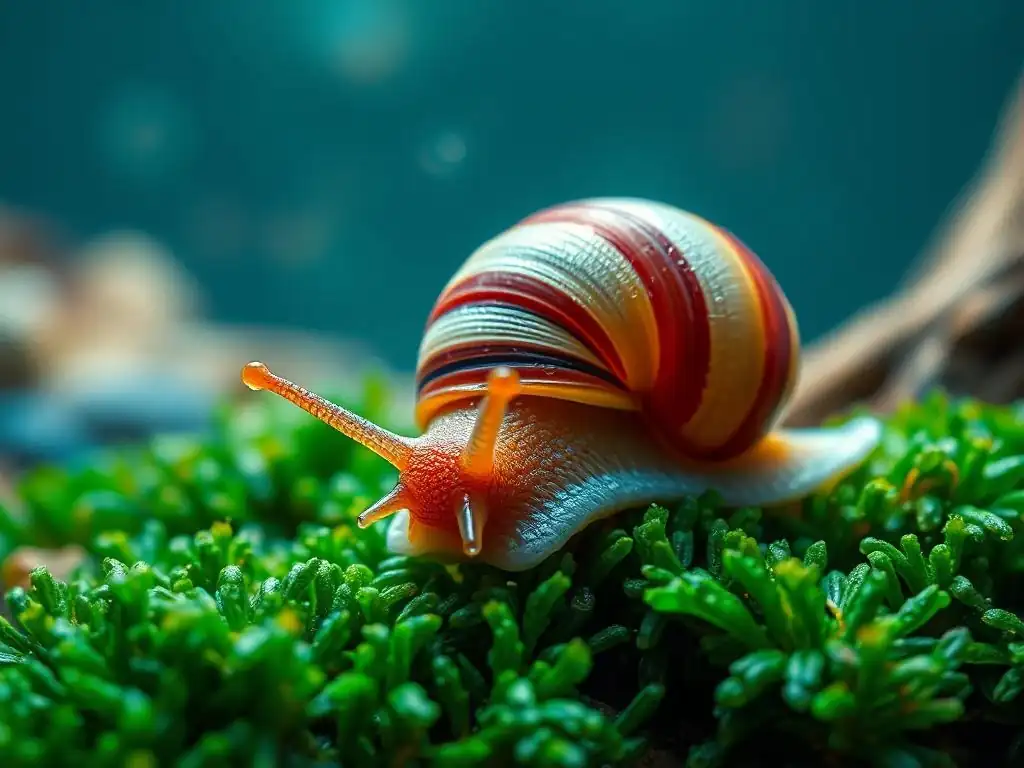
Vigilant observation of your snails' behavior can provide early warnings of compatibility issues. A healthy snail is typically active, moving around the tank, grazing on surfaces, and extending its antennae. Signs of stress or attack include prolonged periods of withdrawal into their shells, often for more than 24-48 hours, even when conditions seem optimal. They might also remain motionless for extended periods on the substrate or tank walls, or attempt to escape the water entirely by climbing above the waterline.
Physical signs are more direct indicators of aggression. Look for visible damage to the snail's shell, such as chips, cracks, or unexplained erosion that isn't attributable to water parameter issues. Nipped or shortened antennae, or visible injuries to the snail's foot, are clear evidence of a tank mate's aggression. A snail that has repeatedly lost its antennae, for example, will struggle to navigate and find food, significantly impacting its survival.
Separating Problematic Tank Mates
If you consistently observe signs of stress or physical harm to your snails, immediate action is necessary to protect them. The most effective solution is to identify and remove the problematic fish from the community tank. This might involve setting up a dedicated quarantine tank for the aggressive individual, or, if a long-term solution is needed, rehoming the fish to an aquarium without snails or to a more appropriate setup.
Attempting to "train" an aggressive fish to be snail-safe is rarely successful and often results in continued harm to your snails. Prioritizing the well-being of your entire aquatic community, especially the vulnerable snails, means taking swift and decisive action when compatibility issues arise. A responsible aquarist, guided by a safe snail tank mates guide, understands the importance of immediate intervention.
Introducing New Tank Mates Safely: Quarantine and Observation
To prevent the introduction of diseases and to assess compatibility, all new fish, even those considered snail-safe, should undergo a proper quarantine period of at least 2 to 4 weeks in a separate tank. This allows you to observe their health and behavior without risking the established community. During quarantine, you can monitor for signs of illness, treat if necessary, and ensure the fish is eating well and behaving normally.
Once the quarantine period is complete, introduce the new fish to the main aquarium and observe its interactions with your snails very closely for the first few days and weeks. Look for any signs of aggression, even subtle ones like prolonged staring or chasing, which could indicate future problems. This careful, proactive approach is a crucial step in ensuring the long-term success of your safe snail tank mates guide and the harmony of your aquarium.
Beyond Fish: Other Considerations for Snail Tank Mates
Plant Choices: Safe and Beneficial Options for Snails
Live plants are incredibly beneficial additions to a snail-friendly aquarium. They provide natural food sources in the form of algae and biofilm that grow on their leaves, as well as decaying plant matter that snails readily consume. More importantly, dense planting offers essential hiding places and shaded areas where snails can retreat from bright lights or perceived threats, reducing their overall stress levels.
Robust plant species that are not easily uprooted or damaged by grazing snails are ideal. Good choices include Anubias species, Java Fern (Microsorum pteropus), Cryptocoryne species, and various types of mosses like Java Moss (Taxiphyllum barbieri). These plants provide ample surface area for algae growth and intricate structures for snails to explore and hide within, contributing significantly to a healthy and secure snail habitat.
Substrate Selection: Avoiding Sharp or Irritating Materials
The type of substrate you choose for your aquarium directly impacts the comfort and safety of your snails. Snails move by gliding on their soft muscular foot across the substrate. Sharp or abrasive substrates can cause cuts, abrasions, or irritation to their delicate bodies, making movement difficult and potentially leading to infections. Materials like very coarse, jagged gravel or crushed coral (in a freshwater tank, due to its alkalinity and sharp edges) should be avoided.
Ideal substrates for snails are fine, smooth materials like sand or small-grain, rounded gravel (typically 1-3mm in diameter). These allow snails to glide effortlessly and, for species that enjoy burrowing (like Malaysian Trumpet Snails), provide a safe medium to dig into. A smooth substrate minimizes the risk of injury and contributes to the overall comfort and well-being of your shelled friends.
Feeding Strategies: Ensuring Snails Get Enough to Eat
In a community tank, faster-moving and more agile fish can easily outcompete snails for food, especially during regular feeding times. Snails are slow eaters and can struggle to get enough nutrition if they are consistently outmaneuvered. While snails do graze on algae and detritus, supplemental feeding is often necessary to ensure they receive a balanced diet and sufficient calcium for shell growth.
To ensure your snails get adequate food, consider dropping in sinking algae wafers, blanched vegetables (such as zucchini slices or spinach leaves), or specialized snail foods after the main lights are turned off for the evening. Many fish become less active in the dark, allowing snails to feed without competition. Additionally, adding a source of calcium, like a small piece of cuttlebone (sold for birds) in the filter or directly in the tank, can significantly benefit shell health, complementing a comprehensive safe snail tank mates guide.
Expert Tips for a Thriving Snail Community
Observing Your Tank Regularly for Compatibility Issues
Consistent and careful observation of your aquarium is perhaps the most crucial "expert tip" for maintaining a thriving snail community. Dedicate a few minutes each day to watch the interactions between your fish and snails. Are your snails active and extended, or are they constantly withdrawn into their shells? Are there any visible nips on their antennae or signs of shell damage? Is a particular fish repeatedly bothering a snail?
Early detection of compatibility issues can prevent serious harm. A fish that occasionally nips might escalate its behavior, or a snail that seems fine today could be severely stressed tomorrow. Vigilance allows you to intervene promptly, whether by adding more hiding spots, adjusting feeding, or, if necessary, rehoming a problematic tank mate. This proactive approach is the cornerstone of a successful safe snail tank mates guide.
Adjusting Your Aquarium Setup as Needed
Aquarium keeping is a dynamic hobby, and even with the best planning, adjustments may be necessary. Be prepared to modify your tank setup if you observe ongoing compatibility problems. This might involve adding more live plants or decor to increase hiding places and break up line of sight, which can reduce aggression among fish and provide more refuge for snails.
Sometimes, a fish's temperament might change as it matures, or overcrowding could lead to increased aggression. If minor adjustments don't resolve the issue, rehoming a fish that consistently harasses snails is often the kindest solution for all inhabitants. Flexibility and a willingness to adapt your setup are vital for ensuring a peaceful and thriving environment for your snails.
The Importance of Research Before Adding New Tank Mates
The most effective way to ensure a harmonious aquarium for your snails is to conduct thorough research before introducing any new tank mates. Do not rely solely on general "community fish" labels, as these can be misleading. Instead, investigate the specific species you are considering: its adult size, natural diet, typical temperament, and known compatibility with invertebrates.
Utilize reputable aquarium websites (like Aquarium Mastery), comprehensive fish encyclopedias, and knowledgeable local fish store staff as resources. Look for documented experiences from other aquarists who have successfully kept the desired fish with snails. This diligent research is the single most important step in following a safe snail tank mates guide and preventing future conflicts in your aquarium.
Conclusion: Building a Harmonious Aquarium for Your Snails
Recap of Safe Snail Tank Mate Selection
Building a harmonious aquarium where snails can thrive requires careful consideration of their tank mates. The ultimate goal is to select species that are peaceful, non-predatory, and do not compete excessively for resources. This involves prioritizing gentle bottom-dwellers like Corydoras and Otocinclus catfish, small mid-water schooling fish such as Neon Tetras, and compatible invertebrates like Cherry Shrimp, Mystery Snails, and Nerite Snails. Equally important is the strict avoidance of known snail predators like pufferfish and loaches, as well as many aggressive cichlid species.
Beyond species selection, creating a snail-friendly environment through ample hiding places, optimal water parameters, and the careful avoidance of copper-based medications is crucial. Consistent observation and a willingness to adjust your setup are key to addressing any unforeseen compatibility issues. By adhering to these principles, you can create a vibrant and balanced ecosystem where your shelled friends contribute positively to the tank's health and beauty.
Resources for Further Learning About Snail Care
For those eager to deepen their knowledge and ensure the best possible care for their aquatic companions, a wealth of information is available. Detailed guides on specific freshwater snail species profiles can provide in-depth care requirements, including diet, breeding habits, and species-specific water parameter needs. Exploring resources on water chemistry management, including calcium and alkalinity supplementation, can further enhance shell health. Additionally, learning about common snail diseases and their prevention will equip you to maintain a robust and resilient snail community.
Frequently Asked Questions
What makes a tank mate snail-safe?
A snail-safe tank mate is an animal that won't prey on, harass, or outcompete snails for food. This includes fish, invertebrates, and even some plants. It's crucial to research potential tank mates beforehand.
What types of fish should I avoid if I have snails?
Avoid fish known for nipping fins, eating invertebrates, or being generally aggressive. Examples include pufferfish, some loaches, and certain types of cichlids, as they often see snails as food sources.
Are there any invertebrates that are compatible with snails?
Yes, many invertebrates are compatible! Certain shrimp species, like cherry shrimp or amano shrimp, and some peaceful crabs can coexist peacefully. Always consider the size and temperament of the invertebrates.
How does water chemistry affect both snails and their tank mates?
Maintaining stable water parameters is crucial for both snails and their companions. Significant fluctuations in pH, ammonia, nitrite, or nitrate can stress or even kill both species, affecting the entire ecosystem.
Where can I find more detailed information on specific snail-safe tank mates?
AquariumMastery.com offers detailed species profiles and compatibility guides. These resources provide specific information on the temperament, care requirements, and compatibility of various tank mates with snails.
Final Reflection: Harmony in the Aquarium
The journey through the world of aquatic companionship, as explored in this Safe Snail Tank Mates Guide, underscores a crucial principle: responsible aquascaping extends beyond aesthetics. It's about fostering a balanced ecosystem where every creature, from the smallest snail to the most vibrant fish, can thrive without becoming a threat to one another. This understanding is more vital than ever as the popularity of home aquariums continues to grow.
The delicate balance of a freshwater aquarium is a microcosm of the larger world, and the choices we make within it reflect our values. My own experiences with aquariums have taught me the profound interconnectedness of life, even on a small scale. The greatness of a nation and its moral progress can be judged by the way its animals are treated.
- Mahatma Gandhi. This quote, though often applied to larger animals, resonates deeply when considering the well-being of even the humblest snail in our care.
Now, as you embark on or continue your aquascaping journey, remember the lessons of this guide. Let compassion and careful consideration be your guiding principles. Choose tank mates wisely, not just for their beauty, but for their compatibility and respect for all life within your aquatic world. By creating a harmonious environment, you not only ensure the health and happiness of your snails but also contribute to a more mindful and sustainable approach to aquarium keeping.
Empower Your Snail Haven: Choose Harmony!
Thanks for diving into the world of snail-safe tank mates! You've now got the knowledge to create a vibrant and peaceful ecosystem for your shelled friends. Now, let's put that knowledge into action!
Here's how you can ensure a thriving community:
- Prioritize your snail's safety: Identify three potential tank mates and thoroughly research their compatibility with your snail species. Consider their temperament, diet, and potential to nip or prey on snails.
- Explore beyond the usual suspects: Consult experienced aquarists or local aquarium stores for insights on lesser-known, snail-friendly fish or invertebrates that could add diversity to your tank.
- Share your success! Document your snail tank's setup and post a picture or video on social media using #SnailSafeAquarium, inspiring other aquarists to create harmonious aquatic environments.
What unique tank mate have you considered (or already successfully introduced!) for your snails, and what makes you believe they are a good fit?