
Building a Crayfish Biotope: Recreating Their Natural Riverbed Habitat

Welcome to Aquarium Mastery!
Ever wondered how to perfectly replicate a crayfish's natural underwater world in your own home? Dive in and discover the secrets to a thriving crayfish biotope aquarium setup. We'll guide you through every step, from selecting the perfect substrate to creating a stunning riverbed environment. Intrigued? Let's get started and unlock the secrets to a happy and healthy crayfish habitat!
- Understanding the Crayfish Biotope Concept
- Planning Your Crayfish Biotope Aquarium Setup
- Recreating the Natural Crayfish Habitat: Substrate, Hardscape, and Plants
- Water Chemistry and Maintaining a Healthy Crayfish Environment
- Introducing Your Crayfish to Its New Biotope Home
- Crayfish Biotope Maintenance: Feeding, Cleaning, and Health Monitoring
- Troubleshooting Common Crayfish Biotope Problems
- The Complete Guide to a Successful Crayfish Biotope Aquarium Setup: From Planning to Thriving
-
Frequently Asked Questions
- How is a Crayfish biotope aquarium different from a regular aquarium?
- What are the most important elements to consider when setting up a Crayfish biotope aquarium?
- What kind of water chemistry is ideal for a Crayfish biotope aquarium?
- What types of plants can be included in a Crayfish biotope aquarium without being eaten?
- What are some common mistakes to avoid when setting up a Crayfish biotope aquarium?
- Final Reflection: Appreciating the Miniature Ecosystem
- Design Your Own Mini River: Bring the Crayfish Biotope Home!
Understanding the Crayfish Biotope Concept
What is a Biotope Aquarium and Why Build One for Crayfish?
A biotope aquarium is a specialized aquatic setup designed to meticulously replicate a specific natural habitat from a particular geographical region, including its water parameters, substrate, hardscape, and plant life. The goal is to create an environment that is as close as possible to the conditions found in nature, allowing the inhabitants to thrive and exhibit their natural behaviors. For crayfish, this means moving beyond a generic tank setup to a dedicated crayfish biotope aquarium setup that mirrors their native rivers, streams, or lakes.
Building a biotope for crayfish offers significant advantages over a standard community tank. It reduces stress, promotes natural foraging, molting, and breeding behaviors, and ultimately leads to healthier, longer-lived specimens. For instance, replicating the rocky, flowing stream beds favored by species like the Rusty Crayfish ( Orconectes rusticus) with appropriate hiding spots and gravel substrate will provide a far more secure and enriching environment than a barren tank, allowing them to express their natural territoriality and burrowing instincts without undue stress.
Benefits of a Species-Specific Crayfish Biotope Tank
A species-specific crayfish biotope tank profoundly enhances the well-being of its inhabitants. When a crayfish's natural habitat is accurately recreated, their physiological and psychological stress levels are significantly reduced.
This often translates to a more robust immune system, fewer instances of failed molts (a common cause of death in crayfish), and a more active, engaging display of their natural behaviors, such as intricate burrowing patterns or distinct foraging methods. For example, a well-designed biotope for a Dwarf Mexican Crayfish ( Cambarellus patzcuarensis) that features dense plant cover and fine substrate can dramatically increase their confidence and visibility, allowing observers to witness their unique social interactions and parental care, which are rarely seen in less naturalistic setups.
Beyond the immediate health benefits, a dedicated crayfish biotope aquarium setup provides an unparalleled aesthetic and educational experience. It transforms a simple aquarium into a living diorama, offering a fascinating glimpse into a specific aquatic ecosystem.
Aquarists can observe the subtle nuances of crayfish behavior, such as their intricate den-building, their methods of escaping predators, or their specific dietary preferences within a context that closely mimics their wild existence. This deepens the aquarist's understanding and appreciation for these fascinating invertebrates, fostering a greater sense of responsibility for their care and potentially inspiring an interest in aquatic conservation efforts for their natural habitats.
Planning Your Crayfish Biotope Aquarium Setup
Choosing the Right Crayfish Species for Your Biotope
Selecting the appropriate crayfish species is the foundational step for any successful crayfish biotope aquarium setup. Different crayfish species originate from vastly diverse aquatic environments, each with unique requirements regarding water parameters, substrate, and available cover. For instance, the Signal Crayfish ( Pacifastacus leniusculus) thrives in cool, oxygen-rich waters with plenty of rocky crevices, typically found in temperate rivers and lakes. In contrast, the Red Swamp Crayfish ( Procambarus clarkii) is highly adaptable and often found in warmer, more turbid waters with soft, muddy bottoms and dense vegetation, such as Louisiana bayous or rice paddies.
Understanding these specific habitat needs is crucial for the long-term health and natural behavior of your crayfish. Researching the native range, typical water conditions (e.g., pH, hardness, temperature), and preferred substrate of your chosen species will guide every subsequent decision in your biotope design.
Attempting to house a species like the Florida Blue Crayfish ( Procambarus alleni)—which prefers warmer, slightly alkaline waters—in a setup designed for a cooler-water species like the White Clawed Crayfish ( Austropotamobius pallipes) would lead to chronic stress, health issues, and a significantly reduced lifespan, highlighting the importance of species-specific planning for a dedicated crayfish biotope aquarium setup.
Tank Size Considerations for a Thriving Crayfish Habitat
The appropriate tank size for a crayfish biotope is directly dependent on the species chosen and whether you plan to house a single specimen or a pair/group. While some dwarf species, like the Mexican Dwarf Crayfish ( Cambarellus patzcuarensis), can comfortably inhabit a 5-gallon (approximately 19-liter) tank, larger, more active, or territorial species require significantly more space.
A single adult Red Swamp Crayfish ( Procambarus clarkii), for example, typically needs a minimum of a 20-gallon (approximately 76-liter) long tank to allow for adequate territory establishment and burrowing. If housing multiple individuals of a larger species, a 40-gallon (approximately 150-liter) breeder tank or larger is often recommended to mitigate aggression and provide sufficient individual hiding spots.
Adequate tank volume is not just about physical space; it also contributes to water stability and dilution of waste products, which is paramount for a successful crayfish biotope aquarium setup. Larger tanks offer more stable water parameters, making it easier to maintain consistent temperature, pH, and hardness, which are critical for preventing molting issues and disease. Furthermore, the footprint of the tank is often more important than its height for bottom-dwelling crayfish, as it provides more surface area for foraging, exploring, and establishing territories, mimicking the expansive nature of their natural riverbed or lake bottom habitats.
Essential Equipment for a Crayfish Biotope: Filtration, Lighting, and Heating
For a robust crayfish biotope aquarium setup, selecting the right equipment is non-negotiable. Filtration is paramount, as crayfish are messy eaters and produce a significant bio-load. A powerful external canister filter or a hang-on-back (HOB) filter with a strong flow rate is often recommended, capable of turning over the tank's volume at least 5-10 times per hour. For a 20-gallon tank, a filter rated for 40-60 gallons would be appropriate, ensuring excellent mechanical, chemical, and biological filtration. Sponge filters can also be used as supplemental filtration, providing gentle flow and additional surface area for beneficial bacteria.
Lighting for a crayfish biotope should primarily serve the needs of any plants chosen and provide a natural day-night cycle, rather than intense illumination. A moderate LED light with a timer set for 8-10 hours a day is usually sufficient. Overly bright or prolonged lighting can stress crayfish, as they are often more active during dawn, dusk, or nighttime in their natural habitats. Heating requirements depend entirely on the specific crayfish species' native temperature range.
For tropical species like Procambarus alleni, a submersible heater capable of maintaining a stable temperature between 68-78°F (20-26°C) is essential. For temperate species like Pacifastacus leniusculus, which prefer cooler waters often below 68°F (20°C), a heater may not be necessary unless the ambient room temperature consistently drops below their minimum comfort zone. Maintaining stable water temperature is critical for metabolism and successful molting in any crayfish biotope aquarium setup.
Recreating the Natural Crayfish Habitat: Substrate, Hardscape, and Plants
Selecting the Ideal Substrate for a Crayfish Biotope: Sand, Gravel, and Clay
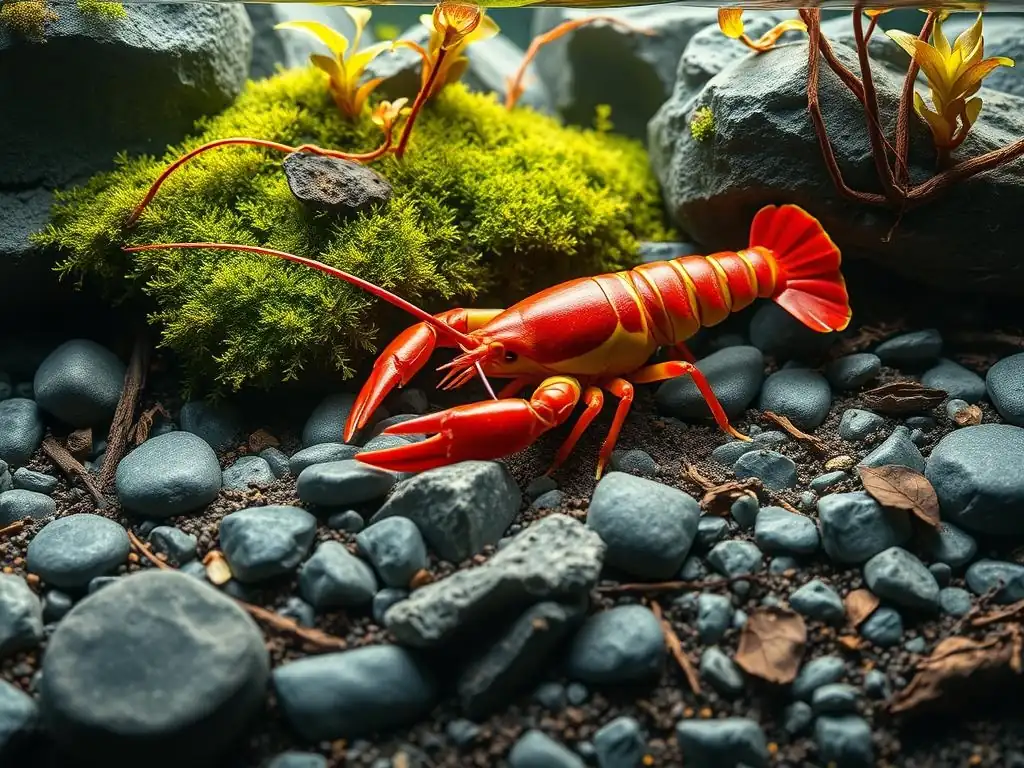
The substrate is a critical component of any crayfish biotope aquarium setup, directly influencing water quality, aesthetics, and, most importantly, providing suitable conditions for burrowing and foraging. For many North American and European crayfish species, a mix of fine gravel (2-5mm) and sand is ideal, mimicking the riverbed environments they inhabit.
This combination allows for easy burrowing and provides ample surface area for beneficial bacteria to colonize. For instance, a substrate depth of at least 3-4 inches (7-10 cm) is often recommended to allow larger species like Procambarus clarkii to construct their characteristic burrows, which can extend deep into the substrate.
Alternatively, for species that naturally inhabit muddy or silty areas, such as some Cherax species from Australia, a fine, inert sand or even a clay-based substrate can be more appropriate, though this requires careful maintenance to prevent compaction and anaerobic pockets. Regardless of the type, the substrate should be inert to avoid altering water chemistry significantly. Sharp or overly coarse gravel should be avoided as it can injure a crayfish's delicate walking legs or underside. Ensuring a clean, well-rinsed substrate is paramount to prevent cloudy water and introduce unwanted pollutants into the carefully balanced crayfish biotope aquarium setup.
Creating a Natural Hardscape: Rocks, Wood, and Caves for Crayfish Shelter
Hardscape elements are fundamental to a natural crayfish biotope aquarium setup, providing essential shelter, territorial boundaries, and visual appeal. Rocks, particularly smooth, river-worn stones, are excellent choices, as they mimic the natural rocky crevices where many crayfish seek refuge from predators and establish their territories. Arrange rocks to form stable caves, overhangs, and tunnels, ensuring they are securely placed and cannot collapse onto the crayfish.
Slate, lava rock, and natural river stones are popular choices due to their inert nature and varied textures. For example, creating multiple small caves rather than one large one can reduce aggression between multiple crayfish by providing ample individual retreats.
Driftwood and bogwood also contribute significantly to a naturalistic hardscape, releasing tannins that can slightly lower pH (beneficial for some species) and providing additional hiding spots and surfaces for biofilm growth, which crayfish may graze upon. Ensure all wood is thoroughly leached or boiled to prevent excessive discoloration of the water. When integrating hardscape, remember that crayfish are powerful excavators; ensure all structures are stable and placed directly on the tank bottom before adding substrate to prevent undermining. This thoughtful approach to hardscaping is vital for a functional and aesthetically pleasing crayfish biotope aquarium setup.
Plant Selection for a Crayfish Biotope: Choosing Crayfish-Safe Plants
Plant selection for a crayfish biotope aquarium setup presents a unique challenge, as many crayfish species are opportunistic omnivores and will readily consume or uproot live plants. Therefore, choosing hardy, fast-growing, or unpalatable plant species is crucial. Robust plants with tough leaves, such as Anubias species ( Anubias barteri, Anubias nana), Java Fern ( Microsorum pteropus), and Amazon Swords ( Echinodorus amazonicus), are often good choices as they are less likely to be completely devoured. These plants can be anchored to rocks or driftwood to prevent uprooting, as crayfish are notorious for digging.
Floating plants like Water Lettuce ( Pistia stratiotes) or Frogbit ( Limnobium laevigatum) can also be beneficial, providing natural shade and helping to absorb excess nitrates, though crayfish may occasionally nibble on their dangling roots. For species known to be heavy plant eaters, such as the Red Swamp Crayfish, durable plastic or silk plants can be considered as a supplement to live plants to provide cover without the constant risk of destruction.
Ultimately, a successful crayfish biotope aquarium setup requires balancing the desire for lush greenery with the reality of a crayfish's destructive tendencies, often leaning towards a more minimalist, hardscape-focused approach supplemented with resilient plant species.
Water Chemistry and Maintaining a Healthy Crayfish Environment
Understanding Water Parameters for Optimal Crayfish Health: pH, GH, KH
Maintaining precise water parameters is paramount for the health and longevity of any crayfish biotope aquarium setup. The ideal pH, General Hardness (GH), and Carbonate Hardness (KH) vary significantly depending on the crayfish species' natural habitat. Most common aquarium crayfish, such as Procambarus clarkii or Cherax quadricarinatus (Red Claw Crayfish), thrive in slightly alkaline to neutral water with a pH range of 7.0 to 8.0.
However, some species from softwater regions might prefer a slightly acidic pH. GH, which measures the concentration of calcium and magnesium ions, is particularly critical for crayfish as these minerals are essential for shell development and successful molting. A GH level between 8-15 dGH (degrees of General Hardness) is generally recommended for most species to ensure adequate mineral availability.
KH, or carbonate hardness, acts as a buffer, stabilizing the pH and preventing sudden fluctuations. A stable KH level, typically between 5-10 dKH, helps maintain a consistent pH, which reduces stress on crayfish. Sudden shifts in pH can be detrimental, leading to molting issues or increased susceptibility to disease. Regular testing with a reliable liquid test kit—at least weekly, especially during the initial cycling phase—is crucial to monitor these parameters and make necessary adjustments. Understanding and diligently maintaining these specific water parameters is a cornerstone of a thriving crayfish biotope aquarium setup.
The Importance of Water Changes in a Crayfish Biotope
Regular water changes are an indispensable part of maintaining a healthy crayfish biotope aquarium setup. Crayfish produce a significant amount of waste, and while biological filtration processes nitrates, it does not remove them entirely. Accumulation of nitrates, along with other dissolved organic compounds, can lead to poor water quality, increased stress, and a higher risk of disease for your crayfish. A typical maintenance schedule involves performing a 20-30% water change weekly. For instance, in a 20-gallon tank, this would mean removing and replacing 4-6 gallons of water each week.
Beyond removing harmful pollutants, water changes also replenish essential trace minerals that crayfish absorb from the water, particularly calcium and magnesium, which are vital for the formation of their new exoskeleton after molting. Consistent water changes also help to maintain stable water parameters, preventing the gradual creep of pH or hardness that can occur over time due to biological processes.
Always ensure that the replacement water is dechlorinated and temperature-matched to the aquarium water to prevent shocking the crayfish. Neglecting regular water changes is one of the most common pitfalls in crayfish biotope aquarium setup and can severely compromise the health of your crustaceans.
Cycling Your Crayfish Biotope Aquarium: Establishing a Healthy Nitrogen Cycle
Cycling your crayfish biotope aquarium setup is the most critical preparatory step before introducing any inhabitants. This process establishes the beneficial nitrifying bacteria populations that convert toxic ammonia and nitrite into less harmful nitrate, forming the backbone of the aquarium's biological filtration system. Without a fully cycled tank, ammonia spikes from crayfish waste can quickly become lethal. The cycling process typically takes 4-6 weeks and involves introducing an ammonia source (e.g., pure ammonia solution or fish food) to kickstart bacterial growth, while monitoring ammonia, nitrite, and nitrate levels daily using a liquid test kit.
During the cycle, you will observe ammonia levels rising, then falling as nitrite levels rise, and finally, nitrite levels falling to zero as nitrate levels increase. A successful cycle is indicated when both ammonia and nitrite consistently read zero, even after adding an ammonia source. Only then is it safe to gradually introduce your crayfish.
Rushing this stage or skipping it entirely is a common mistake that leads to "new tank syndrome," causing severe stress, illness, and often death for the inhabitants. A fully established nitrogen cycle is the foundation for a stable and healthy crayfish biotope aquarium setup, ensuring a safe environment for your crustaceans from day one.
Introducing Your Crayfish to Its New Biotope Home
Acclimation Procedures for Crayfish: Minimizing Stress
Proper acclimation is crucial when introducing new crayfish to your established crayfish biotope aquarium setup to minimize stress and prevent shock from sudden changes in water parameters. The drip acclimation method is highly recommended for its gradual approach, allowing the crayfish to slowly adjust to the temperature, pH, and hardness of their new environment. Begin by floating the sealed bag containing the crayfish in the aquarium for 15-20 minutes to equalize temperature. Then, transfer the crayfish and its bag water into a clean bucket or small container.
Using airline tubing, create a siphon from your main aquarium into the bucket, tying a knot in the tubing or using an airline valve to control the drip rate to approximately 1-2 drops per second. Allow the water volume in the bucket to slowly double over a period of 1 to 2 hours. Once the volume has doubled, carefully net the crayfish and gently release it into the biotope.
Discard the water from the bucket, as it may contain ammonia or other undesirable substances from the transport bag. This slow, methodical approach significantly reduces the risk of molting issues, lethargy, or death, ensuring a smooth transition into their new crayfish biotope aquarium setup.
Monitoring Crayfish Behavior in the New Biotope
After successful acclimation, continuous monitoring of your crayfish's behavior in its new crayfish biotope aquarium setup is essential for assessing its health and adaptation. For the first few days, it's normal for crayfish to be shy, hiding frequently as they explore and establish their territory. Observe for signs of activity, such as foraging, exploring caves, or attempting to burrow. A healthy, well-adjusted crayfish will typically be active during its preferred times (often dawn, dusk, or night, depending on species) and exhibit natural behaviors.
Pay close attention to any signs of distress or unusual behavior. These might include prolonged inactivity, erratic swimming, loss of appetite, or spending excessive time at the water's surface (indicating low oxygen or poor water quality). Pale coloration can also be a sign of stress or an impending molt.
Documenting these observations can help identify potential issues early. For example, if a crayfish remains hidden for more than 48 hours without emerging, it might be stressed, molting, or experiencing a water quality issue. Regular observation is key to ensuring the ongoing well-being of your crayfish in its carefully crafted crayfish biotope aquarium setup.
Crayfish Biotope Maintenance: Feeding, Cleaning, and Health Monitoring
Feeding Your Crayfish a Balanced Diet in a Biotope Setting
Providing a balanced and varied diet is crucial for the health and vitality of your crayfish in a crayfish biotope aquarium setup. While crayfish are opportunistic omnivores and will graze on algae, biofilm, and detritus present in the biotope, their primary diet should consist of high-quality sinking pellets or wafers specifically formulated for crustaceans or bottom feeders.
These typically contain essential proteins, vitamins, and minerals, particularly calcium, which is vital for shell development. Supplement this staple diet with a variety of fresh or blanched vegetables like zucchini, cucumber, carrots, or spinach, offered in small amounts a few times a week.
Additionally, occasional protein supplements, such as frozen bloodworms, brine shrimp, or small pieces of fish, can be offered to mimic their natural carnivorous tendencies. However, avoid overfeeding, as uneaten food quickly fouls the water, contributing to poor water quality. Feed only what your crayfish can consume within a few hours. A typical feeding schedule might involve feeding pellets daily or every other day, with vegetable supplements 2-3 times a week, and protein supplements once a week. Observing your crayfish's appetite and growth will help you fine-tune the feeding regimen for your specific crayfish biotope aquarium setup.
Cleaning and Maintaining a Pristine Crayfish Biotope Aquarium
Maintaining a pristine crayfish biotope aquarium setup goes beyond just water changes and involves regular cleaning to prevent the buildup of organic waste and ensure a healthy environment. A weekly or bi-weekly routine should include vacuuming the substrate using a gravel vacuum during water changes. This removes uneaten food, crayfish waste, and detritus that can decompose and degrade water quality. Pay particular attention to areas around decorations and under hiding spots where debris tends to accumulate.
Additionally, regularly wipe down the inside of the aquarium glass to remove algae buildup, using an aquarium-safe magnetic cleaner or scraper. Rinse filter media during water changes, using old tank water to preserve beneficial bacteria. Avoid cleaning all filter media at once, and never clean filter media with tap water, as chlorine can kill the beneficial bacteria. Periodically check and clean the filter intake and outflow to ensure optimal water flow. Consistent and thorough cleaning routines are fundamental to the long-term success and stability of your crayfish biotope aquarium setup.
Recognizing and Addressing Common Crayfish Health Issues
Recognizing and promptly addressing common health issues is vital for the well-being of crayfish in a crayfish biotope aquarium setup. One of the most common problems is failed molting, often indicated by a crayfish struggling to shed its old exoskeleton, or appearing lethargic and unable to move. This is frequently caused by poor water quality (especially low calcium or unstable pH), inadequate diet, or stress.
Ensuring optimal water parameters (specifically sufficient GH and KH) and a calcium-rich diet can help prevent this. If a failed molt occurs, ensure water parameters are perfect and consider adding a calcium supplement designed for invertebrates.
Other issues include bacterial or fungal infections, which may manifest as white patches, fuzz, or lesions on the body, often a secondary infection due to poor water quality or injury. Quarantining affected individuals and treating with aquarium-safe medications (ensure they are invertebrate-safe, as many medications contain copper which is toxic to crayfish) while simultaneously improving water conditions is crucial. Loss of limbs is common during molting or due to aggression; these typically regenerate over subsequent molts. Consistent monitoring, stable crayfish biotope aquarium setup conditions, and a keen eye for early symptoms are the best defenses against health problems.
Troubleshooting Common Crayfish Biotope Problems
Dealing with Aggression in a Crayfish Biotope
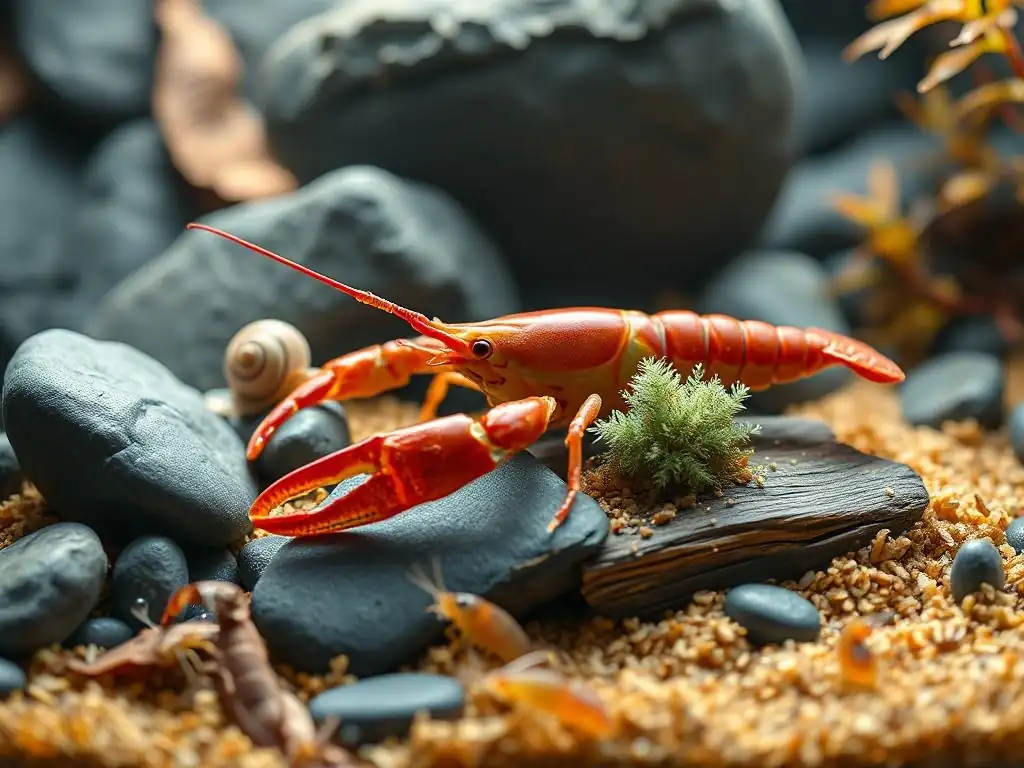
Aggression is a common challenge in a crayfish biotope aquarium setup, particularly when housing multiple individuals or different species. Crayfish are territorial by nature, and insufficient space or lack of hiding spots can lead to frequent skirmishes, limb loss, or even death. The primary solution is to ensure the tank size is adequate for the species and number of crayfish housed, as discussed earlier (e.g., a 20-gallon long for a single large species, 40+ gallons for multiples).
Provide an abundance of hiding places—more than the number of crayfish—using rocks, driftwood, PVC pipes, or ceramic caves. Each crayfish should ideally have multiple options for retreat.
If aggression persists, it may be necessary to separate individuals into different tanks or to re-evaluate the species compatibility. Some species, like the Red Swamp Crayfish ( Procambarus clarkii), are notoriously aggressive and generally not suited for cohabitation unless in very large, heavily furnished tanks. Observing which individuals are aggressive and which are victims can help in making decisions. Sometimes, simply rearranging the hardscape can disrupt established territories and reduce conflict. A well-designed crayfish biotope aquarium setup with ample personal space and visual barriers is key to minimizing aggressive encounters.
Algae Control in a Crayfish Biotope Aquarium
Algae growth is a natural occurrence in any crayfish biotope aquarium setup, but excessive proliferation can detract from aesthetics and indicate an imbalance. The primary causes of algae are often too much light, excess nutrients (nitrates and phosphates), or an imbalance in the tank's ecosystem. To control algae, start by adjusting your lighting schedule; reducing it to 8-10 hours per day can significantly curb growth. If your tank receives direct sunlight, consider relocating it or blocking the sunlight.
Address nutrient imbalances through consistent weekly water changes (20-30% volume) and avoiding overfeeding. Ensure all uneaten food is removed promptly. While crayfish will graze on some types of algae, they are not typically efficient algae cleaners.
Introducing a small number of algae-eating snails (like Nerite snails, which are generally safe with most crayfish species) can provide additional biological control without competing for food with the crayfish. In severe cases, a blackout period (covering the tank completely for 2-3 days) can help reset the algae growth, but this should be combined with addressing the underlying causes to prevent recurrence in your crayfish biotope aquarium setup.
Preventing and Treating Crayfish Diseases in the Biotope Setup
Preventing diseases in a crayfish biotope aquarium setup hinges on maintaining stable, pristine water quality and providing a nutritious diet. Most crayfish diseases are stress-related or opportunistic infections that take hold when the crayfish's immune system is compromised by poor living conditions. Regular water testing, consistent water changes, and thorough substrate vacuuming are the best preventative measures. Ensuring the correct water parameters (pH, GH, KH) for your specific species is also critical, as deviations cause chronic stress.
If a crayfish does show signs of illness—such as lethargy, unusual spots, fungal growth, or prolonged hiding—it's crucial to act quickly. First, perform a large water change (30-50%) and retest all water parameters to rule out environmental stress. If symptoms persist, isolating the affected crayfish in a quarantine tank is advisable to prevent potential spread and to allow for targeted treatment without harming the main biotope's inhabitants or beneficial bacteria.
Many common aquarium medications are toxic to invertebrates, particularly those containing copper. Always research thoroughly and select invertebrate-safe treatments. Consulting with an experienced aquarist or aquatic veterinarian can also provide valuable guidance in treating diseases within your crayfish biotope aquarium setup.
The Complete Guide to a Successful Crayfish Biotope Aquarium Setup: From Planning to Thriving
Frequently Asked Questions
How is a Crayfish biotope aquarium different from a regular aquarium?
A Crayfish biotope aquarium specifically aims to replicate the natural environment of crayfish, focusing on their specific needs. Regular aquariums are often more general and may not perfectly mimic a specific ecosystem.
What are the most important elements to consider when setting up a Crayfish biotope aquarium?
Key elements include appropriate substrate mimicking a riverbed, hiding places like rocks and caves, and water parameters suitable for the chosen crayfish species. Plant selection should prioritize species found in their natural habitat.
What kind of water chemistry is ideal for a Crayfish biotope aquarium?
The ideal water chemistry depends on the crayfish species, but generally, slightly alkaline water with a pH between 7.0 and 8.0 is suitable. Stable water parameters are crucial for their health.
What types of plants can be included in a Crayfish biotope aquarium without being eaten?
While crayfish may nibble on plants, hardier species like Anubias and Java Fern are often more resistant. Providing sufficient food can also reduce plant consumption.
What are some common mistakes to avoid when setting up a Crayfish biotope aquarium?
Overcrowding, incompatible tank mates, and neglecting water changes are common mistakes. Ensuring adequate filtration and understanding the specific needs of your chosen crayfish species are vital.
Final Reflection: Appreciating the Miniature Ecosystem
The journey of building a crayfish biotope, as we've explored, is more than just setting up an aquarium; it's about fostering a deeper understanding of a delicate ecosystem. The principles of recreating a natural environment, even in miniature, are increasingly vital in a world grappling with habitat loss and environmental awareness. By meticulously crafting a crayfish biotope, we're not just creating a visually appealing display, but also contributing to a greater appreciation for the intricate web of life that exists beyond our immediate surroundings.
This endeavor has profoundly influenced my perspective on the interconnectedness of nature. Witnessing the crayfish thrive in a carefully constructed environment underscores the importance of conservation and responsible stewardship. It's a reminder that even small actions, like building a biotope, can contribute to a larger movement of ecological awareness. In the end, we will conserve only what we love; we will love only what we understand; and we will understand only what we are taught.
- Baba Dioum. This quote perfectly encapsulates the power of biotopes to educate and inspire.
Now, I invite you to consider how you can apply these principles of observation, research, and mindful creation in your own life. Whether it's through building your own crayfish biotope, supporting conservation efforts, or simply taking the time to appreciate the natural world around you, remember that every action, no matter how small, can make a difference. Let the lessons learned from recreating a crayfish's riverbed habitat inspire you to become a more conscious and engaged steward of our planet.
Design Your Own Mini River: Bring the Crayfish Biotope Home!
Thank you for diving into the world of crayfish biotopes! We hope you've discovered how rewarding it is to recreate a slice of nature in your own home. Now, let's translate that knowledge into action and create a thriving ecosystem for your aquatic friends.
- Start planning your own biotope today! Research local crayfish species and their specific habitat needs to create the perfect environment.
- Share your biotope design ideas and challenges with fellow aquarists in online forums—collaboration makes the process even more enriching!
- Surprise bonus! Document your biotope's transformation over time with photos and videos, then share your journey on social media to inspire others to get involved.
What small detail will you focus on to truly bring the authenticity of a riverbed into your biotope?